Books of the Maccabees
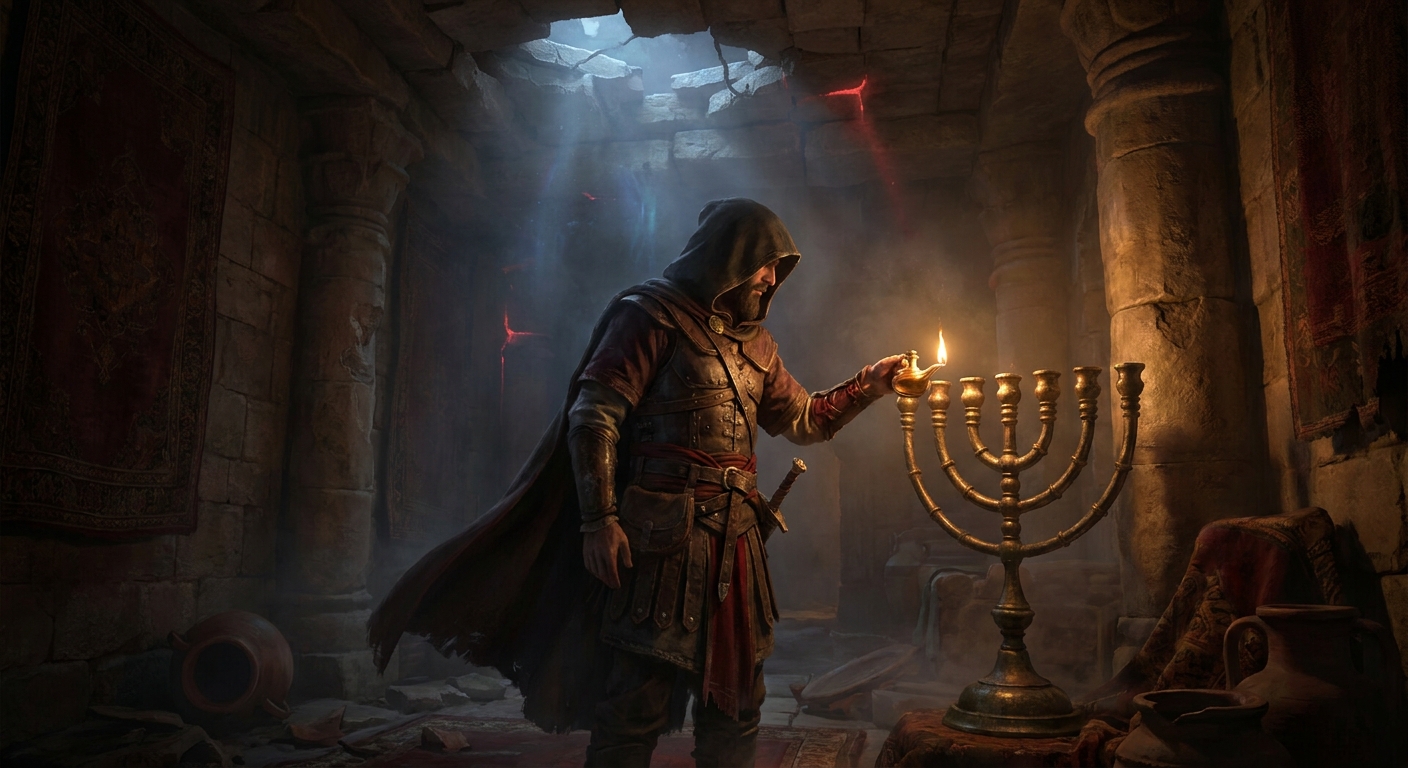
The story of Jewish resistance, Hanukkah, and the intertestamental period. Catholic scripture. Protestant history.
| Book | Written | Content | Canon Status |
|---|---|---|---|
| 1 Maccabees | ~100 BC | Historical narrative of the Maccabean revolt (167-134 BC). Mattathias and his five sons (especially Judas Maccabeus) fight Antiochus IV Epiphanes and the Seleucid Empire. Recapture and rededication of the Temple = Hanukkah | Catholic: YES. Orthodox: YES. Protestant: NO. Jewish: NO (but Hanukkah is observed) |
| 2 Maccabees | ~100 BC | Parallel account focusing on Judas Maccabeus. More theological than 1 Maccabees. Contains prayers for the dead, martyrdom theology, bodily resurrection, and angelic interventions | Catholic: YES. Orthodox: YES. Protestant: NO |
| 3 Maccabees | ~100 BC - 50 BC | NOT about the Maccabees. Set in Egypt under Ptolemy IV. God saves Egyptian Jews from persecution | Orthodox (some): YES. Catholic: NO. Protestant: NO |
| 4 Maccabees | ~20-50 AD | Philosophical treatise on reason mastering the passions. Uses the Maccabean martyrs as examples | Appendix in some Orthodox Bibles. Otherwise: NO |
flowchart TB
    MACC["<b>MACCABEES</b><br/>167-134 BC"] --> HANUKKAH["<b>Hanukkah</b><br/>Temple rededication<br/>8 days of oil<br/>Festival of Lights"]
    MACC --> DANIEL["<b>Fulfills Daniel</b><br/>Antiochus IV = the<br/>'little horn' of Daniel 8<br/>Desecrates Temple<br/>(Abomination of Desolation)"]
    MACC --> DOCTRINE["<b>Catholic Doctrine</b><br/>2 Macc 12:46: prayers for<br/>the dead = Purgatory basis<br/>2 Macc 7: bodily resurrection"]
    MACC --> GAP["<b>Fills the Gap</b><br/>400 years between<br/>Malachi and Matthew<br/>'The Silent Period'"]
    MACC --> HASMONEAN["<b>Hasmonean Dynasty</b><br/>Jewish self-rule<br/>until Rome (63 BC)<br/>Context for Jesus' world"]

    style MACC fill:#c9a227,color:#000,stroke-width:3px
    style HANUKKAH fill:#1a5276,color:#fff
    style DOCTRINE fill:#8b0000,color:#fff
style GAP fill:#6b3fa0,color:#fff| Position | Argument |
|---|---|
| Catholic | These books were in the Septuagint (Greek OT used by Jesus and the Apostles). Church councils confirmed them in the 4th century. 2 Maccabees 12:46 supports prayers for the dead and thus Purgatory |
| Protestant (Luther) | These books were NOT in the Hebrew Bible. The Jews themselves did not consider them canonical. Luther moved them to a separate “Apocrypha” section. The doctrine of Purgatory was the specific flashpoint — Luther rejected it, and 2 Maccabees was the main scriptural support |
| Jewish | Not canonical (not in the Tanakh). But 1 Maccabees is the historical source for Hanukkah. The Talmud references the Maccabean period without citing these books as scripture |
| Orthodox | Canonical. The Septuagint IS the Old Testament for Orthodoxy |
1 Maccabees 4:36-59 — The rededication of the Temple:
“Then Judas and his brothers said, ‘Now that our enemies have been crushed, let us go up to purify the sanctuary and rededicate it.’ …They celebrated the rededication of the altar for eight days.”
This is the origin of Hanukkah. Jesus himself celebrated it (John 10:22-23: “At that time the Festival of Dedication took place in Jerusalem. It was winter, and Jesus was walking in the temple”).
2 Maccabees 12:43-46 — Prayers for the dead:
“He then took up a collection among all his soldiers, amounting to two thousand silver drachmas, which he sent to Jerusalem to provide for an expiatory sacrifice… Thus he made atonement for the dead that they might be absolved from their sin.”
This passage is THE scriptural basis for the Catholic doctrine of Purgatory and prayers for the dead. Luther’s rejection of this book was directly tied to his rejection of Purgatory, indulgences, and the entire system they supported.