Wisdom of Solomon
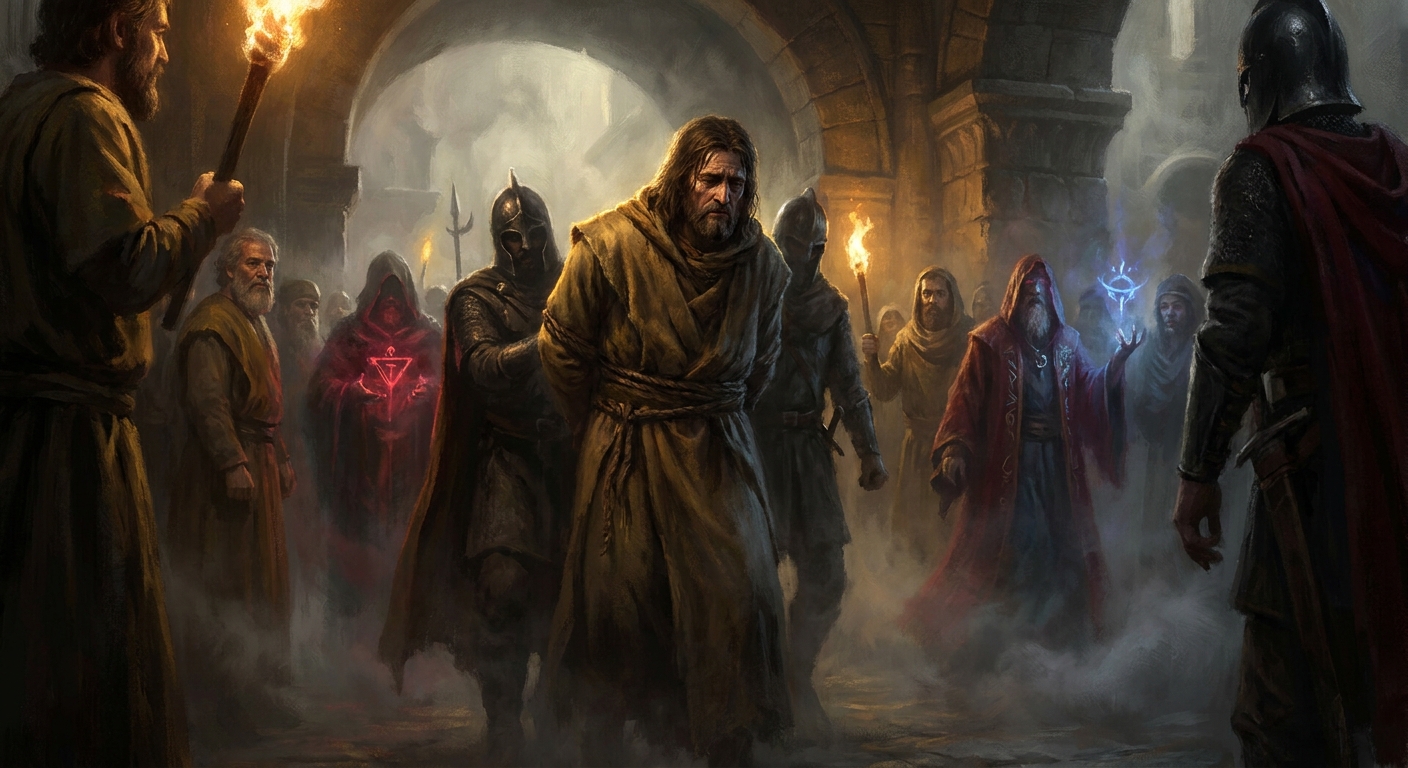
“The souls of the righteous are in the hand of God, and no torment will ever touch them.” — A book that profoundly shaped Catholic theology on the afterlife, the nature of wisdom, and the incarnation. Written by someone impersonating King Solomon, arguing with Greek philosophy in Greek.
| Aspect | Detail |
|---|---|
| Written | ~50 BC - 30 AD (Hellenistic period). Almost certainly written in Alexandria, Egypt |
| Language | Greek — one of the few Deuterocanonical books composed in Greek rather than translated from Hebrew. The Greek is sophisticated and literary |
| Attributed to | King Solomon (pseudepigraphical — Solomon lived ~970-930 BC; this was written ~900 years later) |
| Genre | Wisdom literature / philosophical treatise blending Jewish theology with Hellenistic (Greek) philosophy |
| Canon status | Canonical in Catholic, Eastern Orthodox, and Ethiopian Orthodox churches. Rejected by Protestants. Not in the Jewish Tanakh |
The book divides into three main sections:
Part 1: The Book of Eschatology (Chapters 1-5) — The destiny of the righteous vs. the wicked. The wicked persecute the just man, but God vindicates him after death. This section contains the most developed afterlife theology in the entire Old Testament tradition.
Part 2: The Praise of Wisdom (Chapters 6-9) — Solomon addresses the kings of the earth, urging them to seek Wisdom. Wisdom is personified as a divine feminine figure who was present at creation. Solomon “loved her” and sought her as a bride.
Part 3: Wisdom in History (Chapters 10-19) — Wisdom’s role in saving Israel throughout history, from Adam through the Exodus. Extended contrast between the Egyptians and the Israelites.
Wisdom 2:12-20 — The wicked plot against the righteous man:
“Let us lie in wait for the righteous man, because he is inconvenient to us and opposes our actions… He calls the last end of the righteous happy, and boasts that God is his father. Let us see if his words are true, and let us test what will happen at the end of his life; for if the righteous man is God’s child, he will help him… Let us condemn him to a shameful death, for, according to what he says, he will be protected.”
Early Christians read this as a direct prophecy of Jesus’ passion. The parallels to the Gospel accounts of Jesus’ trial are striking enough that some scholars believe the Gospel authors drew on this text.
Wisdom 3:1-4 — The afterlife of the righteous:
“But the souls of the righteous are in the hand of God, and no torment will ever touch them. In the eyes of the foolish they seemed to have died, and their departure was thought to be a disaster, and their going from us to be their destruction; but they are at peace. For though in the sight of others they were punished, their hope is full of immortality.”
This is THE central Catholic proof-text for the immortality of the soul and the basis for the Catholic funeral liturgy.
Wisdom 7:22-26 — The nature of Wisdom:
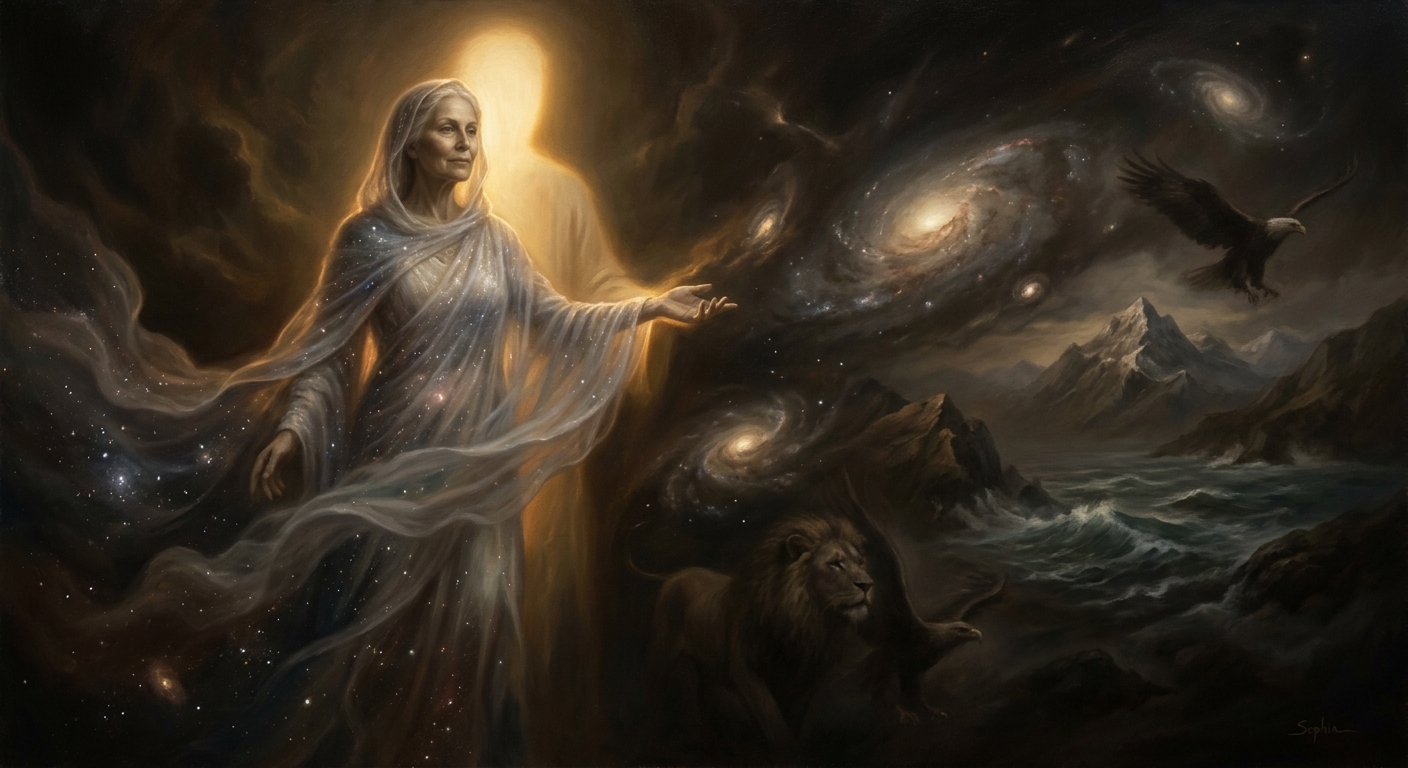
“For Wisdom is more mobile than any motion; because of her pureness she pervades and penetrates all things. For she is a breath of the power of God, and a pure emanation of the glory of the Almighty… For she is a reflection of eternal light, a spotless mirror of the working of God, and an image of his goodness.”
Compare this with Hebrews 1:3 (“He is the reflection of God’s glory and the exact imprint of God’s very being”) and Colossians 1:15 (“He is the image of the invisible God”). The New Testament authors appear to have applied Wisdom language directly to Christ.
- Written in Greek — Not part of the Hebrew Bible and not translatable “back” into Hebrew
- Pseudepigraphical — Solomon did not write it. Written nearly a millennium after his death
- Hellenistic philosophy — The blend of Greek philosophical concepts (Platonic immortality of the soul, Stoic cosmology) with Jewish theology troubled reformers who wanted pure biblical theology
- Luther’s position — Placed in the Apocrypha, acknowledging its beauty and influence but denying its canonical authority
| Tradition | Significance |
|---|---|
| Christian (Protestant) | Rejected from the canon but its ideas permeate the New Testament. The Christological hymns in Colossians and Hebrews use Wisdom of Solomon’s language almost verbatim. Many Protestants unknowingly hold theology shaped by this book |
| Catholic | Hugely influential. Funeral liturgy (“the souls of the righteous are in the hand of God”), Christology (Wisdom as pre-existent divine figure applied to Christ), moral theology (immortality of the soul as distinct from bodily resurrection). Read in the lectionary regularly |
| Jewish | Not canonical but an important witness to Hellenistic Judaism. Shows how Alexandrian Jews engaged with Greek philosophy while maintaining Jewish identity. The personified Wisdom tradition goes back to Proverbs 8 but reaches its fullest expression here |
| Masonic | Solomon and Wisdom are central Masonic themes. The portrayal of Wisdom as the divine architect’s companion (“When he marked out the foundations of the earth, then I was beside him, like a master worker” — echoing Proverbs 8:29-30) connects to the Masonic Great Architect symbolism |
| Esoteric | The divine feminine Sophia (Wisdom) tradition draws heavily from this book. Gnostic systems personified Sophia as a divine being who fell from the Pleroma — a reading that begins with Wisdom of Solomon’s personification and pushes it further |
| Ethiopian Orthodox | Fully canonical. Part of the Old Testament |
flowchart TB
    WIS["<b>WISDOM OF SOLOMON</b><br/>~50 BC - 30 AD"] --> AFTERLIFE["<b>Afterlife Theology</b><br/>'Souls of the righteous<br/>are in the hand of God'<br/>Immortality of the soul"]
    WIS --> SOPHIA["<b>Personified Wisdom</b><br/>Divine feminine figure<br/>'Breath of the power of God'<br/>'Image of his goodness'"]
    WIS --> PASSION["<b>Passion Prophecy</b><br/>Wis 2:12-20<br/>Righteous man condemned<br/>Parallels Jesus' trial"]

    AFTERLIFE --> FUNERAL["Catholic funeral liturgy<br/>Wisdom 3:1-4"]
    SOPHIA --> CHRISTOLOGY["NT Christology<br/>Hebrews 1:3, Col 1:15<br/>apply Wisdom language<br/>directly to Christ"]
    SOPHIA --> GNOSTIC["Gnostic Sophia<br/>Divine feminine falls<br/>from the Pleroma"]
    PASSION --> GOSPEL["Gospel Passion narratives<br/>may draw on Wis 2"]

    style WIS fill:#c9a227,color:#000,stroke-width:3px
    style AFTERLIFE fill:#8b0000,color:#fff
    style CHRISTOLOGY fill:#4a6fa5,color:#fff
style GNOSTIC fill:#6b3fa0,color:#fff| Book | Written | Content | Cross-Tradition Significance |
|---|---|---|---|
| Book of Jubilees | ~150 BC | Retelling of Genesis-Exodus with 364-day calendar; detailed angel hierarchy | Ethiopian canon. Dead Sea Scrolls (15 copies). Masonic interest in antediluvian knowledge |
| 2 Enoch (Slavonic Enoch) | 1st century AD | Enoch’s journey through 10 heavens; creation narrative | Orthodox Slavic tradition. Source for “seven heavens” concept |
| Testament of Solomon | 1st-3rd century AD | Solomon commands 36 demons by a magic ring; they build the Temple | Foundation of Solomonic magic tradition. Masonic Temple legends. Each demon named with its counter-angel |
| Apocalypse of Peter | 2nd century AD | Graphic tour of heaven and hell; earliest detailed Christian afterlife imagery | Almost made the canon. Listed in the Muratorian Fragment (~170 AD). Source for Dante’s Inferno imagery |
| Shepherd of Hermas | 2nd century AD | Visions, commandments, parables received by a Roman Christian | In the Codex Sinaiticus (4th century) alongside the canonical NT. Nearly made the cut |
| Didache | Late 1st century AD | ”Teaching of the Twelve Apostles.” Earliest church manual: baptism, eucharist, ethics | May be contemporary with some NT books. Shows what earliest Christian practice looked like |