Category: Omens Origin: Babylonian, Jewish, Islamic, Celtic Traditions: Jewish, Islamic, Celtic, Hindu, Yoruba Risk: Good Luck / Protective
The new moon — rosh chodesh (Jewish), hilal (Islamic), imbolc/samhain timing (Celtic) — is a universally charged moment: the threshold between the old lunar cycle and the new.
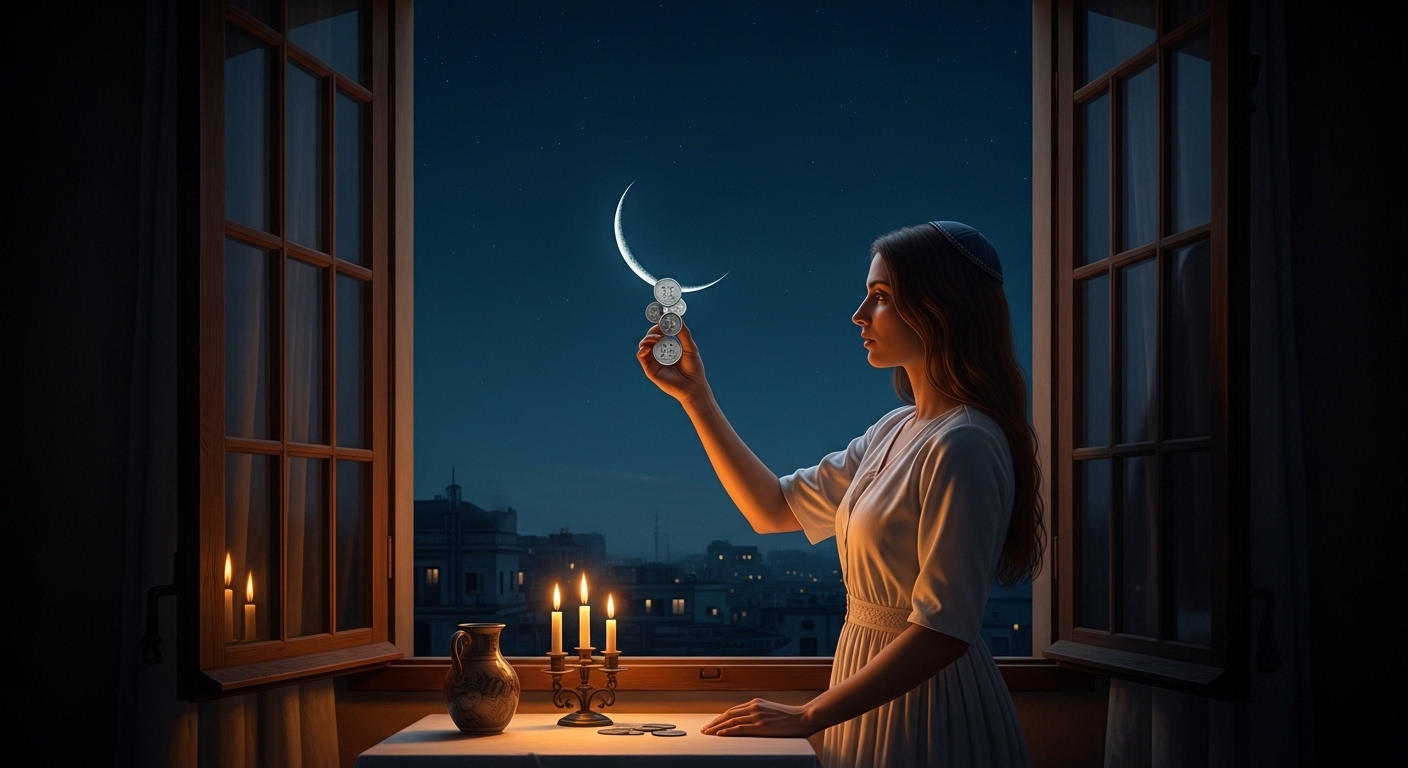
Jewish tradition: Rosh Chodesh (Head of the Month) is a minor festival marked by additional prayers. Money shown to the new moon brings prosperity for that month. The new moon is associated with renewal; debts or difficult conversations are avoided on the first night.
Islamic tradition: The hilal (crescent moon) is the Islamic calendar’s governing unit — festivals, Ramadan, Hajj all depend on its sighting. The new moon is not superstitious but sacred; its first sighting triggers prayers and the start of fasting. Cutting hair or nails during the new moon is inauspicious in several regional traditions.
Celtic tradition: Beginning any major undertaking at the new moon (when the moon is “waxing” toward fullness) ensures success. Planting, starting a journey, or making a vow during the waxing moon means the intention will grow with the moon. A new moon seen through glass (a window) is particularly unlucky; it must be seen directly.
Hindu tradition: Amavasya (the no-moon night preceding the new moon) is considered inauspicious for new ventures but auspicious for ancestor worship (pitru puja). The new moon itself is the preferred time to begin positive endeavors.
Yoruba tradition: The moon is connected to Yemoja (mother of waters) and cycles of feminine power. New moon is a time of purification and new intentions — offerings are made at water sources.