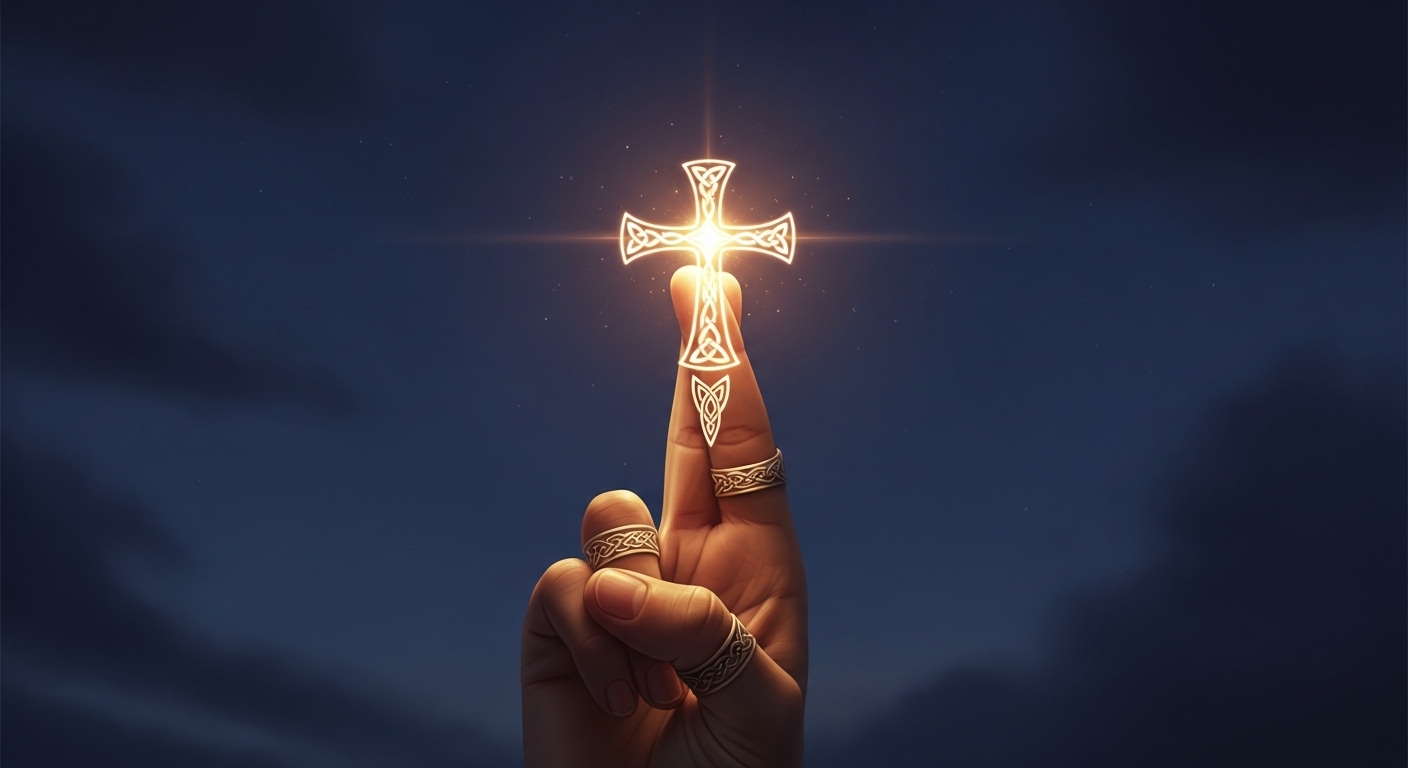
Crossing two fingers — index over middle, or touching the tips together — is performed in two contradictory contexts: to invoke good luck when…
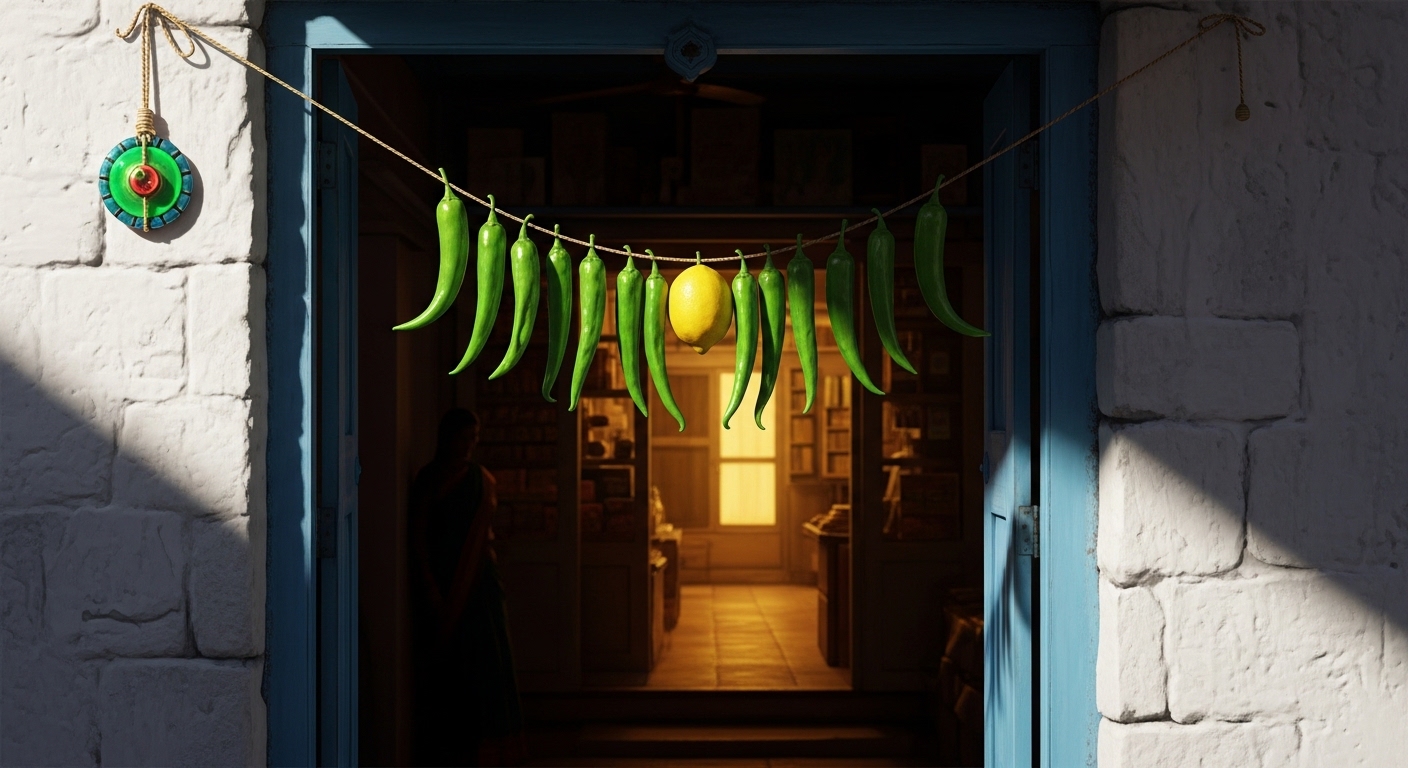
A string of seven green chilis and one lemon (nimbu mirchi) — hung above shop doors, vehicle mirrors, and home entrances across South Asia…
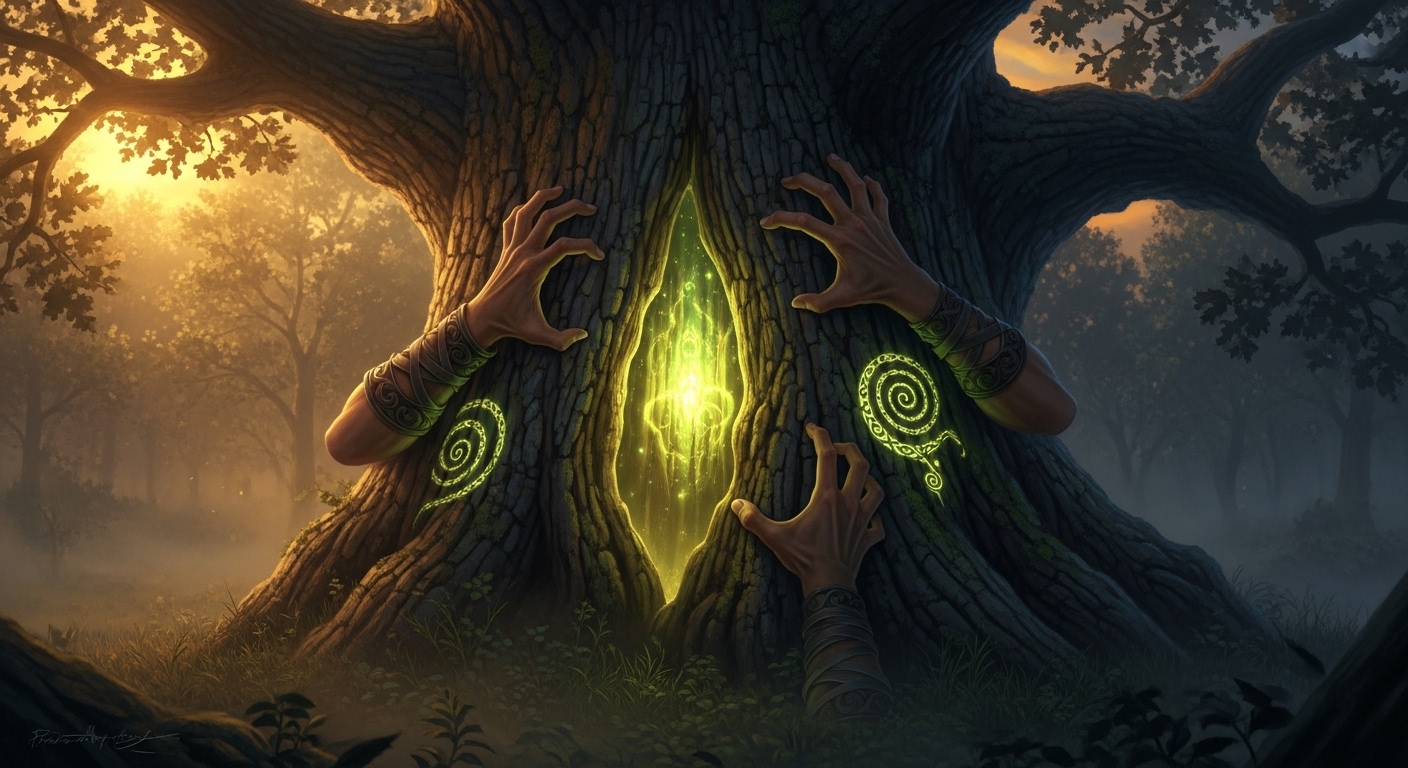
The impulse to knock on wood after stating something fortunate ("I haven't been sick all year — knock on wood") is documented across Europe,…
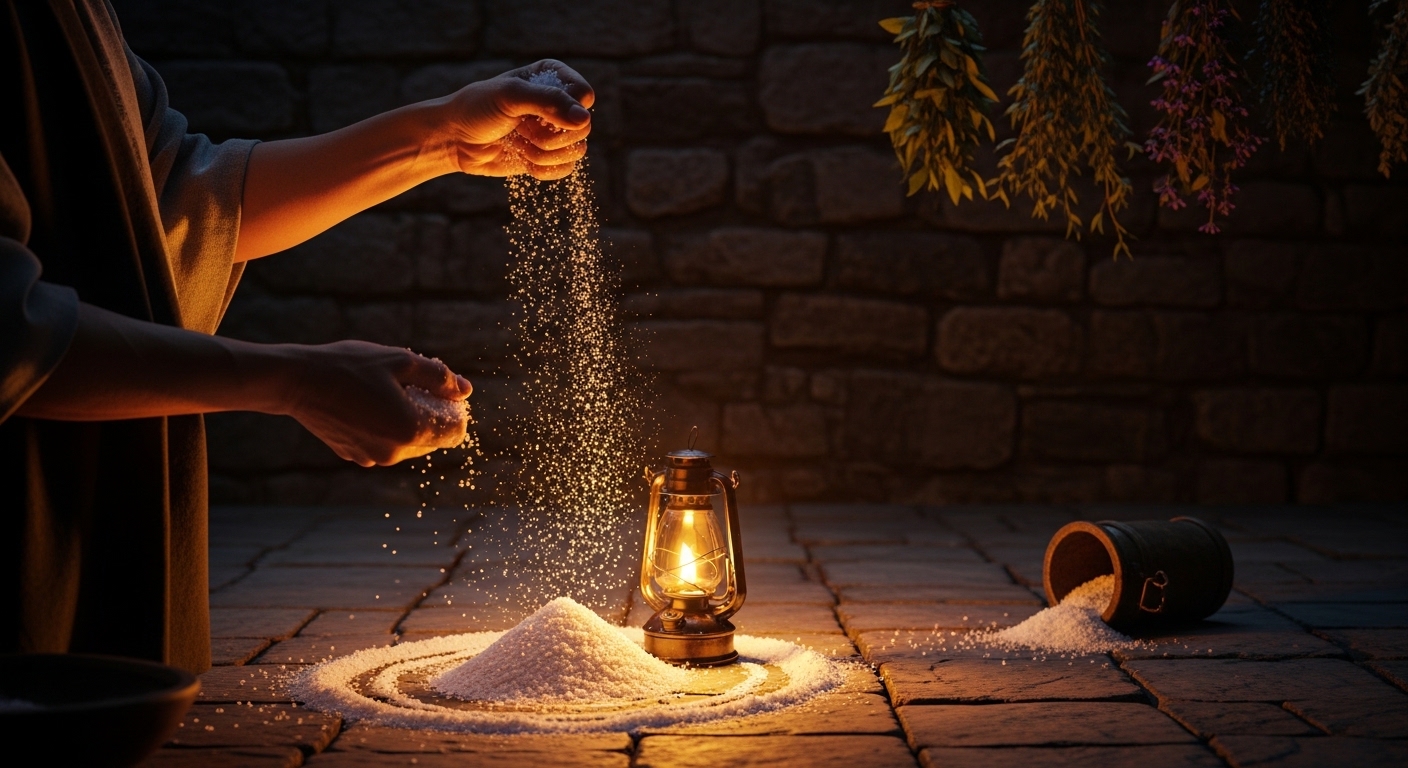
Salt is the most cross tradition superstitious object on earth. Its preservation power made it synonymous with permanence, purity, and incorruptibility across every major…
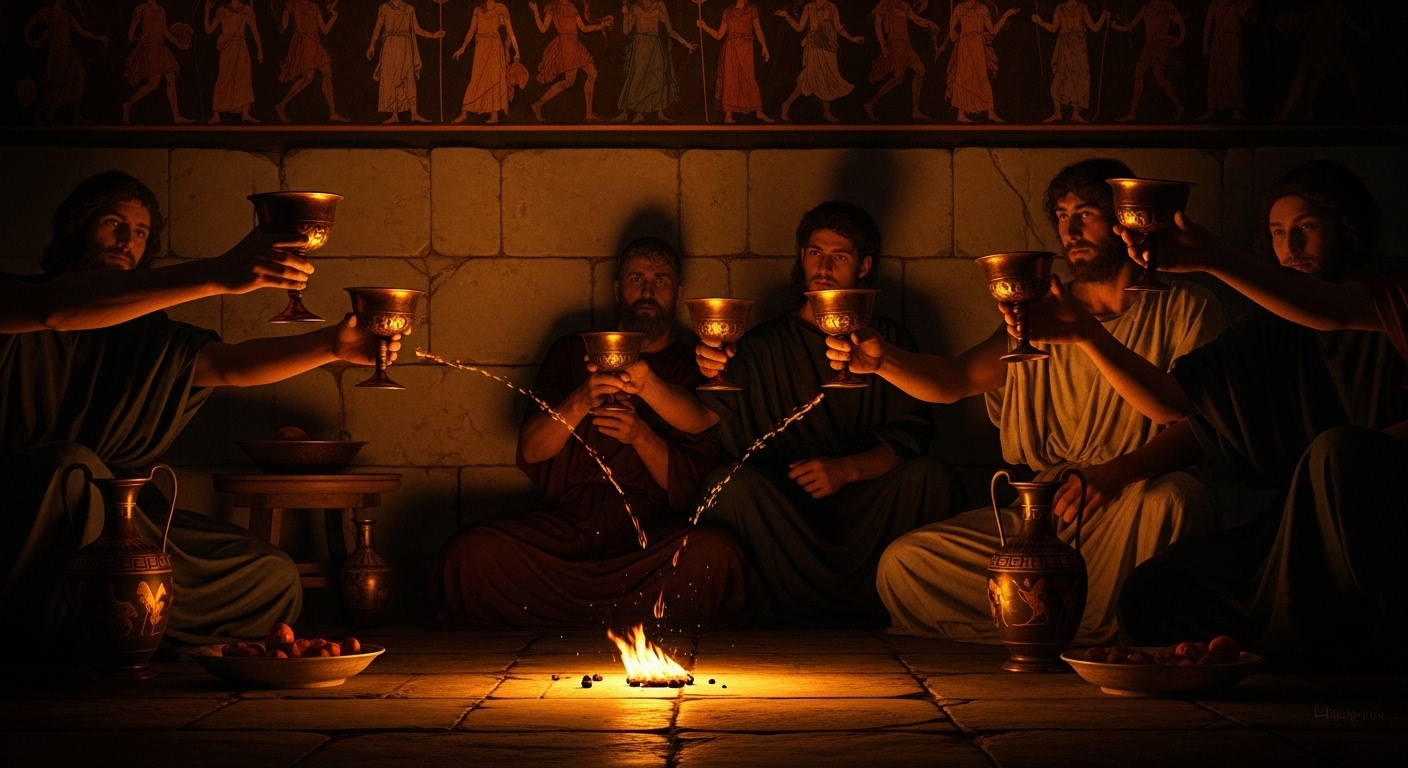
The practice of spilling a few drops of wine — intentionally or as a ritual gesture — during a toast appears across Mediterranean and…
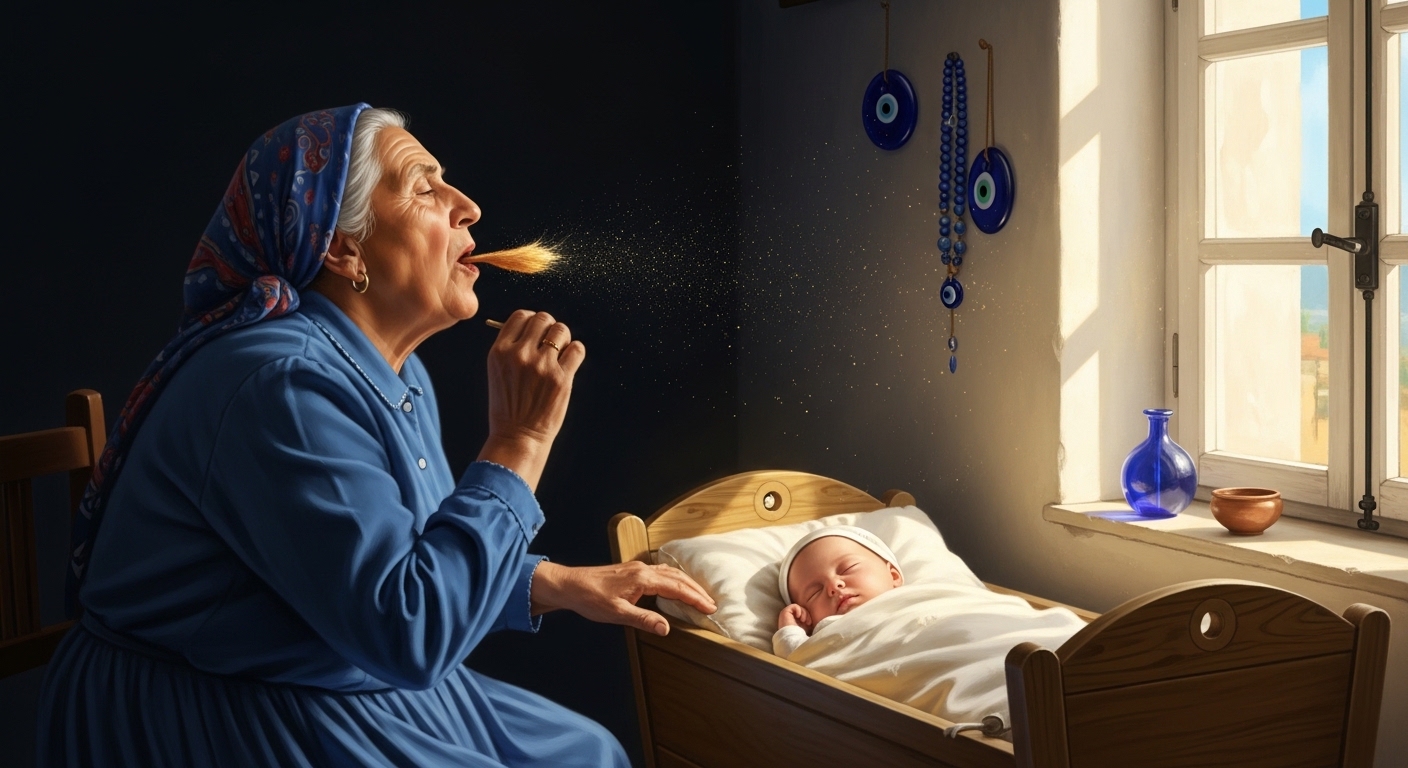
Spitting — particularly three times — as protective magic appears across traditions with remarkable consistency.
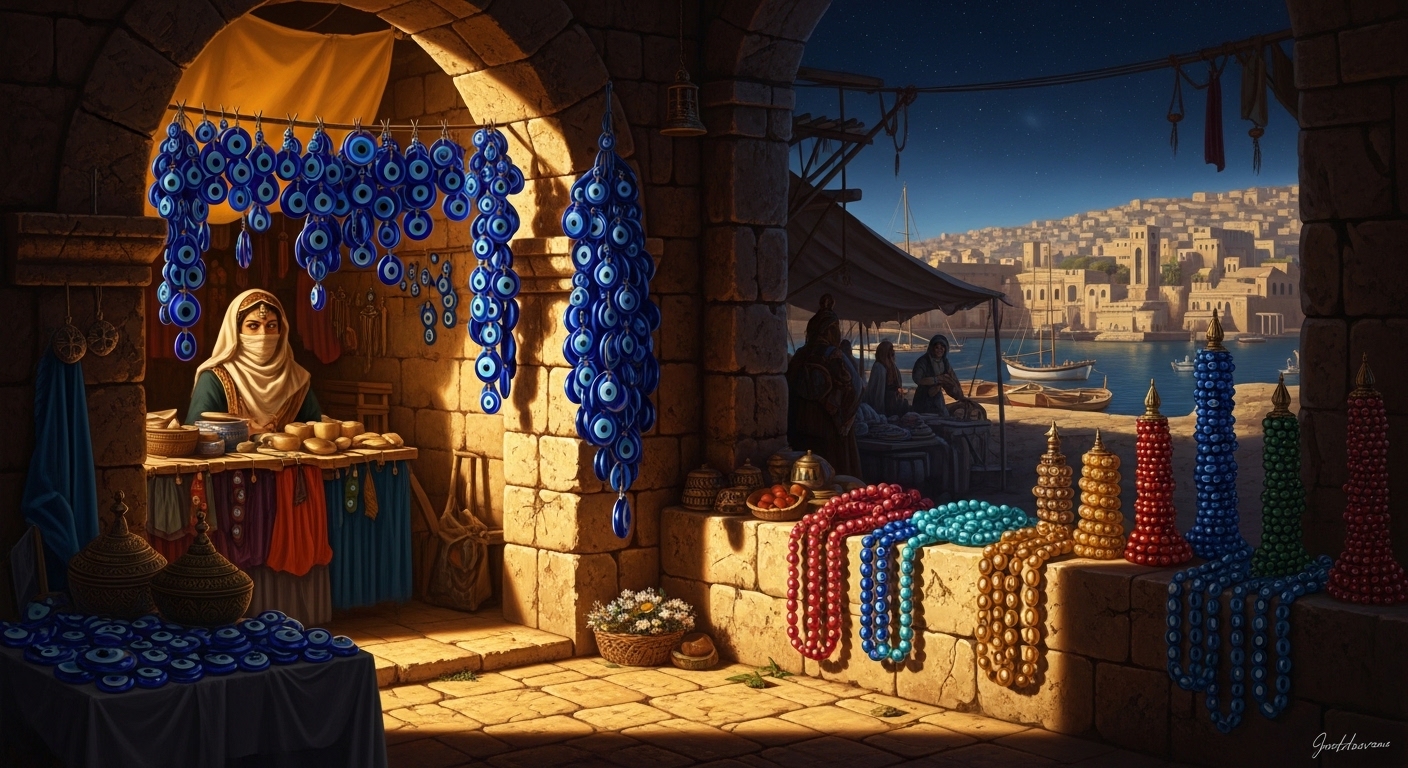
Few beliefs have spread as far or lasted as long as the Evil Eye — the idea that a jealous or malicious gaze can…
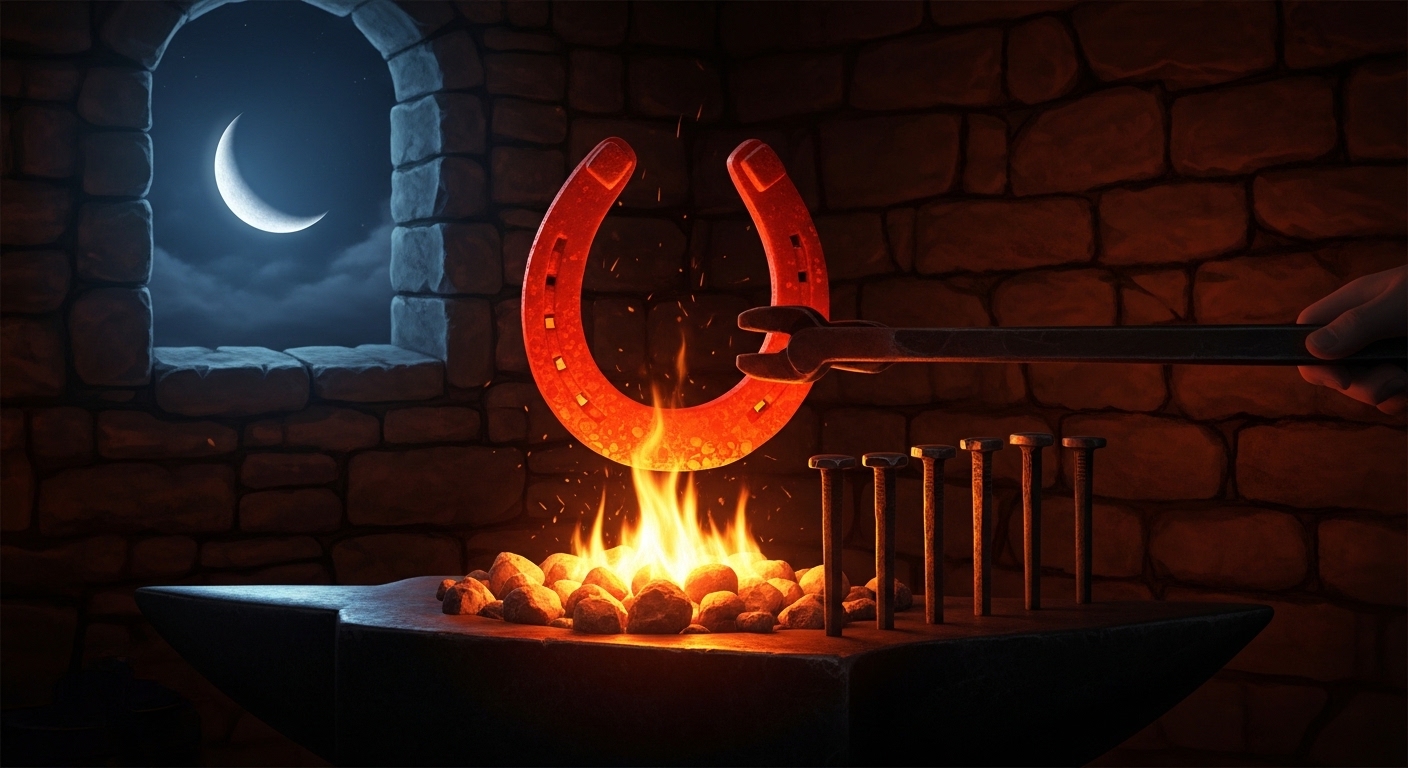
The horseshoe's protective power derives from three independent sources that converged: Saint Dunstan legend (Christian): The English patron saint of blacksmiths allegedly shoed the…
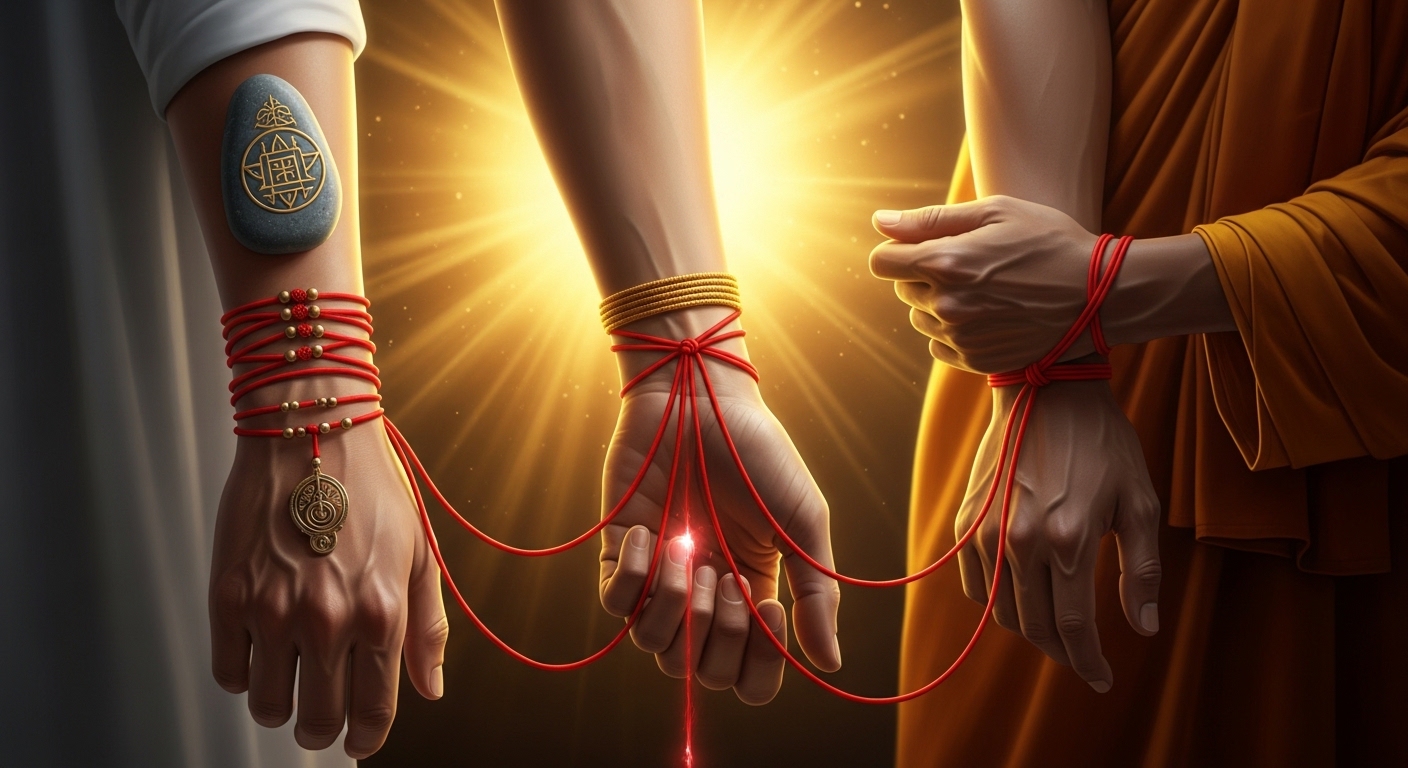
The practice of wearing a red thread on the left wrist appears independently across unconnected traditions, suggesting either diffusion from a common source or…
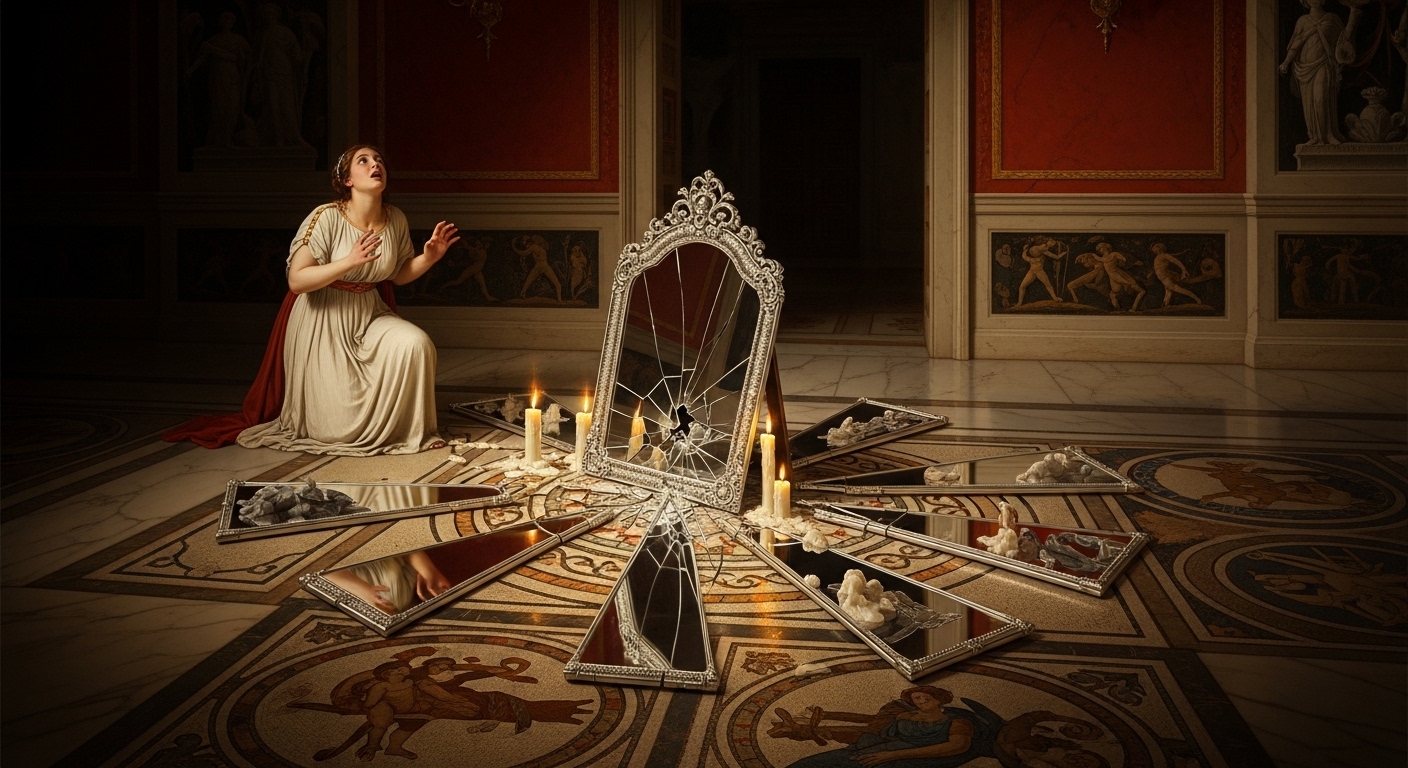
The seven year bad luck penalty for breaking a mirror originates with Roman physicians who taught that health cycled in seven year intervals. A…

"Find a penny, pick it up / all day long you'll have good luck" — but only if heads up. A tails up penny…
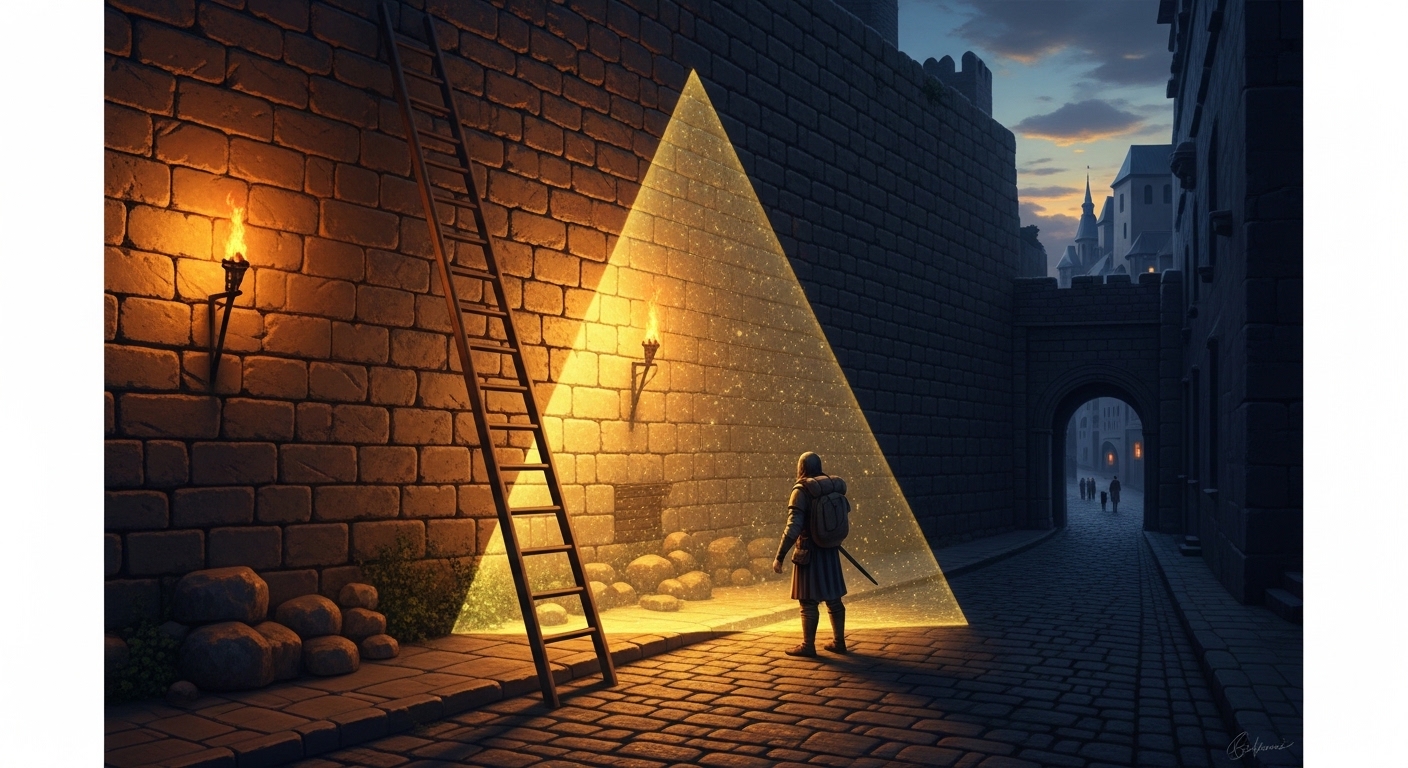
A ladder leaning against a wall creates a triangle — and triangles carry sacred meaning across multiple traditions.
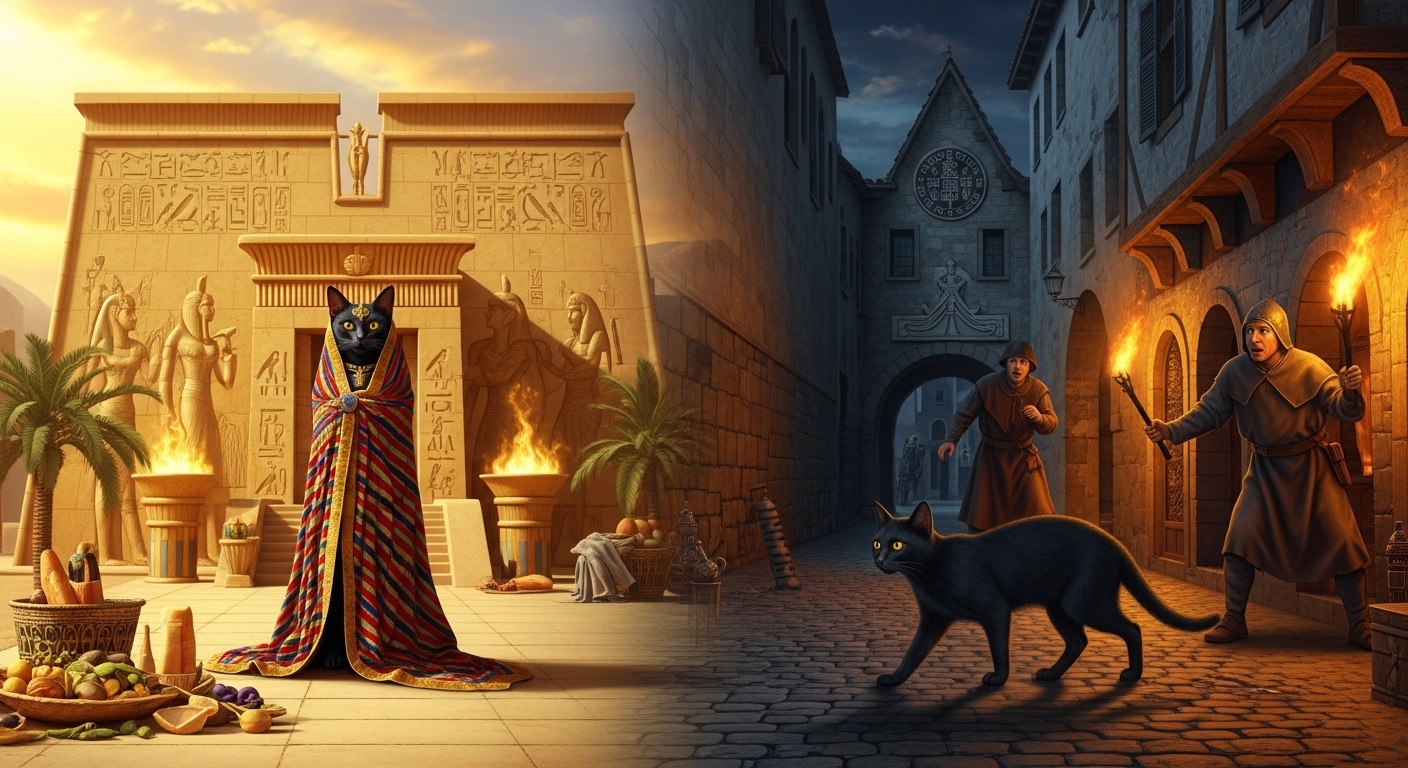
No creature carries more contradictory symbolic weight than the black cat: In ancient Egypt, all cats were sacred to Bastet — the goddess of…
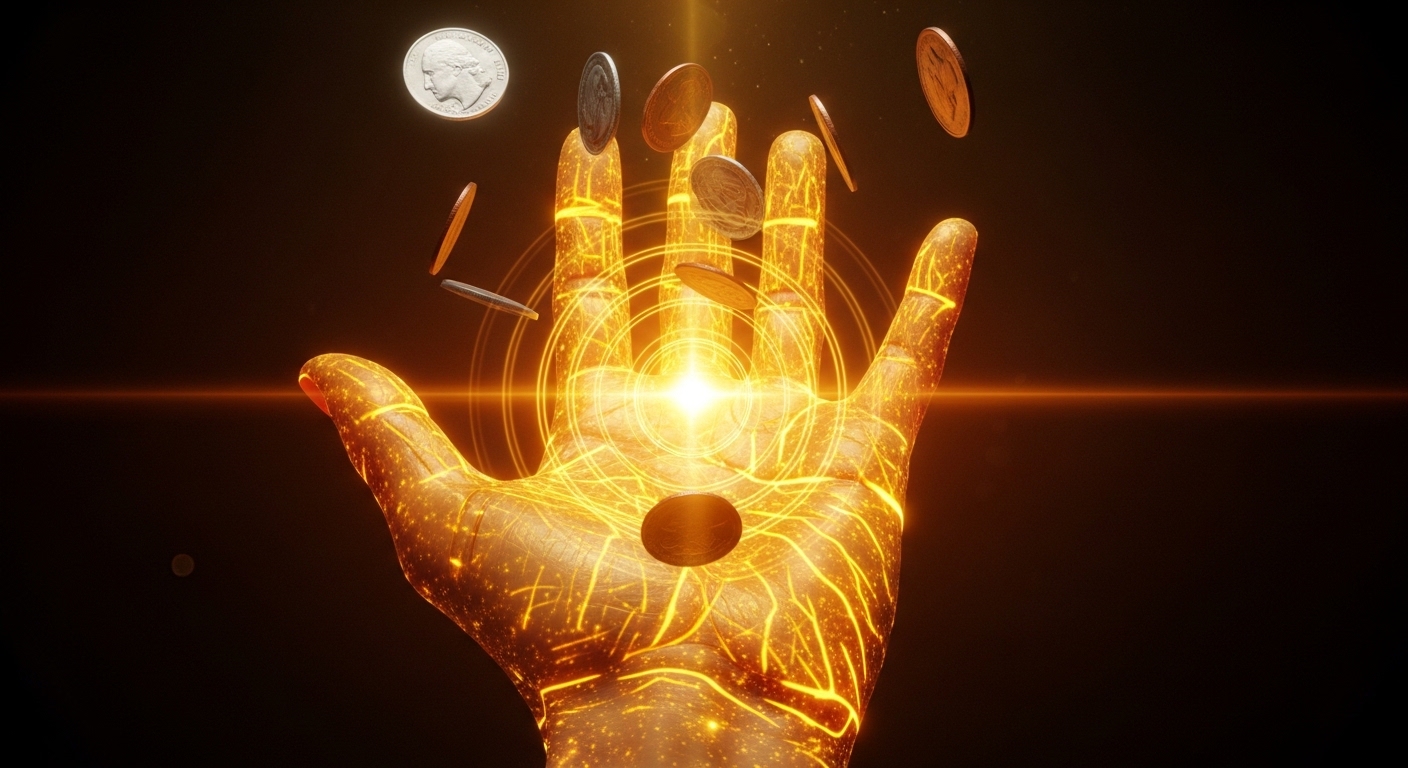
An itching palm predicts an imminent change in your financial situation — but which hand itches determines whether you're giving or receiving: Romani tradition…
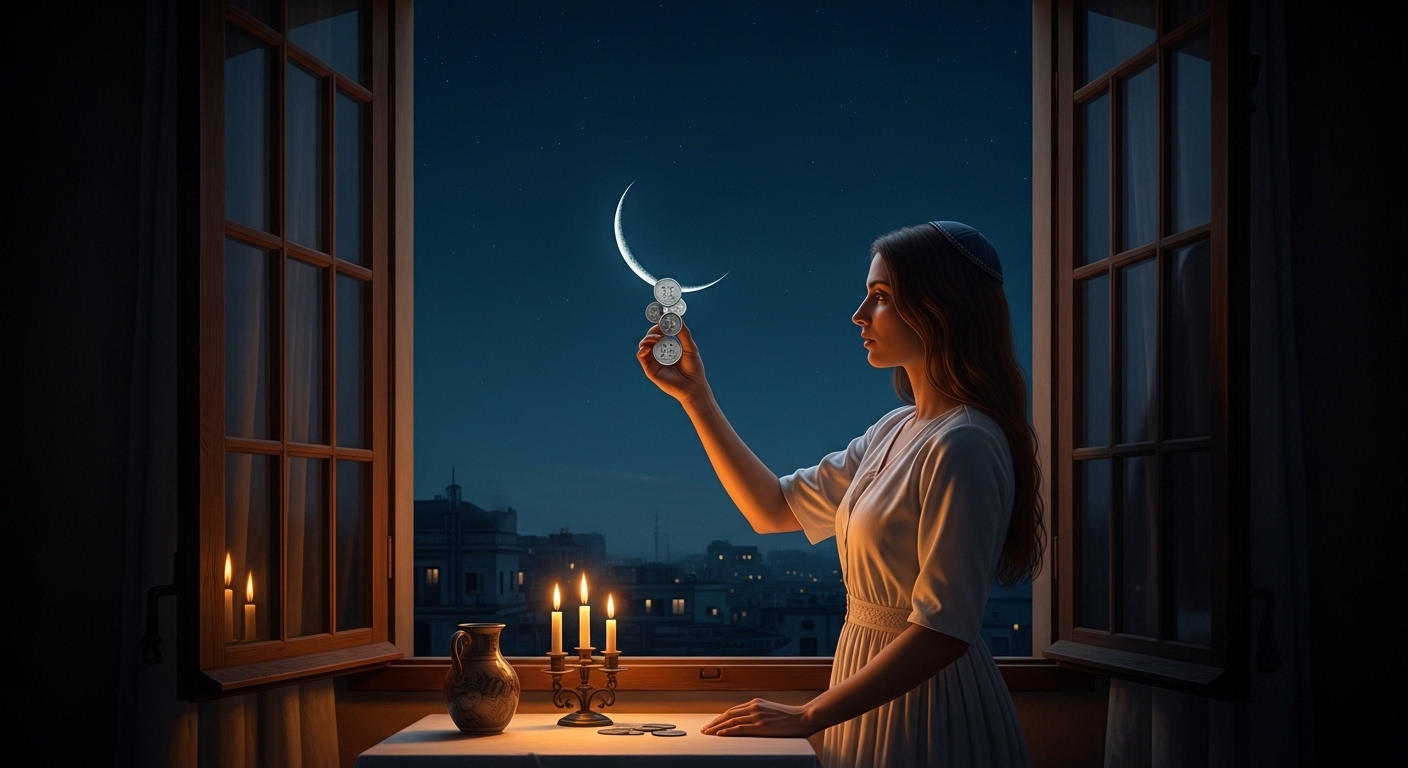
The new moon — rosh chodesh (Jewish), hilal (Islamic), imbolc/samhain timing (Celtic) — is a universally charged moment: the threshold between the old lunar…

Wishing on a shooting star appears in nearly every culture that watched the night sky — but the explanation for why it works varies…
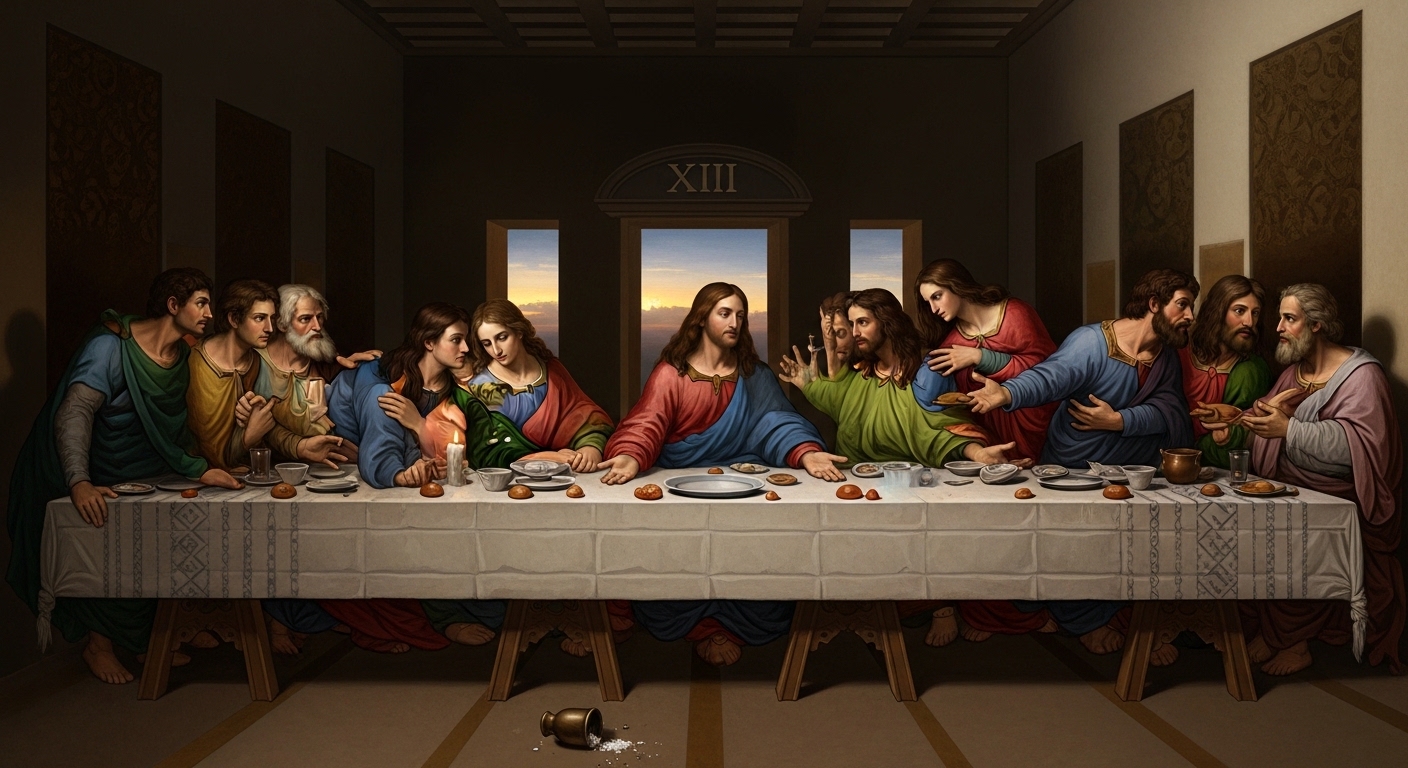
Thirteen's malevolent reputation arrives from two independent sources that reinforced each other in Christian Europe: Babylonian law codes often skipped the number 13 in…

In Mandarin, Cantonese, Japanese, and Korean, the word for "four" sounds nearly identical to the word for "death" (sì / si / shi). The…
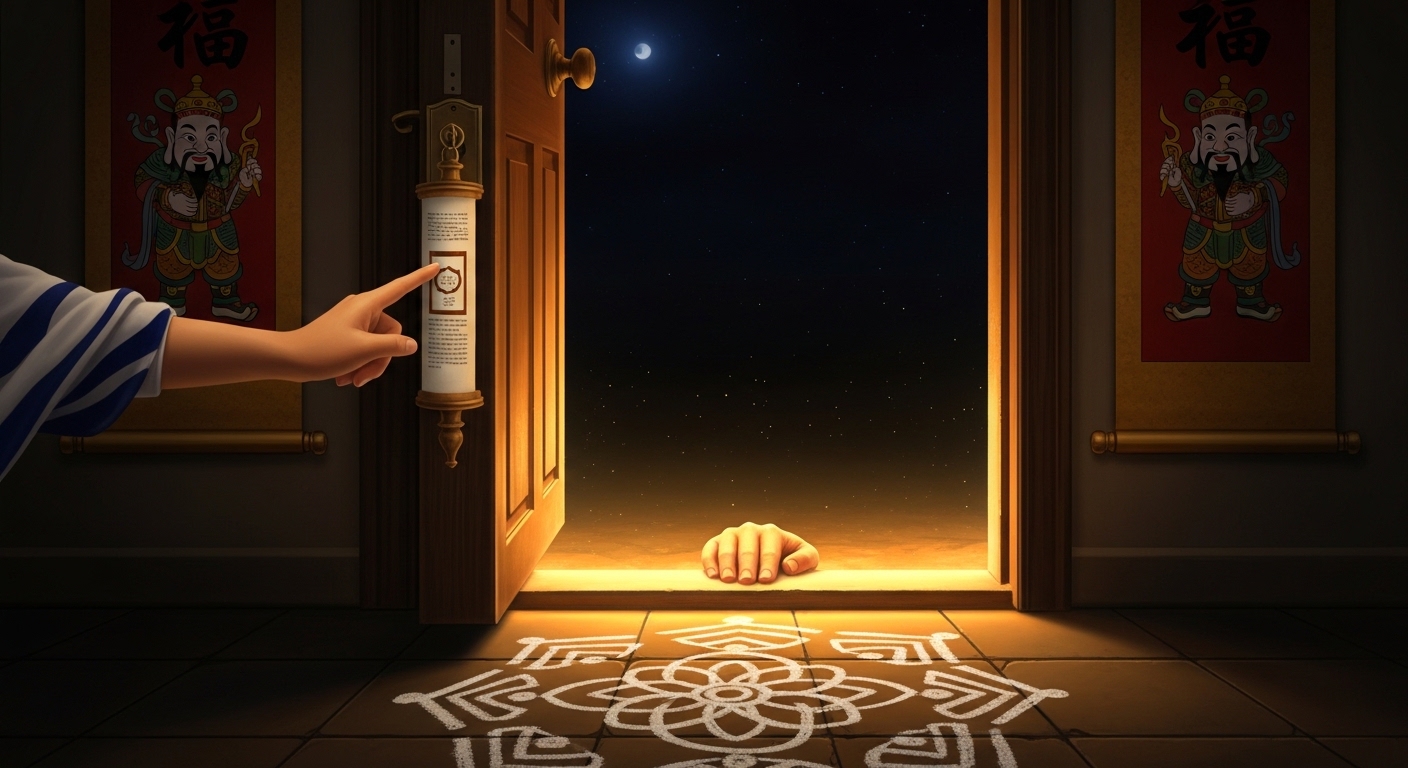
The doorway is the most universally superstition laden space in human architecture — the boundary between inside (safe, known, controlled) and outside (dangerous, unknown,…
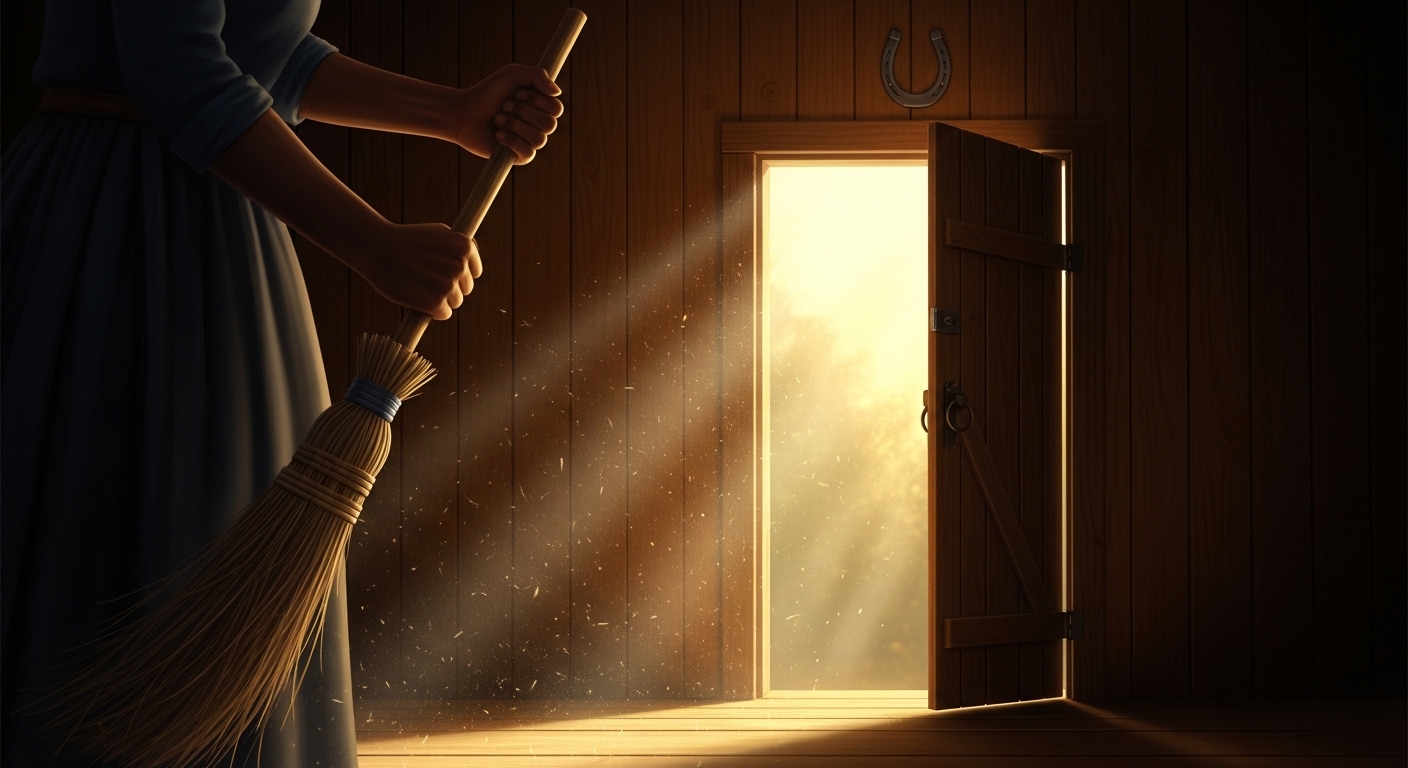
The broom is one of the most charged domestic objects in world superstition — an instrument of both protection and dangerous carelessness.