Combat Profile
Theodicy's Question
Job poses an unanswerable challenge to divine will, forcing opponents to confront the paradox of suffering and righteousness until they yield or despair.
Unbroken Faith
Job's endurance grants him immunity to despair effects and converts incoming spiritual damage into wisdom that strengthens his resolve.
Demanded an answer from God (which God considered presumptuous)
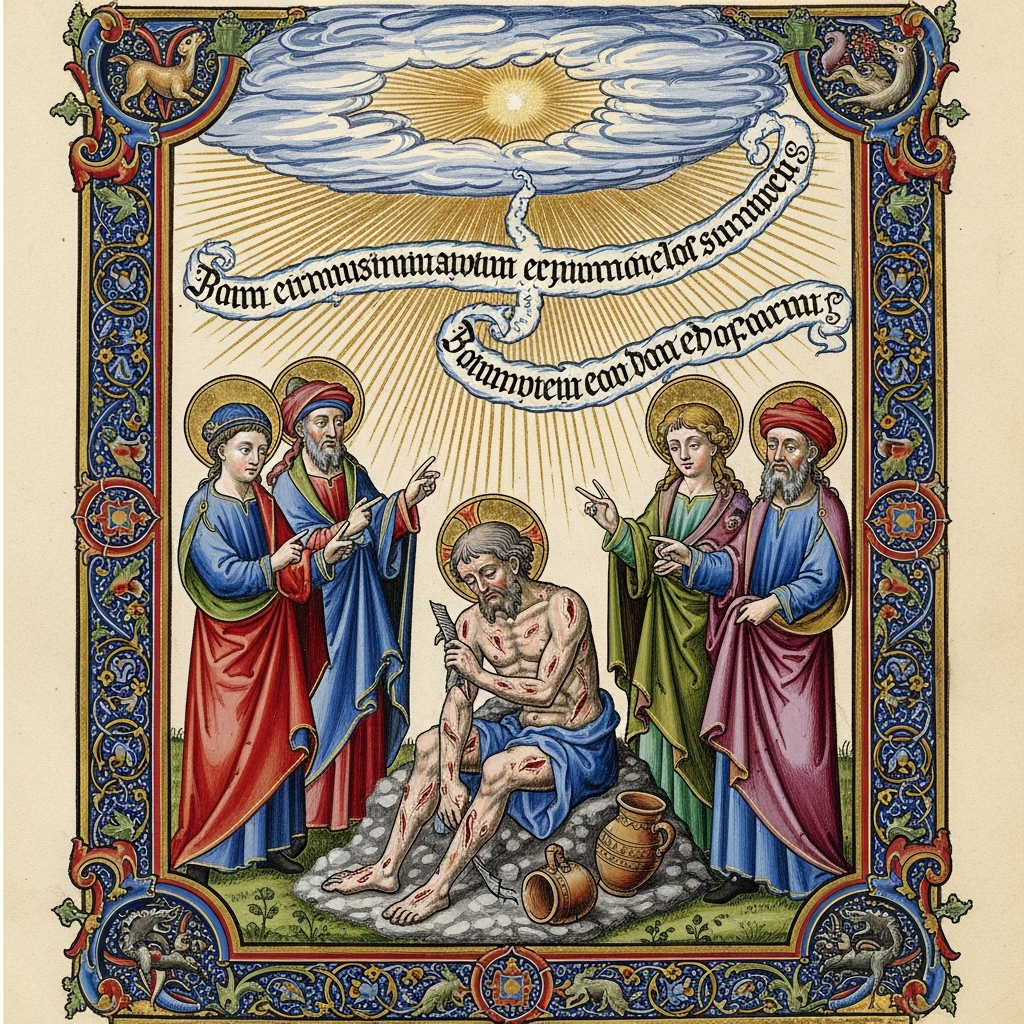
The Book of Job is the Bible’s confrontation with the problem of evil. Satan (here a courtier in God’s council, not yet the cosmic villain) bets that Job’s faith depends on his prosperity. God permits the test. Job loses everything but refuses to curse God: “The LORD gave, and the LORD has taken away; blessed be the name of the LORD” (1:21). His three friends insist suffering = divine punishment; Job insists he’s innocent. Both are right about their premises, but wrong about their conclusions. God’s answer from the whirlwind (chapters 38-41) never explains Job’s suffering — instead, God describes the cosmic order (Behemoth, Leviathan, the morning stars) and essentially says: “You don’t have the framework to understand this.” Job’s response: “I had heard of you by the hearing of the ear, but now my eye sees you” (42:5). Experience replaced theology. He’s restored double everything — except his children, who were replaced, not restored. The book never fully resolves the question.
1 min read
Job 1-42