The Story
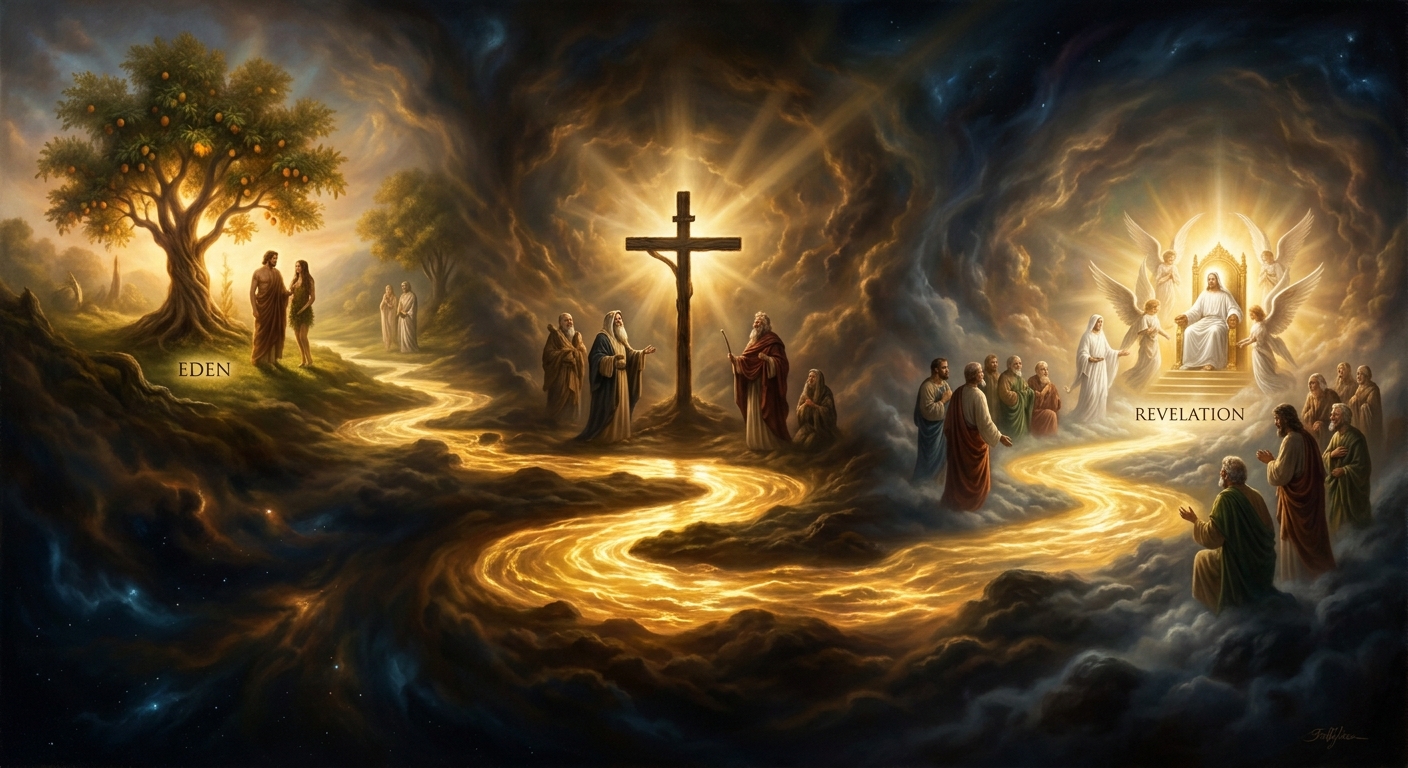
Read end to end, the Bible tells a single arc: a creator makes a good world (Genesis 1); a creature breaks it (Genesis 3); a long project puts it back together. Whether you read as historian, mystic, or skeptic, the narrative shape is identical — and most of Western art, law, and literature descends from it.
It opens in a garden. A man and a woman are placed in Eden with one rule and a serpent (Genesis 2-3) who reframes the rule as the problem. They eat (Genesis 3:6). The world they inherit is grimly recognizable: thorns, labor, mortality (Genesis 3:17-19), sibling murder by the next generation (Genesis 4:8). The early chapters compress millennia into sparse pages: genealogies lengthen (Genesis 5), violence escalates, and a flood resets the population through Noah and his ark (Genesis 6-9). A rainbow seals the first covenant (Genesis 9:13): never again by water.
The narrative narrows. Out of Babel’s scattering (Genesis 11), one man — Abraham — is called from Mesopotamia (Genesis 12:1) with a promise: land, descendants, blessing for the nations (Genesis 12:2-3). His grandson Jacob wrestles an angel (Genesis 32:24-30), is renamed Israel, and fatheres twelve tribes (Genesis 35:23-26). Famine drives them into Egypt (Genesis 47), where four centuries later their descendants are slaves (Exodus 1).
Moses returns (Exodus 3-4). Plagues strike Pharaoh (Exodus 7-11) — each one targeting an Egyptian deity, making the Exodus less a jailbreak than a public theological audit. The sea splits (Exodus 14:21); Pharaoh’s army drowns (Exodus 14:28). At Sinai the Torah is given amid thunder (Exodus 19-20): ten commandments, civil law, a tabernacle blueprint (Exodus 25-27) that scholars still read as a cosmos map. Forty wilderness years later (Deuteronomy 1:3; Joshua 14:10), Joshua takes Canaan (Joshua 1-12). Judges rise and fall (Judges). Then a kingdom: Saul, David, Solomon (1 Samuel 8 - 1 Kings 11). Solomon builds the First Temple (1 Kings 6-7) and — Testament tradition claims — binds seventy-two demons to construct it.
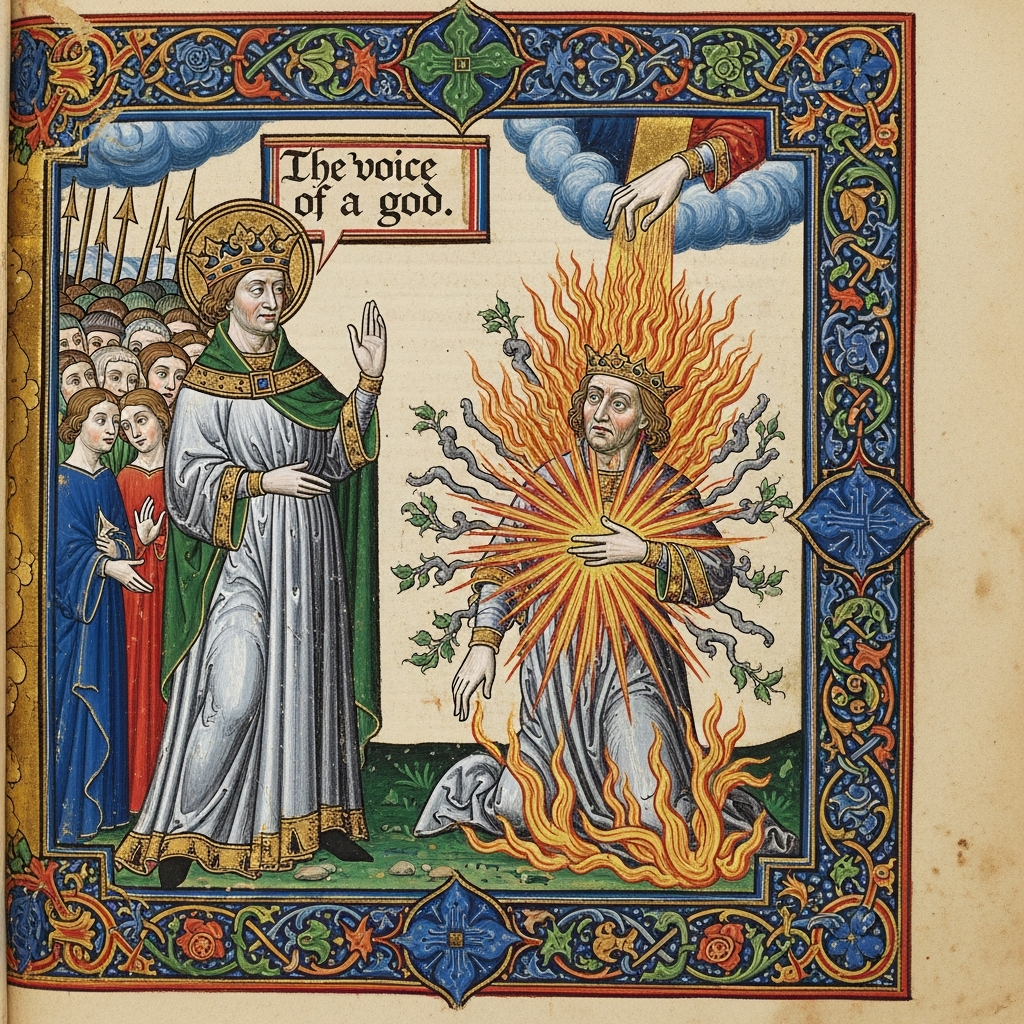
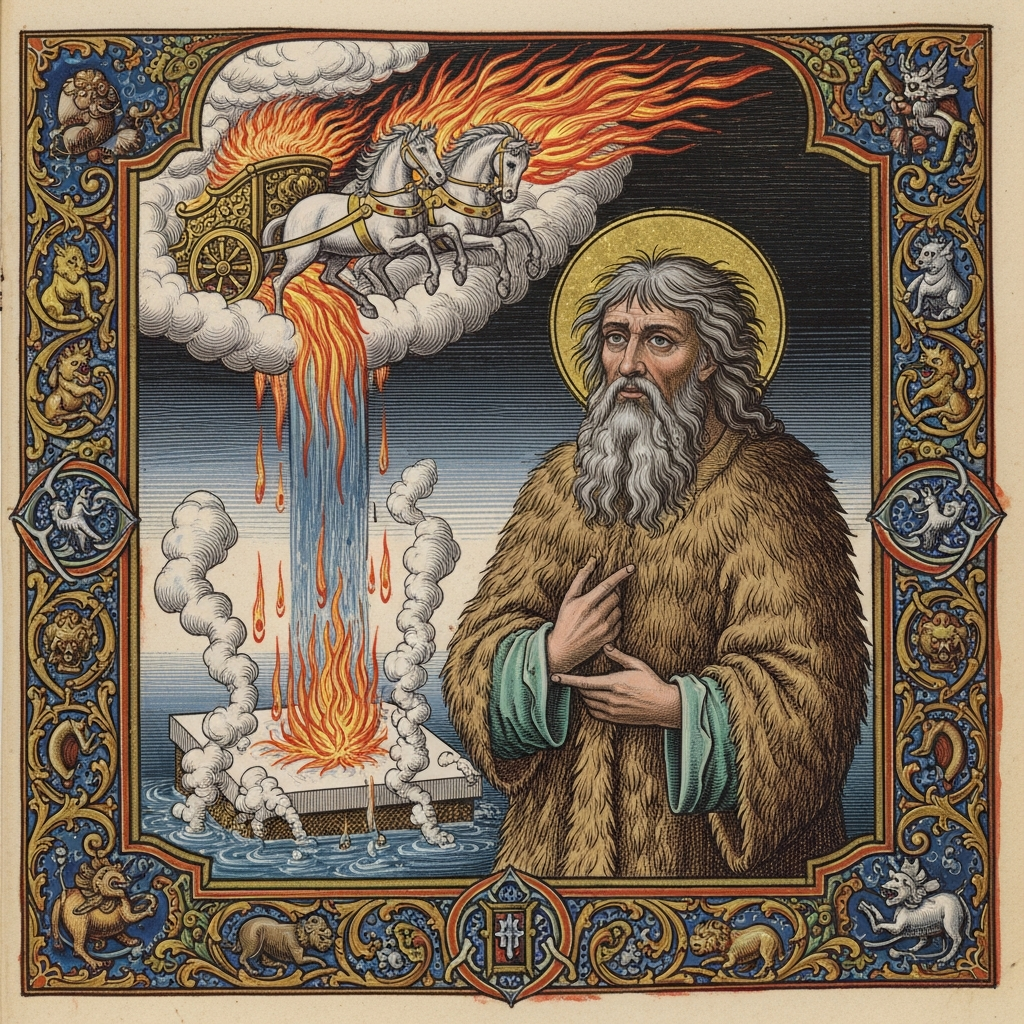
Then the prophets, God’s loyal opposition. Elijah calls fire from heaven (1 Kings 18:38) against Baal’s prophets (1 Kings 18). Isaiah sees a servant suffering for others (Isaiah 53). Jeremiah watches Jerusalem burn (Jeremiah 52; 2 Kings 25). Ezekiel records wheels-within-wheels visions (Ezekiel 1:4-28) that launched a thousand UFO theories. Daniel, in Babylonian exile, maps out the prophetic timeline (Daniel 2, 7, 9-12) all six interpretive lenses still debate.
Exile and return (2 Kings 25; Ezra 1). Persia conquers Babylon (Ezra 1:1). A remnant rebuilds (Ezra 3-6). Then four hundred silent years — the intertestamental gap, filled by Maccabean revolt (1 Maccabees 1-7), Greek rule, Roman occupation (63 BCE).
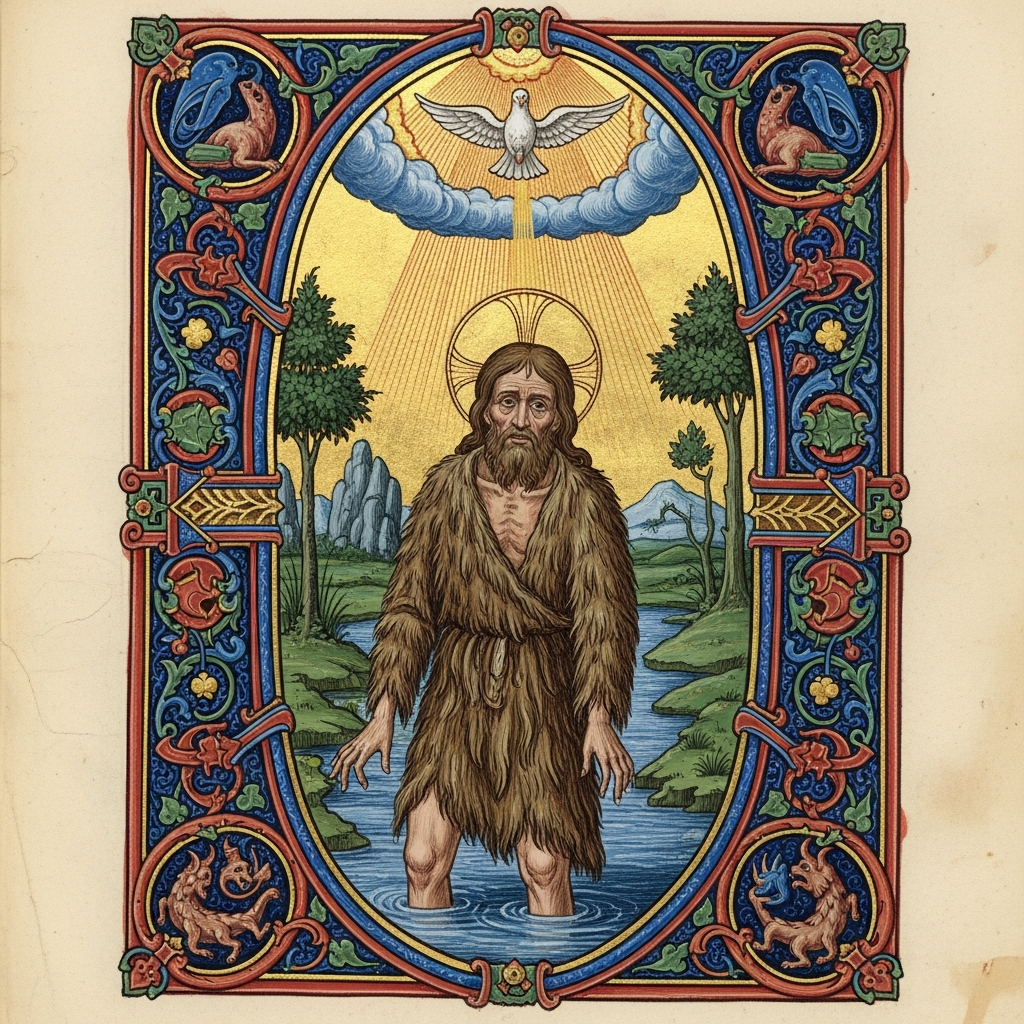
Into that silence: Jesus of Nazareth. Born in a backwater (Matthew 2:1; Luke 2:4-7), baptized by John (Matthew 3:13-17), preaching an inverted kingdom (Matthew 5-7; Mark 1:15): last becomes first (Matthew 20:16), lose your life to find it (Matthew 16:25). Crucified under Pilate (Matthew 27; Mark 15; Luke 23; John 19), buried, and — per every Christian tradition and solid historical argument — raised three days later (1 Corinthians 15:4). The early church reads the entire Hebrew Bible as pointing here.
Peter and Paul carry the message east (Acts 1-28): Antioch, Asia Minor, Greece, Rome. The pattern holds: preach, get jailed (Acts 16:23; 2 Timothy 2:9), write from prison (Ephesians, Philippians, Colossians, Philemon), plant a church, repeat. Stephen is stoned (Acts 7:57-60). The temple falls in 70 CE (Josephus; cf. Matthew 24). A scattered young church becomes the largest religious movement in human history.
John closes the arc on Patmos, recording Revelation (Revelation 1:9): dragons, beasts, four horsemen (Revelation 6:1-8), bowls (Revelation 15-16), and a new Jerusalem descending (Revelation 21:2). The garden returns — as a city (Revelation 21-22). The tree of life is back (Revelation 22:2), watered by a river (Revelation 22:1), open to “the nations” (Revelation 22:2). The bookends are deliberate: paradise lost in Genesis 3; paradise restored in Revelation 22.
That is the master story. Everything below is the cast.
Pivotal Events
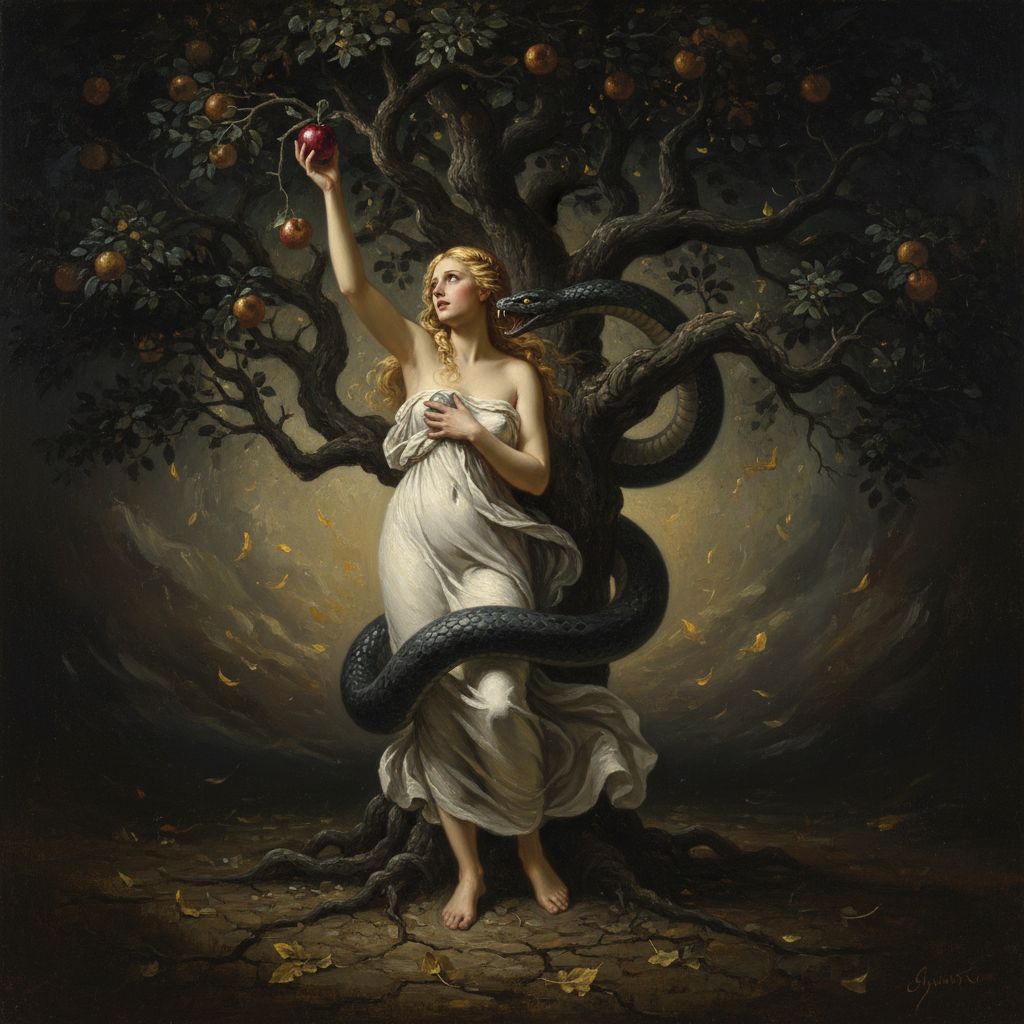
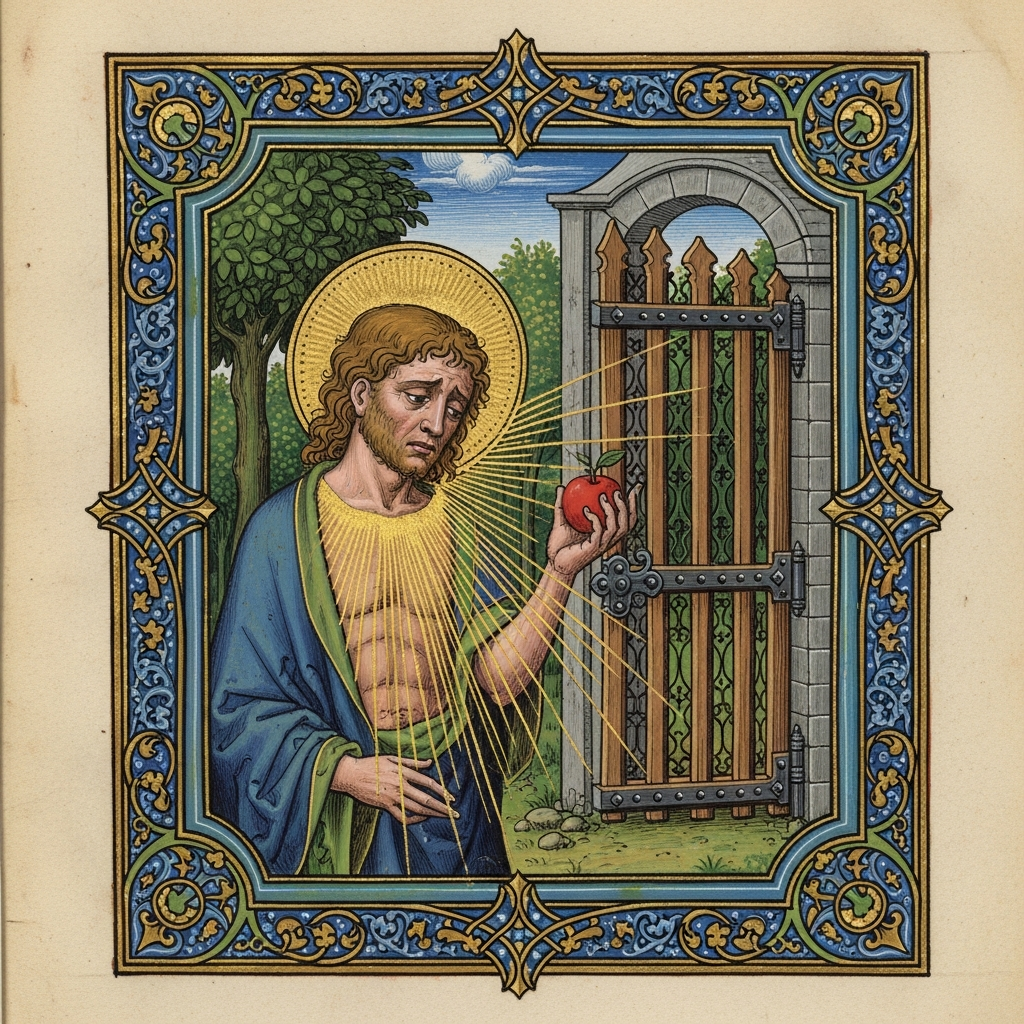
Adam and Eve are placed in Eden with one rule (Genesis 2:16-17): do not eat from the Tree of Knowledge. The serpent — read as snake, Satan, Hebrew Nachash, or subtle tempter, depending on tradition (Genesis 3:1) — reframes the prohibition as divine insecurity. Eve eats (Genesis 3:6); Adam follows. Their eyes open to shame, not wisdom (Genesis 3:7). They are expelled (Genesis 3:23-24); the ground is cursed (Genesis 3:17-18); a flaming sword seals the way back (Genesis 3:24). Genesis 3 is the load-bearing event: every later story of exile, covenant, and return replies to this single loss. Theologians debate the mechanics. Nobody disputes the weight.
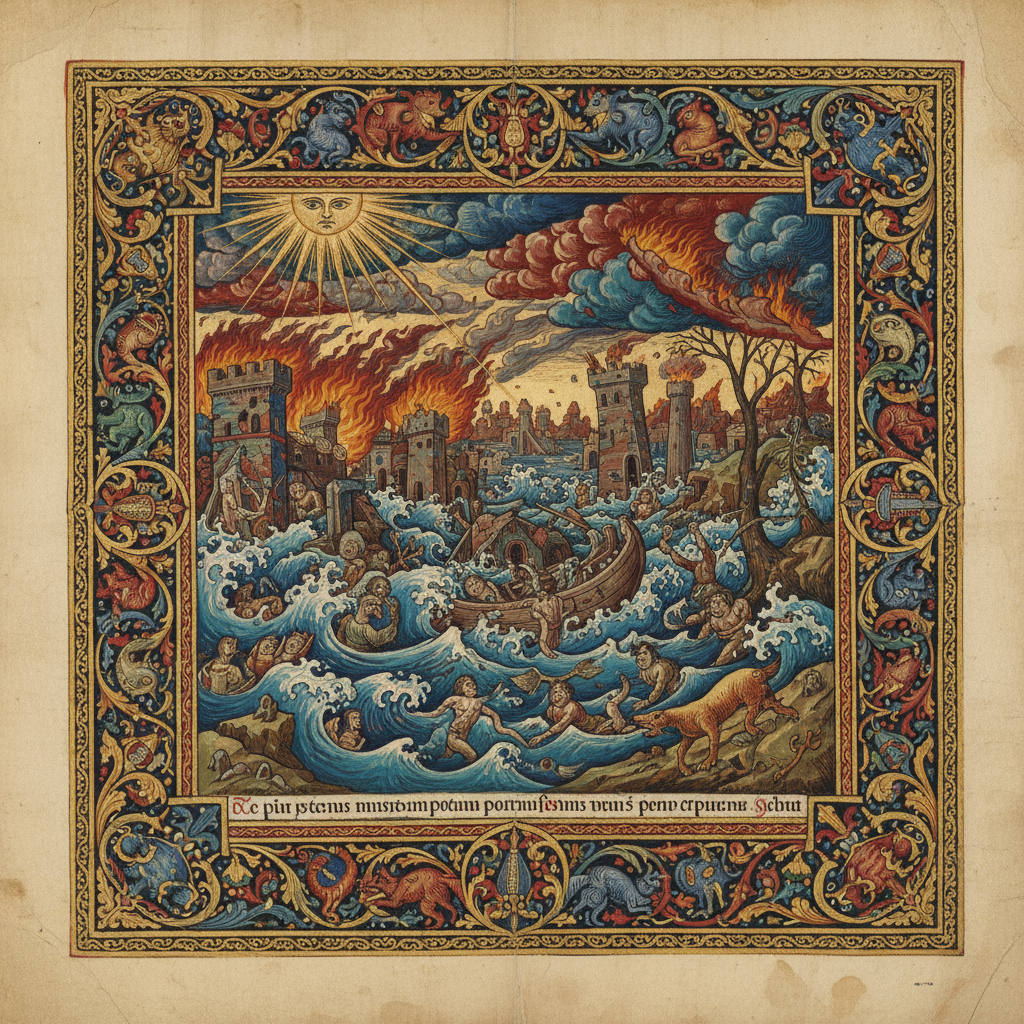
By Genesis 6 the world worsens. “The wickedness of man was great” (Genesis 6:5) — possibly entangled with the Watchers and Nephilim intrusion (Genesis 6:1-4; 1 Enoch 6-11). Noah builds an ark (Genesis 6:14-16). Forty days of rain (Genesis 7:12). The deep opens beneath (Genesis 7:11); creation partially unravels. When waters recede, Noah sacrifices (Genesis 8:20); a rainbow seals the first universal covenant (Genesis 9:13): never again by water. Flood narratives span Mesopotamian, Greek, Hindu, and Mesoamerican traditions. The parallels are real. Scholars debate whether they reflect a shared catastrophe, a shared archetype, or both. See the Flood Comparison art set for the cross-tradition map.
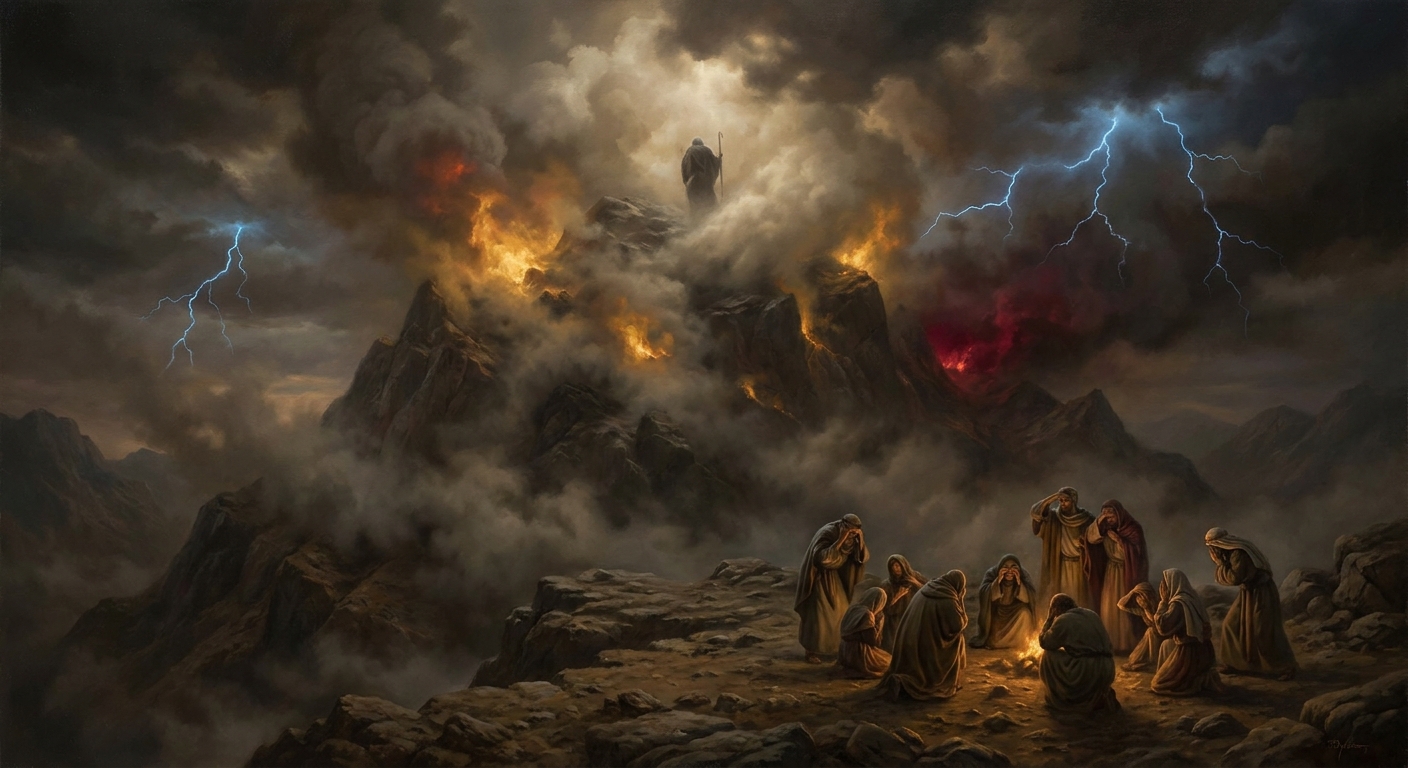
Moses, raised in Pharaoh’s house (Exodus 2:10), kills an Egyptian (Exodus 2:11-12), flees to Midian (Exodus 2:15), sees a burning bush (Exodus 3:1-6), and returns at eighty (Exodus 7:7) to demand his people’s release (Exodus 5). Ten plagues (Exodus 7-11) escalate from nuisance to apocalypse — each targeting an Egyptian deity, making the Exodus less a jailbreak than a public theological audit. The sea splits (Exodus 14:21); Pharaoh’s army drowns (Exodus 14:28). At Sinai, the Torah is given amid thunder (Exodus 19): ten commandments (Exodus 20:1-17), civil law (Exodus 21-23), a tabernacle blueprint (Exodus 25-27). Israelite identity — and Western law itself — traces to this mountain. Dating splits between 15th-century-BCE (early) and 13th-century-BCE (late); both have serious scholarly defenders.

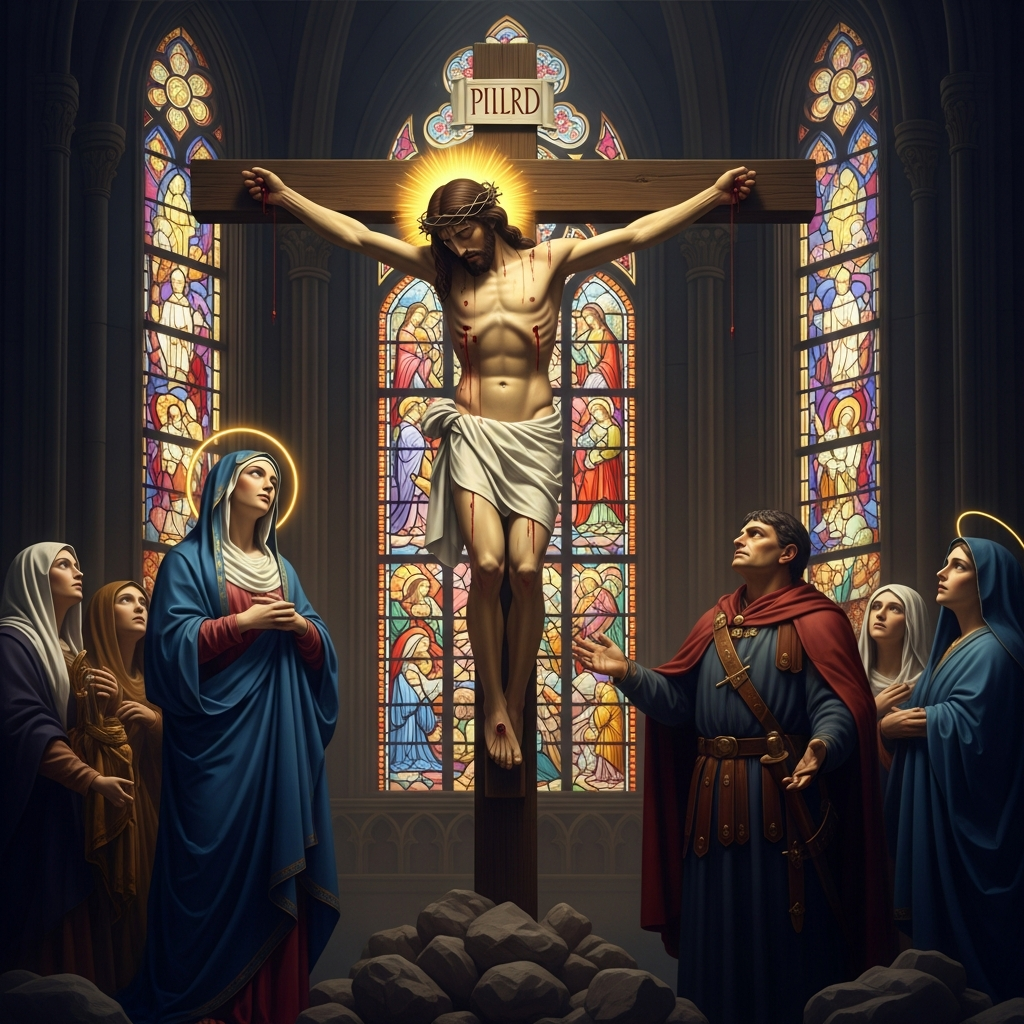
A Galilean rabbi is arrested in a garden (John 18:1-2), tried at night (Matthew 26:57; Mark 14:53), handed to Pilate (Matthew 27:1-2), and crucified outside Jerusalem (John 19:17-30) beneath a sign: “King of the Jews” (Matthew 27:37). The synoptic gospels report darkness (Matthew 27:45; Mark 15:33; Luke 23:44) and the temple veil tearing top to bottom (Matthew 27:51; Mark 15:38). Three days later the tomb is empty (Matthew 28:1-7; Mark 16:1-8; Luke 24:1-8; John 20:1-9). The risen Jesus appears to Mary Magdalene (John 20:14-17), then to the disciples (Luke 24:36-43; John 20:19-29), then to over five hundred (1 Corinthians 15:6). For Christians across all lenses, this is history’s hinge: the Fall reversed, death defeated, the new covenant sealed (Hebrews 8-10). Even secular historians grant something shifted: terrified disciples became willing martyrs in weeks.
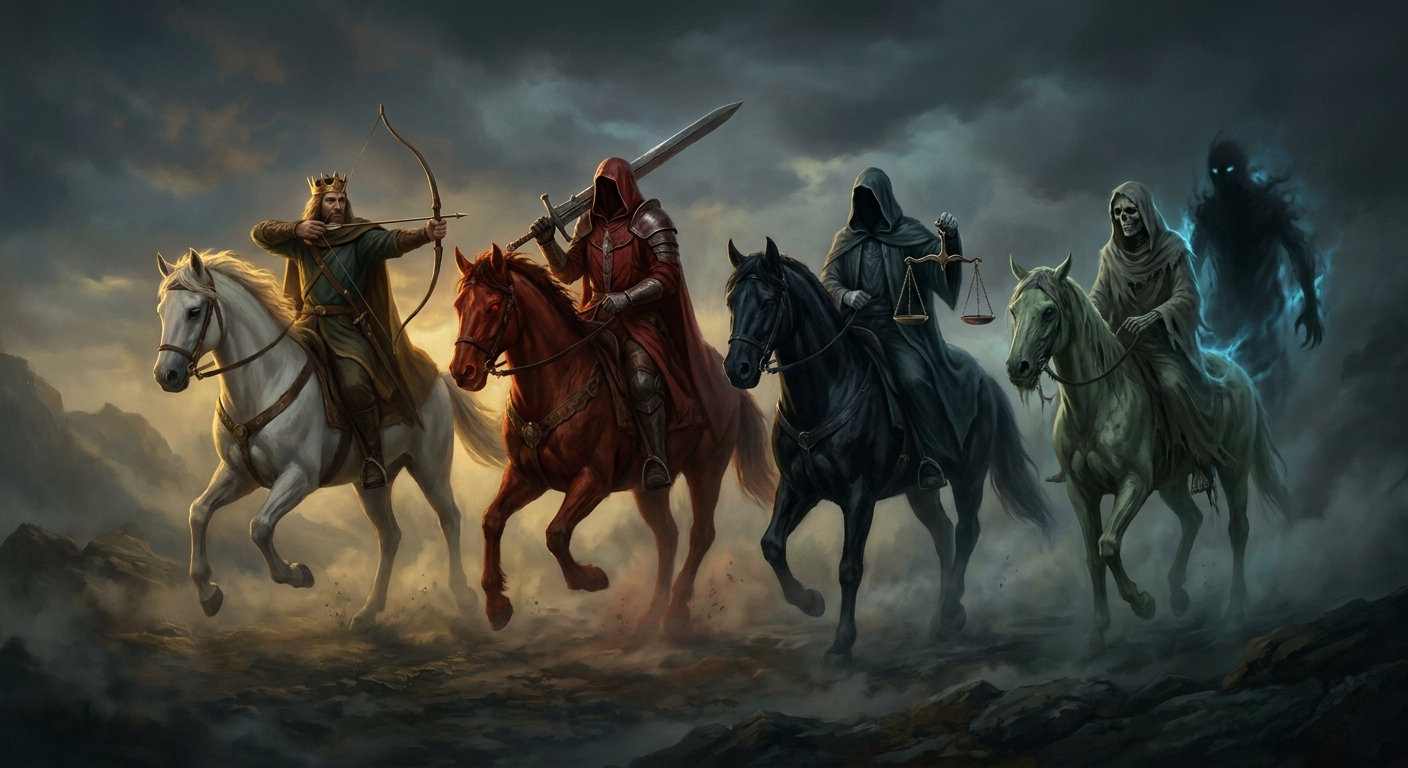
Exiled to Patmos around 95 CE, John records a vision (Revelation 1:9-11) drenched in Daniel, Ezekiel, Zechariah, and 1 Enoch: seven seals (Revelation 6), seven trumpets (Revelation 8-11), seven bowls (Revelation 15-16); a dragon (Revelation 12:7-9); two beasts (Revelation 13); a harlot on scarlet (Revelation 17); a final battle (Revelation 19:11-21); a new Jerusalem (Revelation 21:2-27). Six interpretive frameworks (preterist, historicist, futurist, idealist, partial-preterist, dispensational) arrange these events radically differently across time. Consult Timeline.md and Connections-Atlas.md for the comparison. All readings converge on the ending (Revelation 22): the curse lifts, the tree of life returns, the garden lost in Genesis becomes a city open to the nations. The Bible’s final word is a city, not a flood.
Timeline
| Era | Approx. Date | Event | Source |
|---|
| Primeval | (undated, pre-history) | Creation; Eden; Fall | Genesis 1-3 |
| Primeval | (undated) | Cain & Abel; Sethite line; Enoch translated | Genesis 4-5 |
| Primeval | (contested; trad. ~3000-2500 BCE) | The Flood; Noahic covenant | Genesis 6-9 |
| Primeval | (undated) | Tower of Babel; scattering of nations | Genesis 11 |
| Patriarchal | ~2000-1800 BCE (contested) | Abraham’s call; covenant of circumcision; Binding of Isaac | Genesis 12-25 |
| Patriarchal | ~1900-1700 BCE | Jacob renamed Israel; Joseph in Egypt | Genesis 27-50 |
| Egyptian Bondage | ~1700-1300 BCE (contested) | Israel enslaved in Egypt | Exodus 1 |
| Exodus | ~1446 BCE (early) / ~1260 BCE (late) | Plagues; Red Sea; Sinai covenant; wilderness wandering | Exodus 3 - Deuteronomy |
| Conquest | ~1400-1380 BCE (early) / ~1220 BCE (late) | Joshua takes Canaan; period of the Judges begins | Joshua, Judges |
| United Monarchy | ~1050-930 BCE | Saul, David, Solomon; First Temple built (~960 BCE) | 1-2 Samuel, 1 Kings |
| Divided Kingdom | 930-722 BCE | Israel and Judah split; Elijah, Elisha, early prophets | 1-2 Kings |
| Assyrian Crisis | 722 BCE | Northern kingdom (Israel) falls to Assyria | 2 Kings 17 |
| Late Judah | 640-586 BCE | Josiah’s reforms; Jeremiah; Ezekiel begins | 2 Kings 22 - Jeremiah |
| Babylonian Exile | 586-539 BCE | Jerusalem destroyed; Daniel in Babylon; First Temple razed | 2 Kings 25, Daniel |
| Persian Return | 539-400 BCE | Cyrus’s decree; Second Temple rebuilt; Ezra, Nehemiah, Esther | Ezra, Nehemiah, Esther |
| Intertestamental | ~400 BCE - 4 BCE | Greek conquest; Maccabean revolt (167 BCE); Roman occupation (63 BCE) | 1-2 Maccabees, Josephus |
| Incarnation | ~4 BCE - ~30/33 CE | Birth, ministry, crucifixion, and resurrection of Jesus | Matthew - John |
| Apostolic | ~30-65 CE | Pentecost; Paul’s missions; epistles written | Acts, Pauline letters |
| Late Apostolic | 70 CE | Second Temple destroyed by Rome | Josephus; cf. Matt 24 |
| End of Canon | ~95 CE | John’s Revelation written from Patmos | Revelation |
The Twelve Sons of Jacob (Tribes of Israel)
Each son fathered a tribe. Jacob’s deathbed blessings (Genesis 49) and Moses’ blessings (Deuteronomy 33) prophetically characterize each.
| # | Name | Mother | Meaning | Jacob’s Blessing (Gen 49) | Tribe Trait | ATK | SPR | INT | Notable Descendant |
|---|
| 1 | Reuben | Leah | ”See, a son" | "Unstable as water, you shall not excel” | Lost the birthright (slept with Bilhah) | 45 | 35 | 40 | — |
| 2 | Simeon | Leah | ”Heard" | "Instruments of cruelty… cursed be their anger” | Violent (Shechem massacre); scattered in Israel | 60 | 25 | 40 | — |
| 3 | Levi | Leah | ”Attached" | "Divided in Jacob, scattered in Israel” | The curse became blessing: priestly tribe (no land, but serve at the Temple) | 55 | 85 | 60 | Moses, Aaron, Eli, John the Baptist |
| 4 | Judah | Leah | ”Praise" | "The scepter shall not depart from Judah… until Shiloh comes” | Royal tribe; lion symbol; messianic line | 80 | 75 | 70 | David, Solomon, Jesus |
| 5 | Dan | Bilhah | ”Judge" | "A serpent by the roadside, a viper along the path” | Judges Israel (Samson); associated with idolatry; OMITTED from the 144,000 in Revelation 7 | 65 | 25 | 55 | Samson |
| 6 | Naphtali | Bilhah | ”My wrestling" | "A doe set free; he gives beautiful words” | Speed, eloquence, beauty | 40 | 50 | 55 | Barak (Deborah’s general) |
| 7 | Gad | Zilpah | ”Fortune" | "Raiders shall raid him, but he shall raid at their heels” | Warriors; east of Jordan; border fighters | 65 | 40 | 45 | Elijah (some traditions) |
| 8 | Asher | Zilpah | ”Happy" | "His food shall be rich; he shall yield royal delicacies” | Prosperity, olive oil, fertility | 30 | 50 | 45 | Anna the prophetess (Luke 2:36) |
| 9 | Issachar | Leah | ”Reward" | "A strong donkey, crouching between the sheepfolds” | Scholarship, labor, understanding of times (1 Chr 12:32) | 35 | 55 | 70 | — |
| 10 | Zebulun | Leah | ”Honor" | "Shall dwell at the shore of the sea” | Maritime trade, commerce | 35 | 45 | 55 | — |
| 11 | Joseph | Rachel | ”May he add" | "A fruitful vine… the arms of his hands were made strong by the Mighty God of Jacob” | Blessed above all brothers; split into Ephraim & Manasseh (double portion) | 15 | 78 | 92 | Joshua (Ephraim), Gideon (Manasseh) |
| 12 | Benjamin | Rachel | ”Son of the right hand" | "A ravenous wolf; in the morning he devours the prey” | Fierce warriors; smallest tribe; nearly destroyed (Judg 19-21) | 70 | 45 | 55 | Saul, Esther, Paul |
Dan’s omission: Dan is listed among the 12 tribes everywhere in the OT but is REPLACED by Manasseh in the 144,000 of Revelation 7. Tradition connects this to Dan’s association with idolatry (Judg 18) and the “serpent” blessing. Some early church fathers believed the Antichrist would come from Dan.
The Twelve Apostles
| # | Name | Also Called | Background | Key Moment | Tradition of Death | ATK | DEF | SPR | INT |
|---|
| 1 | Simon Peter | Cephas, “The Rock” | Fisherman, Capernaum | ”You are the Christ” (Matt 16:16) | Crucified upside-down, Rome ~64-67 AD | 50 | 60 | 82 | 60 |
| 2 | Andrew | Protokletos (“First-Called”) | Peter’s brother, fisherman | First disciple called; brought Peter to Jesus | Crucified on an X-shaped cross (St. Andrew’s Cross), Patras ~60 AD | 30 | 45 | 65 | 55 |
| 3 | James (son of Zebedee) | “Son of Thunder” | Fisherman, brother of John | Inner circle (Transfiguration, Gethsemane) | First apostle martyred — beheaded by Herod Agrippa I, ~44 AD (Acts 12:2) | 45 | 35 | 70 | 55 |
| 4 | John | Beloved Disciple, “Son of Thunder” | Fisherman, brother of James | Leaned on Jesus’ chest; wrote Revelation | Only apostle to die of old age, Ephesus ~100 AD | 35 | 85 | 95 | 90 |
| 5 | Philip | — | From Bethsaida | ”Come and see” (John 1:46); asked to see the Father (John 14:8) | Crucified, Hierapolis ~80 AD | 20 | 40 | 60 | 55 |
| 6 | Bartholomew | Nathanael | From Cana | ”An Israelite in whom there is no deceit” (John 1:47) | Flayed alive and beheaded, Armenia | 25 | 40 | 65 | 60 |
| 7 | Matthew | Levi | Tax collector | Left his tax booth to follow Jesus (Matt 9:9); wrote the Gospel of Matthew | Martyred (method varies by tradition), Ethiopia or Persia | 20 | 45 | 70 | 82 |
| 8 | Thomas | Didymus (“Twin”) | Unknown | ”My Lord and my God!” (John 20:28) | Speared to death, Mylapore, India ~72 AD | 25 | 50 | 70 | 72 |
| 9 | James (son of Alphaeus) | James the Less | Unknown | Mentioned in lists only | Thrown from Temple pinnacle, then clubbed, Jerusalem ~62 AD | 20 | 35 | 55 | 45 |
| 10 | Thaddaeus | Judas (not Iscariot), Lebbaeus | Unknown | ”Lord, why do you intend to show yourself to us and not to the world?” (John 14:22) | Axed to death, Beirut ~65 AD | 20 | 35 | 55 | 45 |
| 11 | Simon | The Zealot, the Cananaean | Former political revolutionary | Zealot = member of an anti-Roman resistance group | Sawn in half, Persia ~65 AD | 55 | 40 | 55 | 50 |
| 12 | Judas Iscariot | — | Treasurer of the Twelve | Betrayed Jesus for 30 silver; hanged himself | Suicide (Matt 27:5) / burst open (Acts 1:18) | 15 | 10 | 20 | 55 |
| 12b | Matthias | — | Replacement for Judas | Chosen by lot (Acts 1:26) to restore the Twelve | Stoned and beheaded (tradition) | 20 | 40 | 60 | 50 |
How they died: Of the original 12, tradition holds that 10 were martyred violently, 1 committed suicide (Judas), and 1 died of old age (John). The methods — crucifixion, flaying, beheading, sawing, spearing — testify to the cost of their conviction.
The Minor Prophets (The Book of the Twelve)
Twelve “minor” prophets — minor in length, not importance. Each has a razor-sharp message.
| Prophet | Period | Target | Core Message | Key Line | ATK | SPR | INT |
|---|
| Hosea | ~750-715 BC | Northern Israel | God’s unfailing love despite Israel’s unfaithfulness; married a prostitute (Gomer) as a living parable | ”I will betroth you to me forever” (2:19) | 15 | 88 | 75 |
| Joel | ~835 or ~500 BC | Judah | Locust plague as divine judgment; the Day of the LORD; outpouring of the Spirit | ”I will pour out my Spirit on all people” (2:28) — quoted at Pentecost | 20 | 85 | 78 |
| Amos | ~760 BC | Northern Israel | Social justice; the rich exploit the poor; God demands righteousness, not empty ritual | ”Let justice roll on like a river, righteousness like a never-failing stream” (5:24) | 30 | 82 | 72 |
| Obadiah | ~586 BC | Edom | Judgment on Edom for gloating over Jerusalem’s destruction | ”The day of the LORD is near for all nations” (1:15) | 20 | 65 | 60 |
| Jonah | ~8th century BC | Nineveh (Assyria) | God’s mercy extends even to Israel’s enemies | ”Should I not have concern for the great city Nineveh?” (4:11) | 10 | 55 | 45 |
| Micah | ~735-700 BC | Judah & Israel | Justice, mercy, humility; Bethlehem prophecy | ”He has shown you, O mortal, what is good: to act justly, love mercy, walk humbly” (6:8) | 25 | 85 | 78 |
| Nahum | ~663-612 BC | Nineveh (Assyria) | Nineveh’s destruction (Jonah’s reprieve was temporary) | “The LORD is slow to anger but great in power” (1:3) | 30 | 70 | 65 |
| Habakkuk | ~610-600 BC | Judah/Babylon | Why does God use wicked Babylon to punish Judah? A dialogue with God about justice | ”The righteous shall live by faith” (2:4) — foundation of Paul’s theology | 15 | 82 | 85 |
| Zephaniah | ~640-609 BC | Judah | The Day of the LORD; universal judgment and restoration | ”The LORD your God is with you, the Mighty Warrior who saves” (3:17) | 25 | 78 | 70 |
| Haggai | ~520 BC | Post-exile Judah | Rebuild the Temple! Stop making excuses | ”Is it a time for you to live in your paneled houses while this house lies in ruins?” (1:4) | 20 | 72 | 65 |
| Zechariah | ~520-480 BC | Post-exile Judah | Messianic visions; the Branch; the pierced one; apocalyptic imagery | ”They will look on me, the one they have pierced” (12:10) | 20 | 88 | 82 |
| Malachi | ~430 BC | Post-exile Judah | Final OT prophet; corruption of priests; Elijah will return | ”I will send the prophet Elijah before the great and dreadful day of the LORD” (4:5) — the LAST words of the OT | 20 | 80 | 75 |
Habakkuk 2:4 — “The righteous shall live by faith” — is quoted three times in the NT (Romans 1:17, Galatians 3:11, Hebrews 10:38). A minor prophet’s single sentence became the battle cry of the Reformation.
The Judges of Israel (Complete)
| # | Judge | Key Story | ATK | DEF | SPR | Notable |
|---|
| 1 | Othniel | First judge; defeated Cushan-Rishathaim | 55 | 45 | 60 | Caleb’s nephew; set the pattern for all judges |
| 2 | Ehud | Left-handed assassin (Judg 3) | 72 | 45 | 50 | Killed fat King Eglon; escaped through the latrine |
| 3 | Shamgar | Killed 600 Philistines with an ox goad (Judg 3:31) | 78 | 40 | 35 | One verse. One ox goad. 600 dead |
| 4 | Deborah | Only female judge; commanded Barak (Judg 4-5) | 55 | 60 | 85 | Prophetess, judge, military commander, poet |
| 5 | Gideon | Reduced 32,000 to 300; defeated Midian with torches (Judg 6-8) | 60 | 50 | 65 | Tested God with the fleece; later made an idol |
| 6 | Tola | Judged Israel 23 years (Judg 10:1-2) | 30 | 40 | 45 | Minor judge; no narrative details |
| 7 | Jair | Had 30 sons who rode 30 donkeys and controlled 30 towns (Judg 10:3-5) | 35 | 45 | 45 | Minor judge; wealth and dynasty |
| 8 | Jephthah | Tragic vow; sacrificed his daughter (Judg 11) | 70 | 55 | 50 | Son of a prostitute; greatest warrior, worst vow |
| 9 | Ibzan | Had 30 sons, 30 daughters (Judg 12:8-10) | 30 | 40 | 45 | Minor judge; some identify him with Boaz |
| 10 | Elon | Judged Israel 10 years (Judg 12:11-12) | 25 | 35 | 40 | Minor judge; no narrative |
| 11 | Abdon | Had 40 sons and 30 grandsons who rode 70 donkeys (Judg 12:13-15) | 30 | 40 | 45 | Minor judge; wealth indicator |
| 12 | Samson | Supernatural strength; killed 1,000 with a jawbone (Judg 13-16) | 95 | 50 | 45 | Highest ATK of any human; lowest INT of any judge |
| 13 | Eli | High priest; raised Samuel; fell and broke his neck at news of the Ark’s capture (1 Sam 4) | 15 | 20 | 55 | Failed to discipline his corrupt sons |
| 14 | Samuel | Last judge; anointed Saul and David; spoke after death (1 Sam 1-28) | 30 | 60 | 92 | Transition figure: judges → monarchy |
Shamgar gets one verse and the highest body count per weapon in Scripture: 600 kills with a farming tool. He didn’t even get a proper story.
Kings of Israel & Judah (Complete Roster)
| King | Reign | Alignment | ATK | SPR | Key Event |
|---|
| Saul | ~1050-1010 BC | Holy → Fallen | 72 | 15 | First king; disobeyed; consulted the dead; suicide |
| David | ~1010-970 BC | Holy (with failures) | 85 | 88 | United the kingdom; wrote Psalms; Bathsheba/Uriah sin |
| Solomon | ~970-930 BC | Holy → Fallen | 55 | 85→40 | Built the Temple; INT 100; 1,000 women turned his heart |
| # | King | Reign (approx.) | Alignment | SPR | Key Event |
|---|
| 1 | Rehoboam | 930-913 | Evil | 25 | Foolish reply split the kingdom; Solomon’s son |
| 2 | Abijah | 913-910 | Mixed | 40 | Brief reign; warred with Israel |
| 3 | Asa | 910-869 | Good | 70 | Reform king; removed his grandmother’s idol |
| 4 | Jehoshaphat | 872-848 | Good | 75 | Sent teachers throughout Judah; allied badly with Ahab |
| 5 | Jehoram | 848-841 | Evil | 15 | Murdered his brothers; married Ahab’s daughter Athaliah |
| 6 | Ahaziah | 841 | Evil | 15 | Reigned 1 year; killed by Jehu |
| 7 | Athaliah | 841-835 | Evil | 5 | Only QUEEN to rule Judah; massacred the royal family; usurper; killed in coup |
| 8 | Joash | 835-796 | Good → Evil | 60→20 | Hidden as a baby; restored the Temple; later killed Zechariah the priest |
| 9 | Amaziah | 796-767 | Good → Evil | 50 | Won battles; then worshipped captured idols |
| 10 | Uzziah (Azariah) | 792-740 | Good → Pride | 70→30 | Strong king; entered Temple to burn incense (priest’s job); struck with leprosy |
| 11 | Jotham | 750-735 | Good | 65 | Built the Upper Gate of the Temple |
| 12 | Ahaz | 735-715 | Evil | 10 | Sacrificed his son in fire; installed Syrian altar in Temple |
| 13 | Hezekiah | 715-686 | Good | 85 | Greatest reformer; 185,000 Assyrians killed in one night |
| 14 | Manasseh | 697-642 | Evil → Repentant | 10→55 | Longest reign (55 years); most wicked king; rebuilt idols; tradition: sawed Isaiah in half; repented in Babylonian prison |
| 15 | Amon | 642-640 | Evil | 10 | Assassinated by servants after 2 years |
| 16 | Josiah | 640-609 | Good | 88 | Found the lost Torah; greatest Passover since Samuel; killed at Megiddo |
| 17 | Jehoahaz | 609 | Evil | 15 | Reigned 3 months; deposed by Egypt |
| 18 | Jehoiakim | 609-598 | Evil | 10 | Burned Jeremiah’s scroll column by column (Jer 36:23) |
| 19 | Jehoiachin | 598-597 | Evil | 15 | Reigned 3 months; exiled to Babylon; later released from prison |
| 20 | Zedekiah | 597-586 | Evil | 15 | Last king; watched his sons killed; eyes put out; taken to Babylon; Temple destroyed |
Pattern: 20 kings. 8 were good (at least partially). 12 were evil. The kingdom ended in fire and exile. Only Hezekiah and Josiah receive unqualified praise.
| # | King | Reign (approx.) | Alignment | SPR | Key Event |
|---|
| 1 | Jeroboam I | 930-909 | Evil | 10 | Made two golden calves; “the sin of Jeroboam” becomes the standard of evil for all subsequent kings |
| 2 | Nadab | 909-908 | Evil | 10 | Assassinated by Baasha |
| 3 | Baasha | 908-886 | Evil | 10 | Killed Nadab; did evil “like Jeroboam” |
| 4 | Elah | 886-885 | Evil | 10 | Assassinated while drunk by Zimri |
| 5 | Zimri | 885 (7 days) | Evil | 5 | Shortest reign: 7 days. Burned the palace down on himself when besieged |
| 6 | Omri | 885-874 | Evil | 10 | Founded Samaria; dynasty-builder; “did worse than all before him” |
| 7 | Ahab | 874-853 | Evil | 15 | Married Jezebel; confronted by Elijah; killed by “random” arrow |
| 8 | Ahaziah | 853-852 | Evil | 10 | Fell through a lattice; consulted Baal-Zebub; Elijah called fire on his soldiers |
| 9 | Joram | 852-841 | Evil | 15 | Wounded in battle; killed by Jehu |
| 10 | Jehu | 841-814 | Mixed | 30 | Destroyed the house of Ahab; killed Jezebel; destroyed Baal temple; BUT kept Jeroboam’s calves |
| 11 | Jehoahaz | 814-798 | Evil | 15 | Army reduced to 50 horsemen, 10 chariots, 10,000 foot soldiers |
| 12 | Jehoash | 798-782 | Evil | 15 | Visited dying Elisha; won 3 victories (Elisha said he should’ve struck more) |
| 13 | Jeroboam II | 793-753 | Evil | 10 | Longest Northern reign; greatest territorial expansion; prophets Amos and Hosea condemned the injustice |
| 14 | Zechariah | 753 | Evil | 10 | Reigned 6 months; assassinated |
| 15 | Shallum | 752 | Evil | 5 | Reigned 1 month; assassinated |
| 16 | Menahem | 752-742 | Evil | 5 | Ripped open pregnant women at Tiphsah (2 Kings 15:16) |
| 17 | Pekahiah | 742-740 | Evil | 10 | Assassinated by Pekah |
| 18 | Pekah | 752-732 | Evil | 10 | Lost Galilee to Assyria; assassinated by Hoshea |
| 19 | Hoshea | 732-722 | Evil | 15 | Last king of Israel; Assyria conquered Samaria; 10 tribes exiled and “lost” |
Verdict: 19 kings of Israel. EVERY SINGLE ONE is rated “evil” by the biblical authors. Not one good king in 210 years. The refrain “he did evil in the eyes of the LORD, walking in the ways of Jeroboam son of Nebat” repeats like a drumbeat.
Paul’s Companions & the Early Church
| Name | Role | Key Contribution | ATK | SPR | INT |
|---|
| Barnabas | Apostle / Encourager | Vouched for Paul; mentored Mark; first missionary journey | 15 | 80 | 70 |
| Silas (Silvanus) | Prophet / Missionary | Co-author of 1-2 Thessalonians; sang in prison at Philippi (Acts 16:25) | 20 | 72 | 65 |
| Timothy | Paul’s “true son in the faith” | Led the church at Ephesus; recipient of 1-2 Timothy; frequent illness (1 Tim 5:23) | 15 | 70 | 72 |
| Titus | Pastor / Troubleshooter | Organized the church in Crete; recipient of the letter to Titus | 20 | 68 | 70 |
| Luke | Physician / Historian | Wrote Luke and Acts — together the largest contribution to the NT by word count | 10 | 65 | 92 |
| Mark (John Mark) | Evangelist | Deserted Paul on first journey; restored by Barnabas; wrote the Gospel of Mark (likely Peter’s testimony) | 15 | 65 | 75 |
| Priscilla & Aquila | Tentmakers / Teachers | Corrected Apollos’ theology (Acts 18:26); hosted house churches; risked their lives for Paul (Rom 16:4) | 15 | 75 | 82 |
| Apollos | Teacher / Orator | ”Mighty in the Scriptures” (Acts 18:24); some Corinthians preferred him over Paul | 15 | 72 | 88 |
| Philemon | Slaveholder / Recipient | Paul wrote to him urging him to receive back the runaway slave Onesimus “no longer as a slave, but as a brother” (Phlm 1:16) | 15 | 55 | 55 |
| Onesimus | Runaway slave → brother | Escaped from Philemon; met Paul in prison; converted; sent back with the letter that undermines slavery from within | 10 | 55 | 50 |
| Epaphras | Evangelist | Founded the church at Colossae; “always wrestling in prayer” (Col 4:12) | 15 | 75 | 60 |
| Demas | Companion → Deserter | ”Demas, because he loved this world, has deserted me” (2 Tim 4:10) — the saddest one-liner in Paul’s letters | 10 | 20 | 45 |
| Phoebe | Deacon | ”Servant of the church in Cenchreae” (Rom 16:1); likely carried the letter to the Romans across the Mediterranean | 10 | 70 | 65 |
Women of Scripture (Collected Index)
Cross-reference table. Many women below have full stat blocks in their primary sections (Judges, Kings, NT Figures, etc.). This index gathers ALL named women in one place for quick lookup. The SPR column provides a snapshot stat; see the main entry for full stats where available.
| Name | Testament | Role | Key Moment | SPR |
|---|
| Eve | OT | First woman | Ate the fruit; mother of all living | 30 |
| Sarah | OT | Matriarch | Bore Isaac at 90 | 72 |
| Hagar | OT | Sarah’s servant | Bore Ishmael; God heard her weeping in the desert; “You are the God who sees me” (Gen 16:13) | 55 |
| Rebekah | OT | Isaac’s wife | Tricked Isaac into blessing Jacob; “Two nations are in your womb” (Gen 25:23) | 60 |
| Leah | OT | Jacob’s first wife | Unloved but bore 6 sons including Judah and Levi (messianic and priestly lines) | 65 |
| Rachel | OT | Jacob’s beloved | Died giving birth to Benjamin; “Rachel weeping for her children” (Jer 31:15, quoted in Matt 2:18) | 60 |
| Tamar (Gen 38) | OT | Judah’s daughter-in-law | Disguised as a prostitute to force Judah to fulfill his duty; bore Perez (ancestor of David and Jesus — Matt 1:3) | 50 |
| Miriam | OT | Prophetess | Sang at the Red Sea; challenged Moses; struck with leprosy | 78 |
| Rahab | OT | Prostitute / convert | Saved the spies; in Christ’s genealogy | 65 |
| Deborah | OT | Judge / prophetess | Commanded armies; sang victory | 85 |
| Jael | OT | Kenite woman | Tent peg through Sisera’s skull | 40 |
| Delilah | OT | Philistine agent | Betrayed Samson for money | 10 |
| Ruth | OT | Moabite convert | ”Your God shall be my God”; great-grandmother of David | 80 |
| Naomi | OT | Mother-in-law | Bitter but redeemed through Ruth | 68 |
| Hannah | OT | Mother of Samuel | Prayed so hard she was mistaken for drunk; song = Mary’s template | 88 |
| Abigail | OT | David’s wife | Defied her foolish husband Nabal; brought food to David; called “intelligent and beautiful” (1 Sam 25:3); prevented David from bloodshed | 75 |
| Michal | OT | Saul’s daughter, David’s wife | Saved David’s life; despised him for dancing before the Ark; left childless | 35 |
| Bathsheba | OT | Solomon’s mother | Taken by David; bore Solomon; maneuvered the succession | 55 |
| Jezebel | OT | Queen of Israel | Introduced Baal worship; murdered prophets; eaten by dogs | 15 |
| Athaliah | OT | Queen of Judah | Only woman to rule; massacred the royal house; overthrown | 5 |
| The Shunammite Woman | OT | Benefactress | Built a room for Elisha; her son died and was raised by Elisha (2 Kings 4) | 72 |
| Esther | OT | Queen of Persia | Saved the Jews from genocide; origin of Purim | 75 |
| Gomer | OT | Hosea’s wife | Prostitute/adulteress whom Hosea married as a living parable of God’s love for unfaithful Israel | 15 |
| Mary (mother of Jesus) | NT | Theotokos | ”Let it be to me according to your word” | 95 |
| Mary Magdalene | NT | Disciple | First witness of the Resurrection | 85 |
| Martha | NT | Disciple | ”Lord, if you had been here, my brother would not have died” (John 11:21); confessed Jesus as Messiah | 70 |
| Mary of Bethany | NT | Disciple | Sat at Jesus’ feet; anointed him with costly perfume; “she has done a beautiful thing” (Mark 14:6) | 82 |
| Elizabeth | NT | Mother of John the Baptist | Barren until old age; the baby leaped in her womb at Mary’s greeting (Luke 1:41) | 78 |
| Anna | NT | Prophetess | 84-year-old widow who never left the Temple; recognized baby Jesus as the Messiah (Luke 2:36-38) | 82 |
| Salome | NT | Herodias’ daughter | Danced for Herod; asked for John the Baptist’s head on a platter | 10 |
| Sapphira | NT | Liar | Conspired with Ananias to lie about money; struck dead | 15 |
| Lydia | NT | First European convert | Dealer in purple cloth; hosted the first European church | 72 |
| Phoebe | NT | Deacon | Carried the letter to the Romans across the Mediterranean | 70 |
| Priscilla | NT | Teacher / tentmaker | Corrected Apollos’ theology; hosted house churches; risked her life for Paul | 75 |
| Dorcas (Tabitha) | NT | Disciple | Made clothes for widows; raised from the dead by Peter | 75 |
| Lois & Eunice | NT | Timothy’s grandmother & mother | Passed genuine faith to Timothy (2 Tim 1:5) | 70 |
| Jezebel (Rev) | NT | Symbolic false teacher | ”That woman Jezebel, who calls herself a prophet” (Rev 2:20) — symbolic name for a false teacher in Thyatira | 15 |
| Name | Role | Key Moment | ATK | SPR | INT |
|---|
| Hagar | Sarah’s servant; mother of Ishmael | Fled Sarah’s abuse; God found her: “You are the God who sees me” (Gen 16:13) — first person to NAME God | 10 | 55 | 45 |
| Ishmael | Abraham’s firstborn (by Hagar) | Father of 12 princes; ancestor of the Arab peoples (Islamic tradition); “a wild donkey of a man” (Gen 16:12) | 50 | 40 | 45 |
| Rebekah | Isaac’s wife | Orchestrated Jacob’s deception to steal the blessing; received the oracle: “Two nations are in your womb” (Gen 25:23) | 15 | 60 | 78 |
| Leah | Jacob’s first wife (unloved) | Bore 6 sons + Dinah; through Judah: the messianic line; through Levi: the priestly line. The “unloved” wife produced both Christ’s bloodline and His priesthood | 10 | 65 | 50 |
| Rachel | Jacob’s beloved wife | Died giving birth to Benjamin; “Rachel weeping for her children” (Jer 31:15) — quoted at the Massacre of the Innocents (Matt 2:18) | 10 | 60 | 55 |
| Dinah | Jacob’s daughter | Raped by Shechem; her brothers Simeon and Levi massacred the city in revenge (Gen 34) | 5 | 30 | 35 |
| Tamar (Genesis 38) | Judah’s daughter-in-law | Disguised as a prostitute to force Judah to fulfill levirate duty; bore Perez = ancestor of David and Jesus (Matt 1:3) | 10 | 50 | 75 |
| Tamar (2 Samuel 13) | David’s daughter | Raped by her half-brother Amnon; avenged when Absalom murdered Amnon 2 years later | 5 | 30 | 40 |
| Abigail | David’s wife (formerly Nabal’s) | Defied her foolish husband; brought provisions to David; prevented David from bloodshed; “intelligent and beautiful” (1 Sam 25:3) | 15 | 75 | 82 |
| Michal | Saul’s daughter, David’s first wife | Saved David’s life by lowering him through a window; later despised him for dancing before the Ark; left childless | 15 | 35 | 55 |
| The Shunammite Woman | Benefactress | Built a room for Elisha; her son died; Elisha raised him; later warned by Elisha to flee famine (2 Kings 4, 8) | 10 | 72 | 65 |
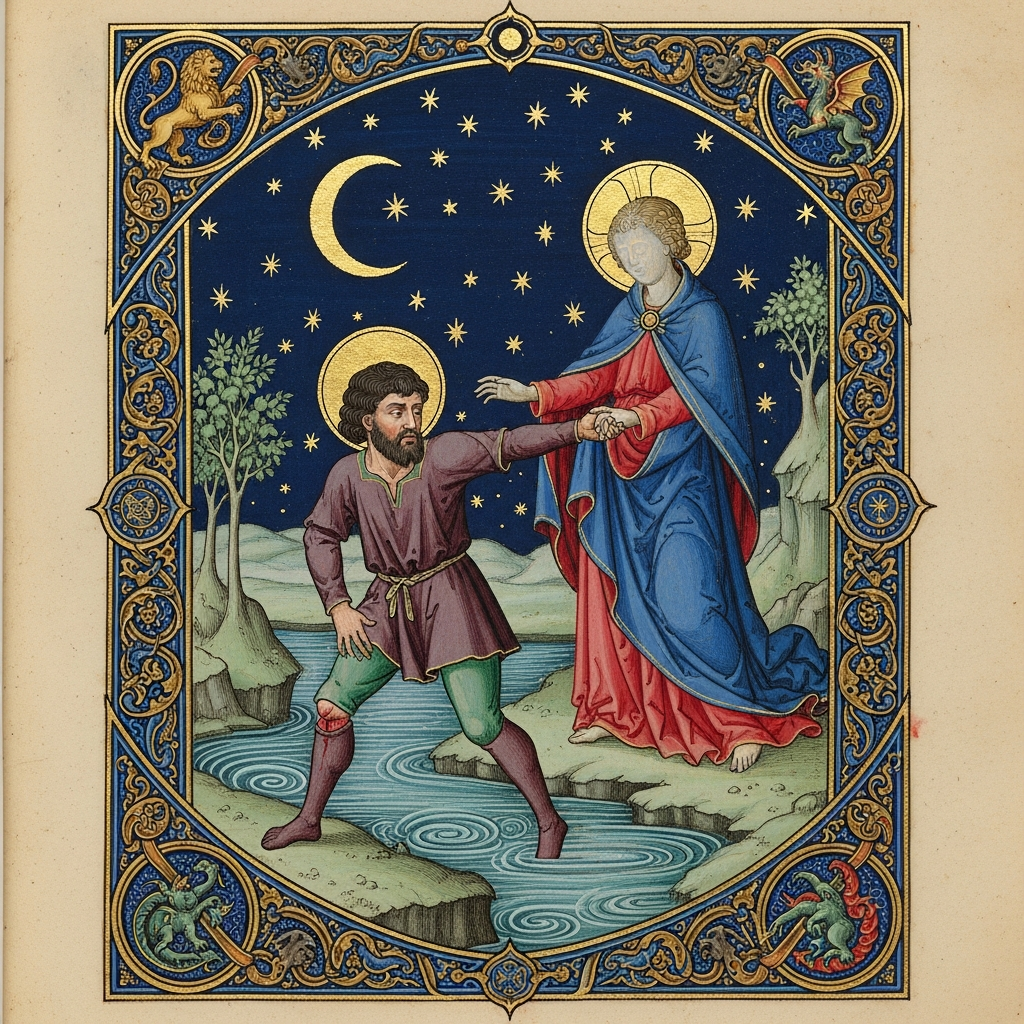
| Naaman | Syrian general | Commanded to wash 7 times in the Jordan to cure leprosy; almost refused out of pride; obeyed and was healed (2 Kings 5) | 65 | 40 | 50 |
| Gehazi | Elisha’s servant | Ran after Naaman to secretly collect payment Elisha had refused; struck with Naaman’s leprosy (2 Kings 5:27) | 15 | 15 | 40 |
| Eliezer | Abraham’s servant | Traveled to find Isaac a wife; prayed for a sign at the well; found Rebekah (Gen 24) — the longest chapter in Genesis | 15 | 65 | 60 |
| Laban | Rebekah’s brother; Jacob’s father-in-law | Tricked Jacob into marrying Leah first; changed Jacob’s wages 10 times; the deceiver deceived by the deceiver (Gen 29-31) | 20 | 25 | 72 |
| Esau | Jacob’s twin brother | Sold his birthright for stew; lost the blessing; became the nation of Edom; forgave Jacob after 20 years (Gen 33:4 — ran, embraced, kissed, wept) | 60 | 35 | 30 |
| Potiphar’s Wife | Egyptian temptress | Tried to seduce Joseph; when refused, falsely accused him of assault; Joseph imprisoned (Gen 39) | 15 | 10 | 55 |
| Achan | Israelite soldier | Stole forbidden spoils from Jericho (gold, silver, a Babylonian robe); Israel lost the next battle; Achan and his family stoned and burned (Josh 7) | 25 | 10 | 30 |
| Methuselah | Enoch’s son | Lived 969 years — the longest-lived human in the Bible. His name may mean “when he dies, it shall be sent” — he died the year of the Flood | 15 | 50 | 45 |
| Shem | Noah’s son | Father of the Semitic peoples; some traditions identify him with Melchizedek | 25 | 60 | 55 |
| Ham | Noah’s son | ”Saw his father’s nakedness” (Gen 9:22); cursed through his son Canaan | 25 | 20 | 35 |
| Japheth | Noah’s son | Father of the Indo-European peoples; “May God extend Japheth’s territory” (Gen 9:27) | 25 | 45 | 45 |
| Phinehas | Aaron’s grandson | Stopped a plague by driving a spear through an Israelite man and Midianite woman in the act (Num 25:7-8); rewarded with “a covenant of lasting priesthood” | 70 | 60 | 45 |
| Og of Bashan | Giant king | Last of the Rephaim; his bed was 13 feet long (Deut 3:11); defeated by Moses | 80 | 75 | 30 |
| Sennacherib | Assyrian king | Besieged Jerusalem; taunted God; 185,000 of his soldiers killed by the angel of the LORD in one night; assassinated by his own sons (2 Kings 19:35-37) | 82 | 30 | 60 |
| Sanballat & Tobiah | Opponents of Nehemiah | Mocked, threatened, and conspired against the rebuilding of Jerusalem’s walls; Nehemiah prayed and built anyway | 35 | 15 | 65 |
| Abimelech (Judges) | Gideon’s son / tyrant | Murdered 70 of his brothers on a single stone (Judg 9:5); only Jotham escaped; killed when a woman dropped a millstone on his head; ordered his armor-bearer to stab him so no one could say “a woman killed him” (Judg 9:54) | 72 | 30 | 40 |
| Name | Role | Key Moment | ATK | SPR | INT |
|---|
| Joseph of Arimathea | Secret disciple / wealthy council member | Requested Jesus’ body from Pilate; provided his own new tomb for the burial (Matt 27:57-60); tradition says he brought Christianity to Britain (Glastonbury) | 10 | 65 | 65 |
| Felix | Roman governor | Heard Paul’s defense; was “afraid” when Paul spoke of judgment; kept Paul in prison for 2 years hoping for a bribe (Acts 24:25-27) | 50 | 15 | 55 |
| Festus | Felix’s successor | Heard Paul; said “You are out of your mind, Paul! Your great learning is driving you insane!” (Acts 26:24) | 50 | 20 | 60 |
| King Agrippa II | Last Herodian king | Paul’s defense: “King Agrippa, do you believe the prophets?” Agrippa: “Do you think that in such a short time you can persuade me to be a Christian?” (Acts 26:27-28) | 40 | 25 | 65 |
| The Philippian Jailer | Prison guard | An earthquake opened the prison; he was about to kill himself; Paul stopped him; “What must I do to be saved?” (Acts 16:30) — baptized that night with his household | 40 | 50 | 40 |
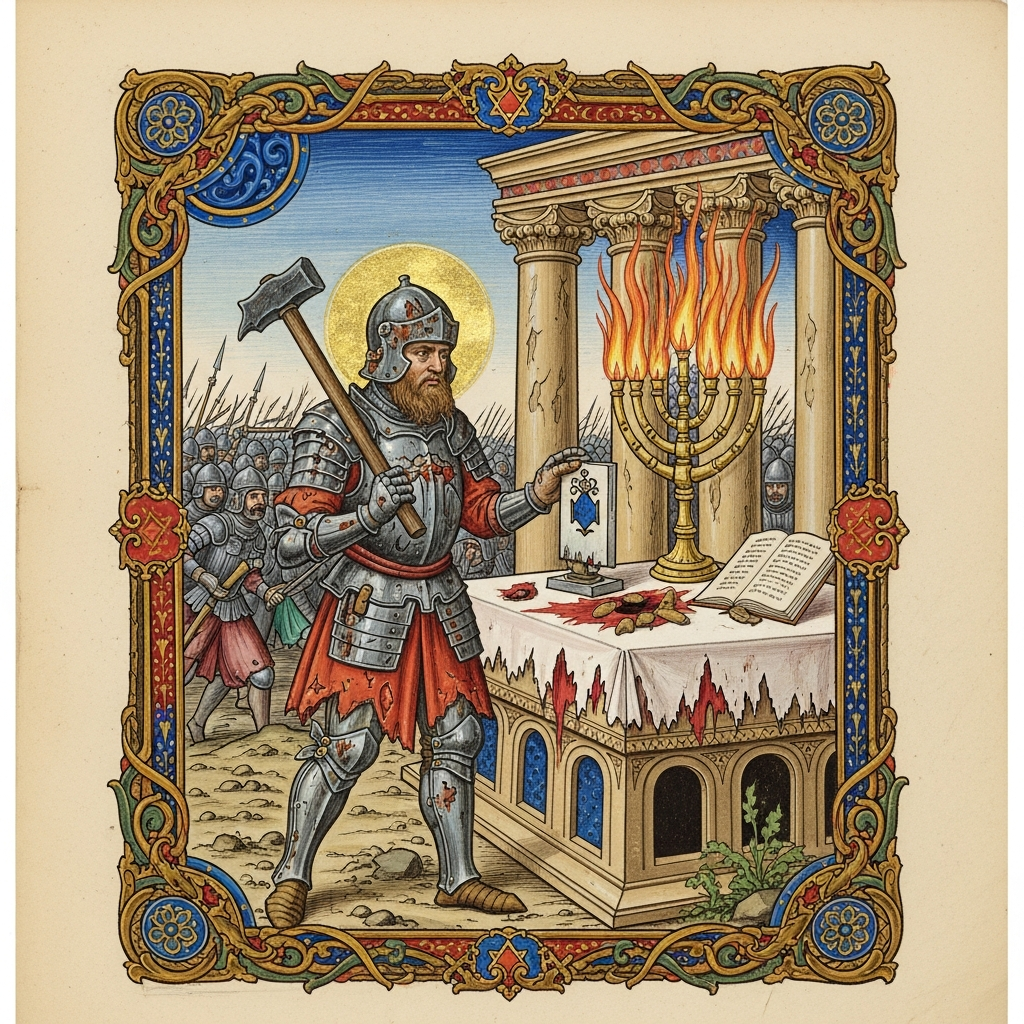
| Judas Maccabeus | Military commander | ”The Hammer”; recaptured and rededicated the Temple = Hanukkah | 85 | 80 | 78 |
| Mattathias | Priest / revolutionary | Killed the apostate and the enforcer; sparked the Maccabean revolt | 60 | 82 | 70 |
| Simon Maccabeus | Leader / High Priest | Judas’ brother; secured Jewish independence; “In his days things prospered in his hands” (1 Macc 14:4) | 65 | 70 | 72 |
| Jonathan Maccabeus | Military/political leader | Judas’ brother; played Seleucid factions against each other; became High Priest; murdered by treachery | 65 | 60 | 75 |
| Eleazar Maccabeus | Warrior | Judas’ brother; charged a war elephant he thought carried the Seleucid king; stabbed it from underneath; crushed to death when the elephant fell on him (1 Macc 6:43-46) | 80 | 55 | 35 |
| The Seven Maccabean Martyrs | Mother + 7 sons | All 7 sons tortured and killed before their mother’s eyes for refusing to eat pork; the mother encouraged each one; then she died. Foundation of Christian martyrology (2 Macc 7) | 5 | 95 | 60 |
| Tobit | Righteous exile | Blinded by bird droppings while burying the dead; healed by Raphael through fish gall; his story is the only biblical narrative featuring an archangel as a character | 10 | 75 | 55 |
| Judith | Warrior/heroine | Entered the Assyrian camp alone; got general Holofernes drunk; beheaded him with his own sword; carried his head back in a bag; the army fled | 70 | 78 | 82 |
| Susanna | Falsely accused | Two elders spied on her bathing; when she refused them, they accused her of adultery; Daniel cross-examined them and exposed the lie; she was vindicated | 5 | 75 | 50 |


 RARE
RARE 
 RARE
RARE 
 RARE
RARE  LEGENDARY
  RARE
RARE  LEGENDARY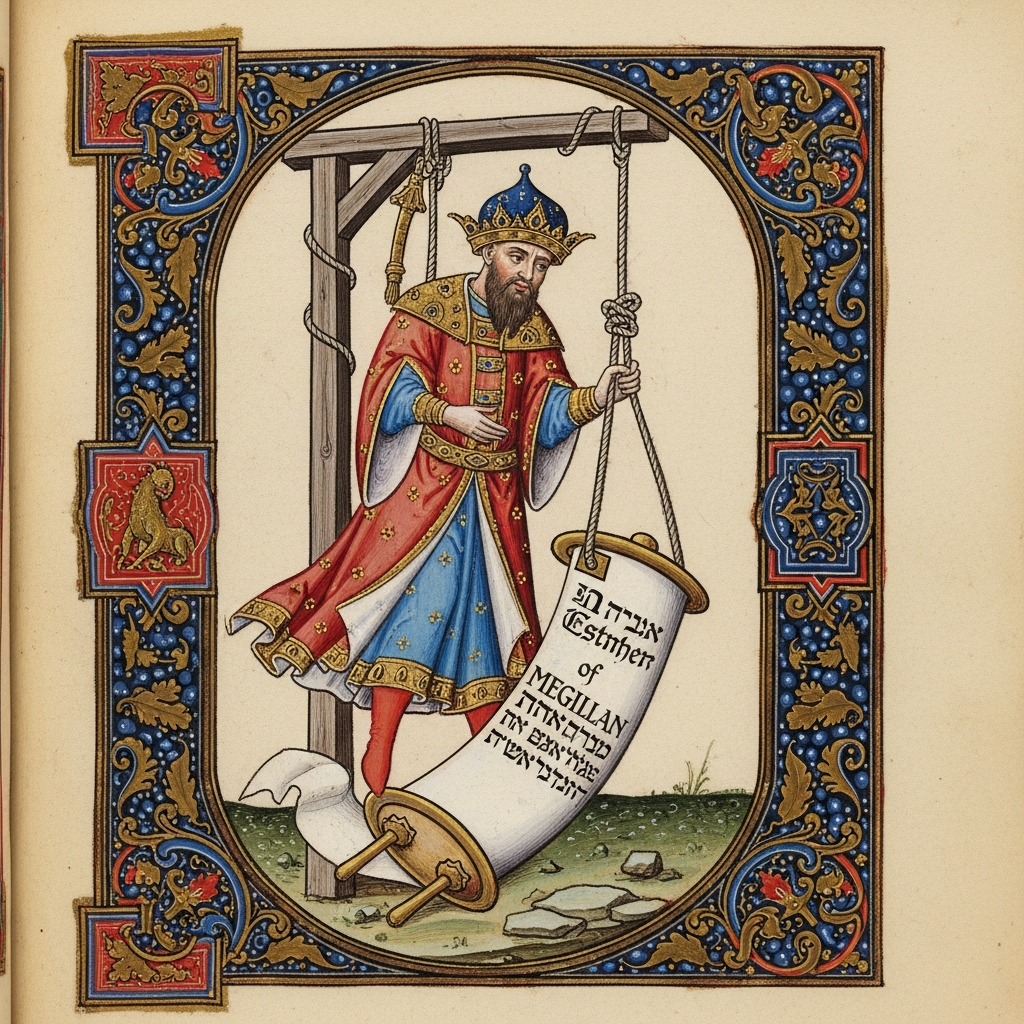
 RARE
RARE 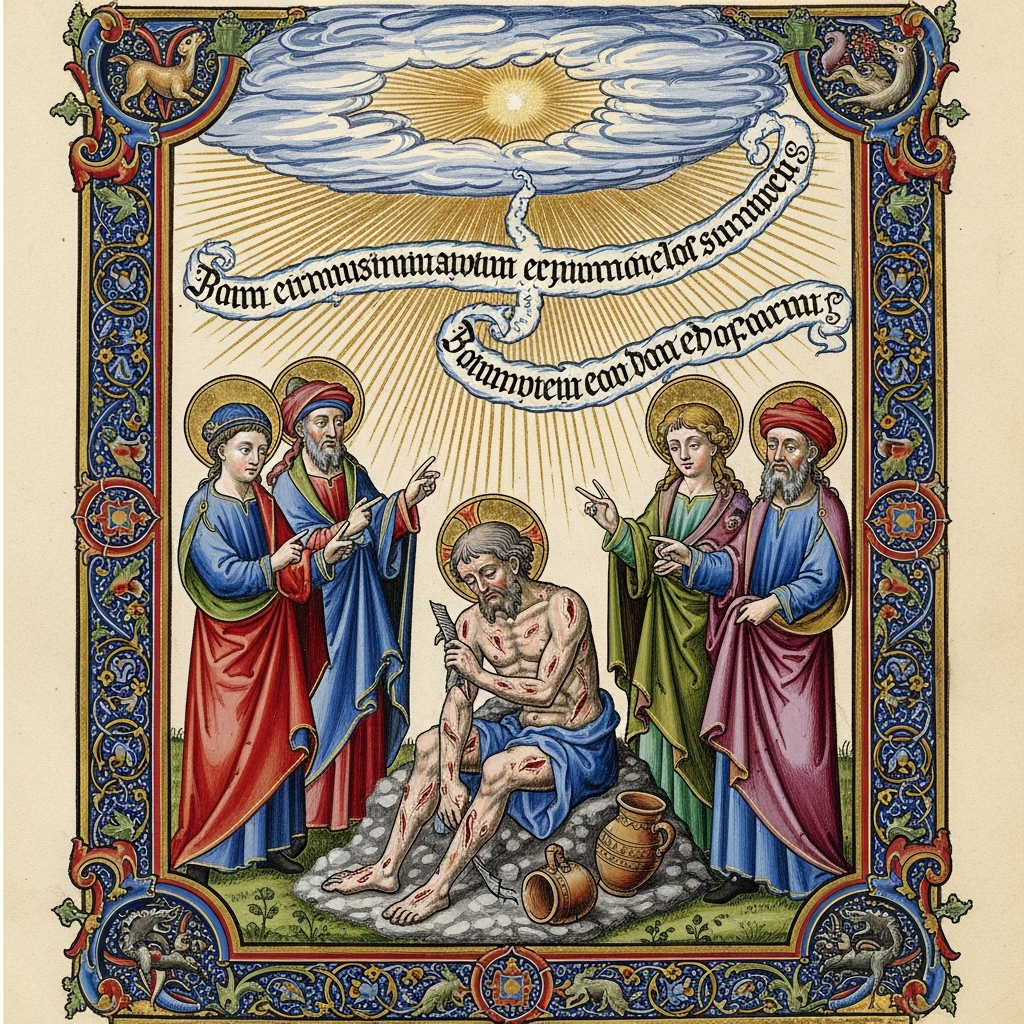 LEGENDARY
  RARE
RARE 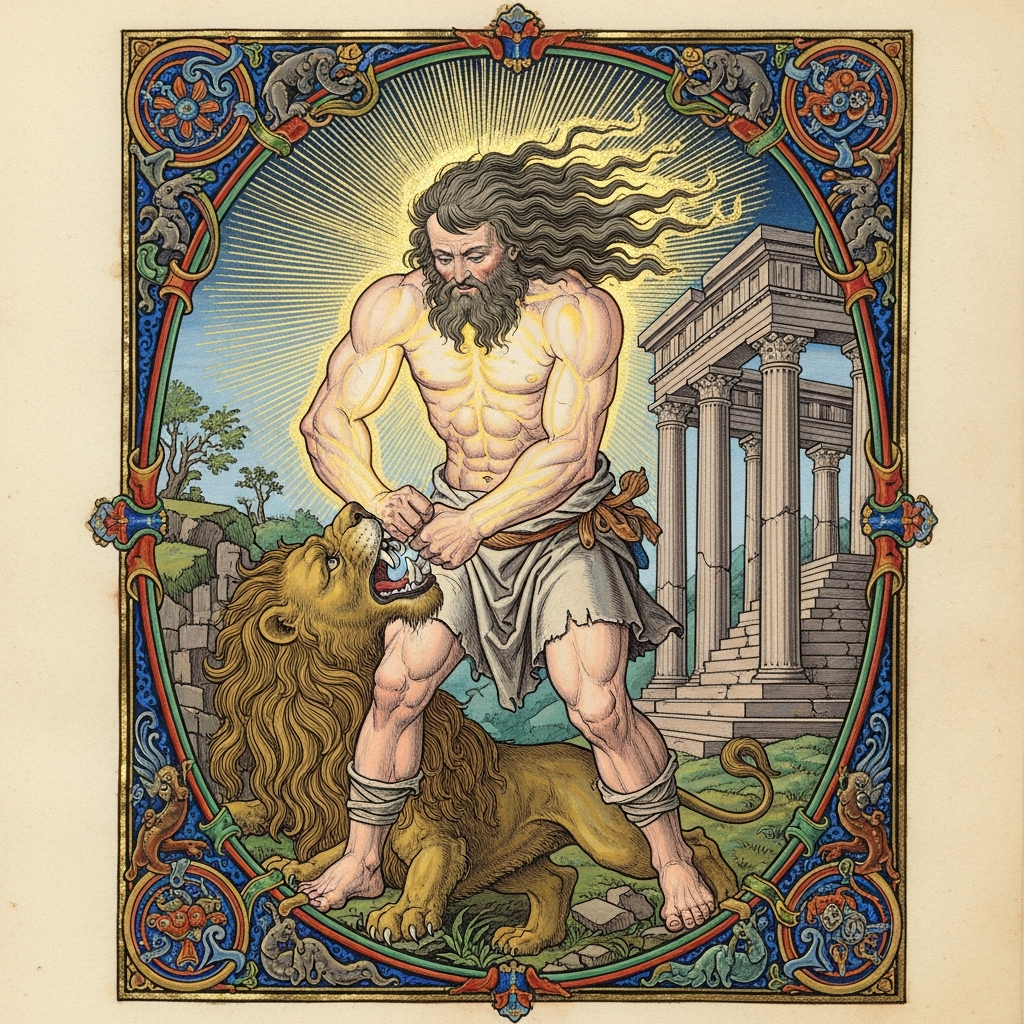 RARE
RARE 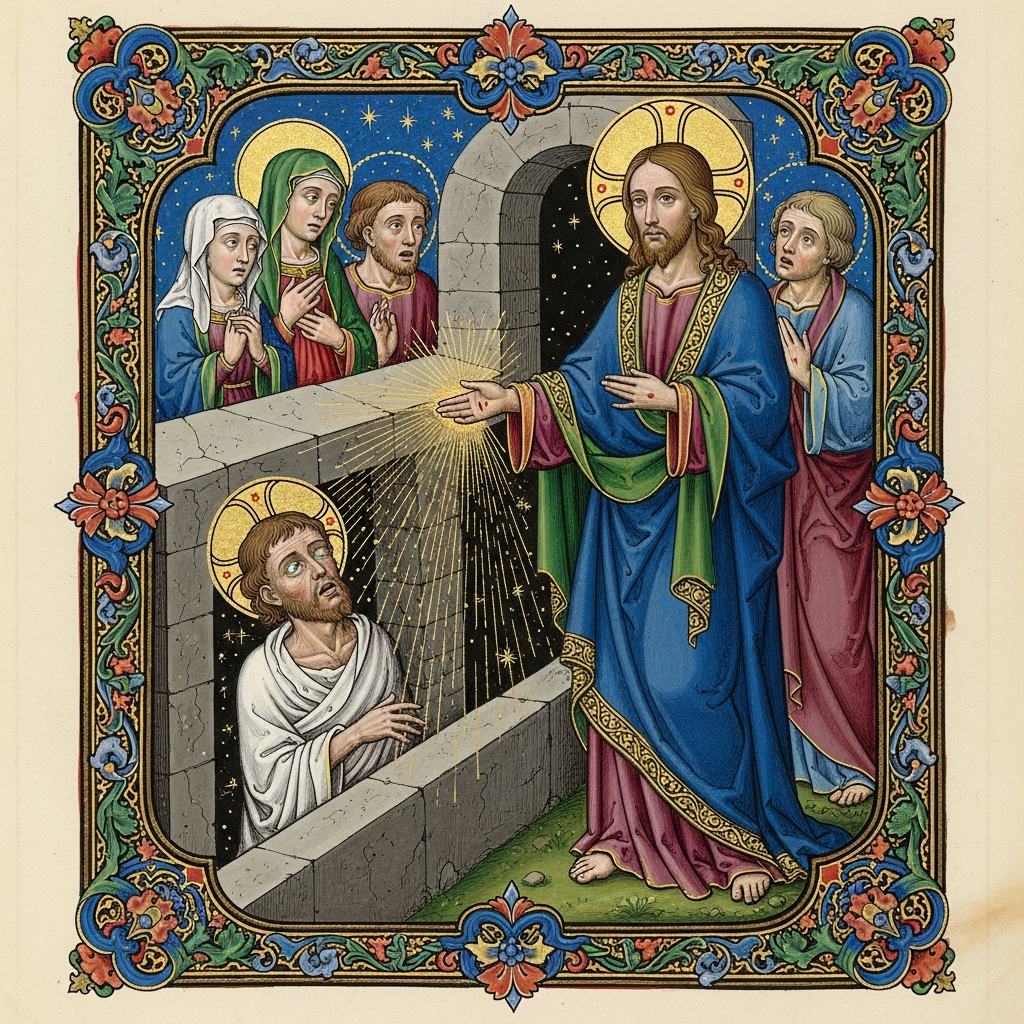
 RARE
RARE 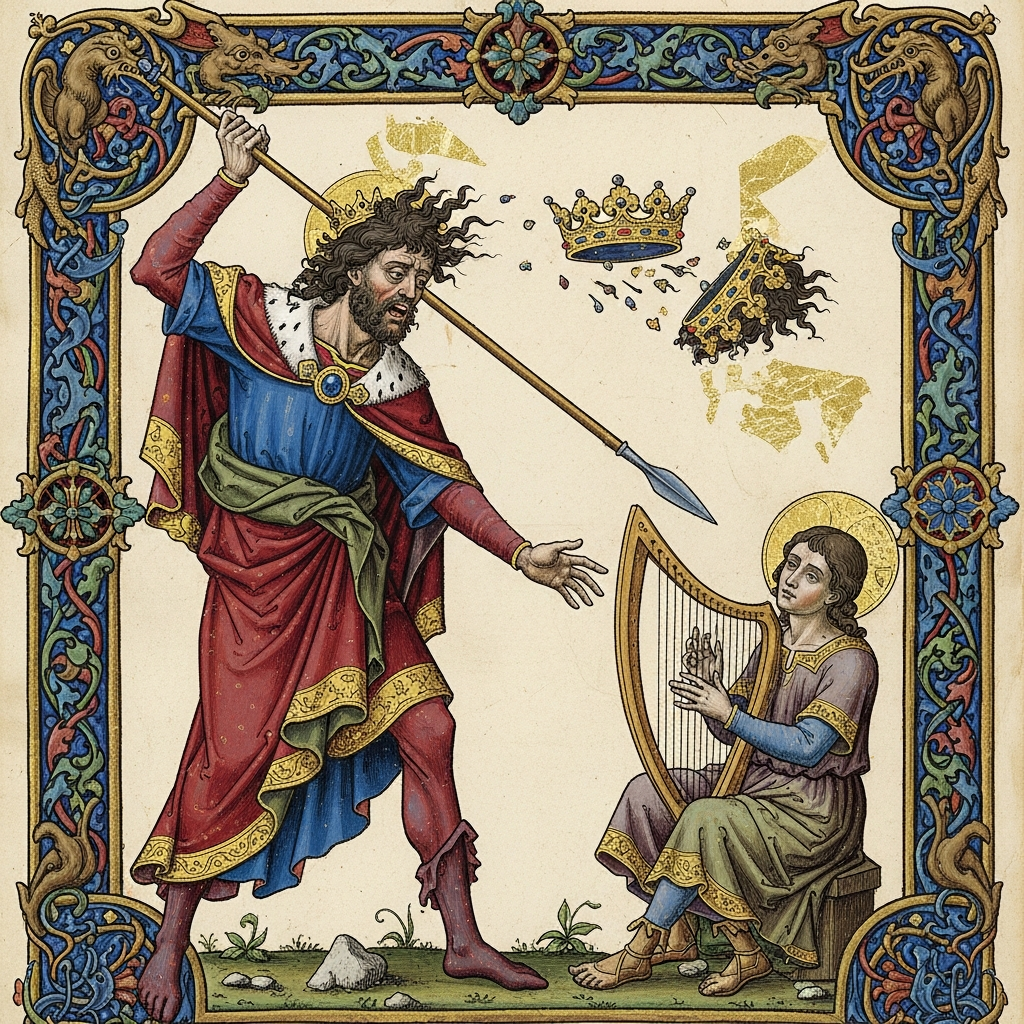 RARE
RARE 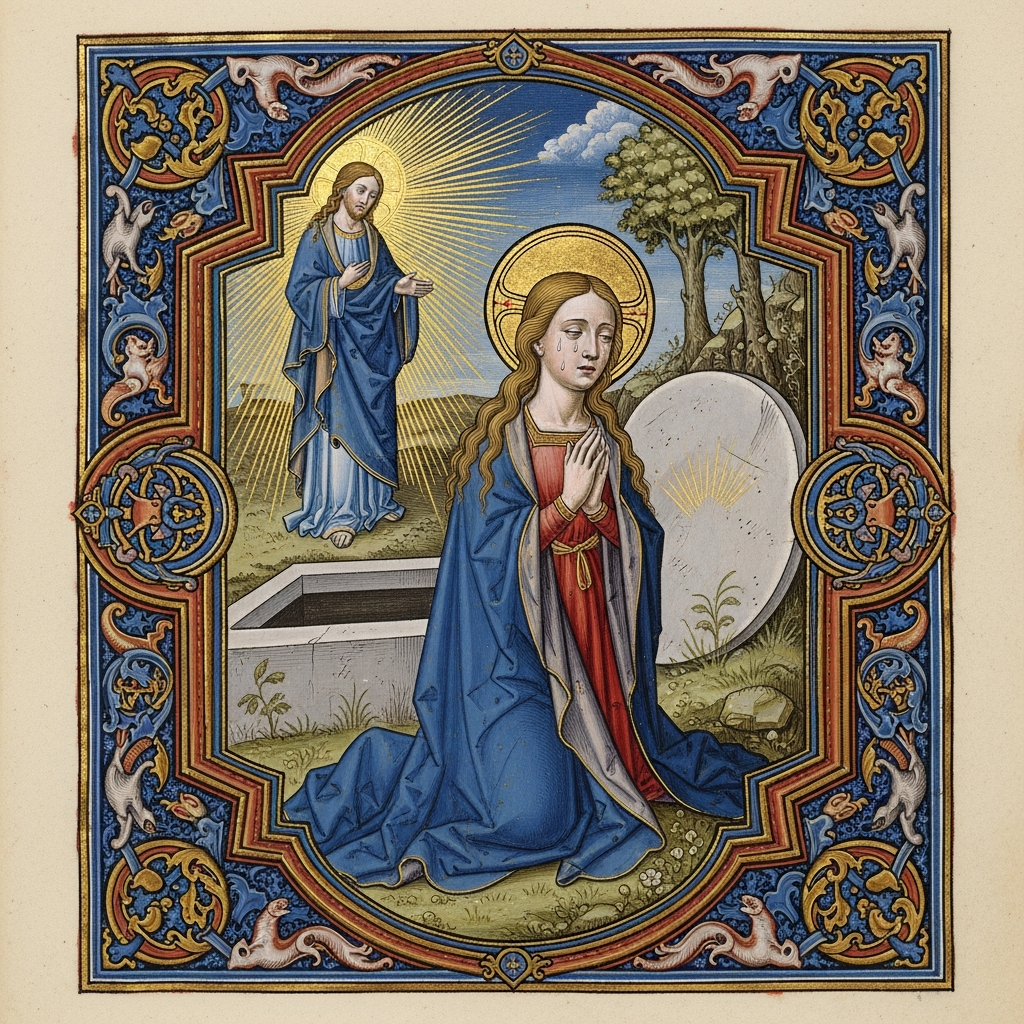 RARE
RARE 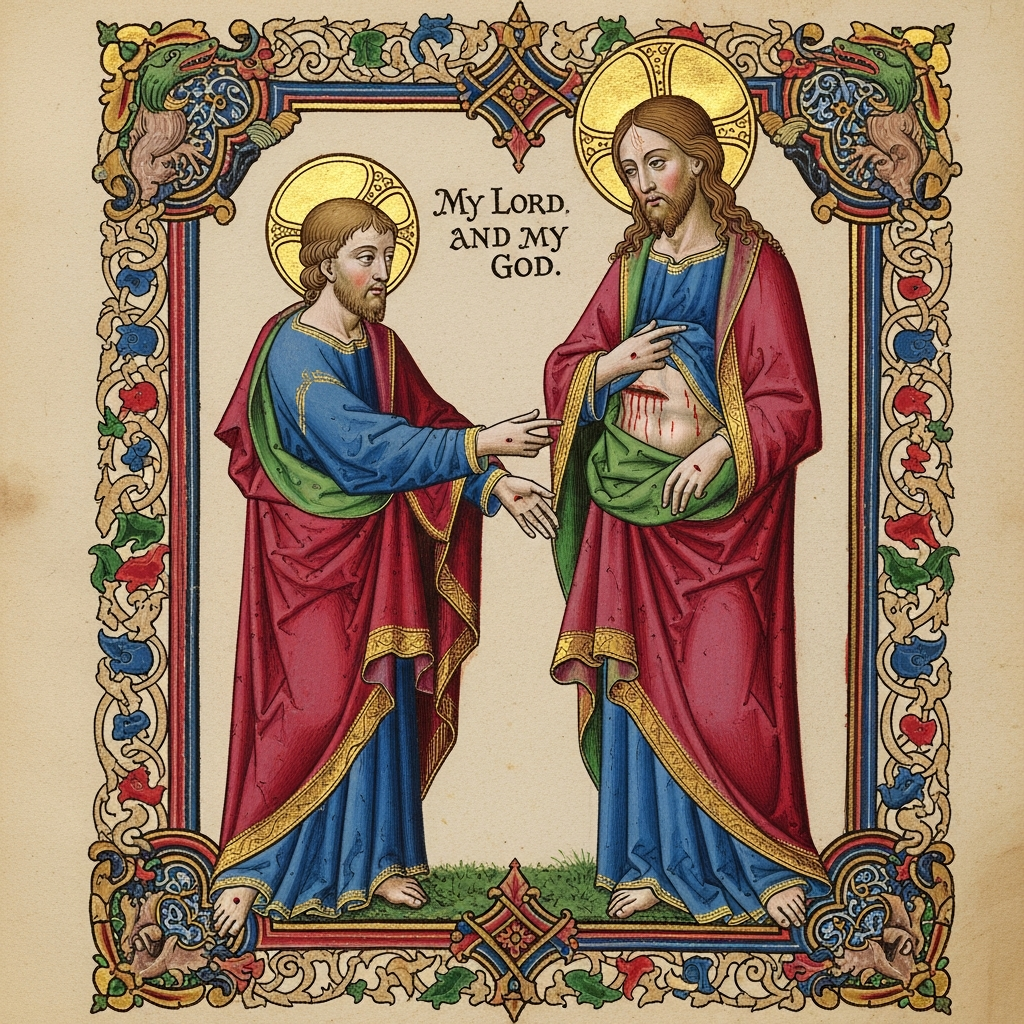 RARE
RARE 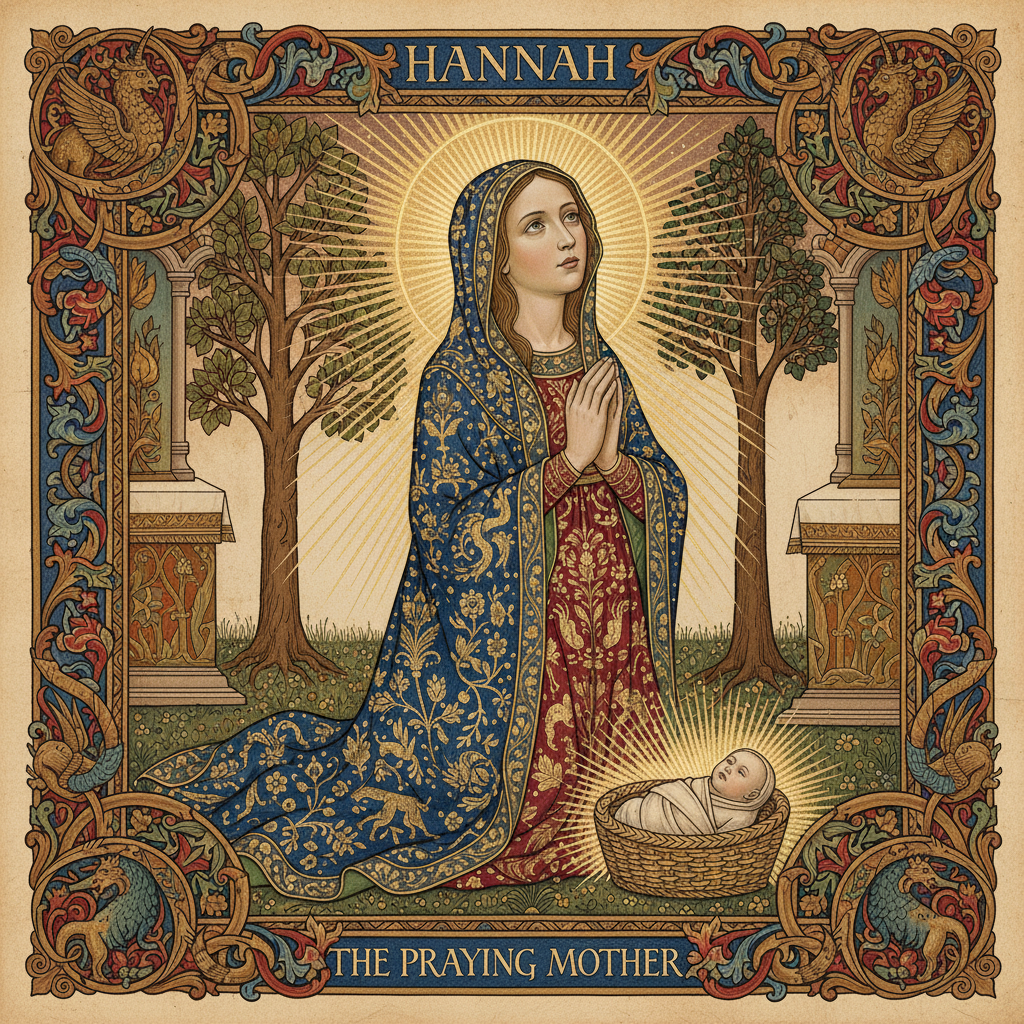
 RARE
RARE 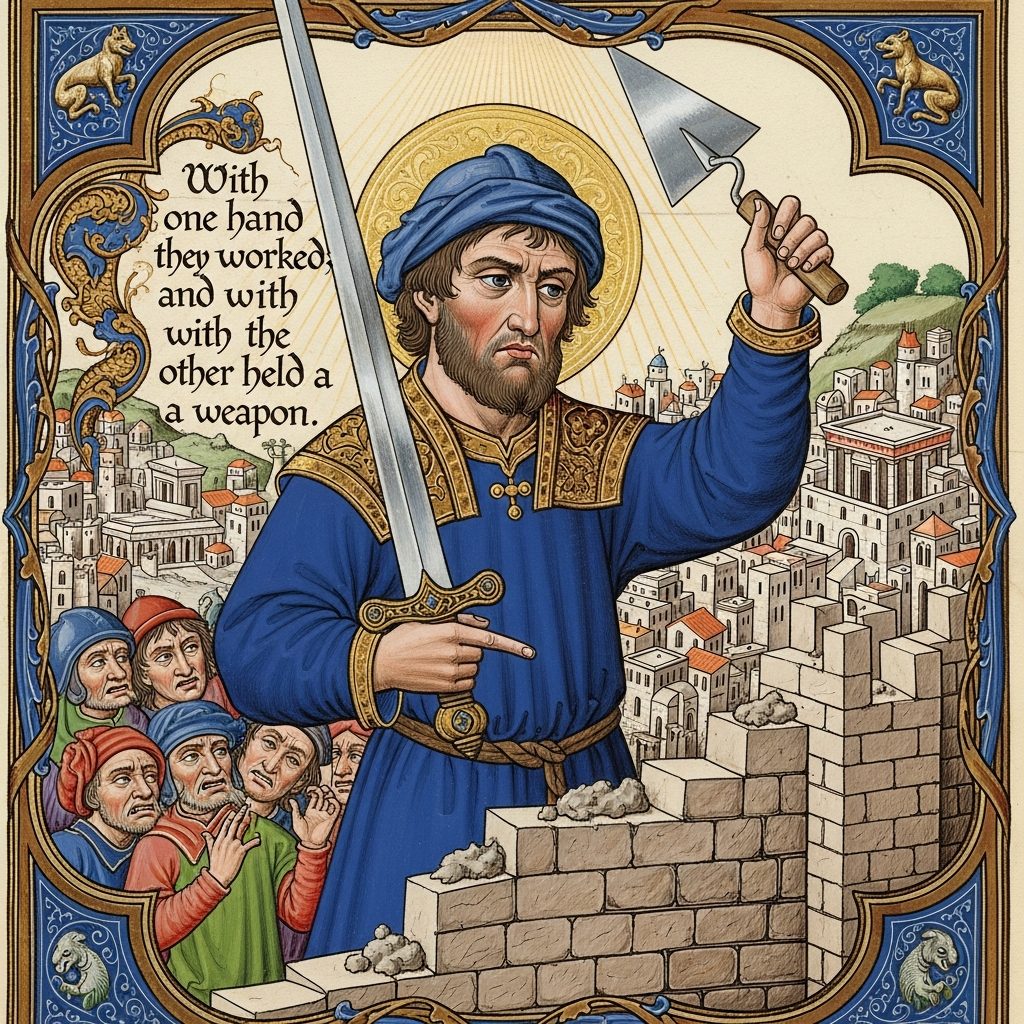 LEGENDARY
 LEGENDARY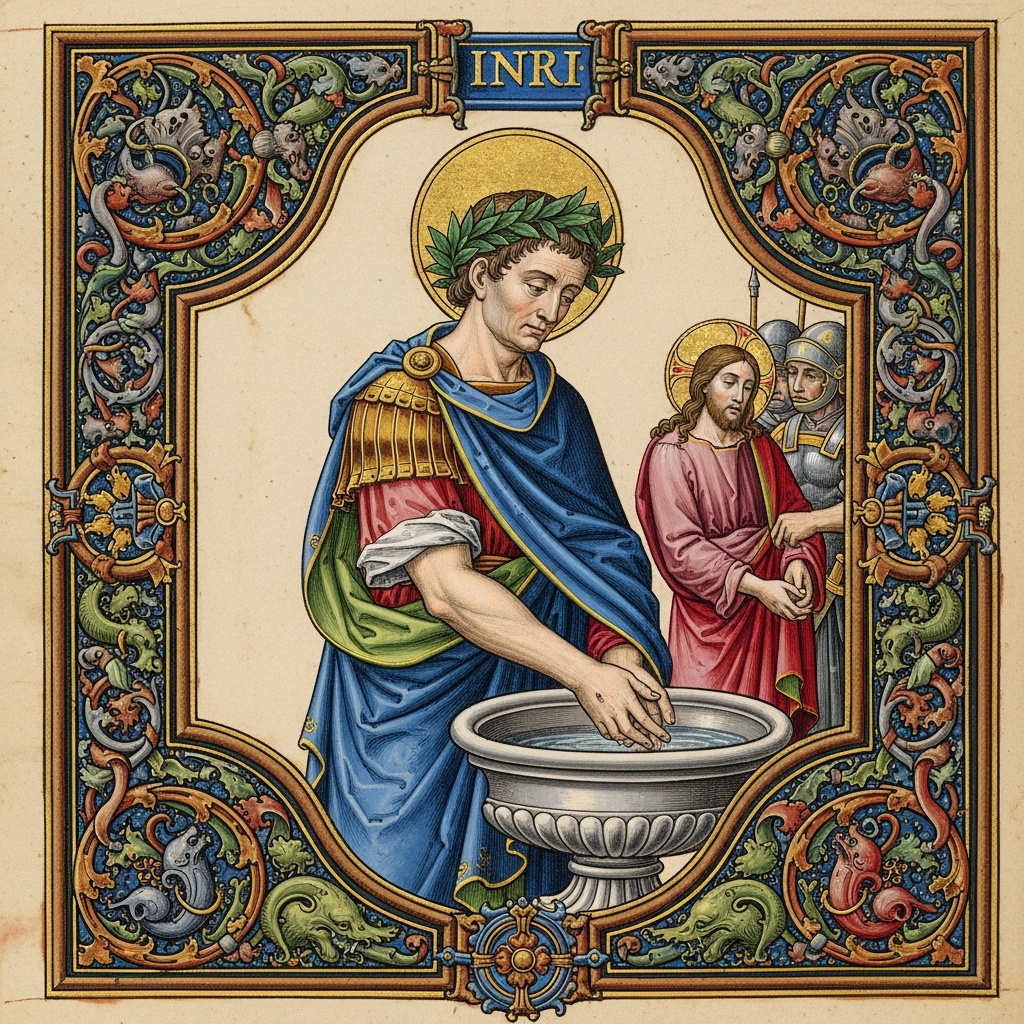
 RARE
RARE 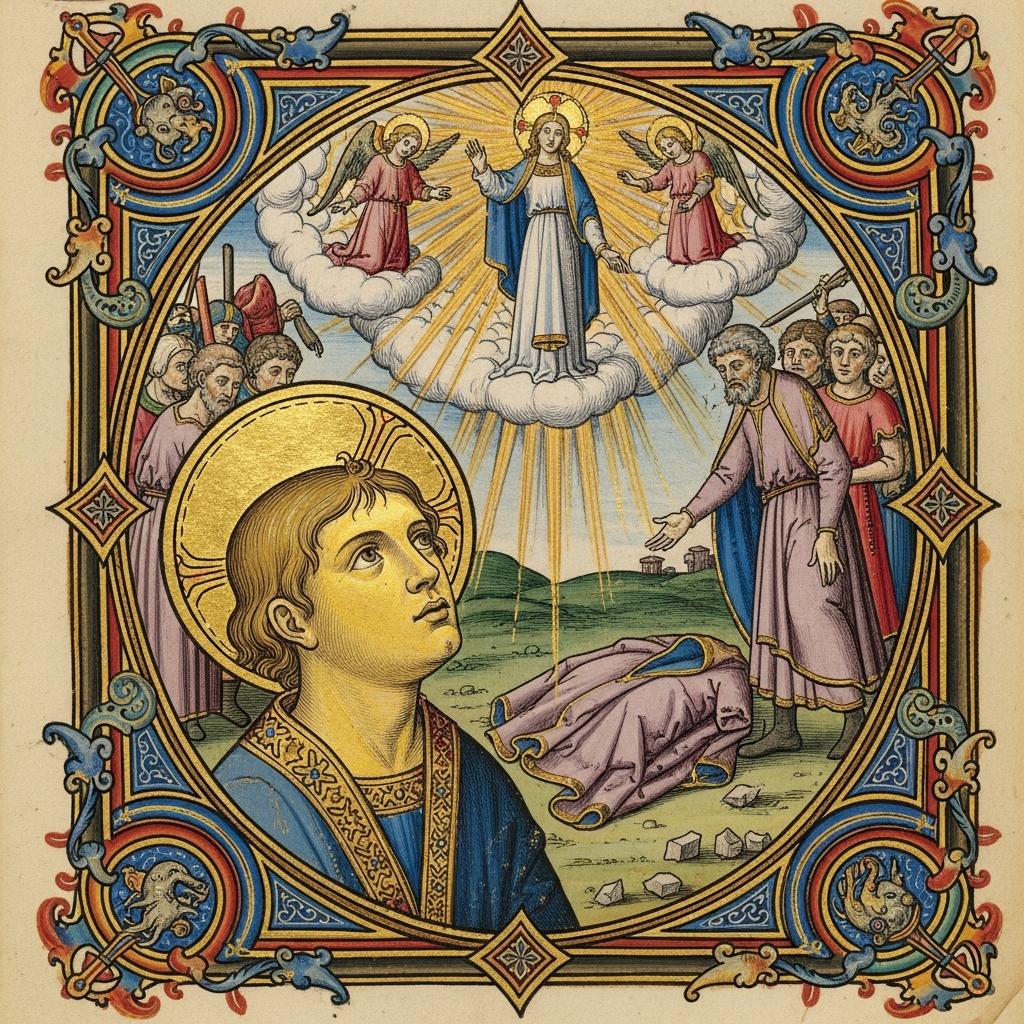 RARE
RARE 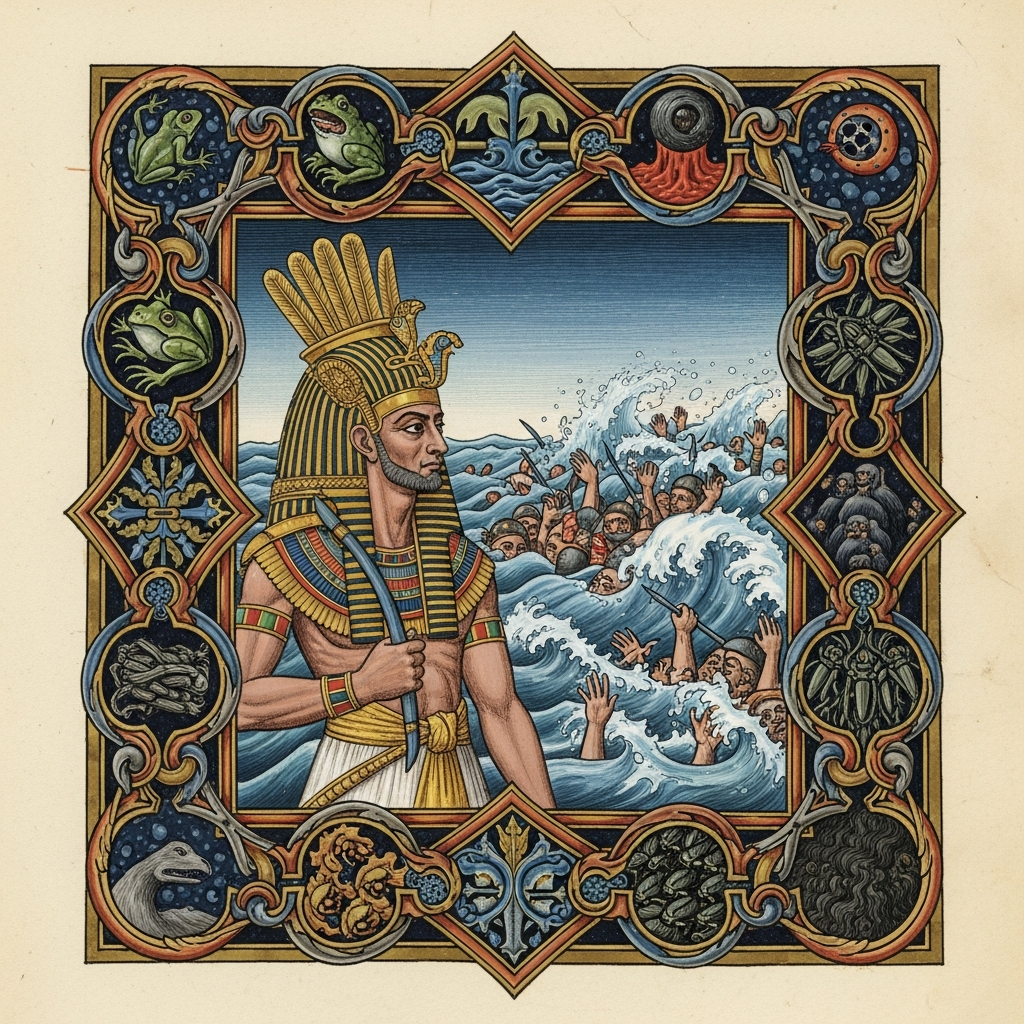 RARE
RARE