The Story
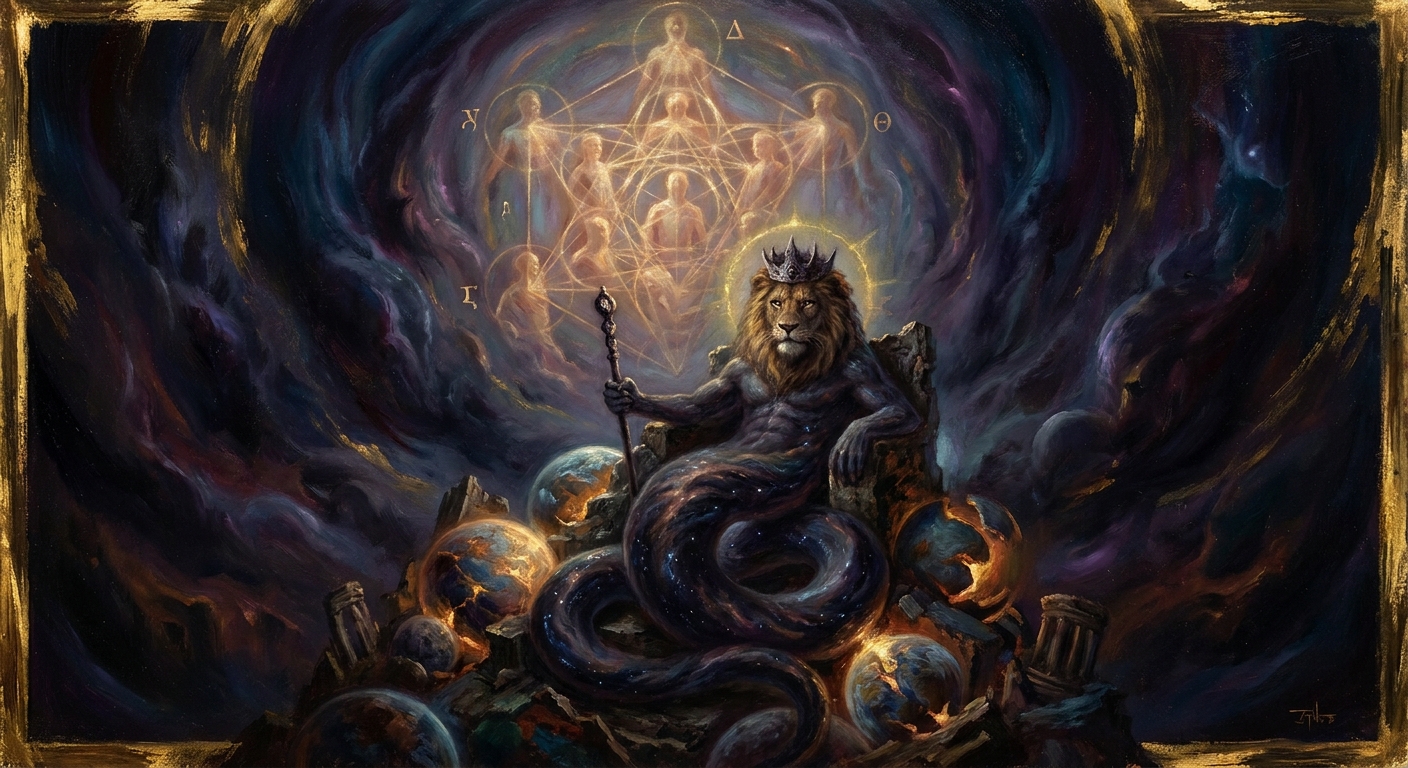
Gnosticism is the great road not taken in Christian history — a constellation of related religious movements that flourished in the 1st through 4th centuries CE, alongside and inside early Christianity, before being systematically suppressed and nearly erased from the historical record. To understand Gnosticism is to glimpse what Christianity could have been if Constantine and the proto-orthodox bishops had lost the argument.
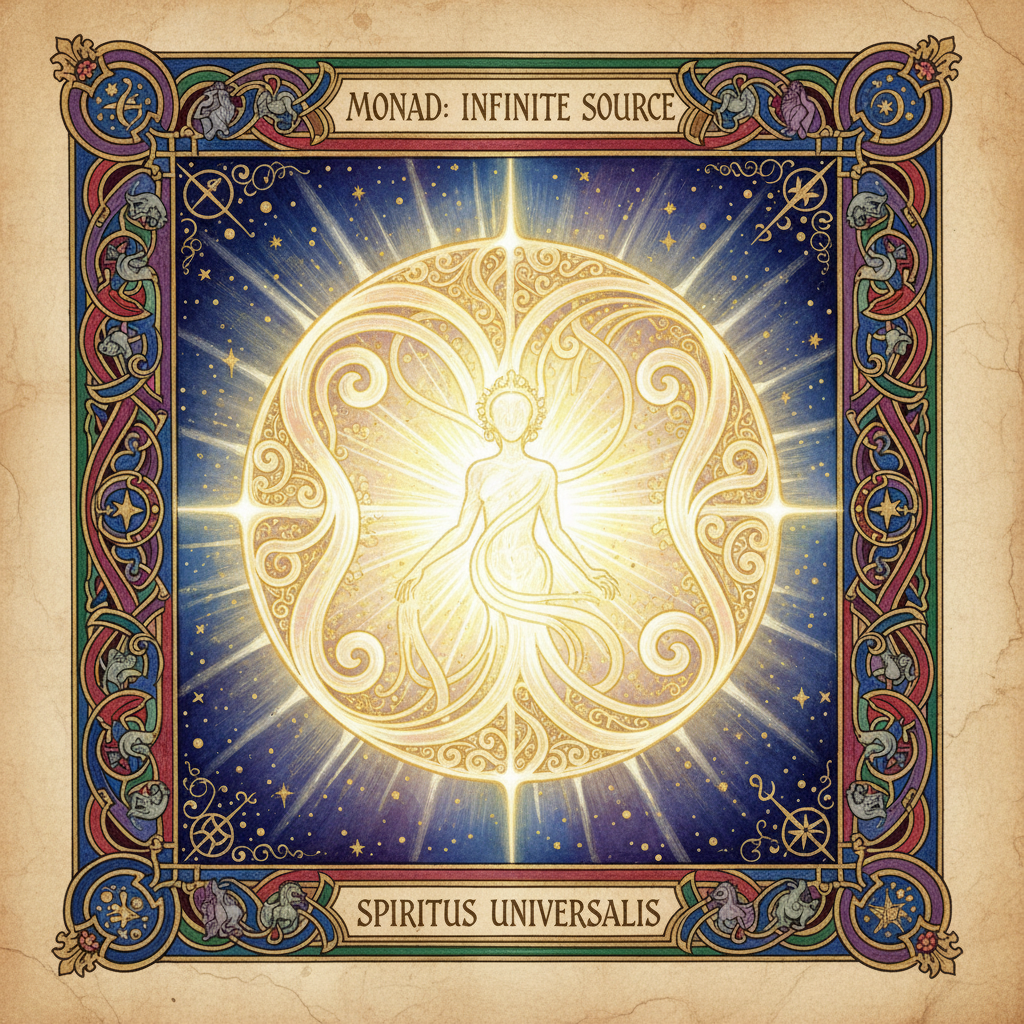
Hellenistic-Jewish-Christian Syncretism (1st-2nd c. CE): In Alexandria’s harbor — where Greek philosophy, Hellenistic Judaism, Egyptian mysteries, and the Jesus movement collided in one city — radical scribes invert Genesis: the God who forbids knowledge is not the true God, but a blind lesser being, the Demiurge, who trapped divine sparks inside flesh (Apocryphon of John II,1). Above him: the unknowable Monad, the real God. Below: gnosis (knowledge of your own divine origin) as liberation.
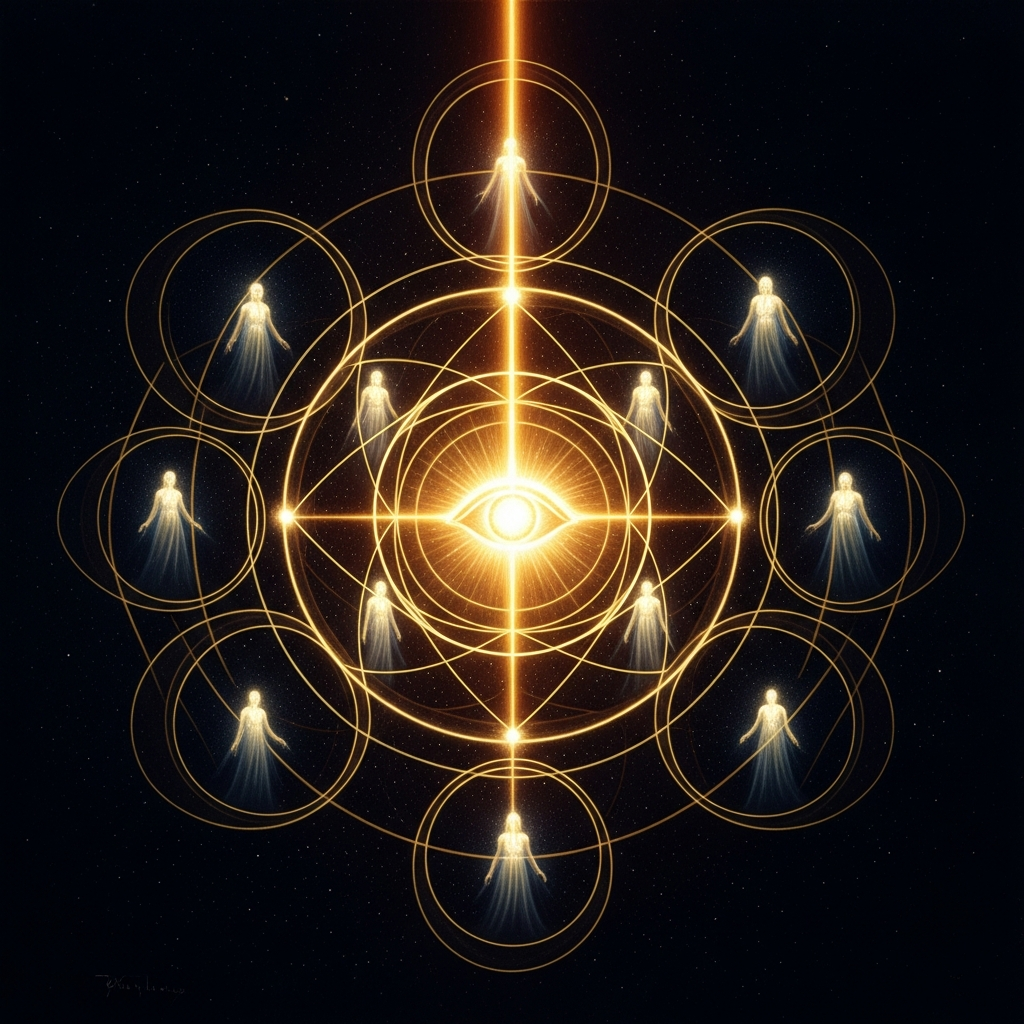
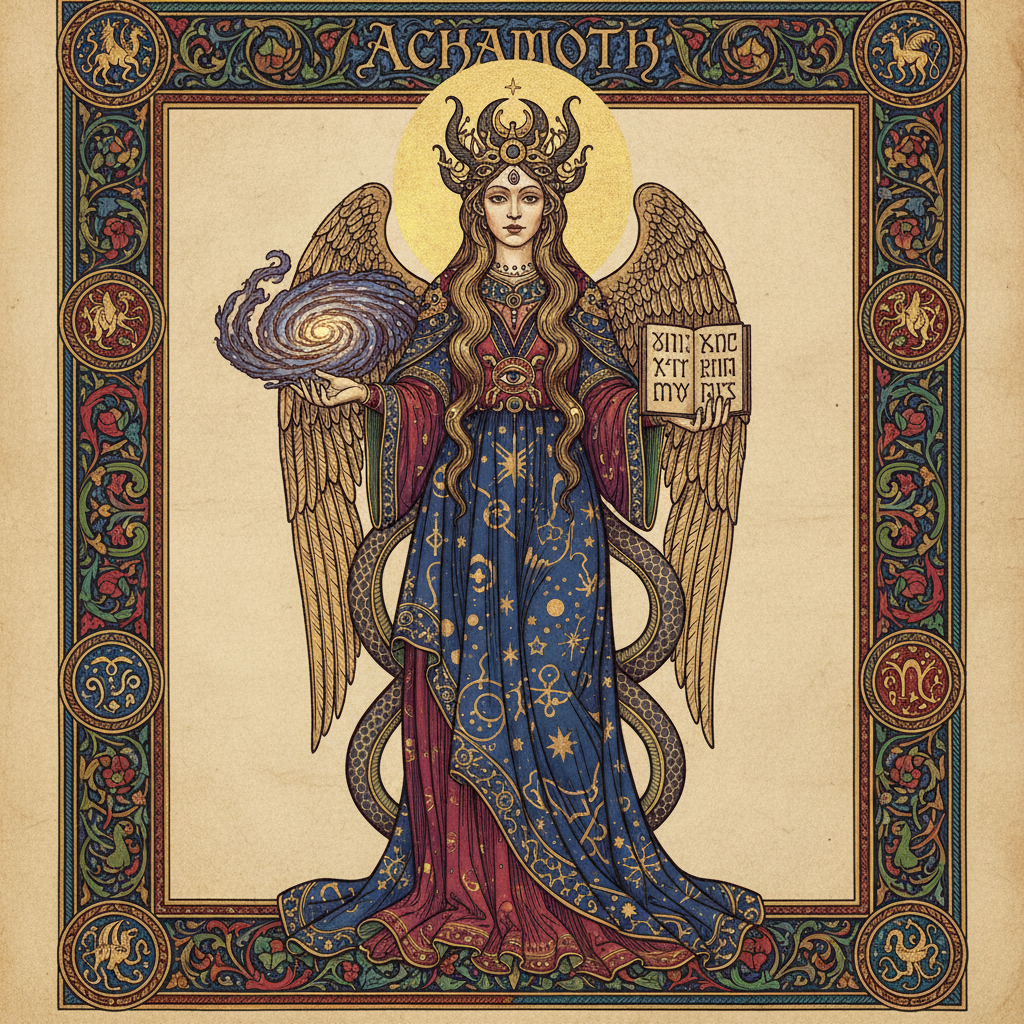
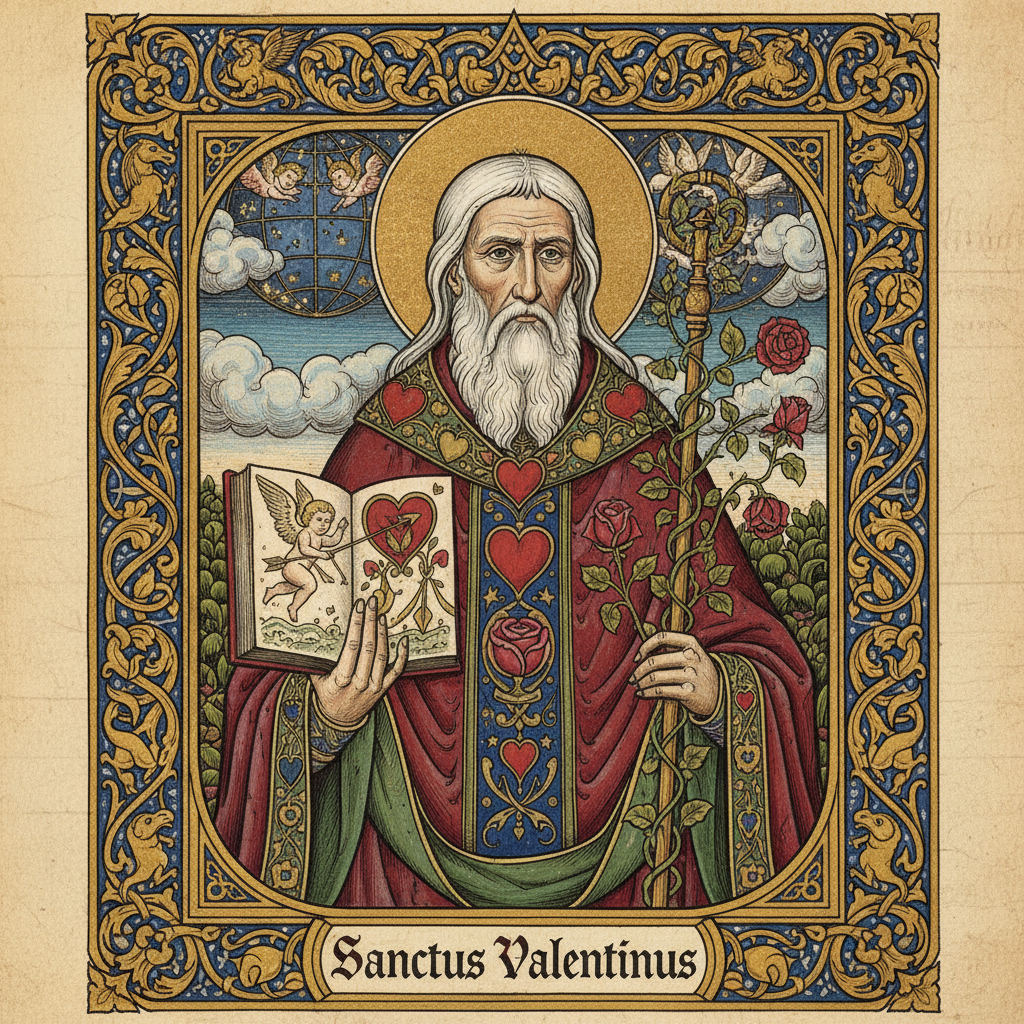
The Three Major Schools (~120-200 CE): Three schools emerge. The Sethians invert Genesis entirely: serpent as hero, Eve as divine savior, Yahweh as blind jailer (Hypostasis of the Archons). The Valentinians, founded by Valentinus in Rome (~100-160 CE), engineer the most elegant theology of the era — 30 Aeons cascading in 15 pairs (Irenaeus, Against Heresies 1.2). The Basilideans map 365 heavens stacked above the Demiurge’s prison (Irenaeus, Against Heresies 1.24).
Marcion of Sinope (144 CE): In 144, a wealthy shipper from Pontus walks into Rome and declares: the God of the Old Testament is not Jesus’s Father, but a different, inferior being. Burn the Hebrew scriptures. Edit the New Testament down to Luke and ten Paul letters. Marcion publishes the first Christian canon in history (Tertullian, Against the Valentinians 5) — and forces the proto-orthodox to scramble and build their own. Marcion’s heresy births the 27-book New Testament.
Irenaeus of Lyons Writes Against Heresies (~180 CE): Bishop Irenaeus publishes Adversus Haereses — a scorched-earth five-volume incineration of every Gnostic sect (Irenaeus, Against Heresies). For 1,800 years this was our only window into Gnostic thought. Until 1945, every reconstruction of what Gnostics believed came filtered through the fury of their destroyers — a medieval scholar reading Buddhism through Jerome.
Constantine and the Crushing of Gnosticism (4th c. CE): Constantine converts. Nicaea codifies orthodoxy. Gnostics become criminals. Texts burn. Communities dissolve. By 500 CE, organized Gnosticism is ash.
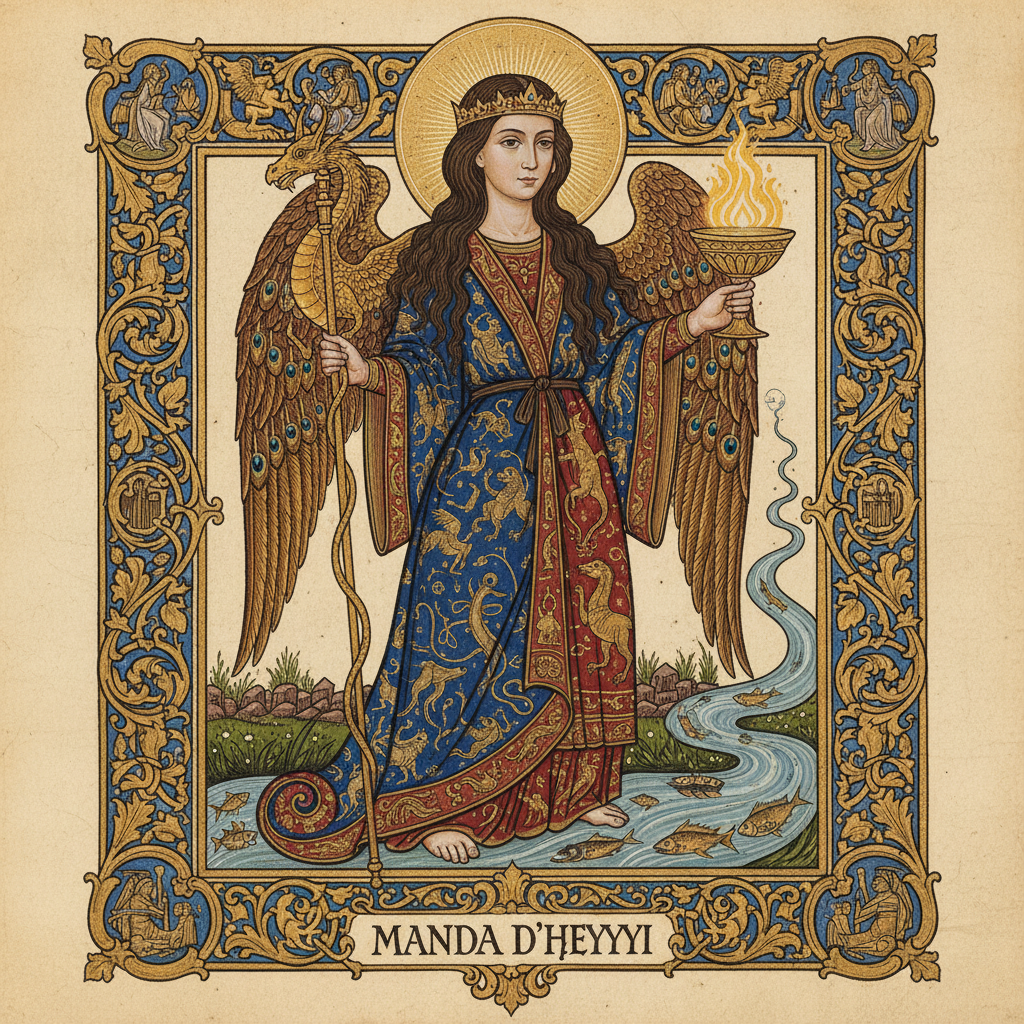
The Mandaean Survival (3rd c. CE - present): One Gnostic lineage escapes the slaughter. The Mandaeans flee to Iraq’s marshlands and baptize in flowing water for 2,000 years. They still practice today — nearly extinct, but alive.
The Cathar Revival (12th-13th c. CE): Gnostic dualism resurfaces in southern France. The Cathars (“Pure Ones”) teach two gods, practice ascetic vegetarianism, and infuriate the Pope. The Albigensian Crusade (1209-1229) — the only crusade pitting Catholics against Catholics — incinerates them.
The Nag Hammadi Library (December 1945): A peasant’s mattock hits a sealed clay jar. Inside: 13 codices, 52 Gnostic texts, pristine in 4th-century Coptic (James Robinson, ed., The Nag Hammadi Library, 1977). Gospel of Thomas. Gospel of Philip. Apocryphon of John. For 1,600 years, we heard Gnostics only through their executioners’ words. Now they speak.
Pivotal Events
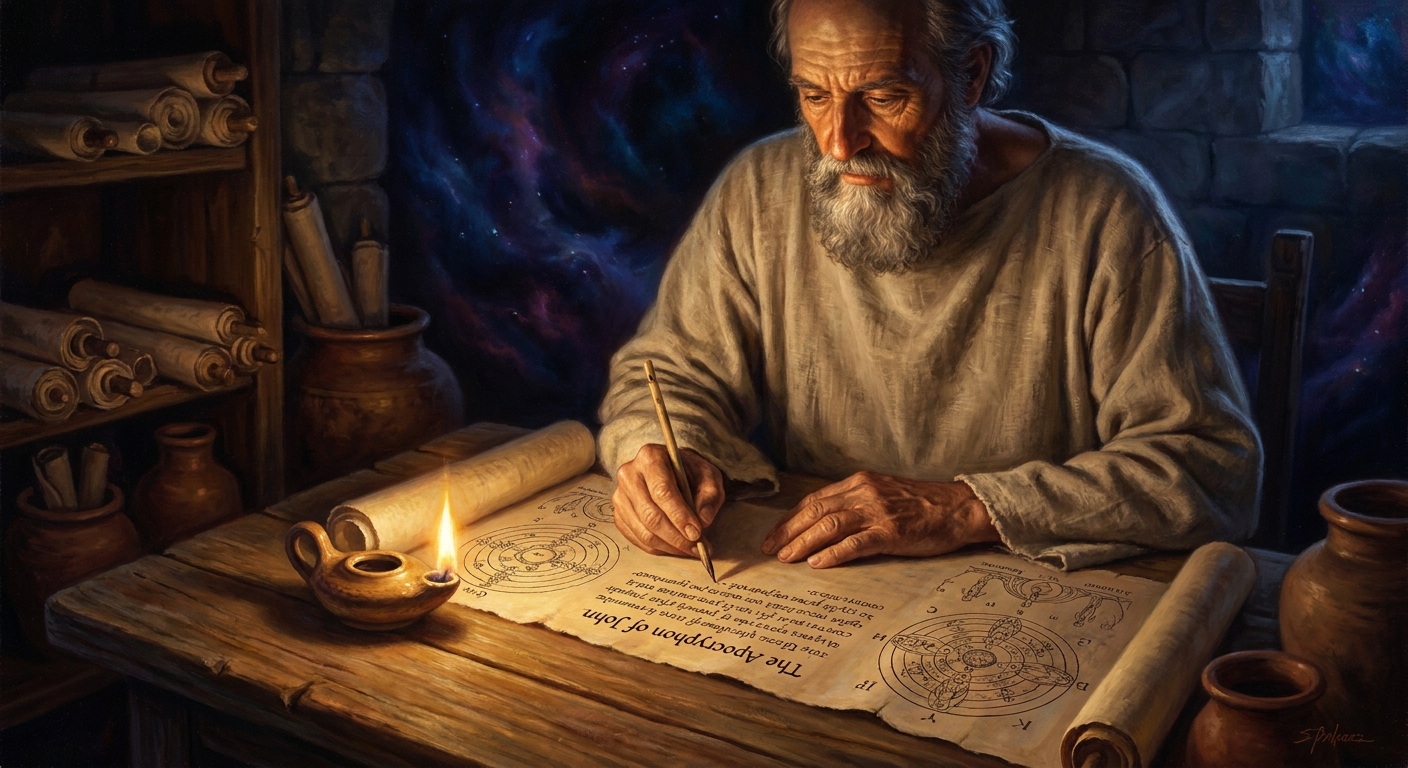
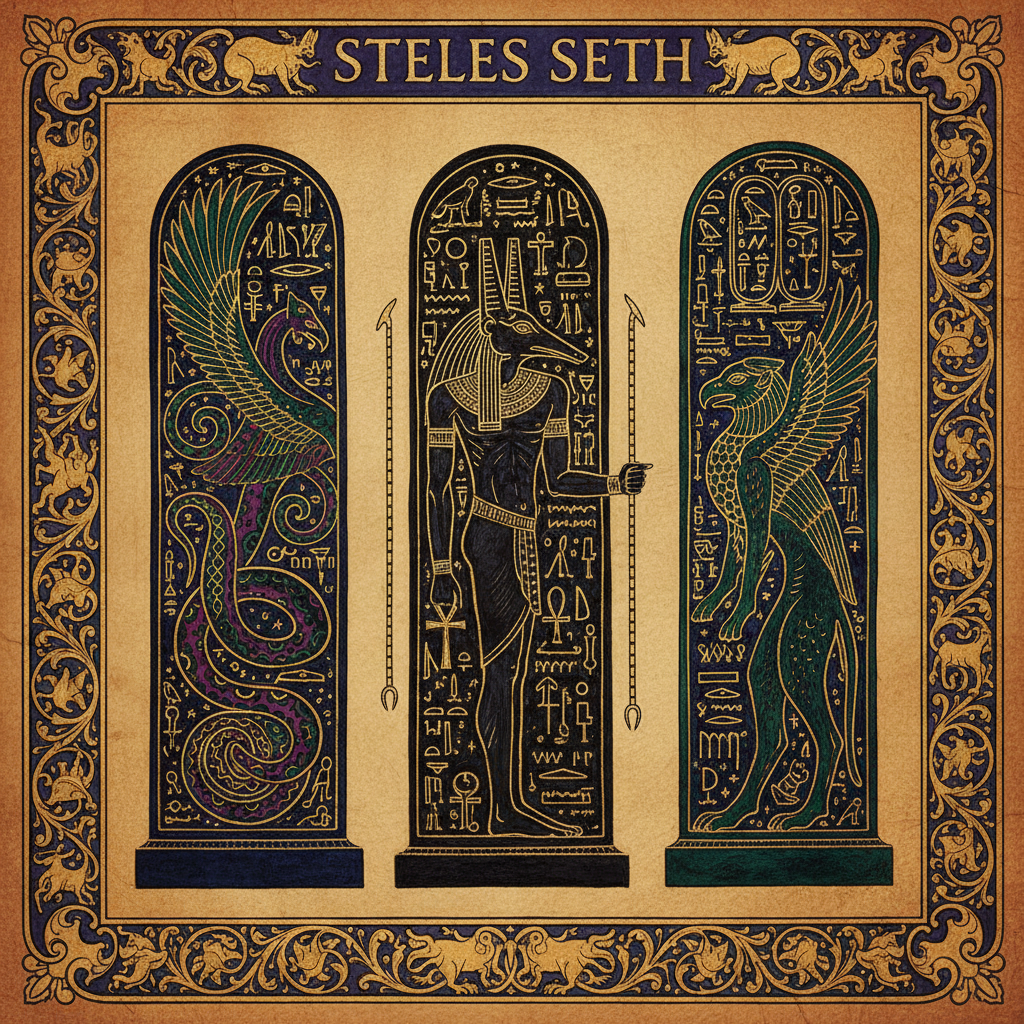
In Alexandria, anonymous scribes flip Genesis inside out (Apocryphon of John II,1). The Apocryphon of John, Hypostasis of the Archons, Three Steles of Seth — texts that invert every sacred image. The God forbidding knowledge becomes the blind jailer. The serpent becomes the liberator. Eve becomes a divine herald. Adam? A spark of true light, imprisoned in clay. This is not marginal heresy — it is a complete counter-scripture, written by people who claim they, not the proto-orthodox, are the true heirs of Israel.
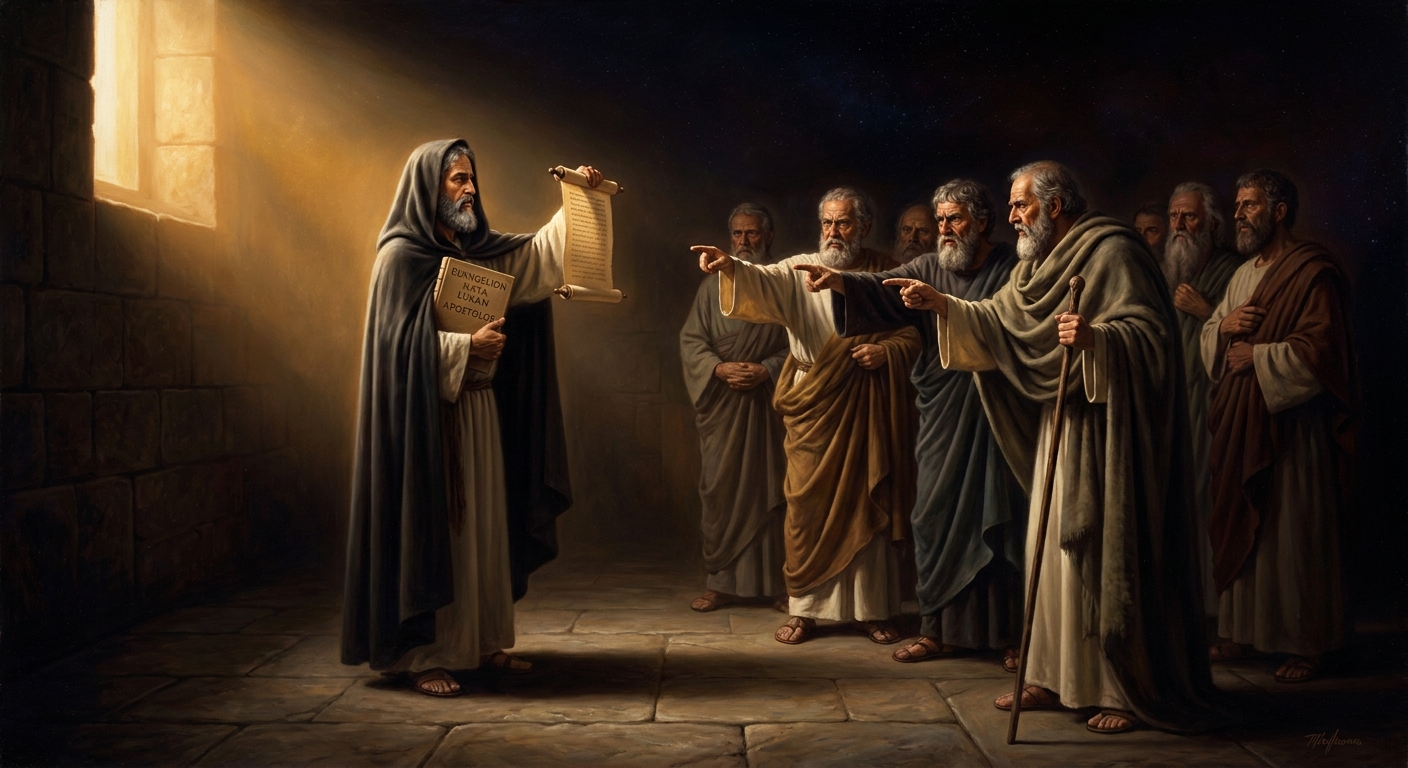
In 144 CE, Rome’s bishops vote to expel Marcion and refund his donation. His offense: the God of wrath in the Old Testament cannot be the Father of mercy in the New Testament. Two different gods. Kill the entire Hebrew Bible. Edit the New Testament to Luke and ten Paul letters. He publishes the first Christian canon ever (Tertullian, Against Marcion 1.19) — and forces the orthodox into a panic. They scramble to define their own canon in opposition. Marcion, the heretic, midwifes the 27-book New Testament.
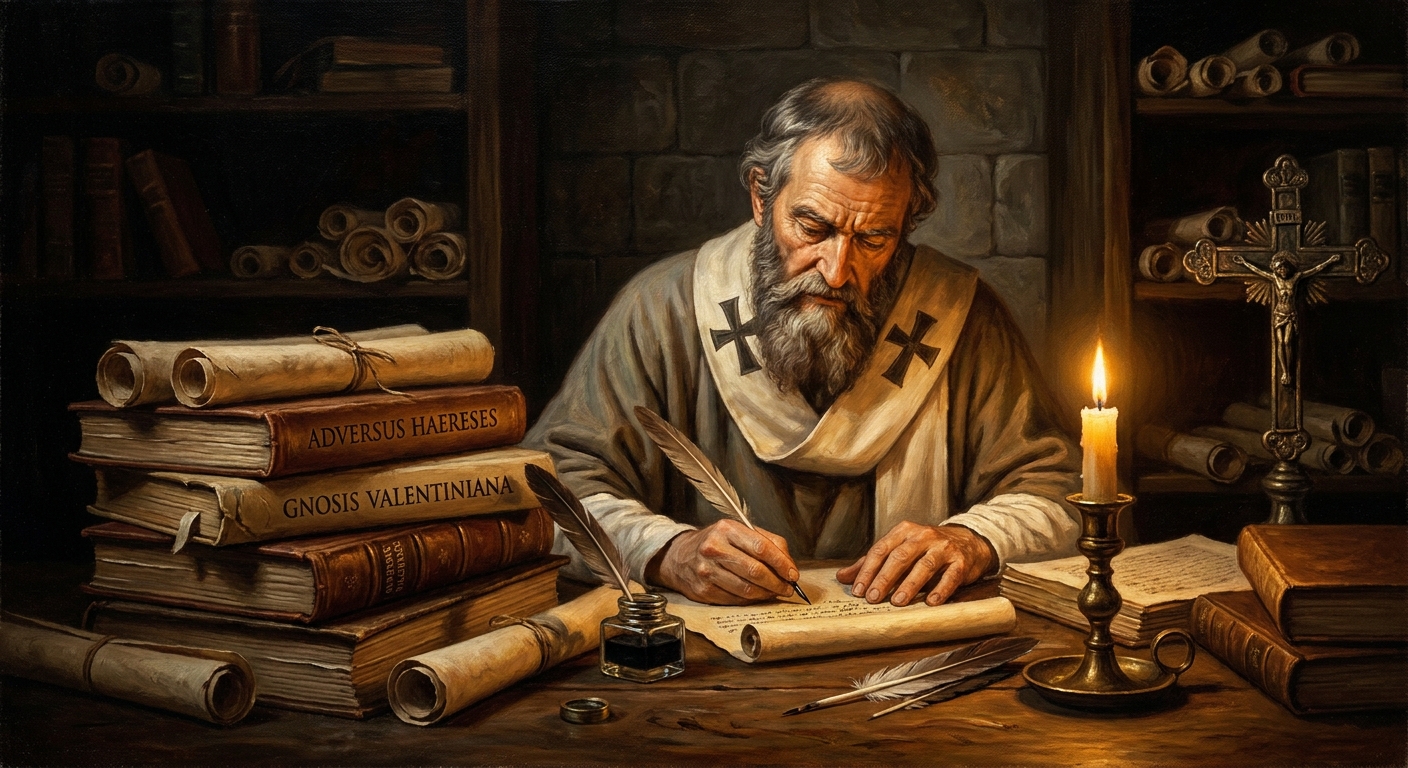
Bishop Irenaeus unleashes Adversus Haereses — a five-volume sledgehammer against every Gnostic sect: Valentinians, Sethians, Basilideans, more. He mocks their Aeons, summarizes their doctrines, and swings to exterminate. For 1,800 years, Irenaeus was our only source for Gnostic thought. Every modern scholar before 1945 read Gnosticism through the eyes of the man hired to kill it. It’s like learning Buddhism from medieval Inquisitors.
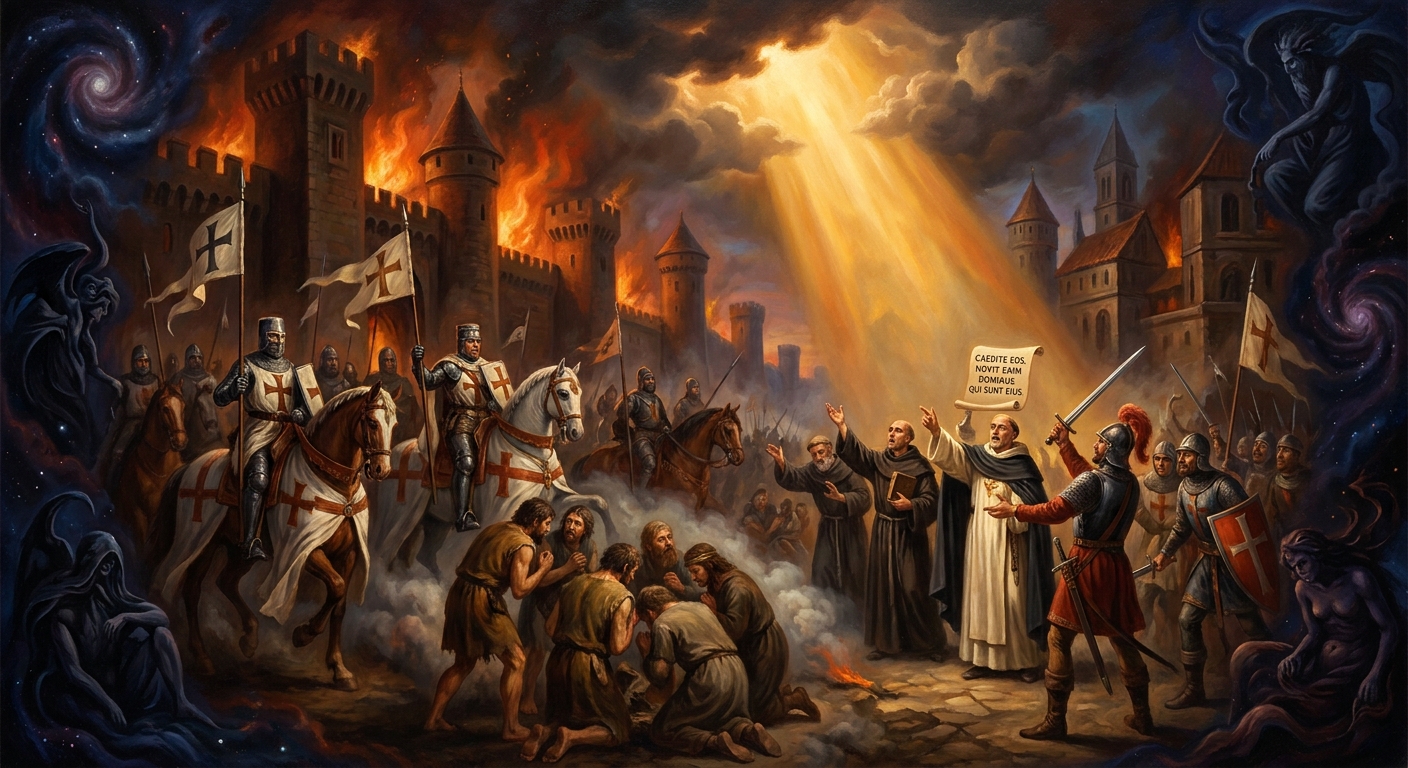
In sunny Languedoc, the Cathars — the “Pure Ones” — resurrect dualism: two gods, spirit good, matter evil. They fast, vegetarianize, seduce the local aristocracy. A papal legate gets murdered (maybe; possibly). Pope Innocent III wages the only crusade pitting Christians against Christians. Sack of Beziers: “Kill them all — God will know His own.” Montsegur burns in 1244. Catharism ends. The Inquisition, born to hunt the last Cathars, outlives its prey by 600 years.
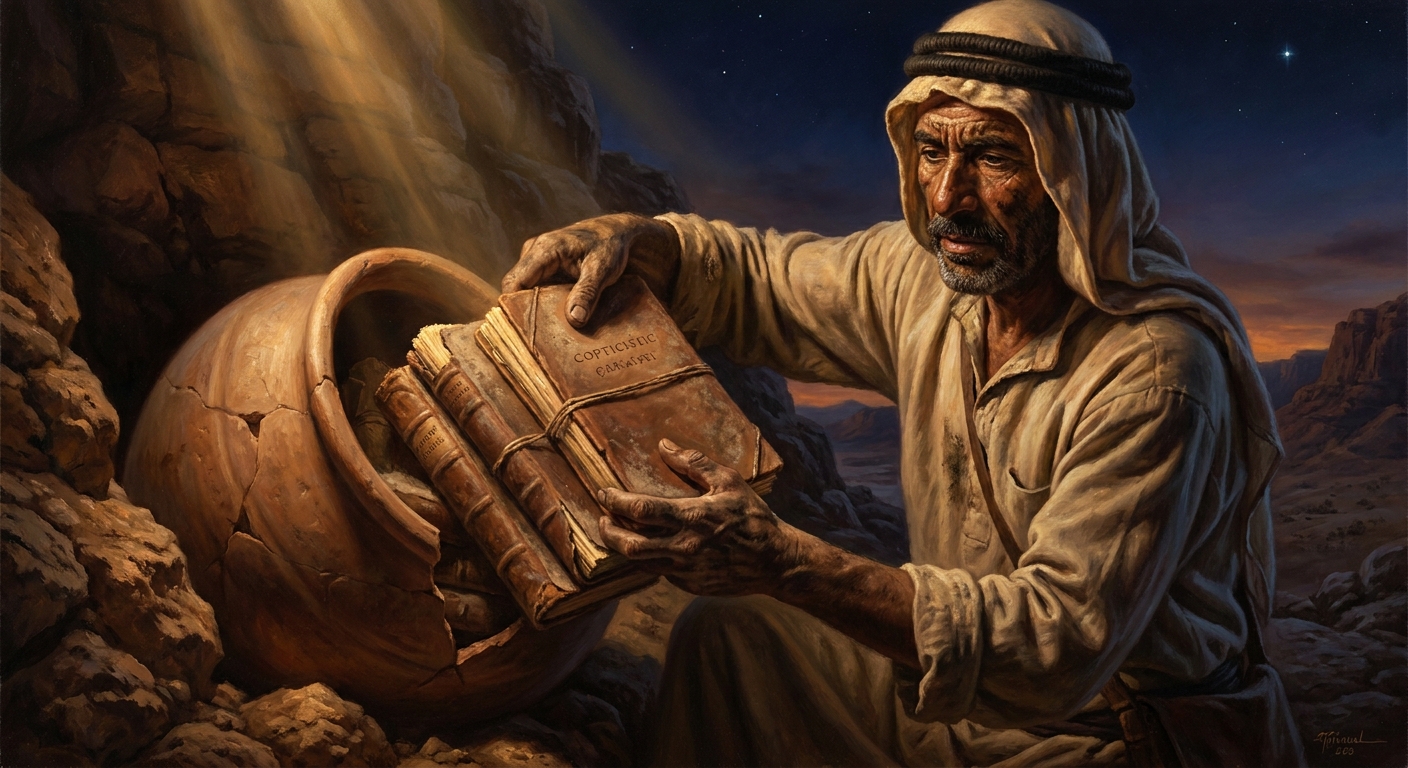
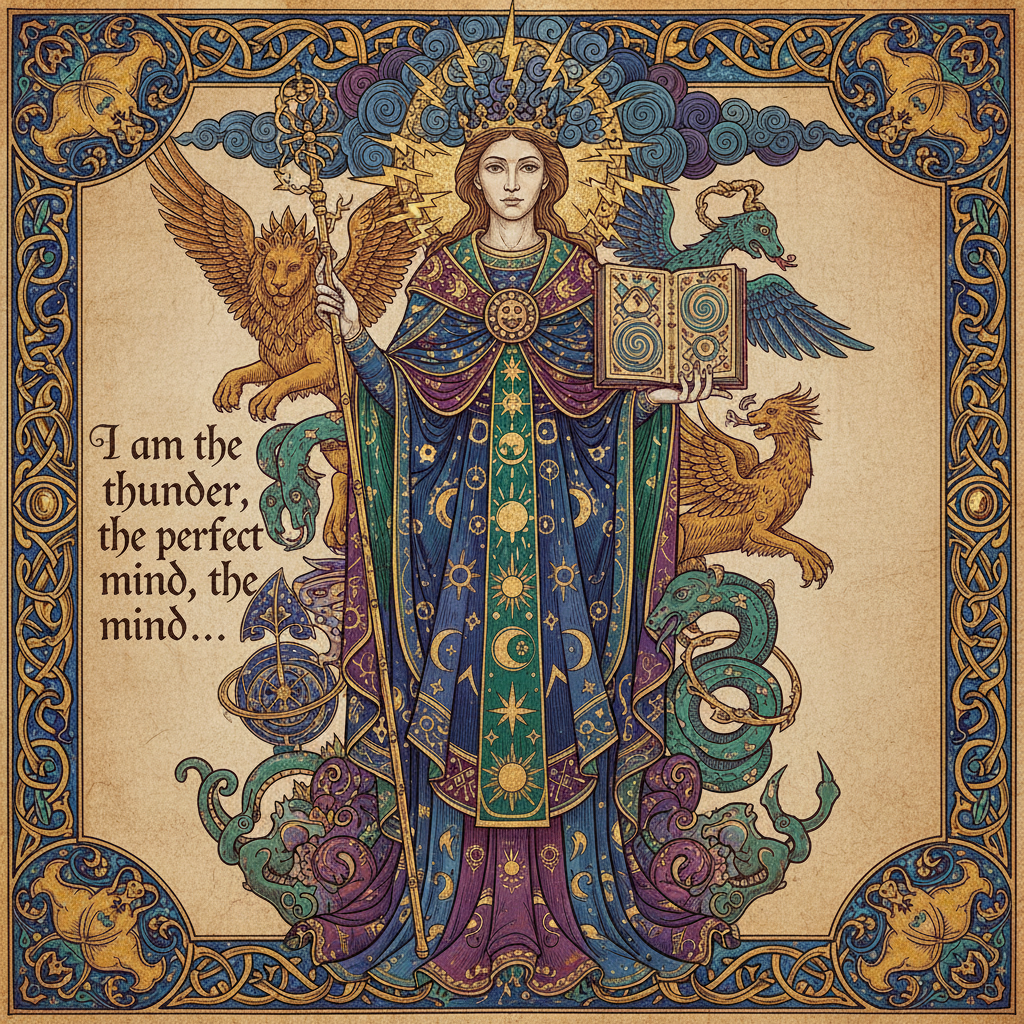
December 1945: a peasant named Muhammad Ali strikes a sealed jar with his mattock. Thirteen codices tumble out — 52 pristine 4th-century Gnostic texts in Coptic, buried (probably by Pachomian monks dodging Athanasius’s 367 ban on heretical texts, Festal Letter 39). Gospel of Thomas. Gospel of Philip. Apocryphon of John. Thunder, Perfect Mind. For the first time in 1,600 years, Gnostics speak directly. Not through Irenaeus’s fury. Not through orthodox distortion. Their own words. The field of early Christianity inverts overnight.
Timeline
| Era | Date | Event | Source |
|---|
| Pre-Gnostic Backdrop | 1st c. BCE | Hellenistic Judaism in Alexandria; Philo’s logos theology | Philo of Alexandria |
| Apostolic Era | ~30-100 CE | Jesus movement begins; Paul writes to Hellenistic communities | Pauline letters |
| Simon Magus | mid-1st c. CE | Earliest figure later branded a Gnostic; Samaritan magician | Acts 8; Justin Martyr |
| Sethian Texts | ~100-200 CE | Apocryphon of John, Hypostasis of the Archons composed | Nag Hammadi corpus |
| Basilides | ~117-138 CE | Founds Basilidean school in Alexandria; 365 heavens | Irenaeus, Adv. Haer. I.24 |
| Valentinus | ~100-160 CE | Founds Valentinian school in Rome; 30 Aeons in 15 syzygies | Irenaeus; Gospel of Truth |
| Marcion Excommunicated | 144 CE | Marcion of Sinope expelled from Roman church; first Christian canon | Tertullian, Adv. Marc. |
| Gospel of Thomas | mid-2nd c. CE | 114 sayings of Jesus compiled (Coptic translation later) | Nag Hammadi Codex II |
| Mandaean Migration | 2nd-3rd c. CE | Mandaeans flee Palestine for Mesopotamian marshlands | Haran Gawaita |
| Irenaeus, Against Heresies | ~180 CE | Five-volume refutation of Gnostic schools | Adversus Haereses |
| Tertullian, Against Marcion | ~207 CE | Latin polemic against Marcionites | Tertullian |
| Plotinus vs. Gnostics | ~263 CE | Neoplatonist Plotinus writes Against the Gnostics | Enneads II.9 |
| Constantine’s Conversion | 312 CE | Christianity legalized; orthodoxy gains state power | Eusebius |
| Council of Nicaea | 325 CE | Trinitarian orthodoxy codified | Nicene Creed |
| Athanasius’s Festal Letter | 367 CE | Orders destruction of “apocryphal” books — Nag Hammadi likely buried | Athanasius |
| Gnosticism Suppressed | 4th-5th c. CE | Organized Gnostic Christianity effectively eradicated in the Empire | imperial edicts |
| Mandaean Continuity | 5th c. CE - present | Mandaeans persist in Iraq/Iran marshlands | Ginza Rabba |
| Bogomils | 10th c. CE | Dualist revival in Bulgaria; transmits to Cathars | Cosmas the Priest |
| Cathar Movement | 11th-13th c. CE | Dualist Gnosticism in Languedoc | Inquisition records |
| Albigensian Crusade | 1209-1229 | Catholic crusade exterminates Cathars | Peter of Vaux-de-Cernay |
| Fall of Montsegur | 1244 | Last Cathar stronghold falls; ~225 burned alive | Inquisition records |
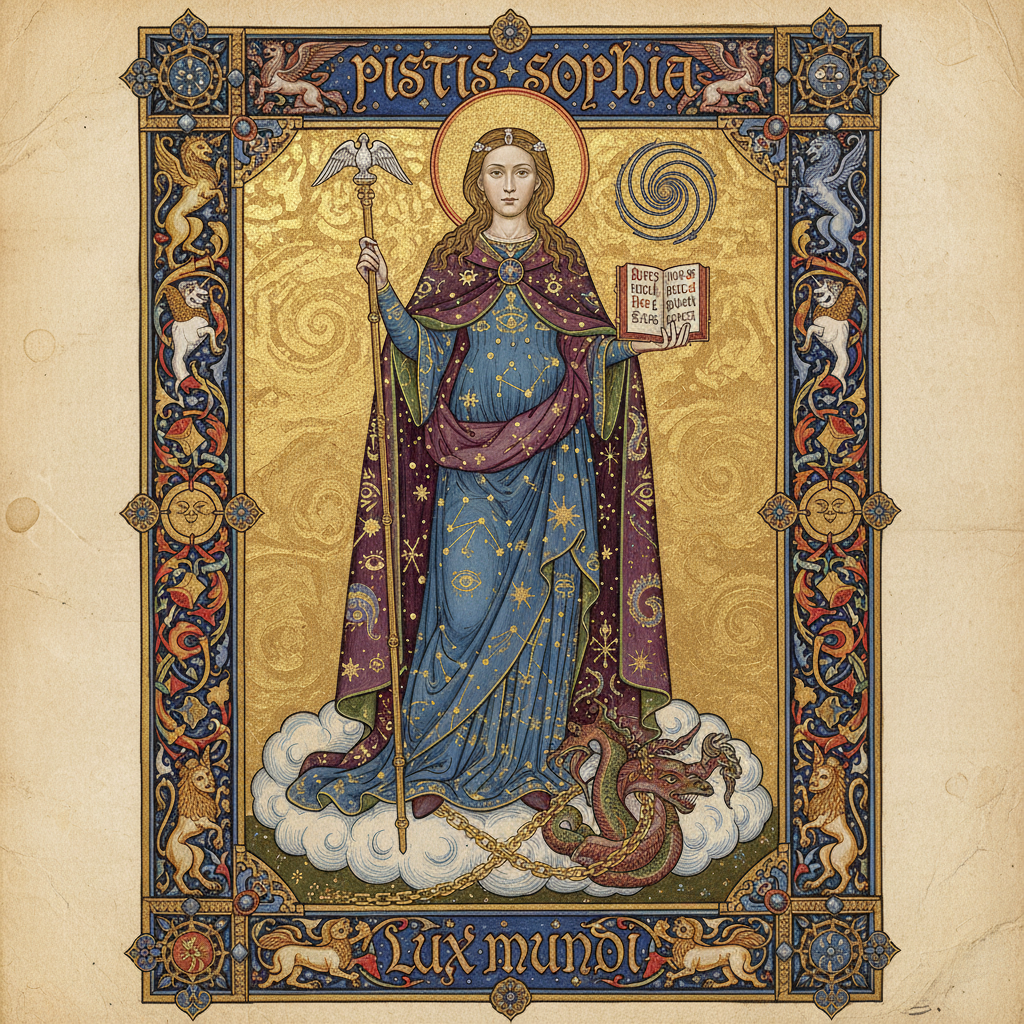
| Pistis Sophia Acquired | 1773 | Askew Codex purchased by British Museum | Askew Codex |
| Berlin Codex Acquired | 1896 | Gospel of Mary, Apocryphon of John surface | Berlin Codex 8502 |
| Nag Hammadi Discovery | December 1945 | 13 codices, 52 texts found by Muhammad Ali al-Samman | Robinson, Nag Hammadi Library |
| Nag Hammadi Published | 1977 | First complete English translation released | James Robinson, ed. |
| Gospel of Judas Published | 2006 | Codex Tchacos restored and translated | National Geographic |
| Present | 2026 | ~60,000 Mandaeans worldwide; Gnosticism studied in every divinity school | Buckley, The Mandaeans |

 LEGENDARY
  LEGENDARY
  MYTHIC
  MYTHIC
  MYTHIC
  MYTHIC
  MYTHIC
  RARE
RARE