The Story
Islam claims roughly 1.9 billion adherents — give or take a hundred million depending on which census you trust — making it the second-largest religion on earth and (by most measures) the fastest-growing. Like Judaism, it is not a museum piece. It is a living, arguing, evolving tradition with internal schools, mystical undercurrents, political movements, and theological disputes that are very much alive in 2026. This file treats it as such. (Pew Research Center)
The narrative arc, with appropriate hedging where history and theology get contested:
Pre-Islamic Arabia (~500-610 CE): The Arabian peninsula is a patchwork of Bedouin tribes, trading hubs (Mecca, Medina, Ta’if), Christian and Jewish communities, and polytheistic temples. The Kaaba stands in Mecca — a cubic shrine built, tradition says, by Abraham and Ishmael (Quran 2:125-127) — but filled with 360 idols for 360 tribal gods. Muslims later call this era the Jahiliyyah, the “Age of Ignorance.” (Ibn Ishaq, Sirat Rasul Allah)
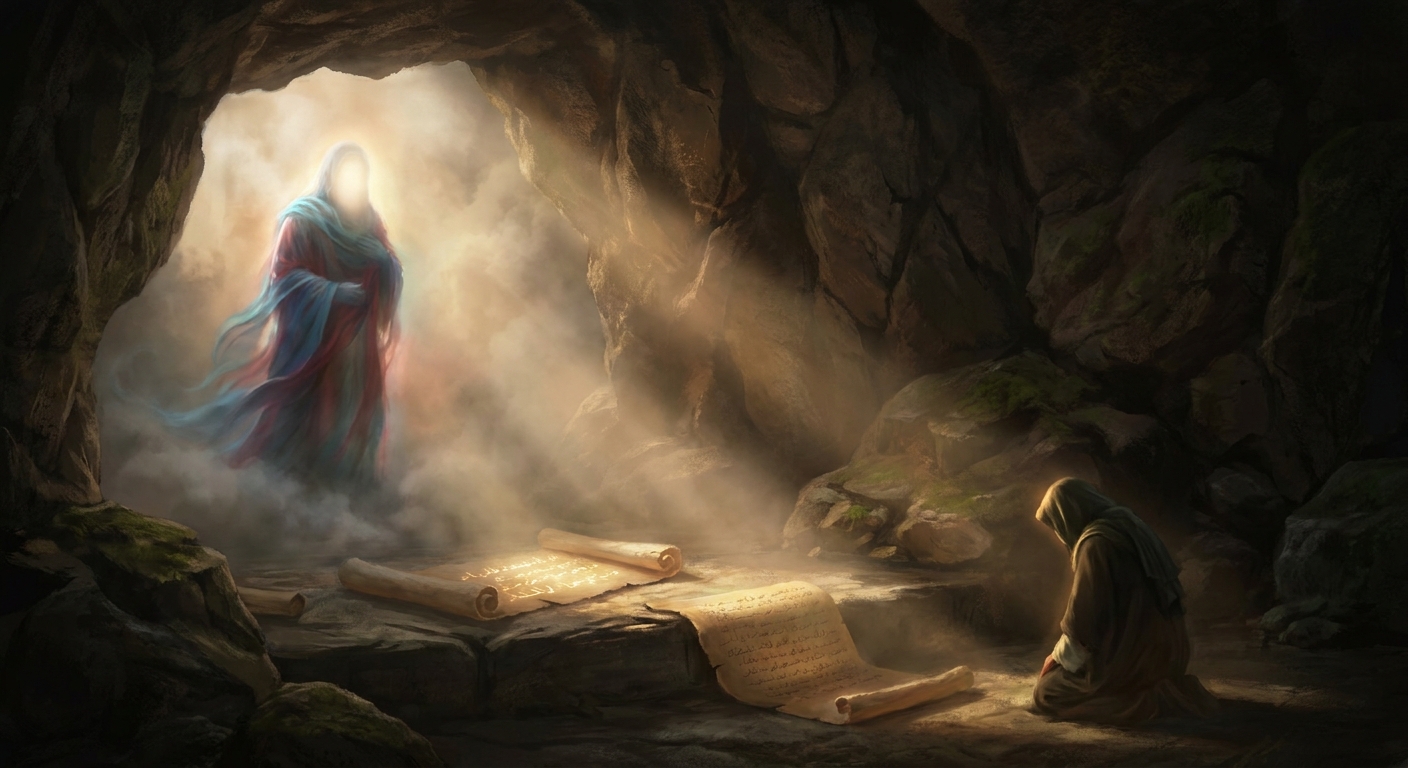
Muhammad’s Revelation (610 CE): A 40-year-old merchant named Muhammad ibn Abdullah meditates regularly in a cave on Mount Hira, troubled by Mecca’s moral state. In 610, on a night later called Laylat al-Qadr (Night of Power), he reports being seized by Gabriel and commanded: Iqra — “Recite!” (Quran 96:1-5; Bukhari 1.1.1) The first Quranic words pour out. For the next 22 years, until his death in 632, revelations continue in fragments and floods. (Quran 25:32)
The Hijra to Medina (622 CE): Persecution in Mecca grows deadly. Muhammad slips out at night and reaches Yathrib (renamed Medina, “the City”), where Arab and Jewish tribes have invited him to mediate their disputes. The Hijra — this migration (Quran 9:40) — is so foundational that the Islamic calendar begins with it, not Muhammad’s birth or first revelation. Year 1 marks the moment a persecuted spiritual movement became a governing state. (Ibn Ishaq, Sirat Rasul Allah)
Conquest of Mecca (630 CE): After eight years of intermittent war, Muhammad enters Mecca largely unopposed. The Kaaba is cleansed of idols and rededicated to one God (tawhid). By 632, most of the Arabian peninsula follows Islam. (Ibn Ishaq, Sirat Rasul Allah)
The Rashidun Caliphate (632-661): The “Rightly Guided” caliphs — Abu Bakr, Umar, Uthman, and Ali (al-Tabari, Tarikh) — expand the empire from Spain to Persia in a single generation. Few military expansions in history match this speed.
The Sunni-Shia Split (Karbala, 680): A succession dispute at Muhammad’s death hardens into permanent schism when Husayn ibn Ali (Muhammad’s grandson) is massacred at Karbala in 680 (al-Tabari, Tarikh). Sunnis argue leadership should be elective; Shia argue it should have remained in the Prophet’s bloodline through Ali. For Shia, Karbala becomes the foundational trauma, commemorated annually in Ashura mourning. (al-Tabari, Tarikh)
The Umayyad and Abbasid Caliphates (661-1258): Power moves from Damascus to Baghdad. Under the Abbasids, the Bayt al-Hikmah (House of Wisdom) preserves and transmits Greek philosophy, mathematics, and medicine — while Christian Europe is occupied elsewhere (Ibn al-Nadim, Fihrist). Algebra, optics, hospitals, and most Greek classics survive because of Islamic civilization. (Hodgson, The Venture of Islam)
Mongol Invasions (1258): Hulagu Khan sacks Baghdad. The Abbasid caliphate falls (Ibn al-Athir, al-Kamil). The Tigris reportedly runs black with library ink. Islam survives, but its center of gravity scatters.
Ottomans, Safavids, Mughals (~1300-1900): Three empires divide the Islamic world: Ottoman (Sunni, Anatolia/Balkans/Arabs), Safavid (Shia, Iran), Mughal (Sunni, India). The Ottomans control Constantinople from 1453 (Hodgson, The Venture of Islam) until 1922.
Colonial Era (~1800-1960): European powers partition the Muslim world. Ataturk abolishes the Ottoman caliphate in 1924 (Armstrong, Islam: A Short History). Reform movements (Salafism, modernism, Islamism) wrestle with Islam’s response to Western dominance.
1979 — The Hinge Year: Saudi Arabia’s Grand Mosque is seized by apocalyptic Wahhabis (suppressed, but Saudi Arabia deepens ties with Wahhabi clergy, exporting Salafi ideology globally). Iran’s Islamic Revolution overthrows the Shah, establishing the world’s first modern Shia theocracy (Nasr, The Islamic Intellectual Tradition). The Soviet Union invades Afghanistan, triggering the mujahideen and eventually al-Qaeda. Every modern Muslim geopolitical conflict traces to this single year.
Today: Roughly 1.9 billion Muslims — 85% Sunni, 15% Shia (Pew Research Center), with Sufism threading through both. The largest populations are in Indonesia, Pakistan, India, Bangladesh, and Nigeria, not the Arab world. The conversation continues.
Pivotal Events
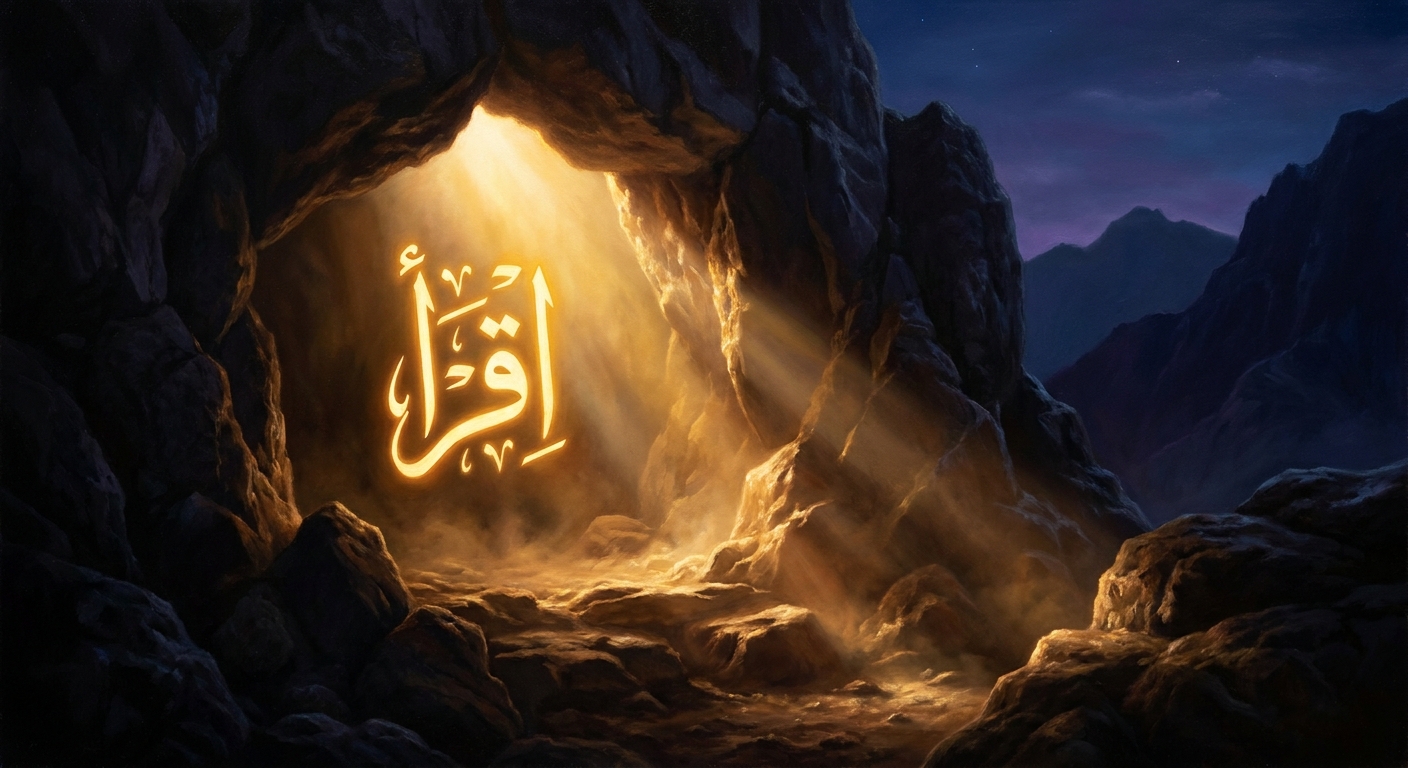
In 610, on a night now called Laylat al-Qadr — Night of Power — a 40-year-old Meccan merchant named Muhammad meditates in a cave on Mount Hira. The archangel Gabriel seizes him three times, commanding: Iqra — “Recite!” (Quran 96:1-5; Bukhari 1.1.1) The first Quranic words pour out: “Recite in the name of your Lord who created — created humanity from a clot…” (Quran 96:1-2) Muhammad flees shaking, convinced he has lost his mind. His wife Khadija believes him; her Christian cousin Waraqa recognizes the description as a prophetic call (Ibn Ishaq, Sirat Rasul Allah). Revelations continue in fragments and floods for 22 years until Muhammad’s death. The Quran teaches that Laylat al-Qadr is “better than a thousand months” (Quran 97:3). Muslims spend the last ten Ramadan nights searching for it.
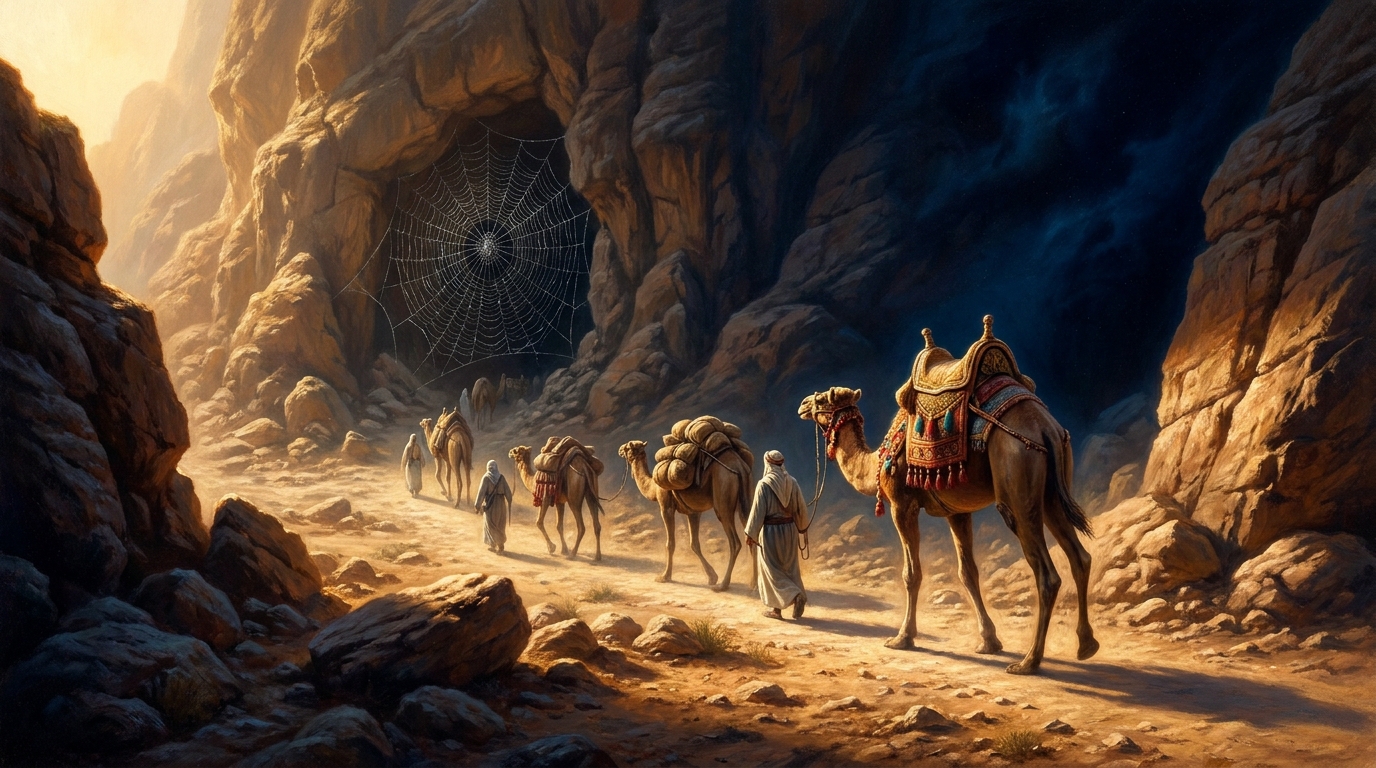
By 622, persecution in Mecca turns deadly. Tribal leaders plot Muhammad’s assassination. The small Muslim community is economically strangled. Muhammad slips out at night, pursued by trackers, hiding in a cave on Mount Thawr — where, tradition says, a spider spins a web across the entrance and a dove lays eggs, convincing pursuers it has been undisturbed (Ibn Ishaq, Sirat Rasul Allah). He reaches Yathrib, a northern city where Arab and Jewish tribes have invited him to mediate their disputes. Yathrib is renamed Madinat an-Nabi — City of the Prophet, Medina. The Hijra (Quran 9:40) is so foundational that the Islamic calendar does not begin with Muhammad’s birth or first revelation, but with this departure: Year 1 AH is 622 CE. The choice is telling: Islam dates itself from the moment a persecuted spiritual movement became a governing state. From then on, Islam is never merely private faith — it is a polity.
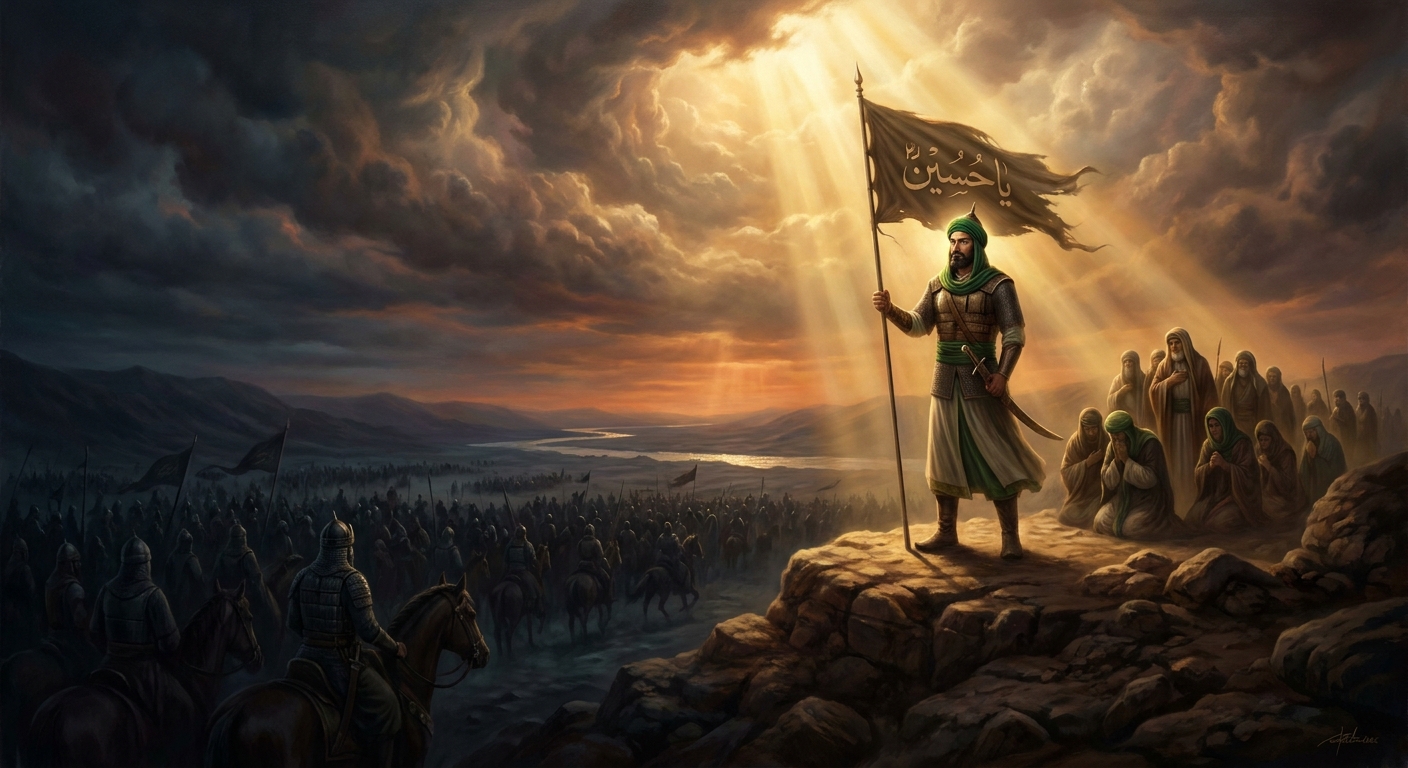
Muhammad dies in 632 without naming a successor. One faction argues Ali ibn Abi Talib — the Prophet’s cousin, son-in-law, and (they claim) divinely designated heir — should lead (al-Tabari, Tarikh). Another, the future Sunnis, argue the community should elect its leader. The first three caliphs are elected; Ali becomes the fourth but is assassinated in 661. His son Hasan is poisoned. His son Husayn — Muhammad’s grandson — leads a small band against the Umayyad caliph Yazid in 680. At Karbala (modern Iraq), Husayn is killed thirsty, surrounded, and beheaded; his family is enslaved (al-Tabari, Tarikh). For Shia Muslims, Karbala becomes the foundational trauma — a betrayal that defines Shia identity, commemorated annually in Ashura mourning. A political succession dispute hardens, after Karbala, into a permanent theological rupture. Today, roughly 85% of Muslims are Sunni; 15% are Shia (Pew Research Center), concentrated in Iran, Iraq, Bahrain, Lebanon, and South Asia.
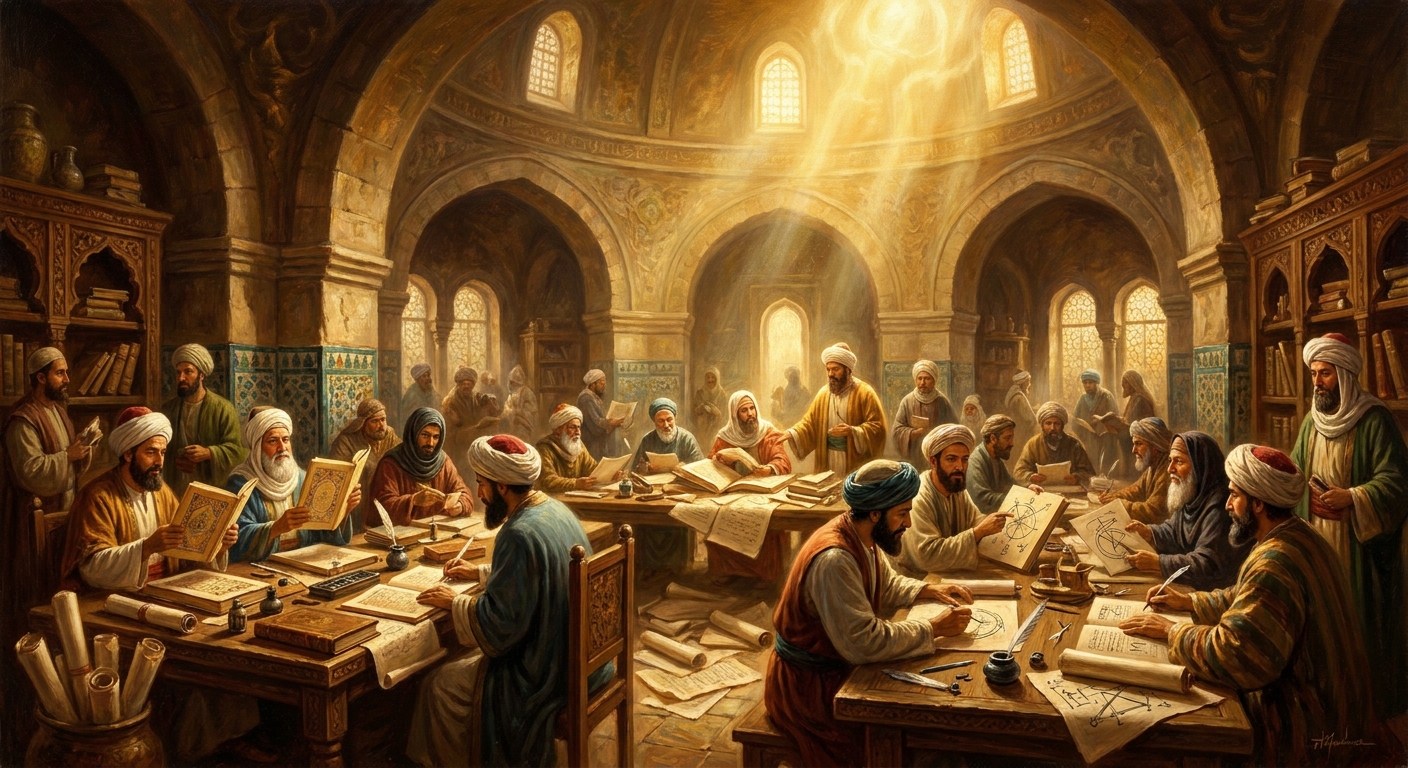
In the early 9th century, the Abbasid caliph al-Ma’mun founds the Bayt al-Hikmah — House of Wisdom — in Baghdad (Ibn al-Nadim, Fihrist). Christian, Jewish, and Muslim scholars are paid the weight of translated manuscripts in gold to render Greek, Persian, Sanskrit, and Syriac texts into Arabic. One of history’s great intellectual flowerings follows. Al-Khwarizmi gives algebra (his name yields “algorithm”). Ibn al-Haytham founds modern optics and the experimental method six centuries before Bacon (Nasr, Science and Civilization in Islam). Avicenna’s Canon of Medicine remains standard in European universities into the 17th century. Averroes comments on Aristotle so thoroughly medieval Christian scholastics call him simply “The Commentator.” Hospitals, universities, astrolabes, windmills, distillation, and surgical manuals all emerge from this period (Hodgson, The Venture of Islam). Most surviving Greek philosophy survives because Islamic civilization preserved it while Christian Europe was elsewhere occupied. The Mongol sack of Baghdad in 1258 (Ibn al-Athir, al-Kamil) — the Tigris runs black with library ink — ends the Golden Age, but its translations already migrate west, seeding the Renaissance.
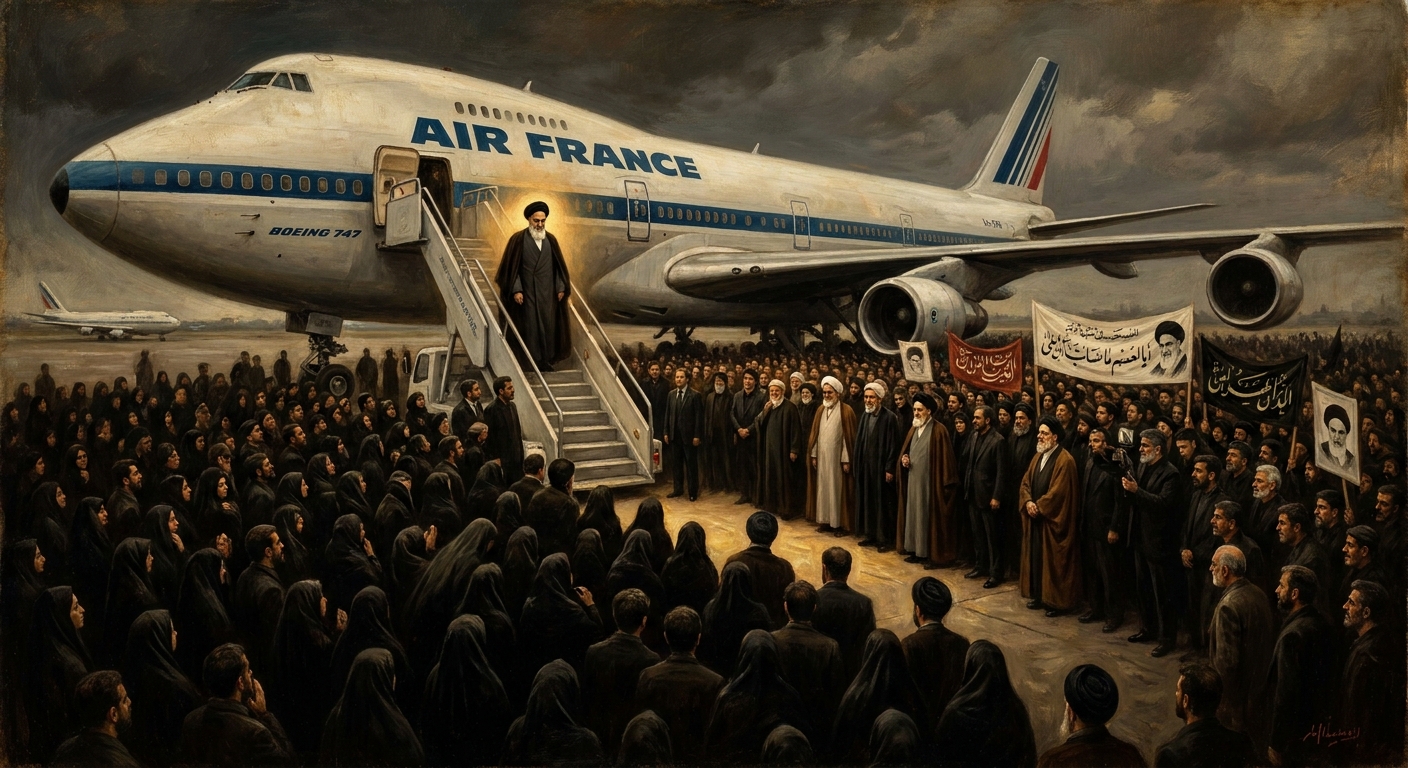
In 1979, leftists, nationalists, and Shia clerics overthrow the U.S.-backed Shah (Nasr, The Islamic Intellectual Tradition). Within months, Ayatollah Khomeini outmaneuvers his secular allies, establishing the world’s first modern Shia theocracy, governed by velayat-e faqih (Guardianship of the Jurist). Three other cataclysms occur that year: Wahhabi apocalyptics seize the Grand Mosque in Mecca (suppressed, but Saudi Arabia tightens ties with Wahhabi clergy, exporting Salafi ideology globally); the Soviet Union invades Afghanistan, triggering the U.S.-funded mujahideen war that incubates al-Qaeda and the Taliban; Egypt signs peace with Israel, fracturing pan-Arab solidarity. 1979 is the hinge year of modern Islam. Every contemporary geopolitical conflict involving Muslim-majority states — Saudi-Iran rivalry, Sunni jihadism, the War on Terror, Iran’s nuclear program — traces to choices made in that single year. Whether political Islam’s wave continues rising, plateaus, or breaks remains one of 21st-century geopolitics’ open questions.
Timeline
| Era | Date | Event | Source |
|---|
| Pre-Islamic Arabia | ~500-610 CE | Tribal polytheism; Kaaba filled with 360 idols; Christian and Jewish enclaves | Pre-Islamic poetry; Sira |
| Birth of Muhammad | 570 CE | Born in Mecca; orphaned young; raised by uncle Abu Talib | Sira (Ibn Ishaq) |
| First Revelation | 610 CE | Laylat al-Qadr — Cave of Hira; Quran begins | Quran 96; Bukhari |
| Hijra to Medina | 622 CE | Migration; Year 1 AH; Islamic state founded | Quran 9:40; Sira |
| Battle of Badr | 624 CE | First major Muslim military victory | Quran 3:123 |
| Conquest of Mecca | 630 CE | Mecca surrenders; Kaaba cleansed of idols | Sira |
| Death of Muhammad | 632 CE | Final sermon at Mount Arafat; succession crisis begins | Sira |
| Rashidun Caliphate | 632-661 | Abu Bakr, Umar, Uthman, Ali — “Rightly Guided” | Tabari |
| Quran Compiled | ~650 CE | Uthman standardizes the canonical text | Hadith of Bukhari |
| Battle of Karbala | 680 CE | Husayn killed; Sunni-Shia split made permanent | Tabari |
| Umayyad Caliphate | 661-750 | Capital at Damascus; expansion to Spain | historical chronicles |
| Abbasid Caliphate | 750-1258 | Capital at Baghdad; Islamic Golden Age | historical chronicles |
| House of Wisdom | ~830 CE | Bayt al-Hikmah founded by al-Ma’mun | Ibn al-Nadim, Fihrist |
| Al-Ghazali | 1058-1111 | Reconciles Sufism with orthodoxy | Ihya Ulum al-Din |
| Mongol Sack of Baghdad | 1258 | Hulagu Khan destroys the Abbasid caliphate | Ibn al-Athir |
| Ottoman Conquest of Constantinople | 1453 | Mehmed II takes Byzantium; Hagia Sophia becomes a mosque | Ottoman chronicles |
| Safavid Iran | 1501-1736 | Twelver Shia made Iran’s state religion | Safavid records |
| Mughal Empire | 1526-1857 | Islamic rule of the Indian subcontinent | Mughal chronicles |
| Wahhabi Movement | ~1745 | Ibn Abd al-Wahhab + House of Saud alliance | Najdi sources |
| Abolition of Caliphate | 1924 | Ataturk dissolves the Ottoman caliphate | Turkish records |
| Founding of Saudi Arabia | 1932 | Ibn Saud unifies the Arabian Peninsula | Saudi state records |
| Iranian Revolution | 1979 | Khomeini overthrows the Shah; Islamic Republic founded | contemporary records |
| Grand Mosque Seizure | 1979 | Wahhabi militants seize the Kaaba; Saudi response shapes global Salafism | Saudi state records |
| 9/11 Attacks | 2001 | Al-Qaeda attacks the U.S.; “war on terror” begins | 9/11 Commission Report |
| Arab Spring | 2010-2012 | Mass uprisings across the Arab world; mixed outcomes | contemporary records |
| Rise & Fall of ISIS | 2014-2019 | Self-declared caliphate; territorial defeat by 2019 | military records |
| Present | 2026 | ~1.9B Muslims; ~85% Sunni, ~15% Shia, Sufi thread throughout | demographic studies |