The Story
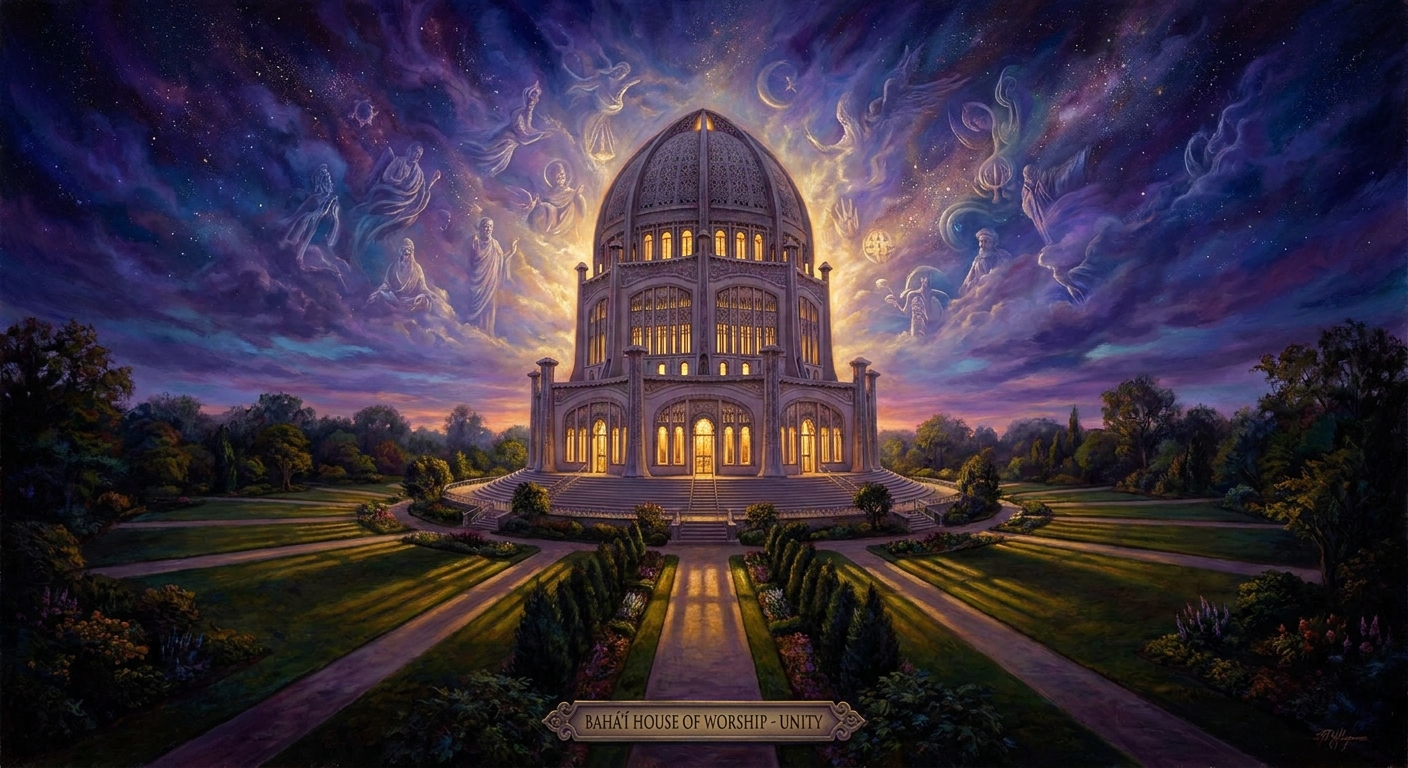
The Bahá’í Faith is the youngest major world religion — and its history packs theological revolution and human suffering into less than two centuries.
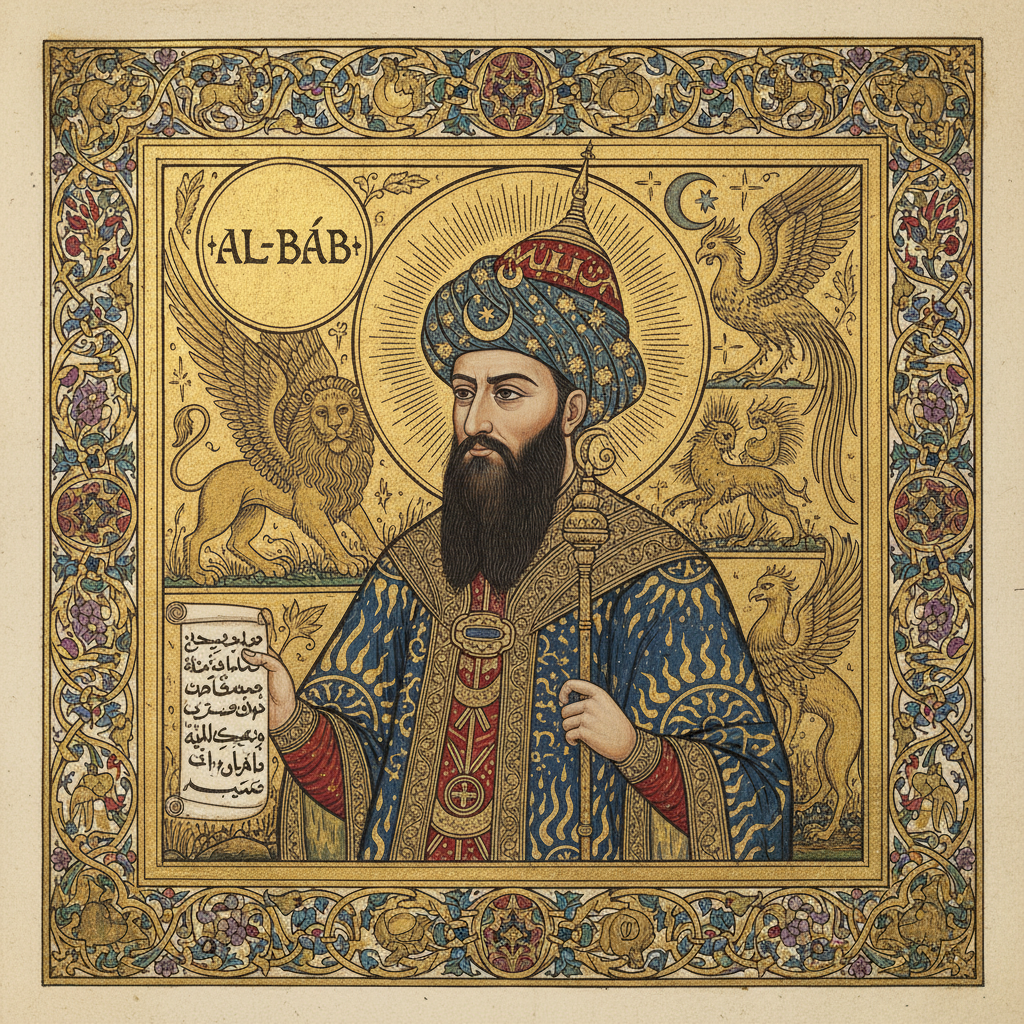
The Báb (1844-1850): On May 23, 1844, in Shiraz, a young merchant named Sayyid Ali Muhammad Shirazi declared himself the Báb — “the Gate” — the Mahdi awaited by Shi’a Islam and herald of a greater Promised One (The Dawn-Breakers). The movement ignited across Persia. The Shi’a clergy responded with extermination: 20,000+ Bábís slaughtered between 1848-1850 (The Dawn-Breakers). On July 9, 1850, the Báb faced a firing squad in Tabriz. 750 rifles fired. The smoke cleared. He stood unharmed, ropes severed by bullets. Found in his cell finishing a conversation with his secretary. A second regiment assembled (the first refused to fire again). The second volley killed him at age 30 (British and Russian consular records).
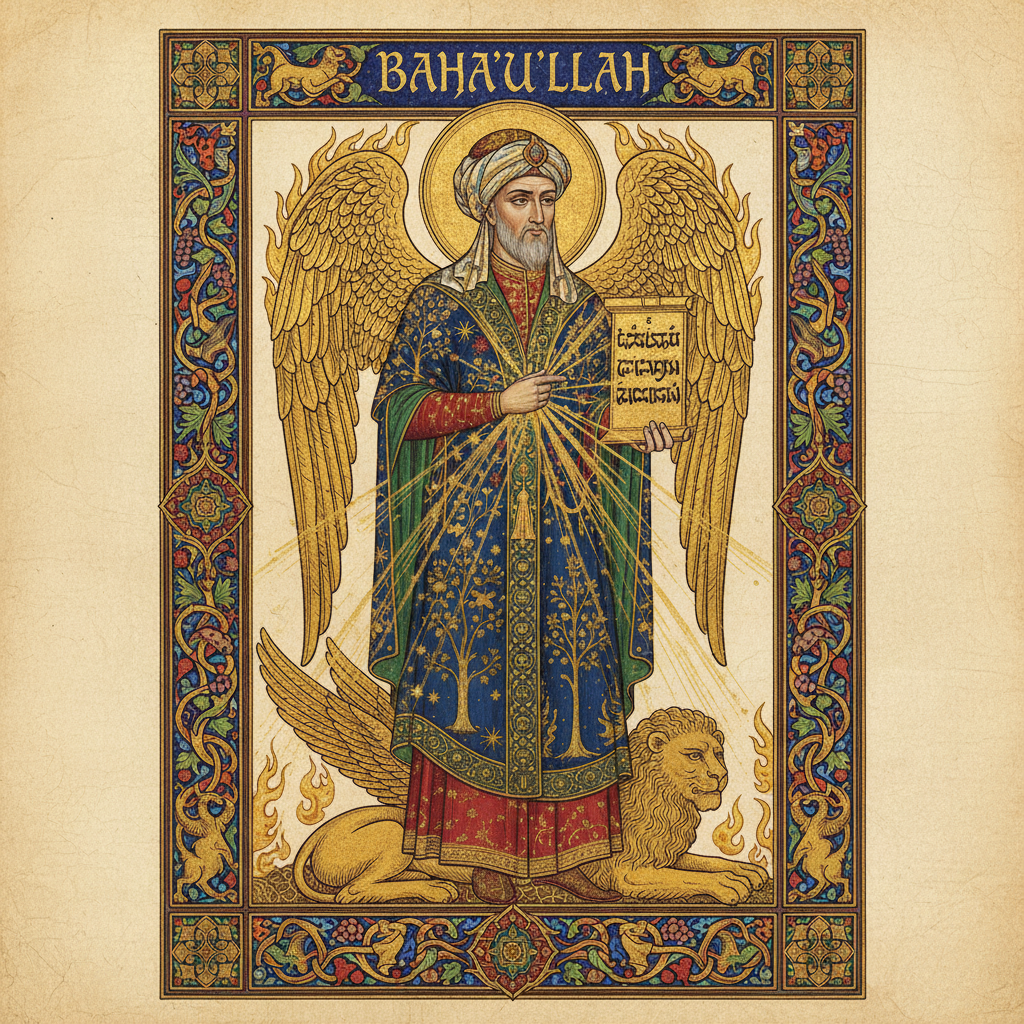
Bahá’u’lláh’s Declaration (1863): Mírzá Husayn-Alí Núrí, a Persian nobleman turned Bábí, was imprisoned in Tehran’s Síyáh-Chál dungeon in 1852 — an underground reservoir, lightless, packed with convicts (Epistle to the Son of the Wolf). There, he experienced the revelation that would remake his life. Exiled in chains: Baghdad, Constantinople, Adrianople, finally Akka in Ottoman Palestine (God Passes By). On April 21, 1863, in the Garden of Ridvan outside Baghdad, he declared himself Bahá’u’lláh, “the Glory of God” — the Promised One the Báb had foretold (Bahá’í scripture). He spent 40 years in confinement writing scripture: the Kitáb-i-Aqdas (The Most Holy Book) and the Kitáb-i-Íqán (The Book of Certitude). He died in Akka in 1892, never free (God Passes By).
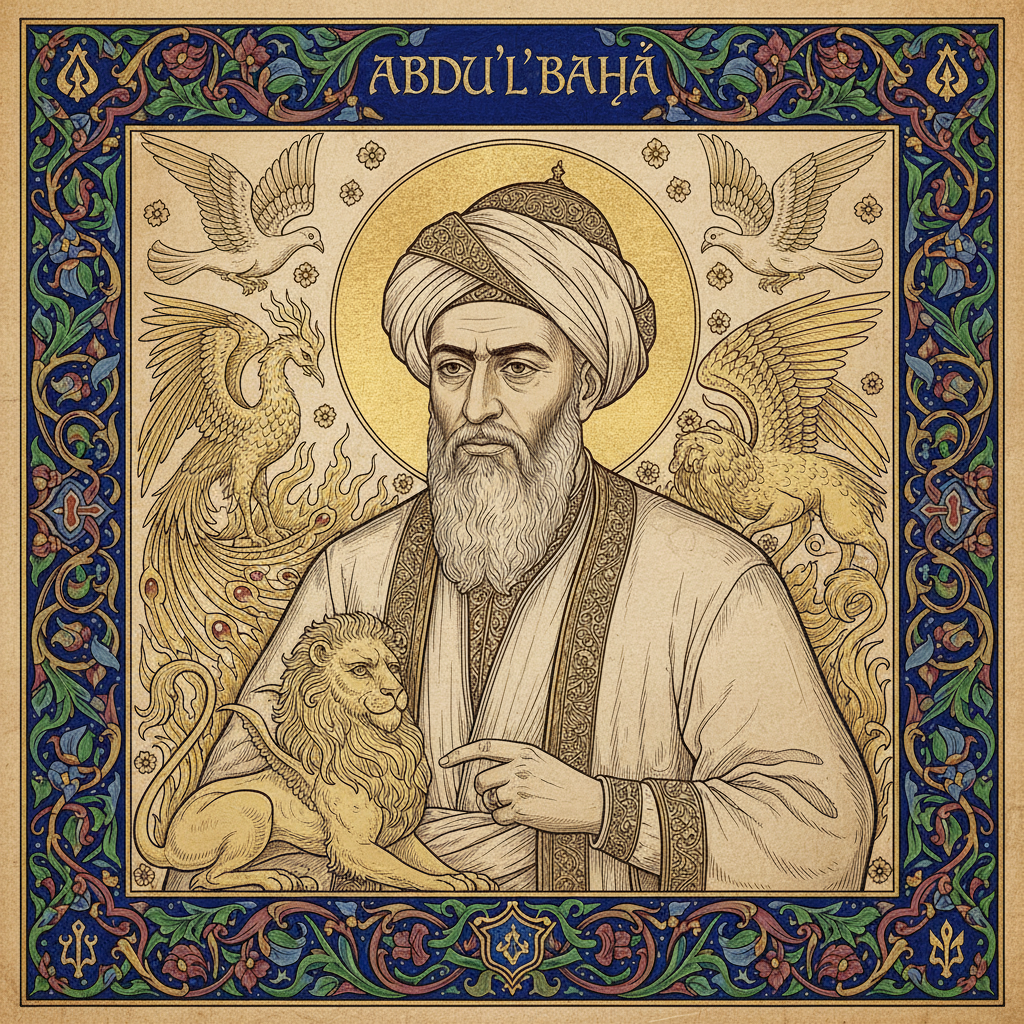
‘Abdu’l-Bahá (1892-1921): Bahá’u’lláh’s eldest son, Abbas Effendi — ‘Abdu’l-Bahá, “the Servant of Bahá” — led for 29 years (Will and Testament of ‘Abdu’l-Bahá). Released from Ottoman imprisonment in 1908, he traveled Egypt, Europe, America (1911-1913) (Promulgation of Universal Peace), taking the faith westward and global. The British knighted him in 1920 for feeding Palestine during World War I (British government records).
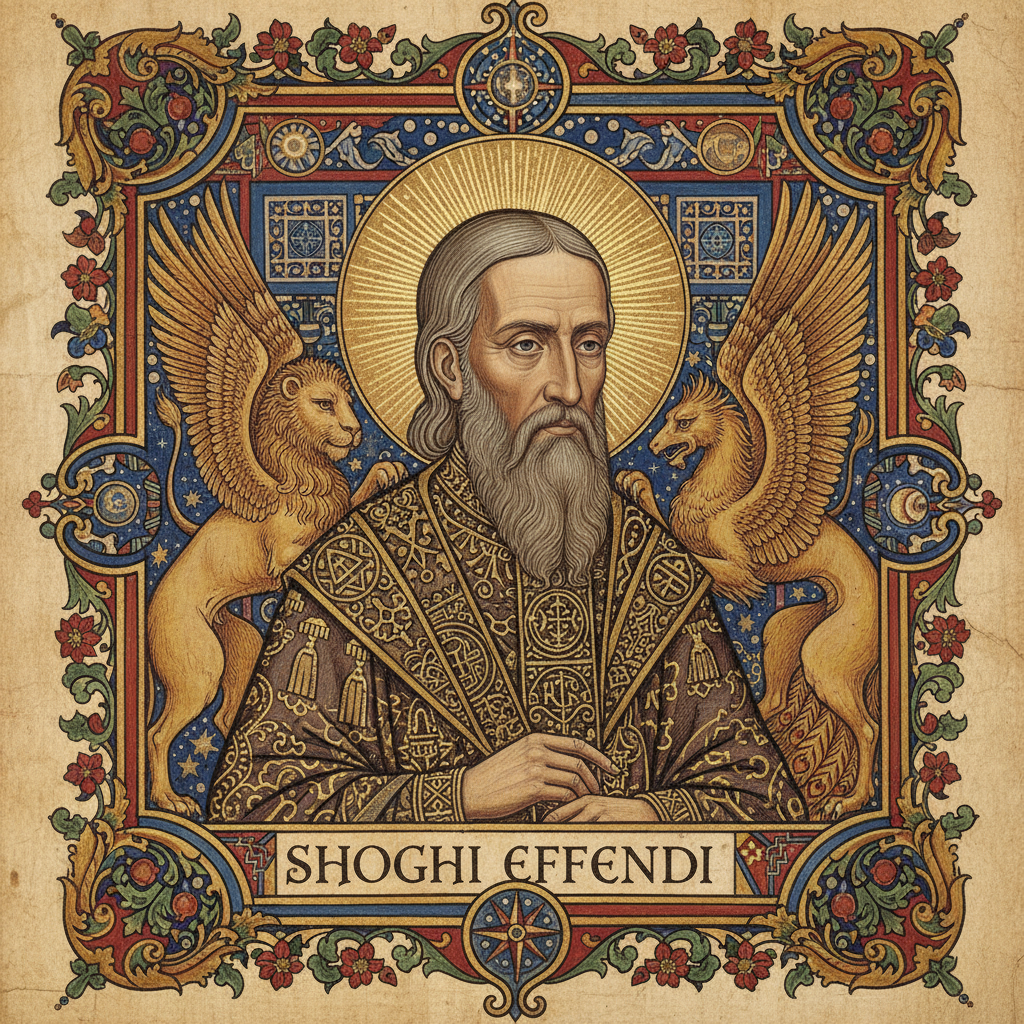
Shoghi Effendi (1921-1957): ‘Abdu’l-Bahá’s grandson became Guardian, translating texts into English and building the administrative order (God Passes By). He died unexpectedly in London in 1957 without naming a successor.
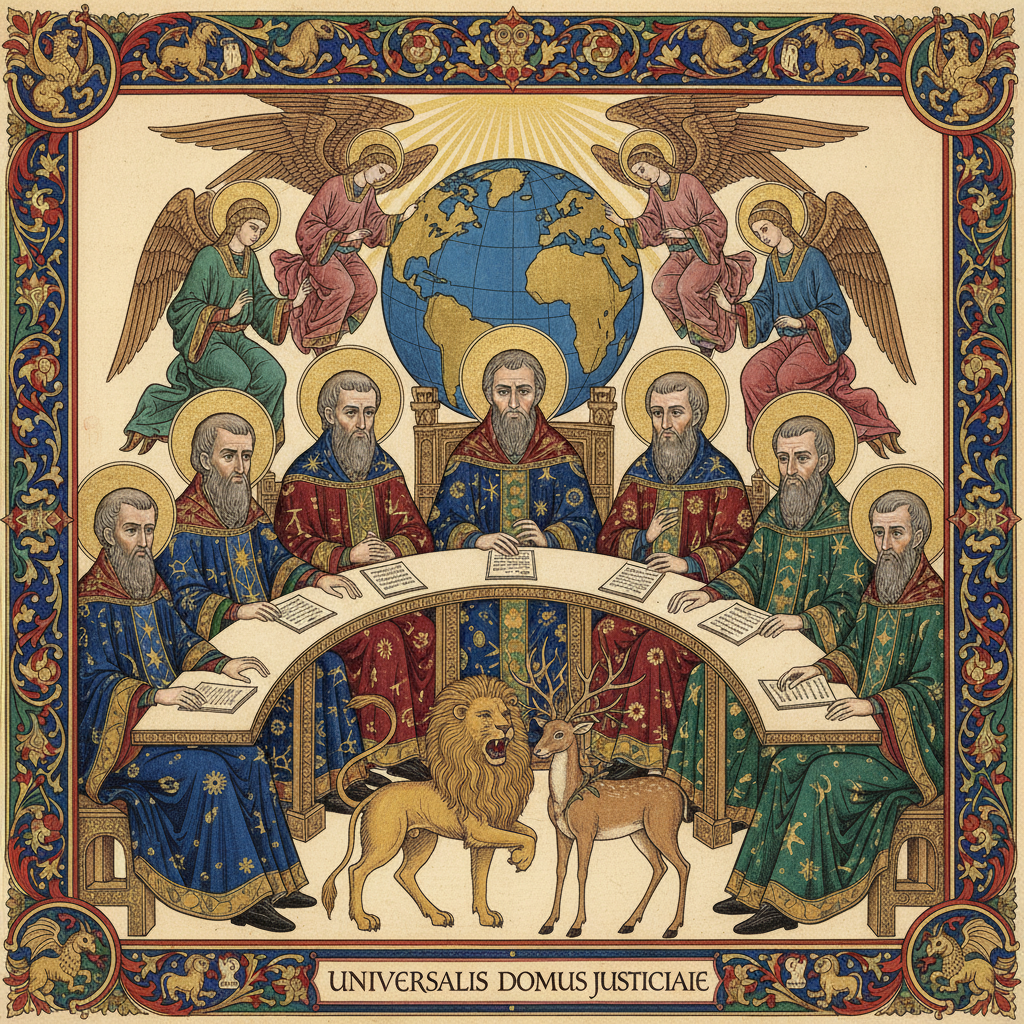
The Universal House of Justice (1963-present): Six years later, the elected governing body Bahá’u’lláh ordained in the Kitáb-i-Aqdas convened in Haifa (Kitáb-i-Aqdas). Nine members, elected every five years by National Spiritual Assemblies worldwide. No clergy. No priests. No sermons. Democratic theocracy: Local Assemblies elect National Assemblies; National Assemblies elect the House of Justice.
Persecution and Today: After the 1979 Islamic Revolution, Iran (where the faith was born) began systematic persecution (UN Human Rights reports). Bahá’ís denied higher education, barred from state jobs, imprisoned, sometimes executed. Cemeteries bulldozed. Holy sites demolished. Iran’s largest non-Muslim minority. Globally: roughly 8 million adherents in nearly every nation — the most geographically distributed religion on earth, despite less than 200 years old (Association of Religion Data Archives).
Pivotal Events
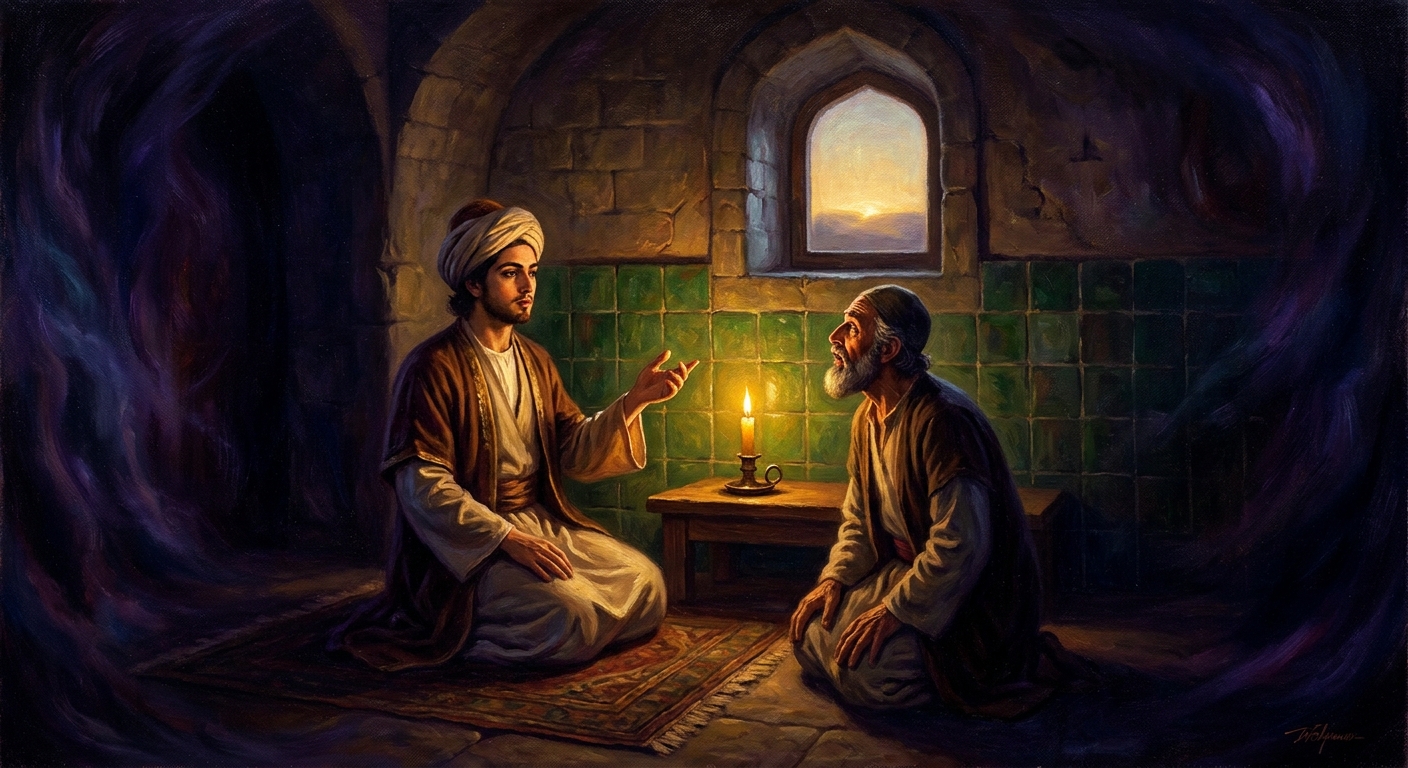
On May 23, 1844, in a Shiraz upper room, a 25-year-old merchant, Sayyid Ali Muhammad Shirazi, declared to a single seeker that he was the Báb — “the Gate” to the Hidden Imam and herald of a greater Promised One (The Dawn-Breakers). The visitor became the first of eighteen “Letters of the Living” — founding disciples (The Dawn-Breakers). This moment is the Bahá’í Faith’s founding and one of its nine holy days: the dawn of a new prophetic cycle, end of the Adamic age, beginning of the Bahá’í era.
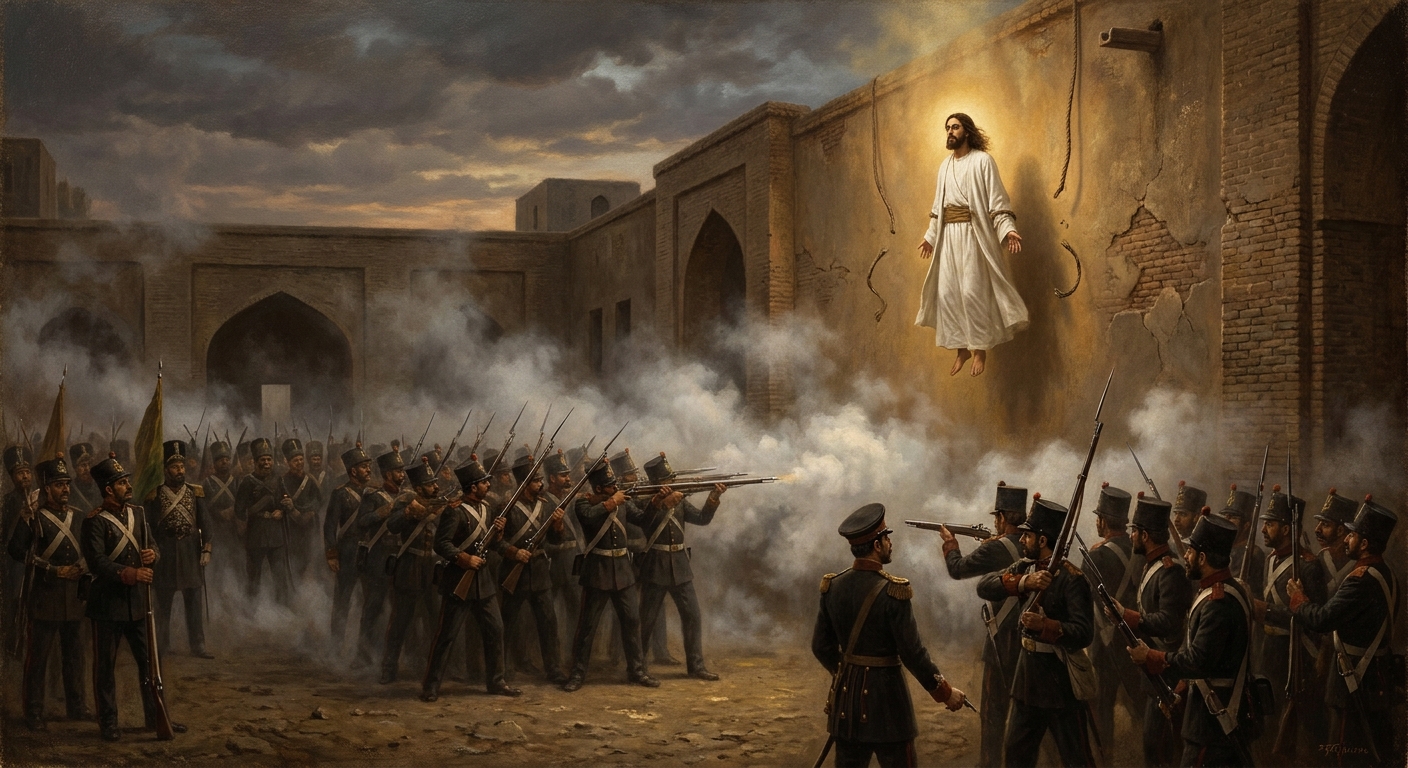
Between 1848-1850, Persia’s Shi’a clergy and Qajar state waged extermination war on the Bábís (The Dawn-Breakers). 20,000+ killed: besieged at Shaykh Tabarsi, massacred at Zanjan, slaughtered at Nayriz. On July 9, 1850, the Báb and his companion Anís were roped against a Tabriz barracks wall. 750 Armenian soldiers fired. The smoke cleared. Neither man was touched; bullets severed only their ropes. The Báb was found in his cell, dictating calmly (The Dawn-Breakers). The first regiment refused to fire again. A second Muslim regiment shot. The Báb died at 30. British and Russian consuls recorded the account (British/Russian consular records).
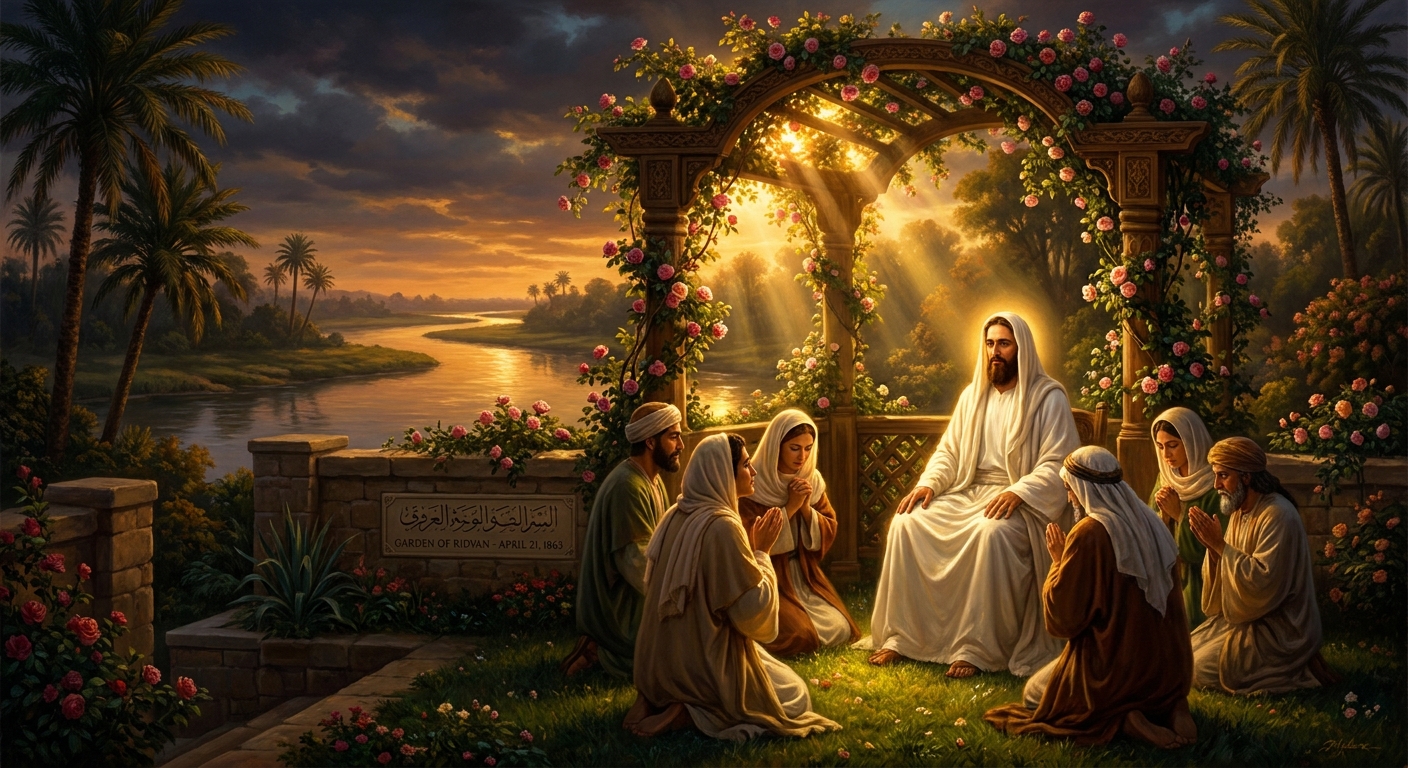
On April 21, 1863, in Baghdad’s Garden of Ridvan (“Paradise”), on the eve of forced exile to Constantinople, Bahá’u’lláh declared himself “Him whom God shall make manifest” — the Promised One the Báb had foretold (Bahá’í scripture). He stayed twelve days. This is the founding moment of Bahá’ísm proper. The twelve-day Festival of Ridvan is the Bahá’í calendar’s holiest period; days one, nine, and twelve are work-free holy days. All Bahá’í elections worldwide — Local Spiritual Assemblies, the Universal House of Justice — occur during Ridvan (Kitáb-i-Aqdas).
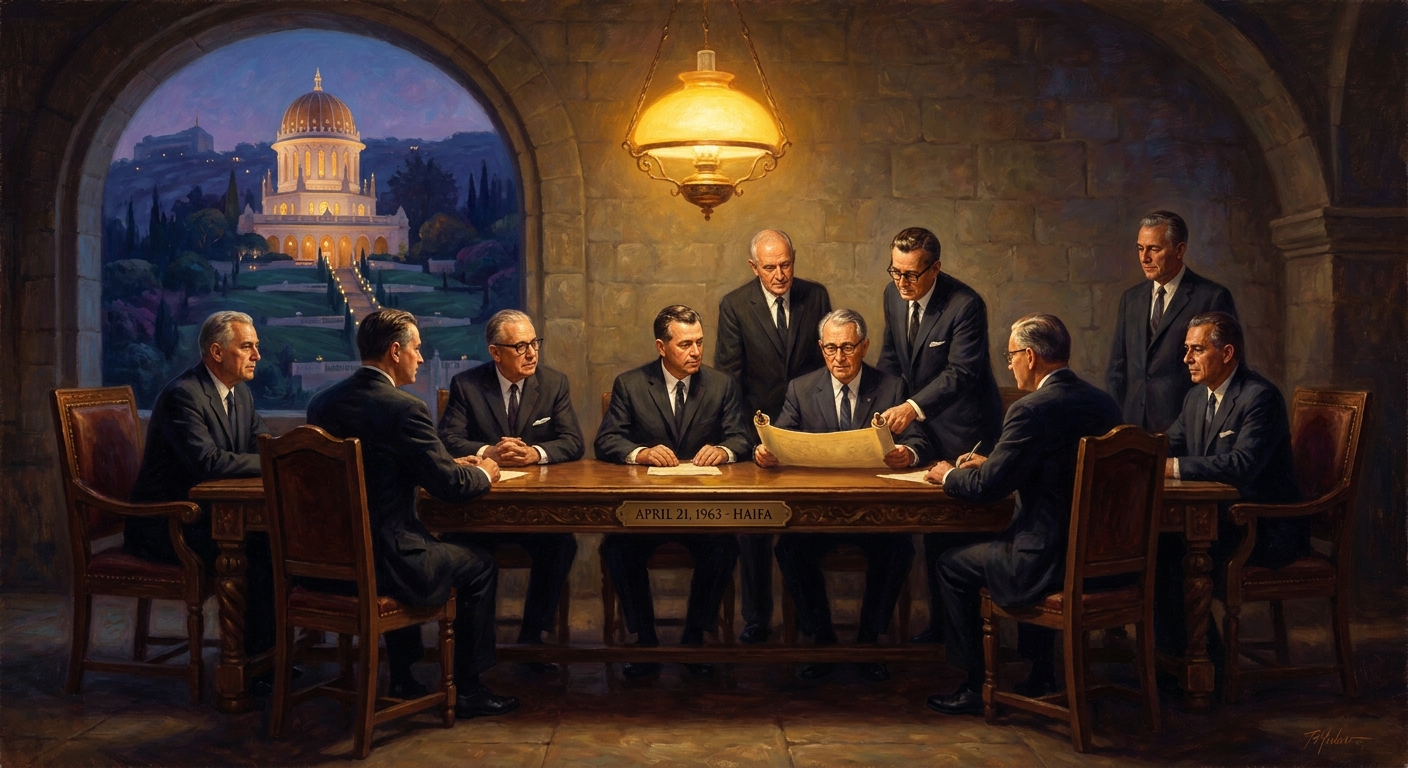
In April 1963 — exactly one century after Ridvan — the Universal House of Justice was elected on Mount Carmel in Haifa, ending a six-year gap after Shoghi Effendi’s death (God Passes By). Bahá’u’lláh ordained it in the Kitáb-i-Aqdas (1873); ‘Abdu’l-Bahá elaborated it in his Will and Testament (Will and Testament of ‘Abdu’l-Bahá). Nine men, elected every five years by the National Spiritual Assemblies (roughly 180 worldwide). No campaigning, nominations, parties. Uniquely among world religions: supreme legislative authority, divinely guided, democratically filled. The 1963 election marked the Bahá’í Faith’s formal entry into its Era of Global Administration.
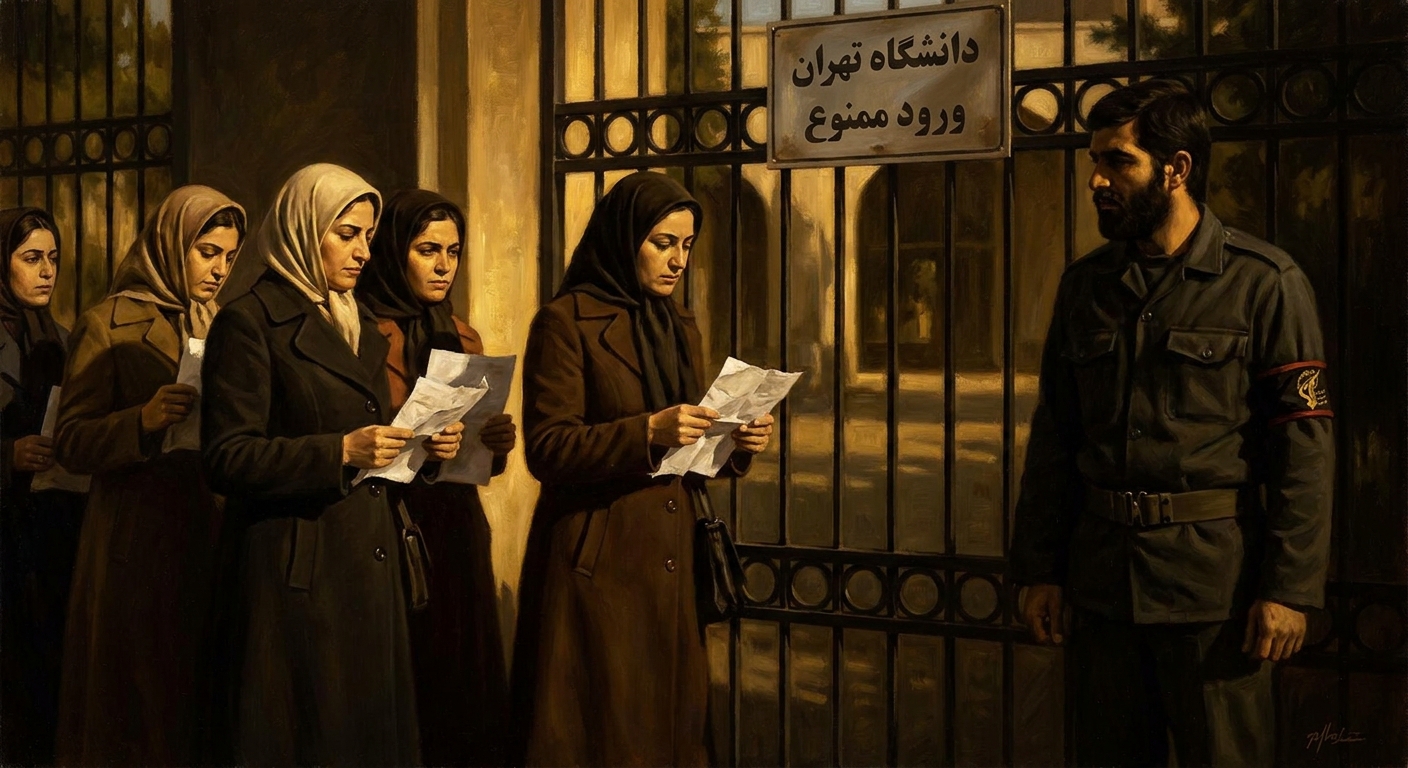
After the 1979 Islamic Revolution, Iran instituted systematic persecution: what human rights bodies call slow-motion genocide (UN Human Rights reports). The Islamic Republic recognizes Christians, Jews, Zoroastrians; Bahá’ís are explicitly excluded. Holy sites bulldozed (House of the Báb, 1979). Cemeteries desecrated. Bahá’ís barred from universities and state jobs. The National Spiritual Assembly was kidnapped and executed twice (1980, 1981) (Bahá’í International Community). 200+ executed. Tens of thousands imprisoned, jobless, penniless. Iran’s 300,000 Bahá’ís remain the largest non-Muslim minority. Persecution persists into 2026.
Timeline
| Era | Date | Event | Source |
|---|
| Birth of the Báb | October 20, 1819 | Sayyid Ali Muhammad Shirazi born in Shiraz, Persia | The Dawn-Breakers (Nabíl) |
| Birth of Bahá’u’lláh | November 12, 1817 | Mírzá Husayn-Alí Núrí born in Tehran to a noble family | Shoghi Effendi, God Passes By |
| Declaration of the Báb | May 23, 1844 | The Báb declares his mission to Mullá Husayn in Shiraz | The Dawn-Breakers |
| The Letters of the Living | 1844 | The first 18 disciples recognize the Báb | The Dawn-Breakers |
| Conference of Badasht | June-July 1848 | Bábís declare break with Islamic law; Táhirih unveils | The Dawn-Breakers |
| Mass Persecutions | 1848-1850 | 20,000+ Bábís killed at Shaykh Tabarsi, Zanjan, Nayriz | contemporary chronicles |
| Execution of the Báb | July 9, 1850 | Báb shot in Tabriz; double-firing-squad account | British/Russian consular records |
| Síyáh-Chál | August-December 1852 | Bahá’u’lláh imprisoned in Tehran’s “Black Pit”; receives revelation | Bahá’u’lláh, Epistle to the Son of the Wolf |
| Exile to Baghdad | January 1853 | Bahá’u’lláh and family exiled from Persia | God Passes By |
| Declaration in Garden of Ridvan | April 21, 1863 | Bahá’u’lláh declares himself the Promised One | Bahá’í scripture |
| Exile to Constantinople, Adrianople | 1863-1868 | Successive Ottoman exiles further from Persia | God Passes By |
| Imprisonment in Akka | August 1868 | Bahá’u’lláh confined to Ottoman penal colony in Palestine | God Passes By |
| Kitáb-i-Aqdas | ~1873 | Bahá’u’lláh writes the Most Holy Book in Akka | Kitáb-i-Aqdas |
| Death of Bahá’u’lláh | May 29, 1892 | Dies in Bahjí near Akka; buried at the Shrine of Bahá’u’lláh | God Passes By |
| ’Abdu’l-Bahá leads the Faith | 1892-1921 | Eldest son leads as Center of the Covenant | Will and Testament of ‘Abdu’l-Bahá |
| Western Travels of ‘Abdu’l-Bahá | 1911-1913 | Travels Egypt, Europe, North America; faith becomes global | Promulgation of Universal Peace |
| Knighthood of ‘Abdu’l-Bahá | 1920 | Knighted by British Empire for WWI humanitarian work | British government records |
| Death of ‘Abdu’l-Bahá | November 28, 1921 | Dies in Haifa; buried at Shrine of the Báb | Shoghi Effendi |
| Guardianship of Shoghi Effendi | 1921-1957 | Builds global administrative order; translates scripture | God Passes By |
| Death of Shoghi Effendi | November 4, 1957 | Dies in London, no successor named; six-year interregnum | Bahá’í World News |
| Election of the Universal House of Justice | April 1963 | First election in Haifa on the centenary of Ridvan | Bahá’í International Community |
| Iranian Persecution Begins | 1979-present | Islamic Revolution institutes systematic persecution | UN Human Rights reports |
| Execution of the National Assembly | 1980, 1981 | Entire elected Iranian leadership kidnapped and killed twice | Bahá’í International Community |
| Present | 2026 | ~8M adherents in nearly every country on earth | Association of Religion Data Archives |
The Bahá’í Faith — Every Religion Is a Chapter of One Book
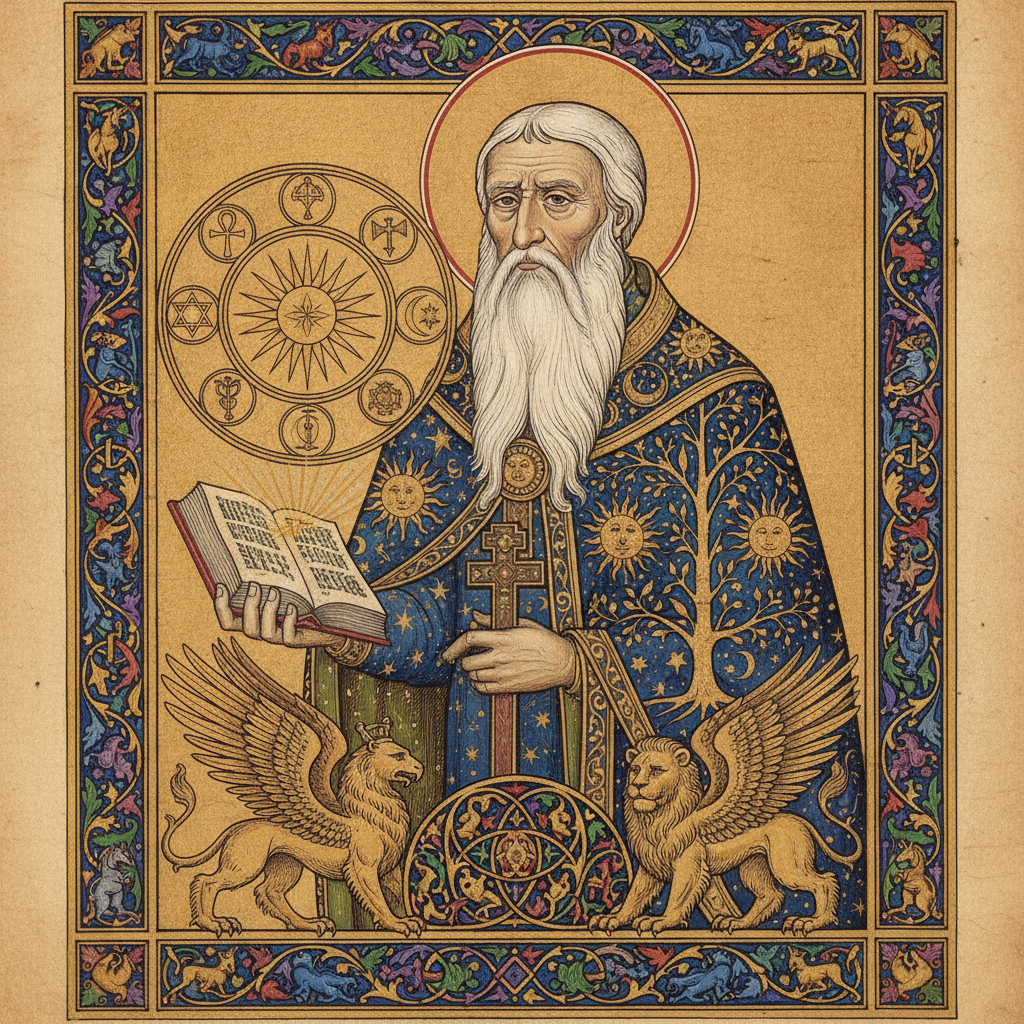
The youngest major world religion, founded 1844/1863, with approximately 8 million practitioners across every nation on earth. The Bahá’í Faith is, structurally speaking, not a religion among religions — it is a religion about religion. Its central teaching: God has sent a succession of divine messengers throughout history, each building on the last, each suited to the capacity and conditions of their age. Krishna, Moses, Zoroaster, the Buddha, Jesus, Muhammad — all true. All the same God. All different chapters of one unfolding revelation.
This is the doctrine of Progressive Revelation, and it is, functionally, the thesis statement of this entire Bestiary. Every tradition in this compendium IS telling the same story. The Bahá’ís were the first to make that the founding doctrine of their faith.
The Bahá’í Faith began in Persian (modern Iran) in the most improbable circumstances: a young merchant declared himself the Promised One in 1844, was executed six years later. The nobleman who succeeded him spent 40 years in prisons and exile. Their followers were massacred by the thousands. And yet — 8 million practitioners, temples on six continents, and a global governance structure with no clergy, no priesthood, no ordained religious hierarchy. Democratic theocracy. Radical inclusion. No sermons in the houses of worship — only music and scripture, from any tradition.
The Bahá’í Faith is not a syncretic compromise that smooths over real differences. It is a theological claim: that the differences are real, but they are differences of chapter, not author. God is the author. The traditions are the chapters. And the latest chapter — Bahá’u’lláh — contains what the earlier chapters were preparing humanity to receive.
Key Sources: Bahá’u’lláh, Kitáb-i-Aqdas (The Most Holy Book); Bahá’u’lláh, Kitáb-i-Íqán (The Book of Certitude); Bahá’u’lláh, The Hidden Words; Bahá’u’lláh, Gleanings from the Writings of Bahá’u’lláh; ‘Abdu’l-Bahá, Some Answered Questions; Nabil-i-Zarandi, The Dawn-Breakers; Shoghi Effendi, God Passes By; Peter Smith, The Babi and Baha’i Religions (Oxford, 1987); Moojan Momen, The Bahá’í Faith: A Short Introduction; William Hatcher & Douglas Martin, The Baha’i Faith: The Emerging Global Religion (Baha’i Publishing, 1985)
| Figure / Concept | Period | Status | Key Role |
|---|
| The Báb | 1819-1850 | Martyred (executed by firing squad) | Forerunner; declared 1844; prepared the way |
| Bahá’u’lláh | 1817-1892 | Died in exile | Founder; imprisoned 40 years; never free after his declaration |
| ’Abdu’l-Bahá | 1844-1921 | Died free (finally) | Successor; traveled the world; the model human |
| Shoghi Effendi | 1897-1957 | Died in office | Guardian; built the global order; translated the scriptures |
| Universal House of Justice | 1963-present | ACTIVE | Elected governing body; seats 9 members; no clergy |
| Progressive Revelation | Eternal | Doctrine | THE core teaching; all religions are true, each building on the last |
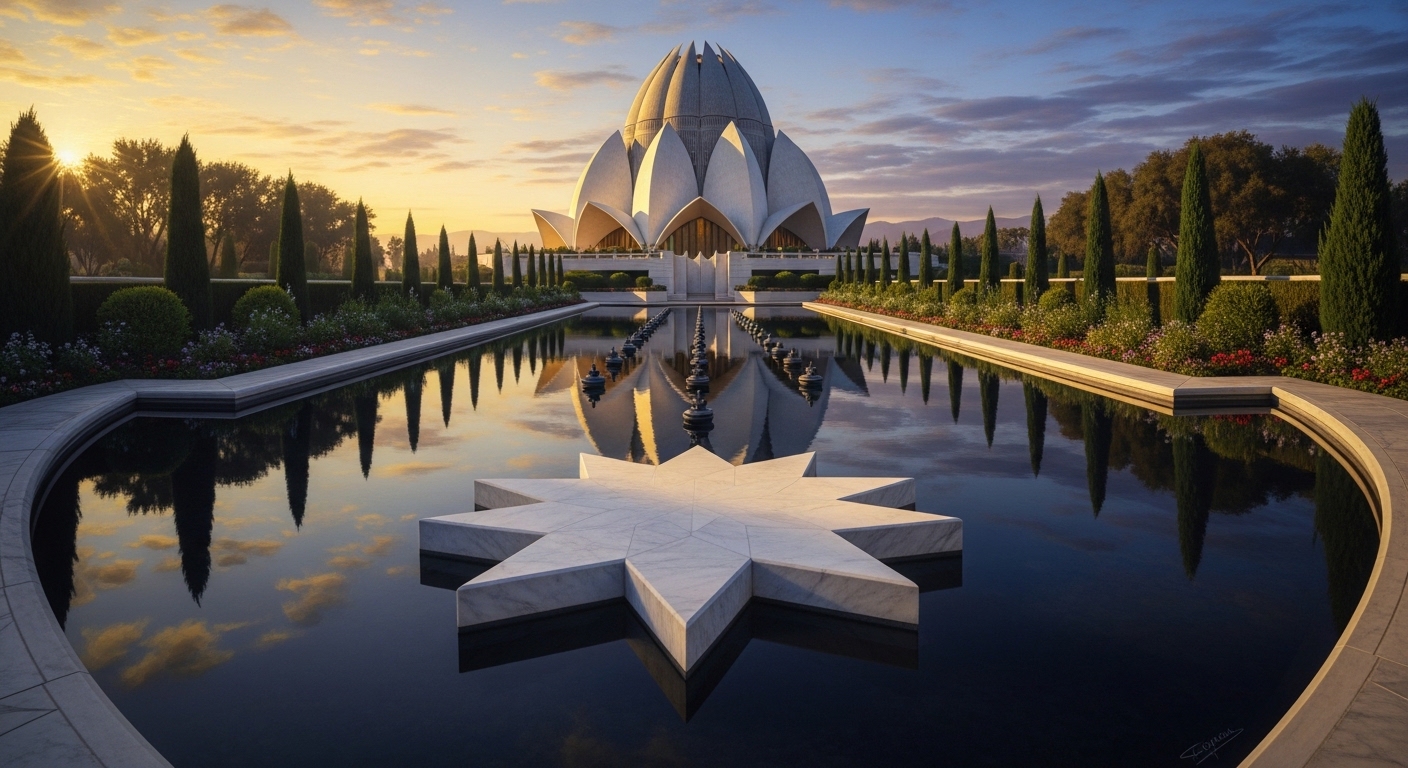
| Mashriqu’l-Adhkár | 1908-present | Living tradition | Houses of worship; 9 sides; open to all faiths |
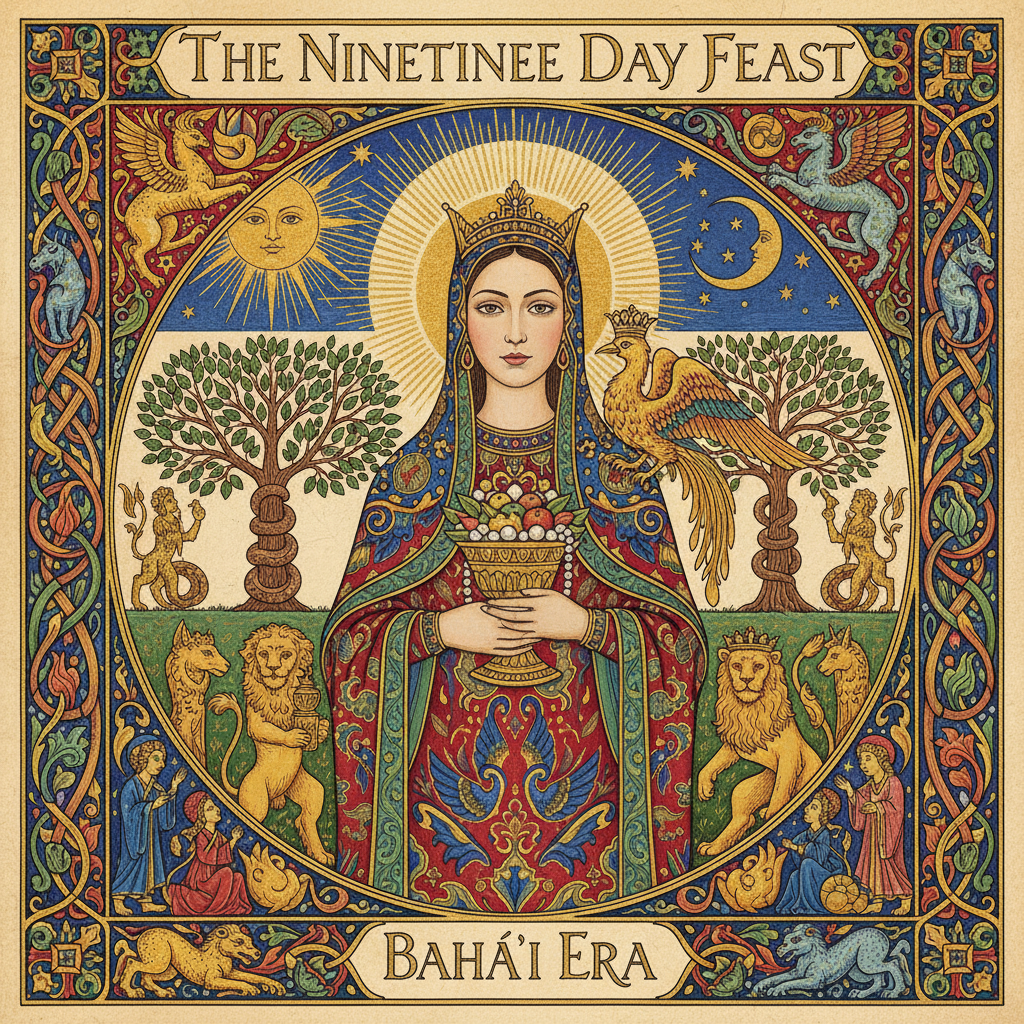
| Nineteen-Day Feast | 1844-present | Living practice | The communal gathering; every 19 days; devotional + administrative + social |
The Bahá’í Faith is not merely a religion. It is a theory of religion. And the entire Bestiary is, unintentionally or not, an extended proof of that theory.
| Bahá’í Teaching | What the Bestiary Demonstrates |
|---|
| All religions come from one God | The same archetypes appear in every tradition — the dying god, the divine feminine, the trickster, the underworld descent |
| Each Manifestation builds on the last | Zoroastrianism → Judaism → Christianity → Islam: a traceable chain of influence in which each tradition builds on the theological vocabulary of the last |
| Humanity is one | Every tradition — Norse, Yoruba, Mesopotamian, Hindu, Chinese — describes the same human condition: mortality, longing, love, justice, the sacred |
| Progressive revelation unfolds truth gradually | The resurrection appears after the Babylonian exile; monotheism hardens after contact with Zoroastrianism; concepts develop because humanity develops |
| The latest revelation supersedes on social law but not spiritual truth | The eternal truths (compassion, justice, unity, the sacred) are constant across every tradition; the specific rules change with each age |
The Bahá’í Faith is the only major world religion that was founded on the claim that this entire project makes: every tradition is telling the same story. Whether you accept the divine origin of that claim or not, its framework is empirically testable, and the Bestiary is the test. Open any page. The same archetypes. The same dynamics. The same God, speaking through a thousand names.
“The earth is but one country, and mankind its citizens.” — Bahá’u’lláh
 MYTHIC
  LEGENDARY
  LEGENDARY
  MYTHIC
  LEGENDARY