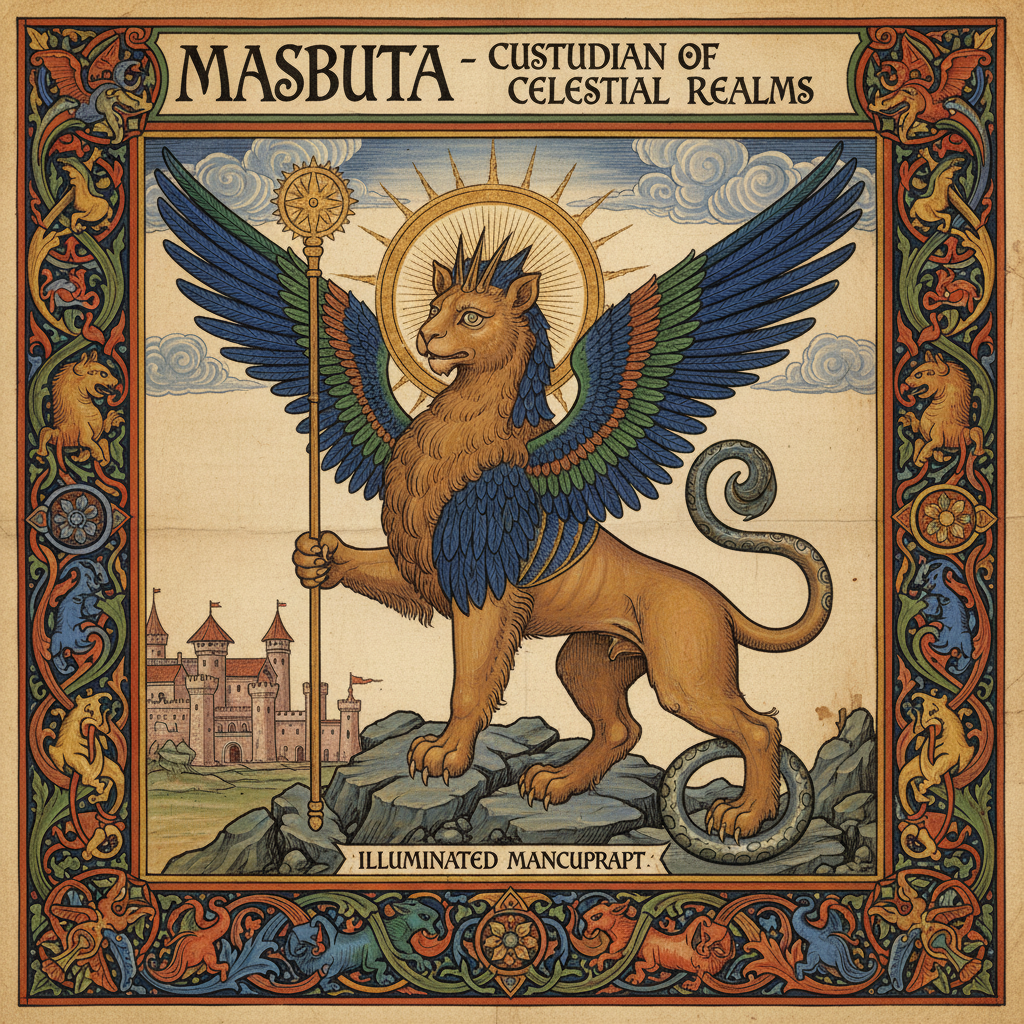
Combat Profile
Living Immersion
Completely purifies a soul of archontic corruption and grants temporary elevation toward the Pleroma's light-realm.
Divine Catalyst
All healing amplified; presence alone sanctifies waters and dispels demiurgic influence from the corrupted.
Requires *yardna* (flowing water -- a river or stream); cannot be performed in stagnant water, pools, or fonts
“In the name of the Great Life! May the pure baptism that I have baptized be a helper, supporter, and forgiver of sins.”
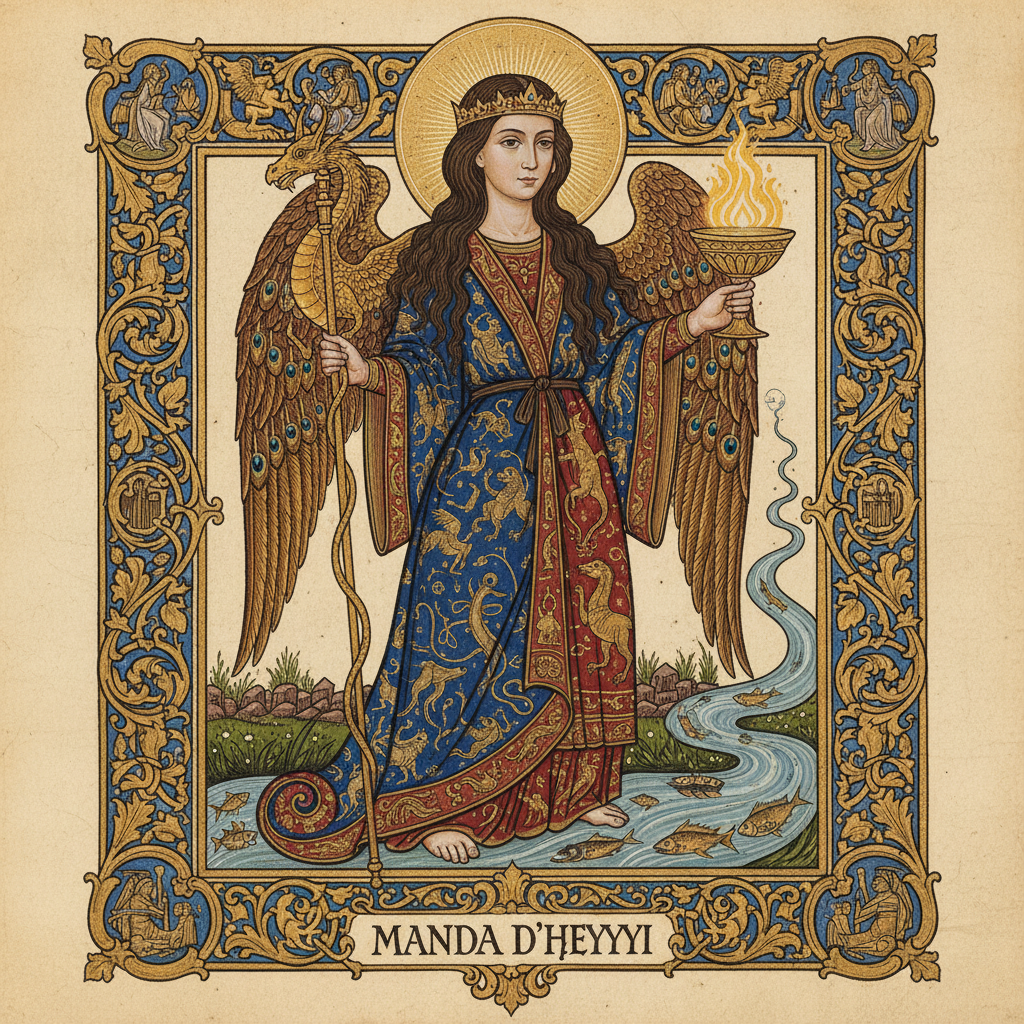
Lore: The masbuta is the central ritual of Mandaeism — a full-immersion baptism performed in yardna (living, running water: a river or stream, never a stagnant pool or baptismal font). It is performed every Sunday and on holy days, and it is not a one-time initiation (as in Christianity) but a repeated act of purification, renewal, and reconnection with the light-world. The Mandaeans have been performing the masbuta continuously for approximately 2,000 years, making it one of the oldest continuously practiced rituals in any religion.
The ritual must be performed by a priest (tarmida or ganzivra) and requires the participant to be fully immersed three times in the flowing water, drink from the river three times, and be crowned with a myrtle wreath. The flowing water is understood not merely as a symbol but as a connection to the celestial Jordan — the river of light that flows through the light-world. Each baptism washes away the contamination of living in Ruha’s material domain and renews the soul’s bond with its divine origin. The insistence on flowing water is absolute: the Mandaean communities in Iraq traditionally settled along rivers precisely because their religion requires a river. Displacement from the rivers of southern Iraq — through war, dam construction, and forced migration — is an existential threat to the practice of the faith itself.
Parallel: The masbuta maps onto Christian baptism (which may historically derive from the same tradition — both communities revere John the Baptist), Jewish mikveh (ritual immersion in living water for purification), and Hindu river bathing (the sacred Ganges). But the Mandaean practice is unique in three ways: it is weekly (not once), it requires a natural river (not a constructed font), and it is understood as a literal reconnection with the light-world, not merely symbolic cleansing. The Mandaeans are sometimes called “Christians of St. John” because of their reverence for John the Baptist, but they reject this label — they are not Christians at all. They believe John was the last true prophet and that Jesus corrupted his message.
2 min read
Ruha and the planetary spirits, who are temporarily driven back by each baptism
Buckley, *The Mandaeans*; Drower, *The Mandaeans of Iraq and Iran*; Rudolph, *Gnosis*; the *Qolasta* (Mandaean prayer book)