Combat Profile
Earth's Reckoning
Opens the ground beneath enemies to swallow them whole, dealing massive damage and removing them from combat temporarily.
Rebellion's Tide
Gains power each turn as divine authority is questioned, increasing damage output and resilience against holy judgment.
Ambition (wanted the priesthood though he wasn't a son of Aaron)
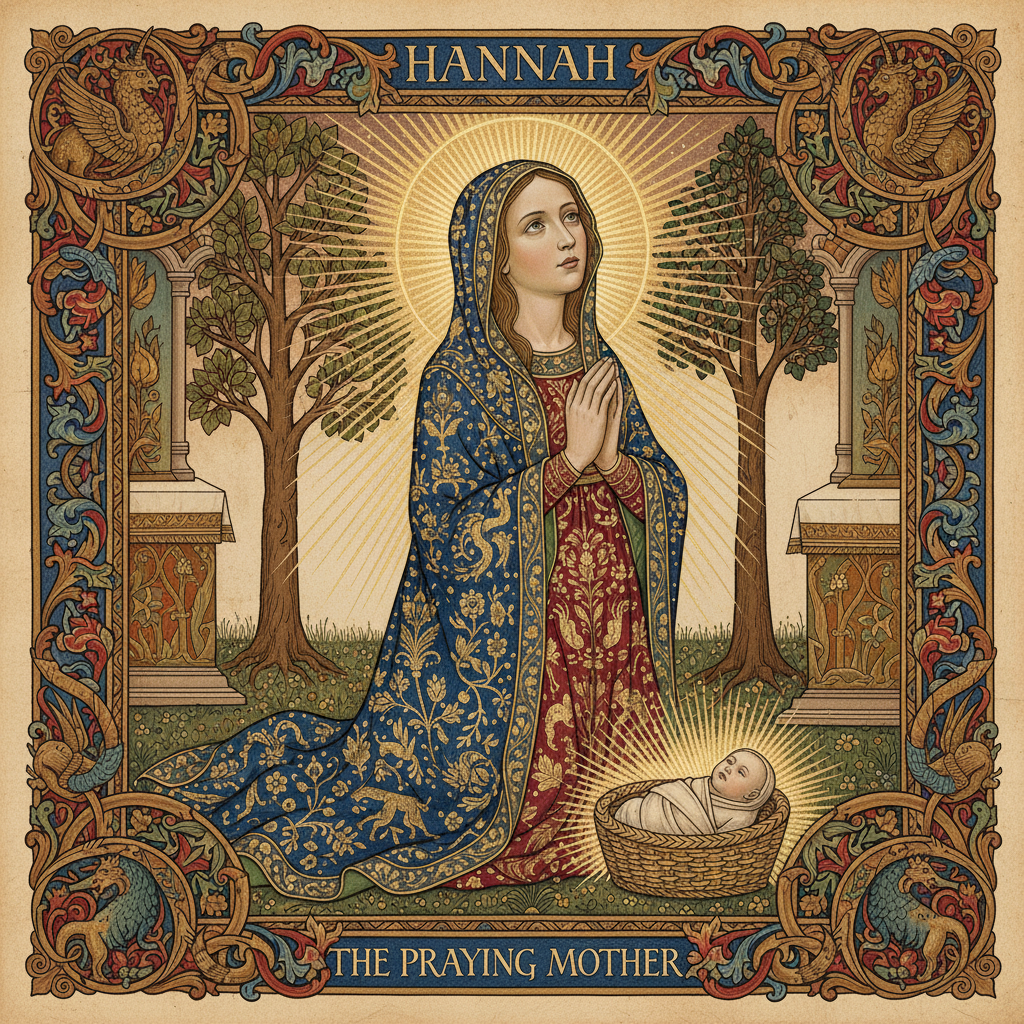
Hannah’s prayer (1 Sam 2:1-10) is the template for Mary’s Magnificat (Luke 1:46-55). “He raises the poor from the dust” — both women sang it.
Jesus referenced Lot’s wife: “Remember Lot’s wife!” (Luke 17:32) — the shortest warning in the Gospels.
Matthew doesn’t call her “Bathsheba” in the genealogy — he calls her “the wife of Uriah.” The emphasis is on the crime, not the woman.
A Hittite foreigner showed more integrity than Israel’s greatest king. David’s sin against Uriah is the darkest moment in David’s story — Nathan’s rebuke (“You are the man!” — 2 Sam 12:7) is the most devastating confrontation in Scripture.
Jude uses Korah as an archetype of rebellion alongside Cain (murder) and Balaam (greed) — the three great warnings.
1 min read
Numbers 16; Jude 1:11