Combat Profile
Restoration of Law
Ezra calls upon divine judgment to purify corruption and restore righteous order, requiring collective repentance to succeed.
Keeper of Scripture
Ezra's presence strengthens adherence to covenant and divine law, granting clarity to those who seek righteous guidance.
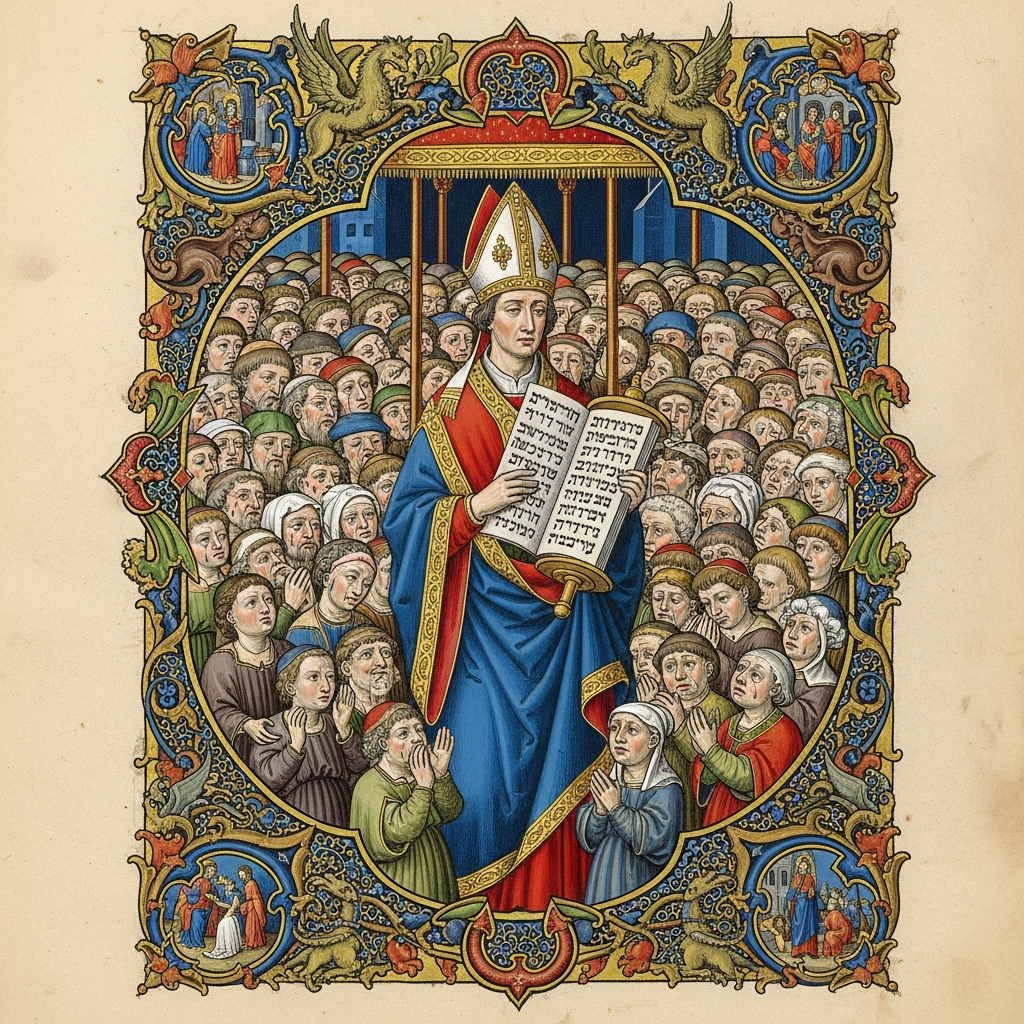
If Moses received the Law and Solomon housed it, Ezra restored it. After the exile, the Torah was nearly forgotten. Ezra, “a teacher well versed in the Law of Moses” (Ezra 7:6), brought it back from Babylon and read it publicly. The people wept when they heard it (Neh 8:9) — they hadn’t heard their own scripture in generations. The Talmud says “Ezra was worthy of receiving the Torah, had Moses not preceded him” (Sanhedrin 21b). He’s traditionally credited with establishing the synagogue system, canonizing parts of the Hebrew Bible, and switching Hebrew script from paleo-Hebrew to the Aramaic square script still used today.
1 min read
Ezra 7-10; Nehemiah 8