Combat Profile
Eternal Blessing
grants divine favor and perpetual authority to a chosen lineage, transcending mortal generations.
Mystery of Melchizedek
existence without genealogy or mortal origin grants immunity to aging, curses, and temporal manipulation.
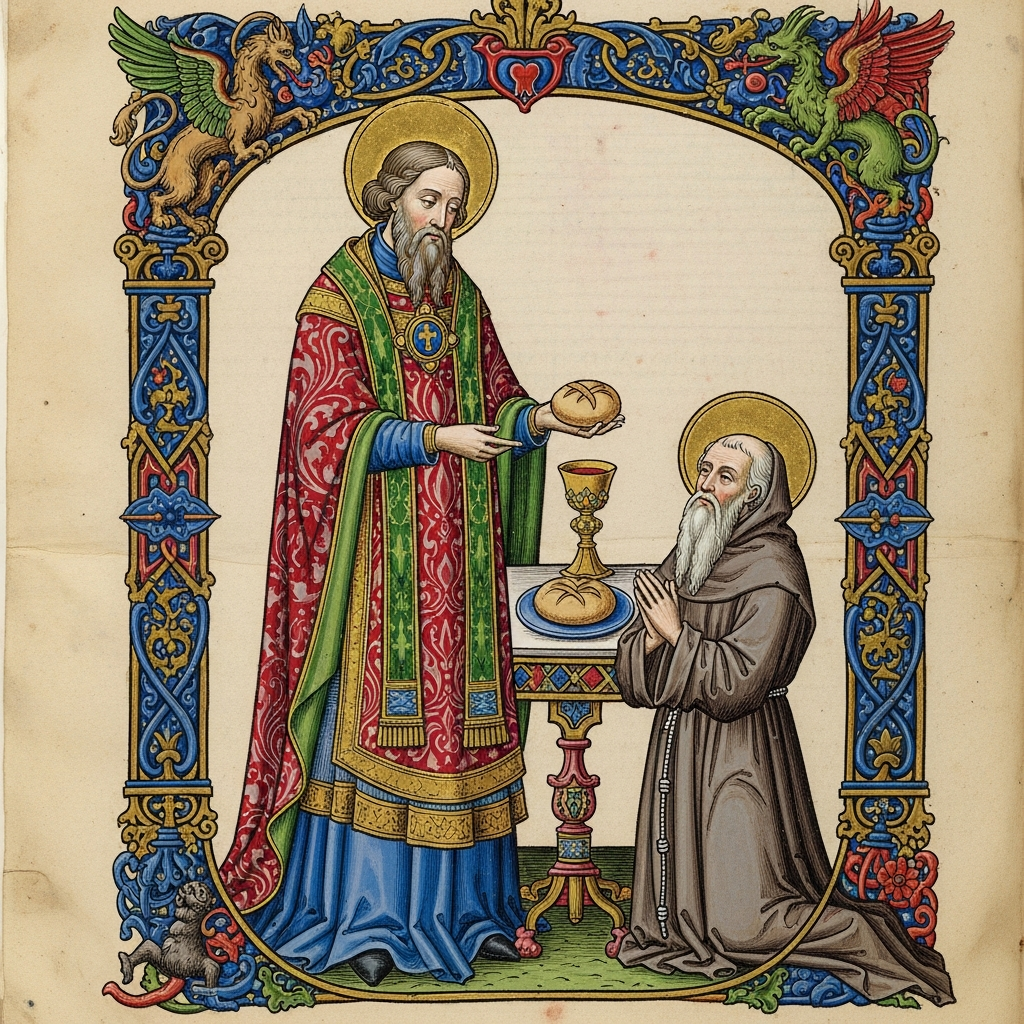
The most mysterious figure in the entire Bible. He appears for three verses in Genesis, vanishes, reappears in a single verse of Psalms, then gets three chapters of theological analysis in Hebrews. “Without father, without mother, without genealogy, without beginning of days or end of life, resembling the Son of God” (Heb 7:3). Abraham — father of the covenant — paid tithes to Melchizedek, making Melchizedek’s priesthood greater than Abraham’s and therefore greater than the Levitical priesthood descended from Abraham. This argument is the theological backbone of Hebrews. Some traditions identify him with Shem (Noah’s son); others say he’s a Christophany (pre-incarnate Christ).
1 min read
Genesis 14:18-20; Psalm 110:4; Hebrews 5-7