Combat Profile
Divine Intercession
Aaron's prayers and mediation directly petition God on behalf of mortals, granting divine intervention in moments of spiritual crisis.
Priestly Blessing
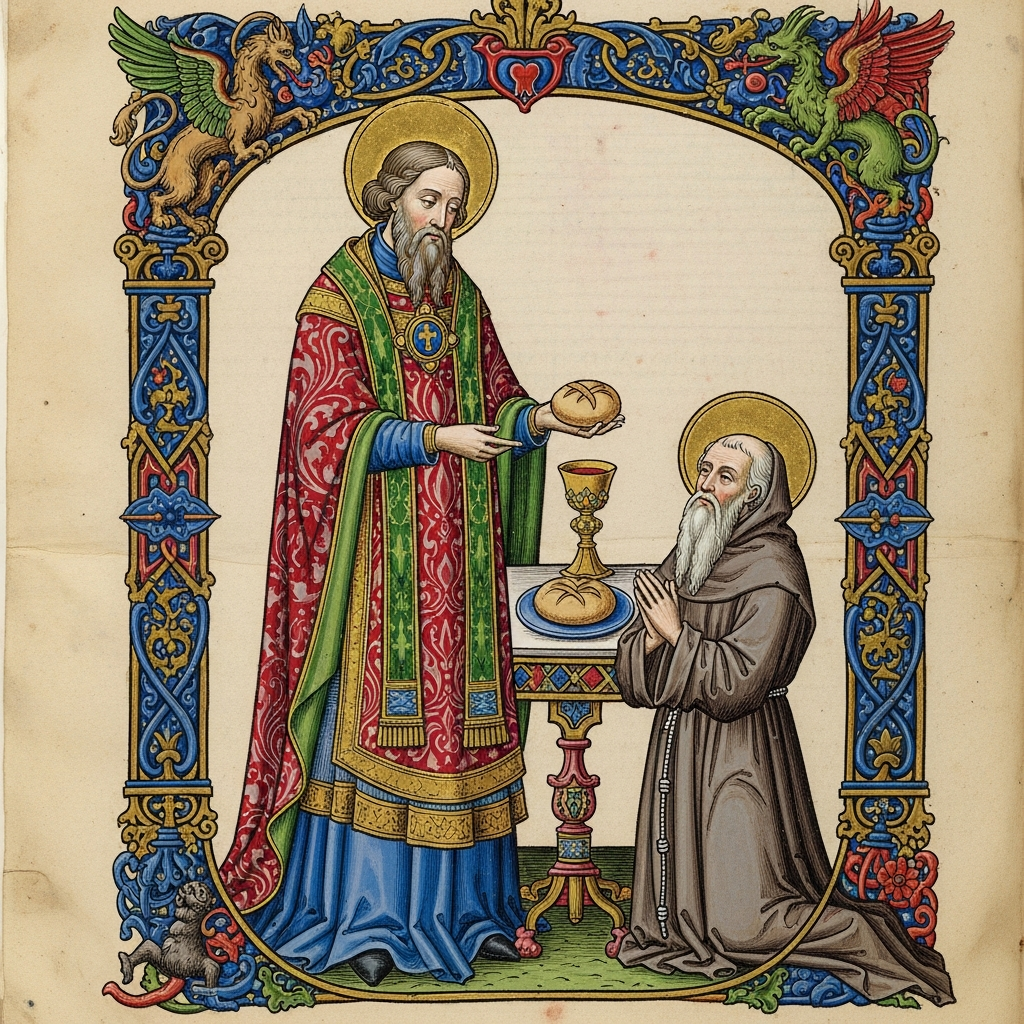
Aaron's presence sanctifies sacred spaces and grants spiritual protection to the faithful who seek his counsel and guidance.
Crowd pressure; passivity under confrontation
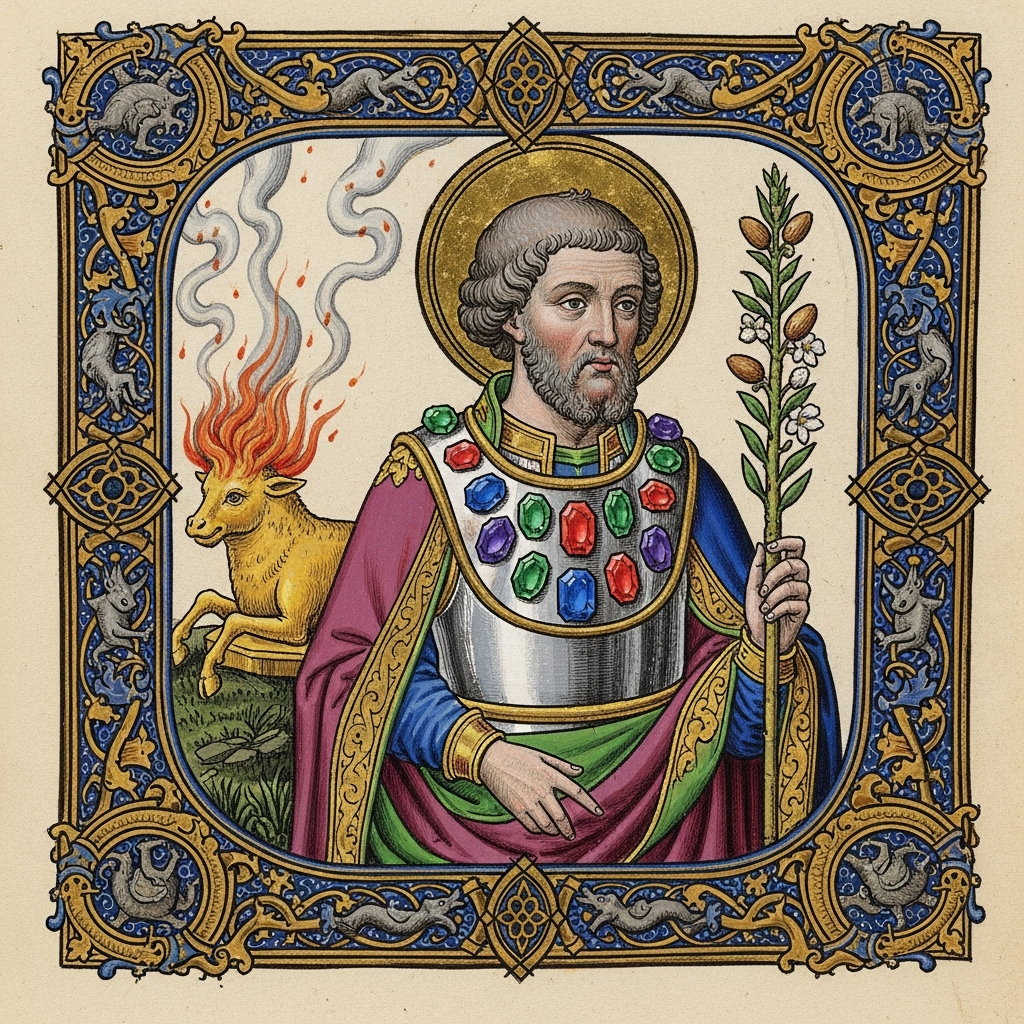
Aaron is the essential paradox: the man God chose to stand between humanity and the divine was also the man who built the Golden Calf. When Moses confronted him, Aaron gave the worst excuse in Scripture: “I threw the gold into the fire, and out came this calf!” (Ex 32:24). Yet God still chose his line for the eternal priesthood. His budding rod (Num 17) settled the question of priestly authority — only Aaron’s staff sprouted leaves, blossoms, and almonds overnight. He died on Mount Hor, where his garments were transferred to his son Eleazar. Every Jewish priest until the destruction of the Temple traced their lineage to Aaron.
1 min read
Exodus 4-40; Leviticus; Numbers 16-17, 20:22-29