The Story
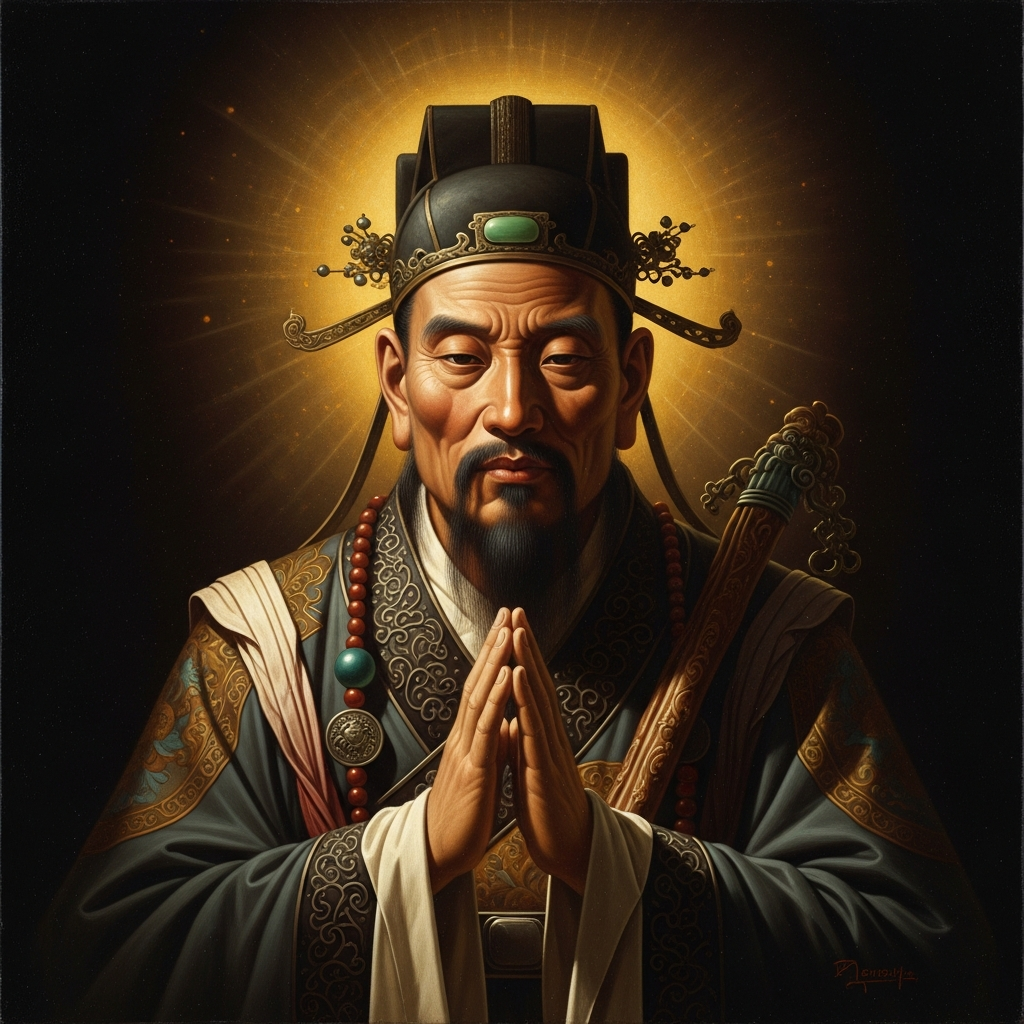
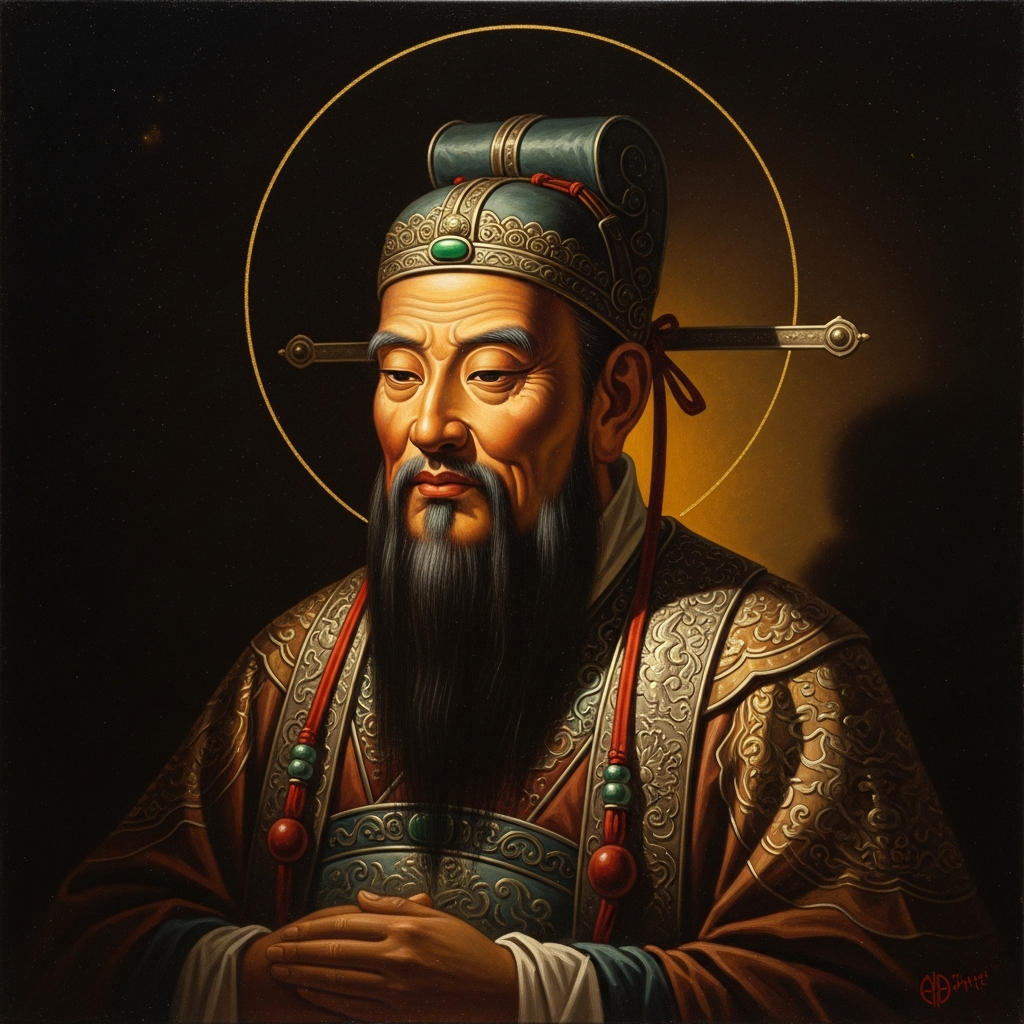
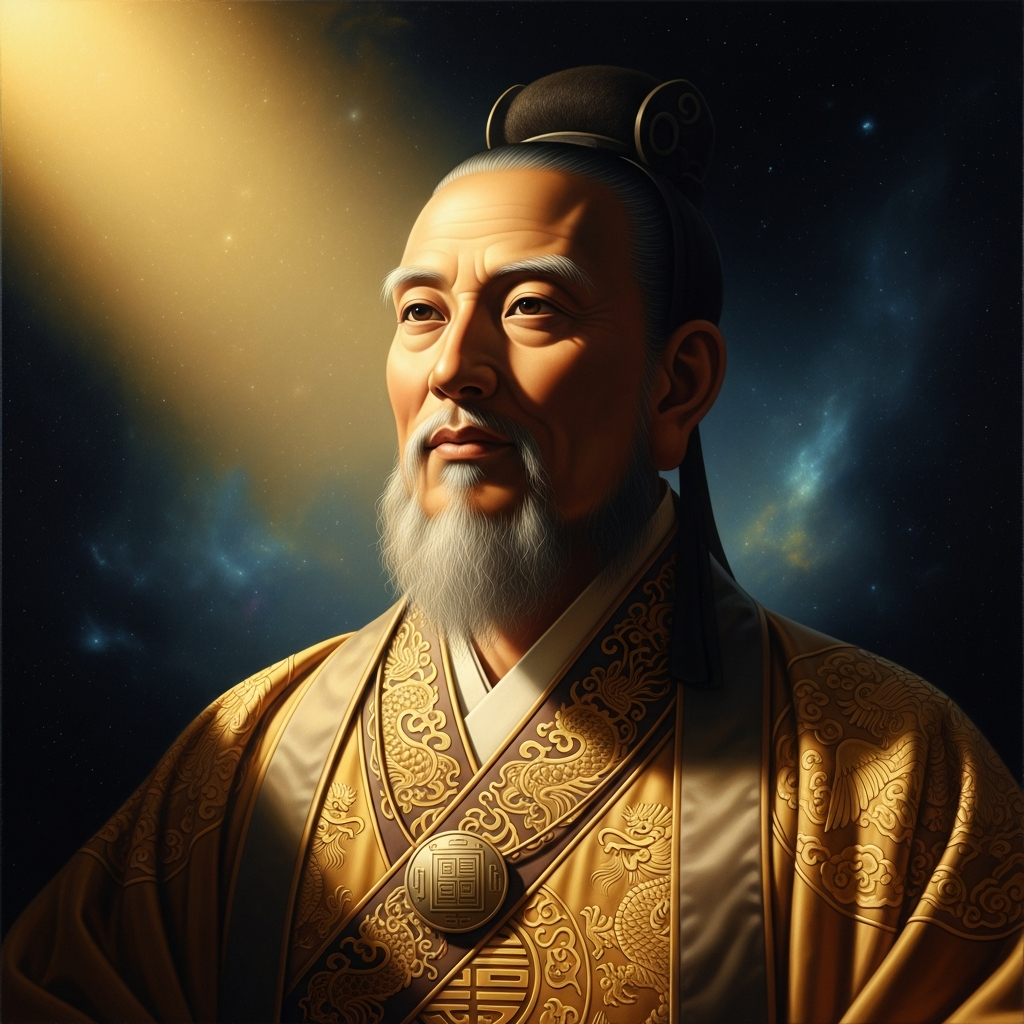
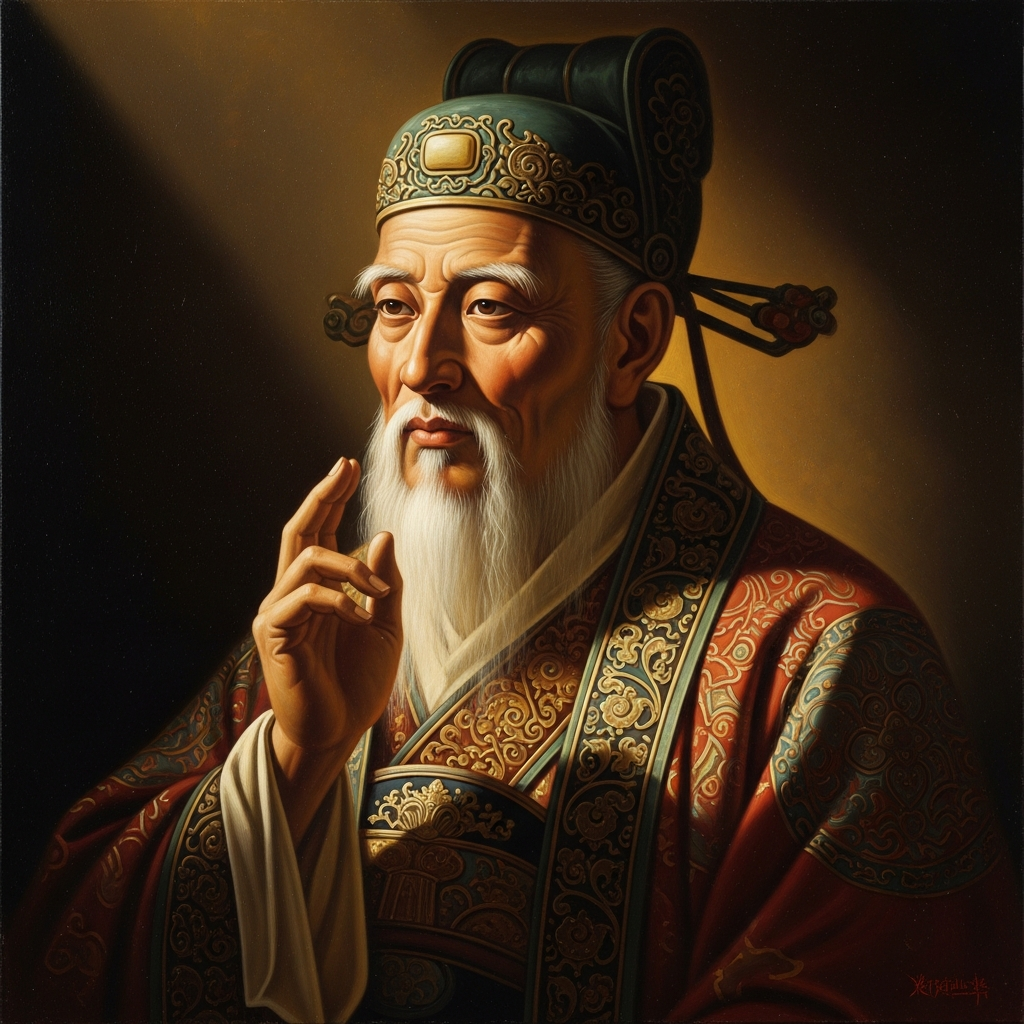
Confucianism is the most consequential philosophical tradition in human history by one measure: sheer duration of political dominance. For over two thousand years, the ideas of a single teacher from the state of Lu — Kong Qiu, known to the West as Confucius — shaped the governance, social structure, family life, and moral imagination of China, Japan, Korea, Vietnam, and much of East and Southeast Asia. No tradition has governed more people for more centuries.
The irony is that Confucius himself considered his life a failure.
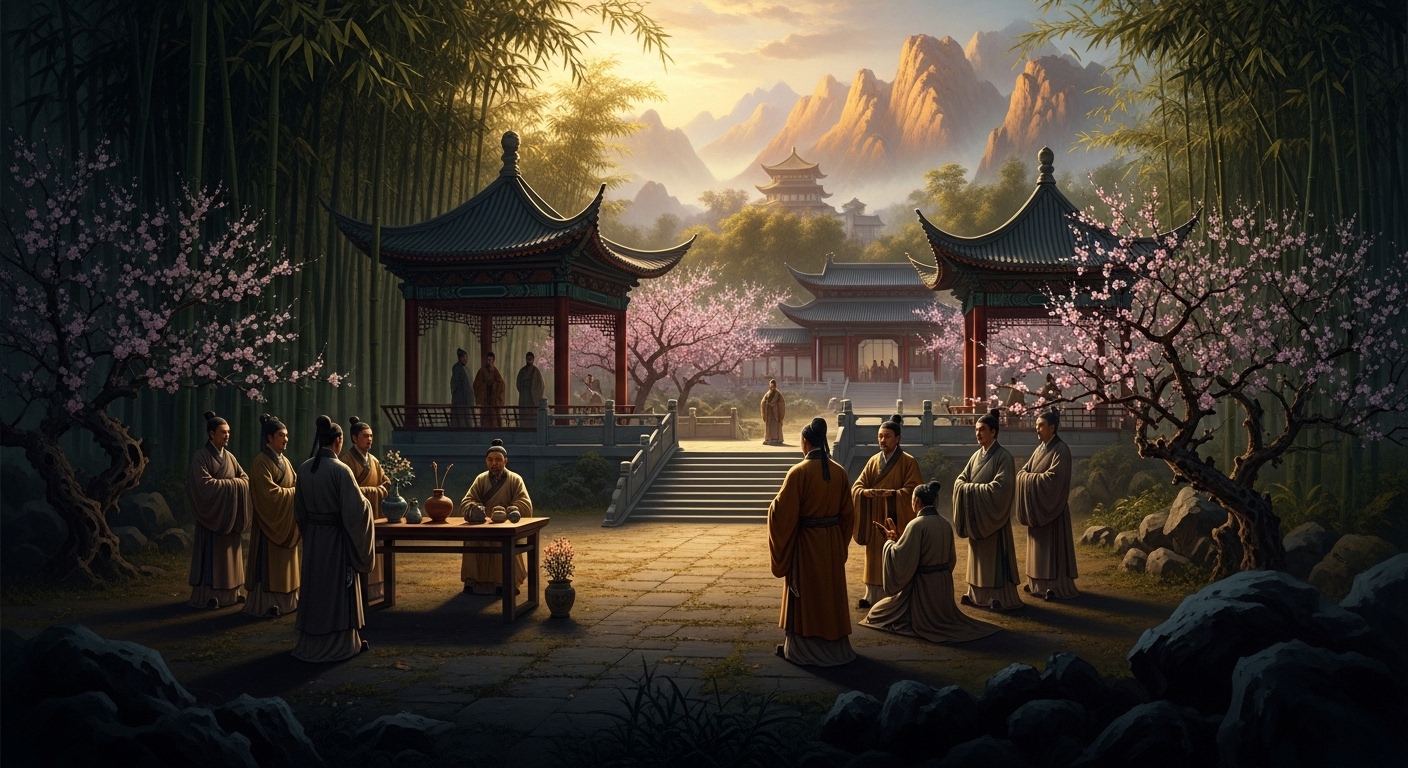
He was born in 551 BCE in the state of Lu (modern Shandong Province), during the chaotic Warring States period — a time of constant warfare, moral decay, and collapsed ritual order. He believed that the golden age of the Zhou dynasty, governed by ritual propriety (li), benevolent rule (ren), and the moral example of sage-kings, could be restored if only rulers would practice virtue. He spent his life trying to convince those rulers. None listened. He died in 479 BCE thinking he had accomplished nothing.
He was catastrophically wrong about that.
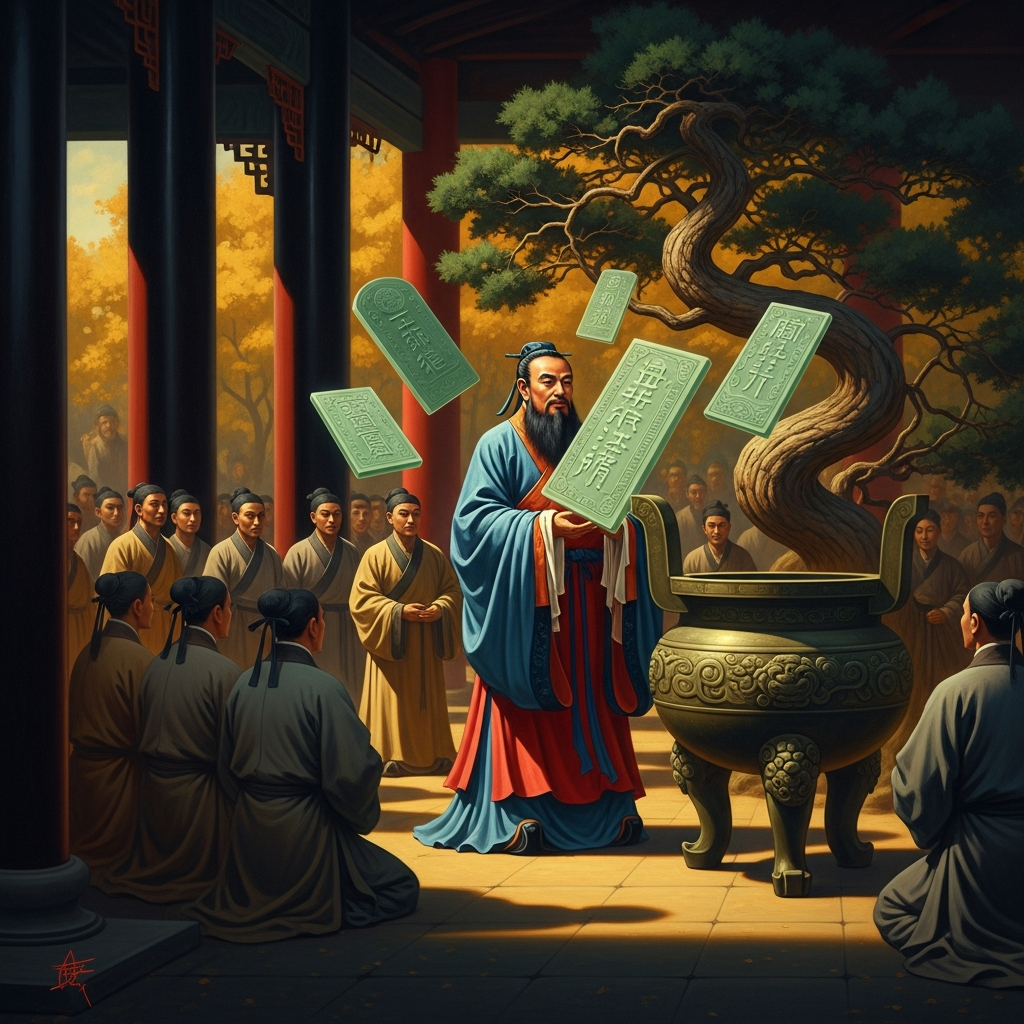
His conversations, preserved by his students in the Analects (Lunyu), became the foundational text of a tradition that shaped civilization. The core concepts — ren (benevolence, humaneness), li (ritual propriety, social form), yi (righteousness), zhi (wisdom), and junzi (the exemplary person) — became the operating system of East Asian civilization. Imperial China used Confucian texts as the basis for the civil service examination system (keju) from 605 CE to 1905 CE: thirteen centuries in which a man’s entire social mobility depended on mastering Confucius, Mencius, and the classical canon.
The tradition is not static. Mencius (372-289 BCE) developed the doctrine of innate human goodness. Xunzi (310-235 BCE) argued the opposite — that human nature is selfish and must be shaped. Zhu Xi (1130-1200 CE) synthesized Confucianism with Buddhist and Daoist metaphysics into Neo-Confucianism, which became state orthodoxy for 700 years. Korean Neo-Confucianism (Joseon), Japanese Confucianism (Edogaku), and Vietnamese adaptations produced further variations.
Today Confucianism is experiencing a revival in mainland China as an alternative to both Western liberalism and Marxist orthodoxy. Singapore’s governance model is explicitly influenced by Confucian values. South Korea’s family and educational culture remains deeply Confucian. The tradition is alive, contested, and still shaping hundreds of millions of lives.
A note on format: Unlike traditions built around supernatural beings, Confucianism is centered on human sages, moral ideals, and the concept of Heaven (Tian) as impersonal moral order. The entries here treat historical figures (Confucius, Mencius, Xunzi, Zhu Xi) as the living embodiments of their teachings — figures whose ideas function as “powers” in the bestiary sense. The Junzi is a moral archetype; Heaven (Tian) is the nearest thing to a deity in this tradition.
Key Sources
- Analects (Lunyu) — Confucius, compiled by his students (~5th-4th century BCE)
- Mencius (Mengzi) — Mencius (~4th-3rd century BCE)
- Xunzi — Xunzi (~3rd century BCE)
- Great Learning (Daxue) and Doctrine of the Mean (Zhongyong) — attributed to Confucius’s school
- Complete Works of Zhu Xi (Zhuzi Quanshu) — Zhu Xi (12th century CE)
- The Analects of Confucius (translation, 1938) — Arthur Waley
- Confucius and the Chinese Way (1949) — H.G. Creel
- Sources of Chinese Tradition (1960) — W.T. de Bary et al.
- The Works of Mencius (translation) — James Legge
- Confucianism: The Dynamics of Tradition (1986) — Miriam Levering, ed.