The Story
The Andean religious world is older than the Inca by thousands of years. The Caral-Supe civilization on Peru’s coast (~3000-1800 BCE) is contemporary with the Egyptian Old Kingdom and may be the oldest civilization in the Americas. Chavin de Huantar (~900-200 BCE) established the iconographic vocabulary — jaguar deities, feline-fanged ancestors, the Staff God — that the entire Andean world would inherit. The Moche (~100-700 CE), the Wari (~600-1100 CE), the Tiwanaku (~500-1000 CE) on the shores of Lake Titicaca, and the coastal Chimu (~900-1470 CE) each laid theological strata that the Inca absorbed and synthesized.
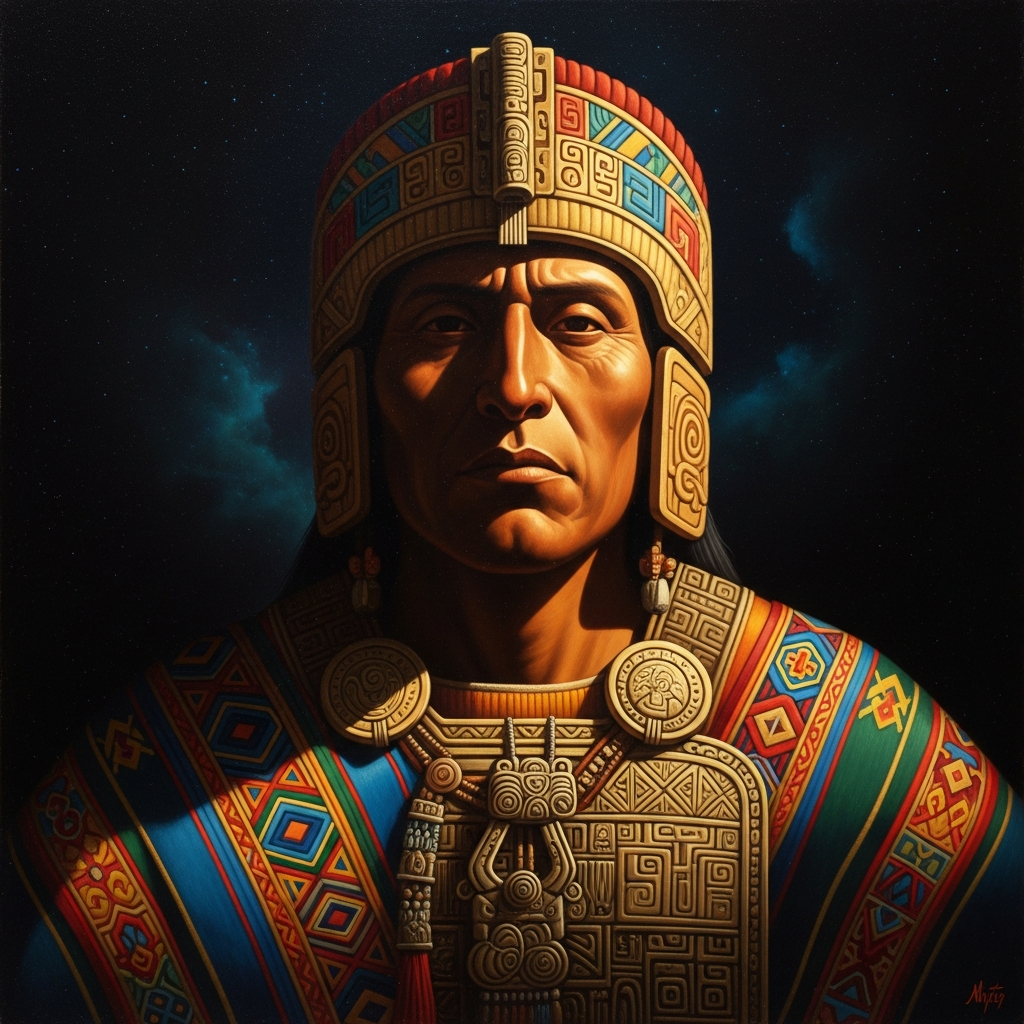
The Inca themselves were latecomers. Beginning as a small ethnic group in the Cuzco valley around 1200 CE, they exploded into one of the largest empires in pre-modern history under Pachacuti Inca Yupanqui after 1438 CE. By 1500, Tawantinsuyu — “The Four Regions Together” — stretched 4,000 kilometers from southern Colombia to central Chile, the longest empire on earth. They built it without the wheel, without iron, without writing in any conventional sense. Instead they had quipus (knotted cords encoding numerical and possibly narrative information), terraced agriculture climbing vertical mountainsides, suspension bridges of woven grass, a road network of 40,000 kilometers, and storehouses (qollqa) so abundant that the Spanish reported towns where the granaries held food for years.
Francisco Pizarro arrived in 1532 with 168 men. The empire he conquered was already crippled by smallpox (which had raced ahead of European contact) and by a civil war between two sons of the dead emperor Huayna Capac — Atahualpa and Huascar. At Cajamarca on November 16, 1532, Pizarro ambushed Atahualpa, massacred his unarmed retinue of thousands, and took the Sapa Inca hostage. Atahualpa offered a ransom that has become legend: a room filled once with gold and twice with silver. The Spanish accepted, melted the treasure, and then garroted him anyway in July 1533. Cuzco fell that November.
The Taqui Onkoy movement of the 1560s — the “Dance of the Sickness” — was a millenarian uprising in which Andean prophets declared that the huacas (sacred spirits of mountains and springs) were rising up, that the Christian god was failing, and that the old gods would soon overthrow the Spanish. The movement was suppressed by ecclesiastical extirpation campaigns under figures like Cristobal de Albornoz, who systematically destroyed mummies, idols, and shrines across the central Andes. Tupac Amaru I, the last Inca claimant, was beheaded in Cuzco’s main plaza in 1572. Tupac Amaru II led a massive uprising in 1780-1781; he was drawn and quartered, his tongue cut out, his family executed. The Spanish thought they had ended Andean religion. They had not.
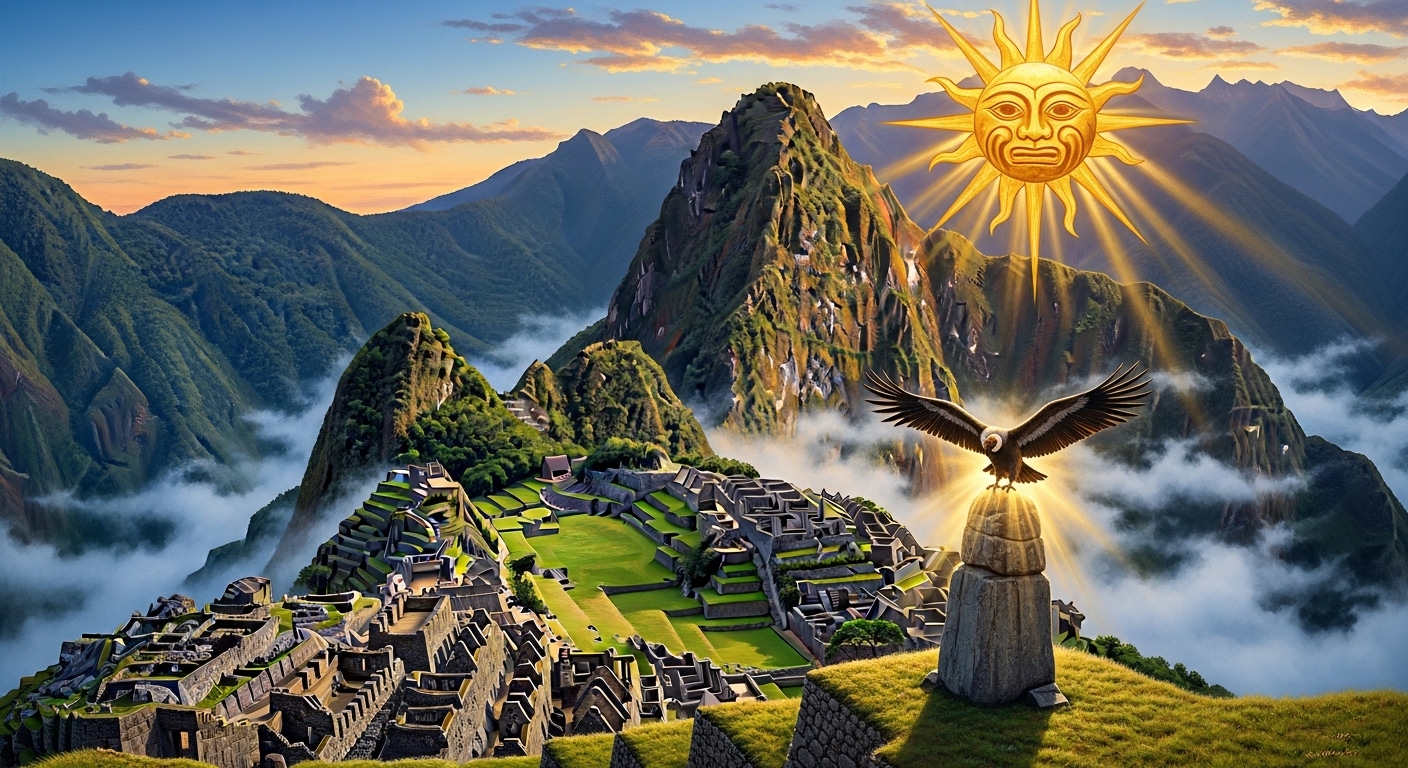
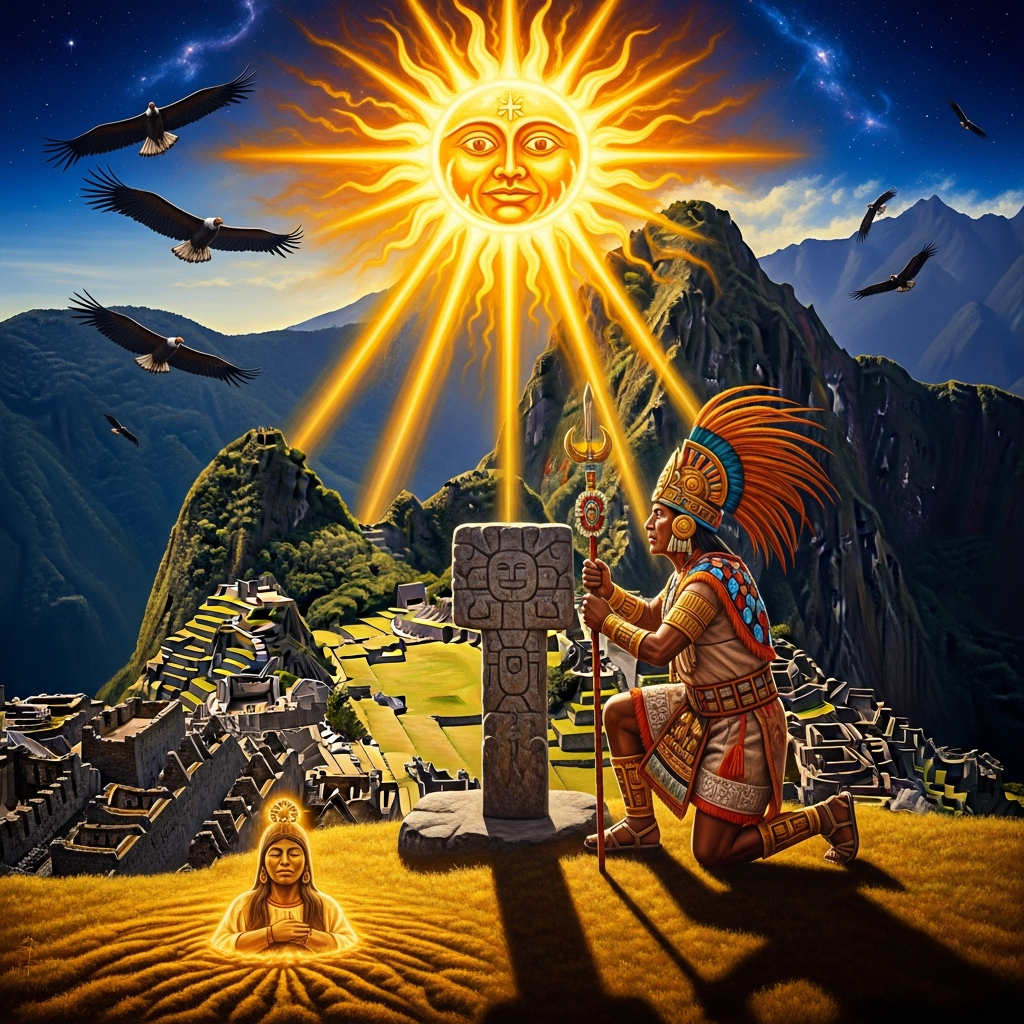
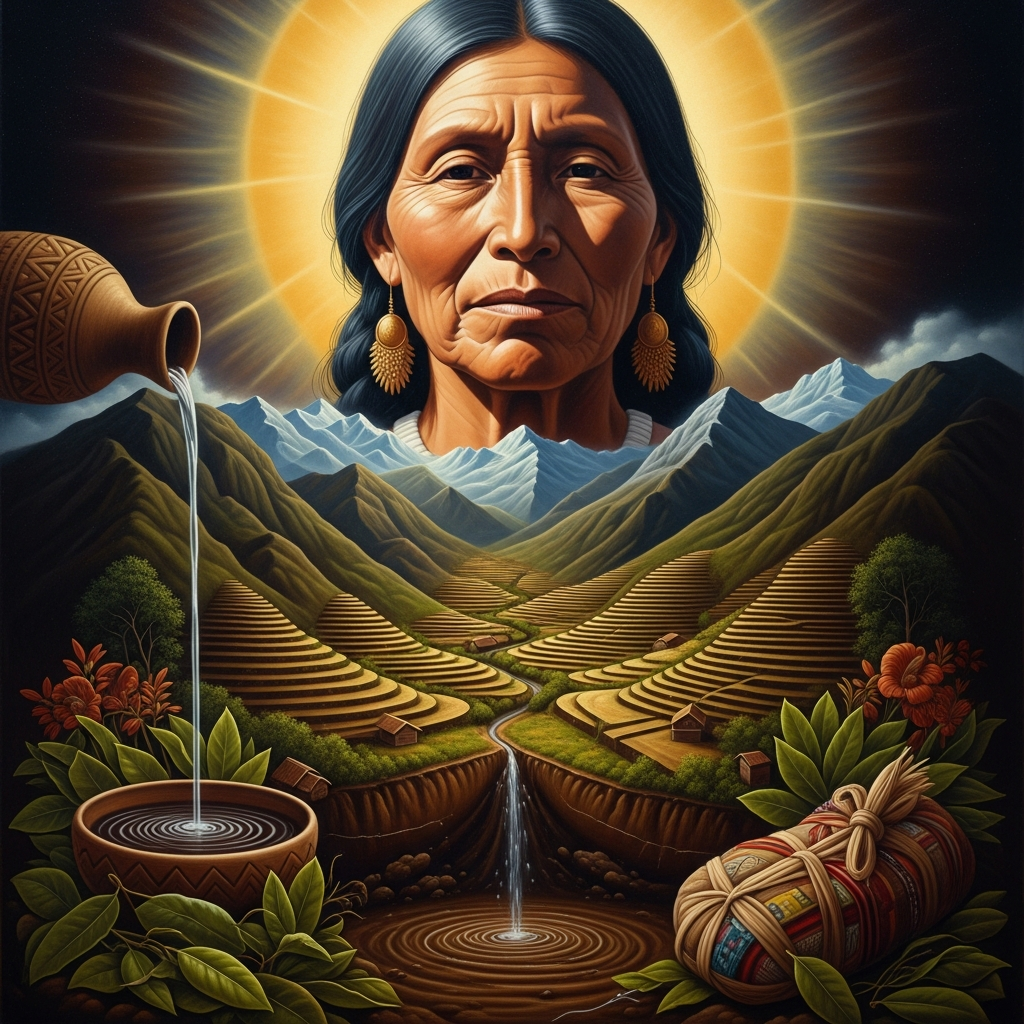
The religion went underground and stayed there. The huacas were never abolished, only renamed. Mountains became saints. Pachamama absorbed the Virgin Mary and remains the central object of devotion across the rural Andes today, receiving the ch’alla libation — the first sip of any drink poured onto the earth — in homes from Quito to La Paz. The paqos and yatiris (Quechua and Aymara ritual specialists) continue to read coca leaves, perform despacho offerings to the mountain apus, and intercede with the spirits of place that the Spanish friars insisted did not exist. Inti Raymi, the festival of the sun at the winter solstice, was banned by the Spanish in 1572 and revived in Cuzco in 1944. Today it draws hundreds of thousands of pilgrims each June 24 and is recognized as a national heritage of Peru.
Cross-Tradition Parallels
| Andean Entity | Closest Parallel | Tradition | The Connection |
|---|
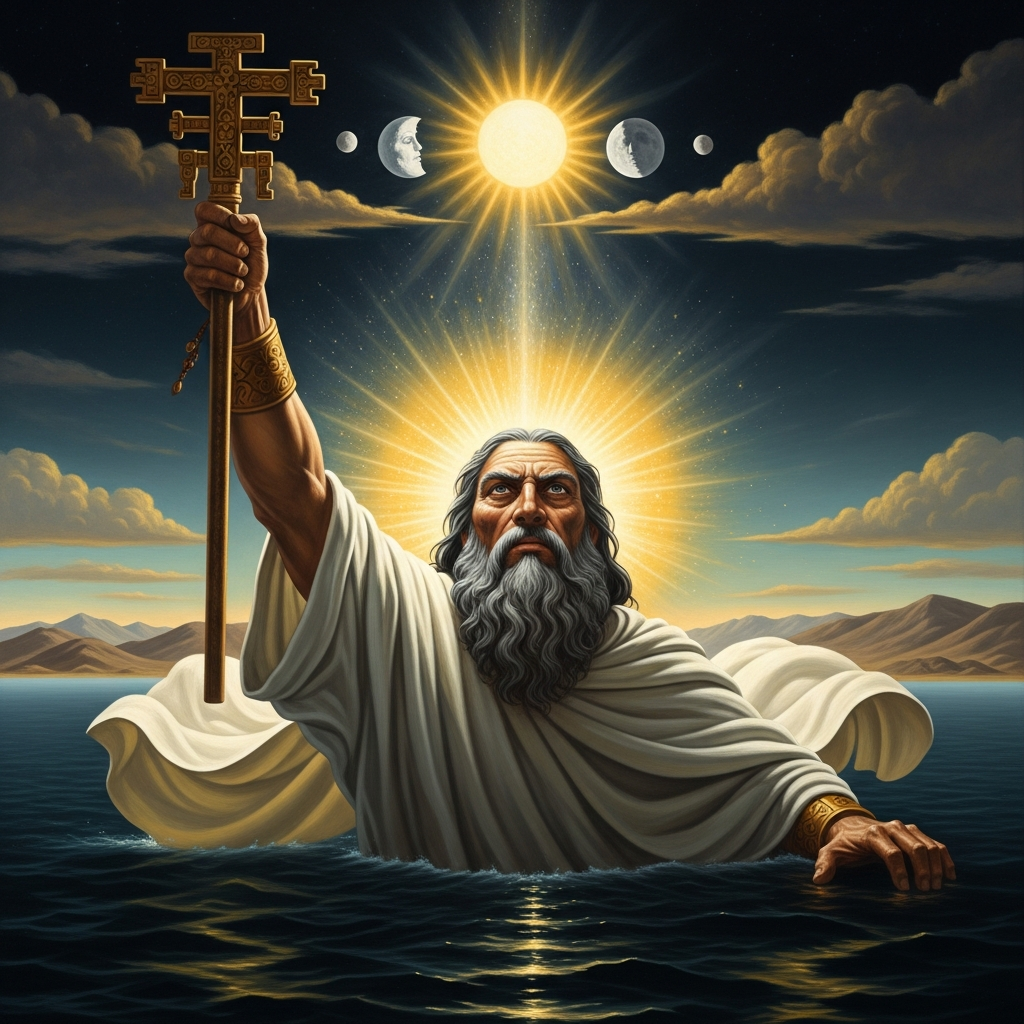
| Viracocha | Quetzalcoatl / Olodumare / Atum | Aztec-Maya / Yoruba / Egyptian | The supreme creator who emerges from primordial waters, fashions humanity, then withdraws — promising or prophesied to return from the west |
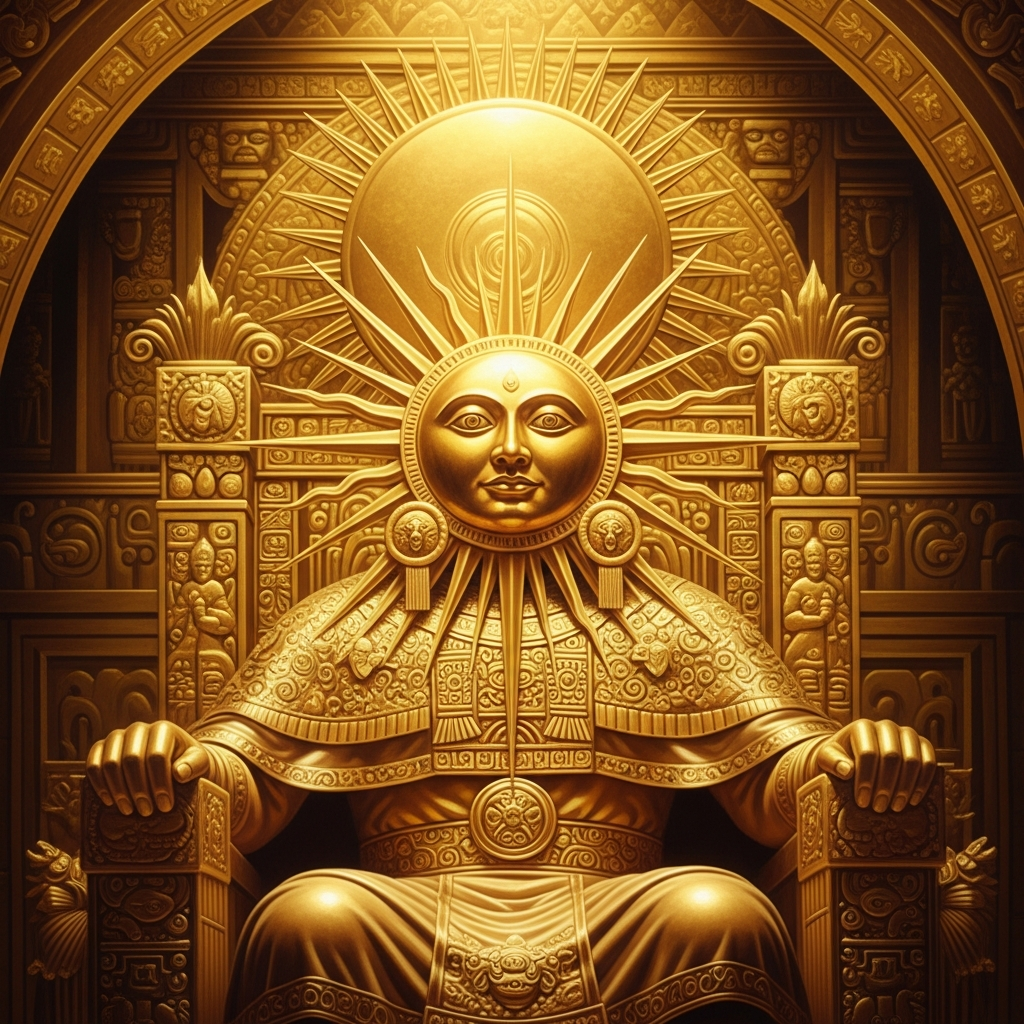
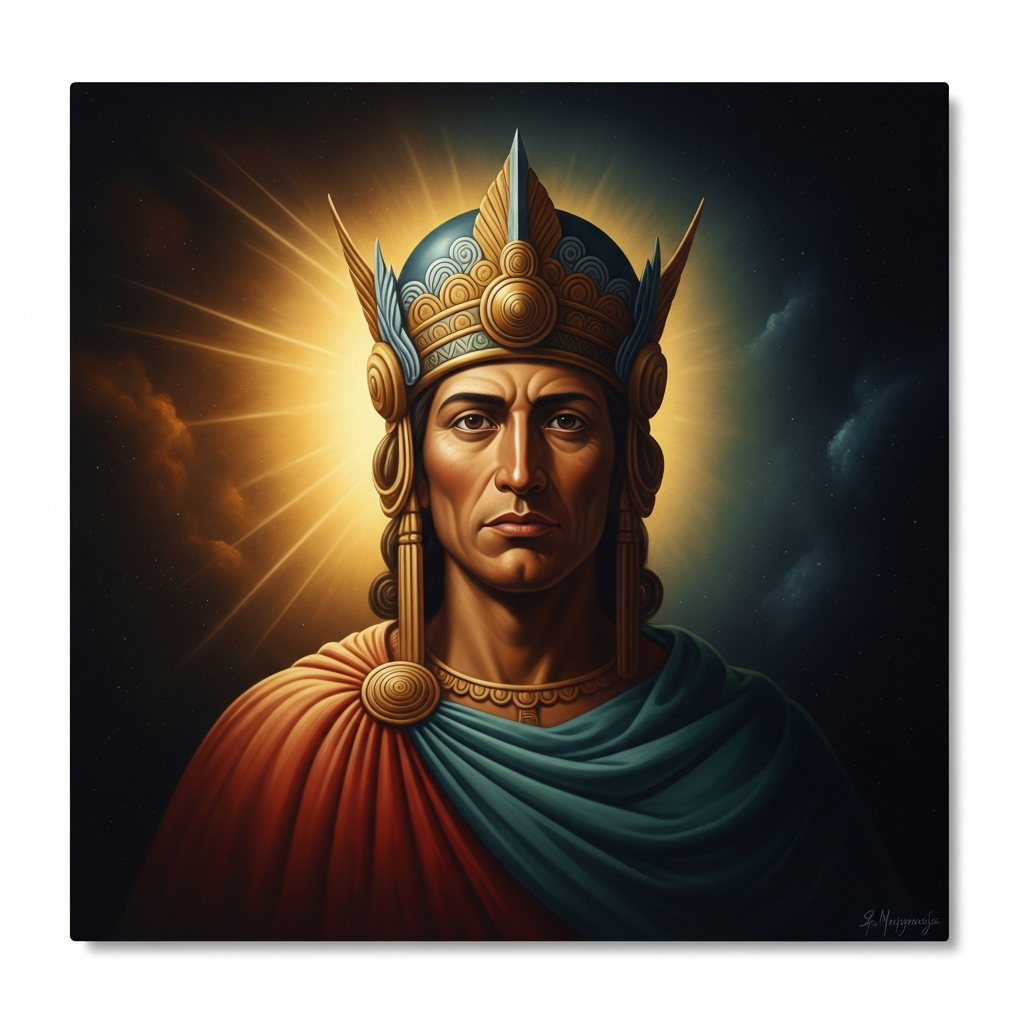
| Inti | Amaterasu / Ra / Huitzilopochtli | Japanese / Egyptian / Aztec-Maya | The solar deity from whom the imperial line descends; the festival-cult-state nexus |
| Pachamama | Gaia / Bhumi Devi / Coatlicue | Greek / Hindu / Aztec-Maya | The earth mother who must be fed; the ground of all being who absorbed the Virgin Mary post-conquest |
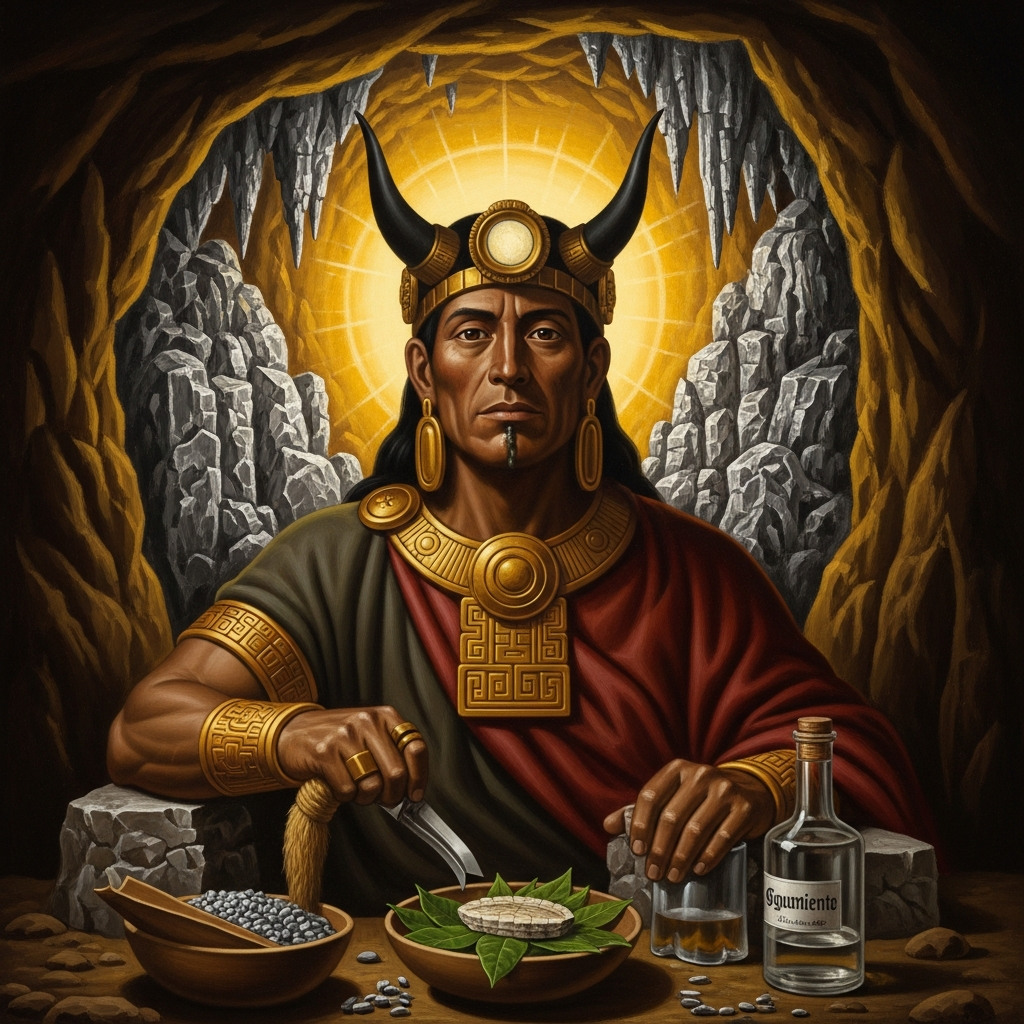
| Supay | Hades / Mictlantecuhtli / (Christianized as Satan) | Greek / Aztec-Maya / Christian | The neutral underworld lord violently reframed by colonizers as a devil; survives as El Tio in Andean mining cults |
| Mama Quilla | Selene / Isis / Ix Chel | Greek / Egyptian / Maya | The lunar goddess paired with a solar god; silver to his gold; structuring a parallel female religious hierarchy |
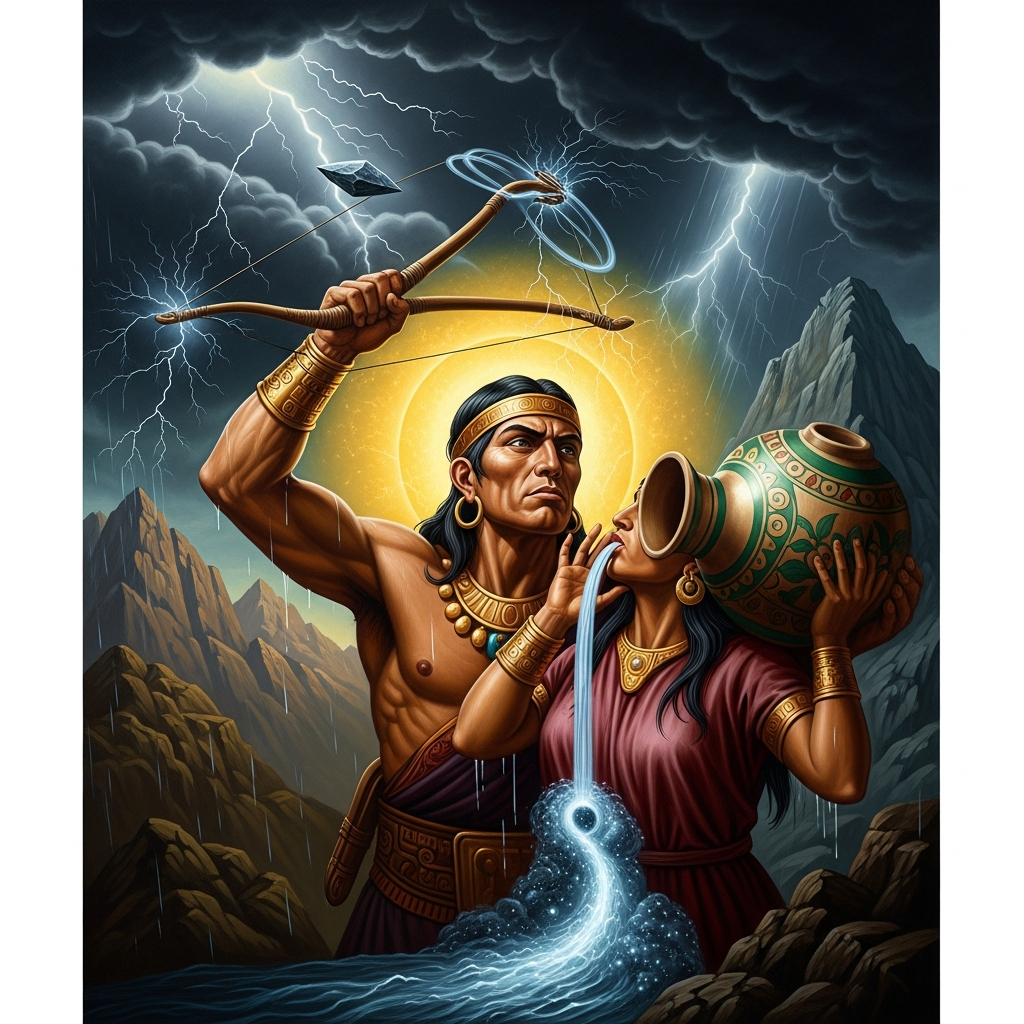
| Illapa | Thor / Indra / Zeus | Norse / Hindu / Greek | The storm god who breaks open the celestial waters; weapon-wielding thunderer (sling rather than hammer/vajra/thunderbolt) |
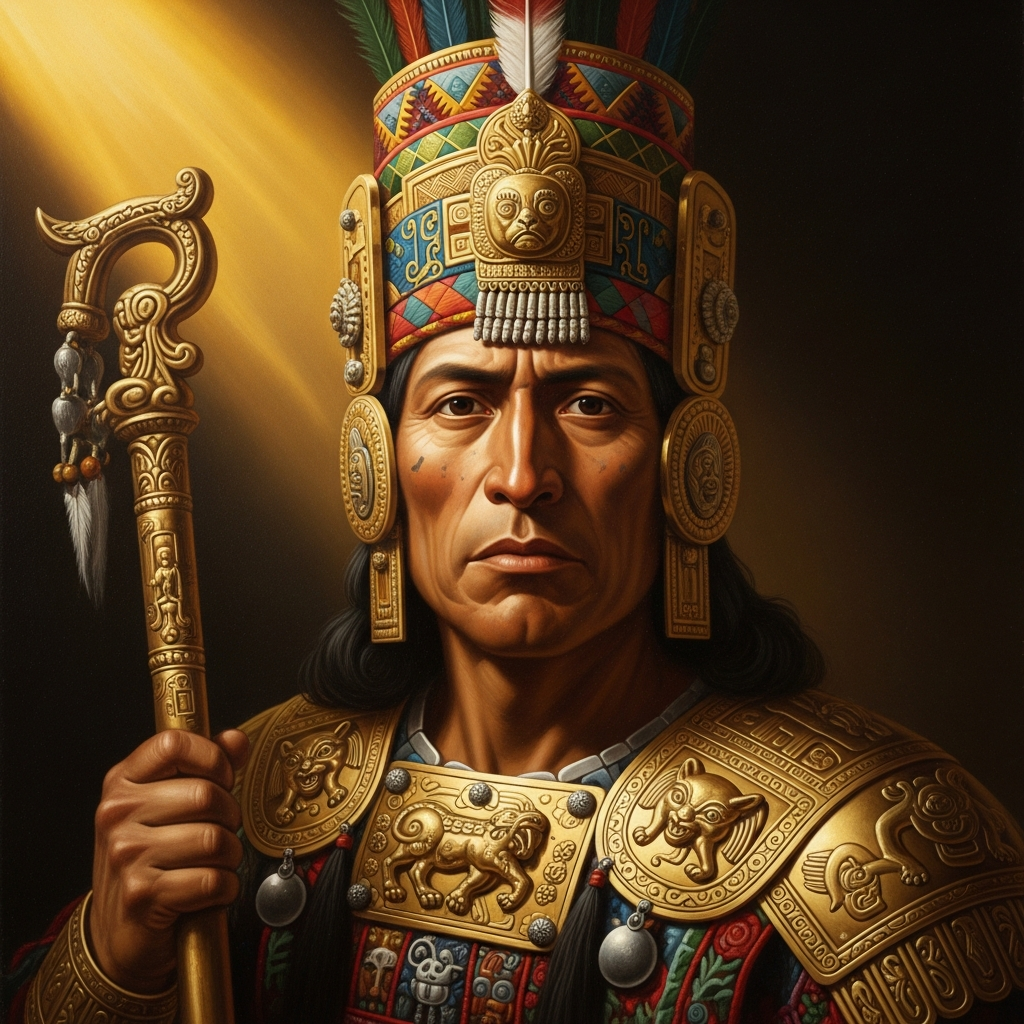
| Manco Capac | Romulus / Aeneas / King Arthur | Roman / Roman / Arthurian | The dynastic founder whose foundation requires the elimination of brothers; legitimated by a divine sign (golden staff sinking into earth) |
| Huacas | Shinto kami / Aboriginal Dreamtime sites / Celtic holy wells | Japanese / Aboriginal / Celtic | Spiritual geography — the sacred concentrated in specific landscape features rather than in temples or doctrines |
| Kon | Stribog / Displaced Titans | Slavic / Greek | The wind god defeated and displaced by a rival creator; turns his lost gifts into permanent geography (fertile coast becomes desert) |
| Pachacamac | Apollo at Delphi / Poseidon | Greek | The oracle-god whose sanctuary served as a politically neutral pilgrimage center; consulted by kings; lost his shrine to iconoclasm |
| Mama Cocha | Chalchiuhtlicue / Tethys / Ran | Aztec-Maya / Greek / Norse | The sea mother who provides fish and governs the hydrological cycle; her material trace is the spondylus shell, the most sacred ritual object in 5,000 years of Andean civilization |
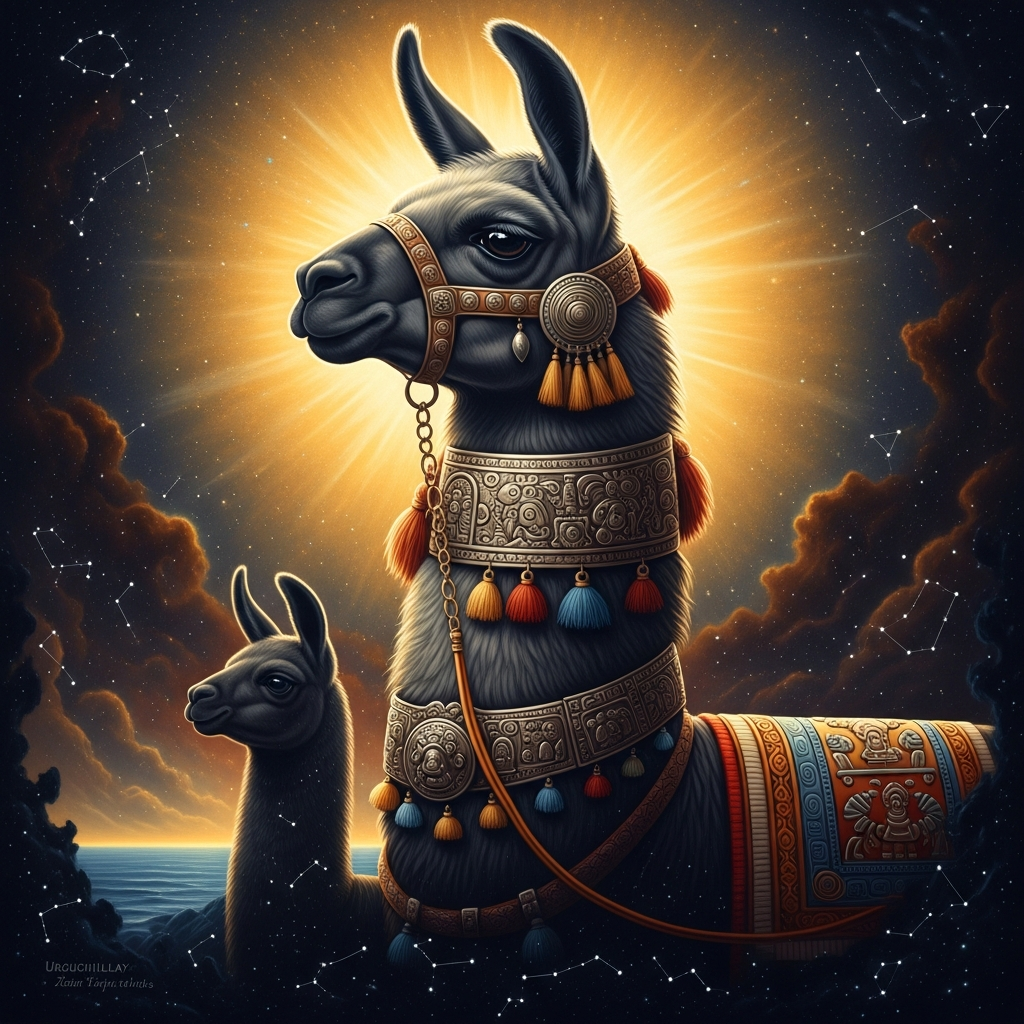
| Urcuchillay | Pan / Freyr / Good Shepherd | Greek / Norse / Christian | The pastoral deity who watches over herding animals; uniquely Andean in being identified with dark cloud constellations rather than points of light |
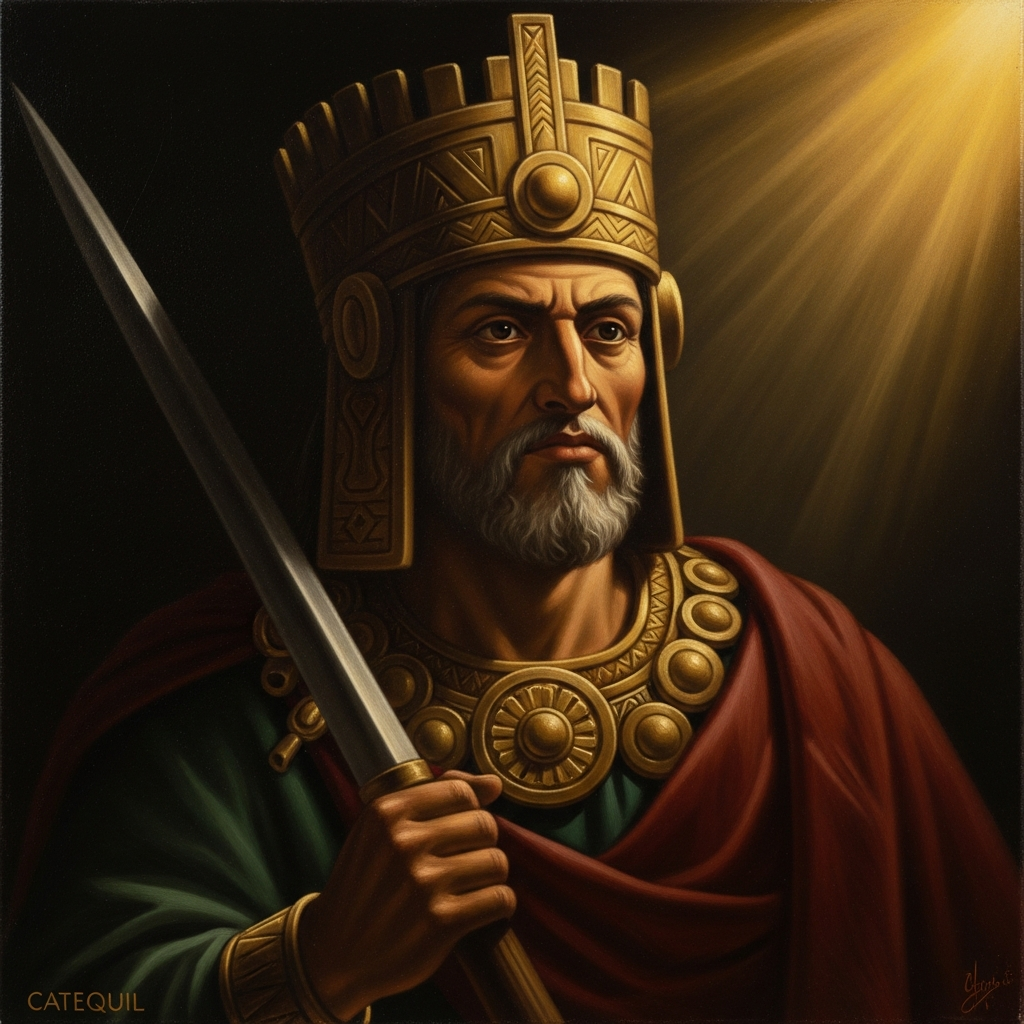
| Catequil | Apollo / Elijah / Quetzalcoatl | Greek / Biblical / Aztec-Maya | The oracular thunder god whose political prophecies threatened the state; destroyed by the authorities he challenged |
| Pariacaca | Marduk / Enki / Zeus | Mesopotamian / Mesopotamian / Greek | The storm god who defeats an older fire deity in a flood-battle; culture hero who brings irrigation as divine gift; judicial deity who punishes failures of hospitality |
Sources & Further Reading
| Source | Focus | Notes |
|---|
| The Huarochiri Manuscript (~1608, ed. Salomon & Urioste, 1991) | Indigenous Quechua account of Andean religion in the Huarochiri region | The single most important indigenous-authored source on pre-Christian Andean religion. Written by an unnamed Andean for an extirpation campaign |
| Cieza de Leon, Pedro. Cronica del Peru (1553) | Earliest comprehensive Spanish chronicle of Andean religion and Inca history | Cieza was a soldier-chronicler who interviewed surviving Inca informants in the 1540s — closer to the conquest than later sources |
| Garcilaso de la Vega, El Inca. Comentarios Reales de los Incas (1609) | Mestizo account of Inca history and religion by the son of an Inca princess and Spanish conquistador | Romanticizes the Inca but preserves invaluable details from his Inca mother’s family traditions |
| Betanzos, Juan de. Suma y Narracion de los Incas (1551) | Early account by a Spaniard married to an Inca princess | Direct access to Inca royal traditions through his wife’s family |
| Sarmiento de Gamboa, Pedro. Historia de los Incas (1572) | Commissioned by Viceroy Toledo to justify the Spanish conquest | Politically motivated but preserves detailed Inca dynastic genealogy |
| Cobo, Bernabe. Historia del Nuevo Mundo (1653) | Comprehensive Jesuit account of Andean religion, geography, and ethnography | Late but encyclopedic; preserves the ceque system and huaca catalog of Cuzco |
| Polo de Ondegardo, Juan. Errores y Supersticiones de los Indios (1559) | Early extirpation-era account of Andean religious practices | Practical handbook for missionaries — describes practices in order to suppress them |
| Arriaga, Pablo Jose de. Extirpacion de la Idolatria del Peru (1621) | Jesuit handbook for the extirpation of Andean religion | Detailed catalog of religious practices targeted for destruction; useful as inverse evidence |
| Urton, Gary. Inca Myths (1999) | Concise scholarly introduction to Inca mythology | Accessible overview of the major narratives and their sources |
| Urton, Gary. At the Crossroads of the Earth and the Sky (1981) | Andean astronomy and cosmology | Connects huacas, ceques, and celestial observation |
| Urton, Gary. The History of a Myth: Pacariqtambo and the Origin of the Inkas (1990) | Critical analysis of the Pacaritambo origin narrative | Argues for historical reality of the cave site |
| Salomon, Frank & George L. Urioste (eds.). The Huarochiri Manuscript (1991) | Critical edition of the Quechua manuscript | Definitive scholarly translation and commentary |
| Silverblatt, Irene. Moon, Sun, and Witches: Gender Ideologies and Class in Inca and Colonial Peru (1987) | Gender and parallel hierarchies in Andean religion | Recovers the female religious system the Spanish chronicles obscured |
| Taussig, Michael. The Devil and Commodity Fetishism in South America (1980) | Anthropological analysis of El Tio and Andean responses to colonial capitalism | Influential reading of Supay/El Tio as resistance theology |
| Nash, June. We Eat the Mines and the Mines Eat Us (1979) | Ethnography of Bolivian tin miners | Foundational study of El Tio cult in working communities |
| Allen, Catherine. The Hold Life Has (2002) | Ethnography of coca, ayllu, and ritual life in modern Andean villages | The best modern ethnographic introduction to lived Andean religion |
| Bastien, Joseph. Mountain of the Condor (1978) | Ethnography of an Andean ayllu organized as the body of a sacred mountain | Demonstrates the continuity of huaca-based spatial theology in modern communities |
| Bauer, Brian. The Sacred Landscape of the Inca: The Cusco Ceque System (1998) | Archaeological reconstruction of the Cuzco ceque system | Maps the huaca network and tests Cobo’s accounts against the ground |
| MacCormack, Sabine. Religion in the Andes: Vision and Imagination in Early Colonial Peru (1991) | Intellectual history of the Spanish encounter with Andean religion | Magisterial study of how the Spanish saw and misrepresented what they encountered |
| Mills, Kenneth. Idolatry and Its Enemies: Colonial Andean Religion and Extirpation, 1640-1750 (1997) | Detailed study of the Spanish extirpation campaigns | Uses trial records to reconstruct surviving Andean religion |
Andean religion is not a museum exhibit. Pachamama receives the ch’alla libation millions of times every day across Bolivia, Peru, Ecuador, northern Argentina, and northern Chile. The paqos and yatiris perform despacho offerings to the apus every week. Inti Raymi draws hundreds of thousands of pilgrims each June 24. The miners of Potosi feed El Tio every Tuesday and Friday. The Bolivian constitution recognizes Pachamama as a legal person. The Virgin of Copacabana is openly understood by her devotees as the same goddess the Spanish thought they had replaced. The huacas were never abolished, only renamed. Mountains became saints, springs became holy wells, ancestor mummies became Catholic relics, and the religion continued in plain sight, wearing the robes the inquisitors handed it. The Spanish thought they had won. They had not.
 LEGENDARY
  LEGENDARY
  MYTHIC
 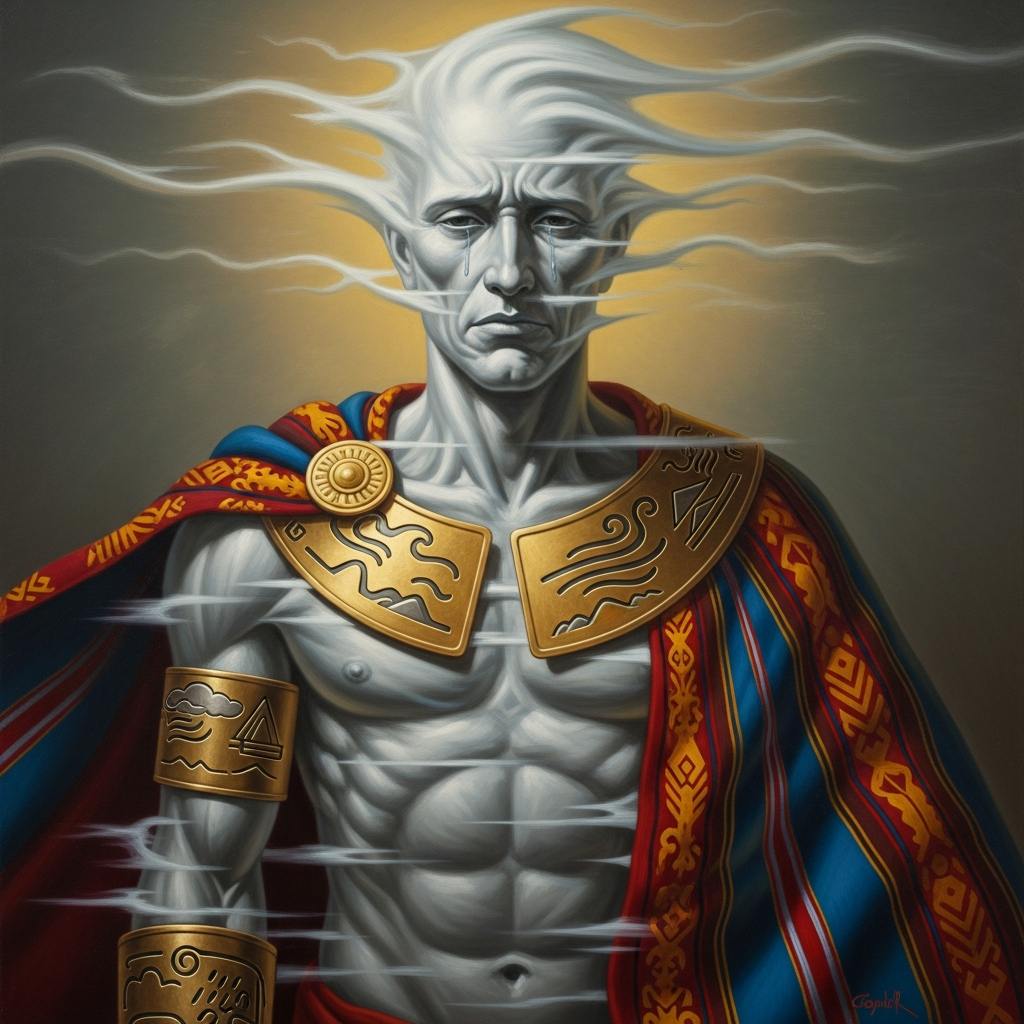 LEGENDARY
 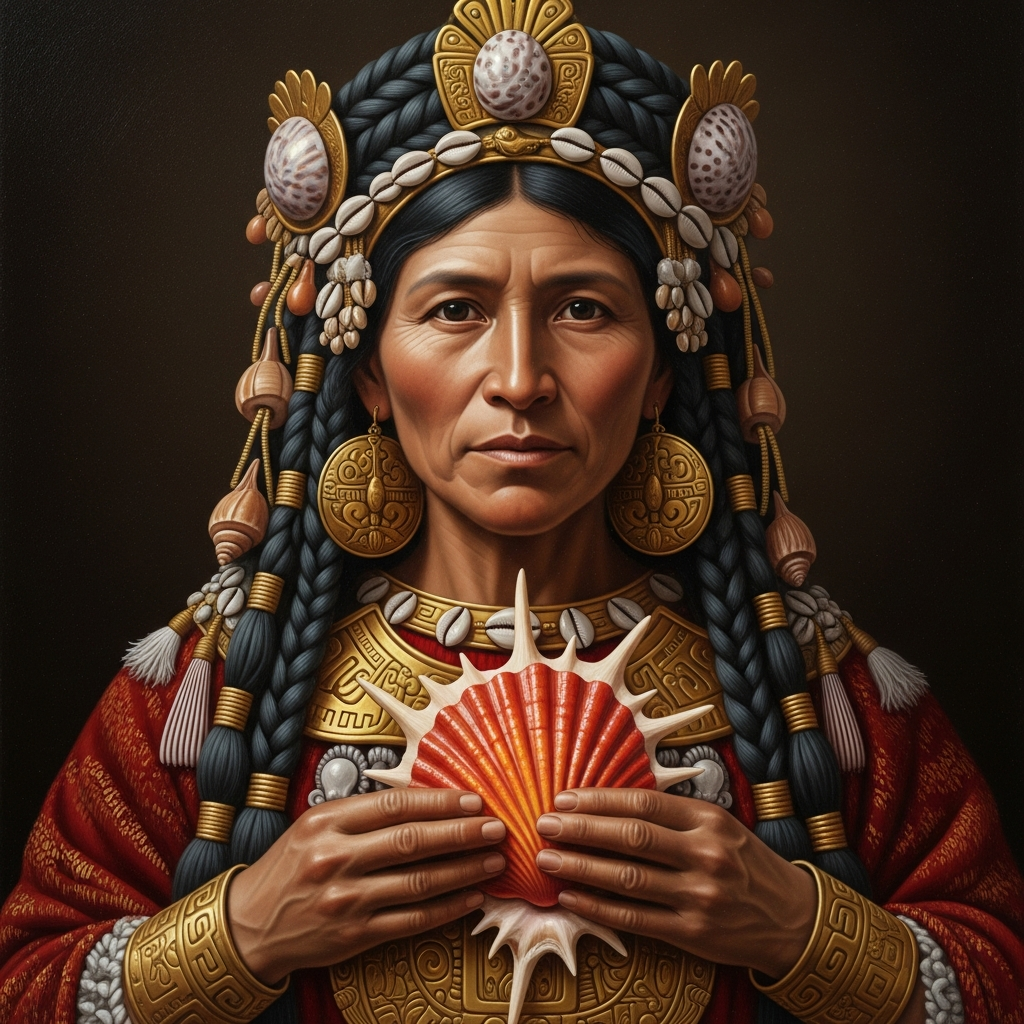 LEGENDARY
 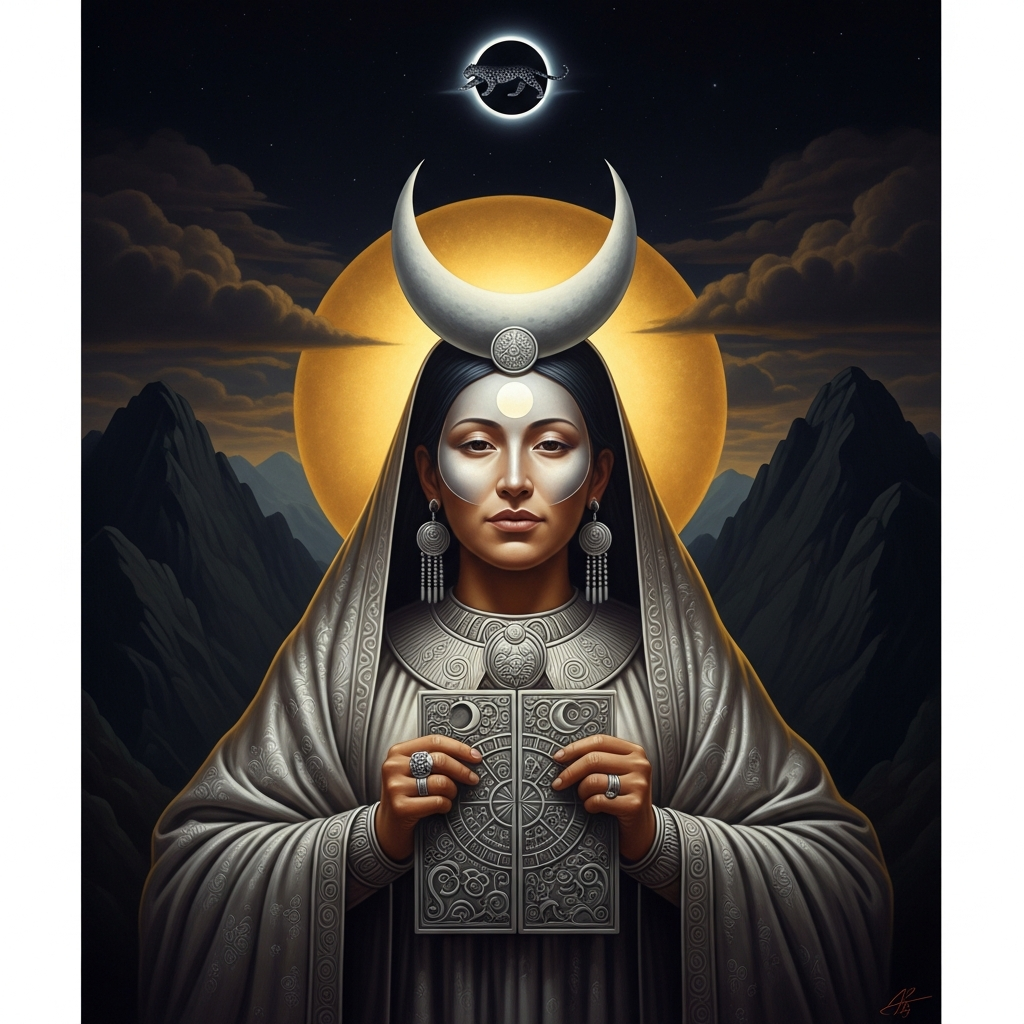 MYTHIC
 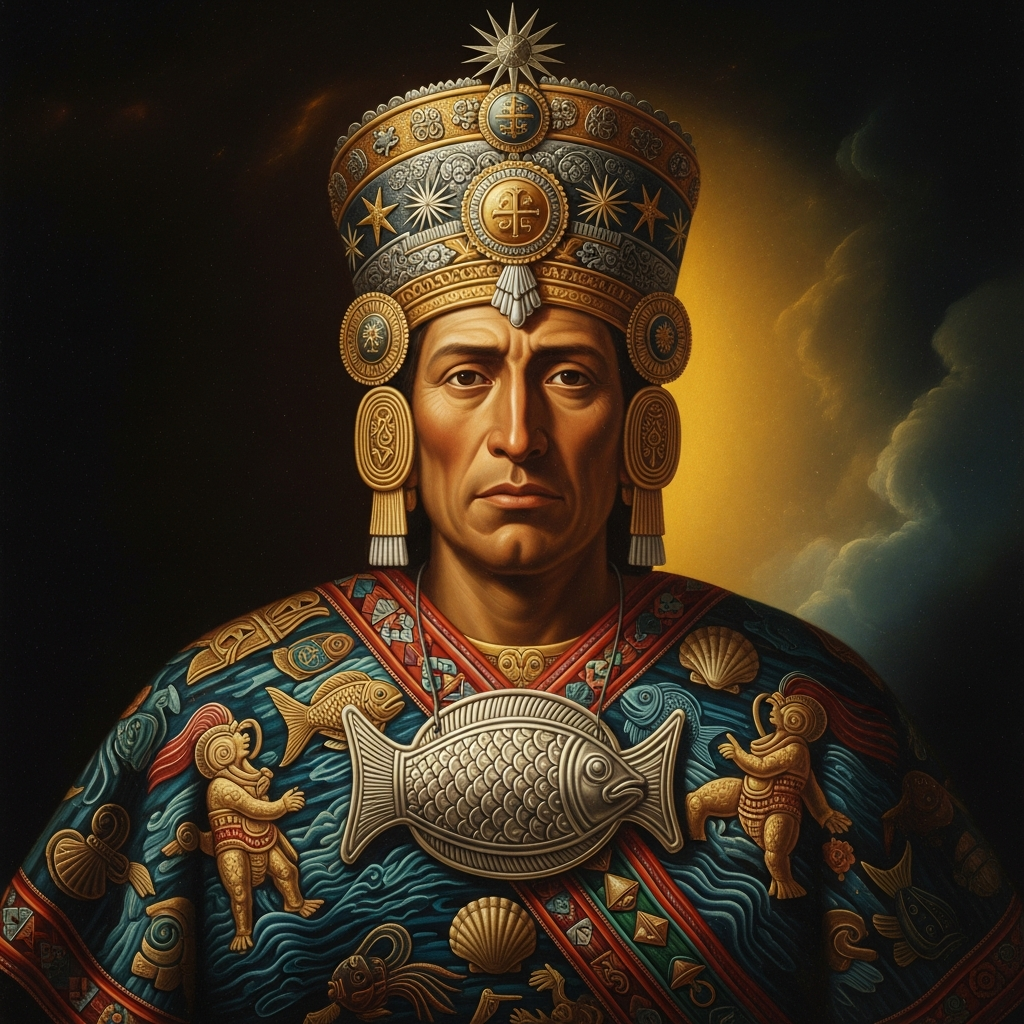 MYTHIC
  LEGENDARY
  LEGENDARY
  LEGENDARY
  LEGENDARY