Combat Profile
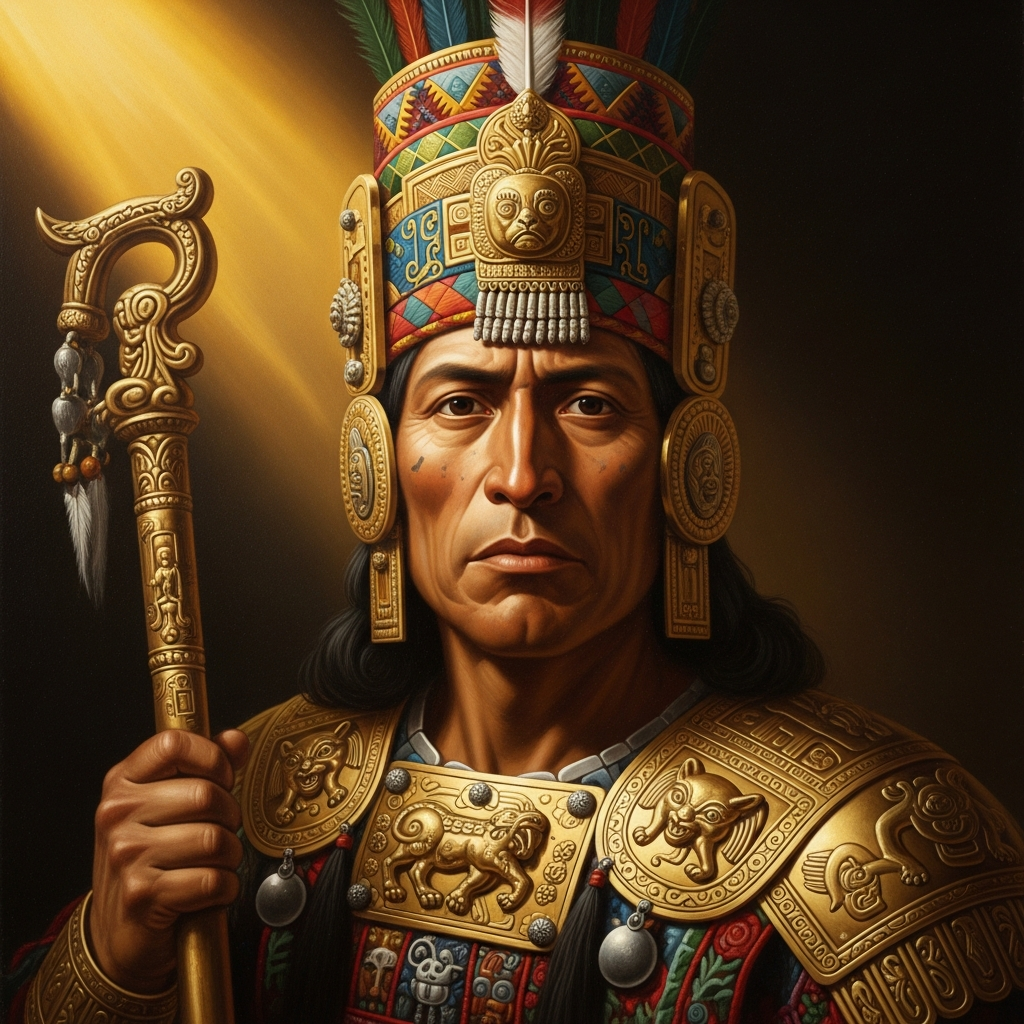
Pachacuti
Viracocha reshapes reality itself, restructuring the cosmic order and civilization of all existence
Creator's Omniscience
Viracocha perceives all that was, is, and shall be, gaining perfect knowledge of any situation
Withdrew from the world after creation -- a remote god, present in everything but rarely intervening directly. Worshipped principally by priests and emperors, distant from common life
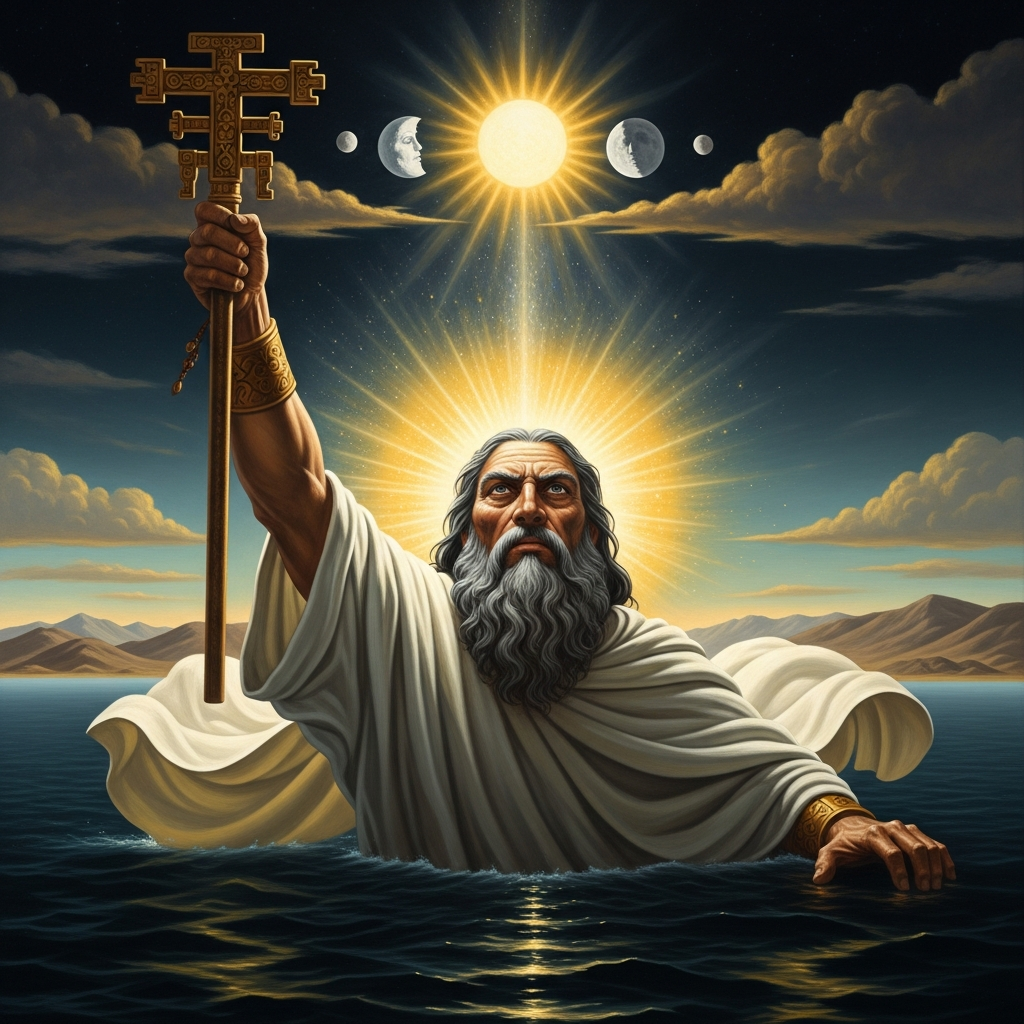
“He came out of the great lake. He fashioned the peoples of every nation from stone, and to each he gave their language and their songs. Then he walked across the sea and was gone.”
Lore: Viracocha (Quechua: Wiraqucha, possibly “sea foam” or “fat of the sea” — the etymology is debated) is the supreme creator god of the Inca pantheon and the deity who most closely approaches monotheistic abstraction in the Andean world. According to the creation narratives recorded by the chroniclers Juan de Betanzos and Pedro Cieza de Leon, Viracocha emerged from Lake Titicaca in a time of total darkness, ascended to the sky, and created the sun, moon, and stars from the lake’s islands — the Island of the Sun (Isla del Sol) and the Island of the Moon (Isla de la Luna) are still pilgrimage sites today. He then descended to Tiwanaku — the great pre-Inca ceremonial center on the Bolivian altiplano — and fashioned the prototypes of humanity from stone, one for each Andean people, breathing into each its proper language, dress, and customs.
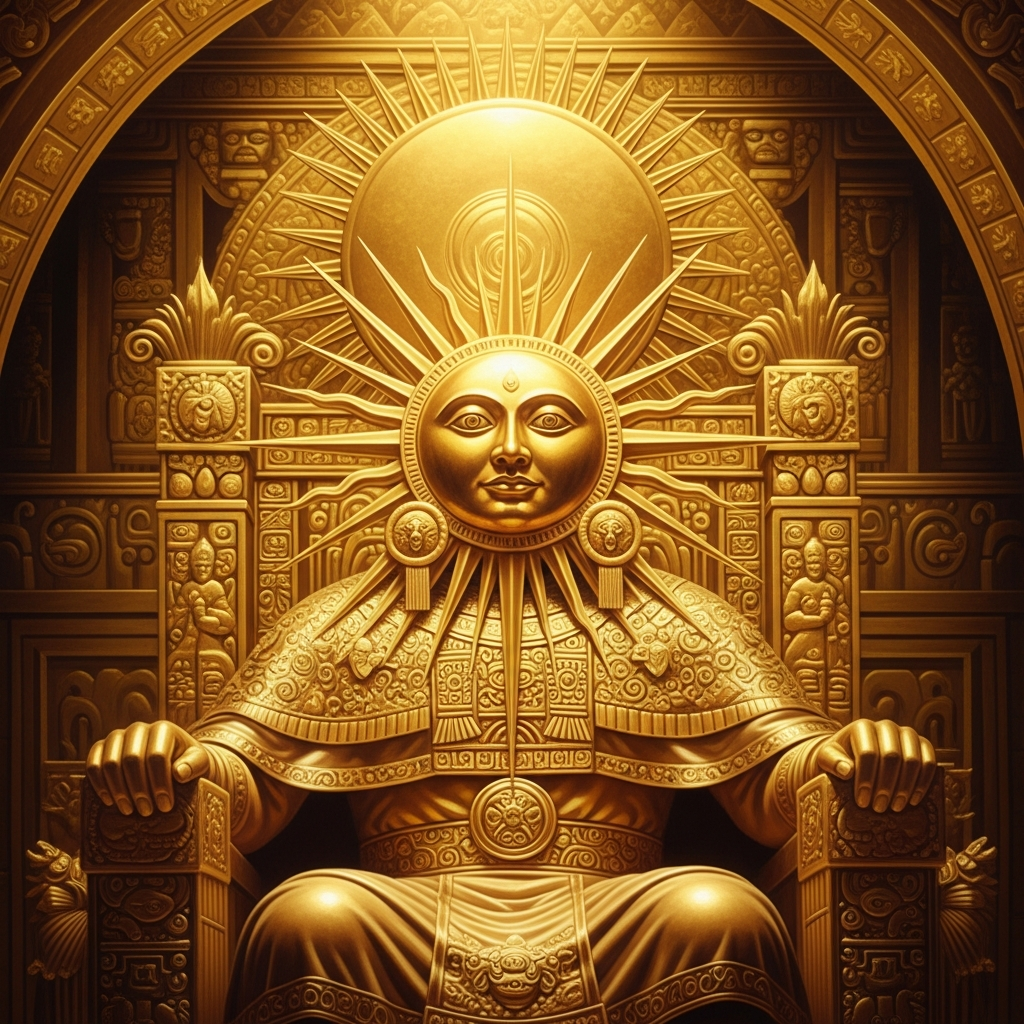
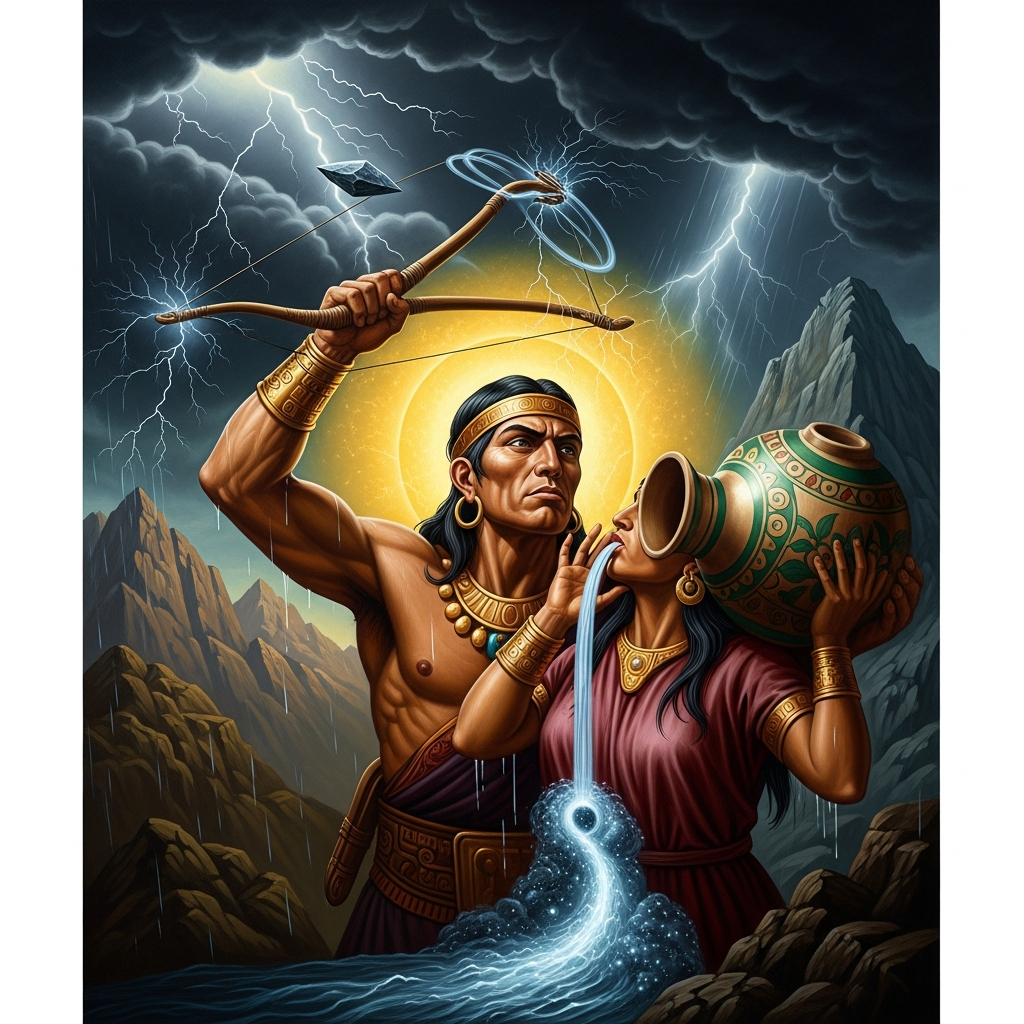
His staff-bearing image at the Gateway of the Sun (Puerta del Sol) at Tiwanaku, dated to perhaps 500-700 CE, is one of the most iconic religious images in the Americas: a frontal figure with sun-rays radiating from his head, holding two staffs that may represent thunderbolts. The same iconography appears far earlier at Chavin de Huantar (~900 BCE), making the Staff God arguably the oldest continuous deity image in South America — nearly two millennia of worship across changing civilizations.
After creating humanity, Viracocha taught them agriculture, language, and civilization, then walked westward across the Pacific Ocean, walking on the water itself, and disappeared. Like Quetzalcoatl in Mesoamerica, he promised (or was prophesied) to return. When Pizarro’s bearded white-skinned soldiers arrived from across the western sea, some Andeans — and certainly the Spanish chroniclers eager to provide divine justification for the conquest — read the arrival through the lens of Viracocha’s return. The Spanish were called viracochas well into the colonial period, and the term survives in Andean Spanish as a slightly ironic word for “white man” or “gentleman.”
The theological character of Viracocha is unusually abstract for a New World deity. The Inca emperor Pachacuti, who consolidated the empire in the 15th century, is recorded as having promoted Viracocha worship at the expense of the more popular Inti (sun) cult, possibly because he found in Viracocha a unifying high-god concept appropriate for an empire of dozens of subjugated peoples each with their own local gods. The Coricancha (Golden Enclosure) at Cuzco, the empire’s most sacred temple, contained shrines to Viracocha alongside the more famous gold-plated chambers of the sun.
Parallel: The creator god who withdraws after creation is found across world traditions: the Yoruba Olodumare is the supreme remote creator who delegates the world’s affairs to the orisha and rarely receives direct worship; the Greek Ouranos is overthrown by his children and recedes into the background; the Hindu Brahma, despite being the creator, has only one major temple in all of India because cosmic activity has passed to Vishnu and Shiva. The deus otiosus (“idle god”) pattern is one of the most widespread features of world religion. Viracocha’s emergence from primordial waters parallels the Egyptian Atum rising from the Nun, and his westward departure across the sea promising return resonates powerfully with Aztec-Maya Quetzalcoatl, Christian Christ ascending and promising return, and Arthurian Arthur passing to Avalon.
3 min read
None -- he is the source from which everything else proceeds
Cieza de Leon, *Cronica del Peru* (1553); Garcilaso de la Vega, *Comentarios Reales* (1609); Betanzos, *Suma y Narracion de los Incas* (1551); Urton, *Inca Myths*