The Story
Inuit religion is not a religion of temples, priests, or written scripture. It is a religion of relationship — a vast, unbroken covenant between human hunters and the spirits of everything they need to survive: the sea, the animals, the wind, the dead. Across an arc of territory stretching from Siberia through Alaska, Canada, and Greenland, the Inuit (and related Yupik and Iñupiat peoples) developed one of the most coherent and demanding spiritual systems in human history — one where the cost of a broken taboo was not divine punishment but starvation.
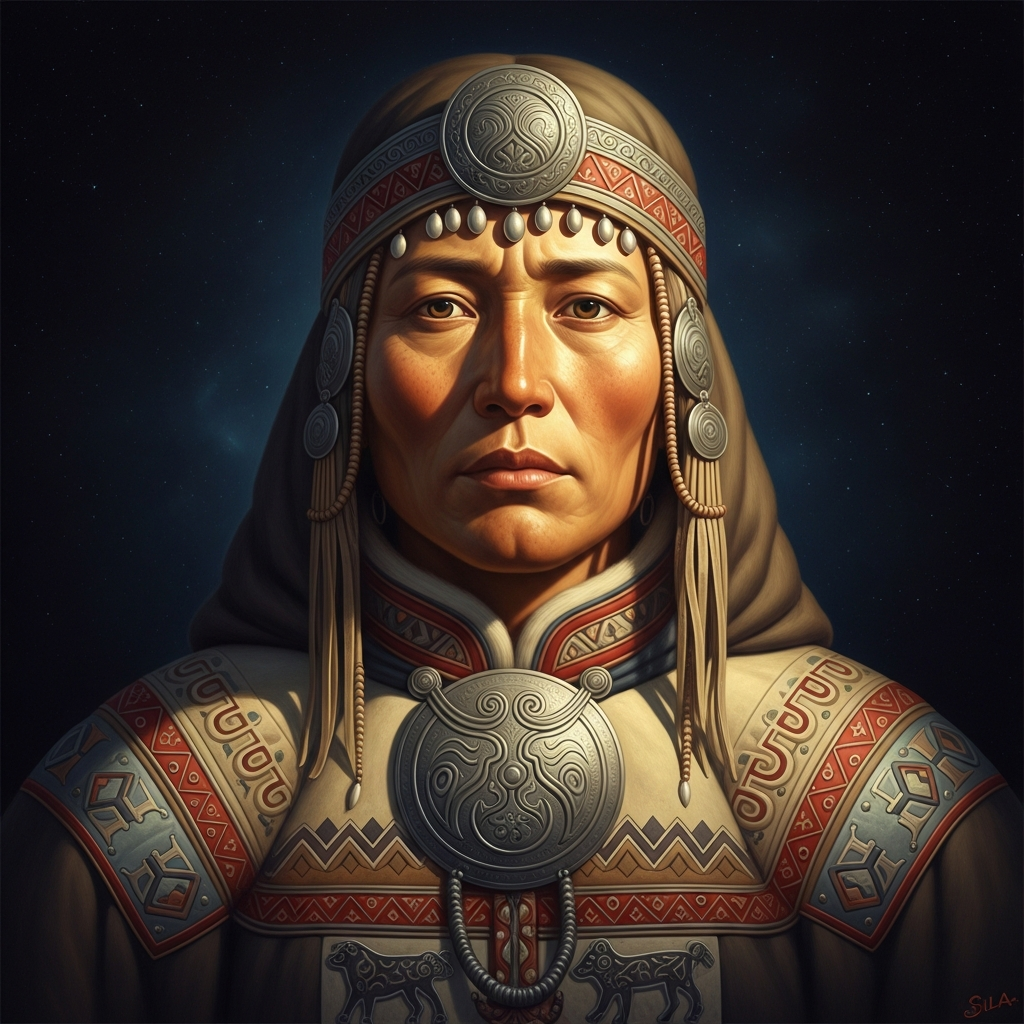
The animating premise is simple and radical: everything has a sila — a spirit, an awareness, a will. The seal you kill has a soul. The wind has intelligence. The moon is a person who watches you. This is not metaphor. The hunter who treats an animal’s remains carelessly is not rude; he is dangerous — he poisons the relationship between humans and animals that keeps the village alive. The spiritual system is an ecological ethics encoded as cosmology.
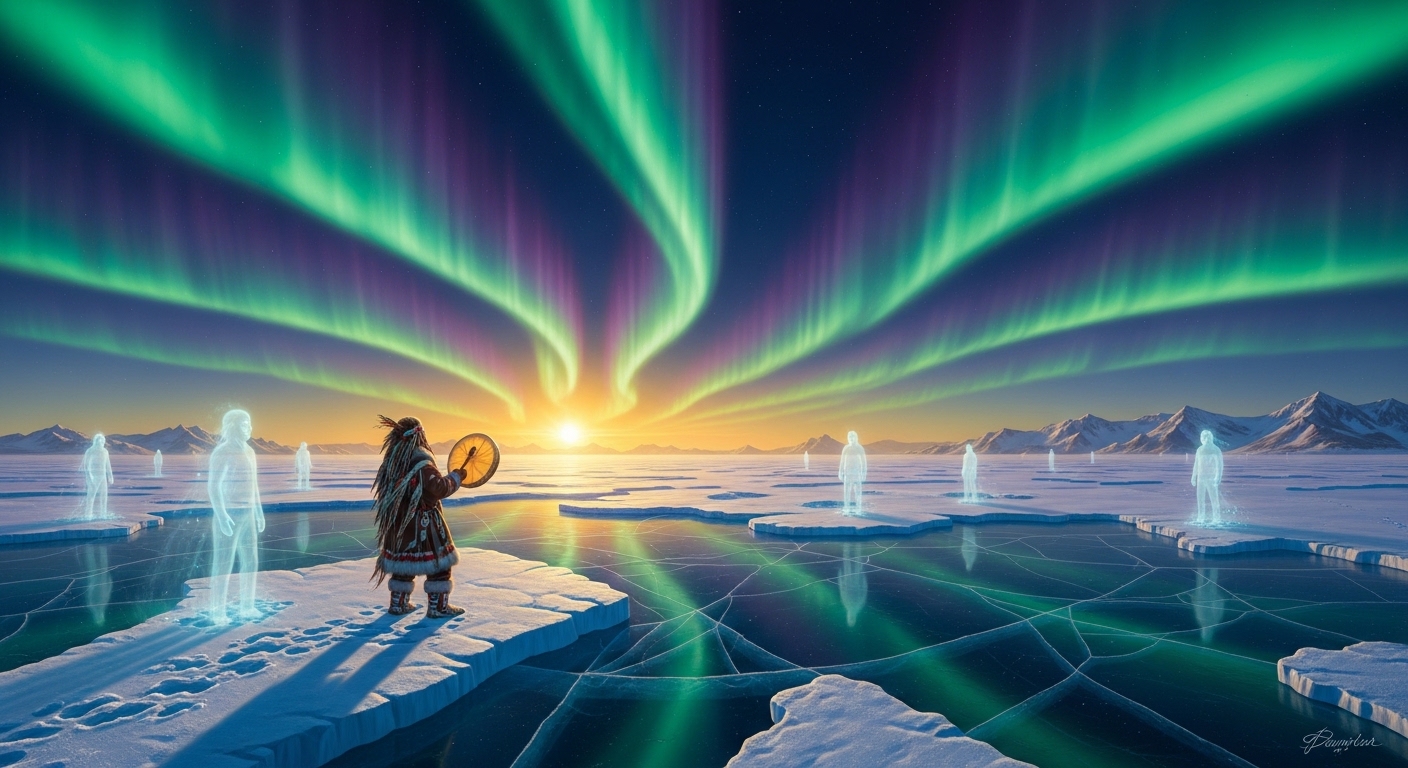
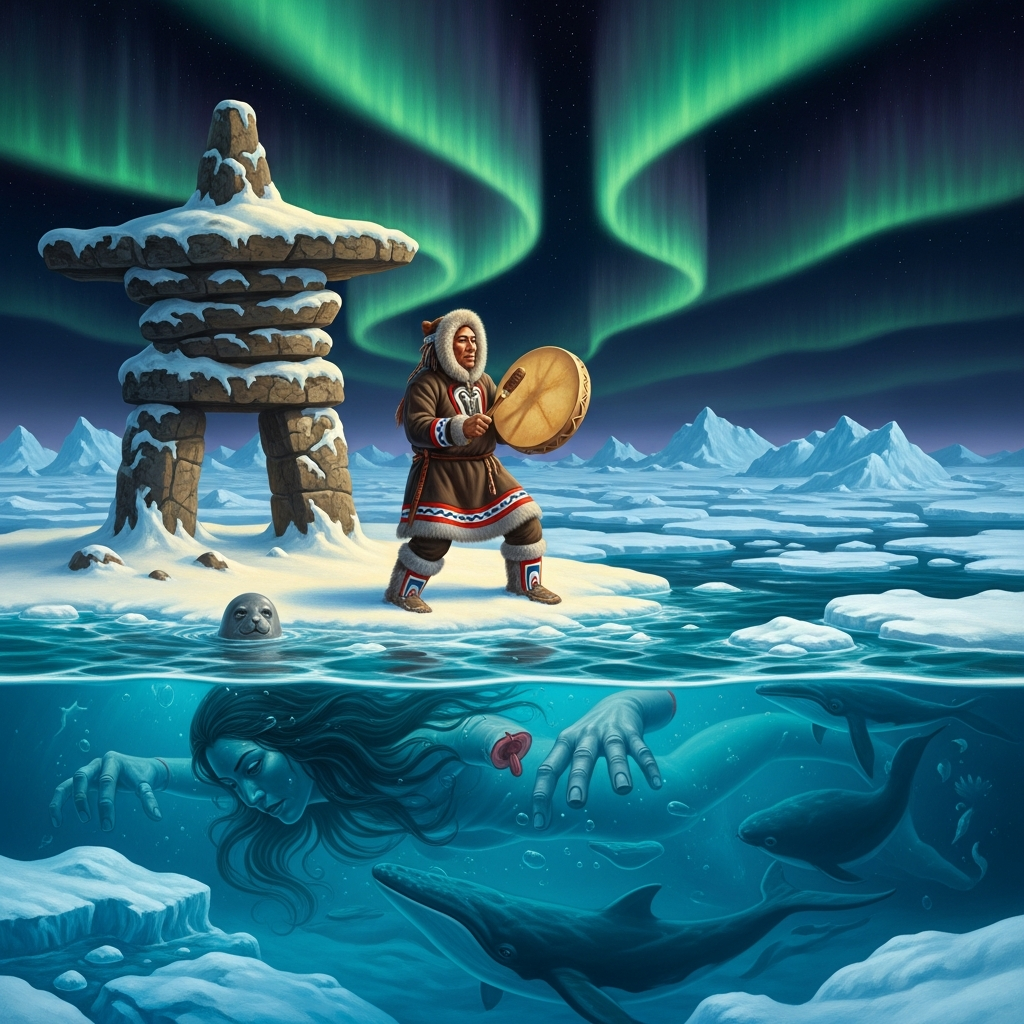
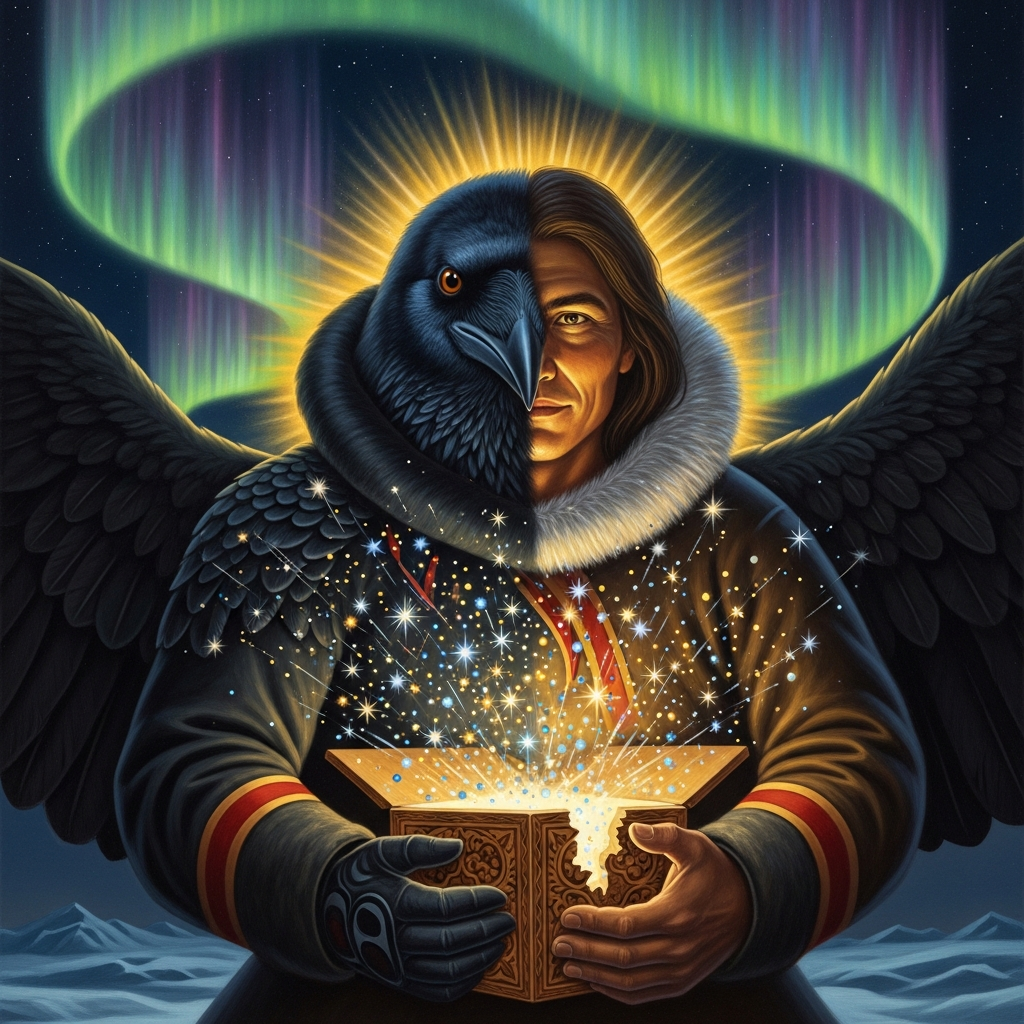
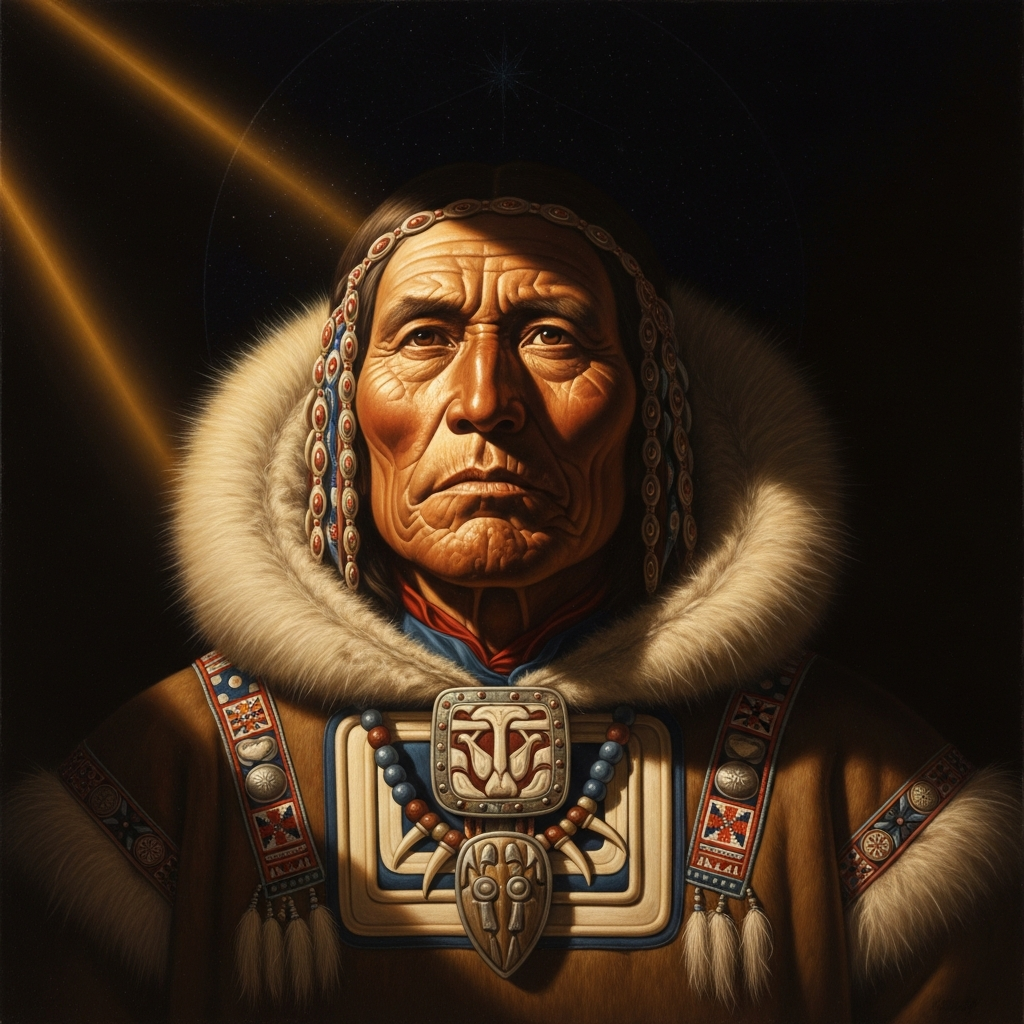
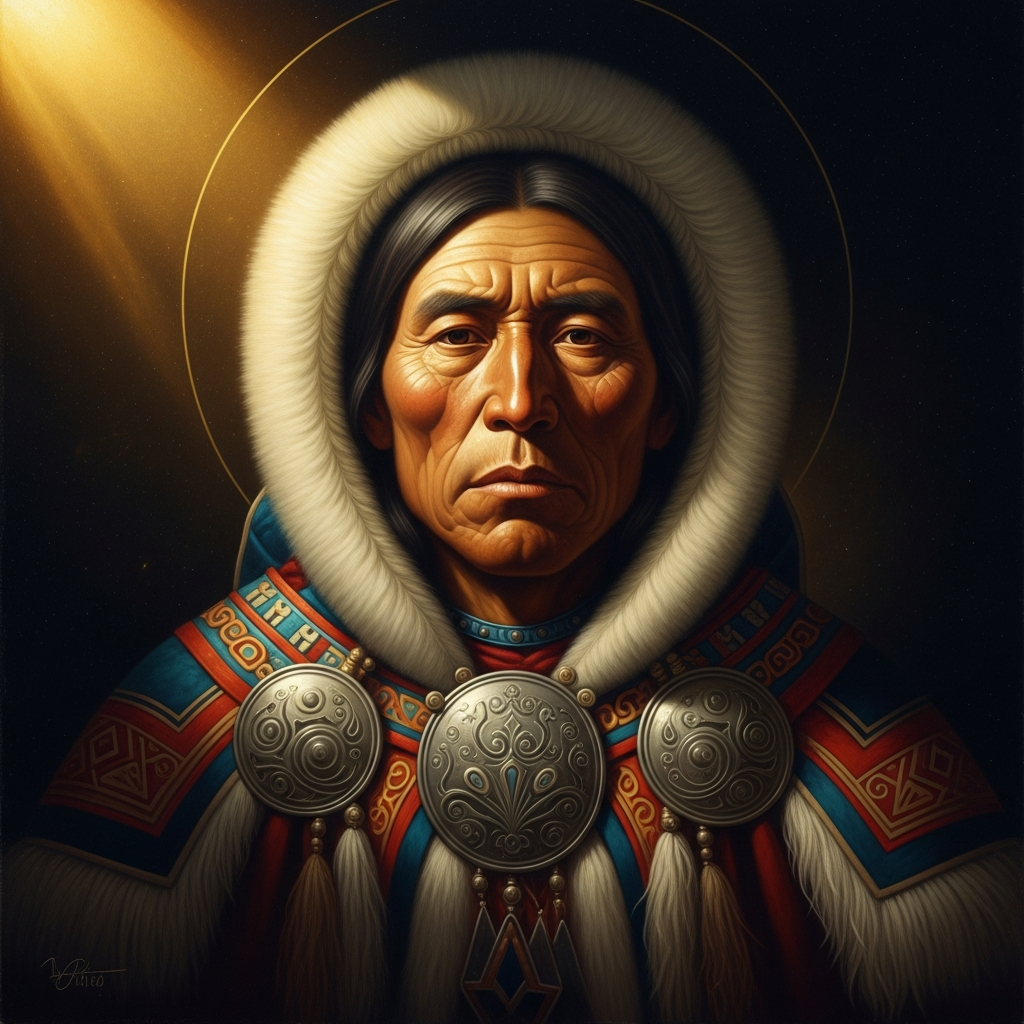
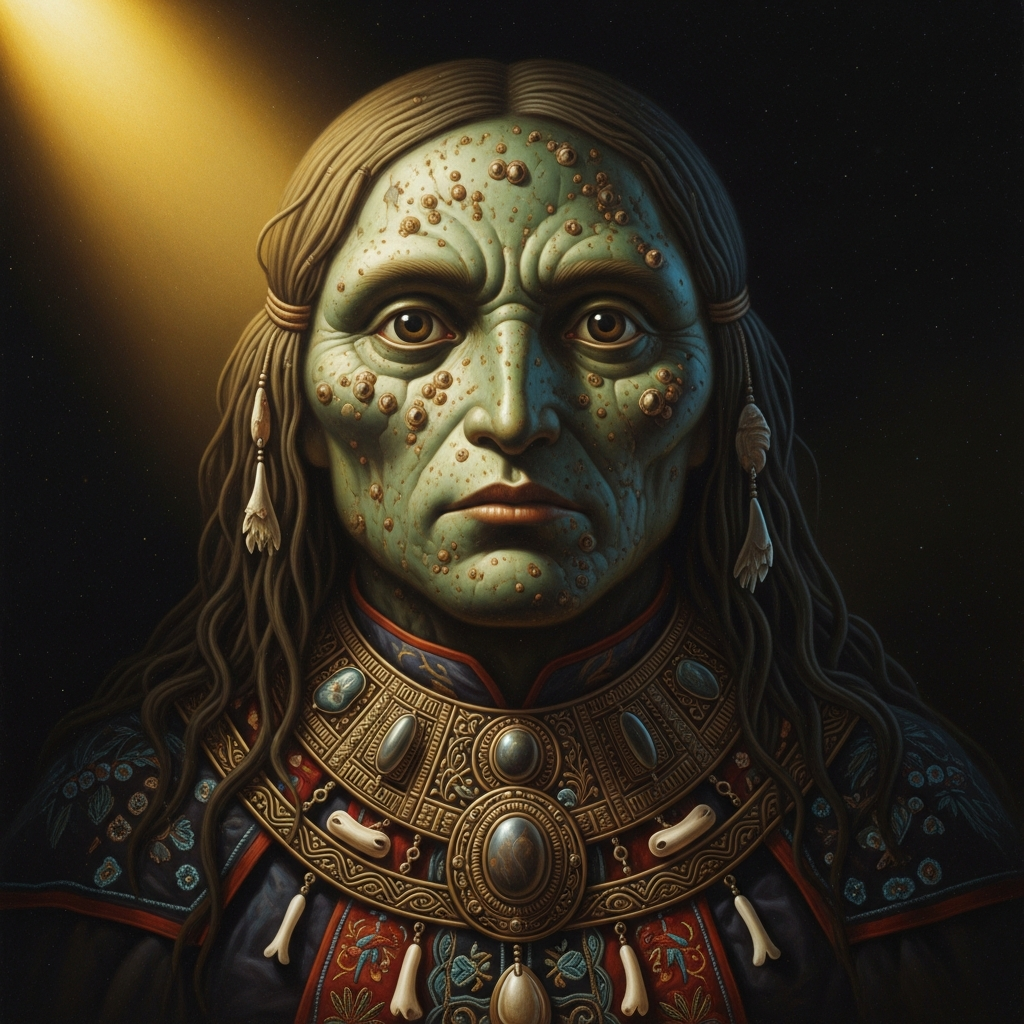
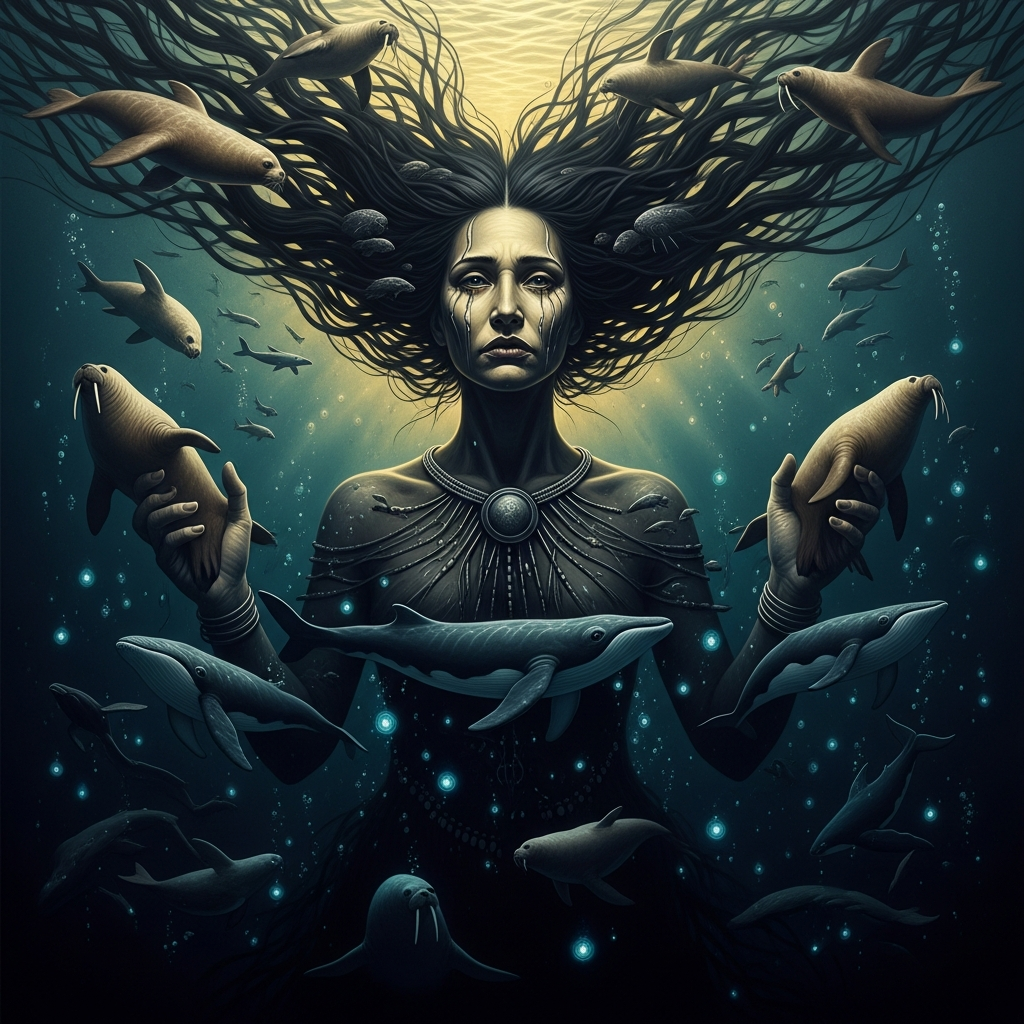
At the center of this system stands the angakkuq — the shaman. Where other traditions built temples, the Inuit built shamans: specialists in spirit travel, negotiation, and the repair of broken relationships. The angakkuq enters trance, descends to the ocean floor to comb the tangled hair of Sedna, ascends to speak with the moon deity, returns with information about where the animals have gone and why. The shaman is not a priest offering prayers; the shaman is a diplomat conducting negotiations in a world where the other parties have teeth.
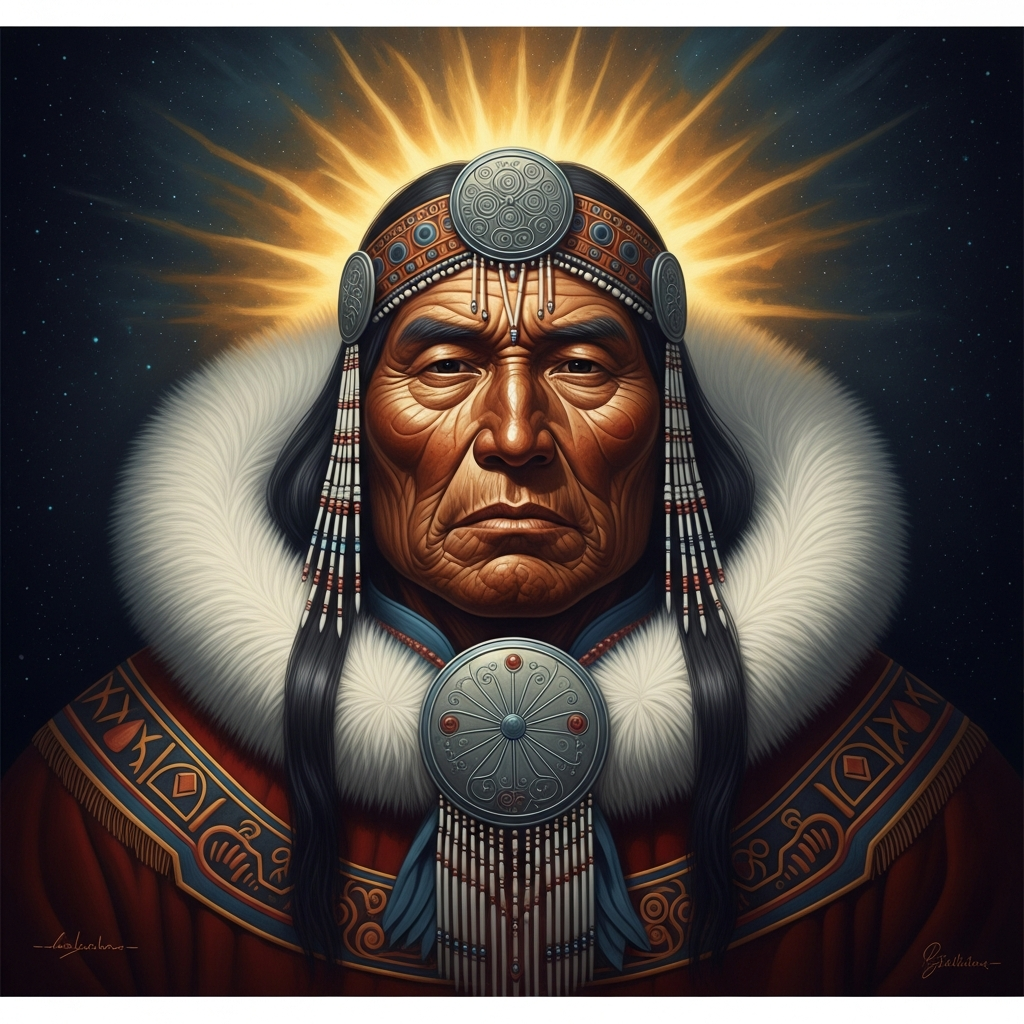
The great figures of Inuit mythology are not gods in the Olympian sense — remote, immortal, and separate from the human world. They are powers woven into the fabric of an environment that kills indifferently. Sedna is the ocean. Sila is the breath of the world. Nanook is the bear you must always respect. The calendar is a theology. The hunt is a ritual.
This is a living tradition. Contemporary Inuit communities across the Arctic maintain connections to these stories, ceremonies, and spiritual practices — often in creative dialogue with Christianity introduced during the colonial period. The entities described here are drawn from recorded oral traditions and ethnographic literature; they should be understood as part of a living culture, not a dead mythology.
Key Sources
- The Intellectual Culture of the Iglulik Eskimos (1929) — Knud Rasmussen
- Eskimo (1959) — Peter Freuchen
- Never in Anger (1970) — Jean Briggs
- Isuma: Inuit Studies — ongoing journal (University of Ottawa)
- Inuit: Glimpses of an Arctic Past (1993) — David Morrison & Georges-Hébert Germain
- When the World Was New: Stories of the Sahtúot’ı̨nę Dene — comparative oral tradition