Combat Profile
Spirit Flight
temporarily traverse the spirit realm to commune with animal guides and ancestral forces
Shamanic Sight
perceive spiritual presences and hidden truths invisible to ordinary mortals
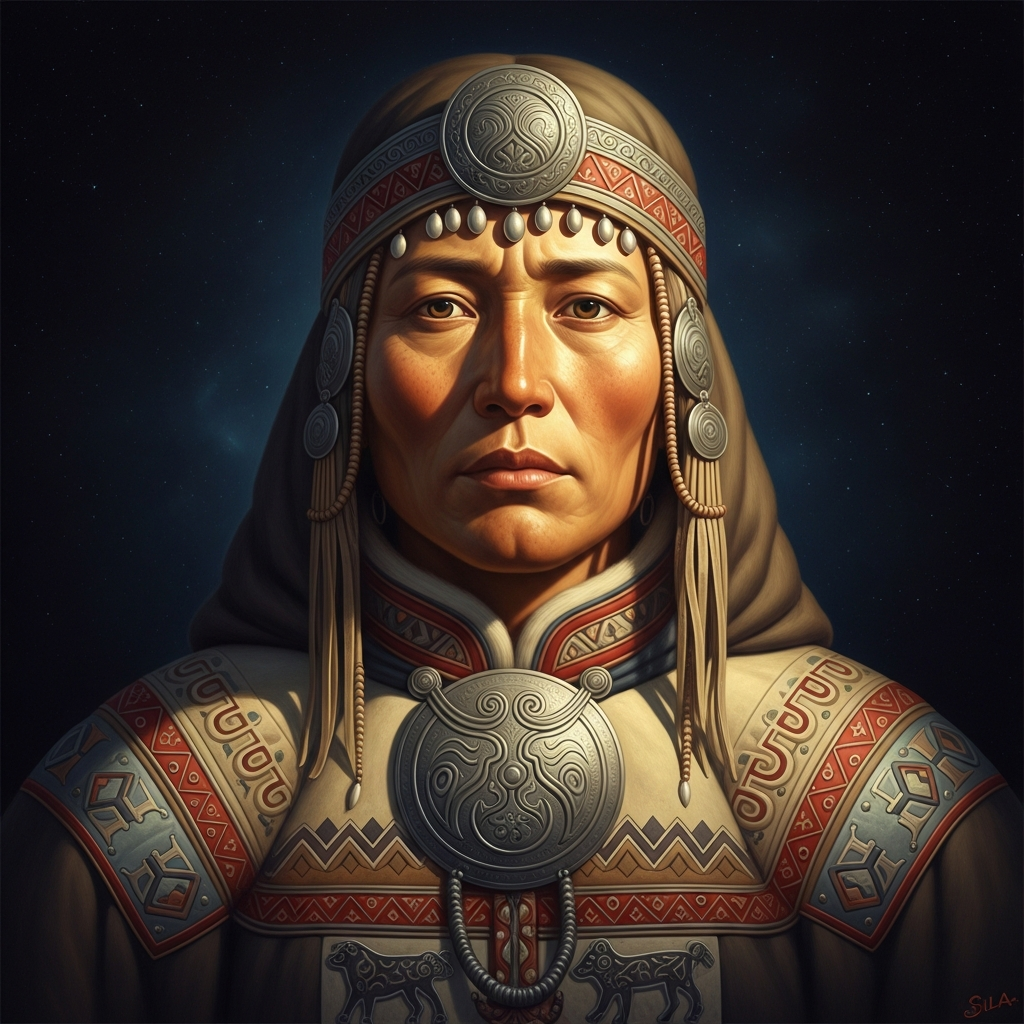
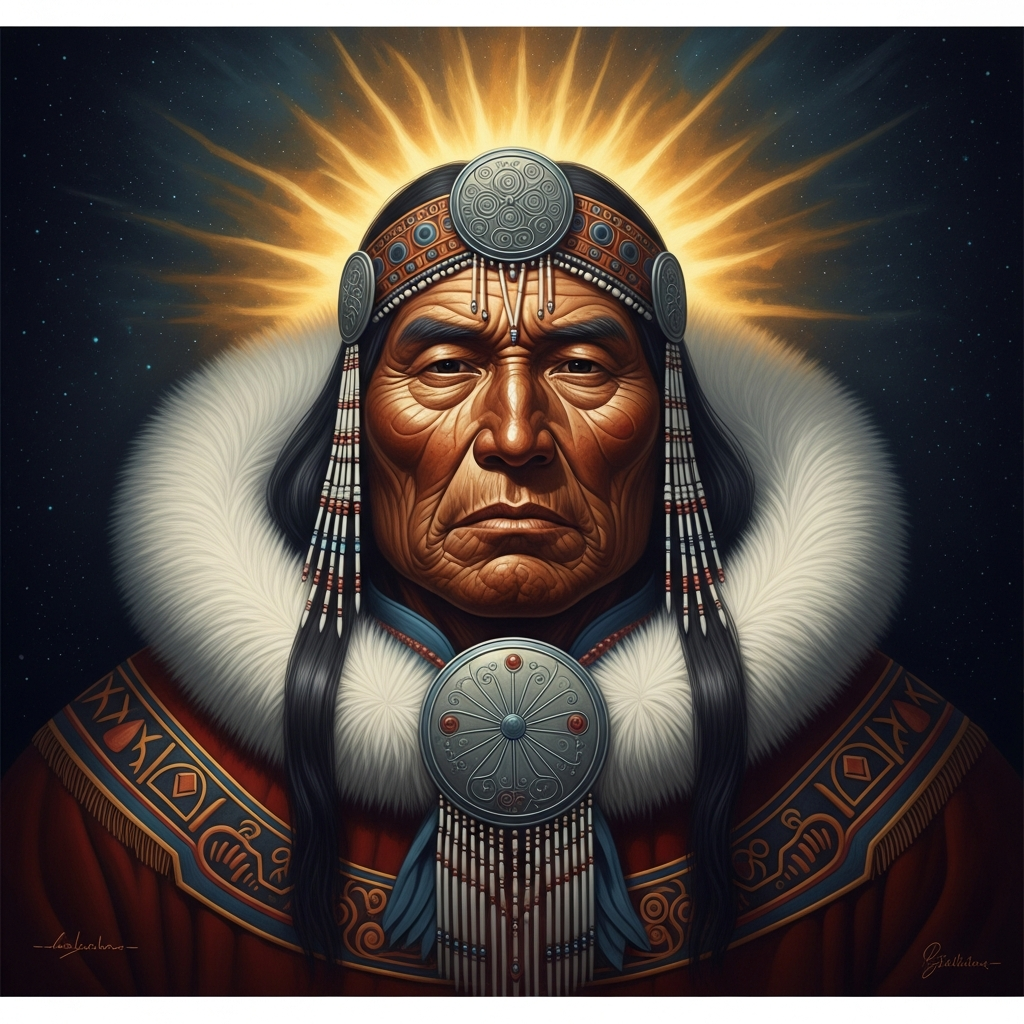
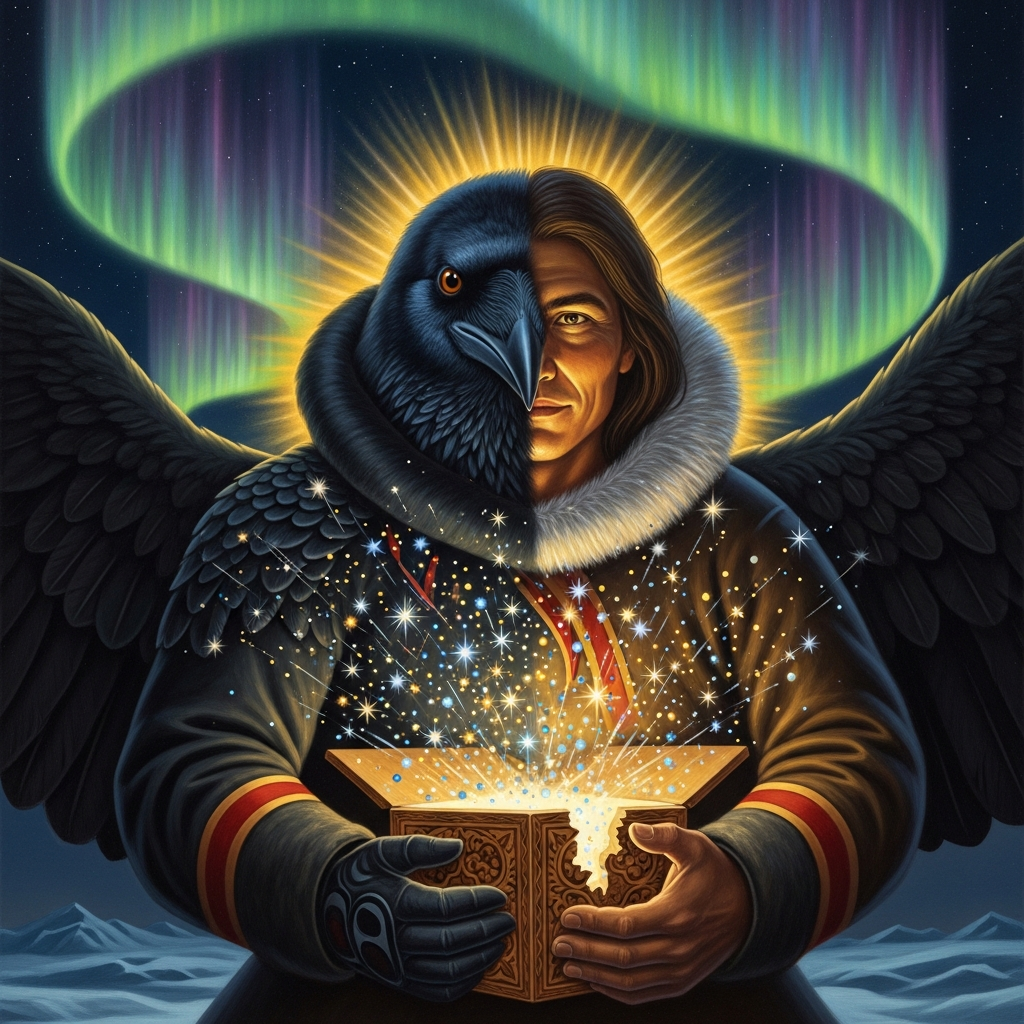
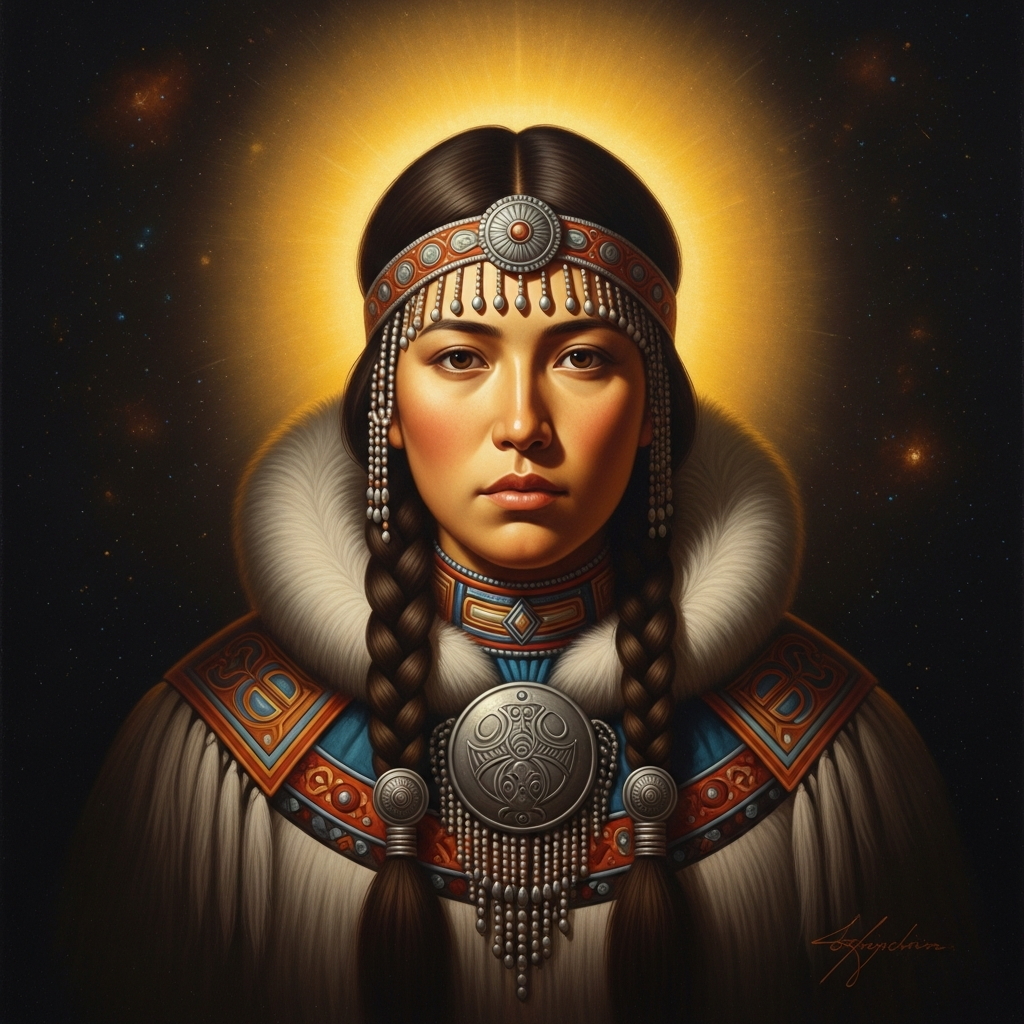
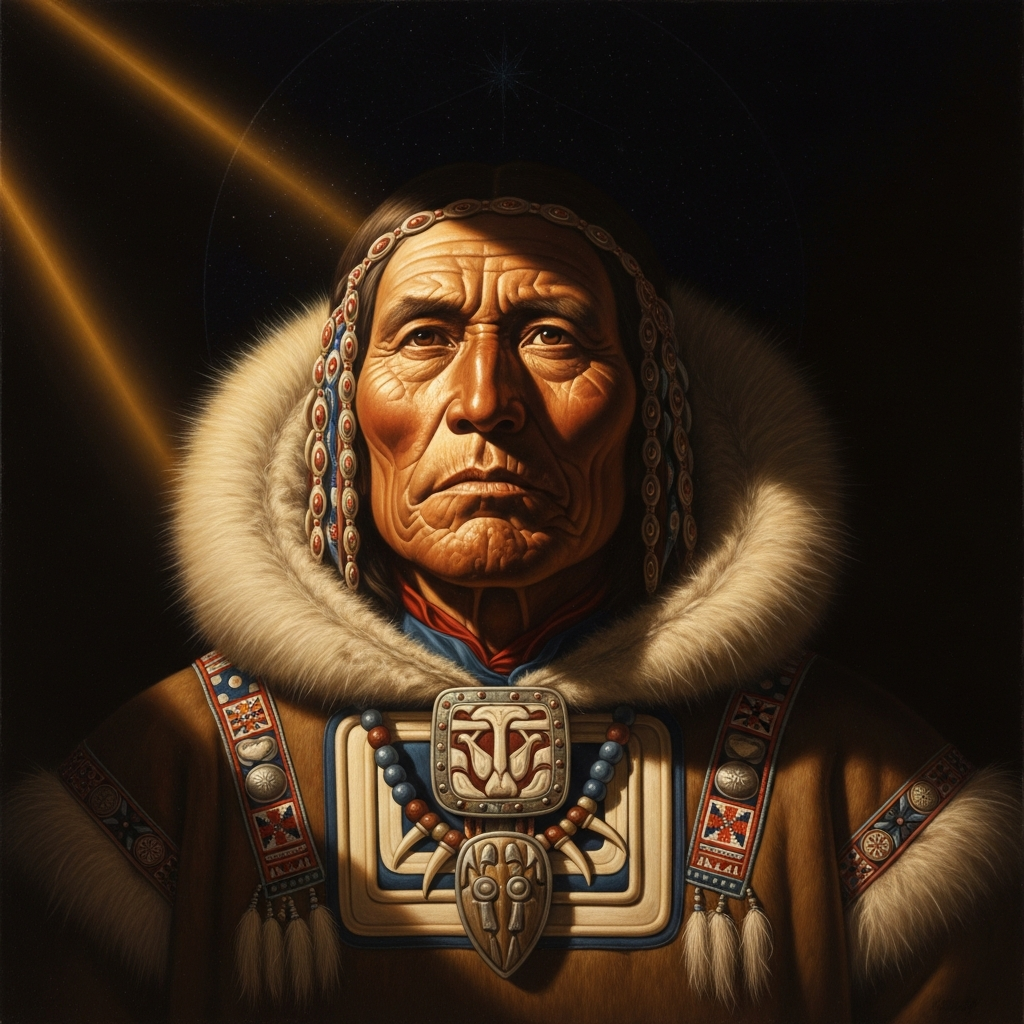
Shaman-Figure | Inuit
Not a single deity but the shaman-figure of Inuit tradition; the one who enters trance to visit Sedna, negotiate with spirits, and restore the flow of animals to the hunters. The angakkuq is chosen by the spirits — often through a near-death experience or a vision — not by social inheritance. The role is a burden and a calling: the community’s survival depends on the shaman’s ability to navigate the spirit world.
Parallels: Siberian shamans (cross-cultural archetype), Moses (intercessor between people and divine), merkavah mystics (Jewish trance ascent), the Oracle at Delphi (mediator between divine and human) See also: Sedna, Sila, Raven
1 min read