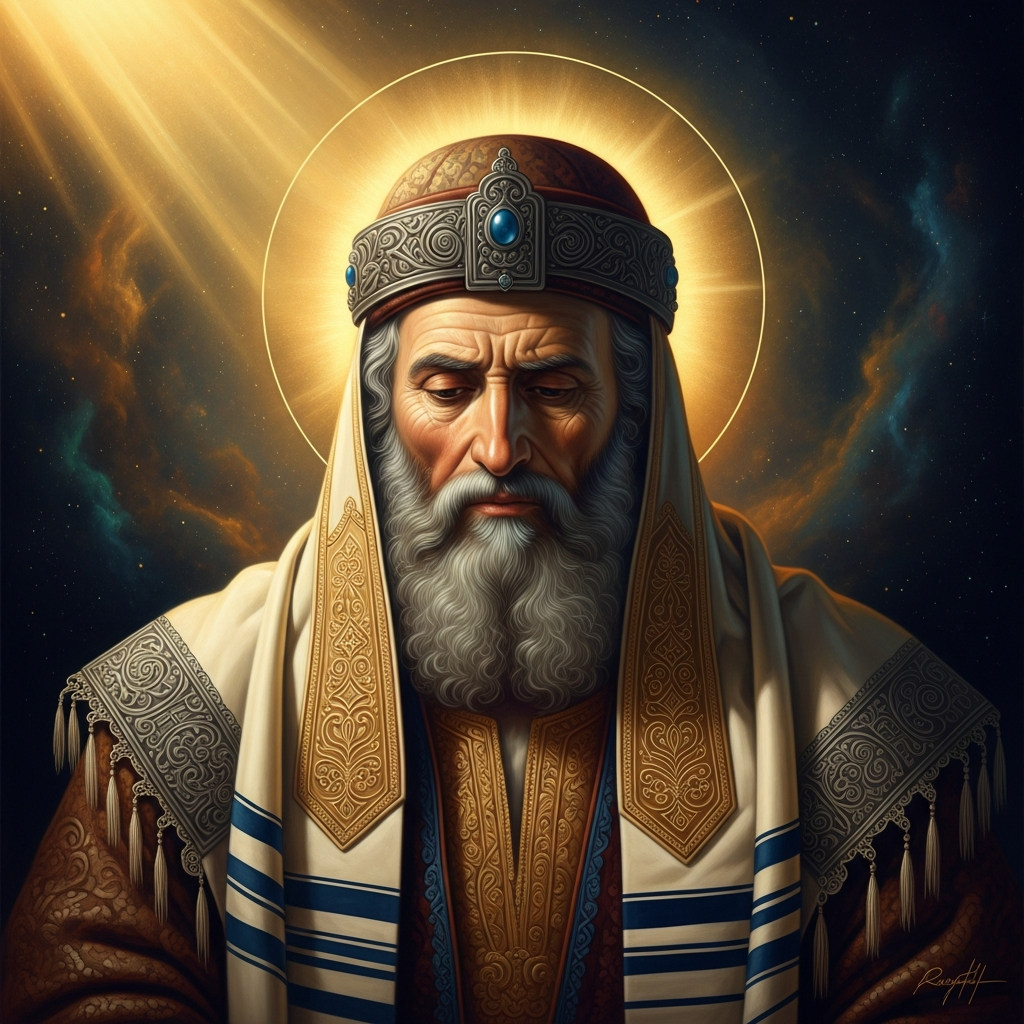
Combat Profile
Peshat Illumination
reveals the plain, direct meaning of sacred text, cutting through obscurity to grant mortals clear understanding of divine instruction
Endless Commentary
continuously generates scholarly insights and interpretive frameworks that preserve and transmit Torah wisdom across generations
His era's Crusader violence killed three of his daughters' husbands and devastated Rhineland Jewry
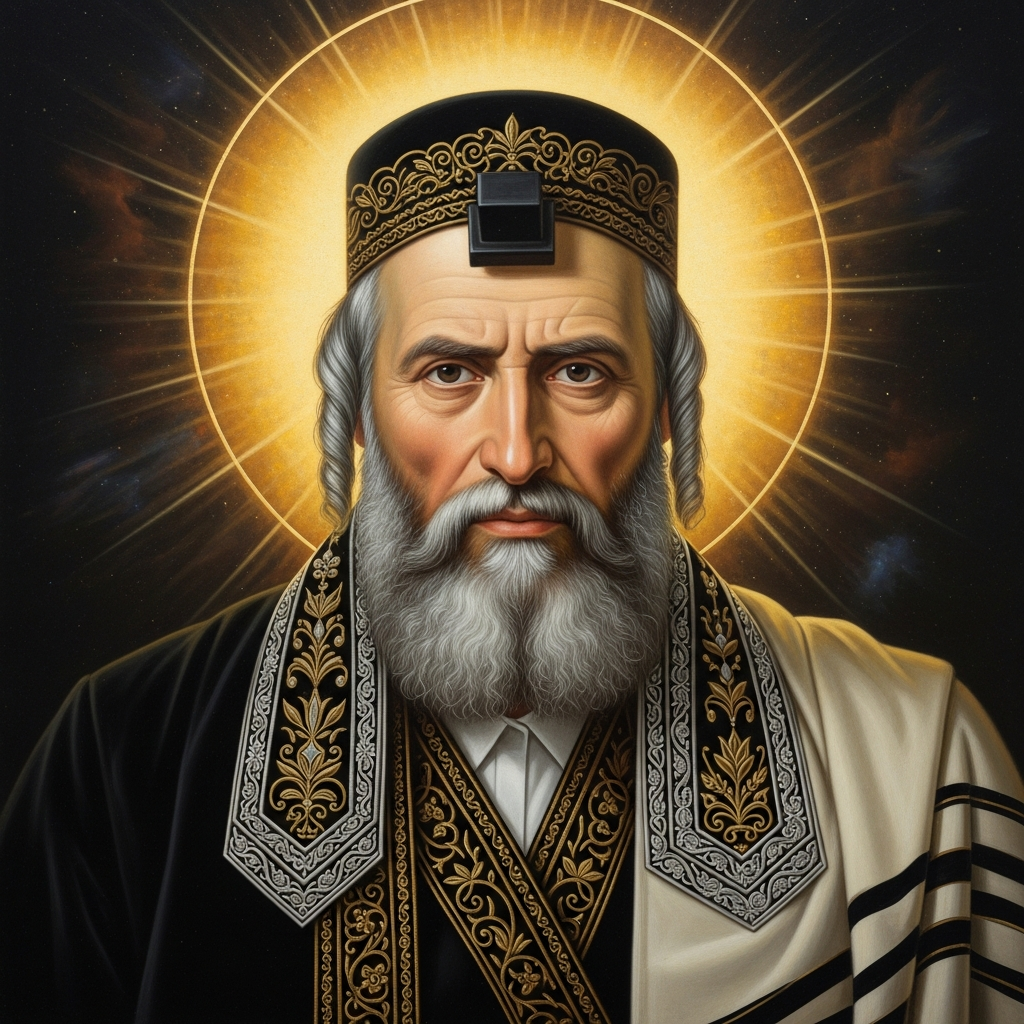
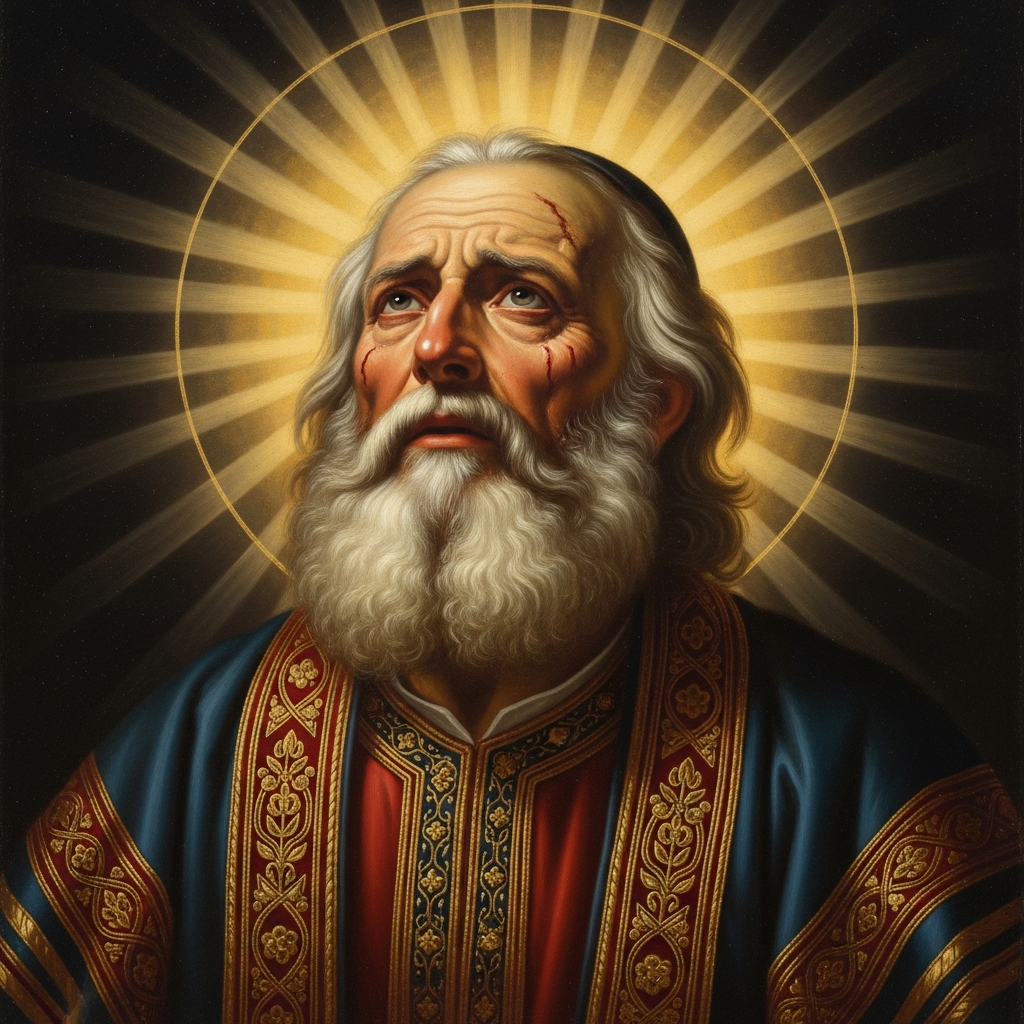
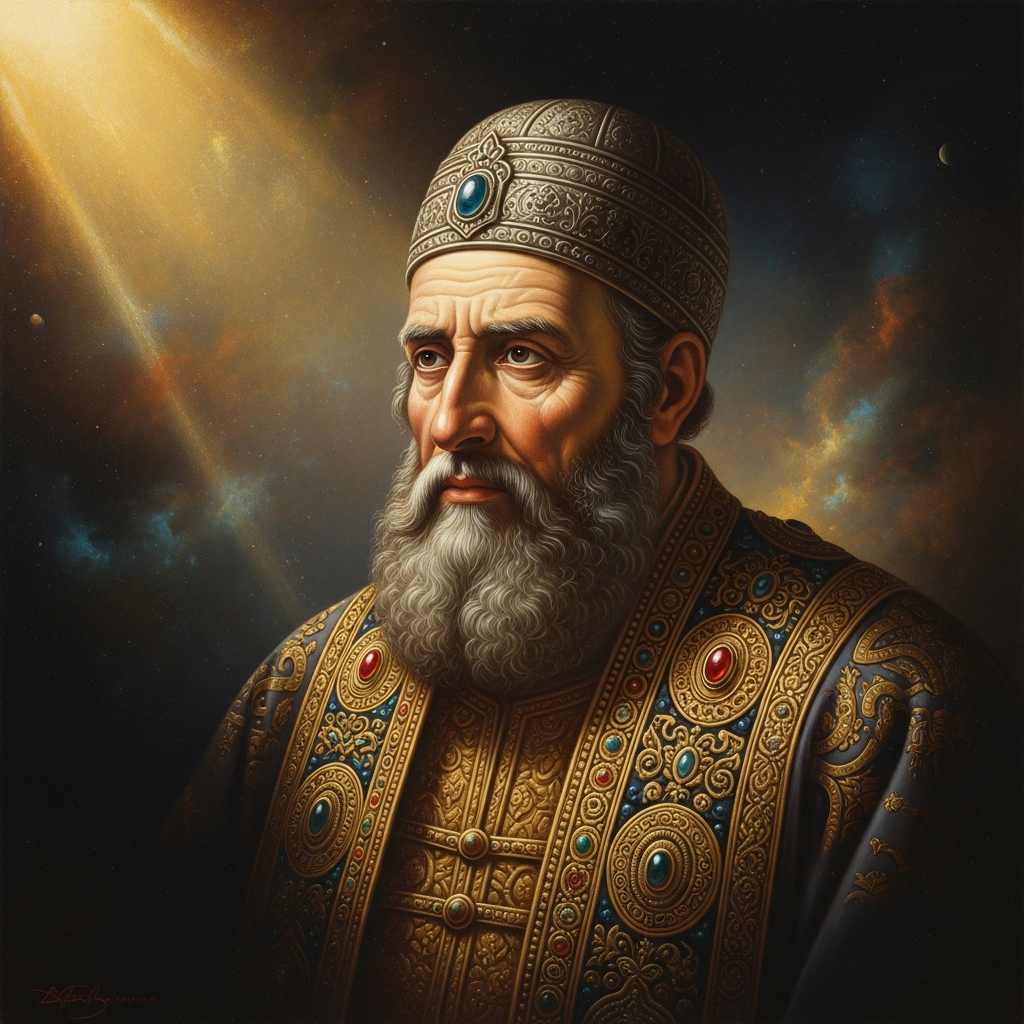
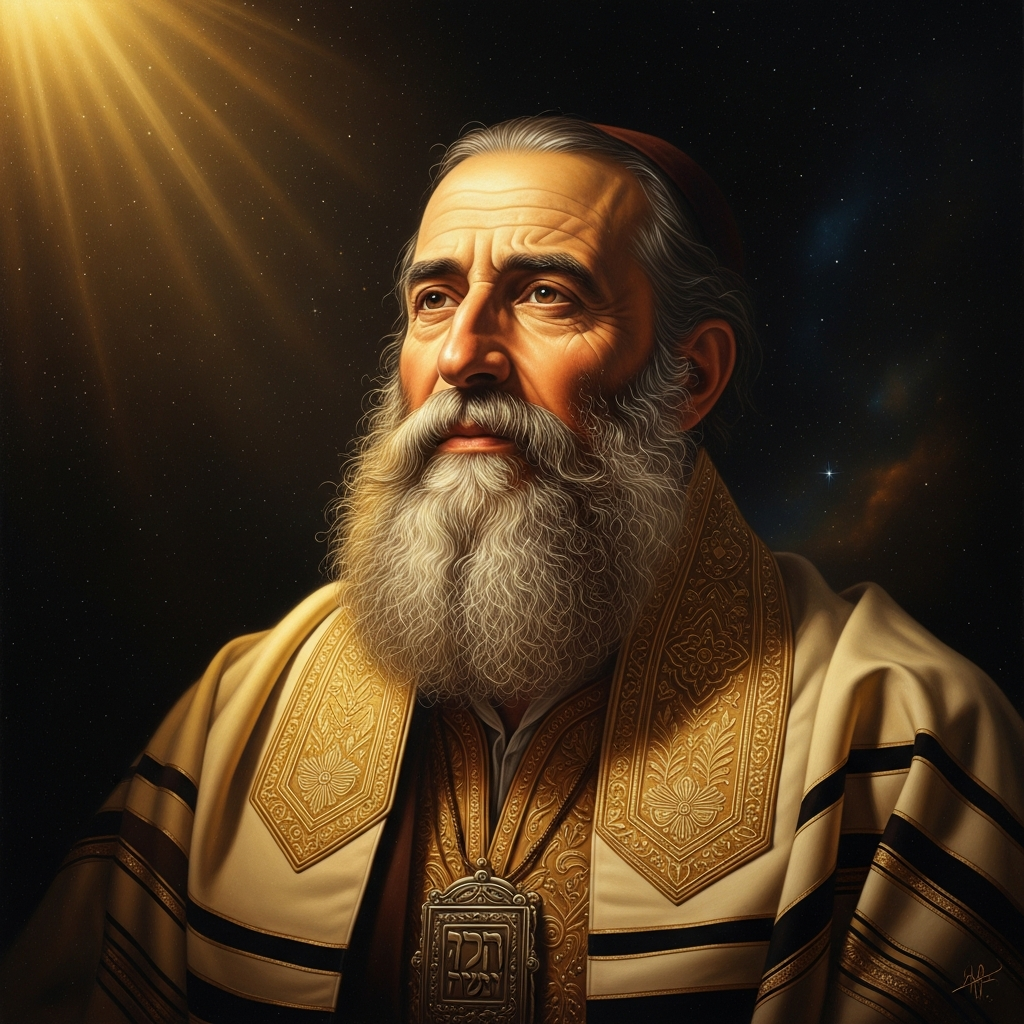
Rabbi Shlomo Yitzchaki of Troyes (1040-1105) is the bridge between the Talmud and every Jew who has ever opened one since. His daughters Yocheved, Miriam, and Rachel were also learned — Rashi reportedly let them lay tefillin, scandalous for the era. The “Rashi script” used to typeset his commentary is now the default for printed rabbinic literature.
1 min read
Rashi's commentaries on Tanakh and Talmud (composed ~1080-1105)