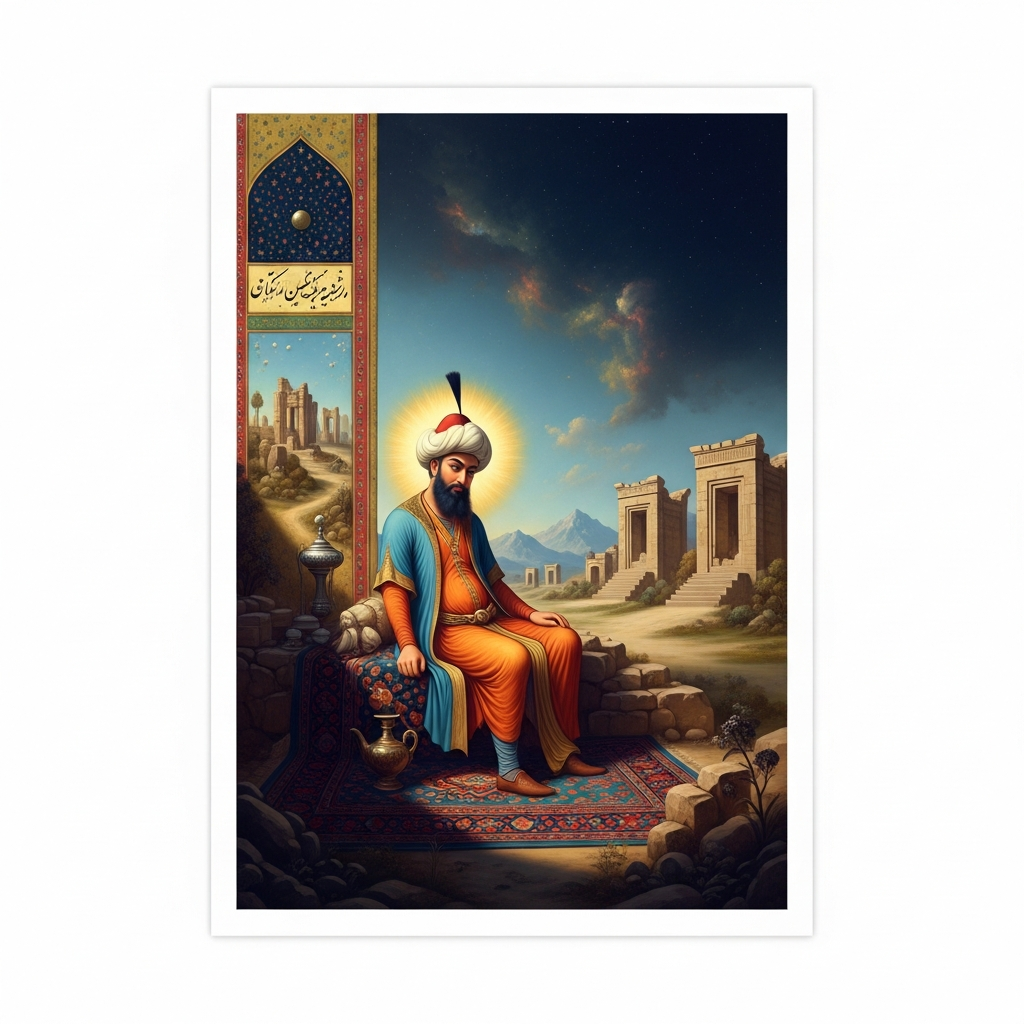
The Seven Valleys of the Seeking Soul
c. 1177 CE — the composition of the Mantiq al-Tayr; the spiritual journey is eternal · The seven valleys of the mystic path — internal geographies of the soul
Contents
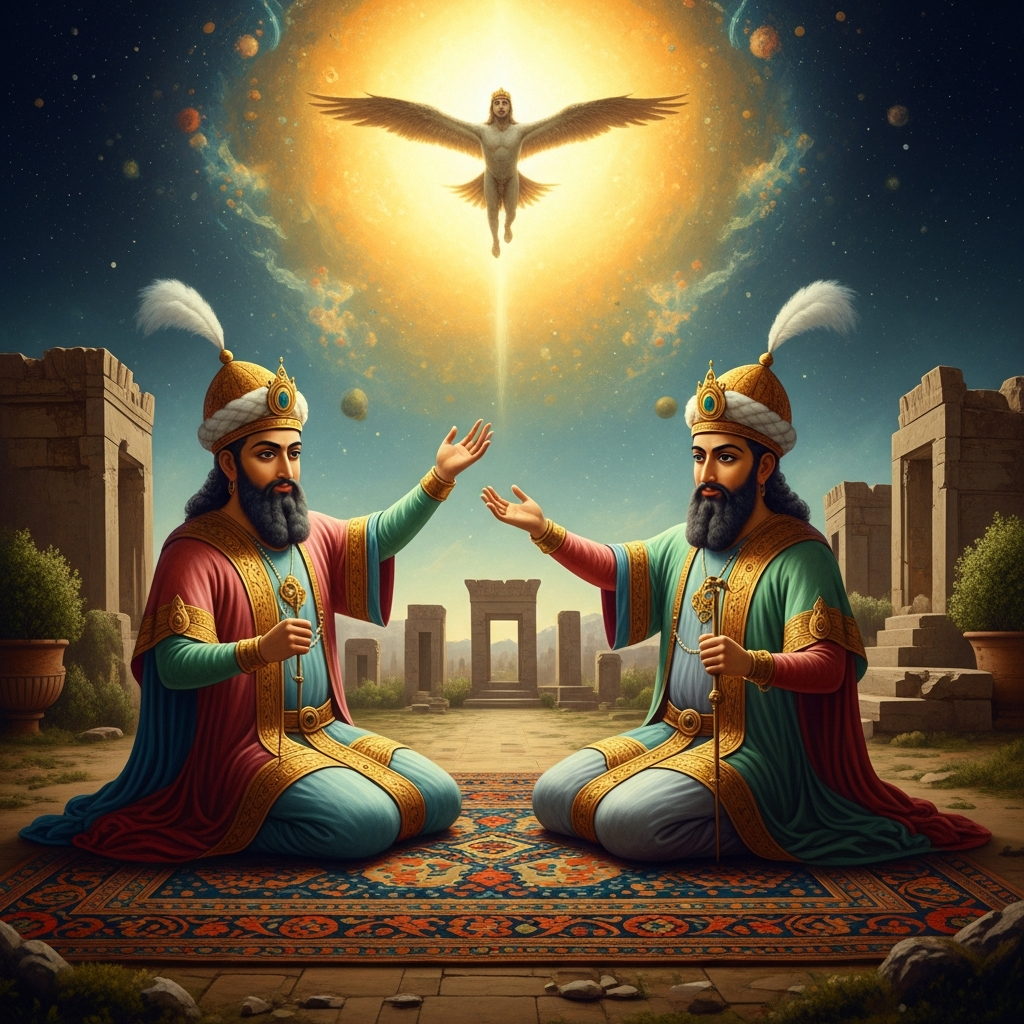
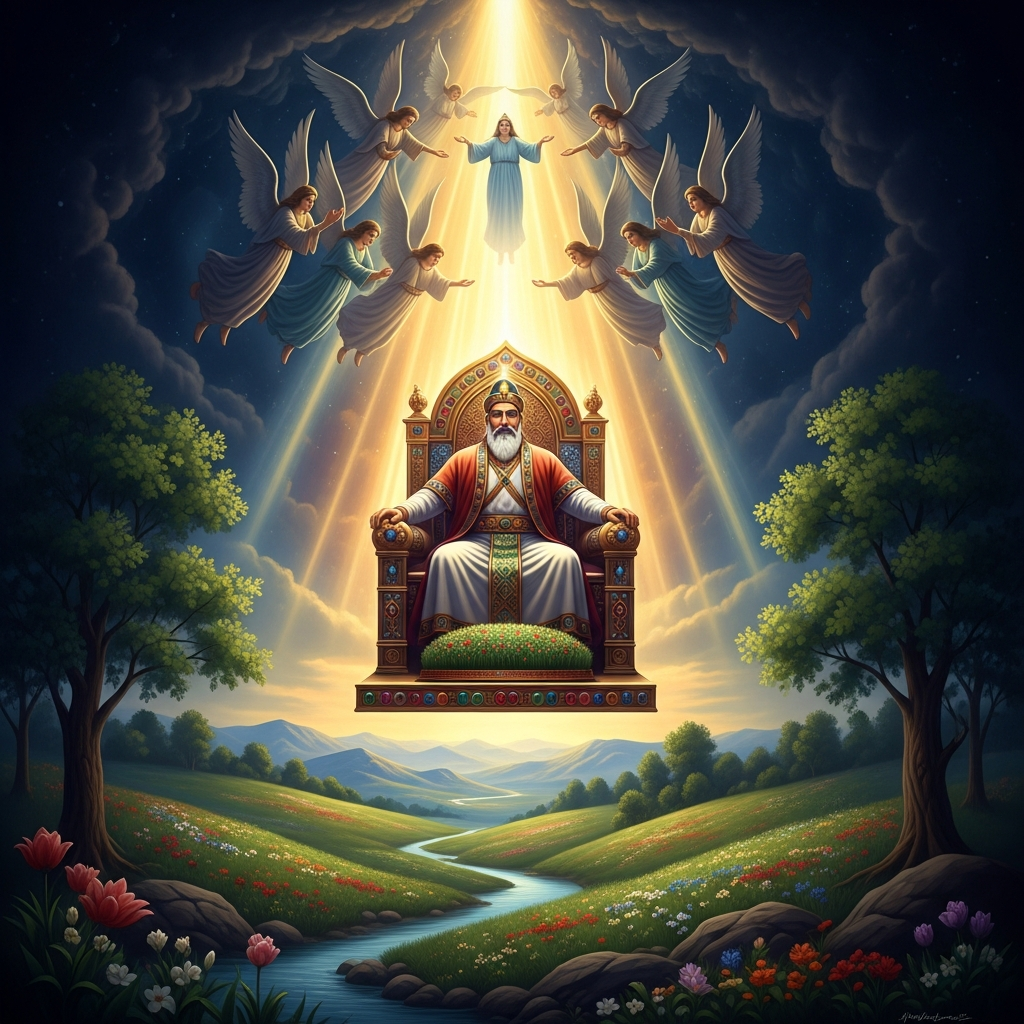
In Attar's mystical geography, the soul seeking God must cross seven valleys — each one stripping away a layer of false identity until what remains is so empty of self that it becomes, in that emptiness, identical with what it sought.
- When
- c. 1177 CE — the composition of the Mantiq al-Tayr; the spiritual journey is eternal
- Where
- The seven valleys of the mystic path — internal geographies of the soul
The first valley is where you find out you actually want to go.
This is the Valley of the Quest, and it is harder than it sounds. Most of what passes for religious desire is not the desire for God — it is the desire for safety, or comfort, or social approval, or the resolution of an existential anxiety that God has been recruited to resolve. The Valley of the Quest burns these off. Not cruelly — the burning is not punitive — but because genuine seeking requires the seeker to actually want the thing being sought, and many seekers discover, in the first valley, that they want the concept of seeking more than they want the destination.
The birds who discover they don’t really want to go leave the valley and go home.
Those who remain enter the Valley of Love.
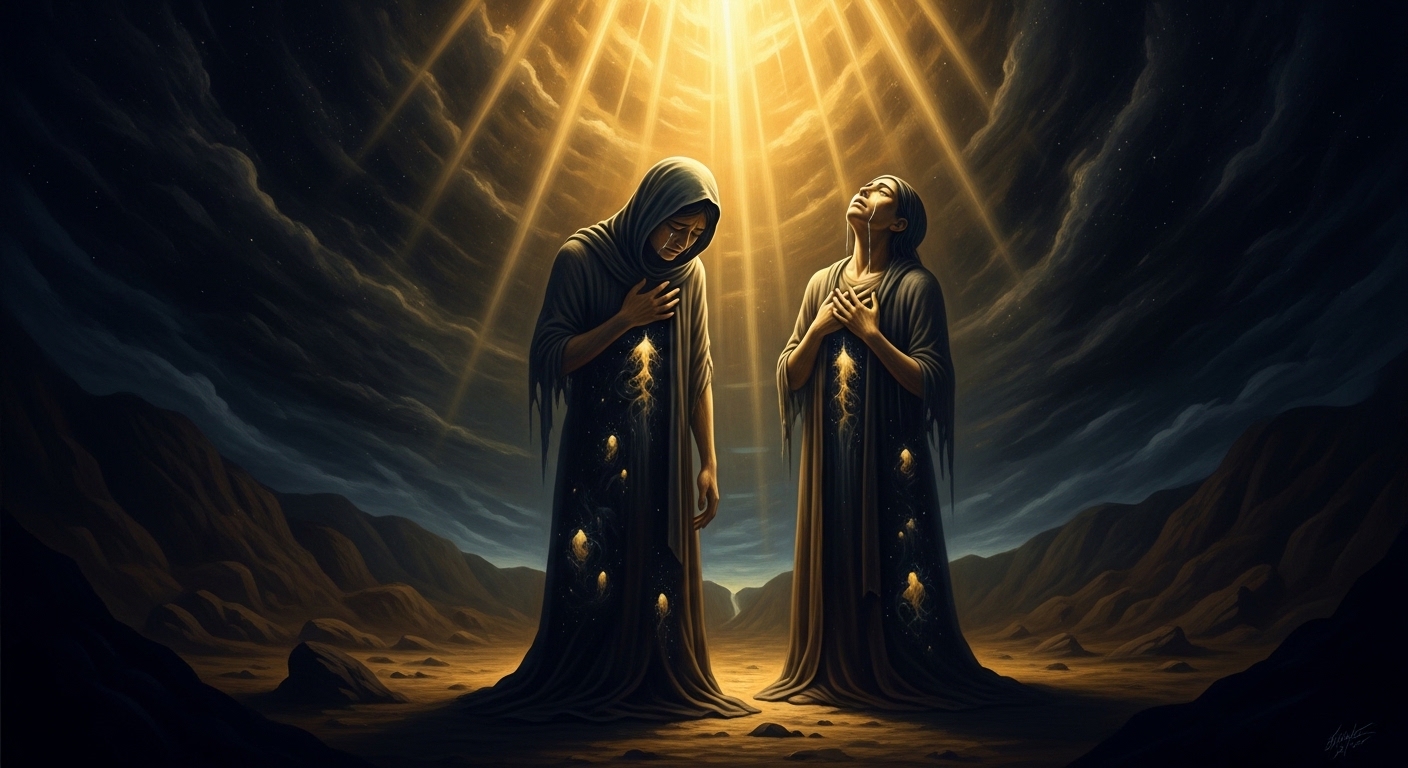
Love in Attar’s vocabulary — and in Persian Sufi poetry generally — is not the pleasant emotion but the consuming fire. The Valley of Love shows the seeker what happens when the desire for God is genuine: it does not bring peace. It brings torment. The lover cannot rest. The lover cannot eat, cannot sleep, cannot be satisfied by anything except the presence of the Beloved. Everything that is not the Beloved becomes a reminder of the Beloved’s absence. The valley is full of the sounds of lamentation.
Those who survive the Valley of Love find their lamentation has carved them hollow. Something that was dense with self-concern is now empty of it. They continue.
The Valley of Gnosis opens.
Here the seeker discovers what cannot be told, what cannot be taught. Every master of the mystical path has said: the Valley of Gnosis cannot be communicated in language because the knowledge that is found there is not propositional. It is recognitional — the seeker recognizes something that was always true and that no amount of study could have revealed. The hoopoe describes this valley as a place where each person sees things no one else can see and understands them in ways no one else can understand.
What is common to everyone’s gnosis: the self becomes transparent to itself. The lies the self has told about itself are visible. The knowledge is not comfortable.
The Valley of Detachment dissolves the seeker’s attachment to their own spiritual progress.
This is the subtlest of the valleys and the one that defeats the most sophisticated seekers. Having survived Quest, Love, and Gnosis — having earned, in some sense, a spiritual identity as a seeker — the seeker now must relinquish the identity of being a seeker. The attachment to the path itself, to the progress narrative, to the story of one’s own spiritual development, is a form of self-concern. The Valley of Detachment requires its dissolution.
Unity and Bewilderment follow.
In the Valley of Unity, the seeker begins to see the one in the many — the divine presence in all things simultaneously — and the individual self begins to lose its hard edges. The world that the seeker has been moving through is no longer experienced as a collection of separate objects but as a field of presences that are all, in their different ways, the Beloved.
The Valley of Bewilderment receives what remains.
The seeker no longer knows who is seeking or what is sought or whether seeking is happening at all. The subject-object structure of experience — I am seeking God — has collapsed. But it has not collapsed into nothing. It has collapsed into something that cannot be named in the language of subject and object.
The seventh valley is Annihilation.
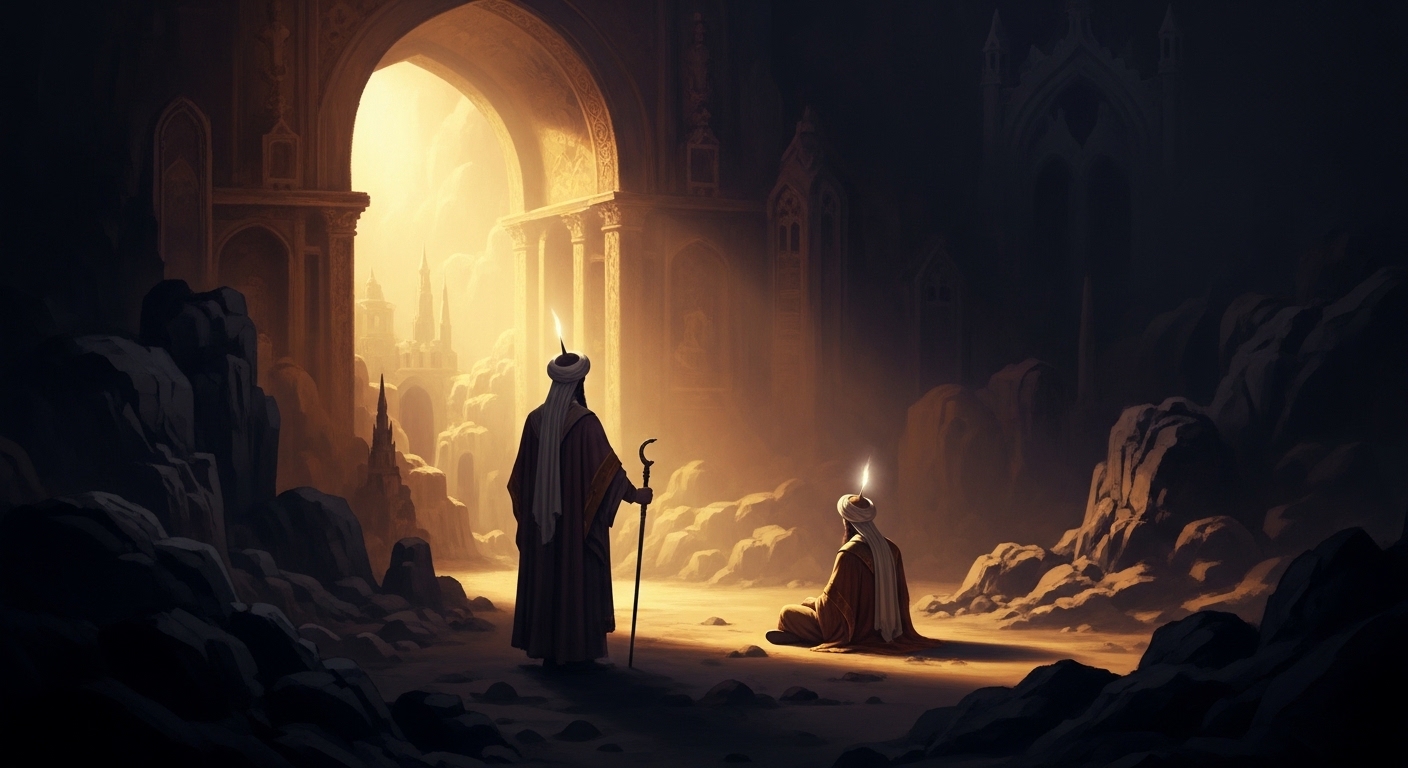
Fana — the Arabic-Persian term — means the dissolution of the self in the divine, the extinguishing of the small flame in the larger flame. It is not death. It is the removal of the layer of self that was the obstacle between the seeker and the sought.
What remains is what always was.
The thirty birds sit before the Sīmorgh.
Seven valleys, thirty birds, one arrival.
The map was always the territory.
Scenes

Echoes Across Traditions
Entities
- Farid ud-Din Attar
- The Seeking Soul
- The Divine Beloved
- The Hoopoe
Sources
- Farid ud-Din Attar, *The Conference of the Birds*, translated by Afkham Darbandi and Dick Davis (Penguin, 1984)
- Annemarie Schimmel, *Mystical Dimensions of Islam* (UNC Press, 1975)
- A.J. Arberry, *Sufism: An Account of the Mystics of Islam* (Routledge, 1950)
- Paul Losensky, *Welcoming Fighani: Imitation and Poetic Individuality in the Safavid-Mughal Ghazal* (Mazda, 1998)