How Finn Mac Cool Founded the Fianna
circa 200 BCE — the mythic age of the Fianna, Iron Age Ireland · Tara, County Meath, Ireland — the hill-seat of the High Kings
Contents
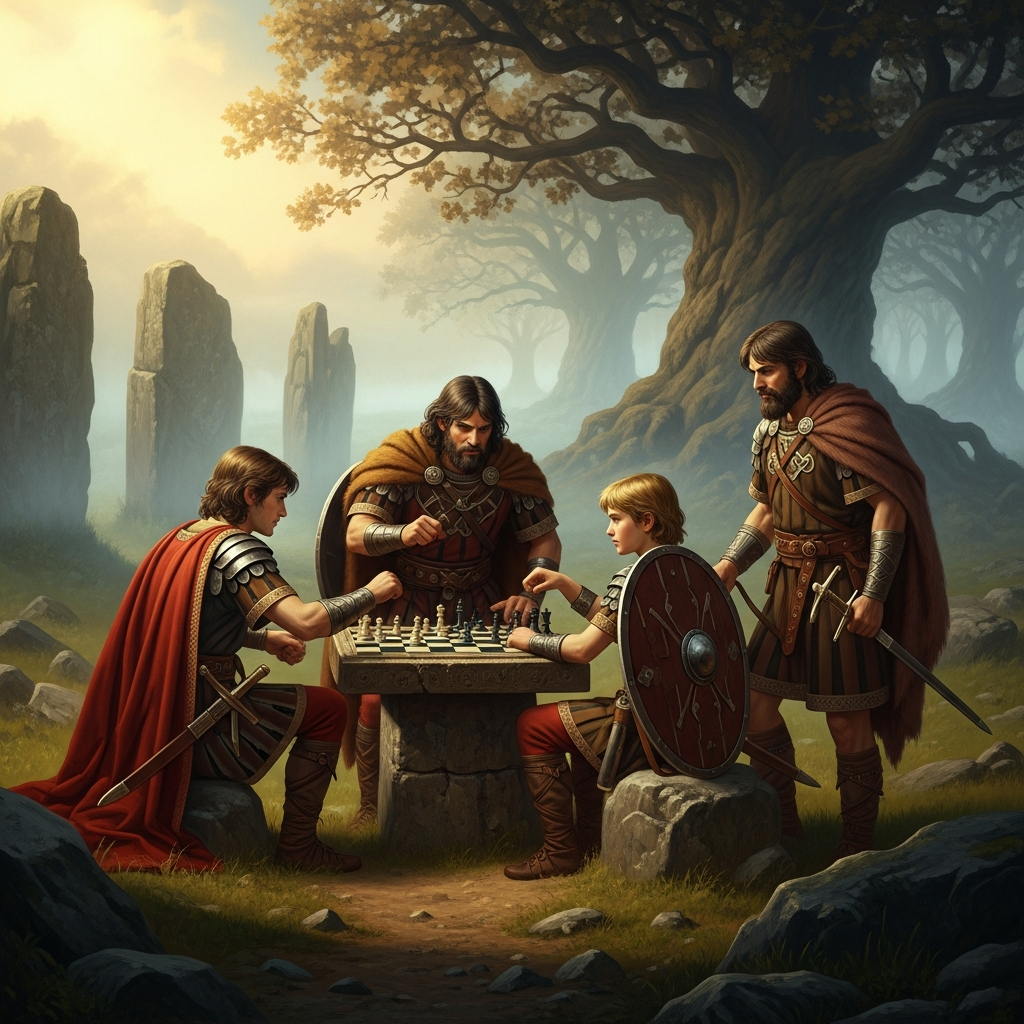
The young Fionn challenges the corrupt captain of the Fianna to a game of chess, defeats him with his own men watching, and then single-handedly destroys the demon that has burned Tara every Samhain for nine years — claiming the captaincy no one else could hold.
- When
- circa 200 BCE — the mythic age of the Fianna, Iron Age Ireland
- Where
- Tara, County Meath, Ireland — the hill-seat of the High Kings
Tara burns every Samhain and no one stops it.
The fairy-mound creature called Aillen Mac Midhna comes up from the síde of Finnachaidh every year on the first night of winter, playing the sweetest music in the world on a bronze harp until everyone within hearing range falls into an irresistible sleep. Then it burns Tara to the foundation stones. Every year the king’s hall is rebuilt. Every year it burns again. This has been happening for nine years. The Fianna — the standing warrior band of the High King — have endured it for nine years, sleeping through it like everyone else, because there is no staying awake when Aillen plays.
Goll Mac Morna holds the captaincy of the Fianna and Goll Mac Morna cannot stop Aillen. He cannot even try. No one has ever tried. This is the situation when Fionn arrives at Tara.
He is, by all accounts, very young — some sources say seventeen. He is also the son of Cumhaill, the previous captain whom Goll killed in battle, which makes Fionn’s presence at Tara politically uncomfortable for Goll. Fionn does not present himself as his father’s son. He presents himself as a warrior who wishes to serve. King Cormac Mac Airt receives him coolly and seats him with the young men.
Samhain approaches.
Fionn asks, in the feast hall before the night, whether there is any reward for the man who defeats Aillen and stops the burning. The king says: the captaincy of the Fianna. Goll, sitting at the high table, does not take the bait because Goll has been sitting here for nine Samhains and he knows what Aillen’s music does.
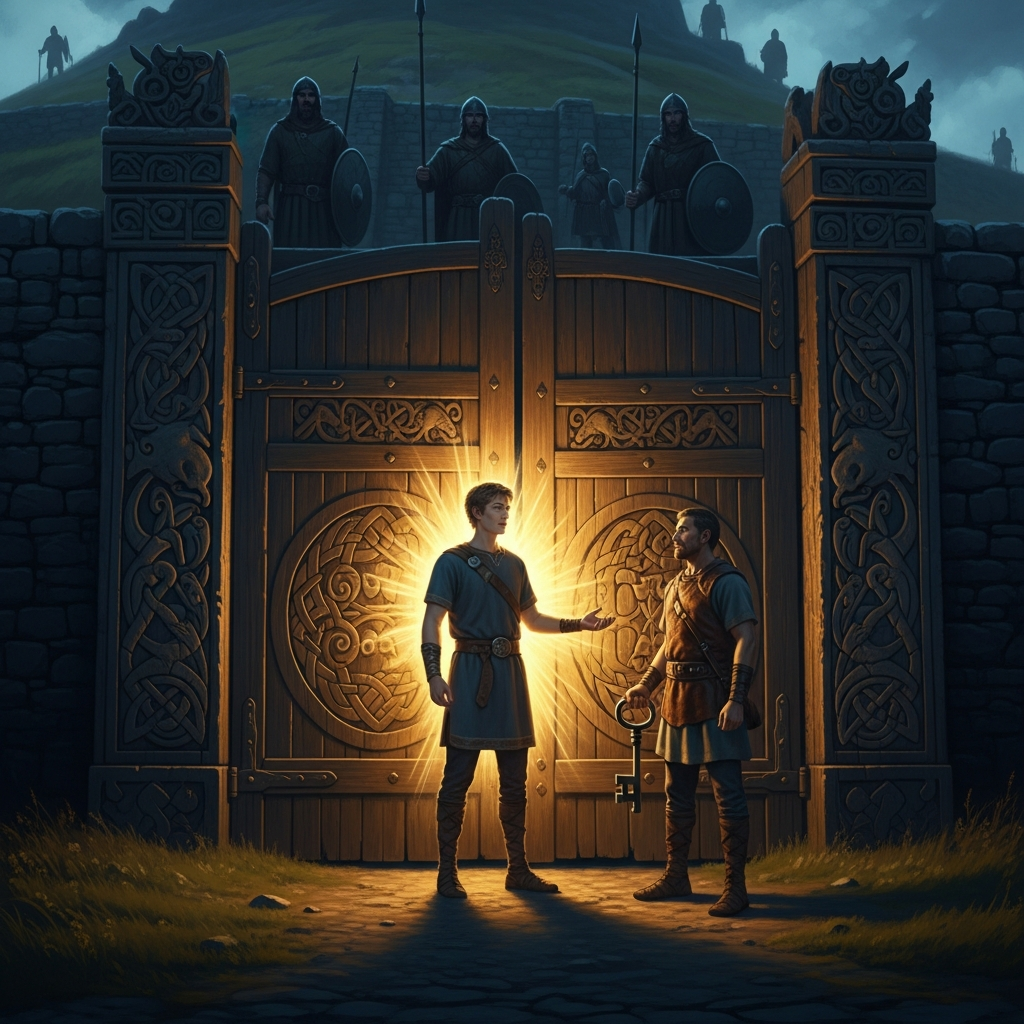
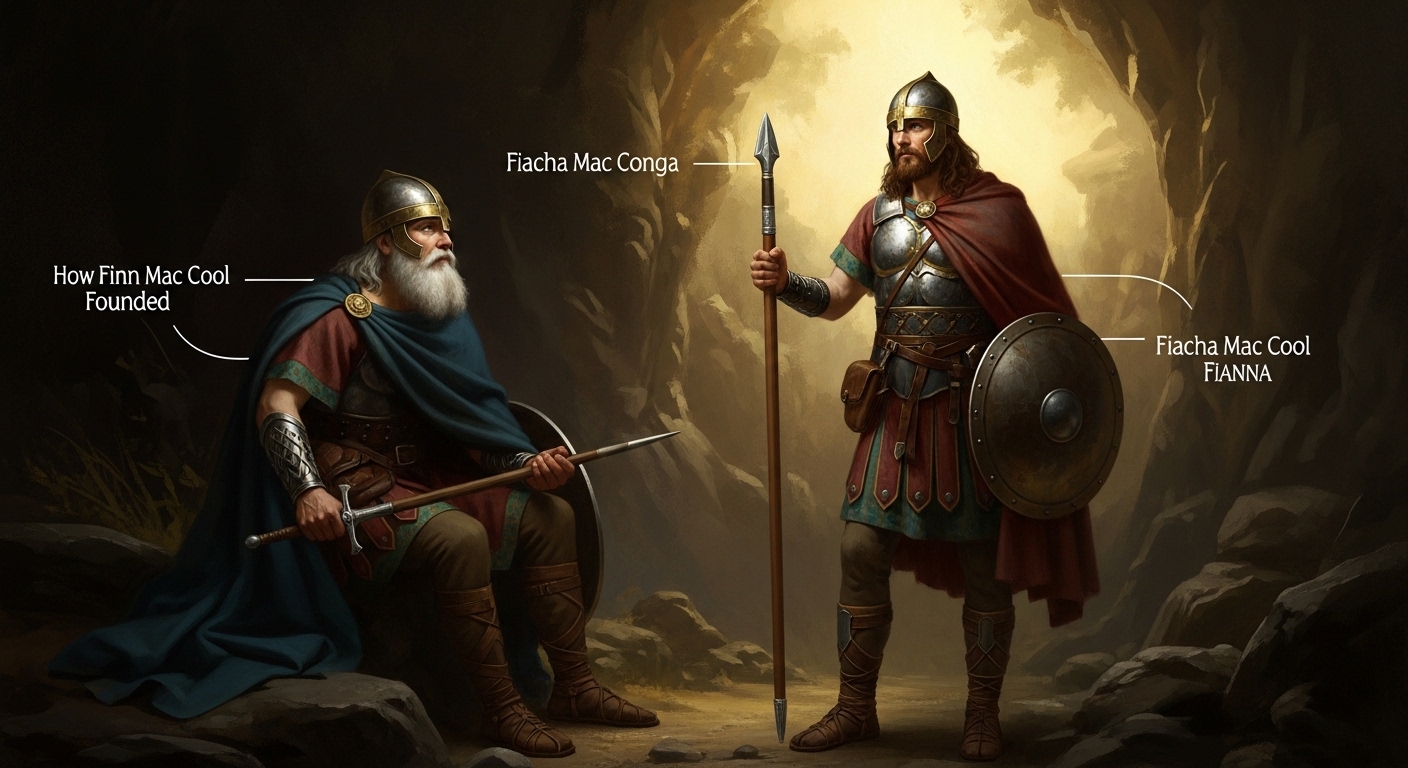
Fionn approaches an old warrior named Fiacha mac Conga, a man who had served his father Cumhaill and knows the young man’s blood. Fiacha gives him a spear — a specific, famous spear — with instructions: when you hear Aillen’s music beginning, hold the bare blade of the spear against your forehead. The cold metal will keep you awake.
The cold logic of this, and its simplicity, should have occurred to someone in nine years. It did not.
Fionn takes the spear to the walls of Tara and waits.
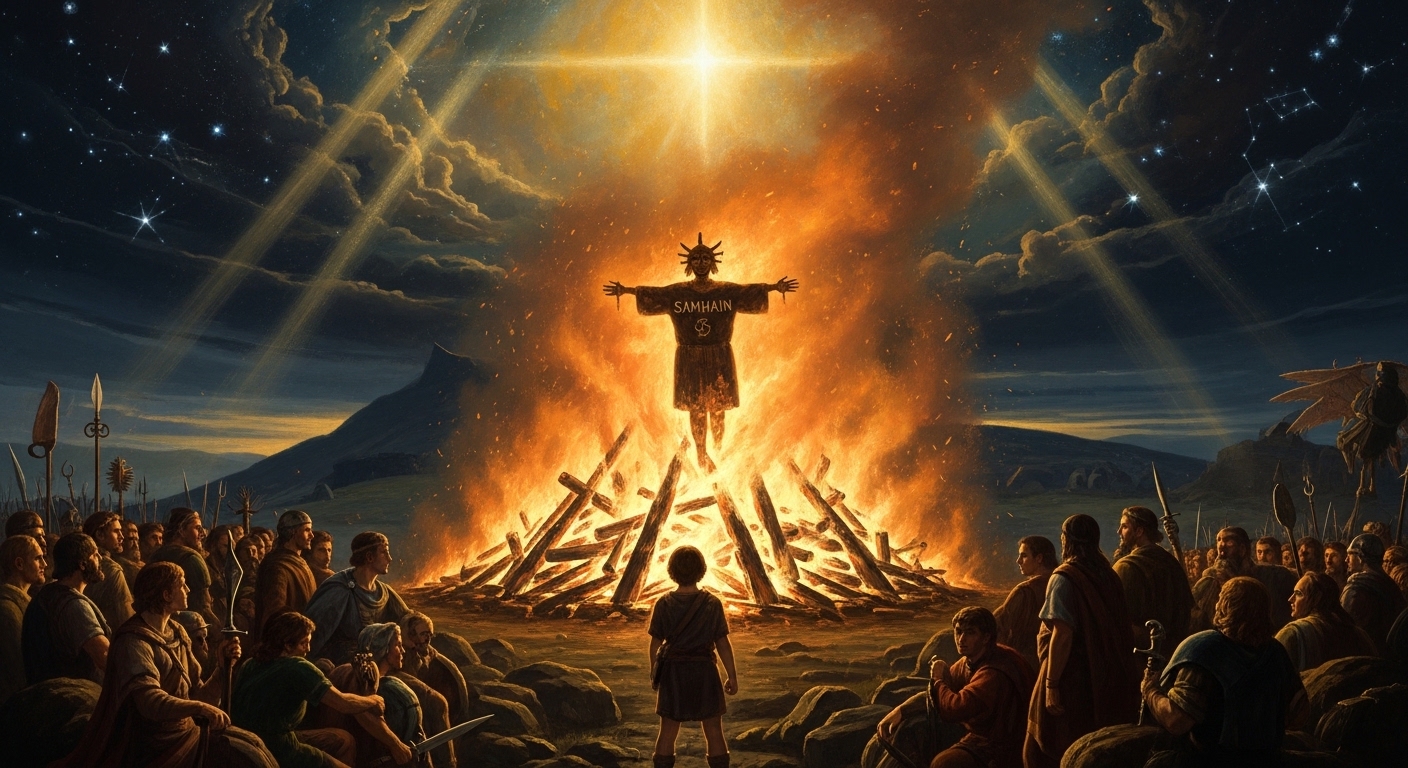
Aillen comes out of the darkness playing the harp. The music is exactly as described — the sweetest sound, the kind of sound that loosens the knees and smooths the brow and makes lying down in the damp Irish grass seem like the most reasonable thing in the world. Behind Fionn, one by one, every warrior in Tara slips into sleep. The fires inside the hall die. The king falls in his chair.
Fionn presses the cold spear-blade to his forehead and stays awake.
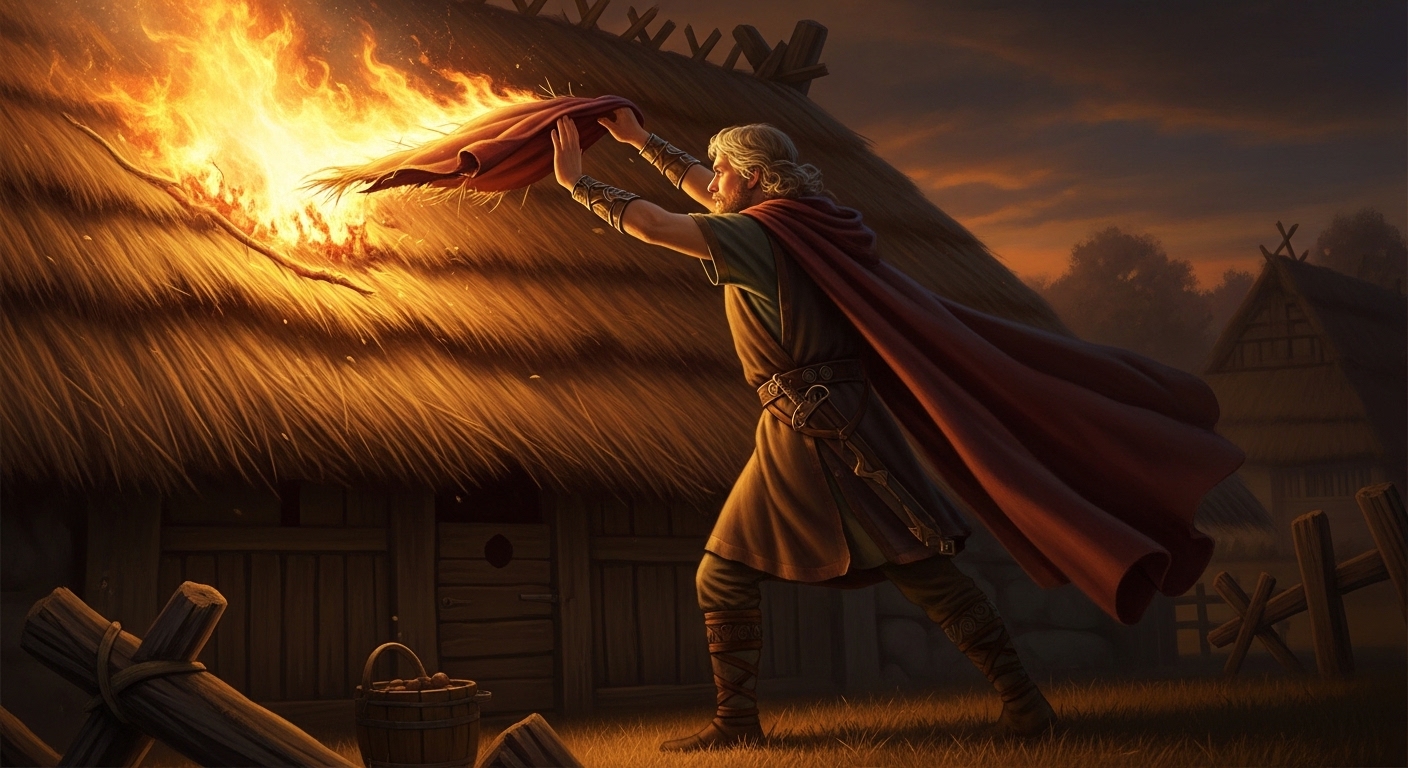
When Aillen finishes the lulling passage and opens his mouth to breathe out the fire-breath that will light the thatch, Fionn throws his cloak over the flame. The cloak — his father’s cloak, some say — takes the flame. Aillen, surprised and suddenly vulnerable, turns to flee back to the fairy mound. Fionn throws the spear. It catches Aillen before he reaches the mound.
The music stops. Tara does not burn.
When Cormac and his warriors wake in the grey morning and find the charred cloak and the uncharred hall and the young man sitting on the wall with blood on his hands, there is a long silence. Goll Mac Morna is sitting in that silence with his own calculations running.
Fionn walks to the king’s seat and states his claim. He succeeded where the Fianna failed. The captaincy is his by the king’s own word.
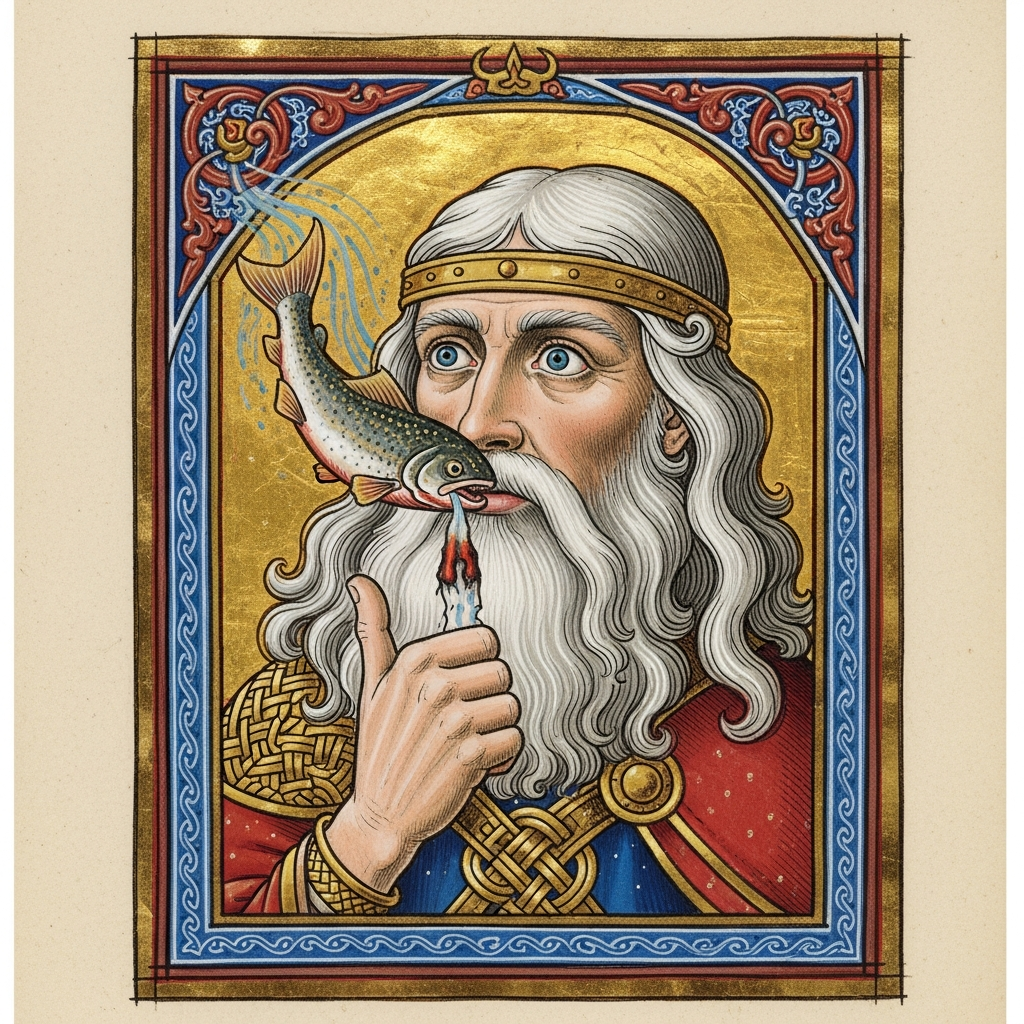
Goll could contest it. He looks at the young man — the fair hair, the thumb that goes briefly to his lips when he meets Goll’s eyes, the son of the man he killed — and he sees something he has not seen before in a rival. He offers his hand.
The Fianna passes from father’s killer to father’s son, bloodlessly, over the body of a creature that burned Tara for nine years.
From this night forward, the Fianna is Fionn’s. Poets will sing them for two thousand years.
Scenes
Echoes Across Traditions
Entities
- Fionn Mac Cumhaill
- Goll Mac Morna
- Cormac Mac Airt
- Aillen of the Fairy Mound
- The Fianna
Sources
- Dáithí Ó hÓgáin, *Fionn mac Cumhaill: Images of the Gaelic Hero* (Gill and Macmillan, 1988)
- T.W. Rolleston, *Myths and Legends of the Celtic Race* (Harrap, 1911)
- Nora Chadwick, *The Celts* (Penguin, 1970)