The Great Sufi Orders: How the Path Was Preserved
12th–15th century CE — the formative period of the major Sufi orders · Baghdad, Ajmer, Bukhara, Cairo — the capitals of the major orders' founding
Contents
Between the twelfth and fifteenth centuries, the informal circles of Sufi masters crystallized into organized orders — each with its own silsila, its distinctive dhikr, its geographical sphere, its relationship to the law — transforming a path of individual transformation into a worldwide social institution.
- When
- 12th–15th century CE — the formative period of the major Sufi orders
- Where
- Baghdad, Ajmer, Bukhara, Cairo — the capitals of the major orders' founding
The orders begin with a paradox.
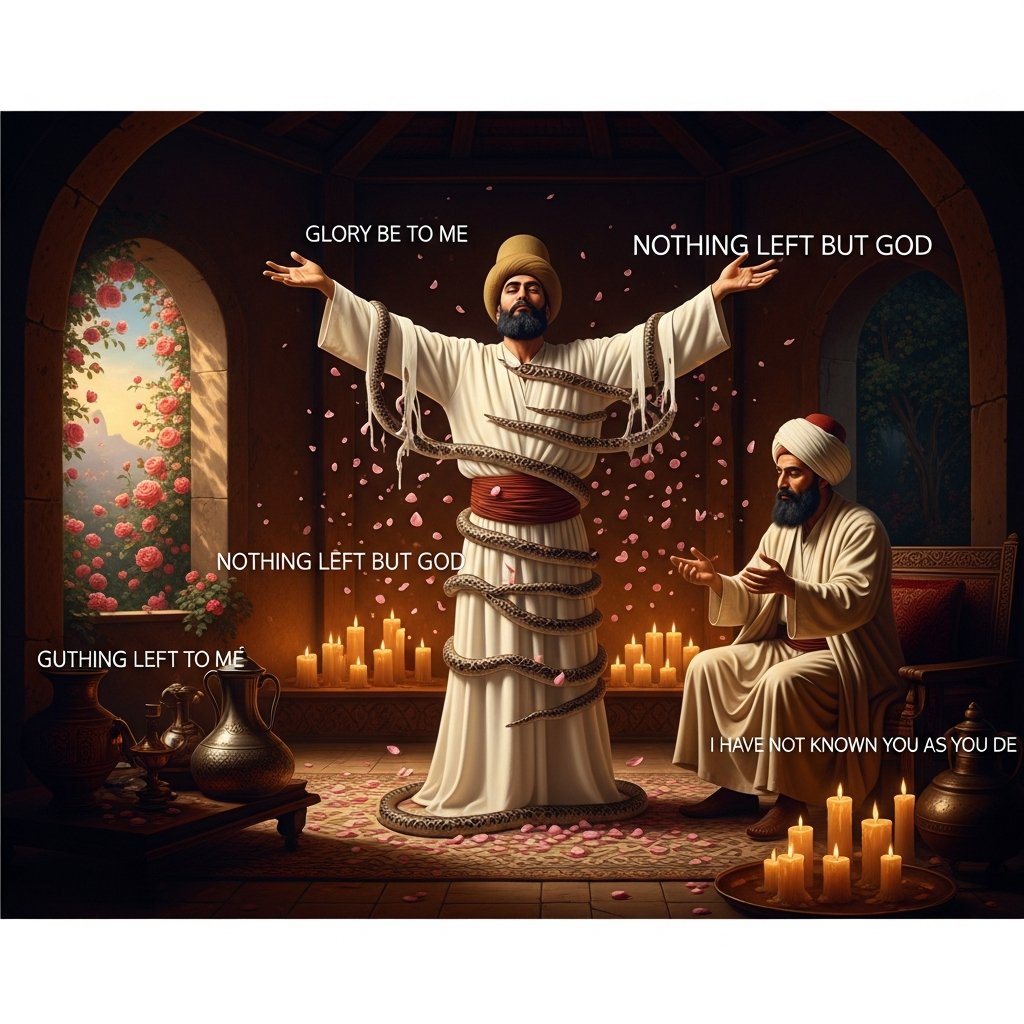
The Sufi path, in its essential teaching, cannot be institutionalized. The direct experience of the divine — fana, kashf, wajd — is inherently personal, unpredictable, and resistant to bureaucratic management. The relationship between master and student is unique to each pair: the transmission that works for one student will not work for another. The diversity of methods in the early Sufi tradition — Junayd’s sobriety, Bayāzīd’s intoxication, Hallāj’s public witnessing, Rabia’s burning love — reflects the tradition’s understanding that different practitioners need different vehicles.
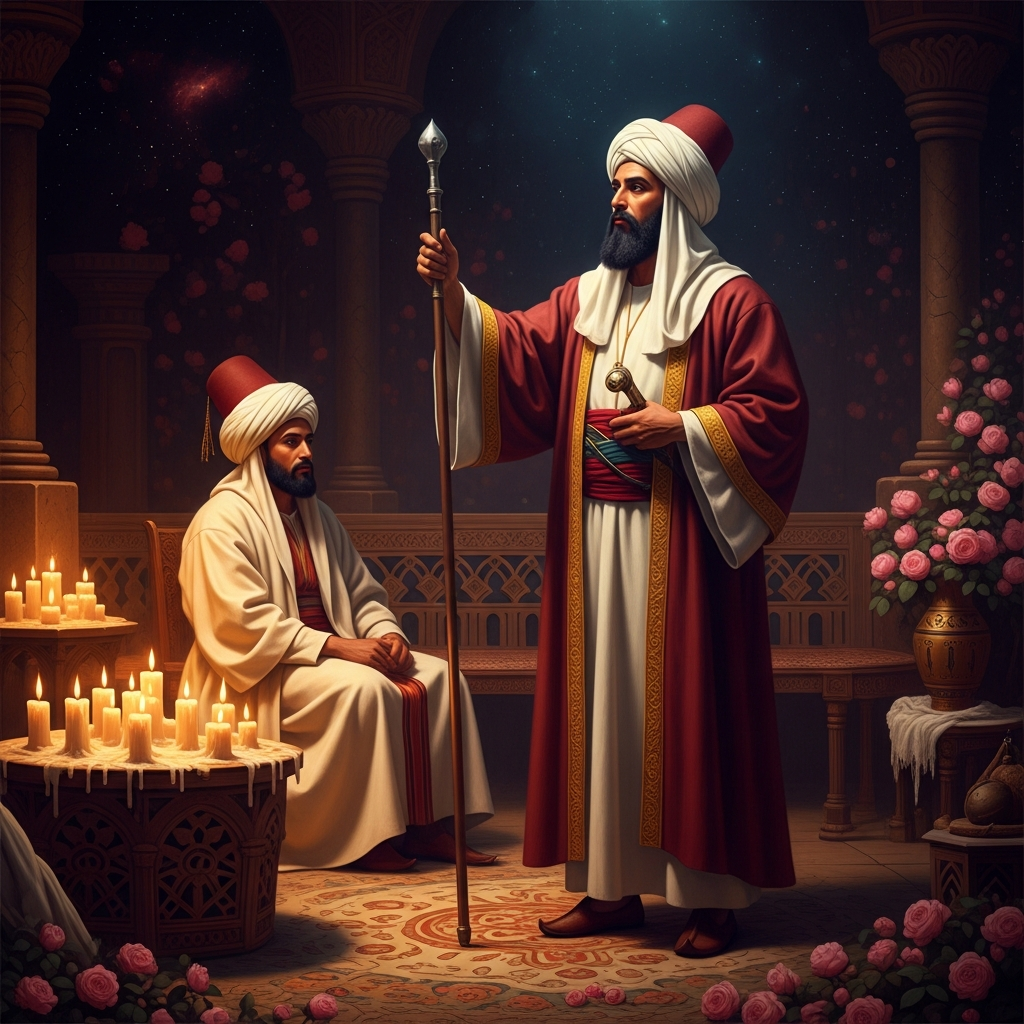
And yet: without institutional form, the tradition cannot be preserved. Masters die. Students scatter. The chain of transmission — on which the entire system of legitimate Sufi lineage depends — breaks when there is no structure to maintain it. The first generation of Sufis knew their teachers directly. The second generation knew their teachers’ students. By the fifth and sixth generations, without institutional form, the connections become unverifiable, the lineages disputed, the practices variable to the point of meaninglessness.
The orders are the solution to this problem.
The Qadiriyya is the oldest surviving order.
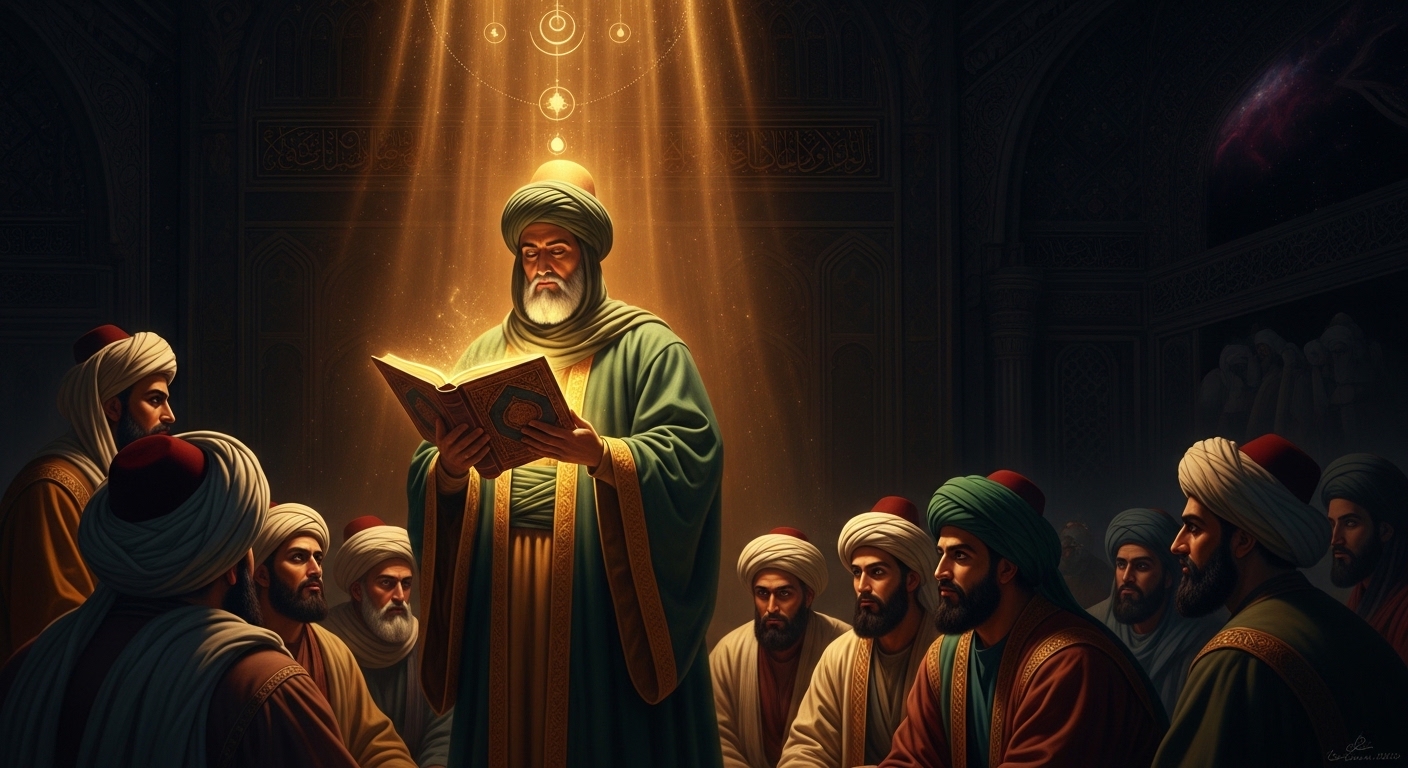
It crystallizes around ʿAbd al-Qādir al-Jīlānī in twelfth-century Baghdad and spreads through his sons and students across the Arabic-speaking world, then into Africa and South Asia. Its distinctive feature is the loud dhikr — the communal raising of God’s name in rhythmic, escalating intensity — and the relatively open initiation: compared to some later orders, the Qadiri standards for accepting students are broad. The order’s very breadth made it difficult to maintain consistent quality, which is why it produced both some of the most impressive Sufi figures of the medieval period and some of the most problematic.
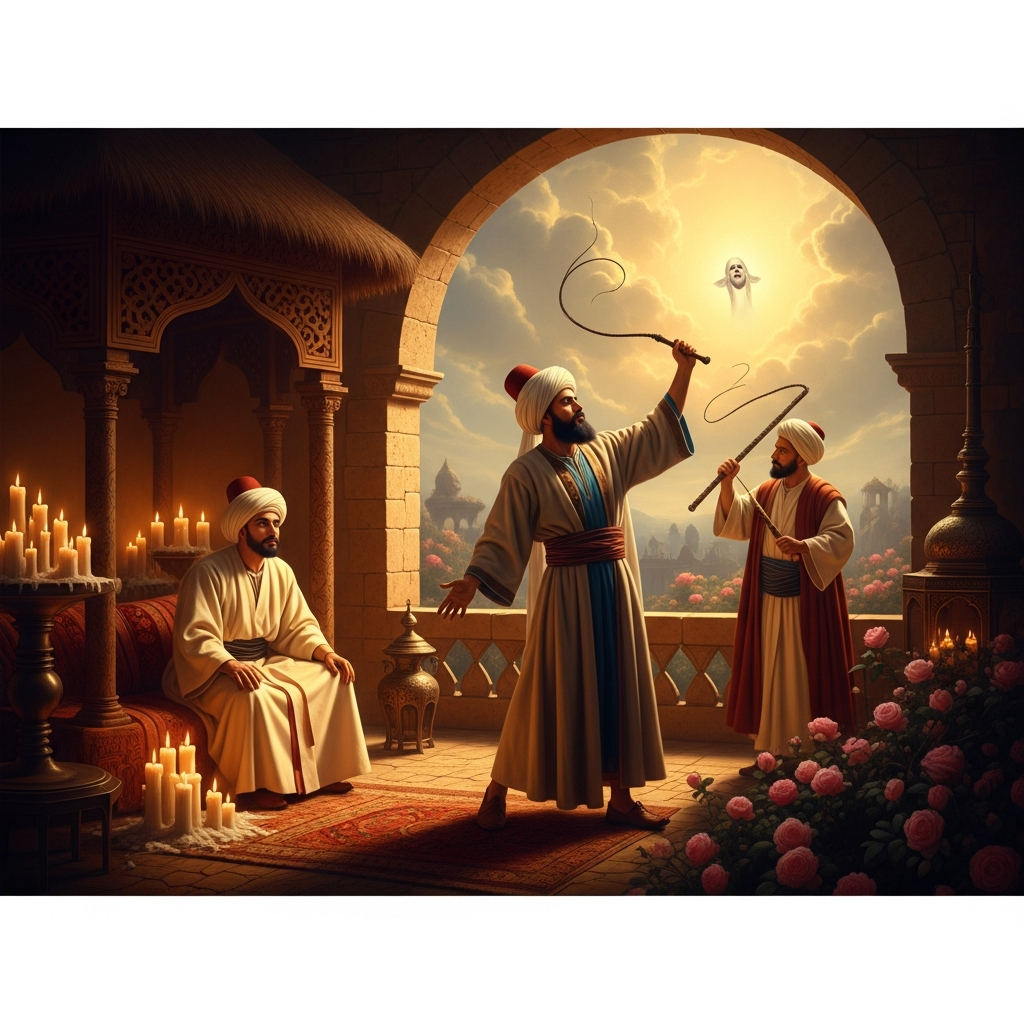
The Chishtiyya spreads Islam in South Asia through music and vernacular culture. The Naqshbandiyya becomes the major carrier of Sufi influence in Central Asia and the Ottoman Empire. The Rifa’iyya — founded by Ahmad al-Rifa’i in twelfth-century Iraq — is known for its extreme physical practices (fire-walking, piercing with metal rods) that demonstrate the saint’s mastery over matter. The Shadhiliyya, founded in thirteenth-century North Africa, becomes the predominant order of the Maghreb and produces some of the most important Sufi texts.
Each order crystallizes around a founding master’s distinctive gift.
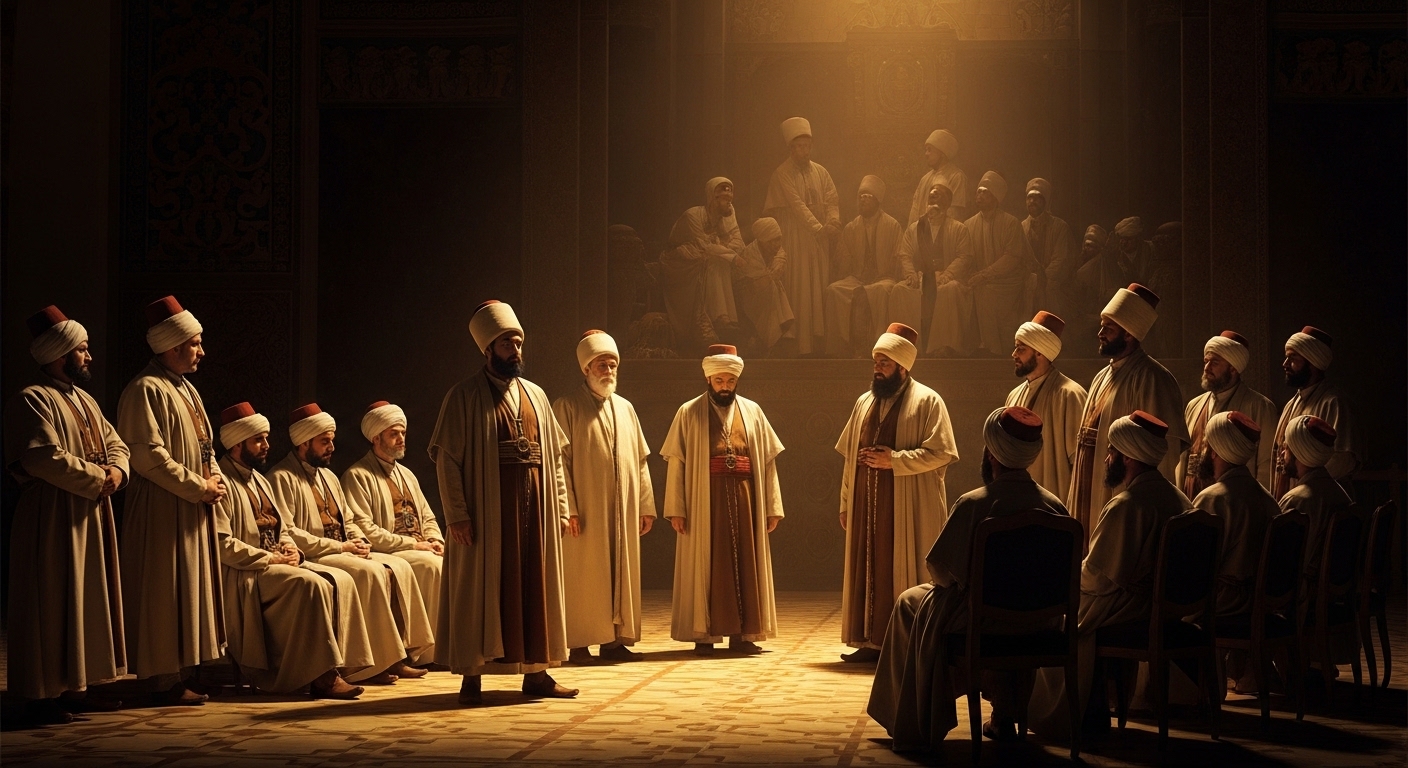
The Chishti gift is music and accessibility. The Naqshbandi gift is intellectual rigor and interior precision. The Qadiri gift is the democratizing of Sufi practice, the broad welcome of the loud ceremony. The Mevlevi gift is beauty — the sama ceremony, the poetry of Rumi, the aesthetic perfection of the whirling.
These are not arbitrary differences. They reflect the genuine diversity within Sufi teaching about what the path looks like for different human temperaments and cultural contexts. The tradition’s claim — which the institutional diversity embodies — is that there are many vehicles and one destination, and the vehicle must fit the traveler.
The orders built the social infrastructure of Islamic civilization in ways that are not fully visible in the conventional history.
The Sufi lodge (tekke in Turkish, khanqah in Persian/Arabic, zawiya in Arabic/Berber) was simultaneously a mosque, a school, a hostel for travelers, a hospital for the sick, and a community center for the poor. In many parts of the Islamic world, particularly in the African interior, in rural Central Asia, and in the Ottoman provinces, the Sufi lodge was the only social institution that provided these services. The political authority taxed and governed; the religious authority gave legal opinions; the Sufi lodge fed the hungry, educated the children, housed the traveler, and buried the dead.
The orders are not peripheral to Islamic history. They are the institution through which Islam became a lived civilization rather than merely a legal code.
The orders still exist.
The Qadiriyya has tens of millions of members across Africa, the Middle East, and South Asia. The Naqshbandiyya is active across Central Asia, Turkey, and the diaspora. The Chishtiyya functions throughout the Indian subcontinent, Pakistan, and Bangladesh. The Mevlevi order performs the sama ceremony in Konya and in Turkey more broadly.
The orders were suppressed by nationalist governments throughout the twentieth century — Kemal Atatürk closed them in Turkey in 1925, Nasser discouraged them in Egypt, Soviet authorities dismantled them in Central Asia. Most survived underground. Most have re-emerged.
The chain that the orders preserved is still held.
It goes back, name by name, to the hand that received it first.
Scenes

Echoes Across Traditions
Entities
- ʿAbd al-Qādir al-Jīlānī (Qadiriyya)
- Muin ud-Din Chishti (Chishtiyya)
- Baha'uddin Naqshband (Naqshbandiyya)
- Ahmad al-Rifa'i (Rifa'iyya)
Sources
- J. Spencer Trimingham, *The Sufi Orders in Islam* (Oxford, 1971)
- Annemarie Schimmel, *Mystical Dimensions of Islam* (UNC Press, 1975), chapter on orders
- Alexander Knysh, *Islamic Mysticism: A Short History* (Brill, 2000)
- Vincent Cornell, *Realm of the Saint: Power and Authority in Moroccan Sufism* (Texas, 1998)