Prominent in
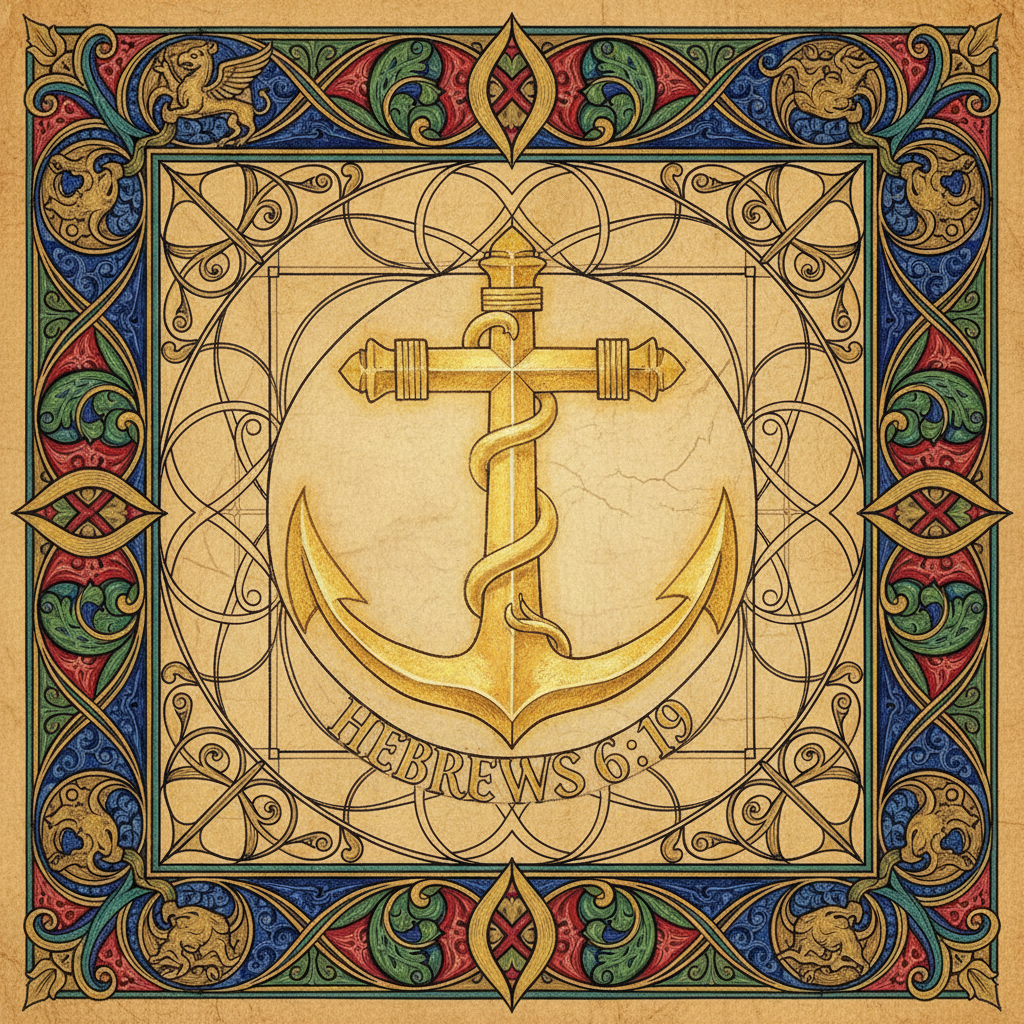
Before the cross was safe to display, Christians used the anchor. It hides the cross in plain sight.
| Tradition | Form | Meaning |
|---|---|---|
| Biblical | Hope | ”We have this hope as an anchor for the soul, firm and secure” (Heb 6:19). The only direct biblical basis |
| Early Christian | Catacomb symbol | Found extensively in the Roman catacombs (2nd-3rd century). Used when displaying a cross could mean death. The anchor’s vertical and crossbar resemble a cross. Combined with fish (ICHTHYS) in catacomb art |
| Christian | Anchored faith | The anchor-cross = faith anchored in Christ. Often combined with a heart (love) and cross (faith) to represent the three theological virtues: faith, hope, and love (1 Cor 13:13) |
| Catholic | St. Clement / St. Nicholas | St. Clement of Rome was martyred by being tied to an anchor and thrown into the sea. Patron saint of mariners. The anchor appears in coastal Catholic churches |
| Masonic | Hope and well-spent life | The anchor and ark together represent a “well-grounded hope and a well-spent life.” Appear in the Master Mason degree. The ark = the journey, the anchor = safe arrival |
| Naval / secular | Steadfastness | Adopted into heraldry, naval tradition, and tattoo culture. “Hold fast.” The anchor as a universal symbol of stability long before Christianity claimed it |
The hidden cross: Look at an anchor’s shape. The vertical shaft and horizontal flukes form a cross. The ring at the top suggests a halo or the loop of an ankh. Early Christians under Roman persecution could carve an anchor on a catacomb wall and communicate “cross” without ever drawing one. It was the first encrypted Christian symbol — hiding the faith in plain sight, centuries before the cross became safe to display openly.
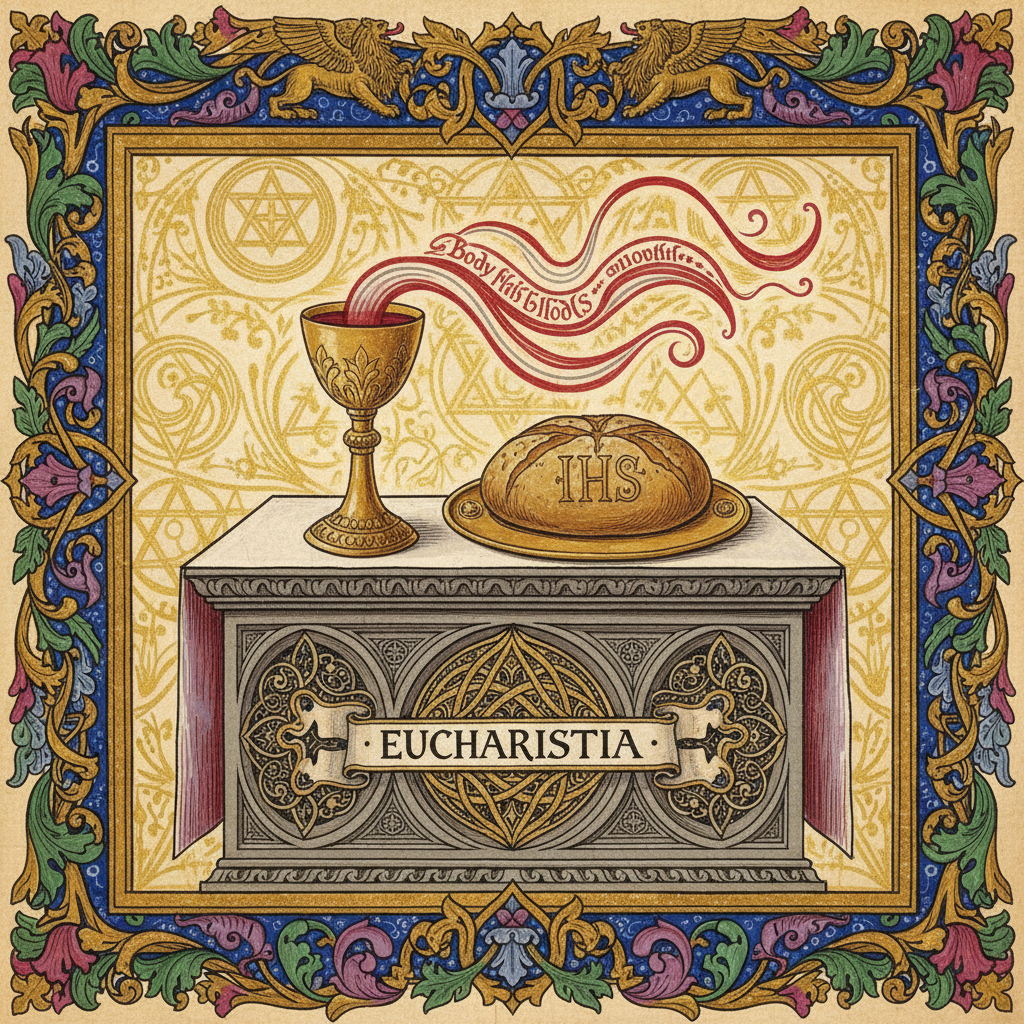 Bread & Wine
 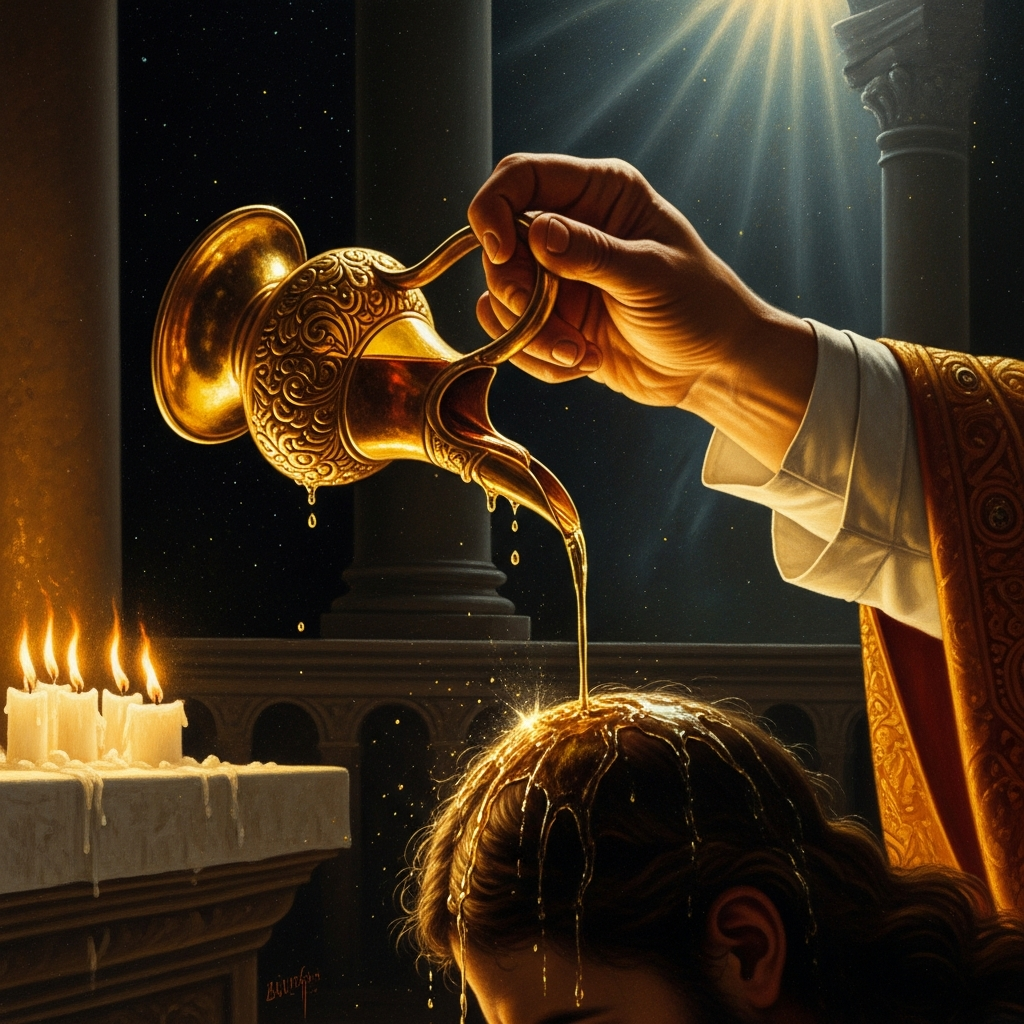 Oil / Anointing
 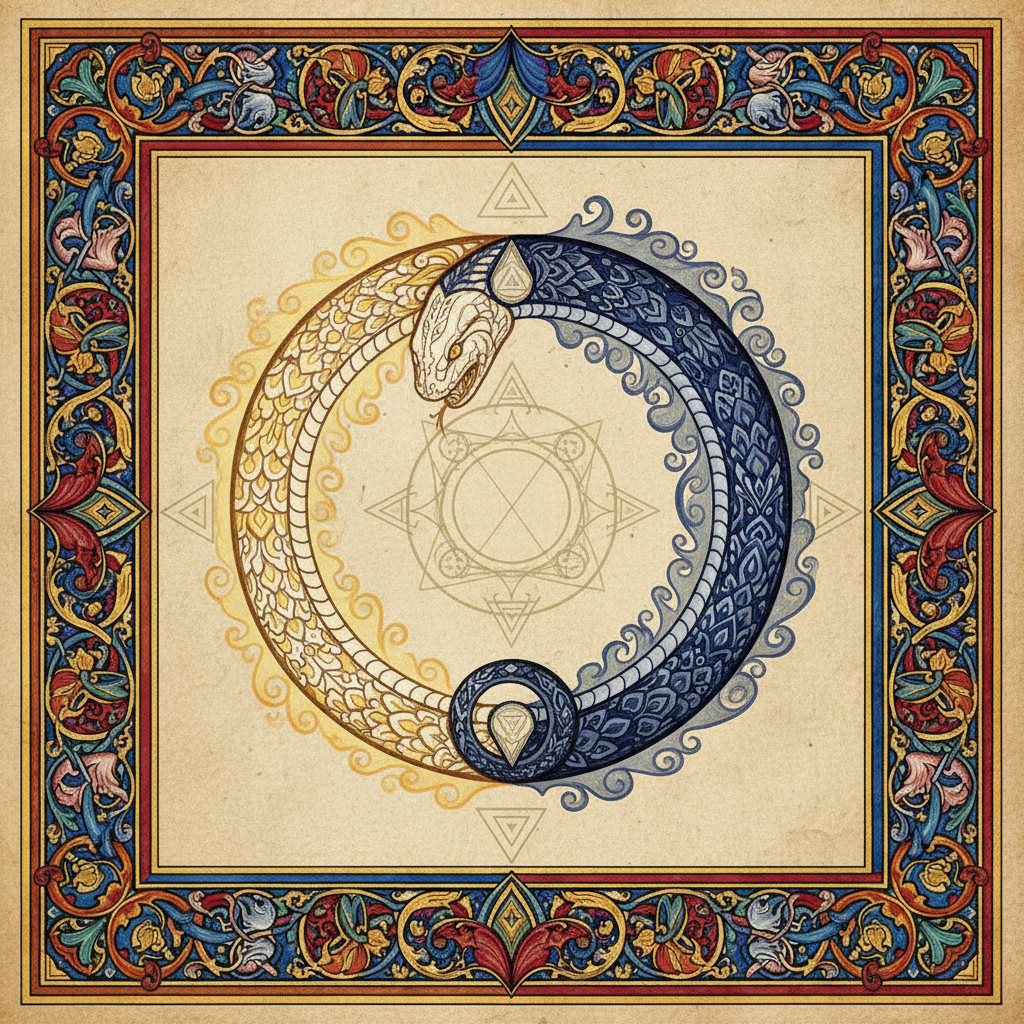 The Serpent
 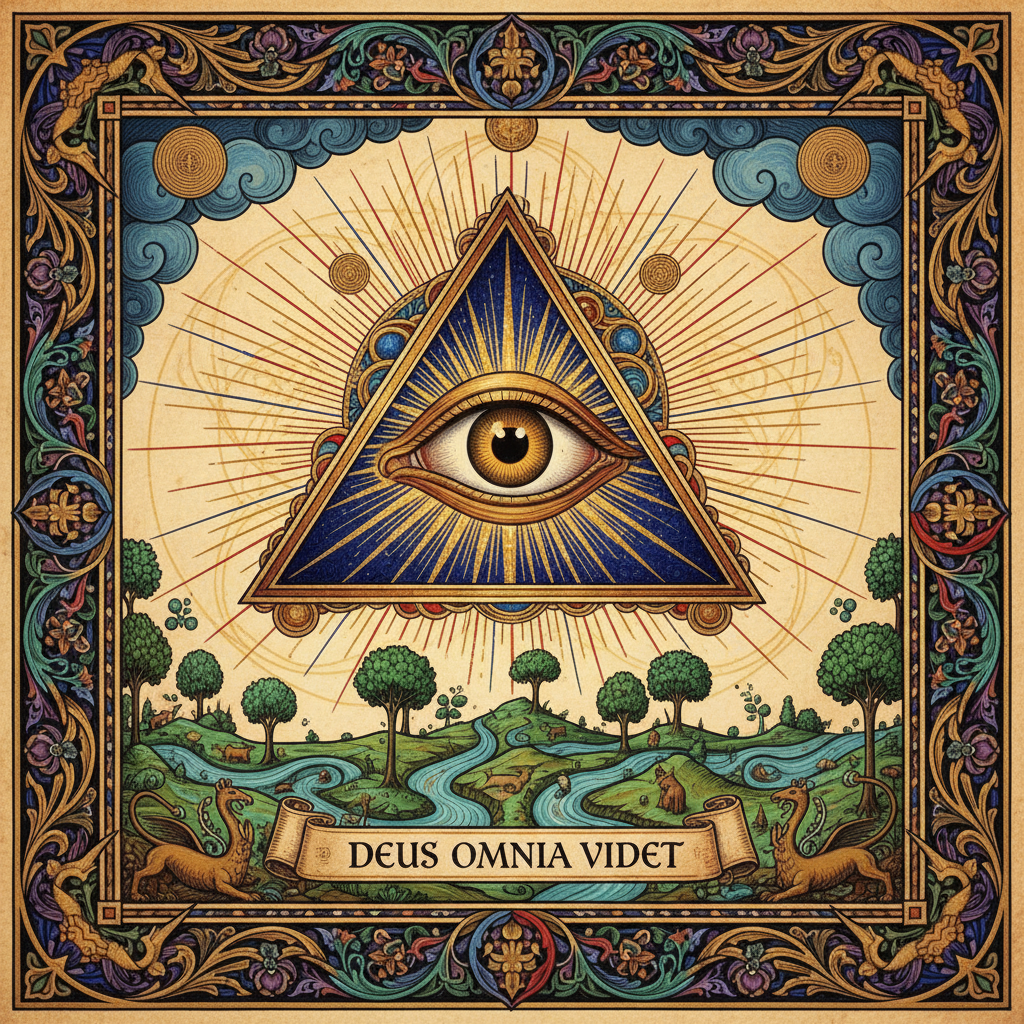 The All-Seeing Eye
 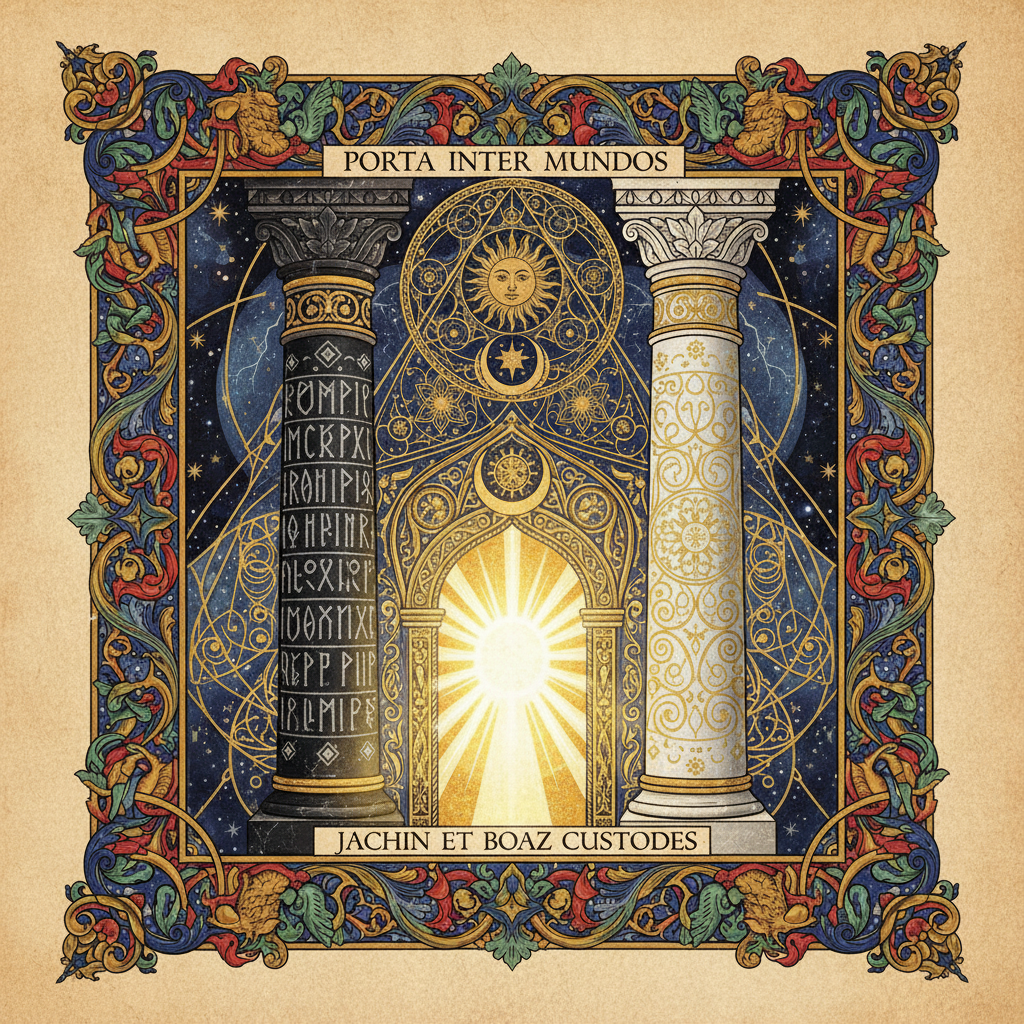 Pillars: Jachin
 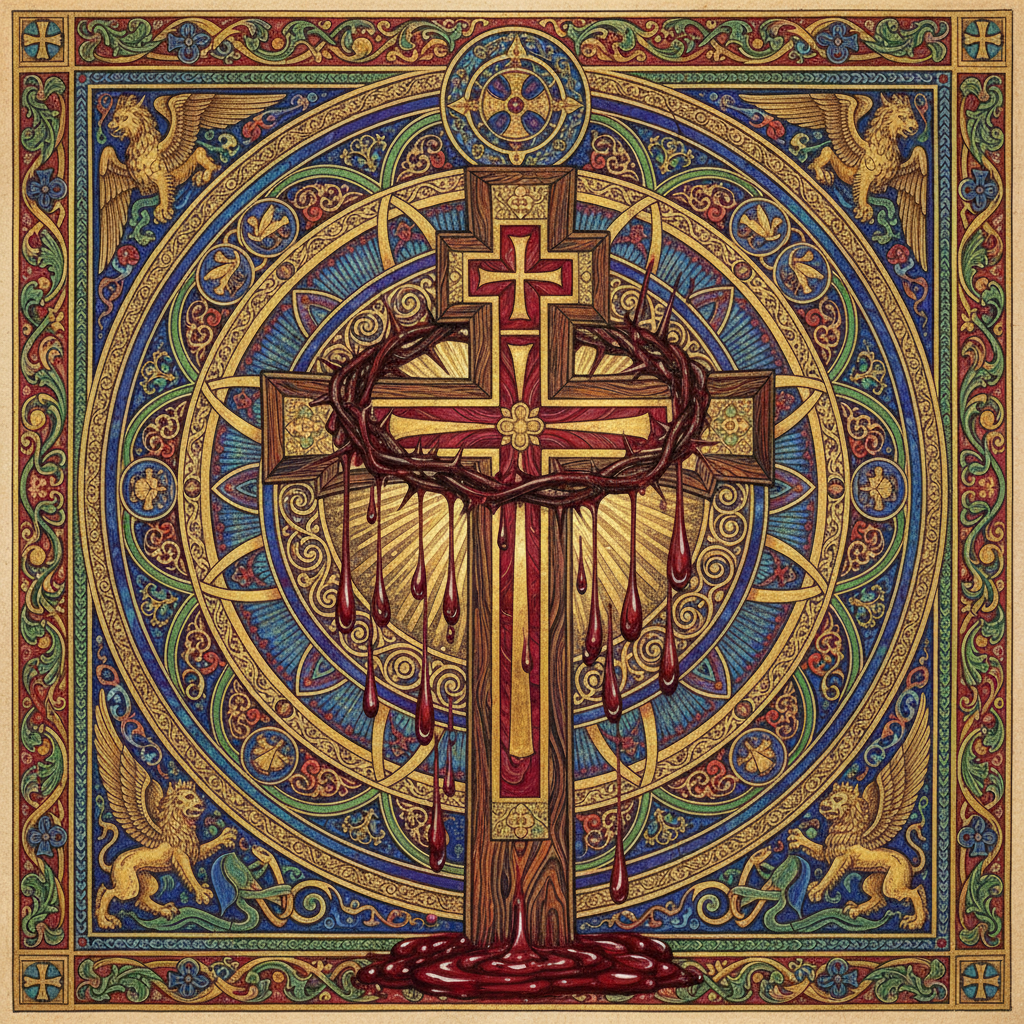 The Cross
 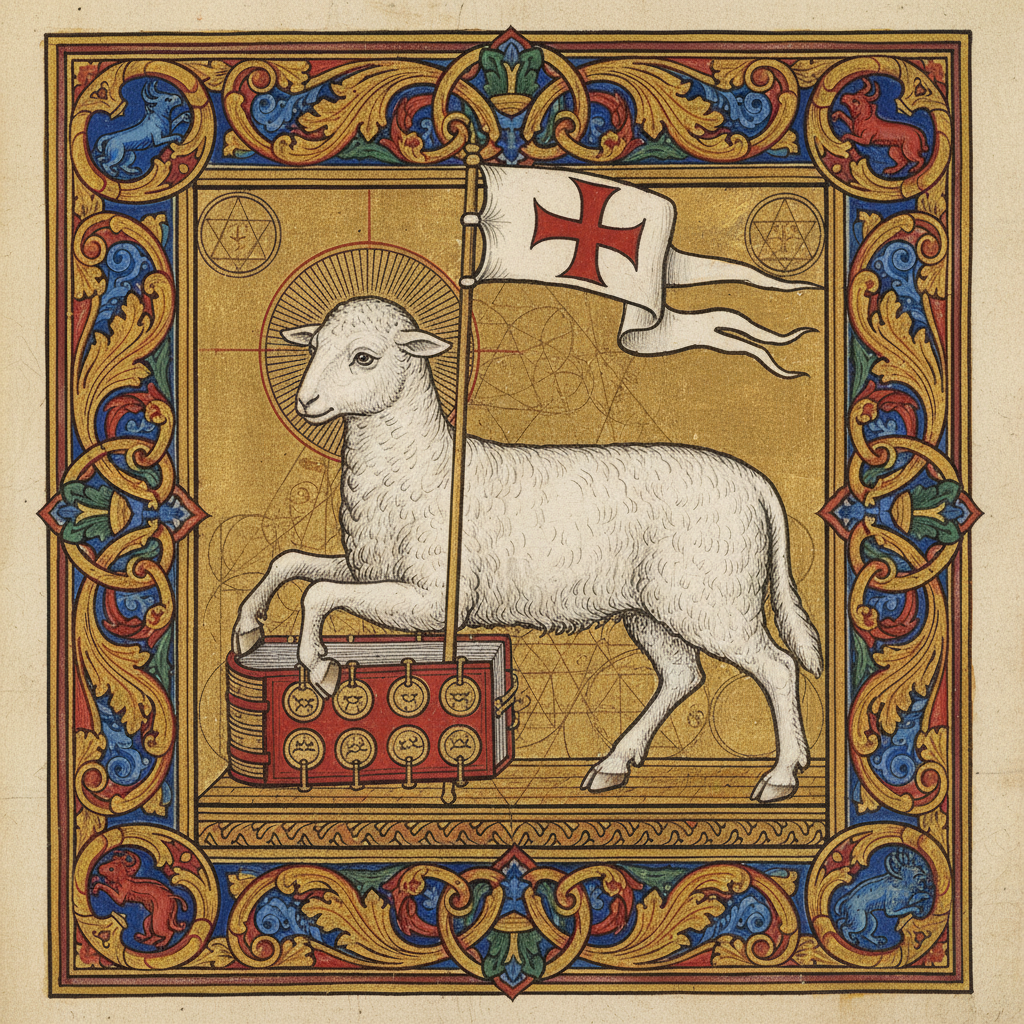 The Lamb