Prominent in
Where the divine descends and the human ascends. Every revelation in scripture happens on a mountain. Every tradition has its peak.
| Tradition | Mountain | Significance |
|---|---|---|
| Jewish / Christian | Sinai (Horeb) | Moses received the Torah; the burning bush; the theophany of cloud, smoke, and trumpet (Exodus 19-20). Elijah’s encounter with the “still small voice” (1 Kings 19) |
| Christian | Tabor | Traditional site of the Transfiguration — Jesus shines like the sun, with Moses and Elijah, before three terrified disciples (Matt 17). Eastern Orthodoxy makes “Taboric light” central to hesychast theology |
| Christian | Calvary / Golgotha | ”The place of the skull” outside Jerusalem. Where Christ was crucified. Adam’s skull was traditionally said to lie beneath |
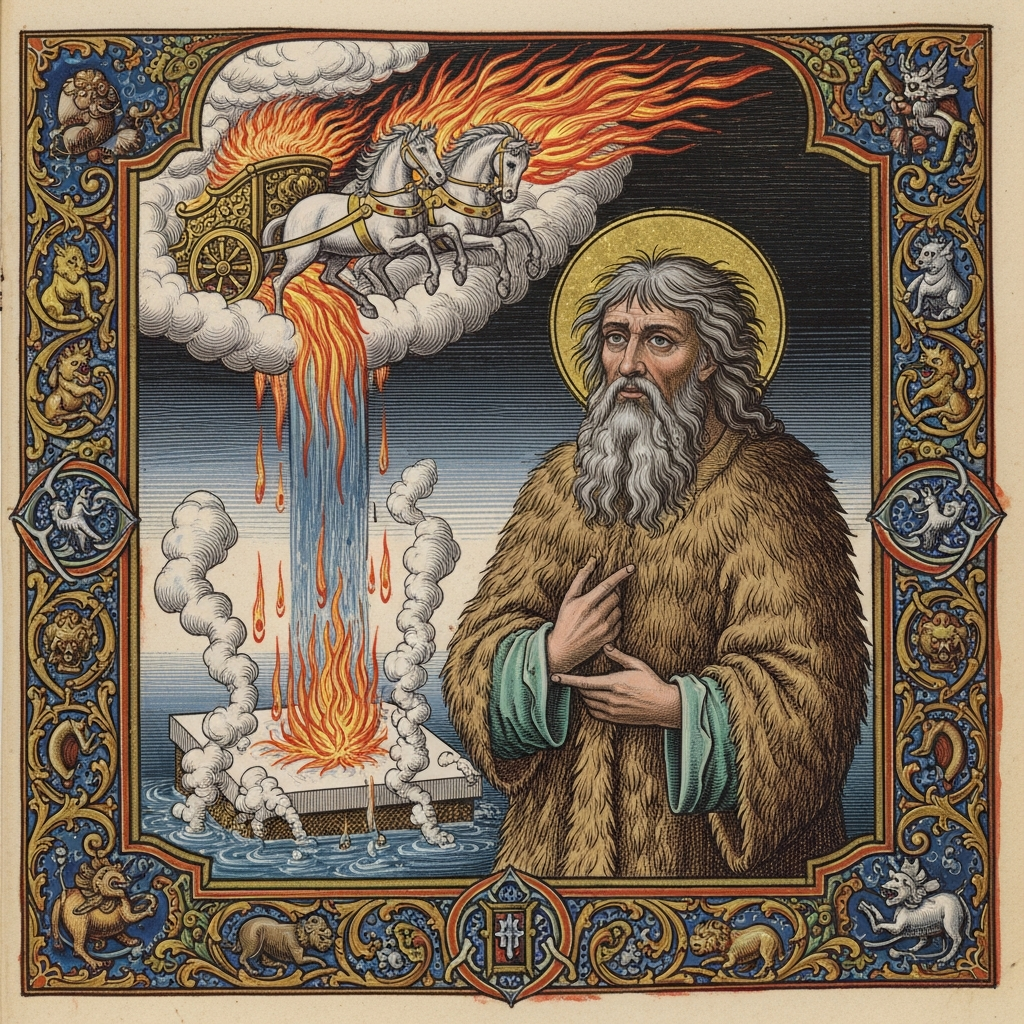
| Christian | Carmel | Where Elijah defeated the prophets of Baal (1 Kings 18), calling fire from heaven onto a water-soaked altar. The Carmelite order takes its name from this mountain |
| Christian (Irish) | Croagh Patrick | St. Patrick fasted for 40 days on this Mayo peak. Pilgrims still climb it barefoot on the last Sunday of July (“Reek Sunday”) |
| Greek | Olympus | Home of the twelve Olympian gods. Hesiod’s Theogony situates Zeus’s throne at the summit. The mountain’s actual peak (2,917 m) was rarely climbed in antiquity |
| Hindu | Meru | The cosmic axis at the center of the universe. Surrounded by seven concentric continents and oceans. Above it, the heavens of the devas. Every Hindu temple is a model of Meru |
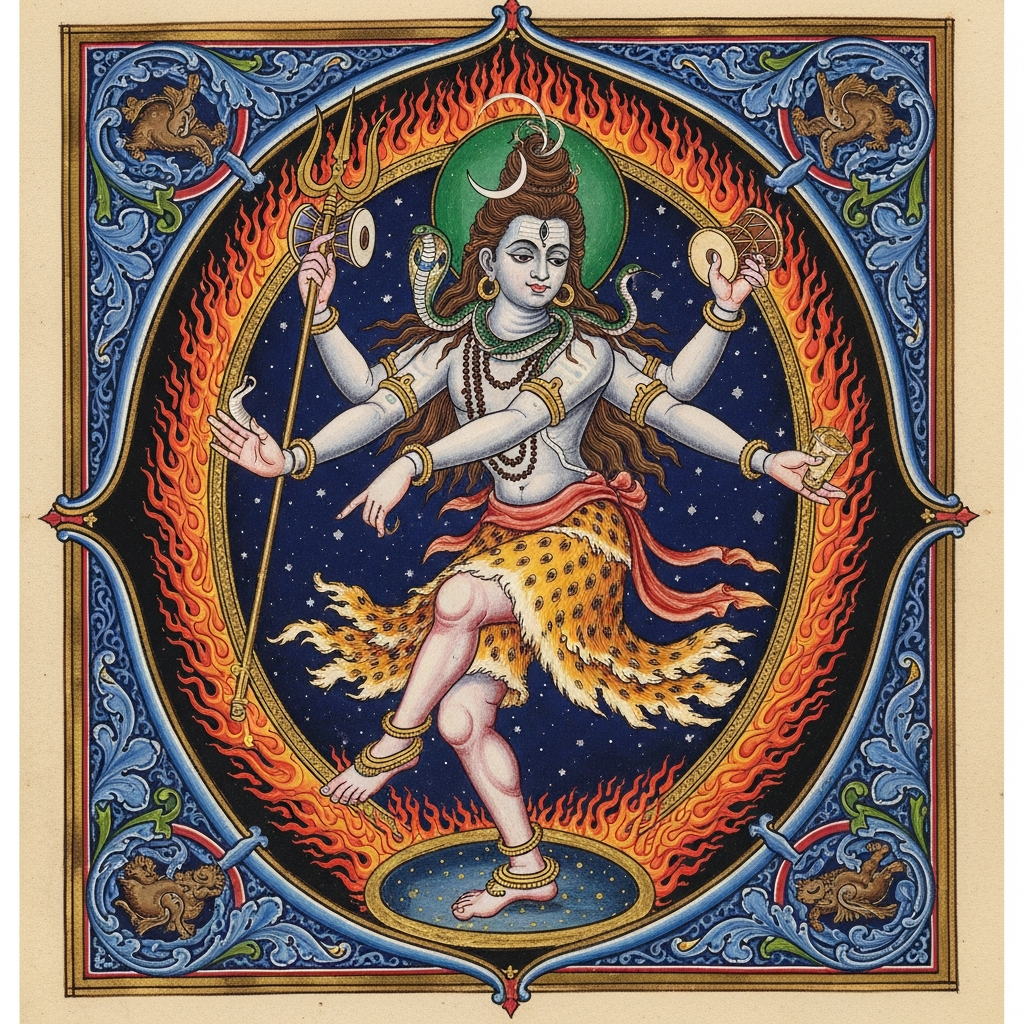
| Hindu / Buddhist / Jain / Bon | Kailash | The earthly Meru — 6,638 m peak in western Tibet. Shiva’s abode; site of Demchok (Buddhist); first tirthankara Rishabhanatha (Jain). Forbidden to climb. Pilgrims circumambulate (a 52 km kora) — one round wipes a lifetime of sins |
| Islamic | Hira | The cave on Jabal al-Nour (“Mountain of Light”) near Mecca where Muhammad received the first revelation of the Qur’an from Gabriel in 610 CE. “Read! In the name of your Lord who created” (Quran 96:1) |
| Shinto | Fuji | Sacred volcano; abode of Konohanasakuya-hime. Climbing Fuji as a religious pilgrimage (Fuji-ko sects, Edo period). Until 1872, women were forbidden to climb past the eighth station |
| Daoist | Tai Shan | The most sacred of China’s Five Great Mountains. Emperors performed the Feng and Shan sacrifices here to legitimize the Mandate of Heaven. 6,660 stone steps to the summit |
The pattern: God descends; the prophet ascends; they meet at the peak; the prophet returns transfigured. Sinai, Tabor, Hira, Carmel — the same shape, different deity. Mountains are where vertical theology becomes geographic.
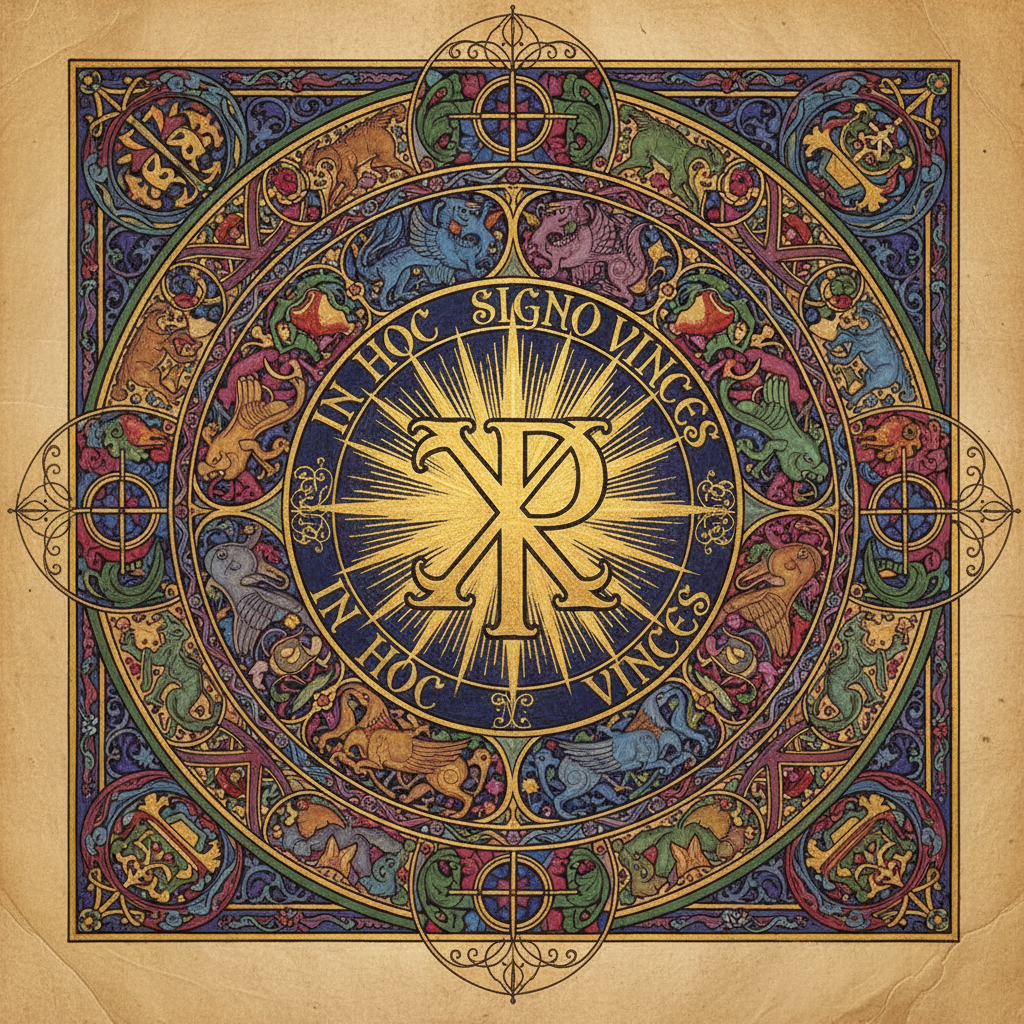 IHS / Chi-Rho
  Oil / Anointing
  The Cross
  The Key
 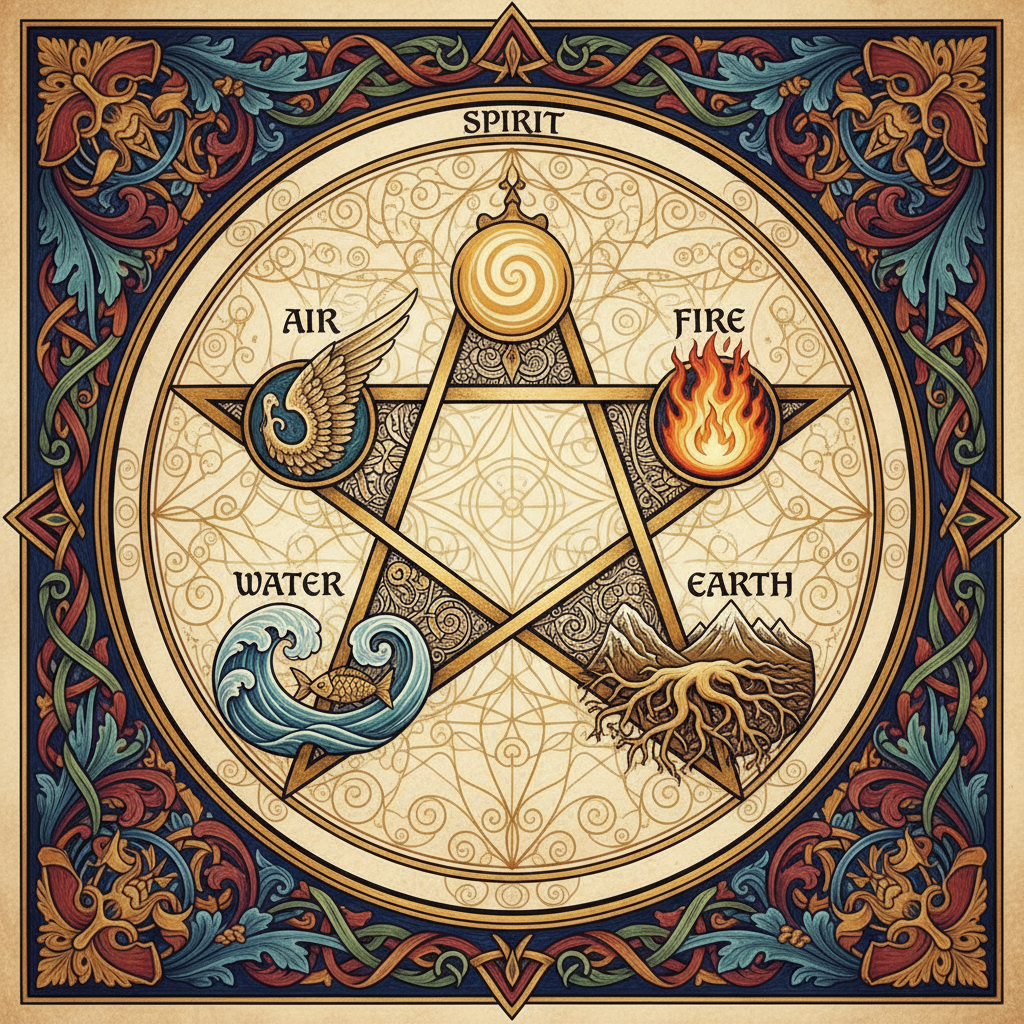 The Pentagram