Prominent in
A flower that roots in mud, rises through opaque water, and opens unstained on the surface. The whole spiritual path in one plant.
| Tradition | Form | Meaning |
|---|---|---|
| Egyptian | Nefertem / Blue Lotus | Nefertem, “lord of the perfumes,” was born from a blue lotus that opened on the primordial waters of Nun — with the infant sun god Ra inside. The blue lotus (Nymphaea caerulea) closes at night and reopens at dawn = daily resurrection. Used in funerary art and possibly as a mild psychoactive |
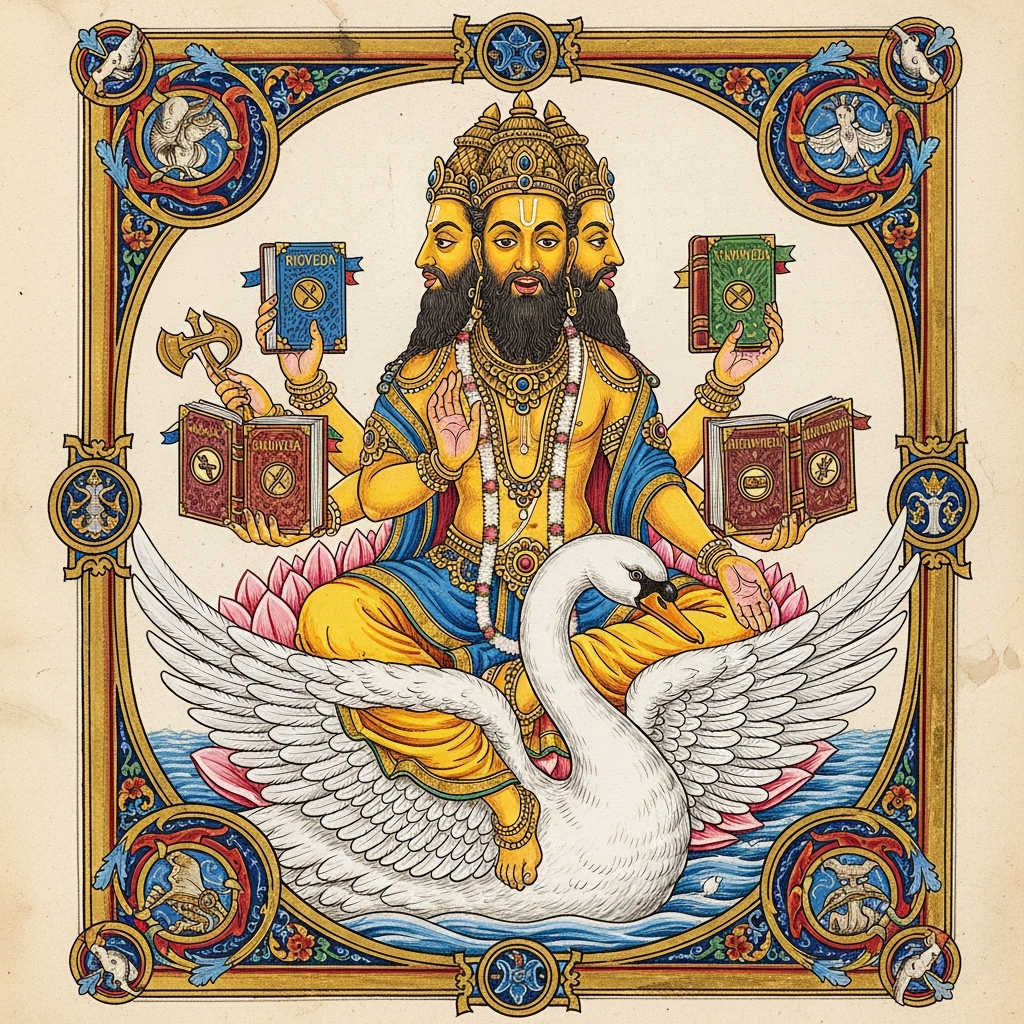
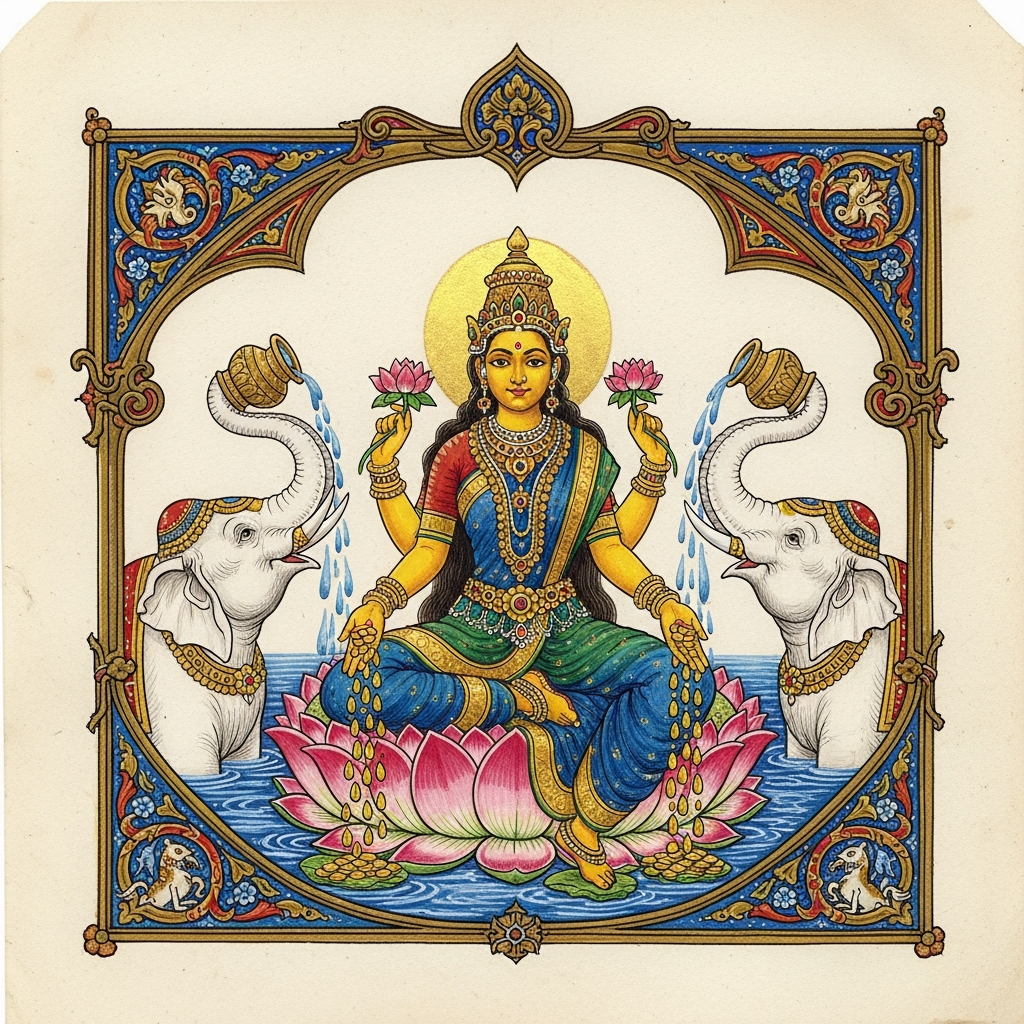
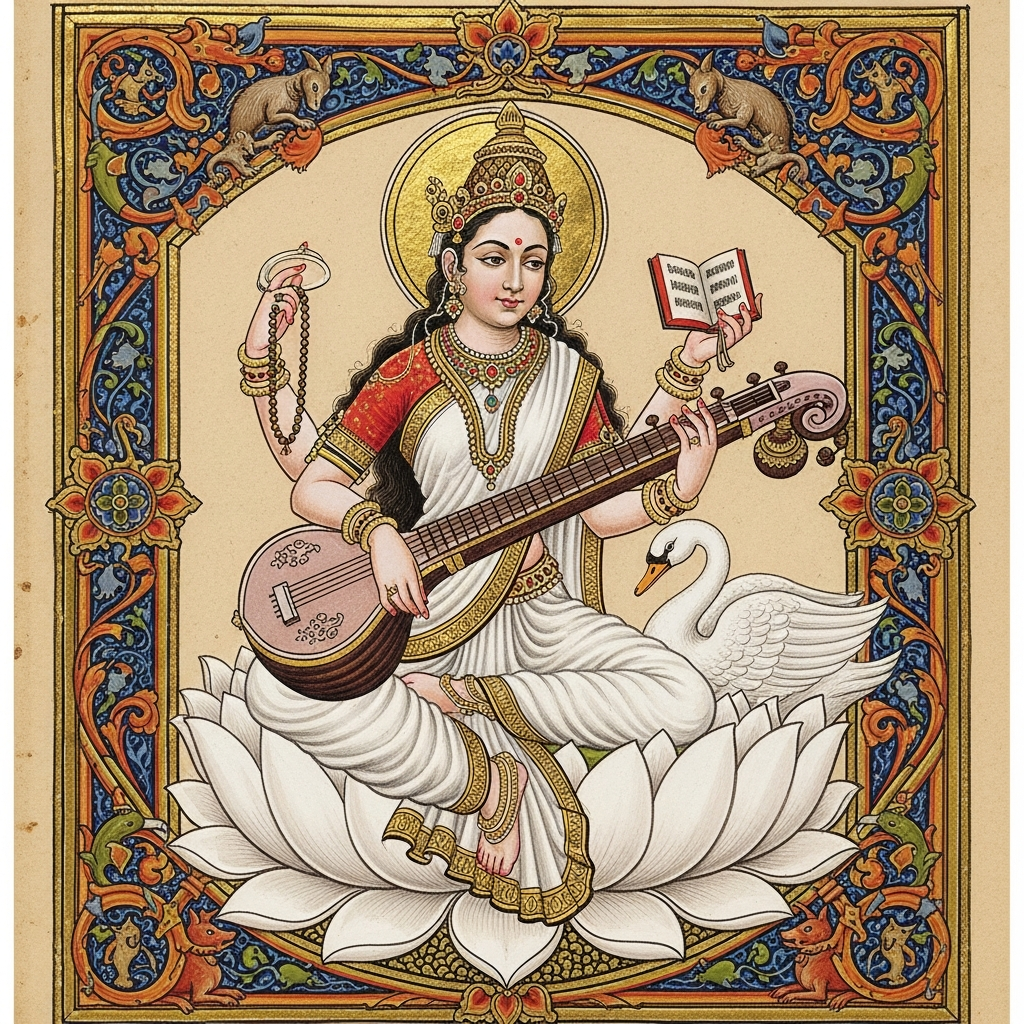
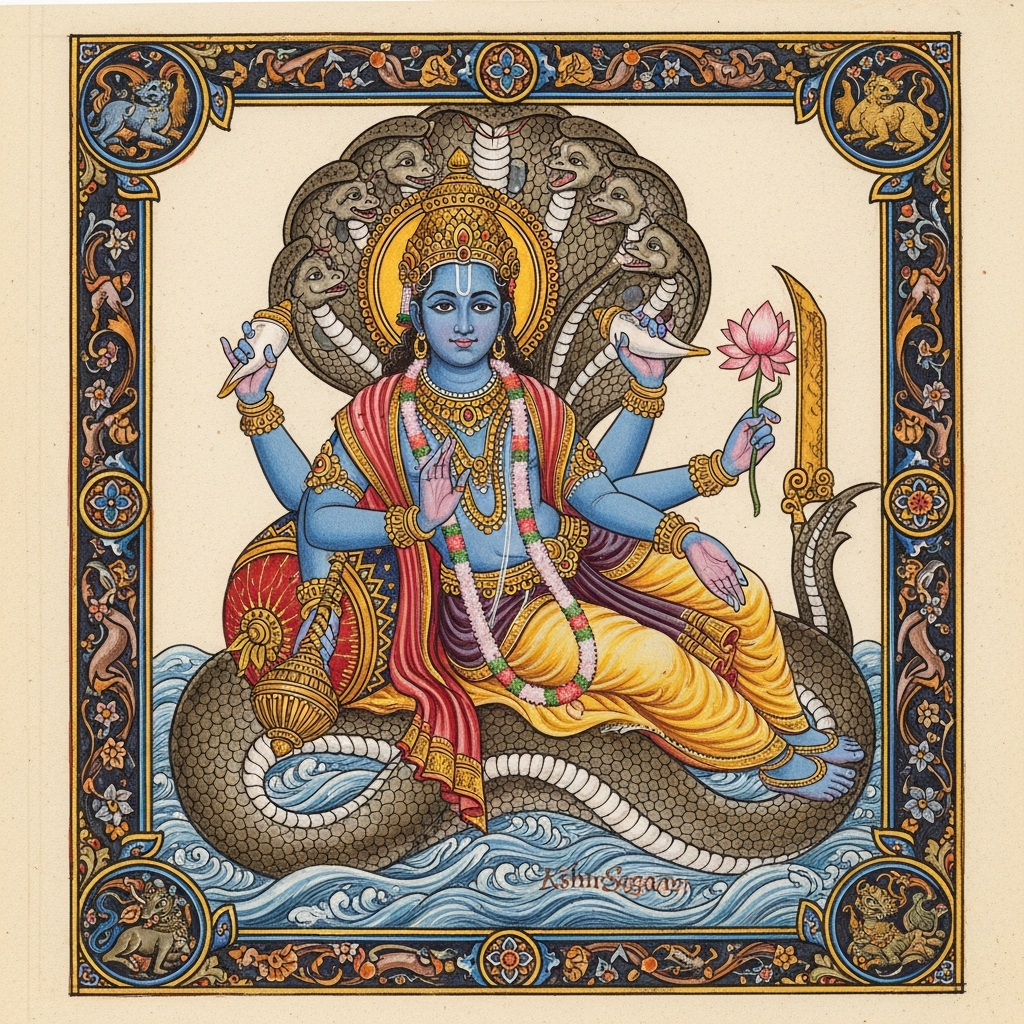
| Hindu | Padma | Vishnu sleeps on the cosmic ocean; from his navel grows a lotus, and on it sits Brahma the creator (Bhagavata Purana). Lakshmi (goddess of fortune) stands on a pink lotus. Saraswati holds a white lotus. The chakras along the spine are visualized as lotuses with varying numbers of petals — culminating in the thousand-petaled sahasrara at the crown |
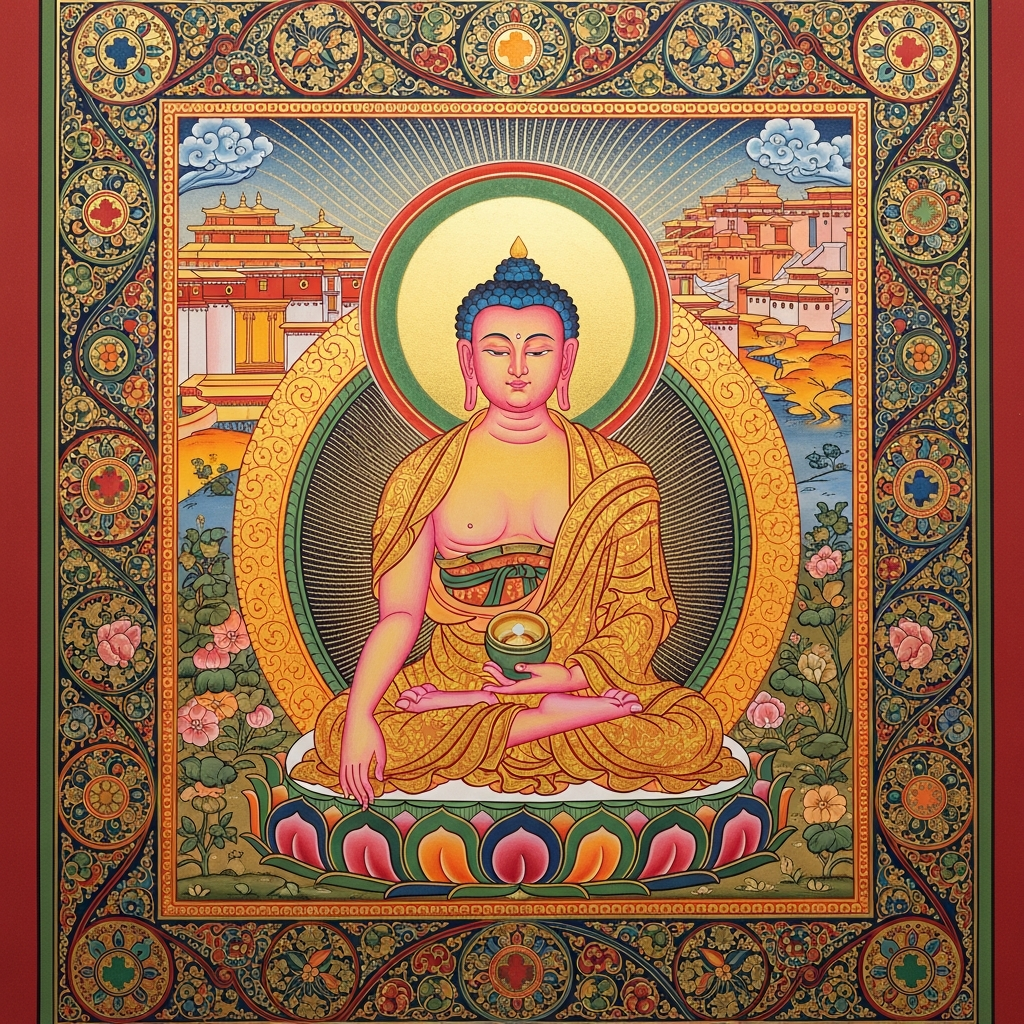
| Buddhist | Buddha’s seat | The Buddha is depicted seated on a lotus throne; he took seven steps after birth, and lotuses sprang up at each. The Lotus Sutra (Saddharmapundarika) is one of the most influential Mahayana texts. The lotus’s emergence from mud = bodhi arising in samsara without being defiled by it |
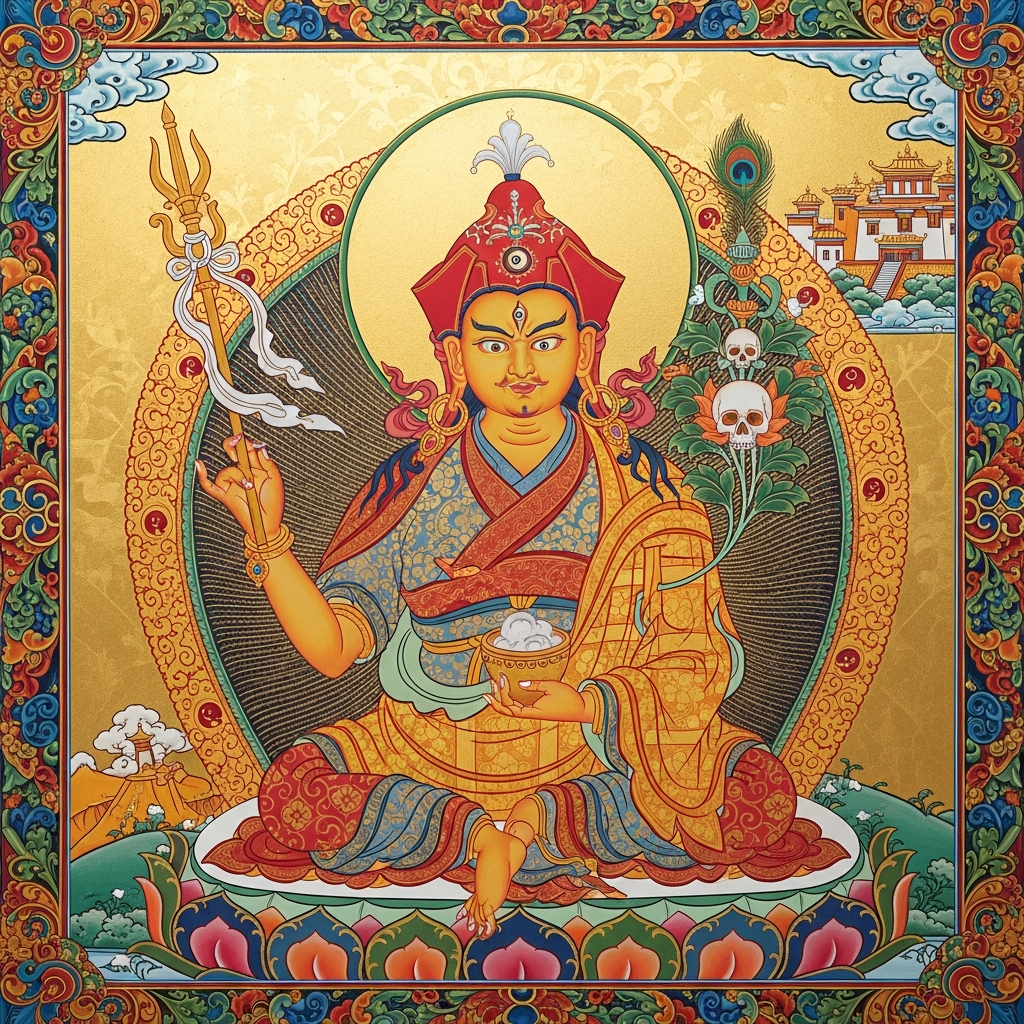
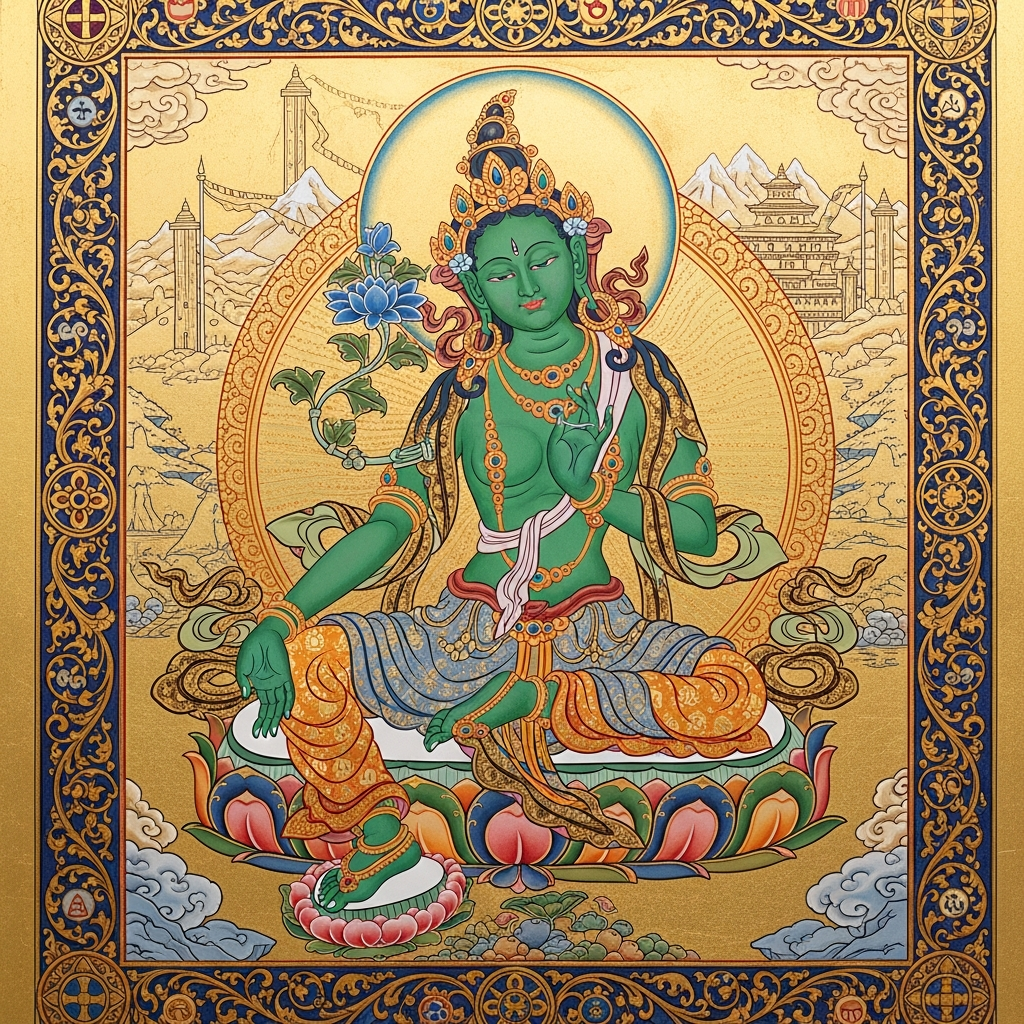
| Tibetan / Vajrayana | Padmasambhava (“Lotus-Born”) | The 8th-century master who brought tantric Buddhism to Tibet was born from a lotus on Lake Dhanakosha as an eight-year-old child. The yidam Padma-family deities (Avalokiteshvara, Amitabha, Tara) hold or emerge from lotuses. The mantra Om mani padme hum = “the jewel in the lotus” |
| Pure Land Buddhist | Amitabha’s lotus pond | In Sukhavati (Amitabha’s western paradise), the faithful are reborn inside lotus buds floating on jeweled lakes. The bud opens when the soul is ready. Sukhavati-vyuha Sutra: “lotuses of every color emit rays of light of every color” |
| Jain | Tirthankara emblem | Padmaprabhu (the 6th tirthankara) has the red lotus as his lanchana (emblem). Lotuses are common in Jain temple iconography as symbols of detachment |
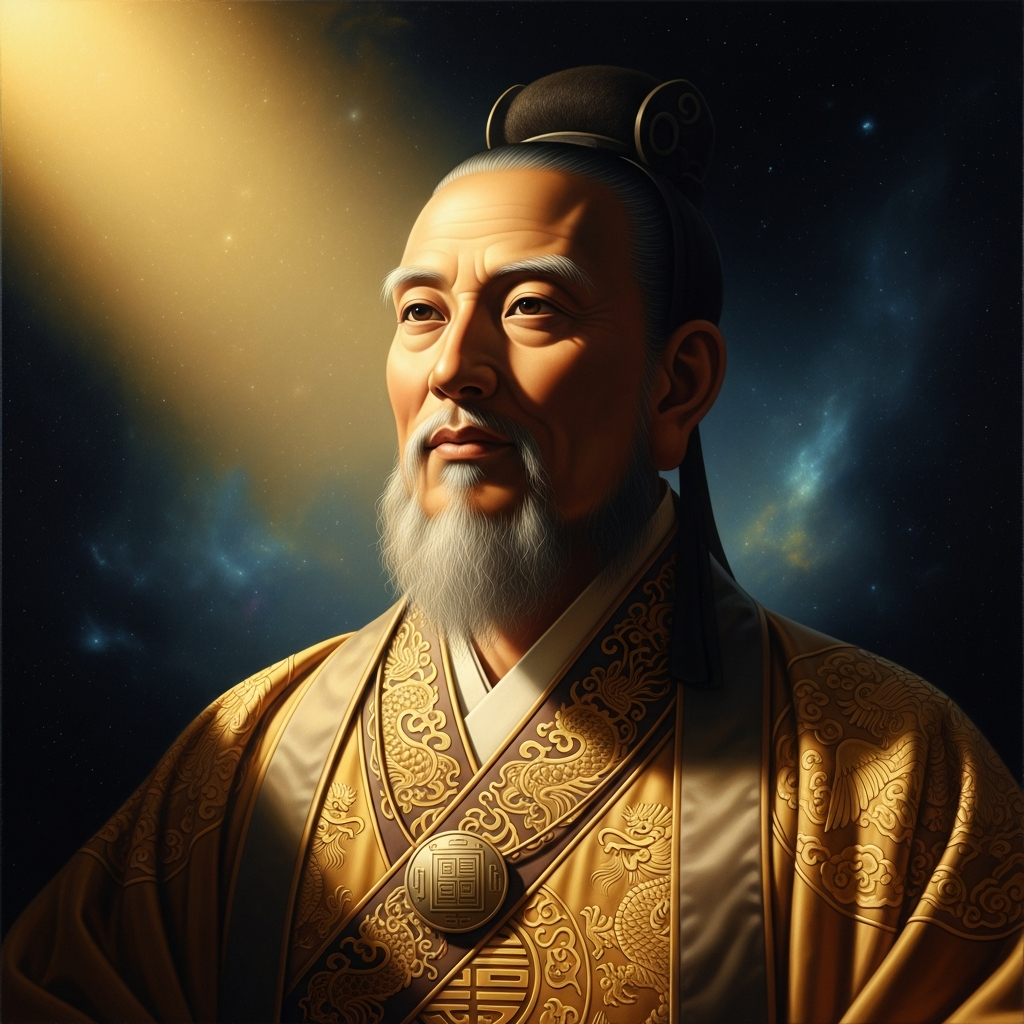
| Chinese (Buddhist / Confucian) | He Hua | Zhou Dunyi’s essay On the Love of the Lotus (1063): “I love the lotus alone — emerging from mud unsullied, washed by clear water yet not seductive.” Adopted as the symbol of the noble person (junzi) |
| Christian (rare) | Symbolic borrowing | Mostly absent from Western Christianity, but Coptic Christianity (with its Egyptian roots) occasionally uses lotus motifs. The lily of the valley fills a similar symbolic role in Western iconography |
The botanical symbolism is unforced: The lotus actually does grow in mud, actually does rise stem-first through cloudy water, and actually does open above the surface clean of any silt. The metaphor was not invented; it was observed. Across South and East Asia, the same plant taught the same lesson independently to dozens of traditions.
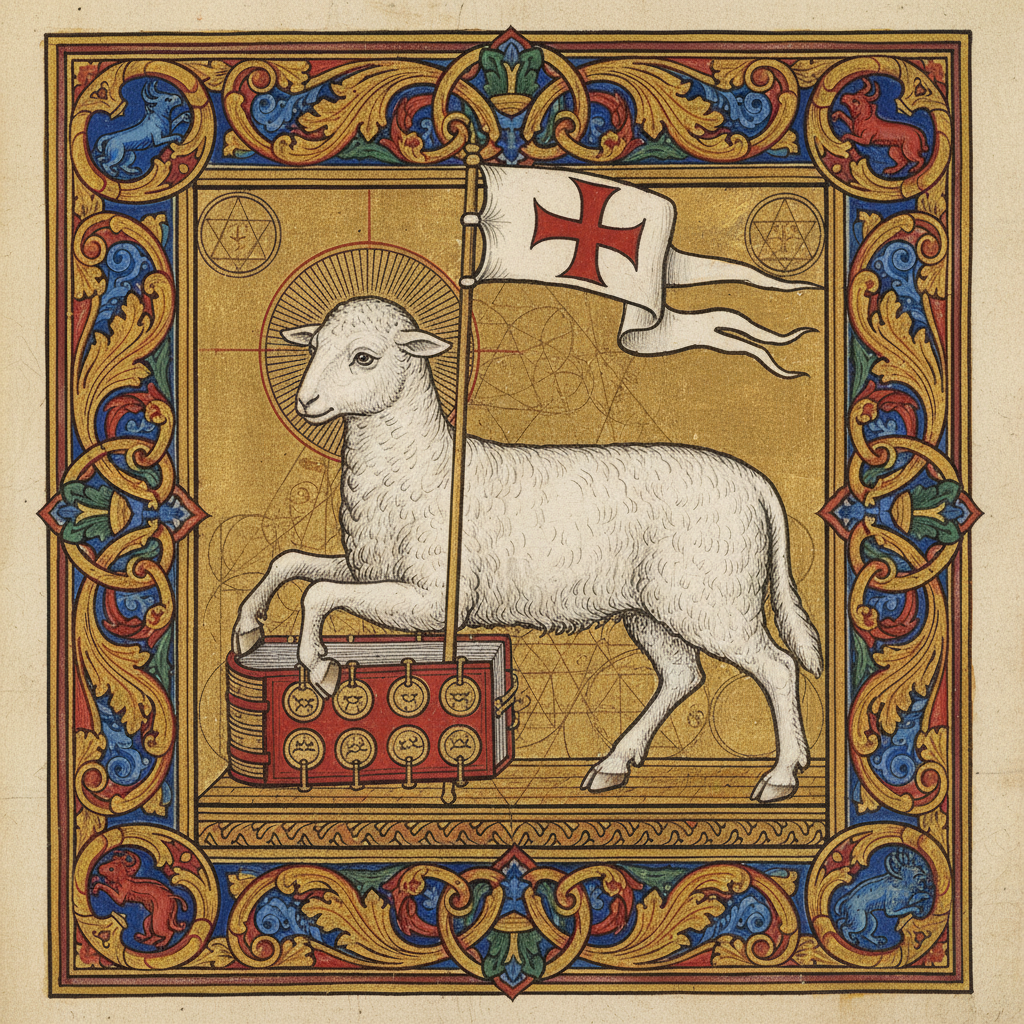 The Lamb
 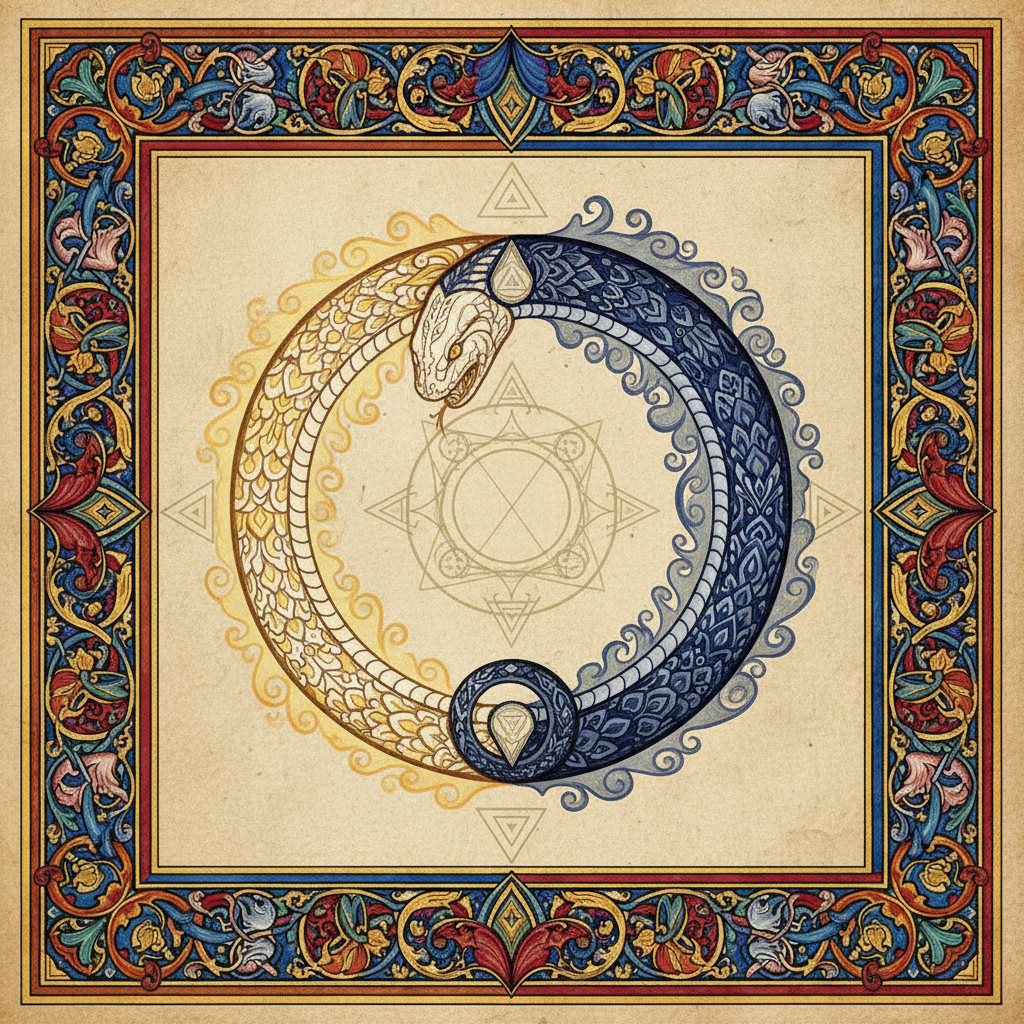 The Serpent
 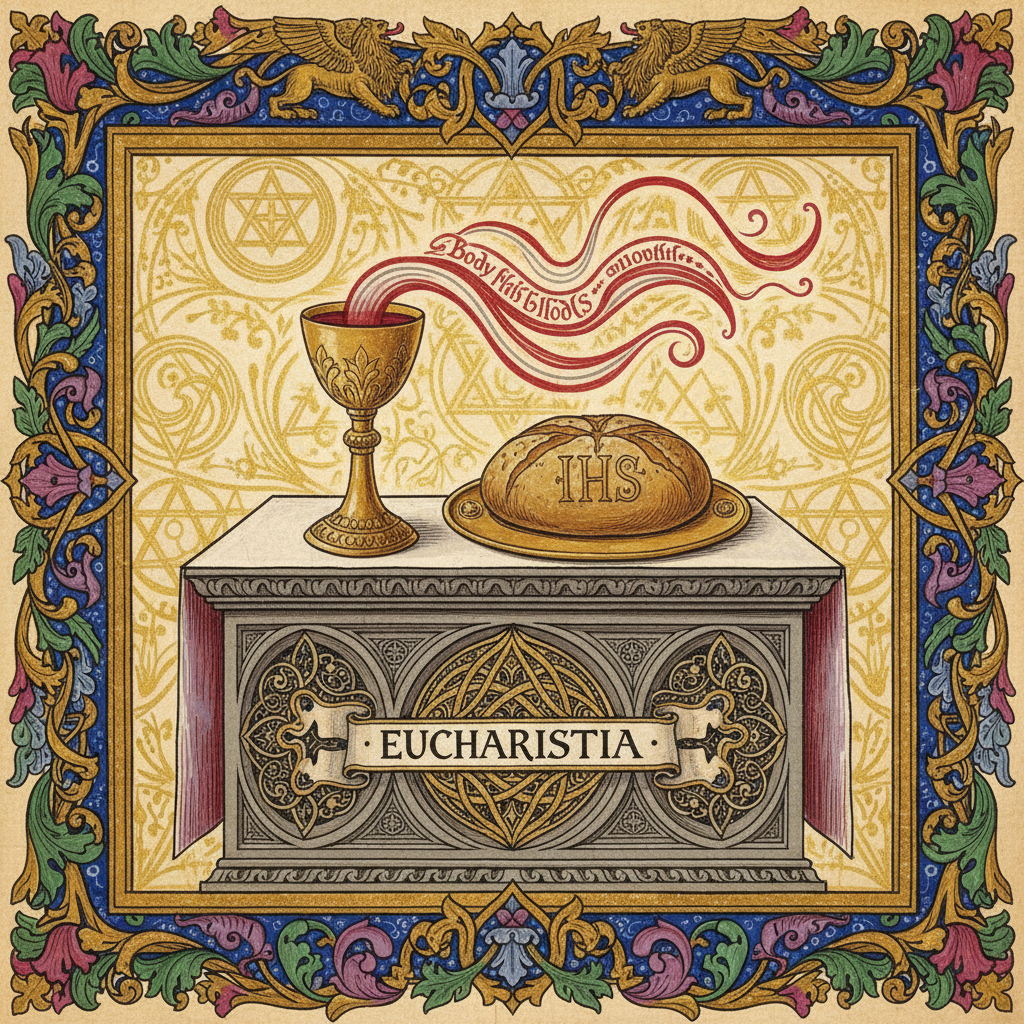 Bread & Wine
  The Hamsa
  The Menorah
  The Triangle