Prominent in
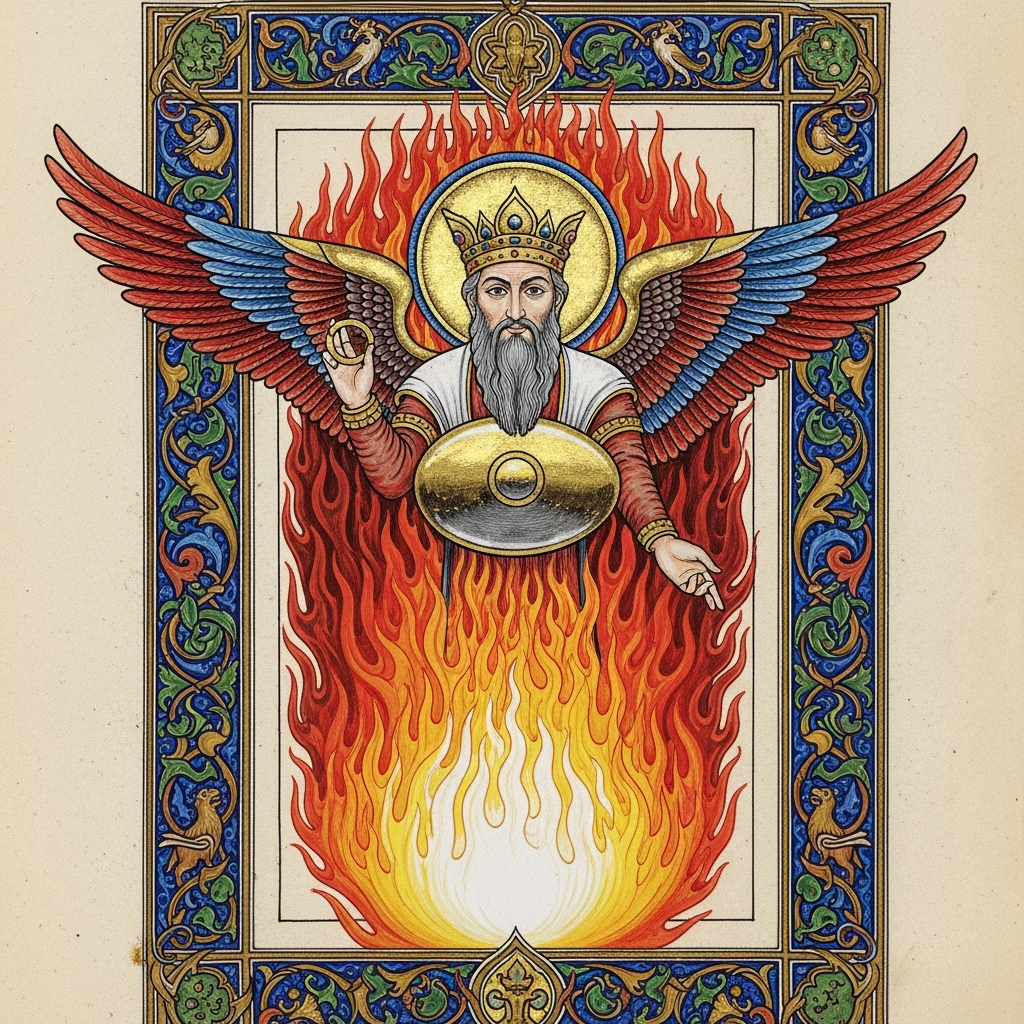
The most universal sacred symbol in human history — and the site of one of religion’s most consequential theological transitions: from the sun as God to the sun as symbol of God.
| Tradition | Name / Form | Meaning |
|---|---|---|
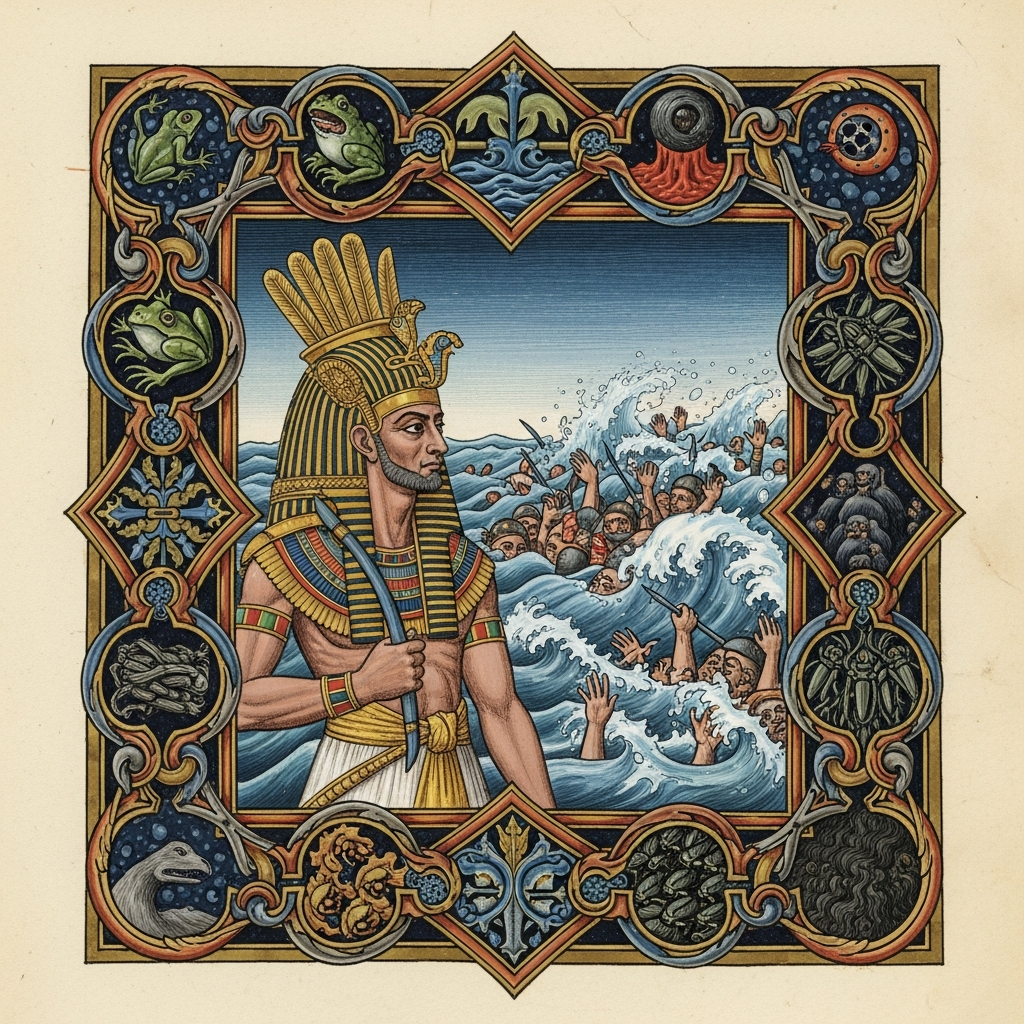
| Egyptian | Ra / Aten — the solar disc | Ra was the supreme deity; pharaoh was his earthly son. Akhenaten’s radical reform (c. 1350 BCE) collapsed all gods into Aten, the disc itself: the first known monotheism, sun-as-God in its purest form |
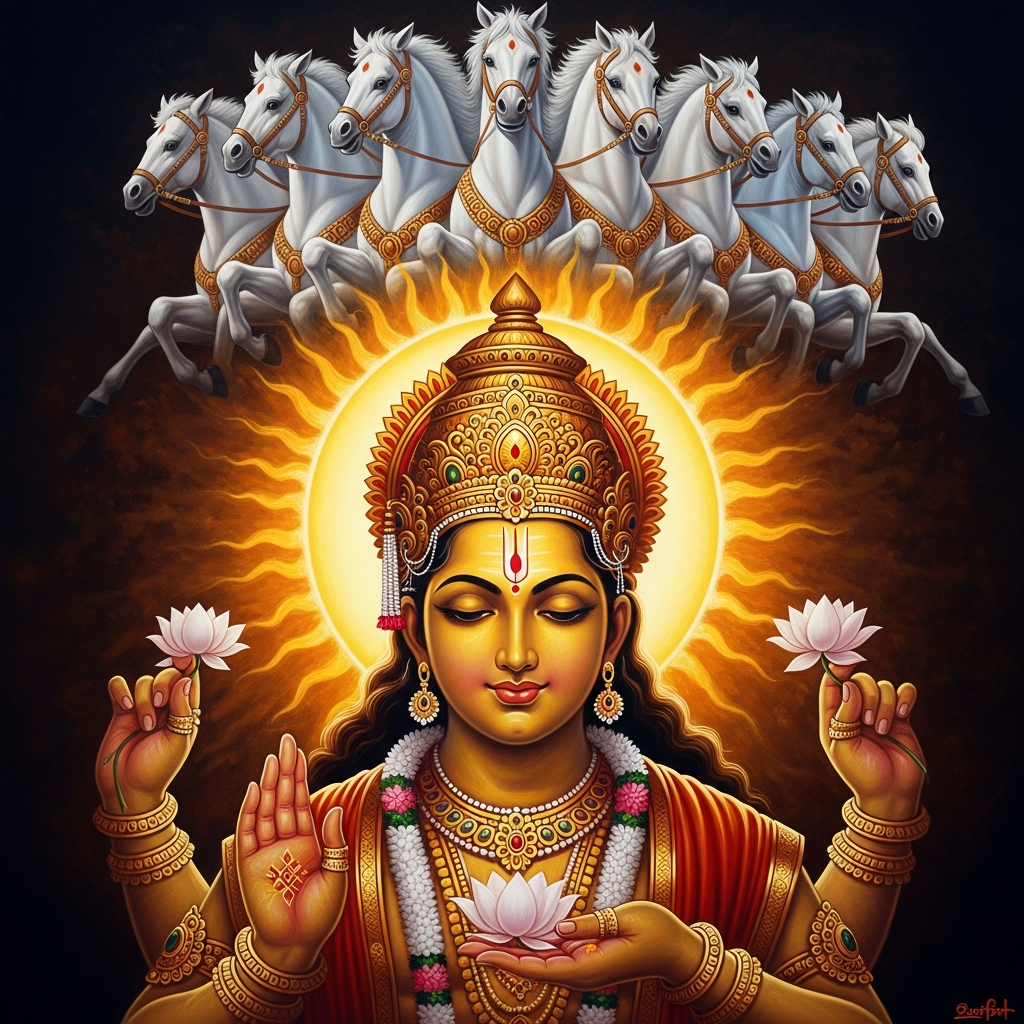
| Hindu | Surya — the chariot-borne sun; the twelve Adityas | Surya drives a golden chariot across the sky pulled by seven horses (the seven colors of light). The Gayatri Mantra is addressed to Savitr (a solar deity). The twelve Adityas are the sun’s twelve monthly forms |
| Greek / Roman | Helios / Sol Invictus | Helios drives the solar chariot; later conflated with Apollo. Sol Invictus (“Unconquered Sun”) became the official state cult under Aurelian (274 CE) and was the immediate precursor to Constantine’s adoption of Christianity |
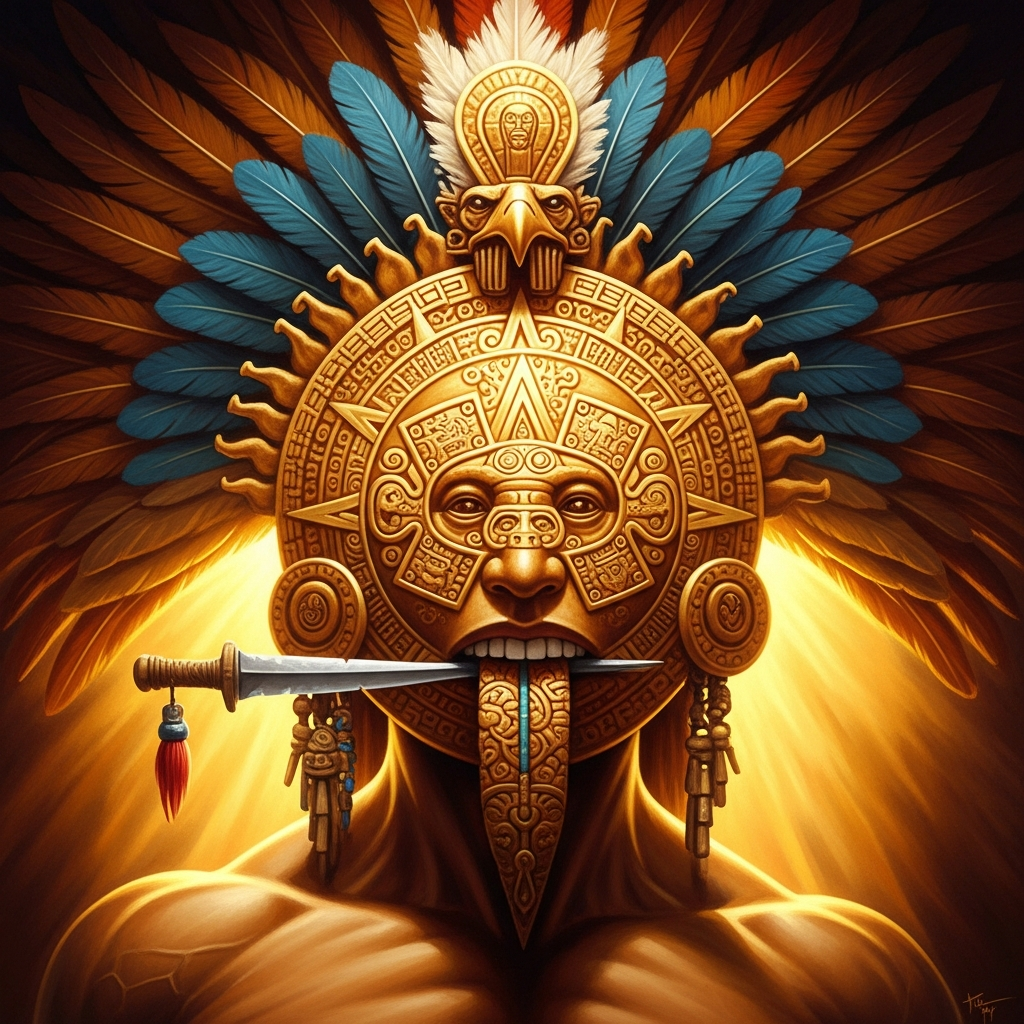
| Aztec | Tonatiuh — the fifth sun | The Aztec world was the fifth sun; the previous four had been destroyed. Tonatiuh required daily blood sacrifice (human hearts) to prevent the fifth sun from dying. The Sun Stone (“Aztec Calendar”) is Tonatiuh’s face |
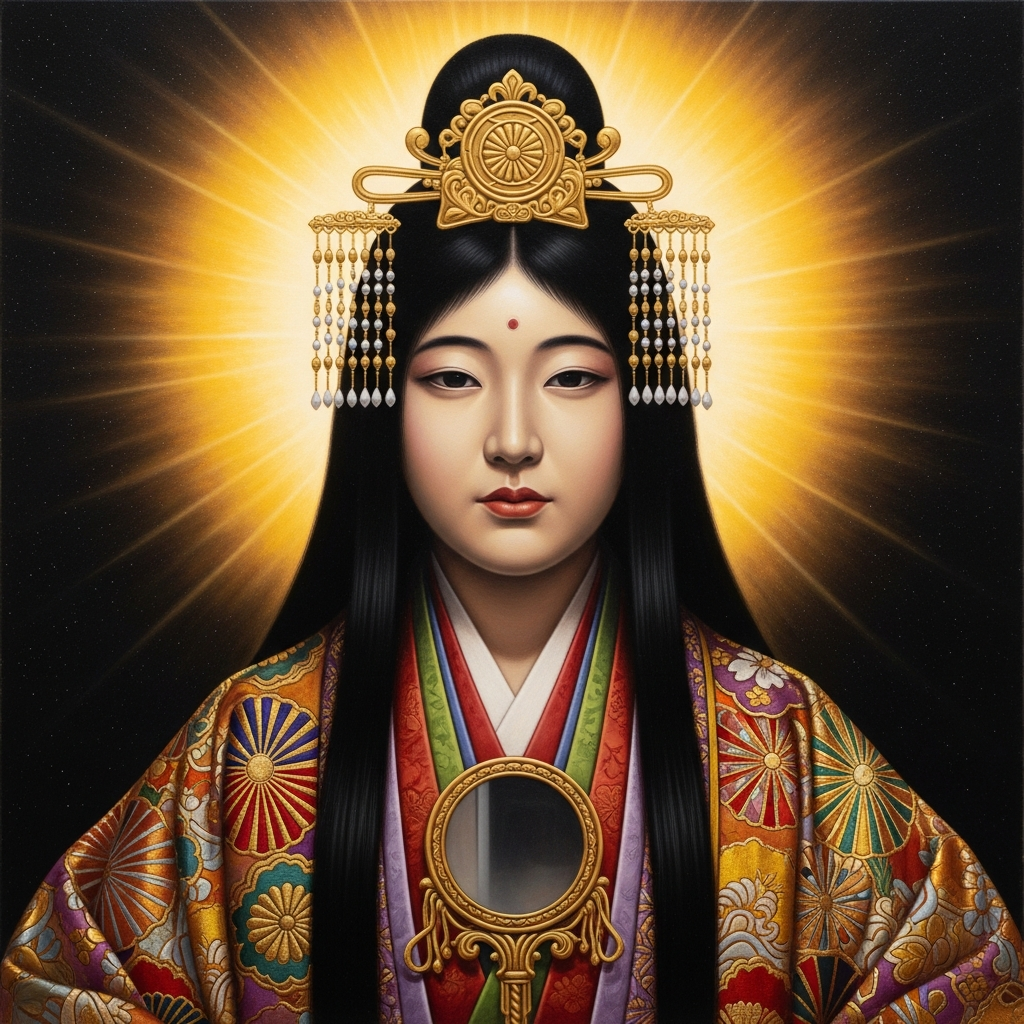
| Shinto | Amaterasu — the sun goddess | Amaterasu is the supreme kami and ancestor of the imperial line; the Emperor of Japan claims descent from her. When she hid in a cave (ama-no-iwato), the world went dark until the other gods lured her out with dance and laughter |
| Zoroastrian | Fire / sun as face of Ahura Mazda | The sun and sacred fire are visible manifestations of Ahura Mazda’s light. This is not sun-worship but sun-as-sign — a distinction that influenced Jewish and Christian theology |
| Christian | Christ as Sol Invictus; Christmas at the winter solstice | The Christian feast of the Nativity was placed on December 25 — the Roman festival of Sol Invictus, the winter solstice rebirth of the sun. Ambrose and others explicitly called Christ “the true Sun.” The sun as symbol, not God |
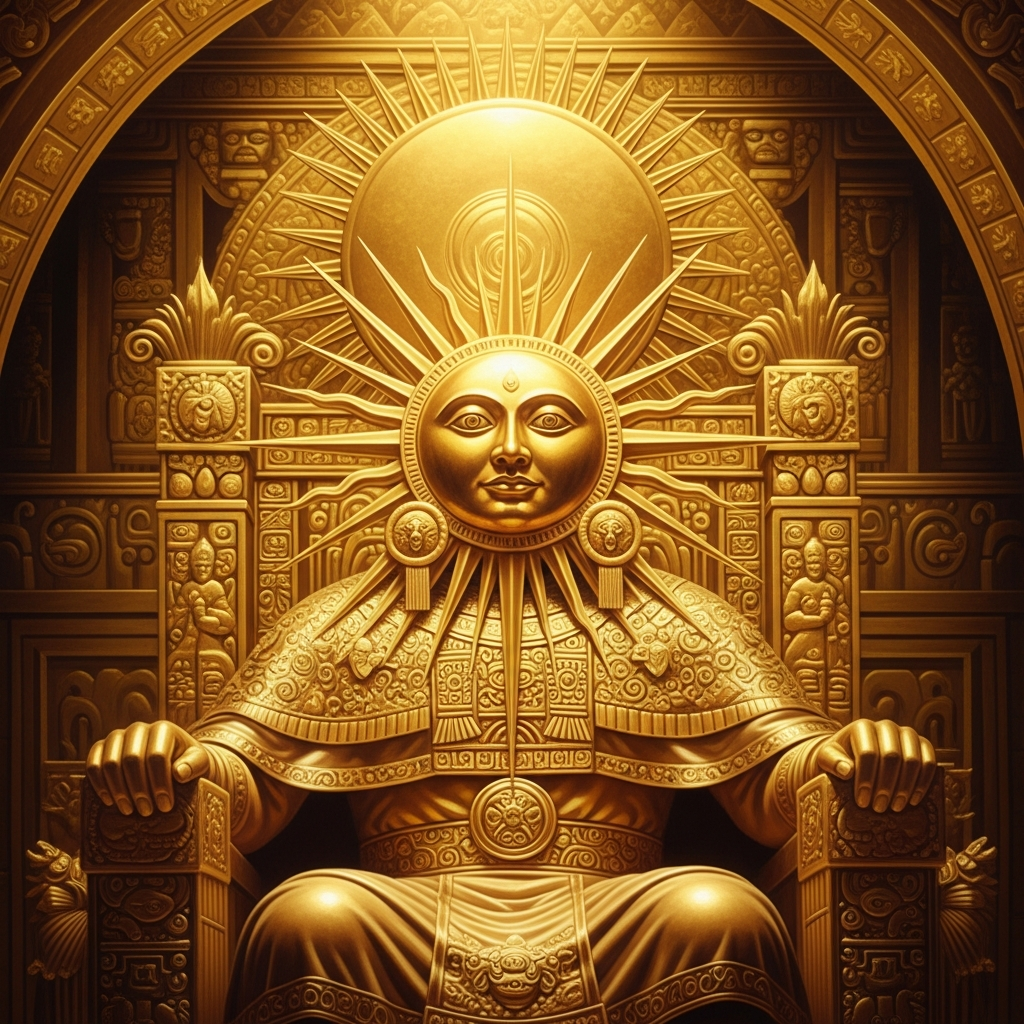
| Inca | Inti — the sun god | Inti was the supreme deity; the Sapa Inca was his son. The Coricancha (Temple of the Sun) in Cuzco was the most sacred site in the empire. Manco Cápac, legendary founder of Cuzco and the Inca, was Inti’s son |
The sun is both creator and destroyer — it brings life and can scorch it away. In polytheistic traditions, the sun is divine in itself: Ra, Surya, Tonatiuh, Amaterasu are gods who happen to be suns. In monotheistic traditions, a critical theological transition occurs: the sun is demoted from deity to emblem. God made the sun (Gen 1:16); therefore the sun cannot be God. The sun becomes a symbol of God’s glory — “the sun of righteousness” (Mal 4:2), Sol Invictus reinterpreted as Christ — rather than an object of worship itself. This shift from solar deity to solar symbol marks the boundary between ancient and Abrahamic religion.
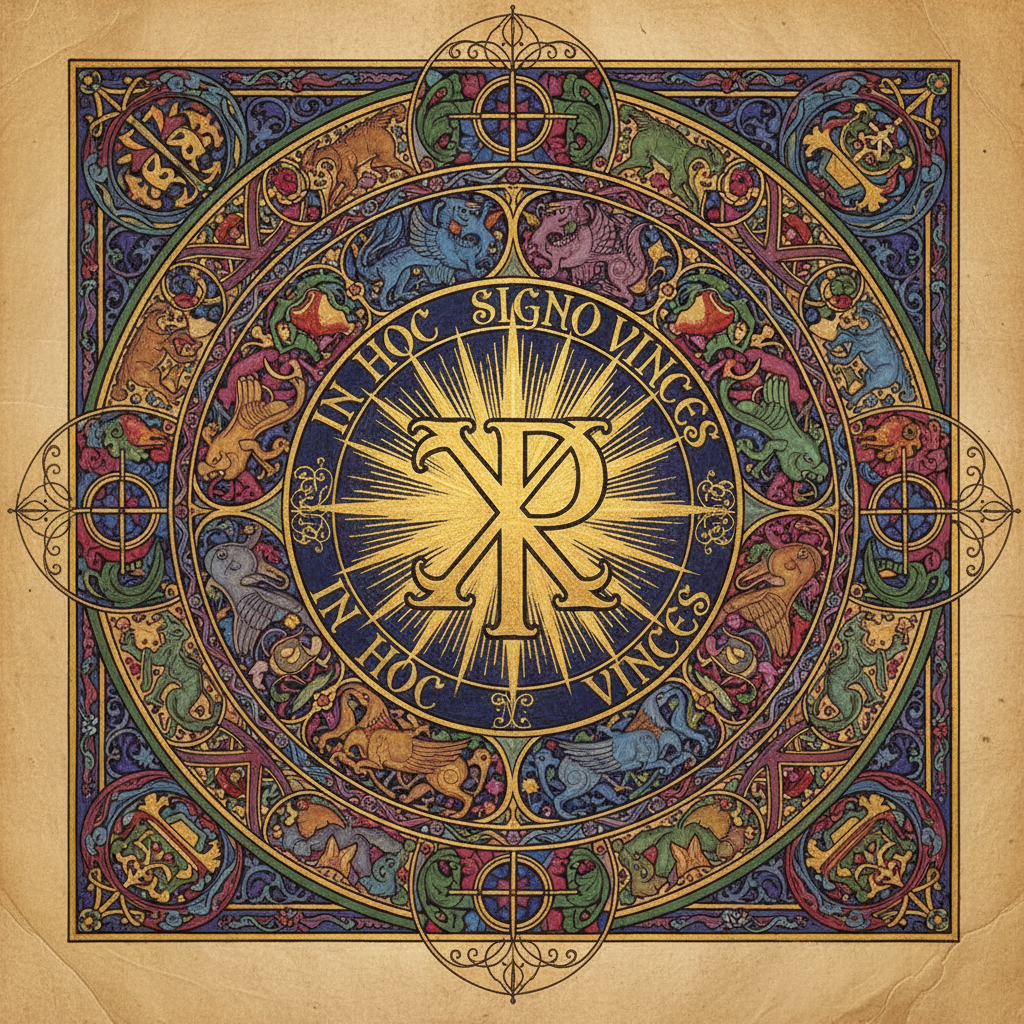 IHS / Chi-Rho
 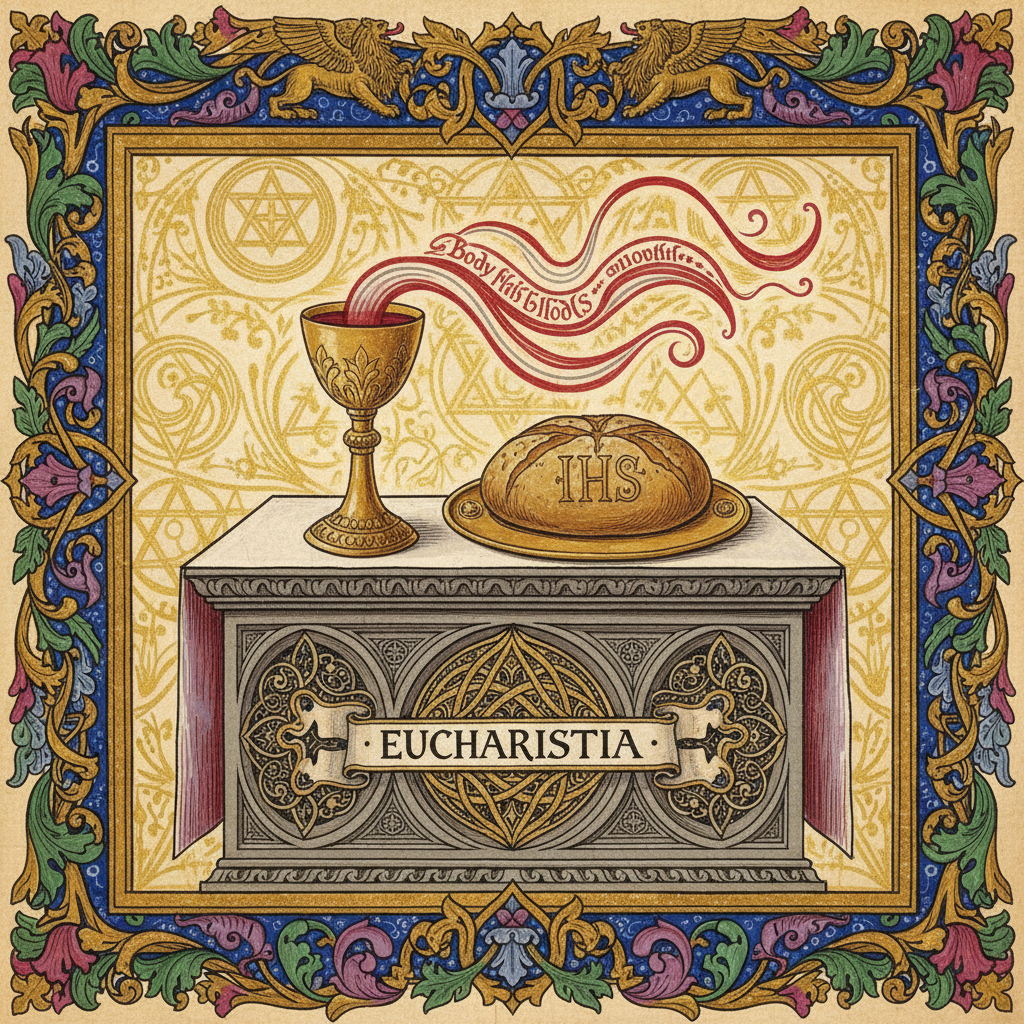 Bread & Wine
 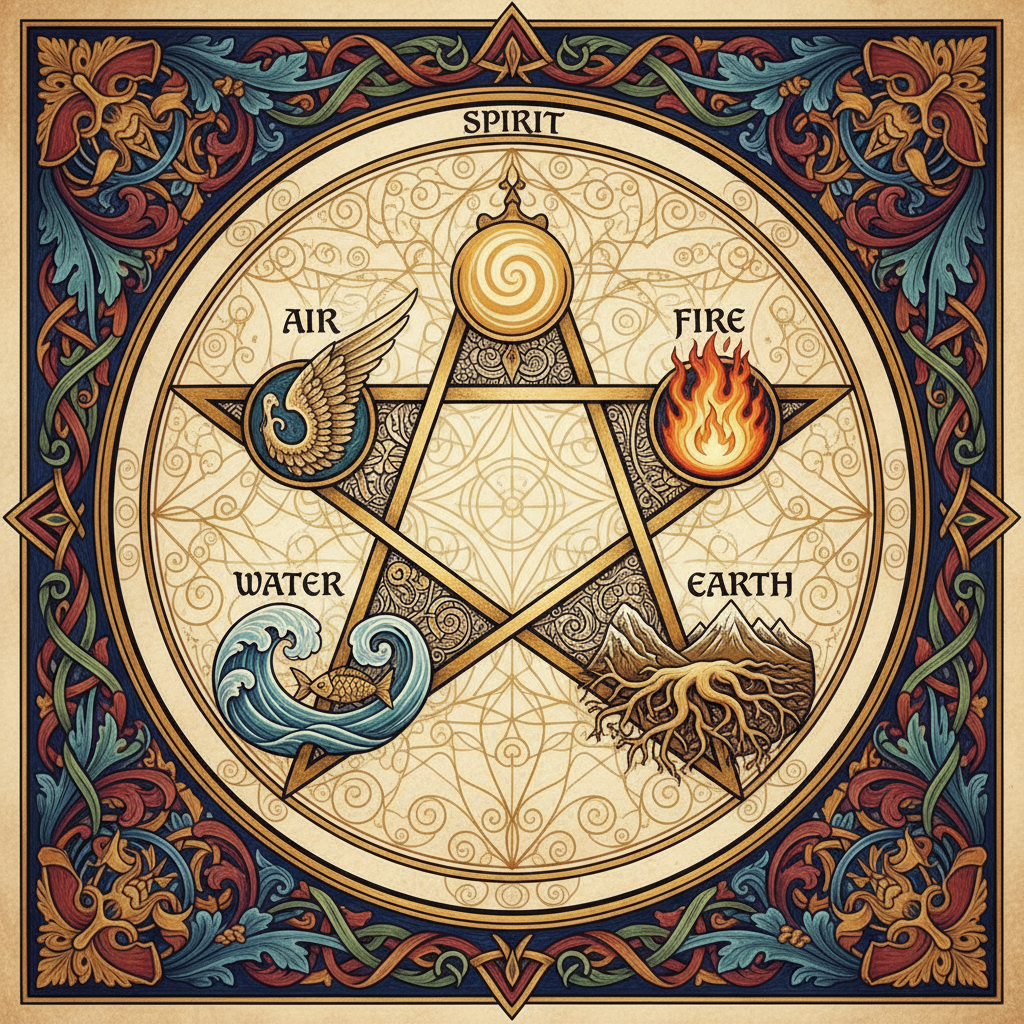 The Pentagram
 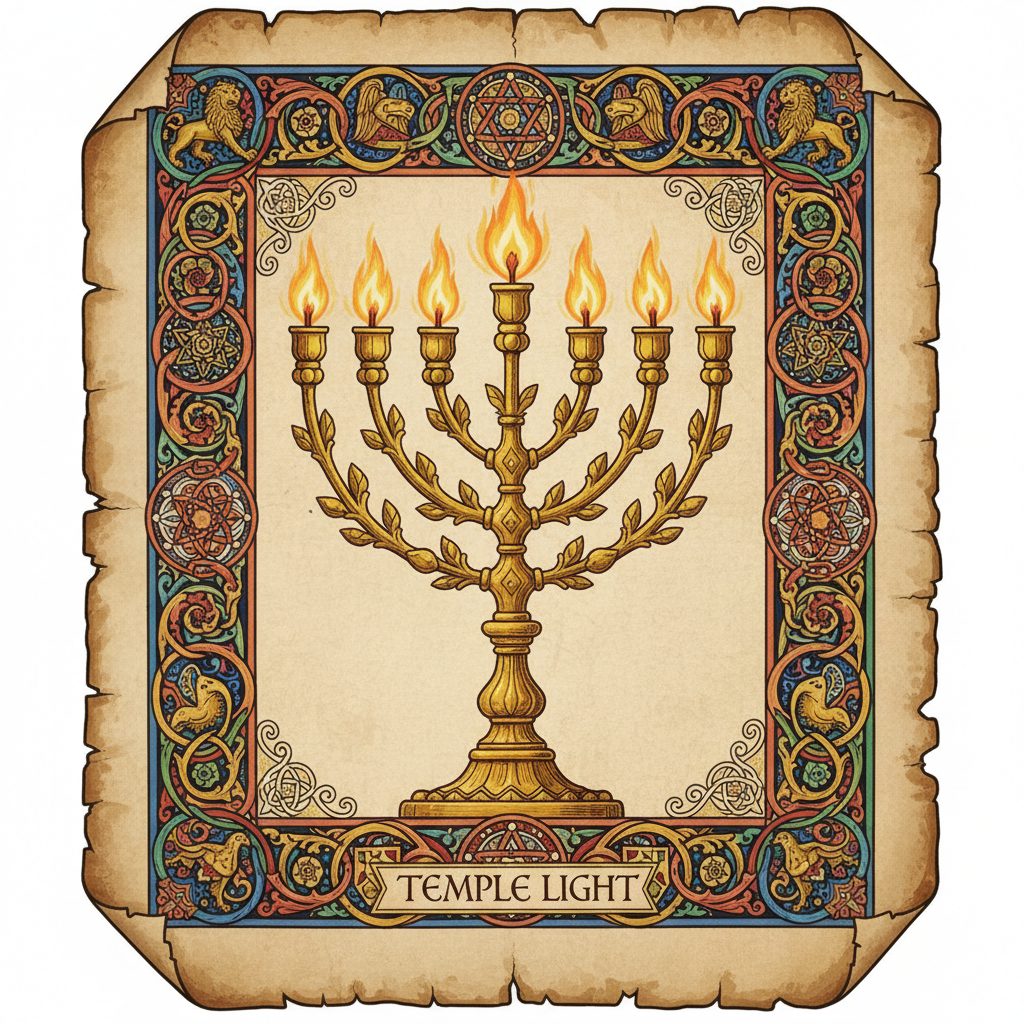 The Hanukkiah vs. Menorah
 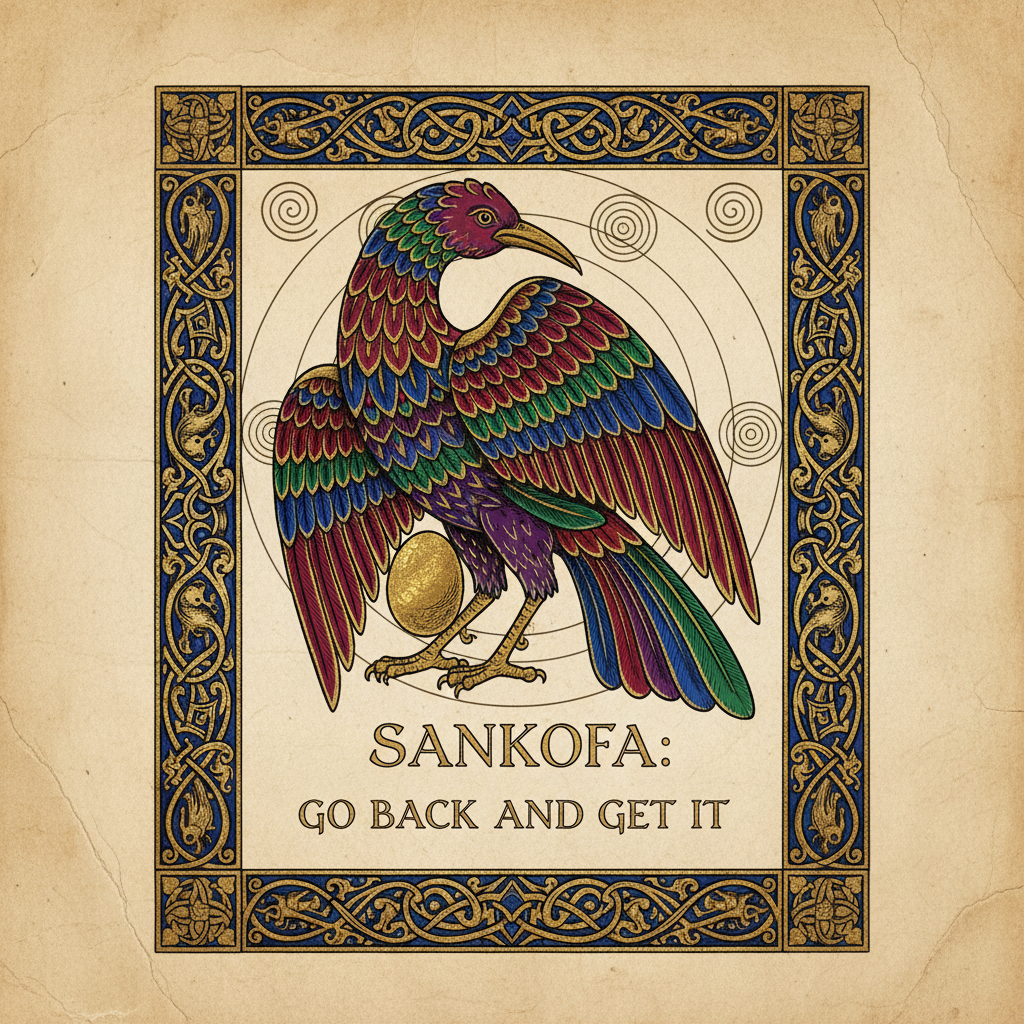 Adinkra