Prominent in
The sealed container holding everything before everything. Crack the egg, the universe begins.
| Tradition | Form | Meaning |
|---|---|---|
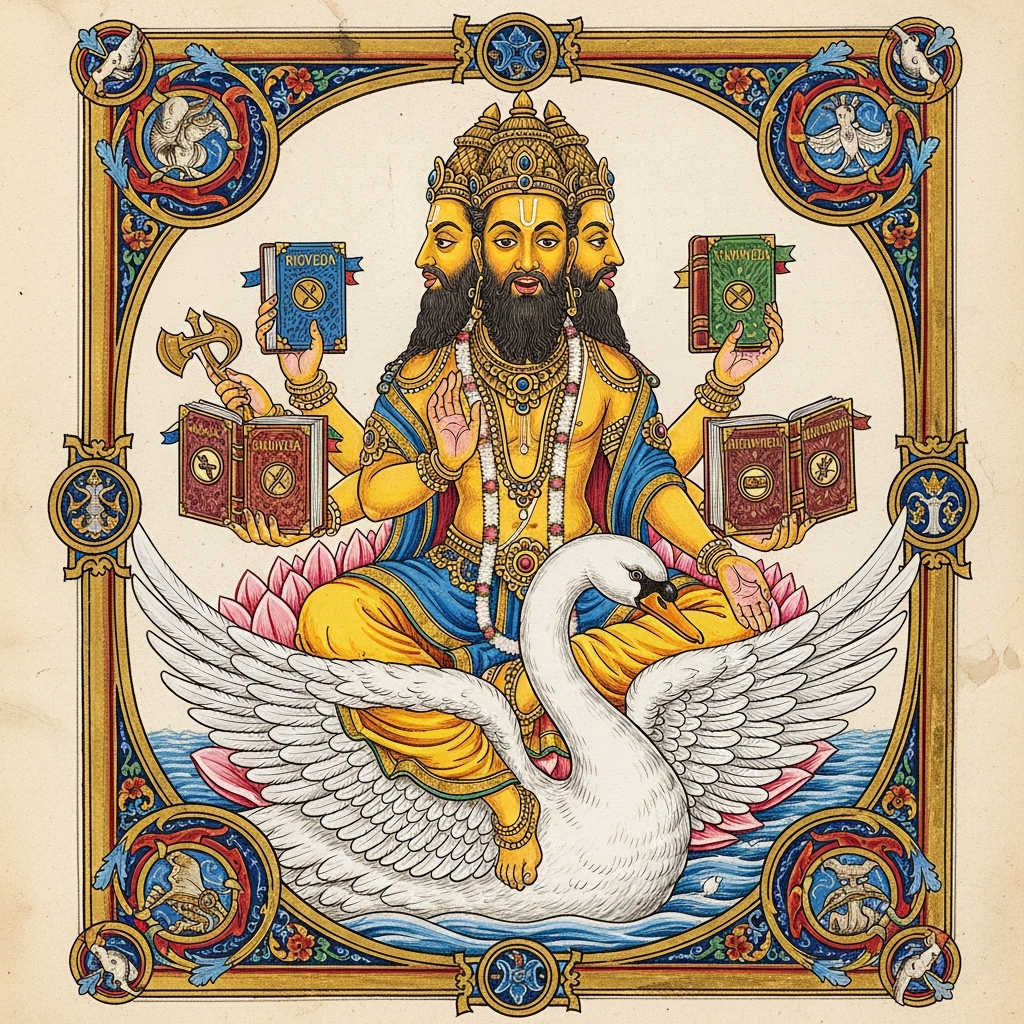
| Hindu | Hiranyagarbha | The “golden womb” or cosmic egg. From the Rig Veda (10.121): in the beginning, the Hiranyagarbha floated alone on the cosmic waters; from it Brahma was born and split it into heaven and earth. The Brahmanda (“egg of Brahma”) = the entire universe |
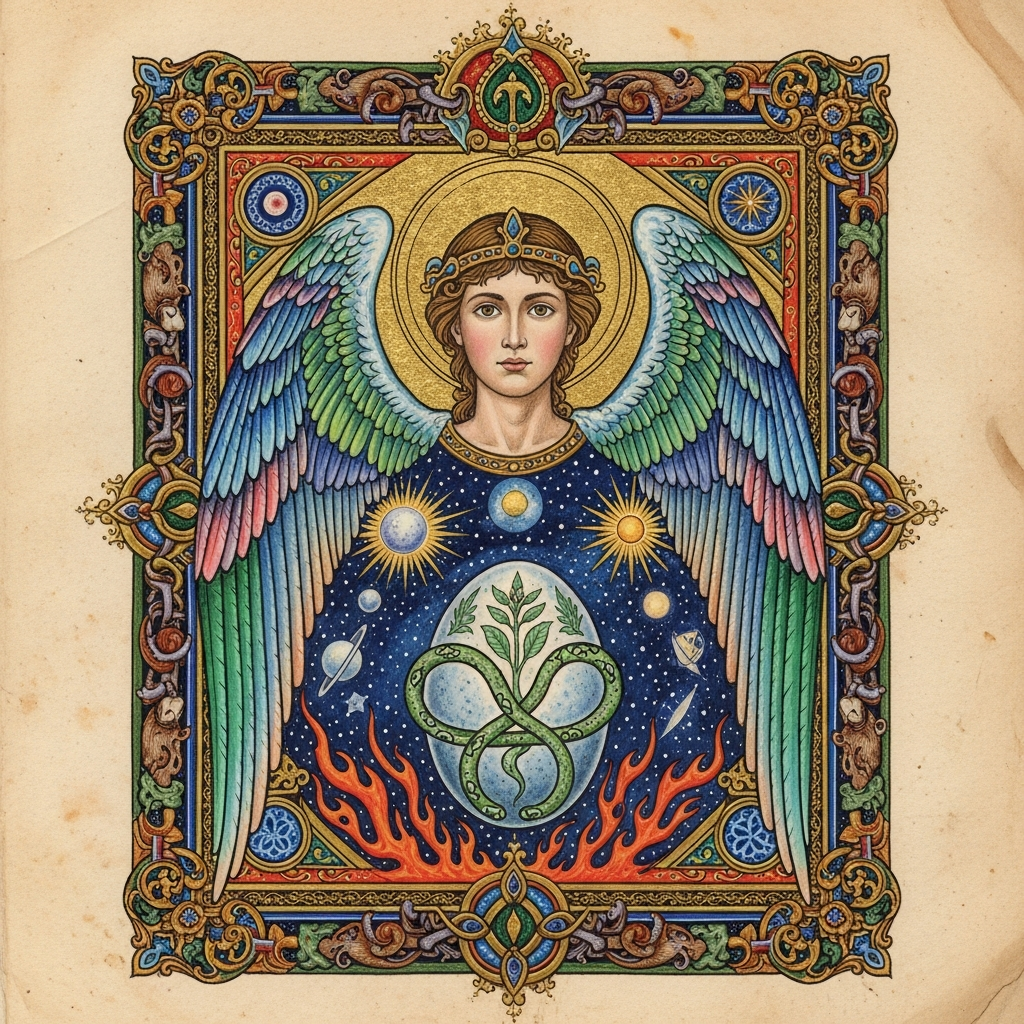
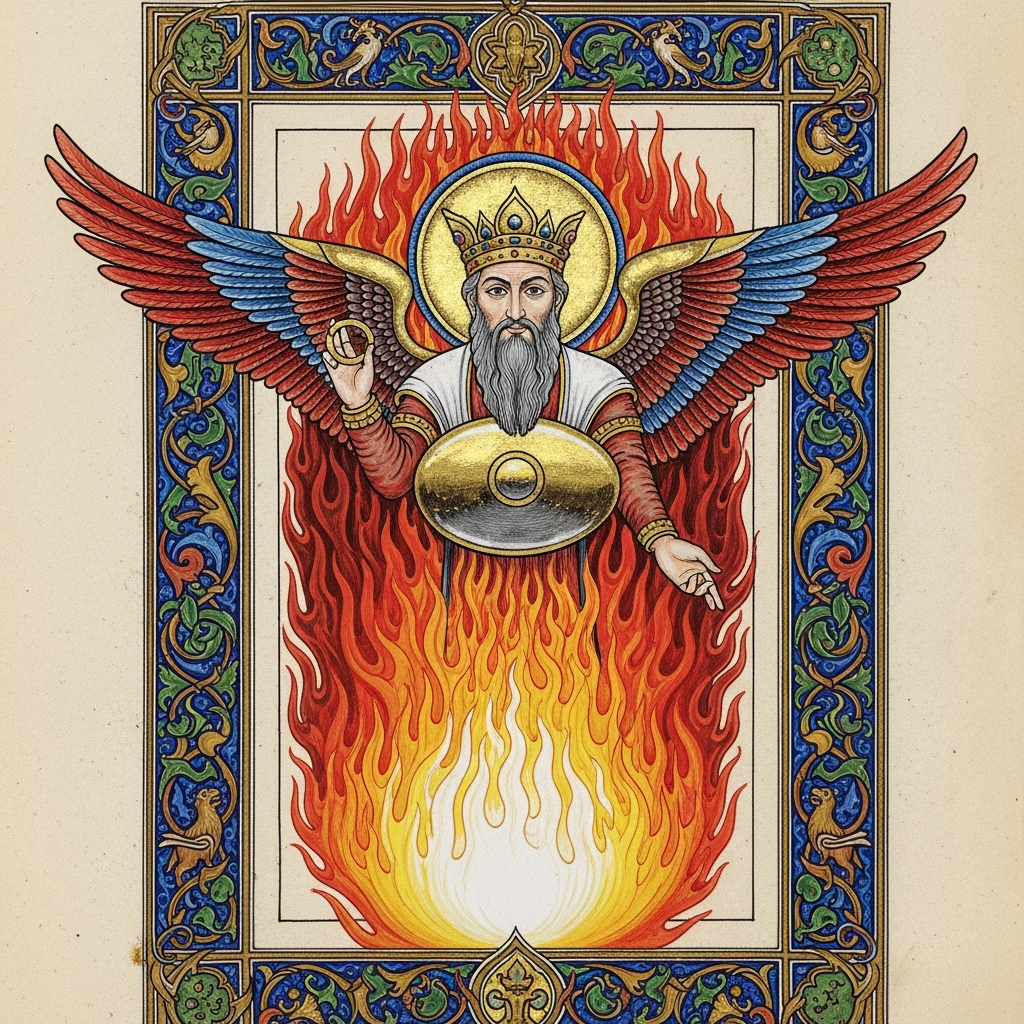
| Orphic Greek | Orphic egg | In Orphic cosmogony, Chronos (Time) and Ananke (Necessity) form a silver egg; from it hatches Phanes (Light/Eros), the first-born god, who creates the other gods. Often depicted with a serpent coiled around it |
| Chinese (Daoist / folk) | P’an Ku’s egg | At the beginning, chaos was a black egg containing P’an Ku. After 18,000 years he hatched, separated yin (which became earth) from yang (which became heaven), and held them apart with his body. When he died, his breath became wind, his eyes the sun and moon, his blood the rivers |
| Finnish | Kalevala creation | In the Kalevala (rune 1), the duck of the air-goddess Ilmatar lays seven eggs (six gold, one iron) on her knee. They roll into the sea and break — the lower halves become earth, the upper halves heaven, the yolks the sun, the whites the moon |
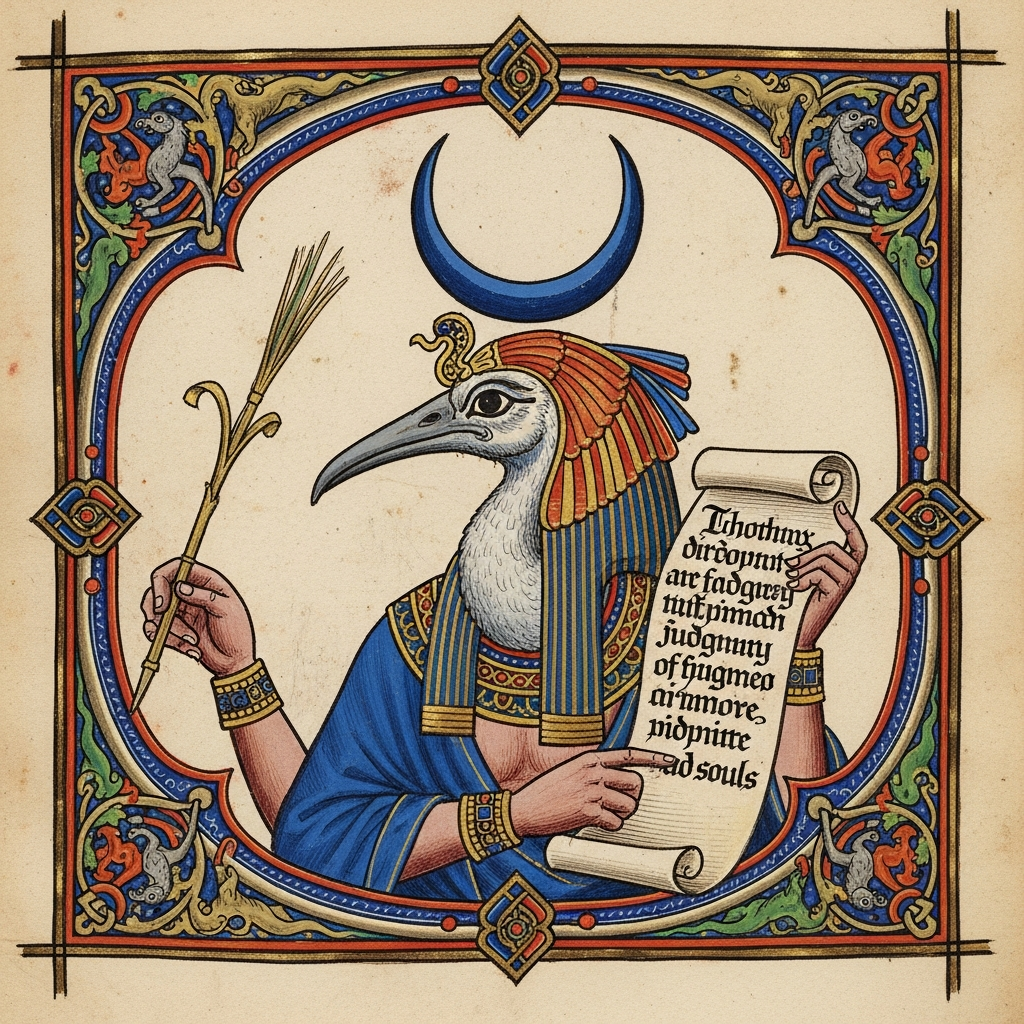
| Egyptian | Benben / cosmic egg | The benben stone (the primordial mound that rose from the waters of Nun) is sometimes described as an egg laid by the Great Cackler (a goose form of Geb) or by Thoth in ibis form. The sun god Ra emerged from it. The pyramidion atop every pyramid is a benben |
| Persian / Zoroastrian | Cosmic egg of Zurvan | Zurvan (“Time”) meditates for 1,000 years to produce a son. Twins are born from a cosmic egg: Ahura Mazda (light) and Ahriman (darkness). The dualism of Zoroastrianism hatches from a single shell |
| Christian (Orthodox) | Easter egg | Red eggs distributed at Pascha = the blood of Christ; the sealed shell = the tomb; the cracking = the resurrection. Mary Magdalene tradition: she presented an egg to the Emperor Tiberius declaring “Christ is risen!” — the egg turned red in her hand |
| Alchemical | Philosophical egg | The hermetic vessel (sealed glass flask) in which the Great Work occurs. The materia prima inside undergoes nigredo, albedo, and rubedo. “Make a round circle of the man and the woman… and from this you will have the Stone” (Rosarium Philosophorum) |
The shape across cultures: An egg appears in cosmogonies from Finland to India to Egypt to China — traditions with no plausible contact. The shape itself seems to map onto a structural intuition: that creation requires a bounded interior in which differentiation can occur. You cannot make a universe in open space; you need a shell first.
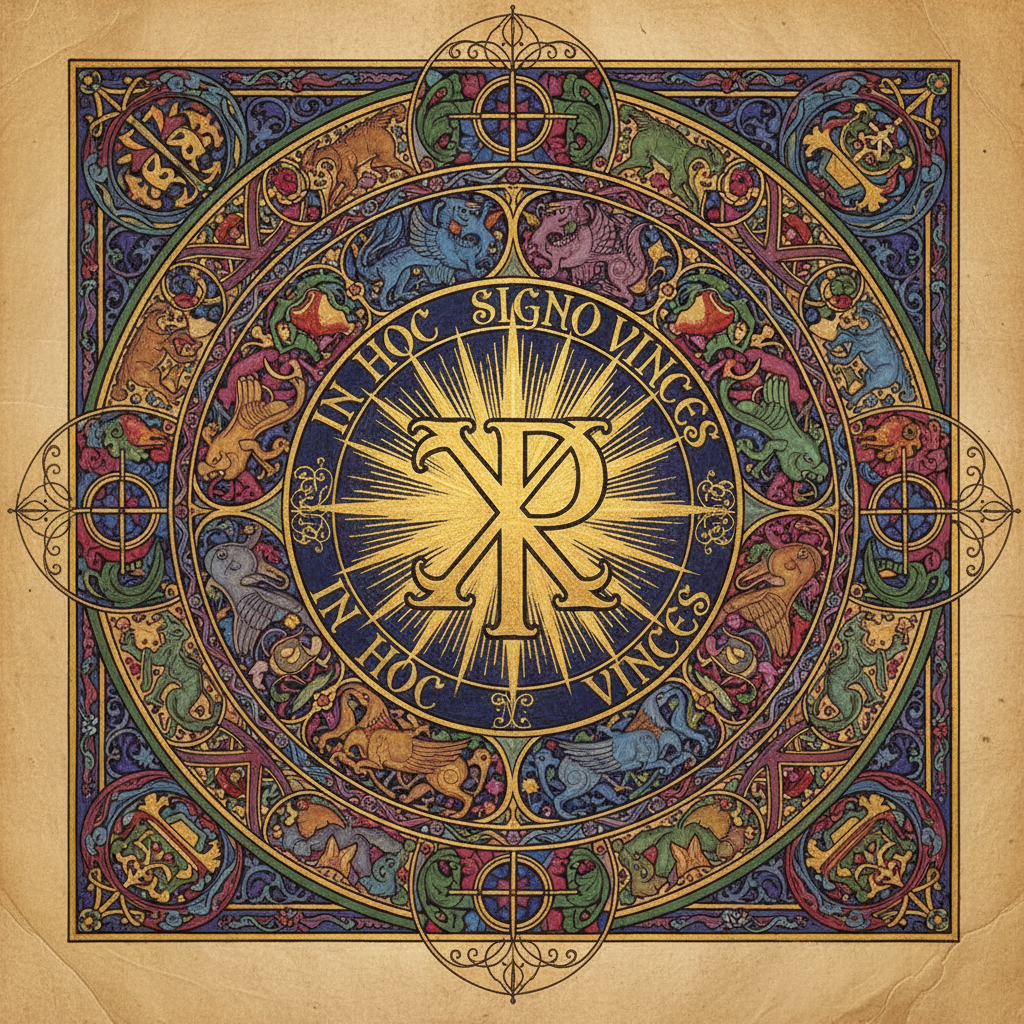 IHS / Chi-Rho
 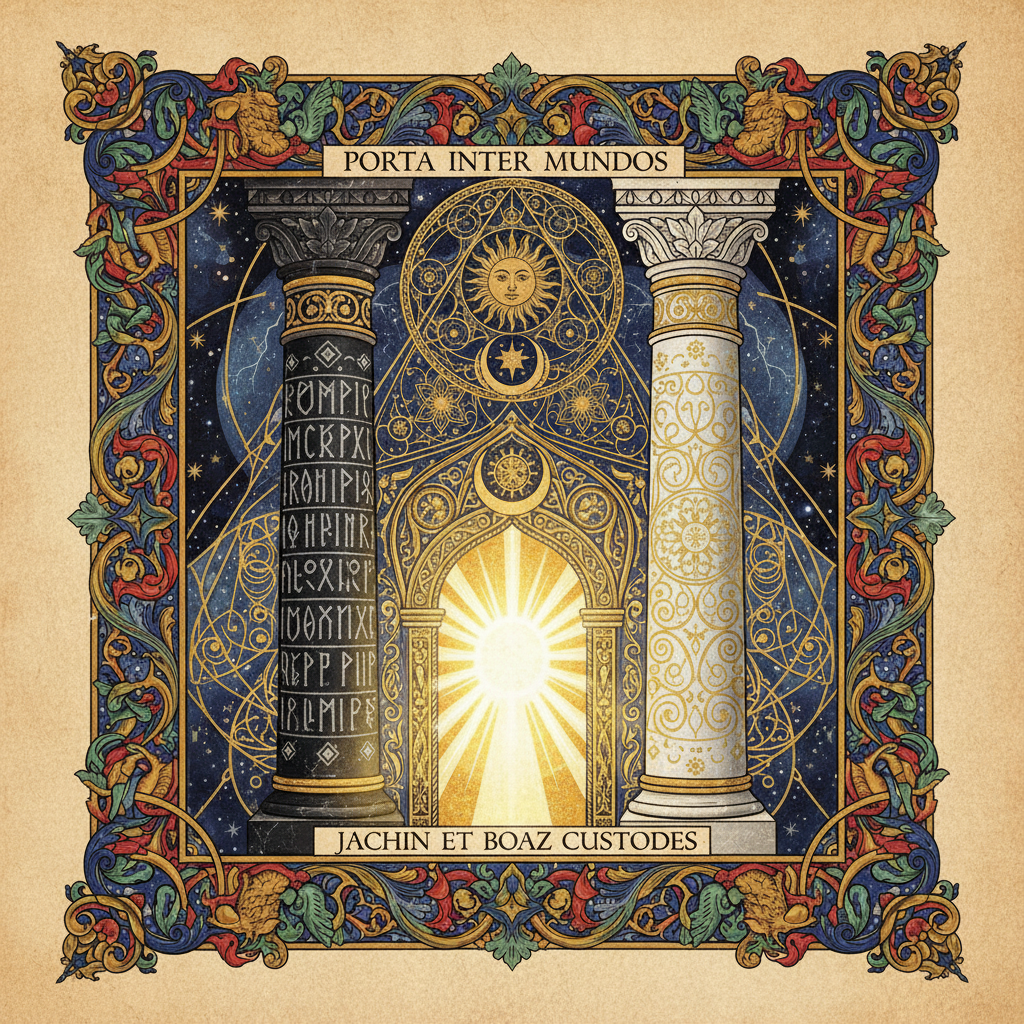 Pillars: Jachin
 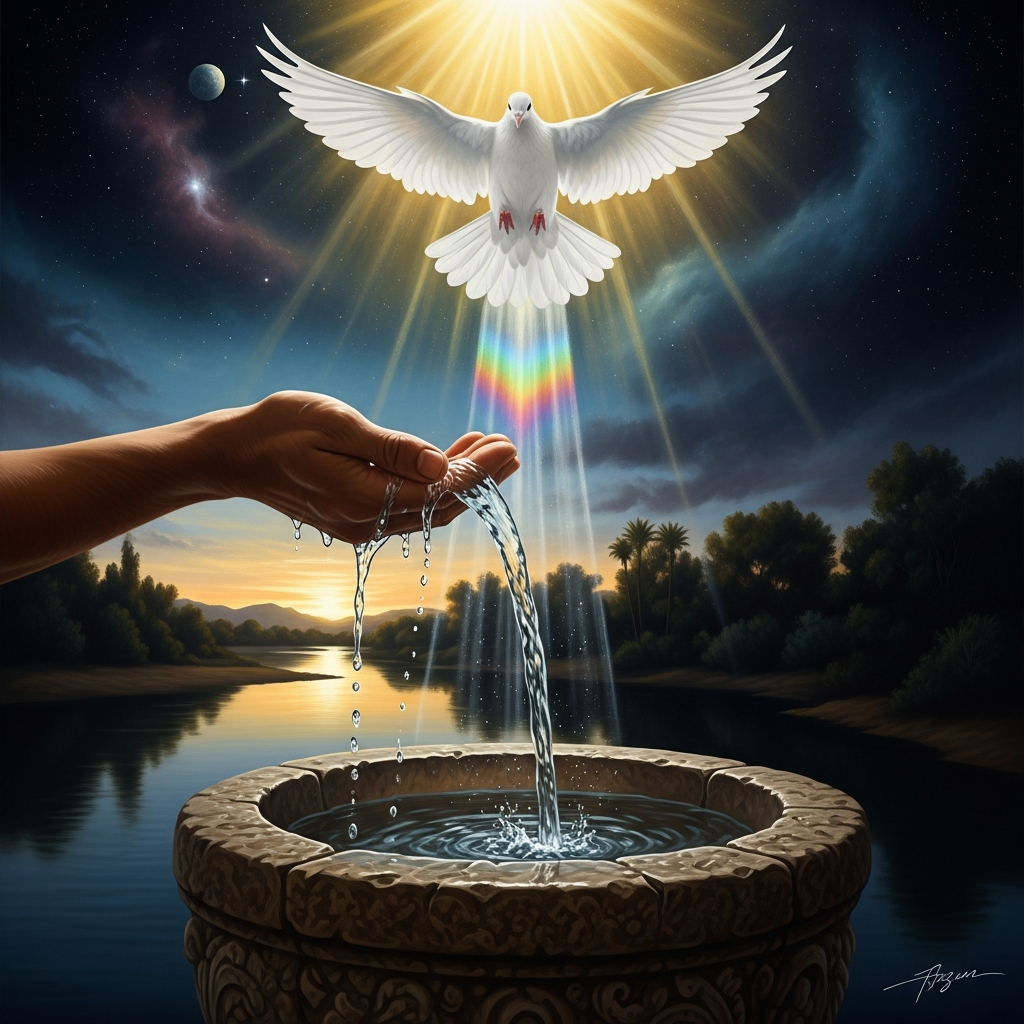 Water / Baptism
 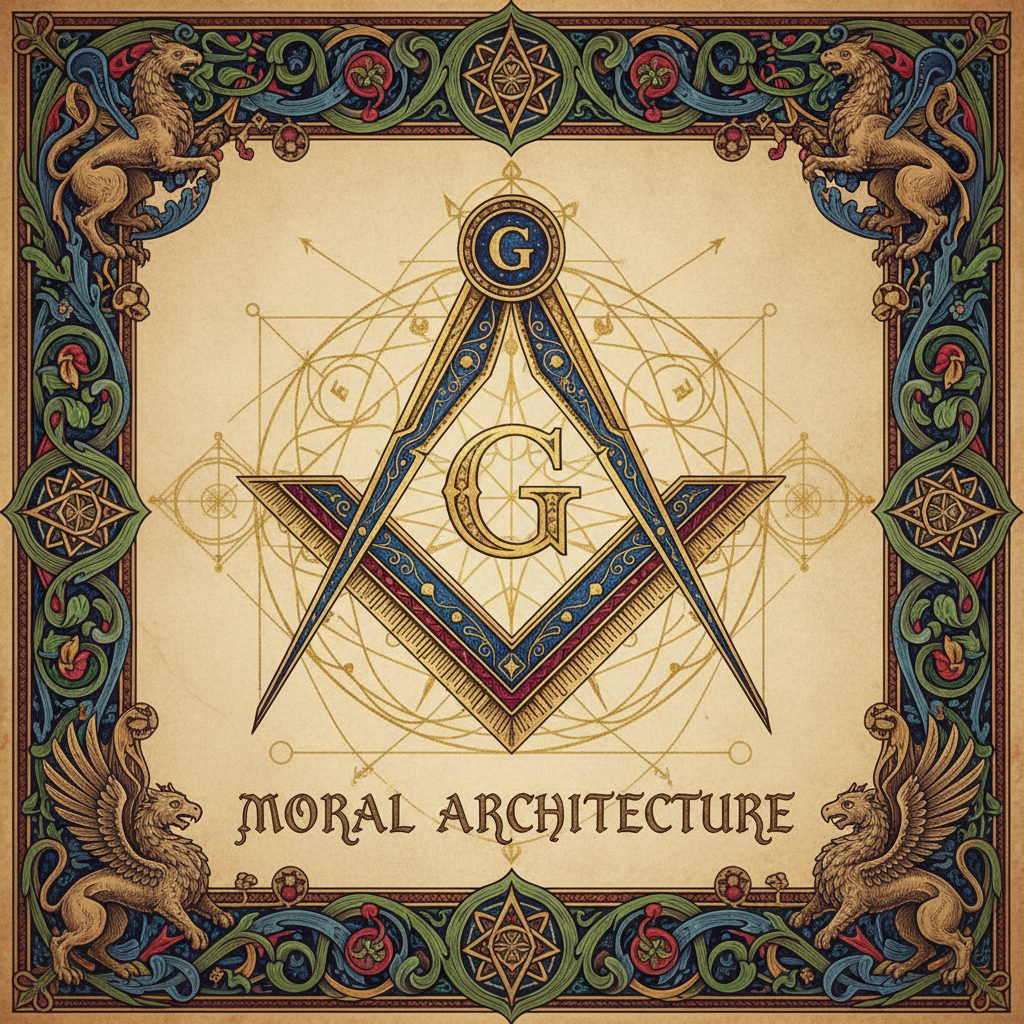 The Compass
 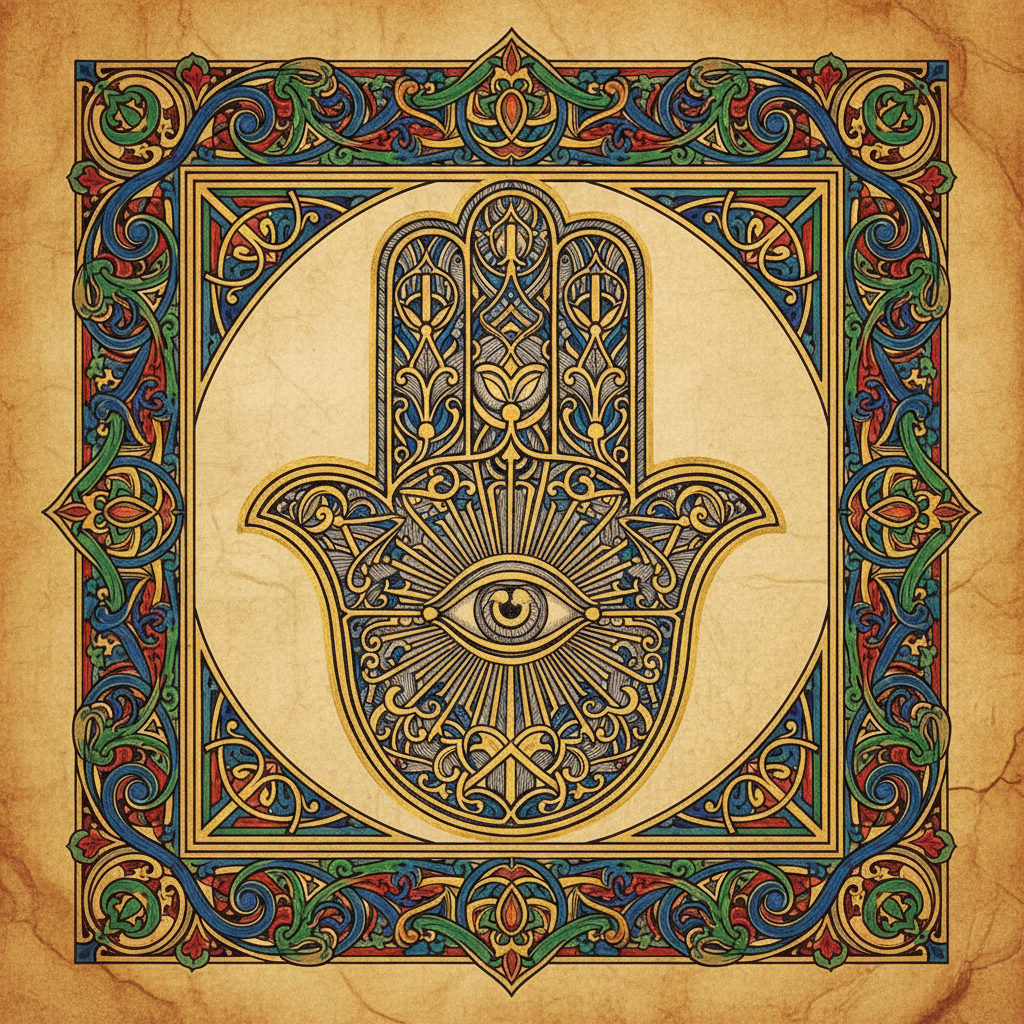 The Hamsa
 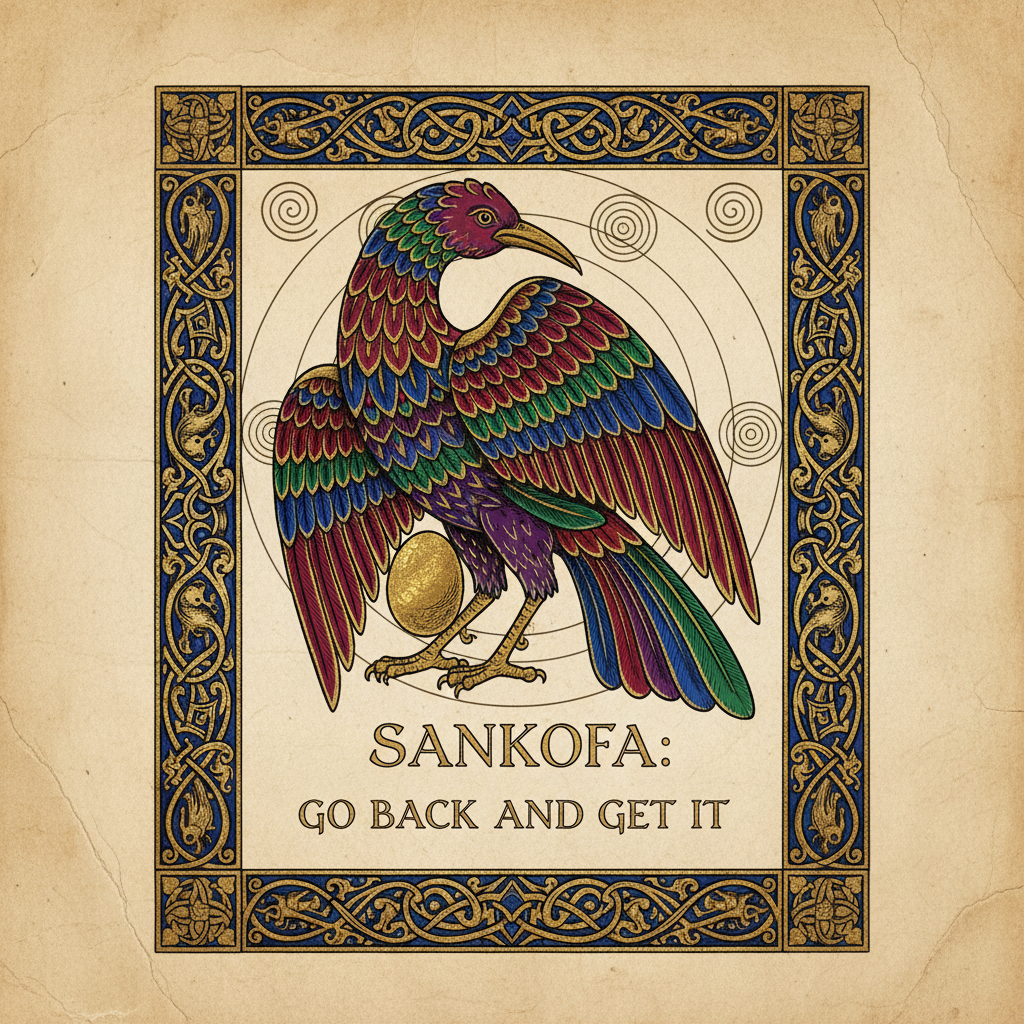 Adinkra
 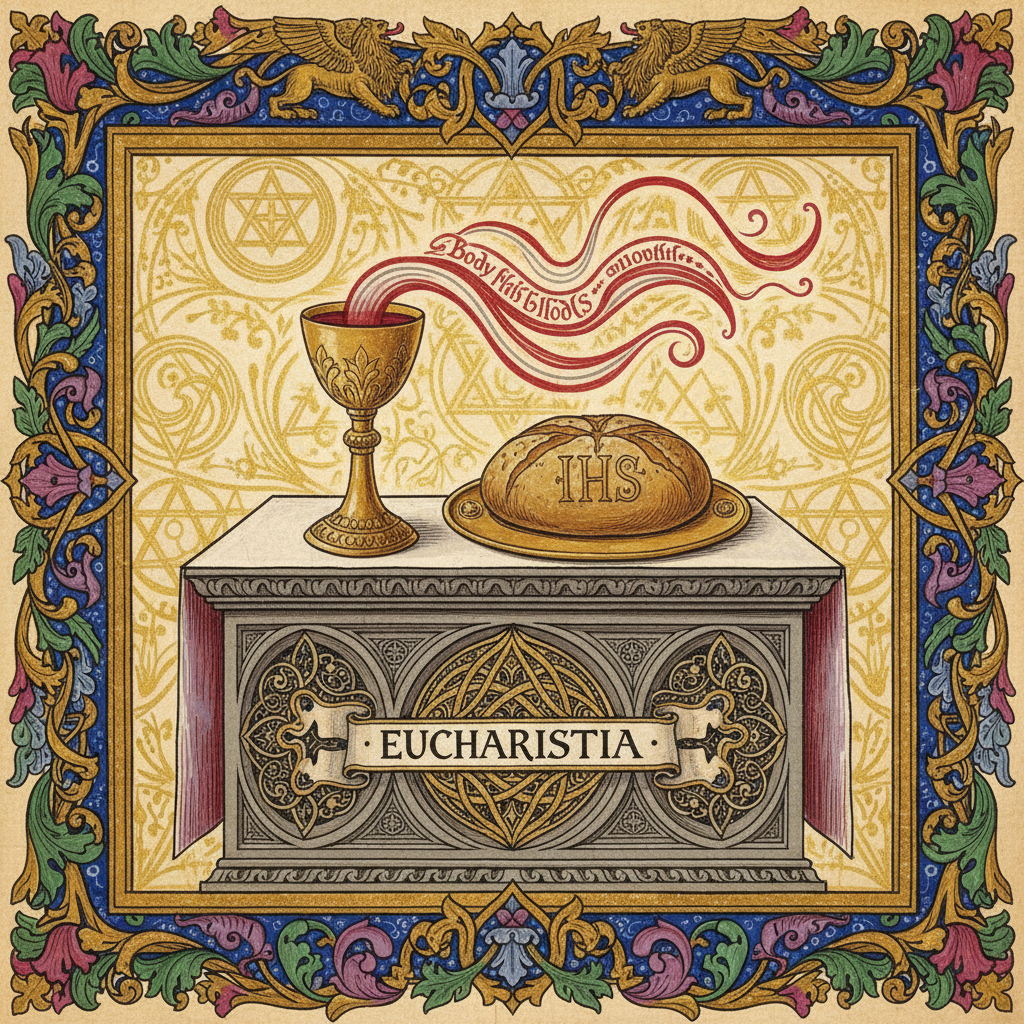 Bread & Wine
 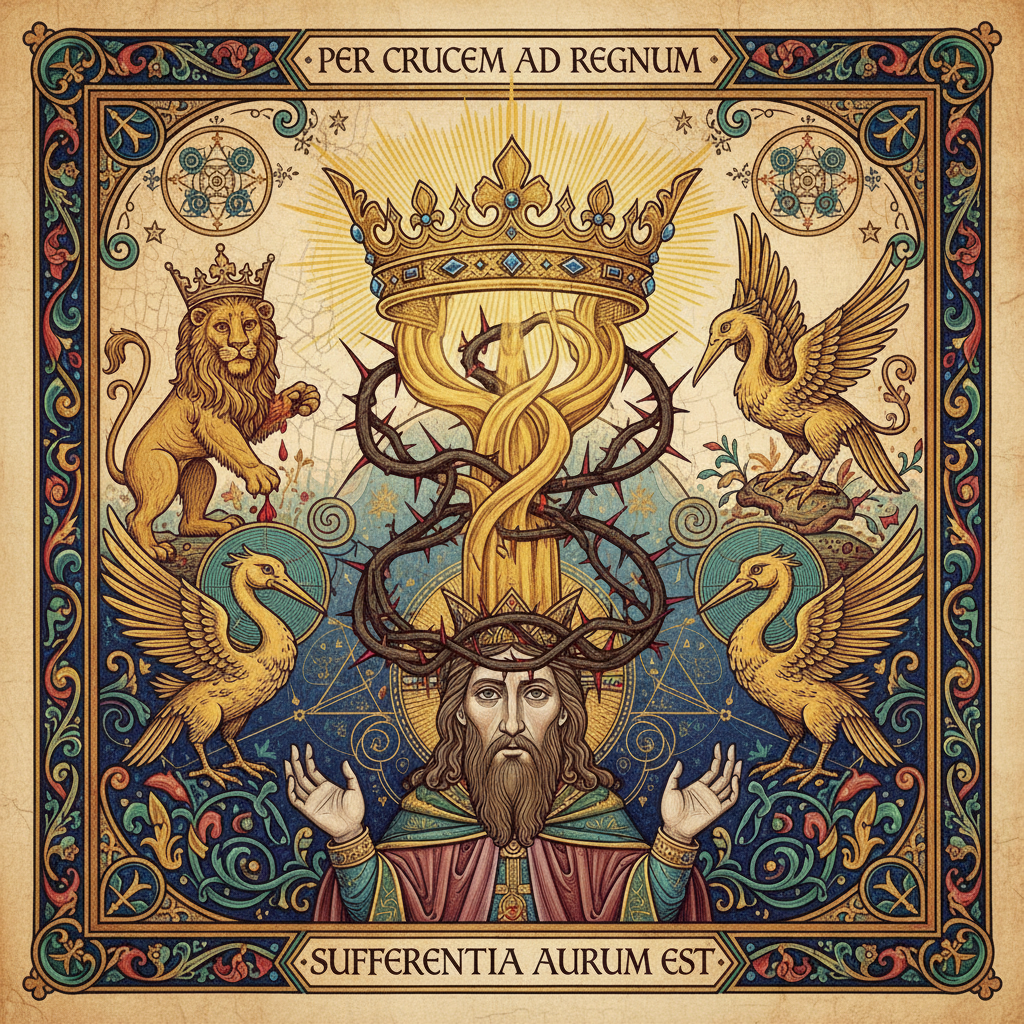 The Crown