Prominent in
Circular motion, cyclical time, and the dharma. The wheel is what time looks like when you step outside it: impersonal, indifferent, endlessly returning.
| Tradition | Form | Meaning |
|---|---|---|
| Buddhist | Dharmachakra — the Wheel of the Law | The Buddha’s first sermon at Deer Park, Sarnath, is called “turning the wheel of the Dharma.” The eight spokes represent the Noble Eightfold Path. The wheel is the first emblem of Buddhism (predating images of the Buddha himself) and appears on the Indian national flag |
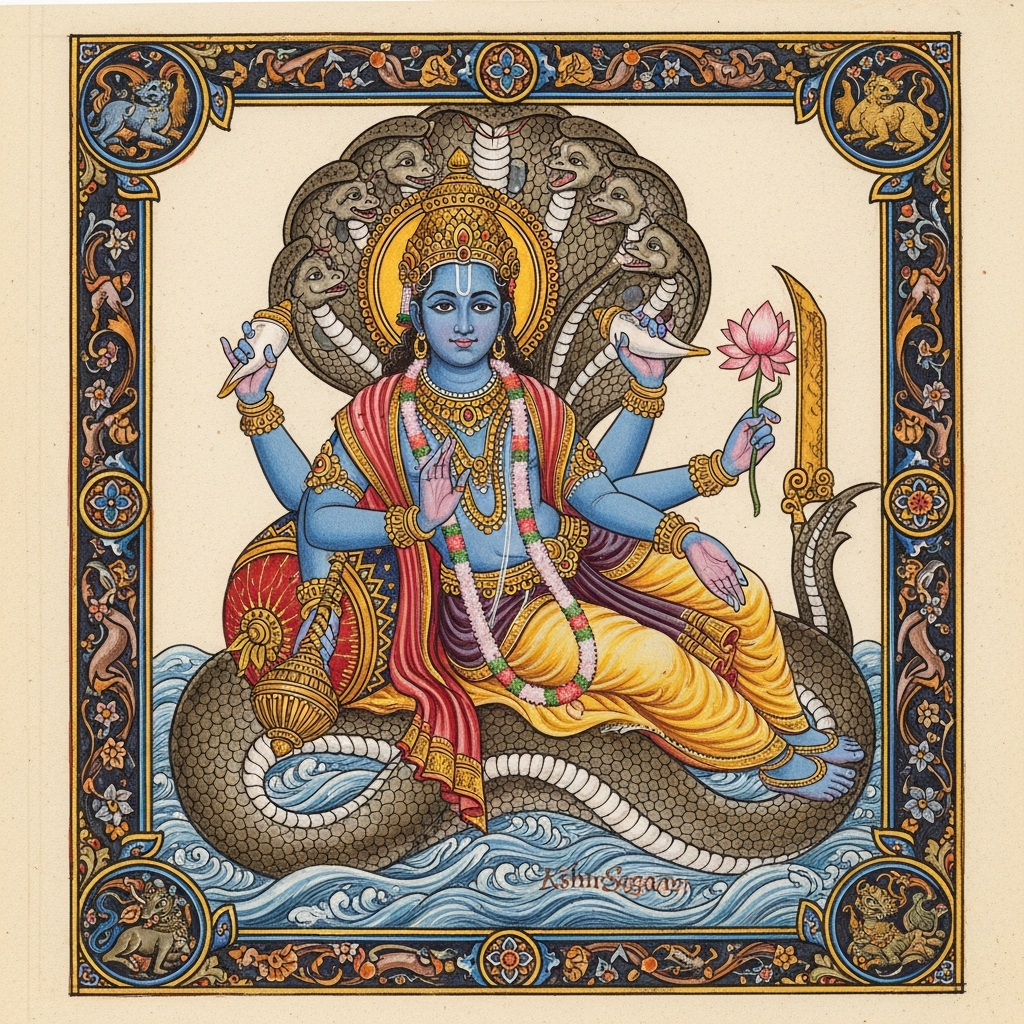
| Hindu | The Sudarshana Chakra — Vishnu’s discus | The spinning discus-weapon of Vishnu has 108 serrated edges and returns to his hand after striking enemies. Also: the chakras (wheels) of the subtle body — six or seven energy centers along the spine, each a spinning lotus |
| Taoist | The yin-yang circle — endless cycling | The taijitu (yin-yang symbol) is not a static image but a wheel: the spinning of complementary forces, each containing the seed of the other. The I Ching (Book of Changes) is built on this cycling logic |
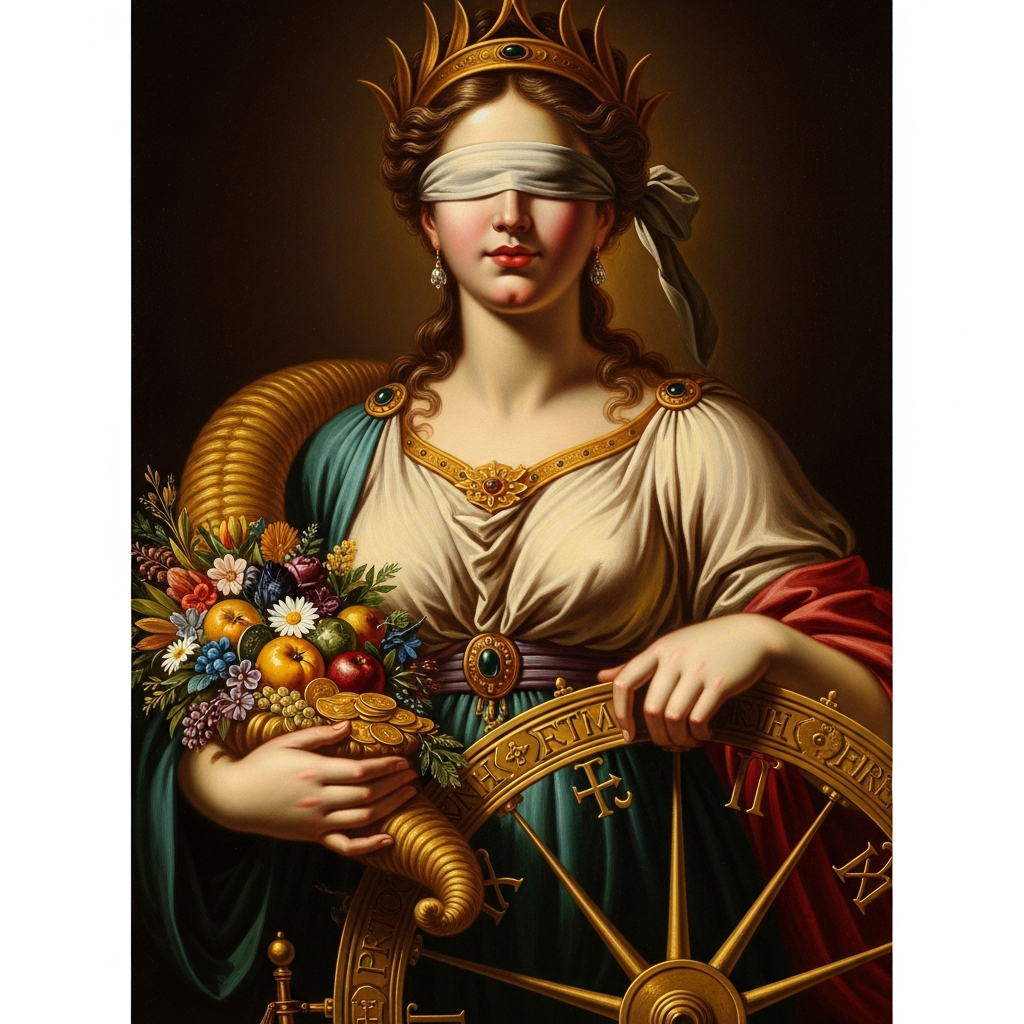
| Medieval Christian | The Wheel of Fortune (Rota Fortunae) | Fortuna’s wheel was central to medieval cosmology: those on top will fall, those on the bottom will rise. Boethius (Consolation of Philosophy, 524 CE) made it famous. The wheel appears in dozens of medieval cathedrals, including Chartres. It was a corrective to pride: no human position is permanent |
| Biblical / Kabbalistic | Ezekiel’s wheel within a wheel | Ezekiel 1:15-21 describes the divine chariot (Merkavah) with four faces, four creatures, and wheels within wheels (ophanim) that move in any direction without turning. The wheels are full of eyes. Later Kabbalistic mysticism (Ma’aseh Merkavah) built an entire tradition on this vision |
| Celtic | The wheel of the year — eight stations | The Celtic calendar divides the year into eight stations: two solstices, two equinoxes, and four cross-quarter days (Samhain, Imbolc, Beltane, Lughnasadh). Each station marks a turning in the agricultural and spiritual cycle. The Celtic cross (circle over cross) is often interpreted as this solar wheel |
| Aztec | The Sun Stone — a wheel of cosmic time | The “Aztec Calendar Stone” (c. 1427 CE) is a 3.6-meter basalt disc showing Tonatiuh (the fifth sun) at center, surrounded by the four previous suns, the 20-day signs, and the cosmic serpents. It is a cosmological wheel showing that time is cyclical, violent, and always in danger of ending |
The wheel is what time looks like from outside it — cyclical, impersonal, indifferent to individual fortune. Every tradition that uses the wheel symbol is making a theological claim about impermanence: the Buddhist wheel says that all conditioned phenomena are in flux; Fortuna’s wheel says that human status is transient; the Aztec Sun Stone says that even the current world-age is temporary. The wheel’s motion is the answer to the question “why do good people suffer?” — because the wheel turns for everyone, and your current position on it is not permanent.
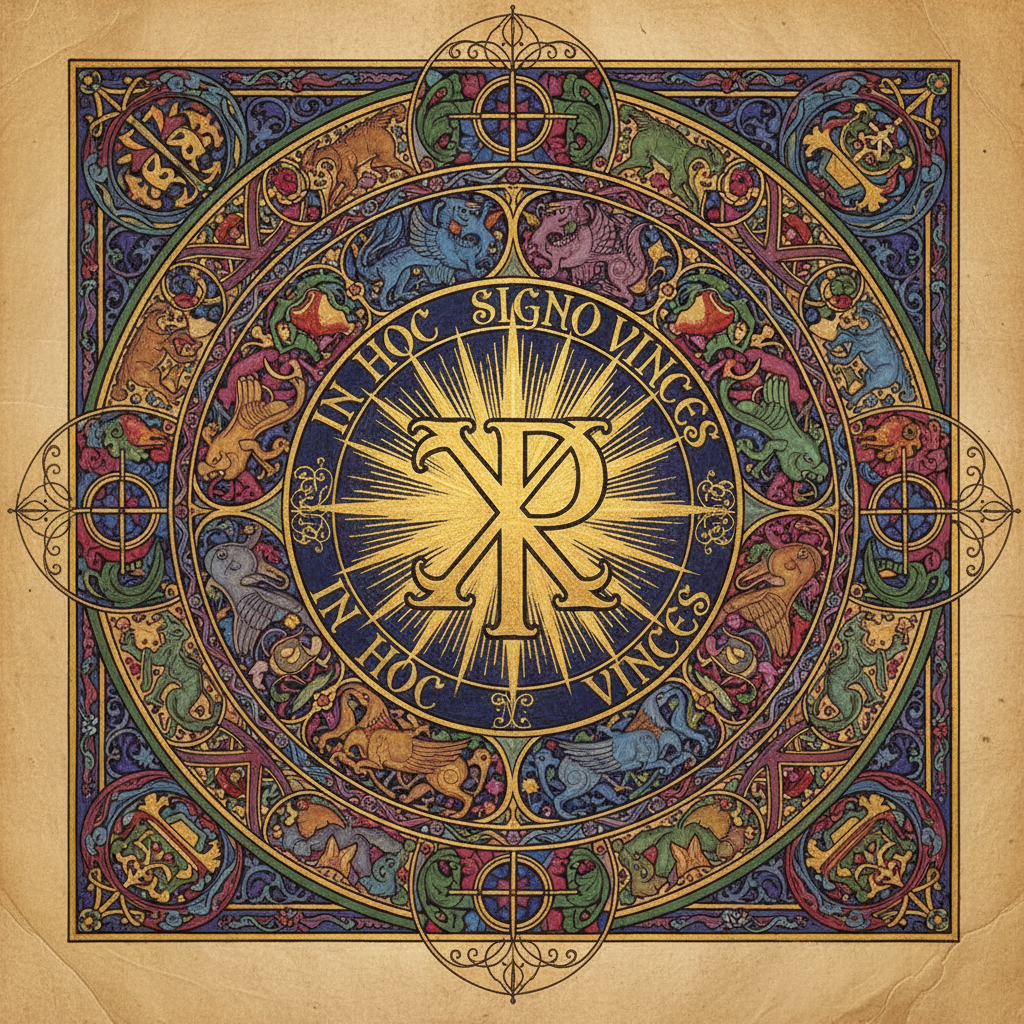 IHS / Chi-Rho
 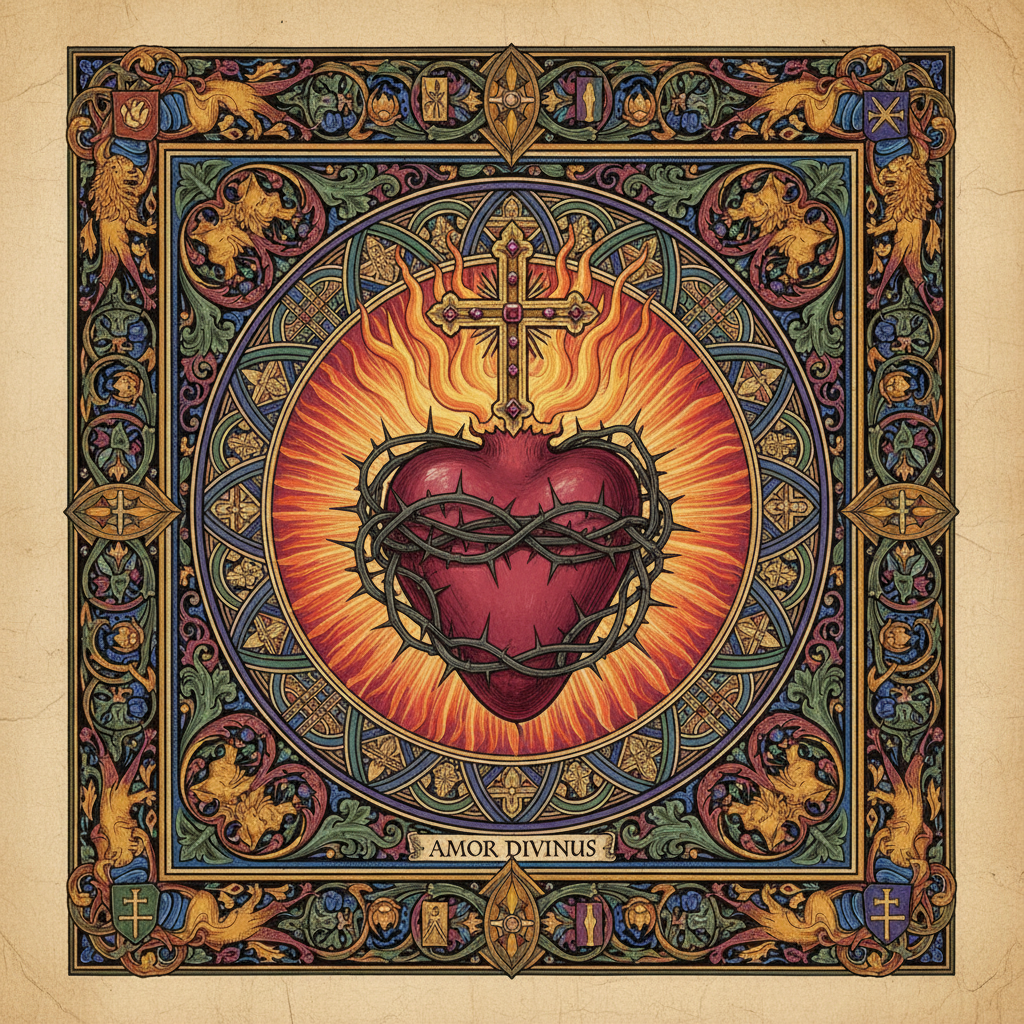 The Sacred Heart
  The Serpent
  The Dove
  The Compass
  The Hamsa
 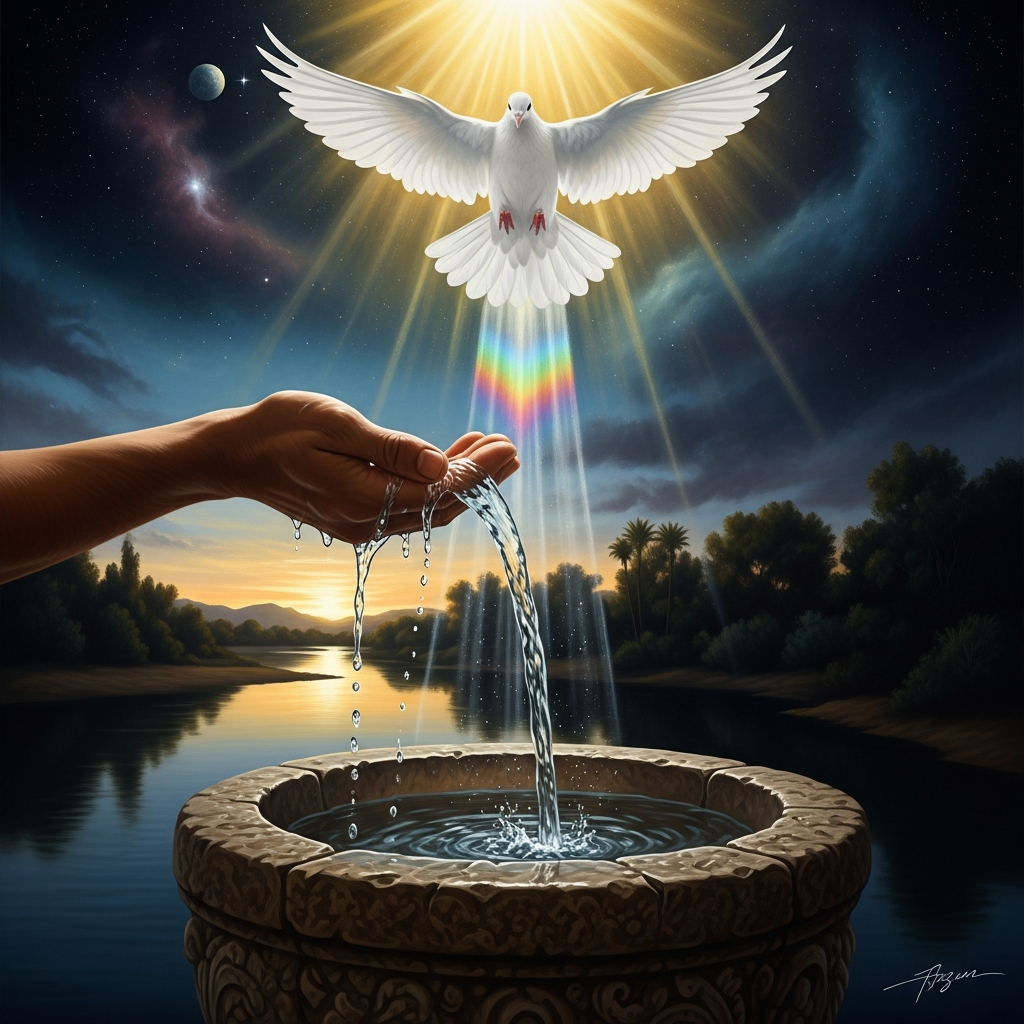 Water / Baptism