Prominent in
The feminine counter to the solar masculine — though in several traditions the moon deity is emphatically male. The moon governs time, menstruation, madness, the unconscious, and the boundary between worlds.
| Tradition | Name / Form | Meaning |
|---|---|---|
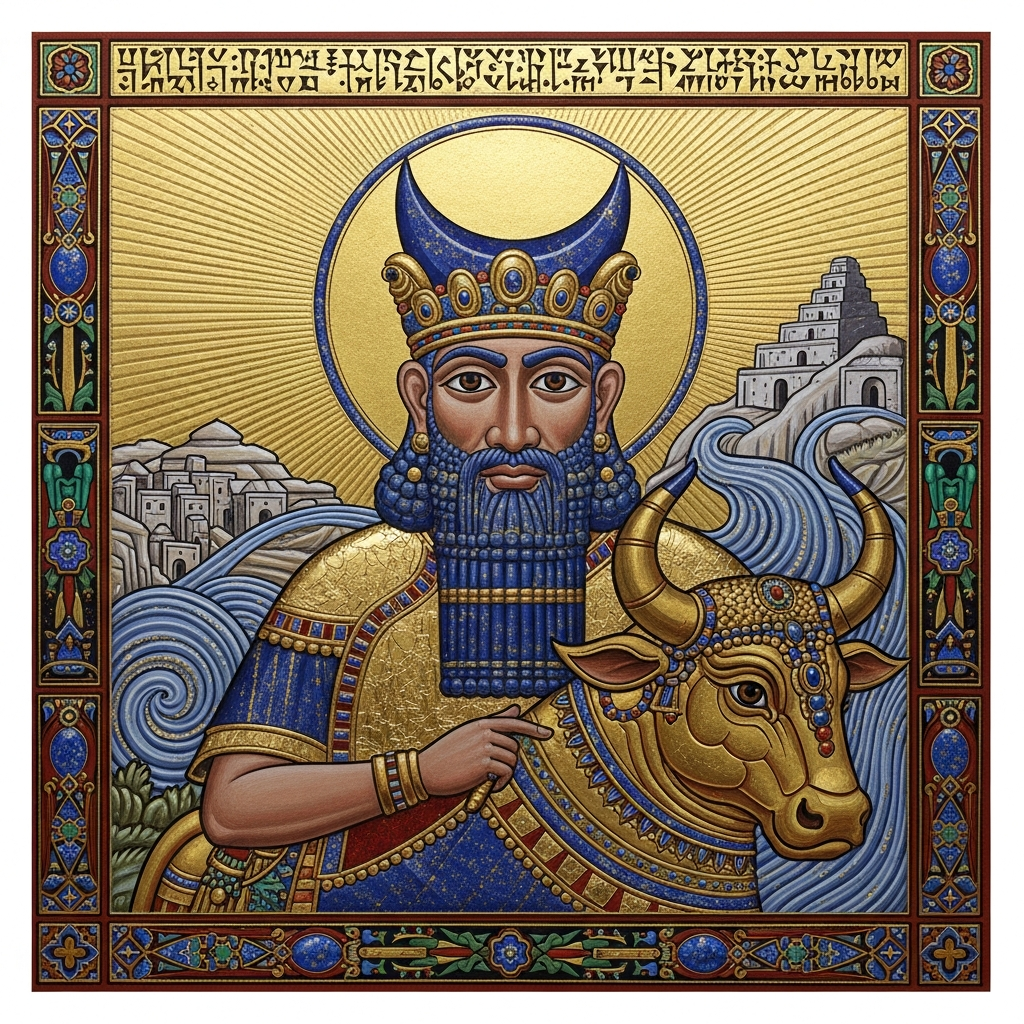
| Mesopotamian | Sin / Nanna — the moon god of Ur (male) | In Sumer, the moon god (Nanna/Sin) was male and senior to the sun god Utu/Shamash. The great ziggurat at Ur was his temple. This inversion of the solar-masculine / lunar-feminine pattern is a reminder that the pairing is cultural, not universal |
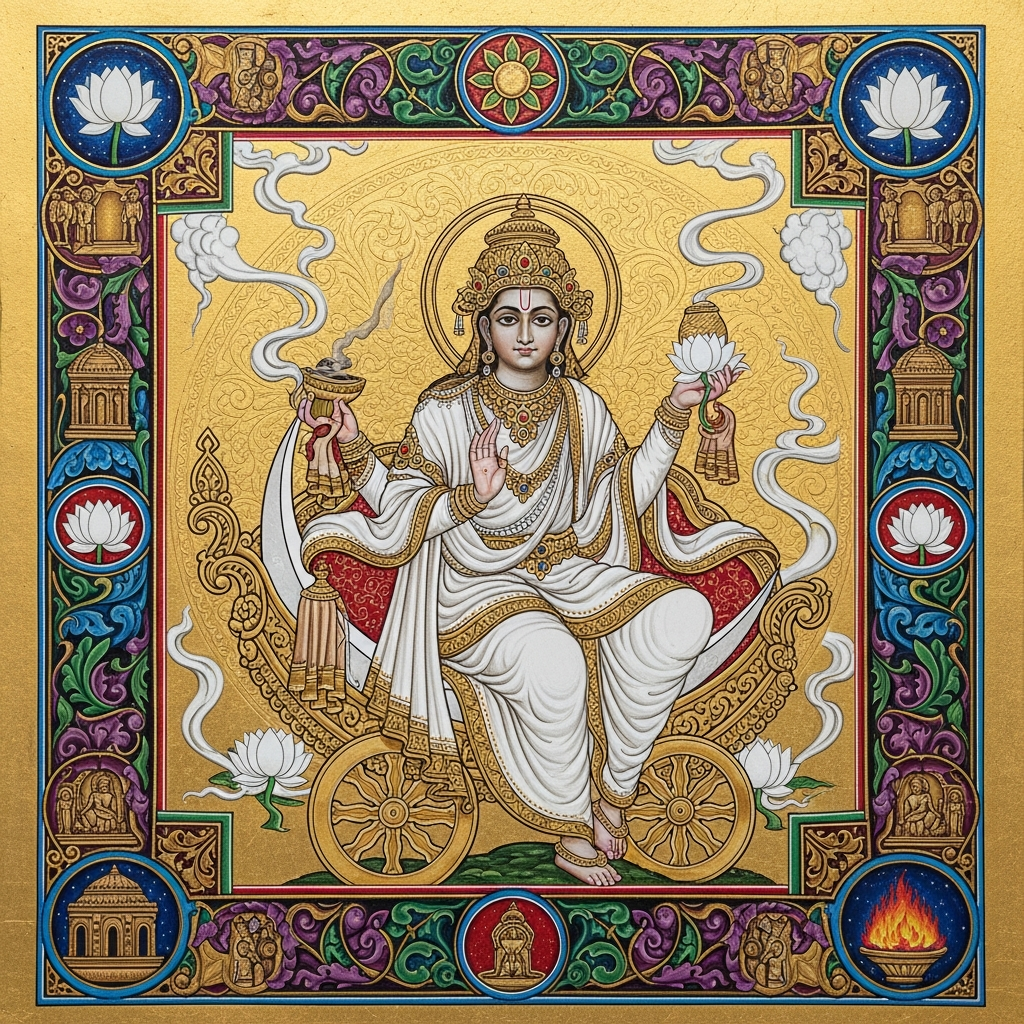
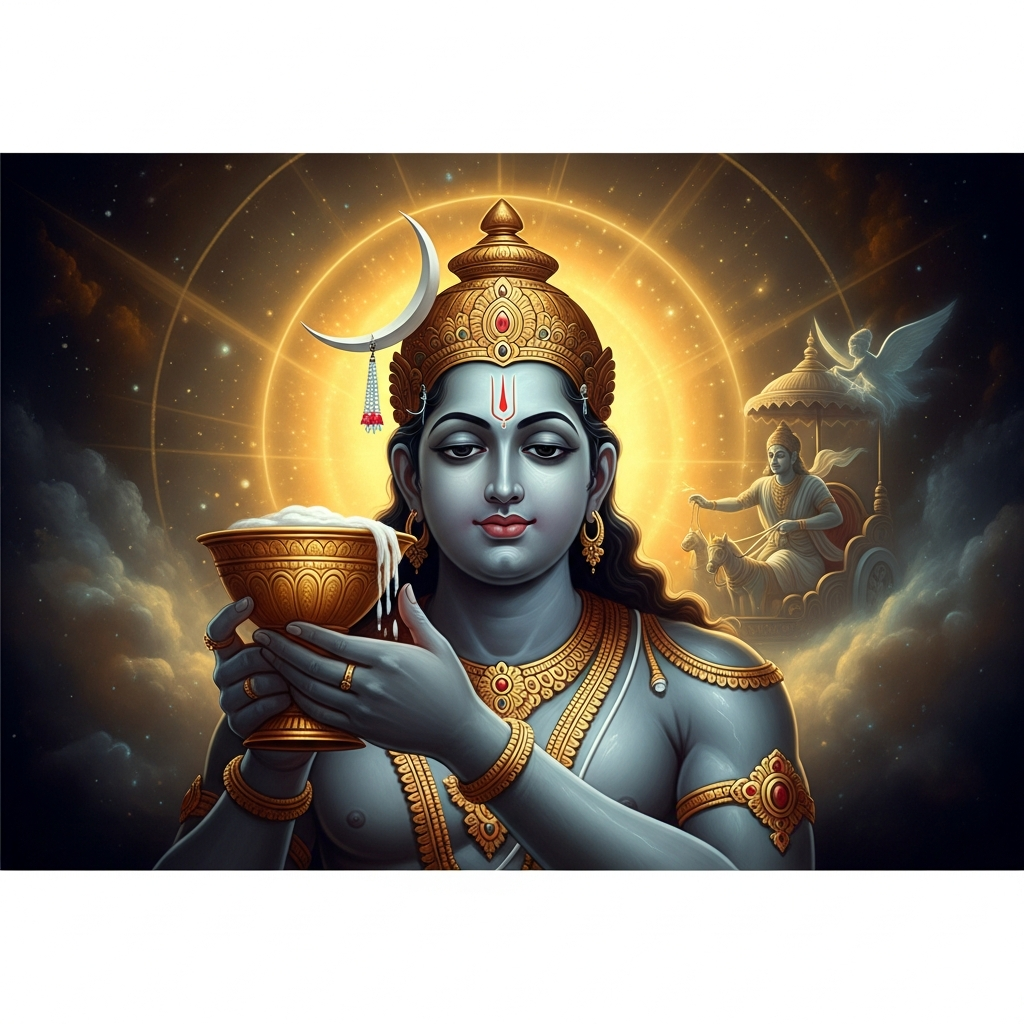
| Hindu | Chandra / Soma | Chandra drives a chariot pulled by antelope. Soma is the nectar-filled moon and also the sacred ritual drink of the Vedic sacrifice — the moon as intoxicant, as the cup from which gods drink |
| Greek / Roman | Selene / Artemis / Hecate — three faces of the moon | Selene is the full moon; Artemis (Diana) the crescent and the hunt; Hecate the dark moon and crossroads. Three goddesses, one astronomical body — each face governing a different domain |
| Islamic | The crescent and star | The crescent did not originate with Islam: it was the symbol of the city of Byzantium/Constantinople, adopted by the Ottomans after the conquest of 1453. It became the symbol of Islam through association with the Ottoman Empire and is now ubiquitous on flags and mosques — but it carries no Quranic authority |
| Catholic / Marian | Our Lady of Guadalupe standing on the crescent moon | The apparition of the Virgin Mary in 1531 shows her standing on a crescent moon — with a corona of stars and a black band at her waist (a sign of pregnancy). The image is rich in Aztec astronomical symbolism; the moon beneath her feet echoes Revelation 12:1 (“a woman clothed with the sun, with the moon under her feet”) |
| Wiccan | The triple goddess: maiden / mother / crone | The waxing crescent = the maiden; the full moon = the mother; the waning crescent = the crone. The lunar cycle maps the stages of a woman’s life. The triple goddess is central to modern Wicca as formulated by Gerald Gardner (1954) and Robert Graves (The White Goddess, 1948) |
The moon’s 29.5-day cycle matches the average menstrual cycle with uncanny precision — which is why lunar symbolism is consistently coded feminine across cultures, even in traditions where the moon deity is male. More concretely: lunar calendars underlie Jewish liturgical time (the month begins with the new moon; Passover falls on the full moon of Nisan), Islamic religious time (Ramadan begins at the new crescent), Hindu festival time (Diwali, Holi, and most major festivals are lunar), and Buddhist observance (uposatha days fall on full and new moons). The sun may be more theologically central, but the moon governs the sacred calendar.
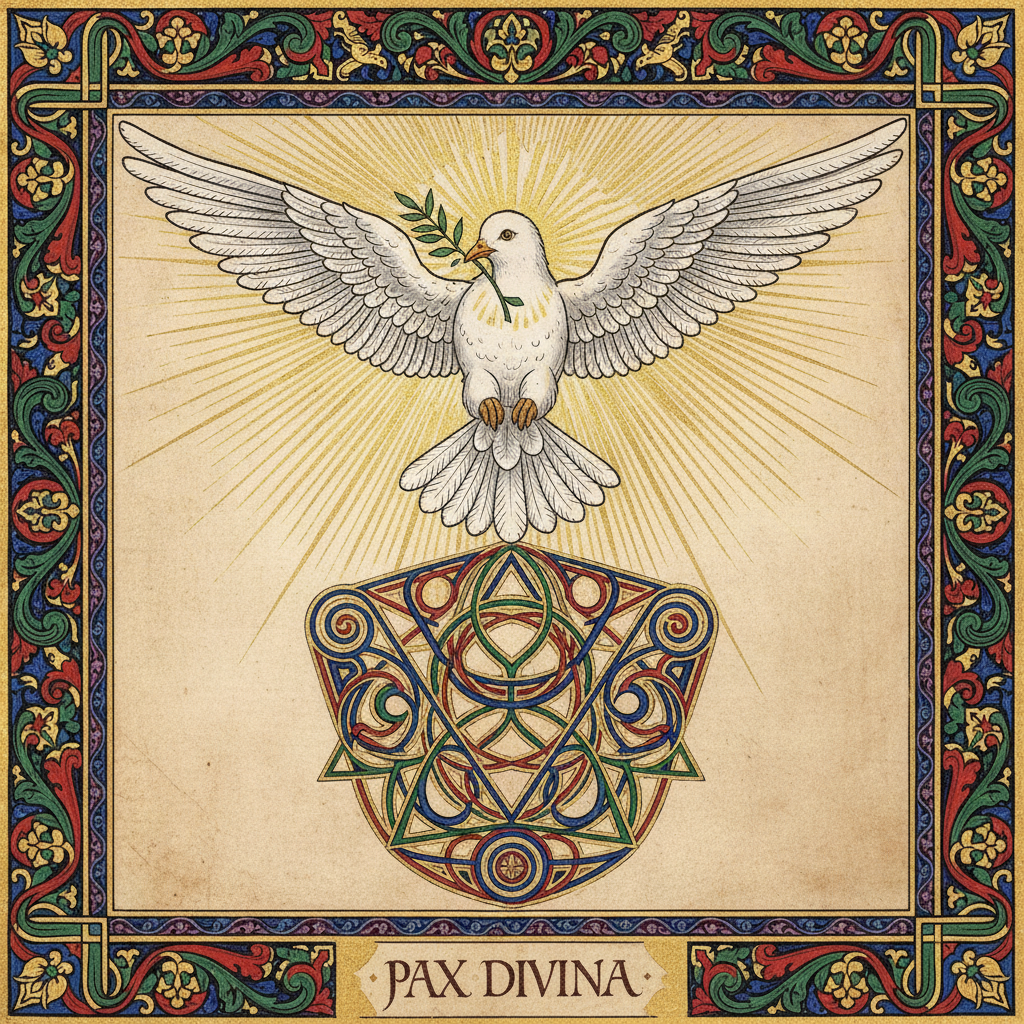 The Dove
 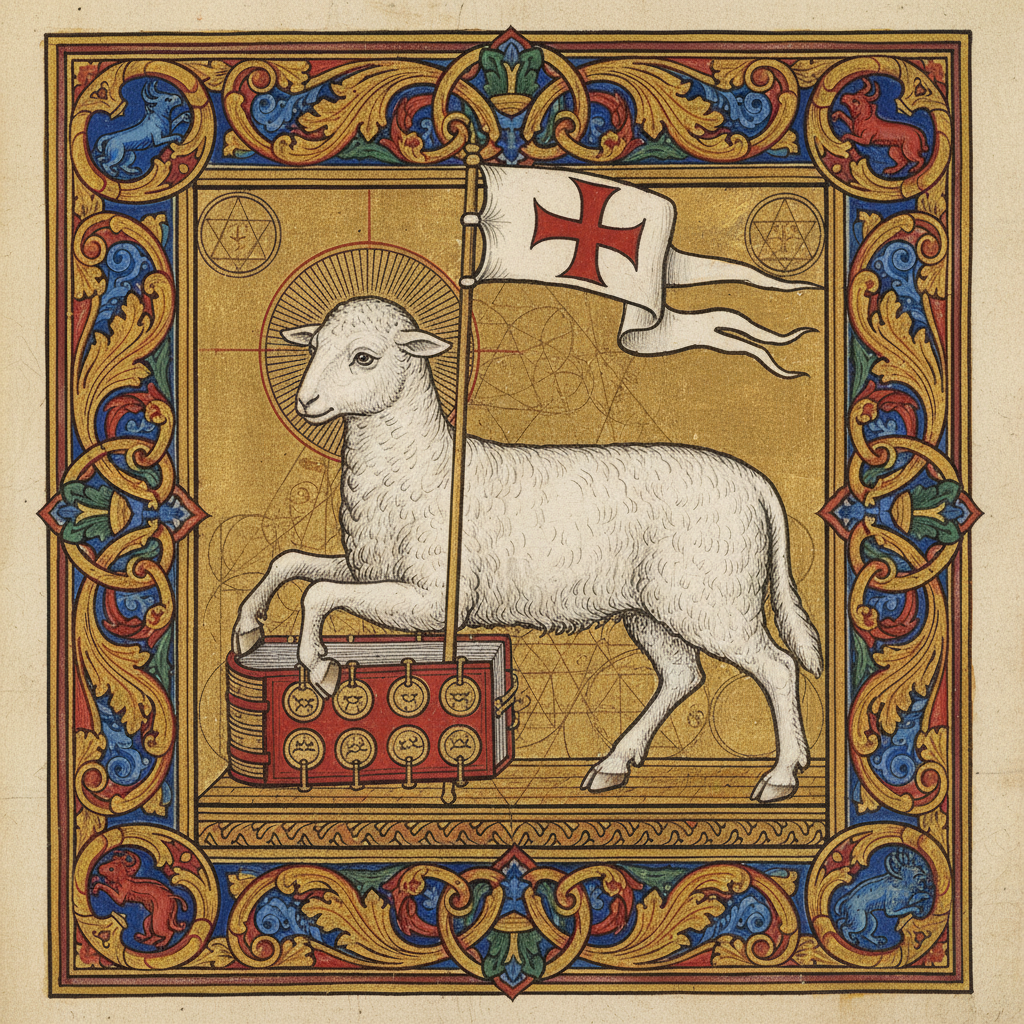 The Lamb
 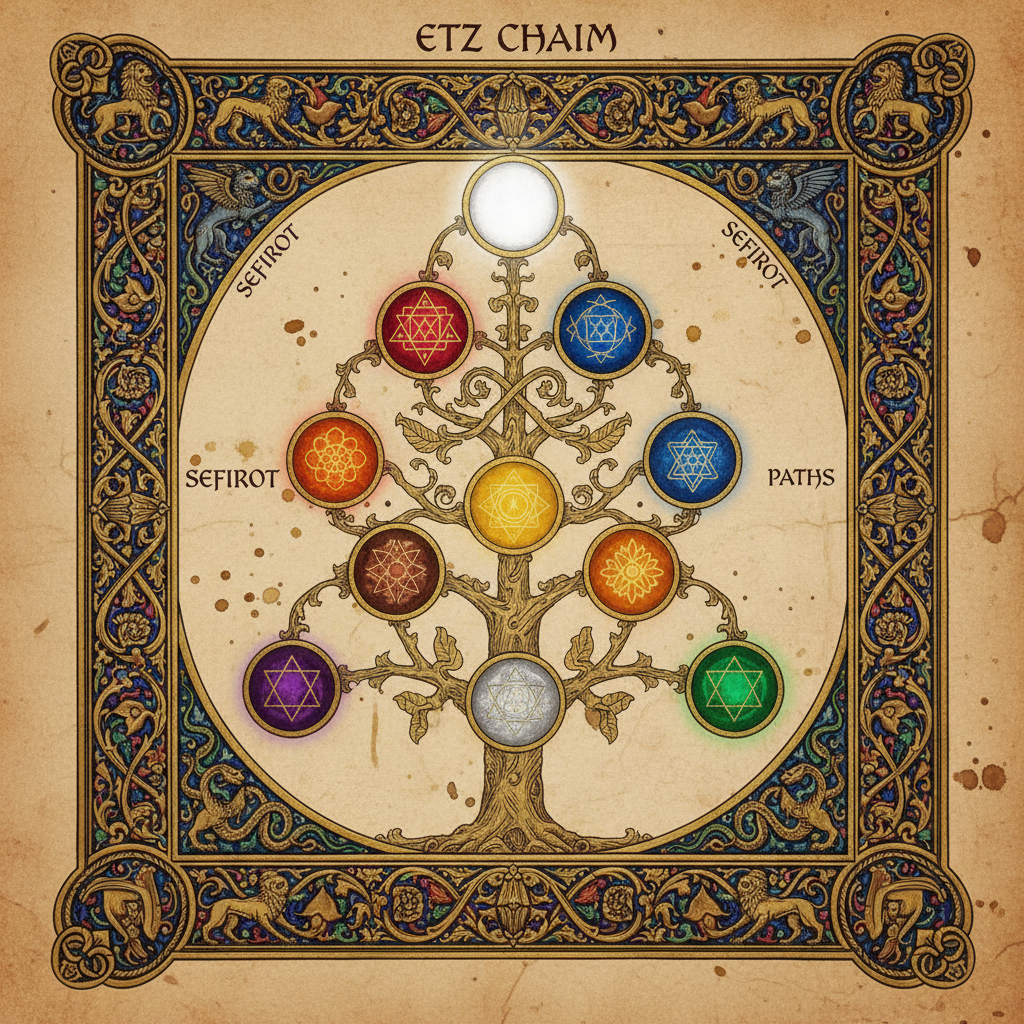 The Tree of Life
 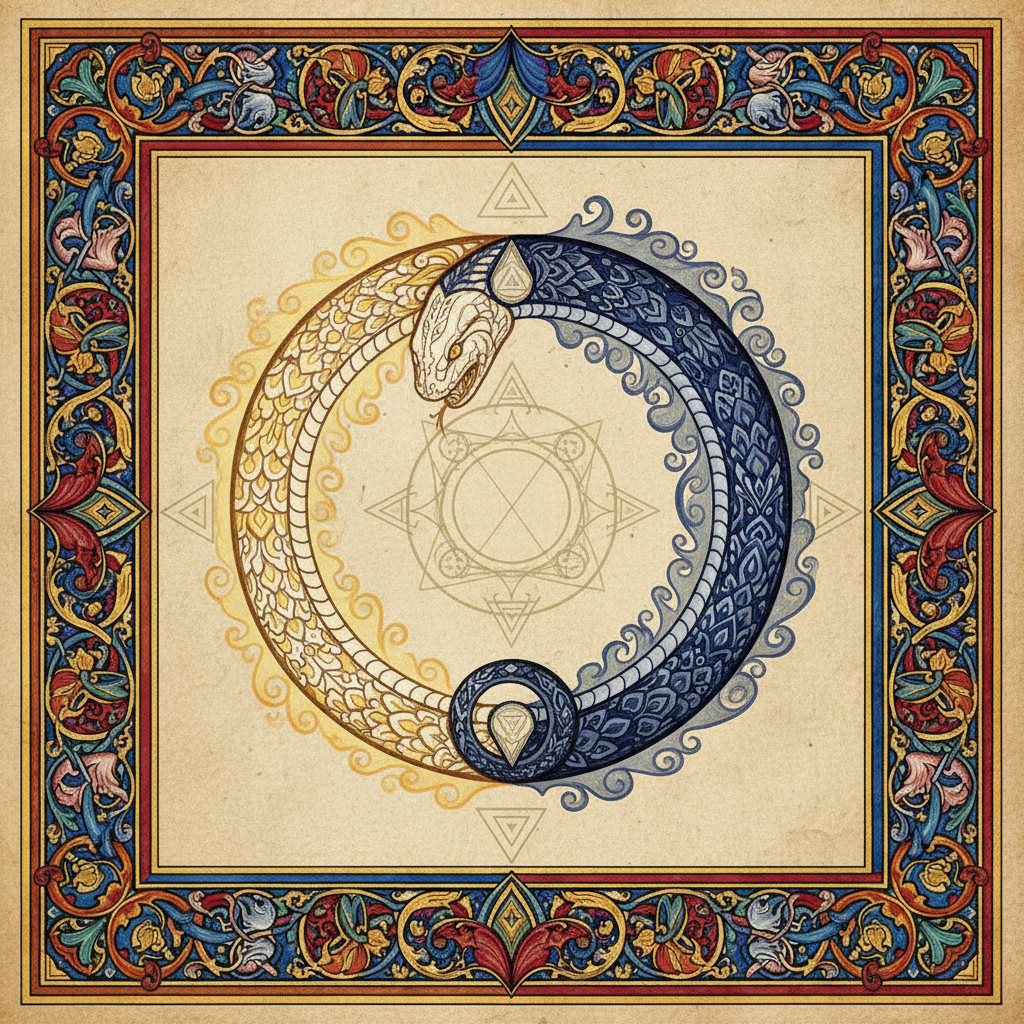 The Serpent
 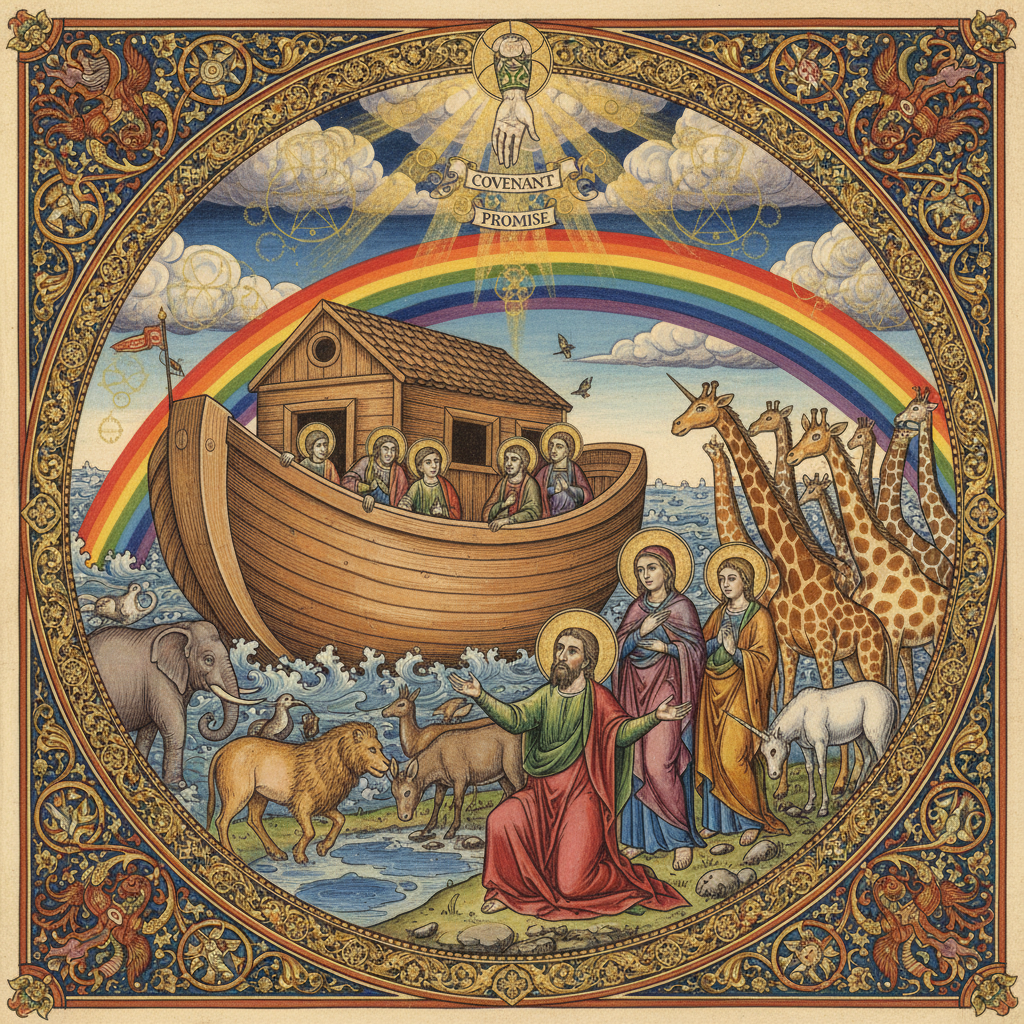 The Rainbow
 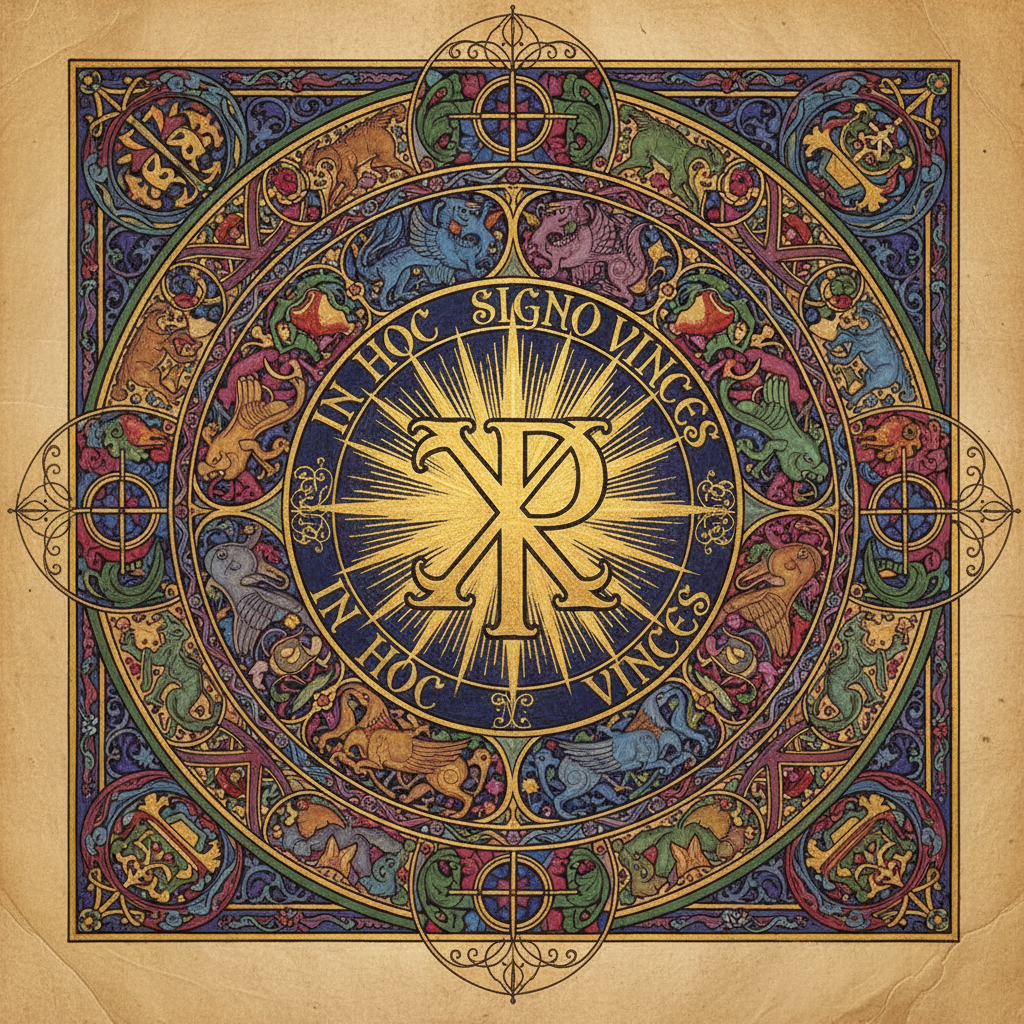 IHS / Chi-Rho
 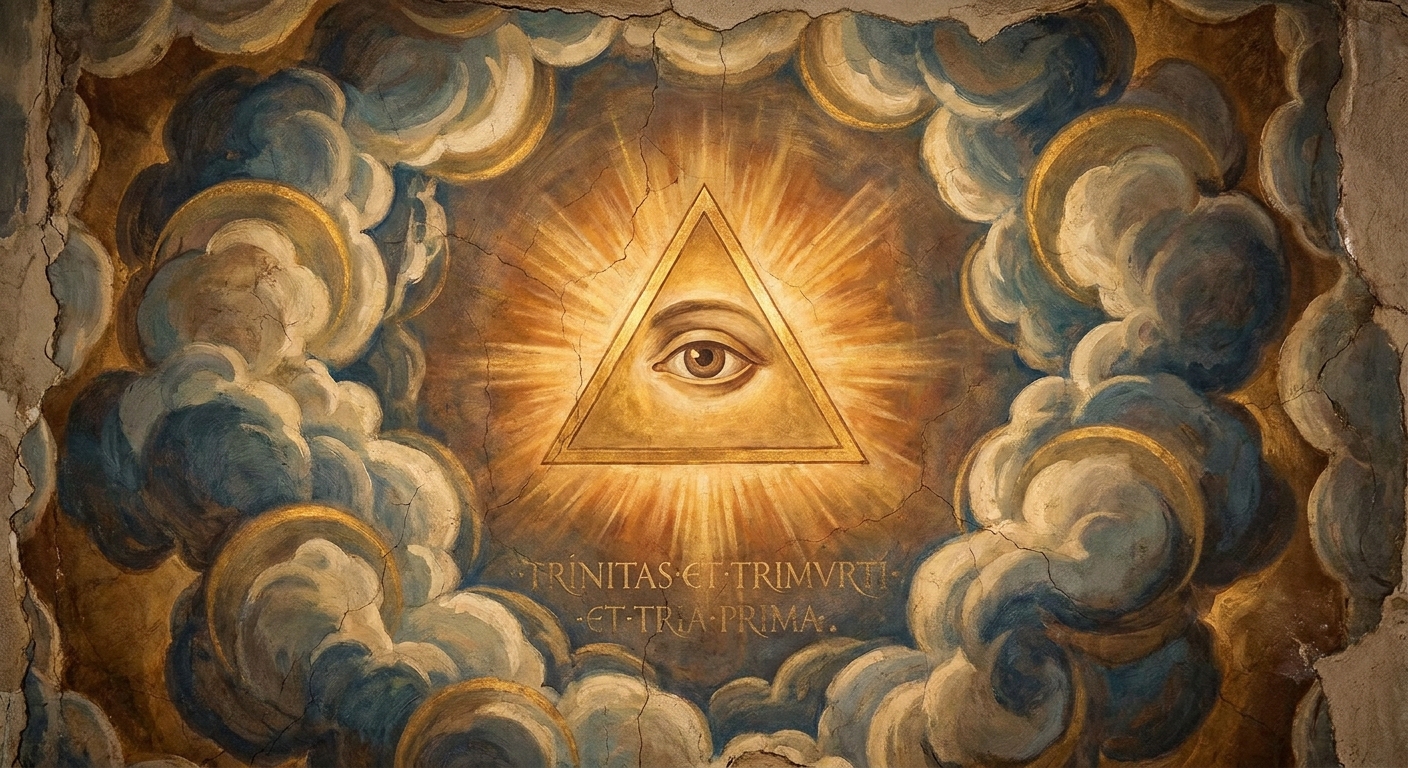 The Triangle