Prominent in
What separates the seen from the unseen. What was torn — and what remains.
| Tradition | Form | Meaning |
|---|---|---|
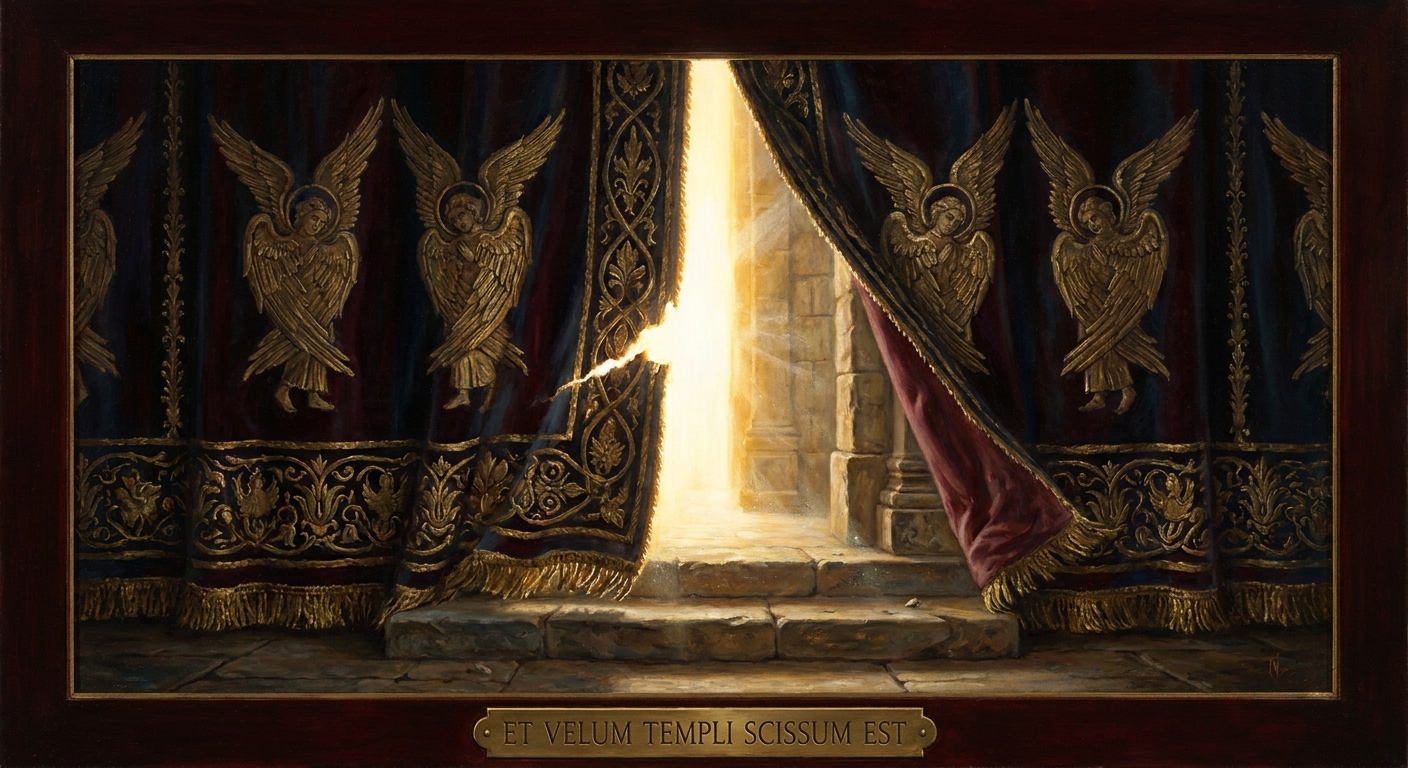
| Biblical | Temple veil | The curtain separating the Holy Place from the Holy of Holies (Exodus 26:31-33). Only the High Priest could pass through, once a year, on Yom Kippur |
| Christian | Torn veil | At Christ’s crucifixion, “the veil of the temple was torn in two from top to bottom” (Matt 27:51). Access to God opened to all. The mediatorial priesthood superseded |
| Catholic | Liturgical veils | Chalice veils, tabernacle veils, Lenten veils covering crucifixes and statues. The tradition of veiling what is most sacred. Women’s chapel veils (mantillas) as sign of reverence |
| Jewish | Parochet | The curtain covering the Torah ark in every synagogue, descending from the Temple veil. Decorated with lions, crowns, and the Tablets of the Law |
| Masonic | ”Behind the veil” | Royal Arch Masonry: the candidate passes “behind the veil” to discover the lost Word. Multiple veils of blue, purple, scarlet, and white must be passed through |
| Islamic | Hijab / Purdah | Veiling as modesty, dignity, and devotion. The veil as a boundary between the sacred self and the public world |
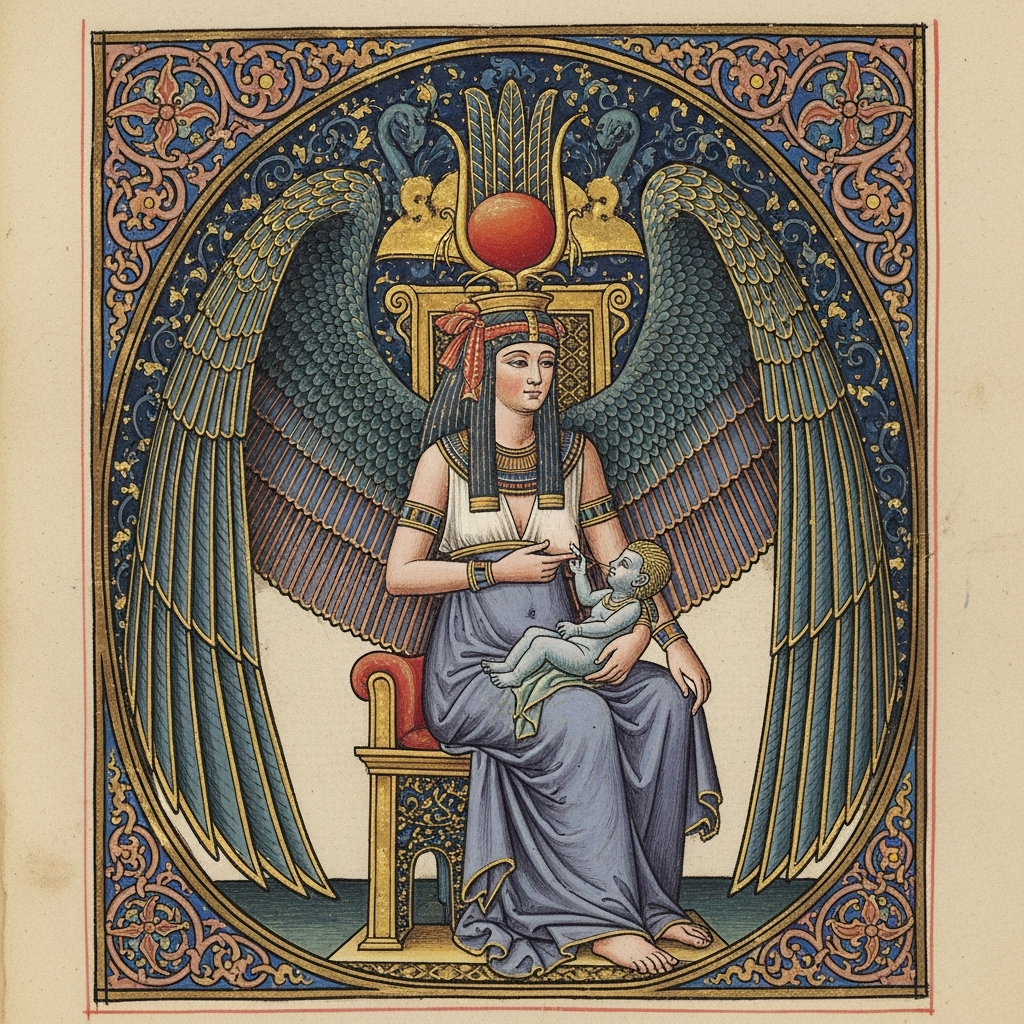
| Esoteric | Veil of Isis | ”No mortal has ever lifted my veil” (inscription at Sais). The goddess of mystery whose full truth remains hidden. The veil between material and spiritual worlds. Blavatsky’s Isis Unveiled (1877) |
The direction of tearing: Matthew 27:51 specifies the veil was torn “from top to bottom” — not bottom to top. The tearing came from God’s side, not man’s. God opened the way; no human hand could have reached the top of the 60-foot veil.
 The Hamsa
  The Serpent
 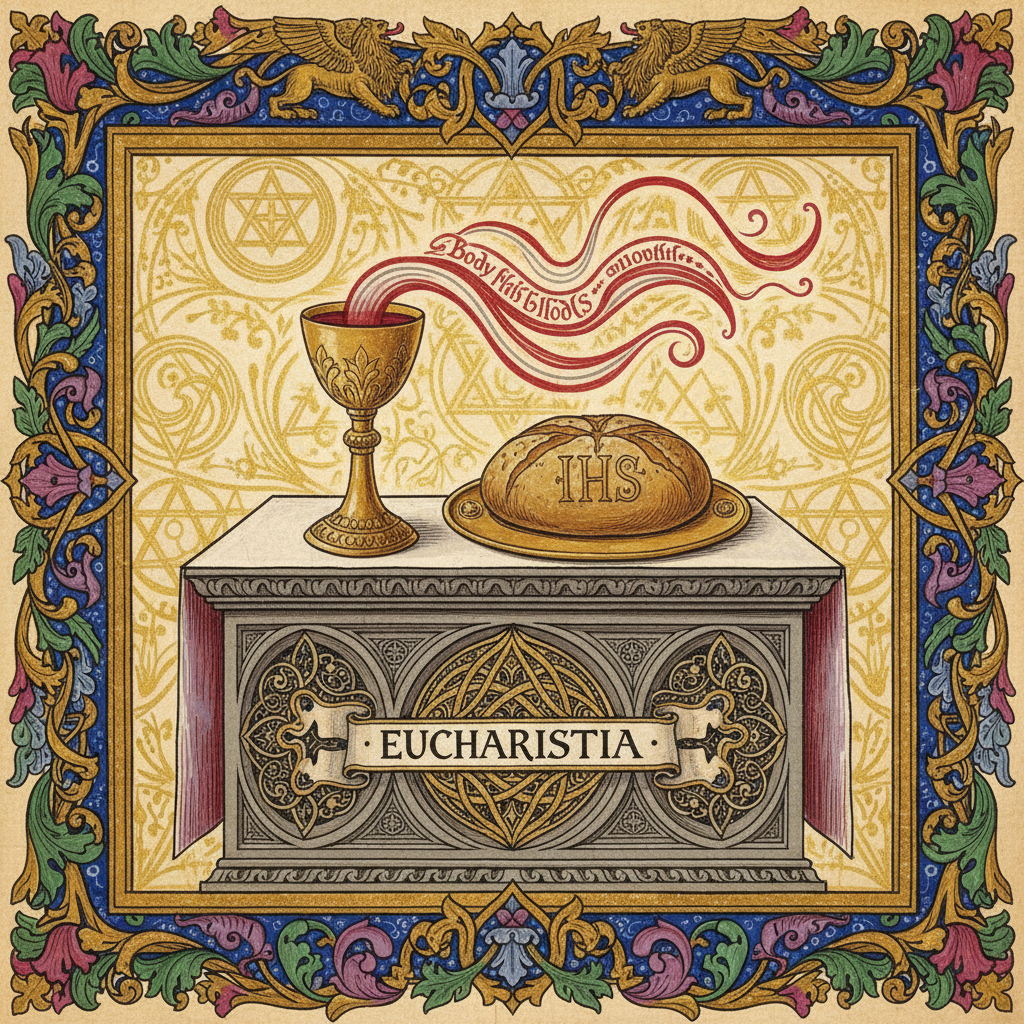 Bread & Wine
 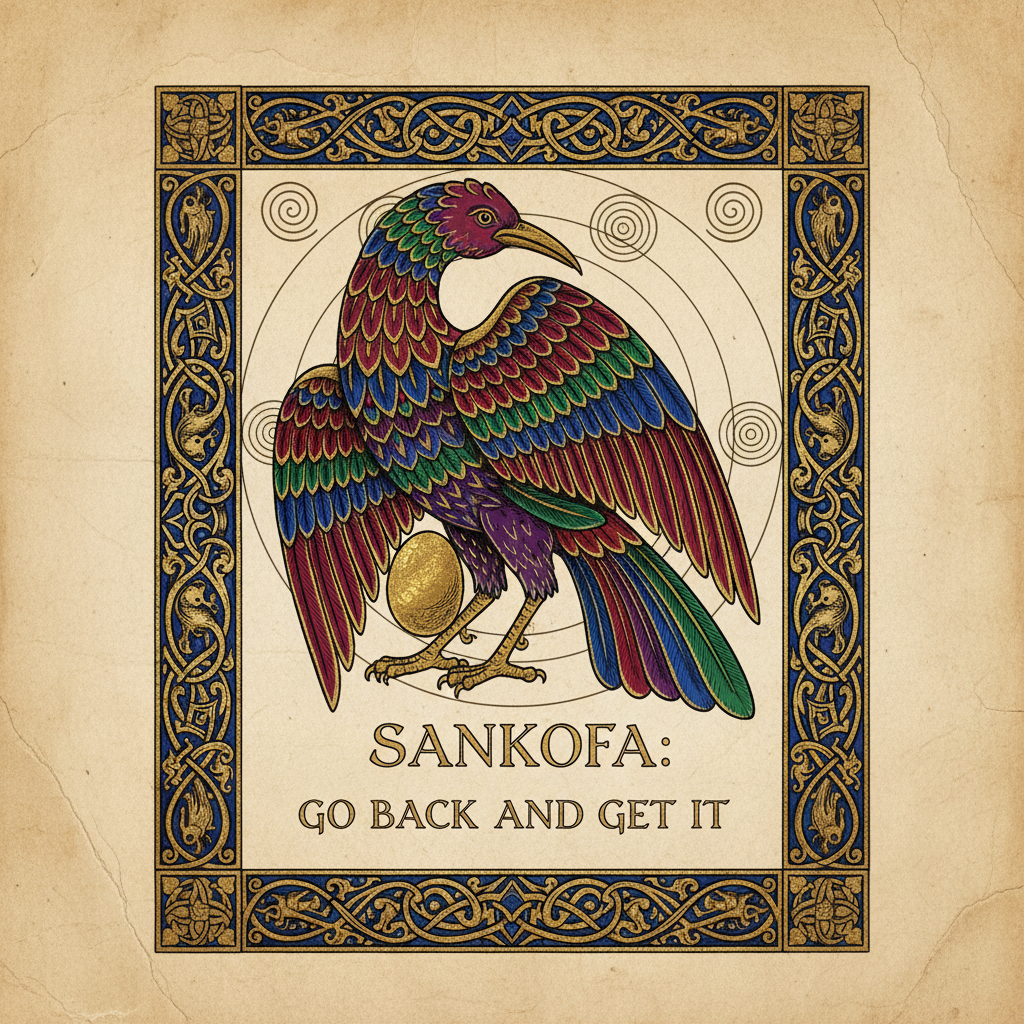 Adinkra
 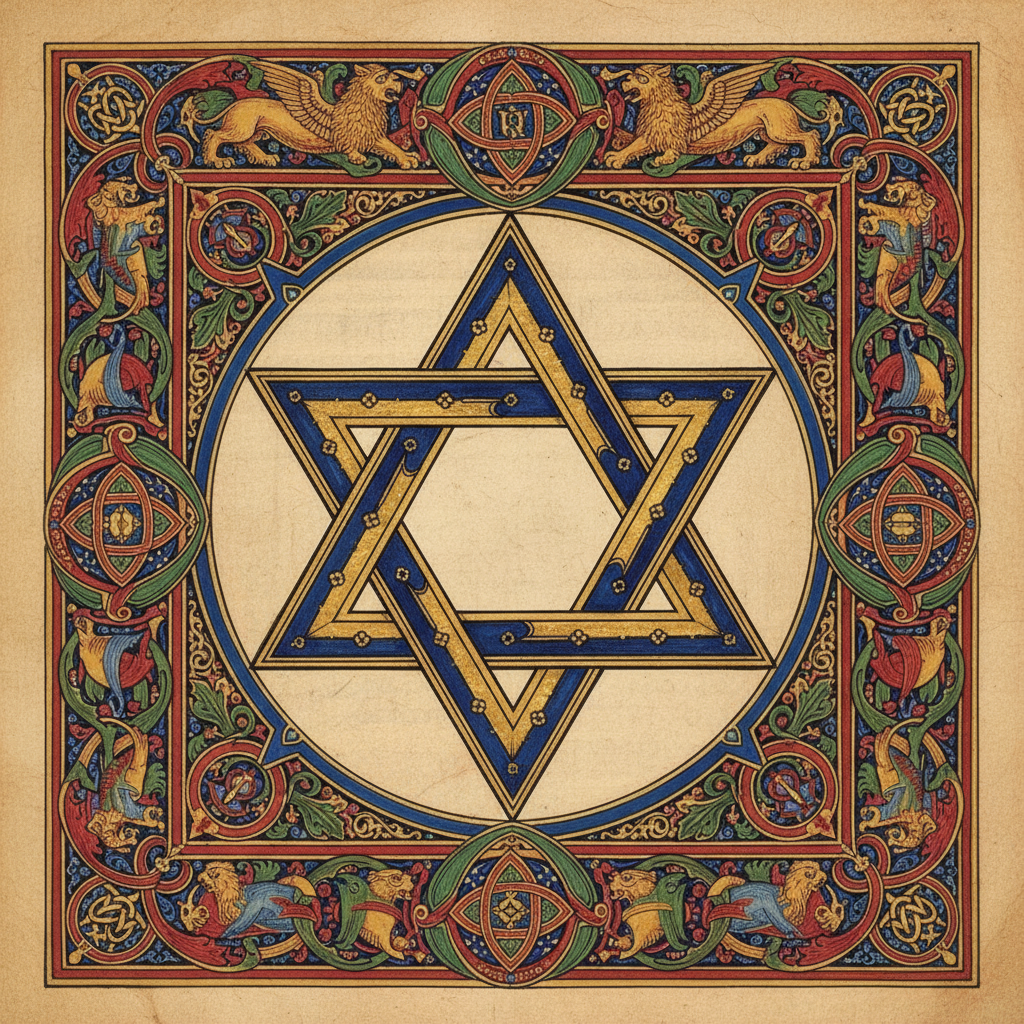 The Hexagram
 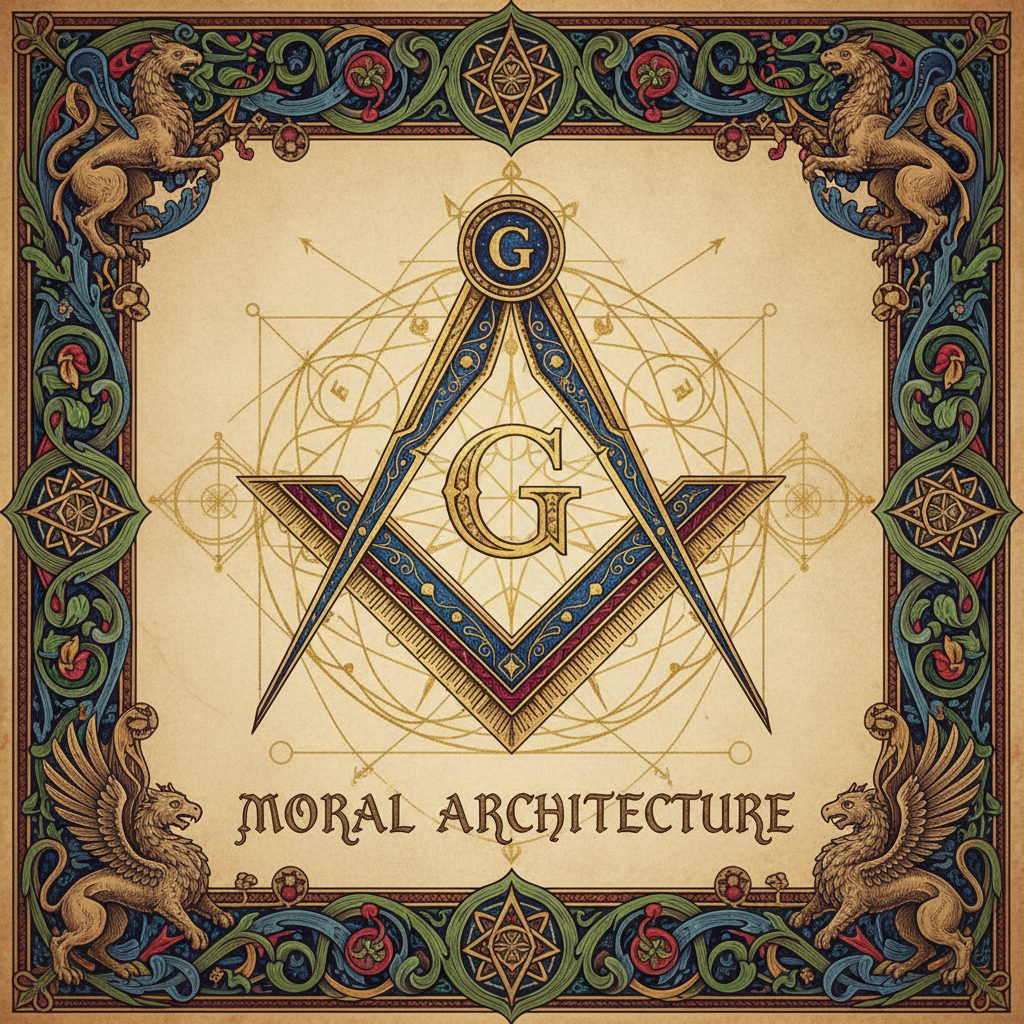 The Compass