Prominent in
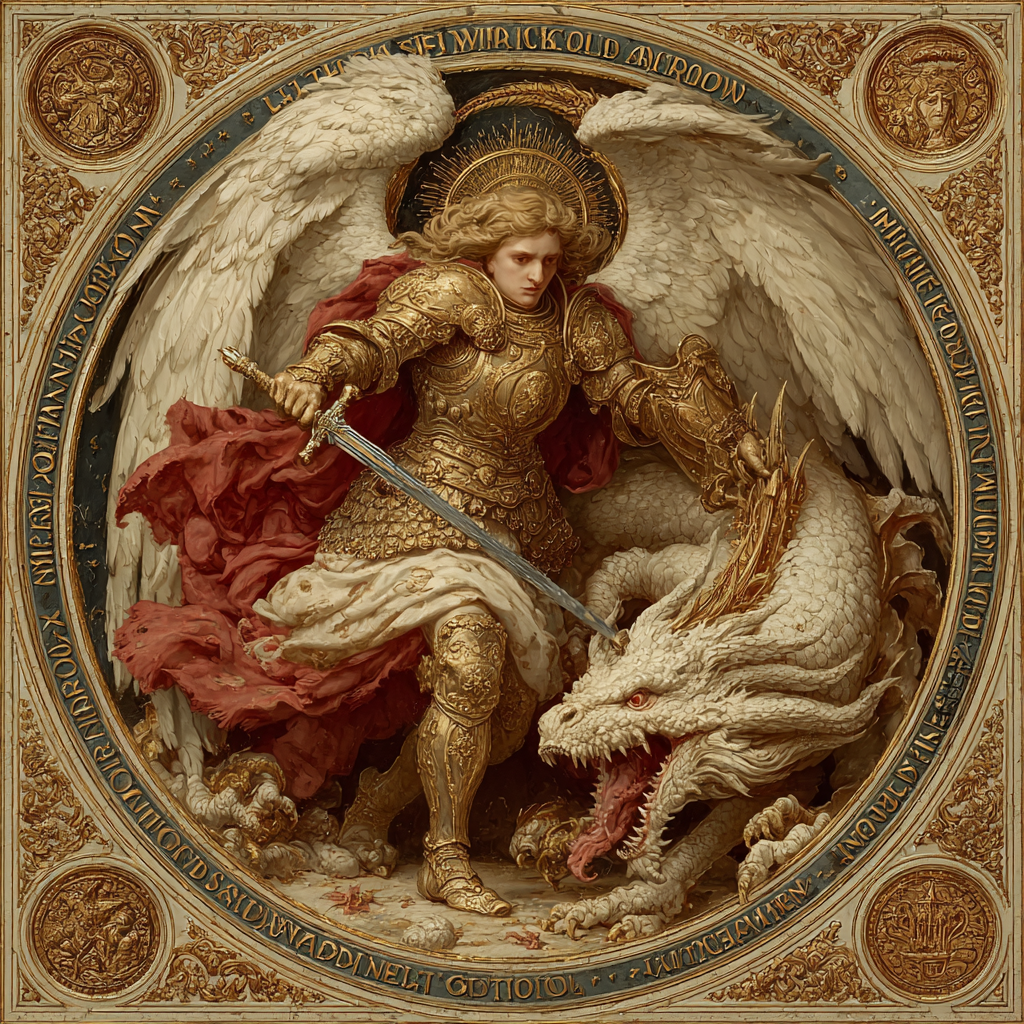
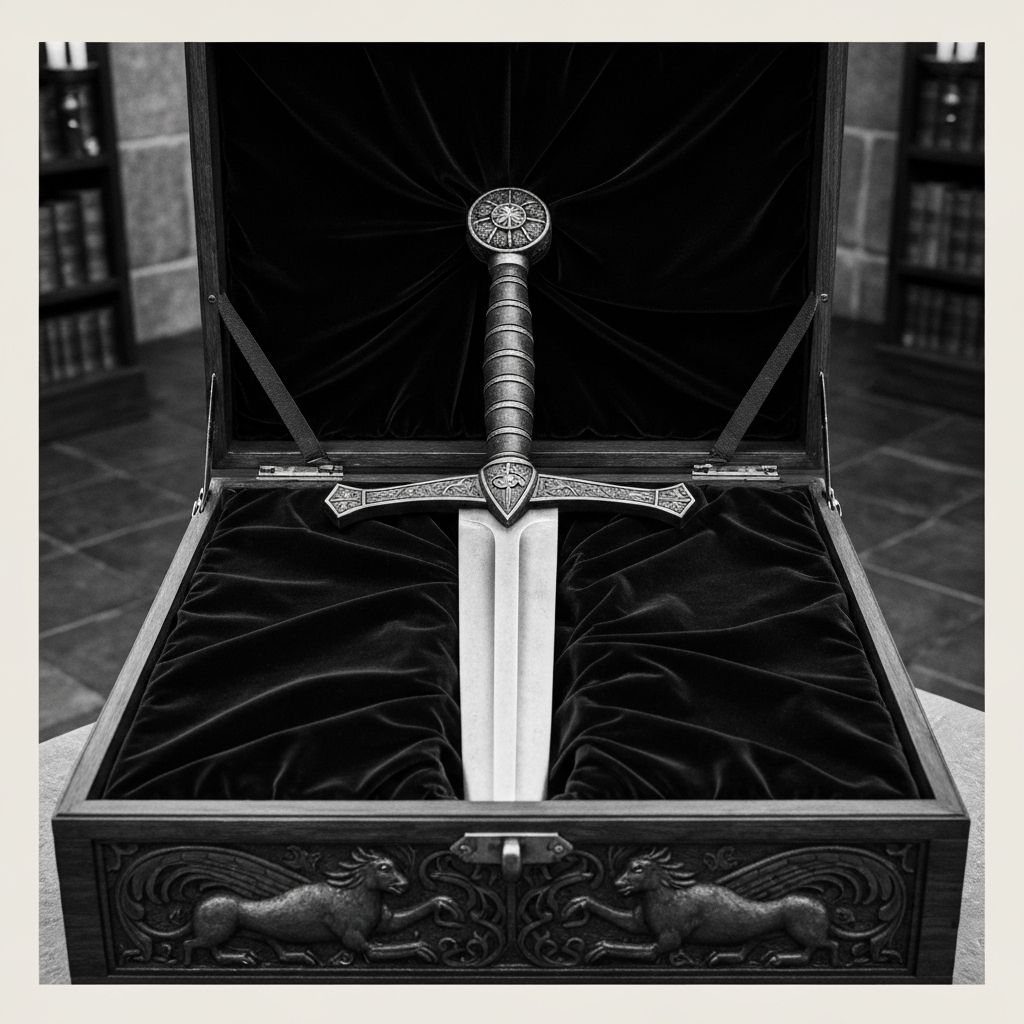
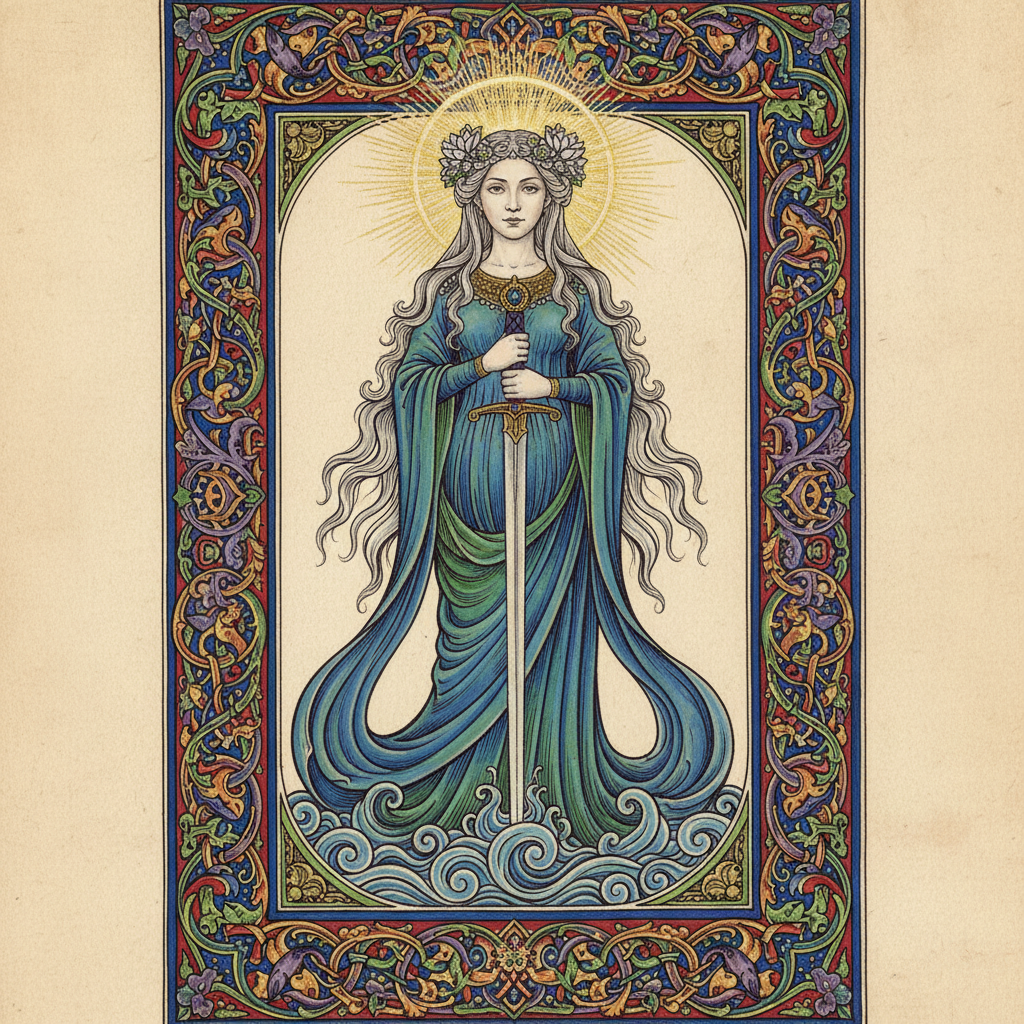
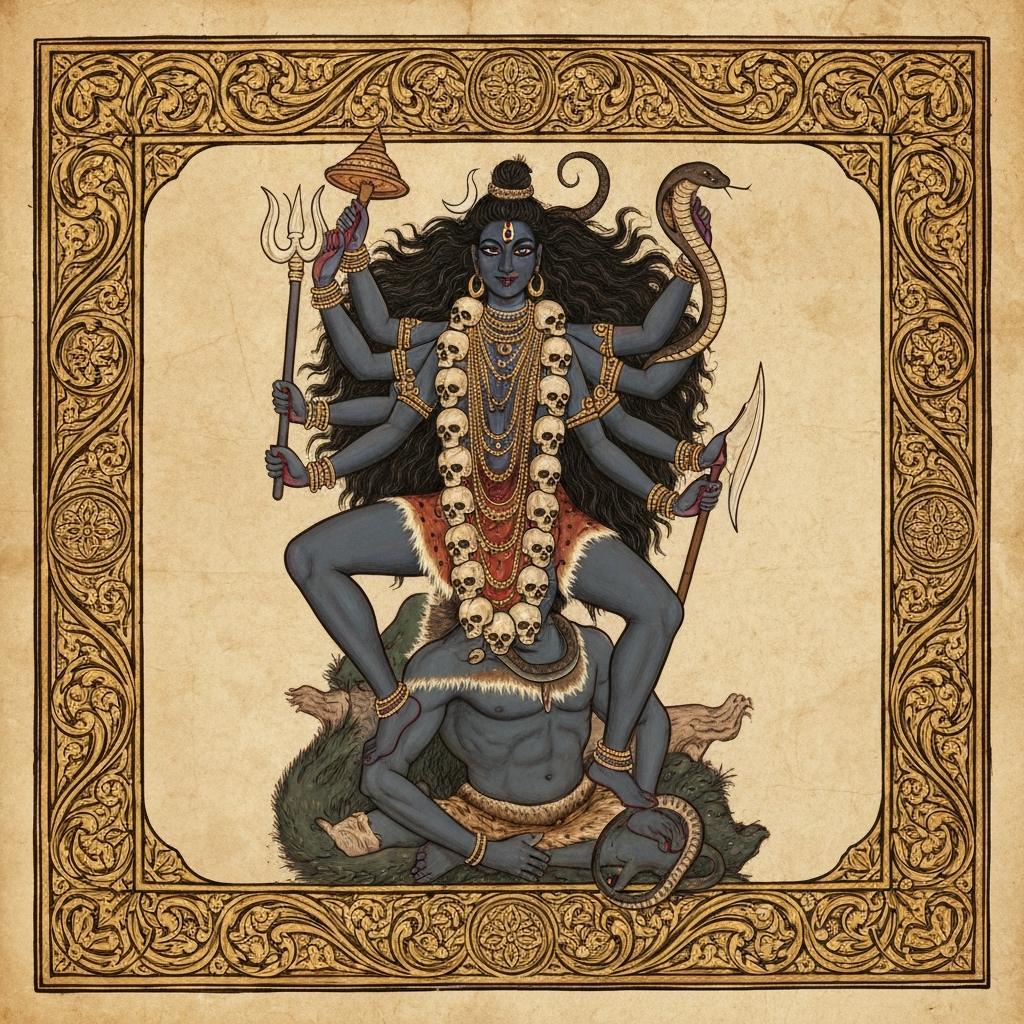
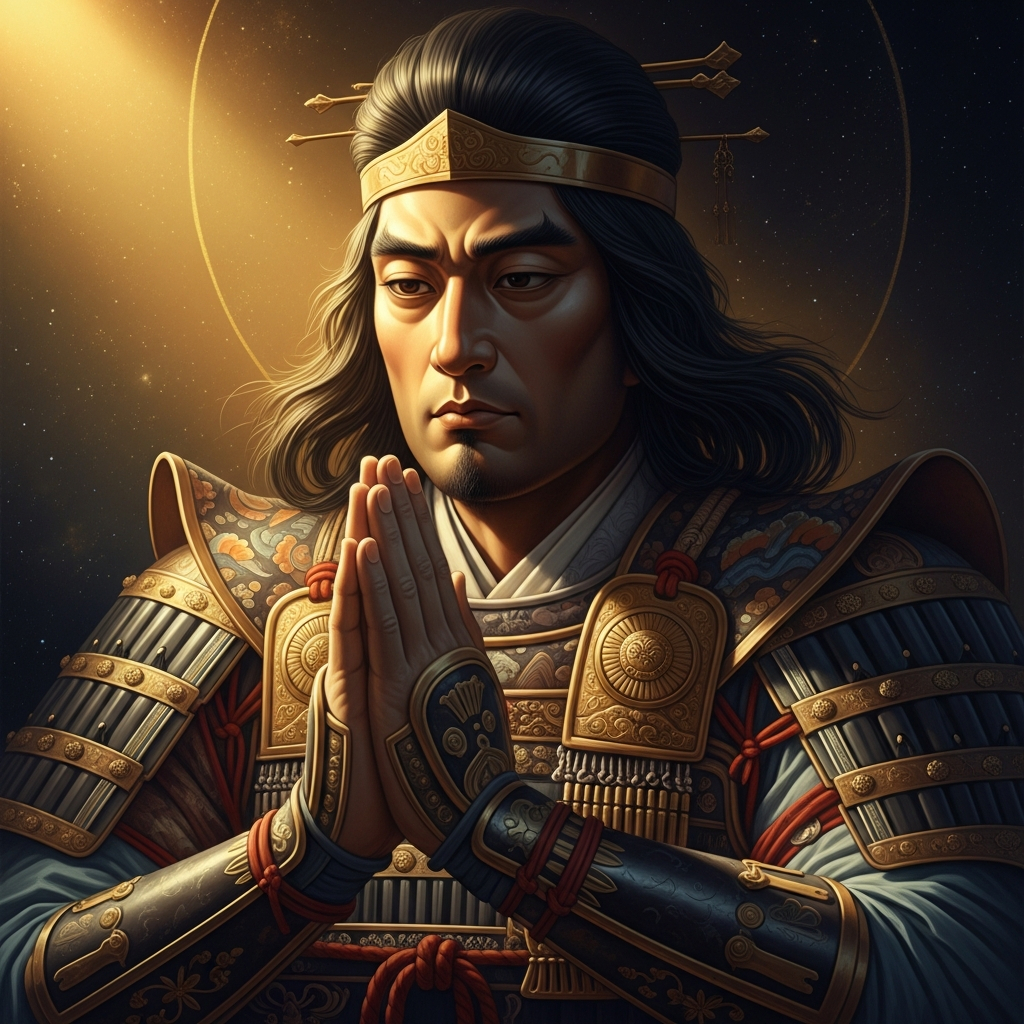
The cutting edge of discernment — not merely violence but the power to separate truth from falsehood, spirit from matter, justice from oppression. The question is always who holds it.
| Tradition | Form | Meaning |
|---|---|---|
| Christian | The two-edged sword; Michael’s sword; the sword of judgment | ”The word of God is living and active, sharper than any two-edged sword, piercing to the division of soul and spirit” (Heb 4:12). The Archangel Michael wields a flaming sword and defeats Satan. In Revelation 1:16, the risen Christ has “a sharp two-edged sword coming from his mouth” — truth as weapon |
| Japanese | Kusanagi-no-Tsurugi — the divine sword | One of the three imperial treasures of Japan (sanshu no jingi). Yamato Takeru discovered Kusanagi inside the tail of the eight-headed serpent Yamata no Orochi after Susanoo killed it. It became a weapon of the imperial line. The sword is enshrined at Atsuta Shrine in Nagoya |
| Celtic | Excalibur; the Sword of Nuada | In Arthurian legend, only the rightful king can pull the sword from the stone (or receive it from the Lady of the Lake): the sword identifies legitimate authority. Nuada’s sword is one of the four treasures of the Tuatha Dé Danann — from the city of Findias, it was unstoppable once drawn |
| Hindu | Kali’s sword cutting the ego | The goddess Kali is depicted holding a severed head and a sword dripping blood. The sword cuts the ego (ahamkara), the illusion of separate selfhood. Kali’s violence is liberation: what she kills is the false self that prevents moksha |
| Islamic | Dhul Fiqar — Ali’s bifurcated sword | The Prophet Muhammad gave his son-in-law Ali ibn Abi Talib the legendary sword Dhul Fiqar (“cleaver of vertebrae”), said to have a split or bifurcated blade. It became the symbol of Shia Islam — appearing on flags, banners, and religious art. The cry “la fata illa Ali, la sayf illa Dhul Fiqar” (there is no youth but Ali, no sword but Dhul Fiqar) is a Shia war cry |
| Tarot | The Suit of Swords — the element of air | In Rider-Waite Tarot (1909), Swords represent the element of air, the realm of intellect, truth, conflict, and communication. The Ten of Swords shows a figure face-down with ten swords in his back: absolute defeat. The Ace of Swords shows a hand holding a crowned blade: truth, clarity, a double-edged gift |
The sword cuts — and what matters is what it cuts. The sword of justice cuts injustice; the sword of truth cuts illusion; the sword of Kali cuts the ego; the sword of the Word cuts through pretense to the bone. Every tradition that arms a divine figure with a sword is making a claim about necessary violence: there is something that must be destroyed for the good to prevail, and it requires a sharp enough instrument to separate it from what must be preserved. The question is always who holds the sword, and whether they can distinguish the ego that must die from the self that must live.
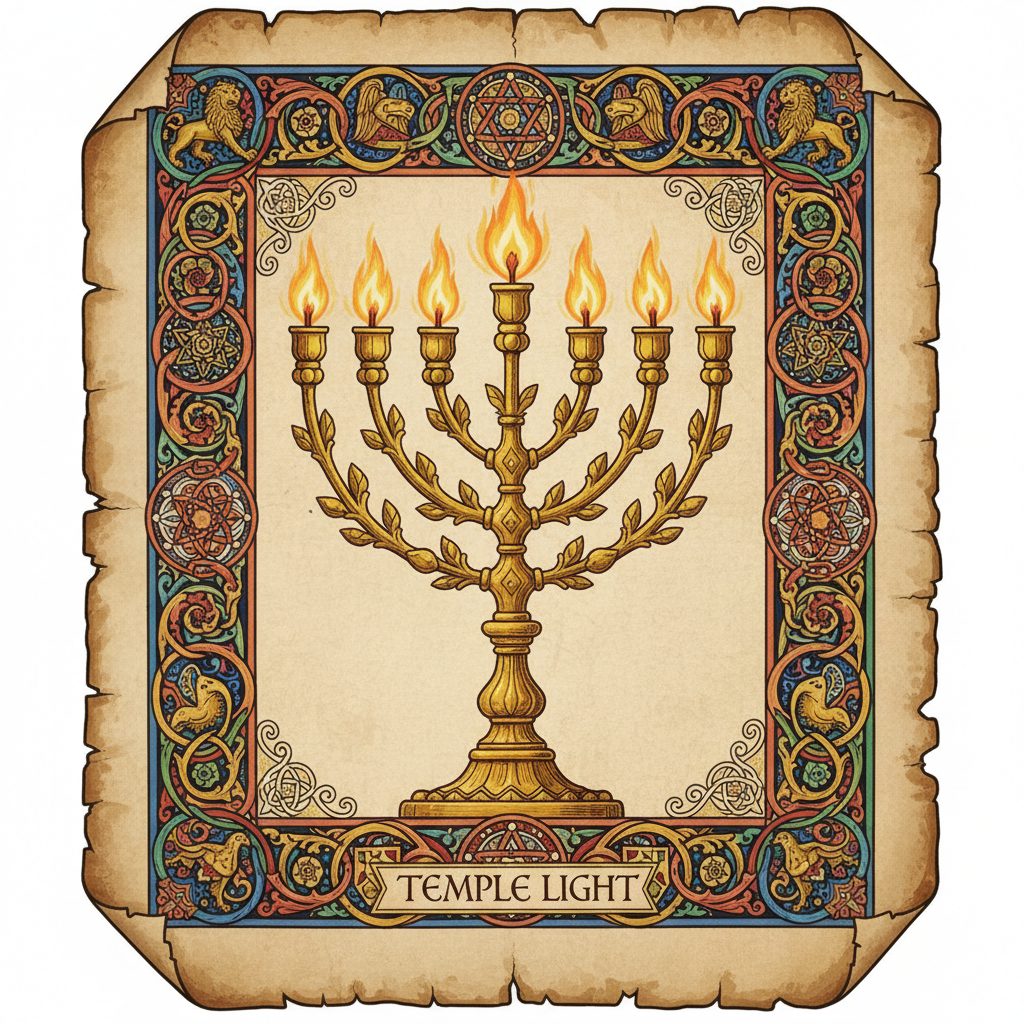 The Hanukkiah vs. Menorah
 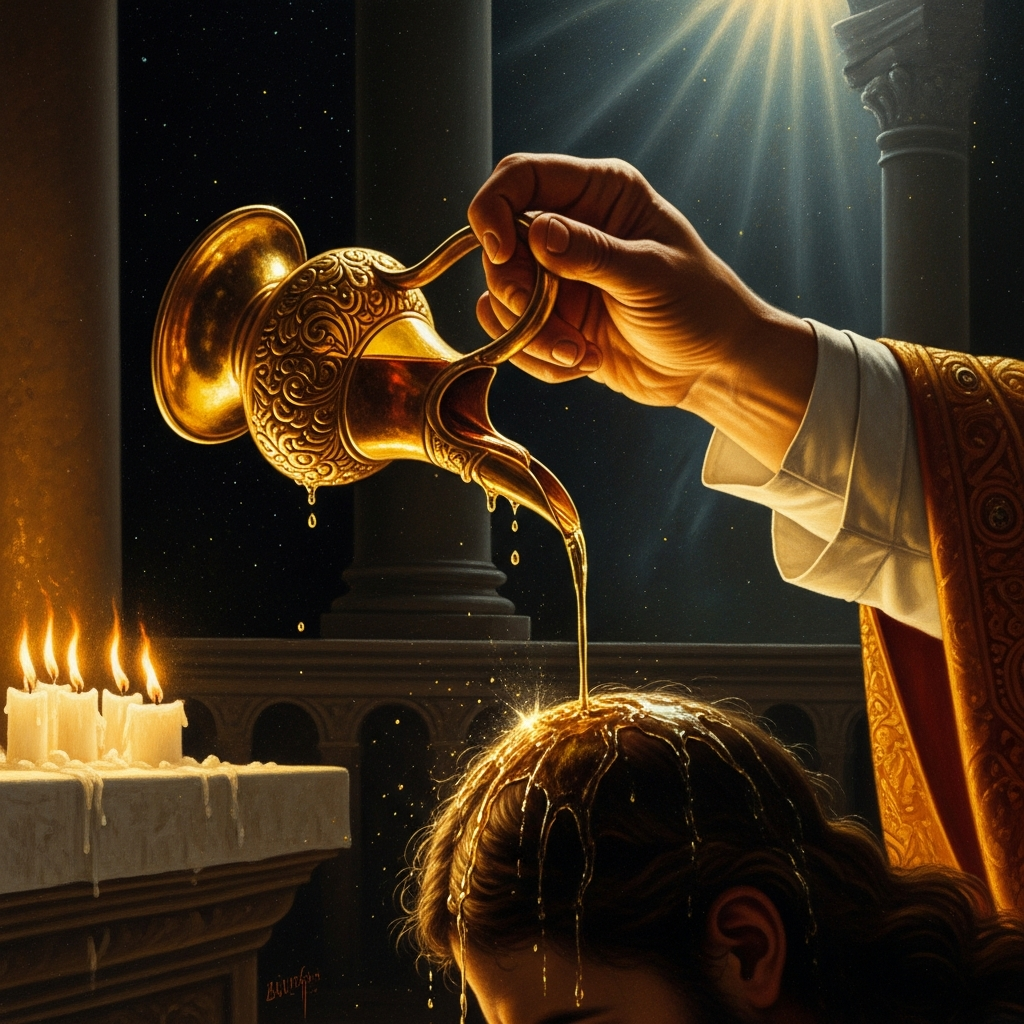 Oil / Anointing
 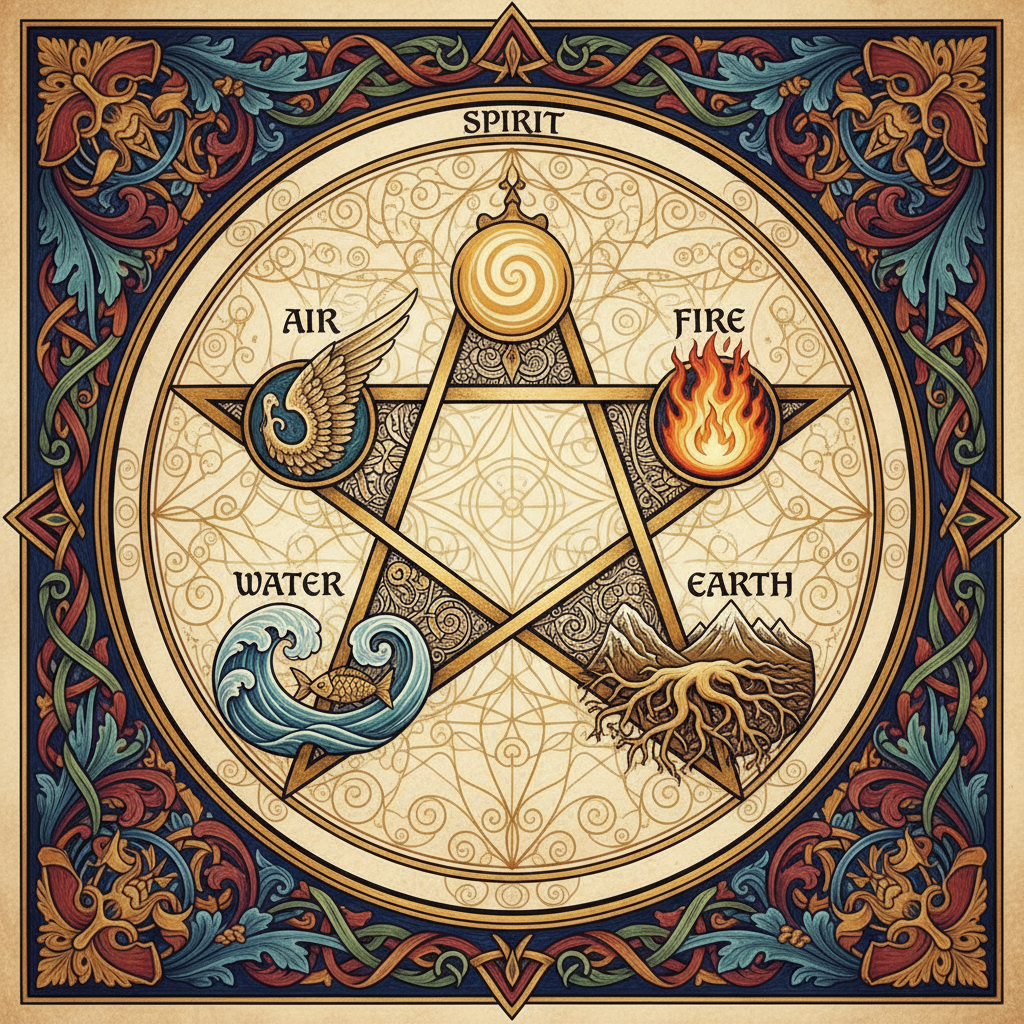 The Pentagram
 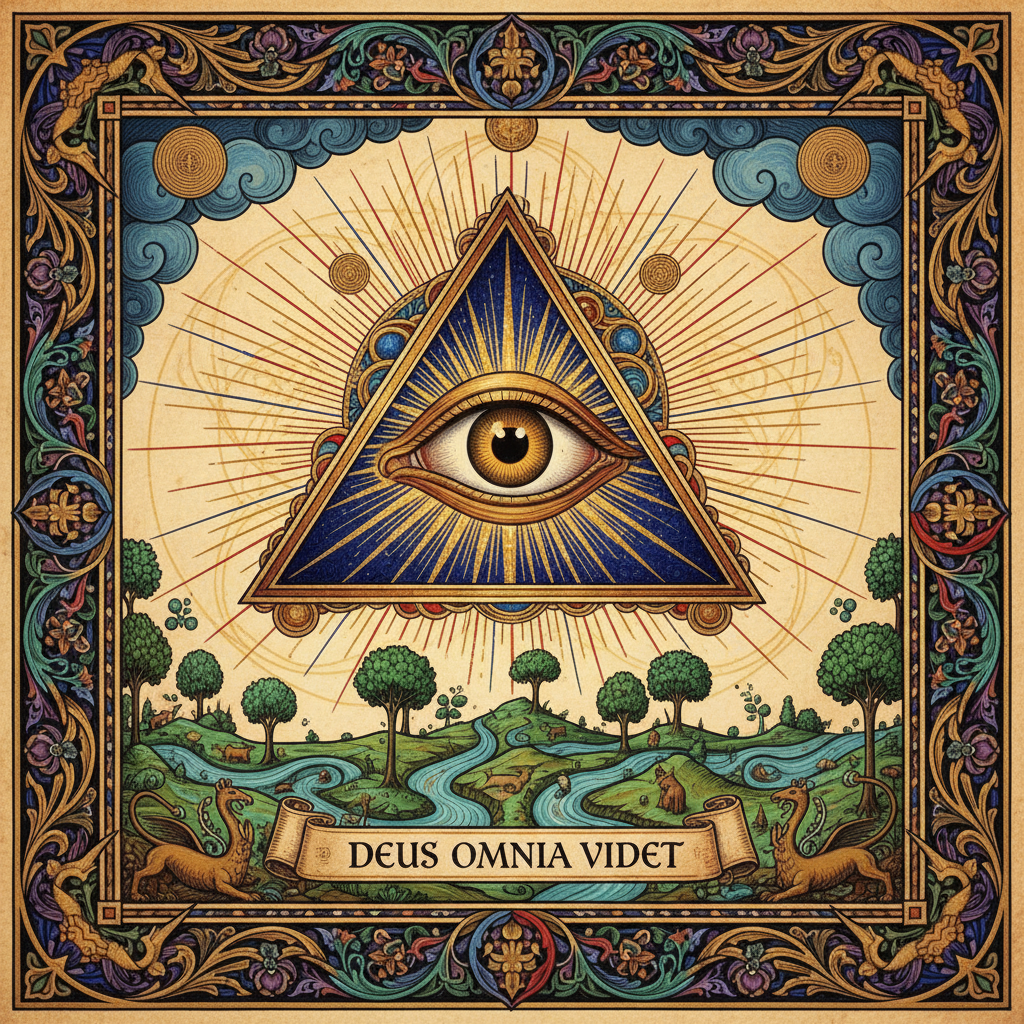 The All-Seeing Eye
 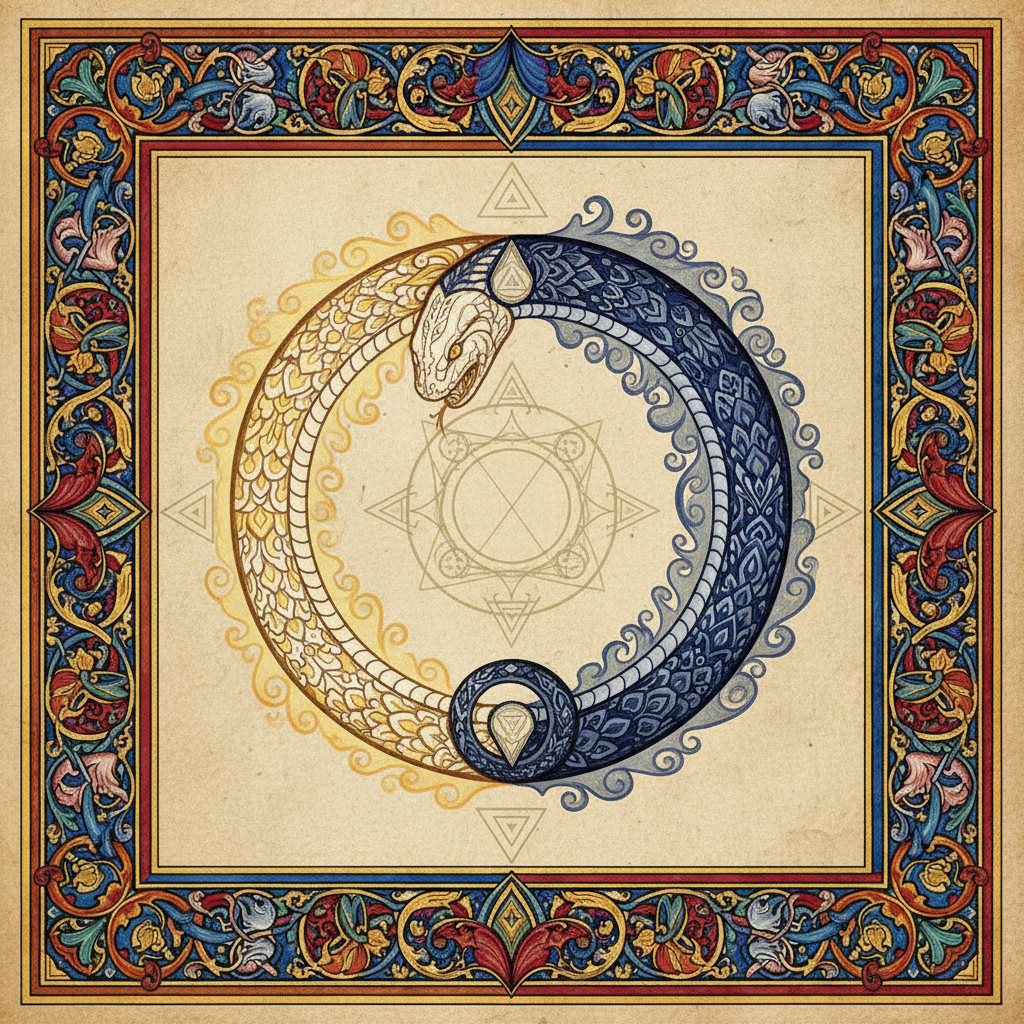 The Serpent