Prominent in
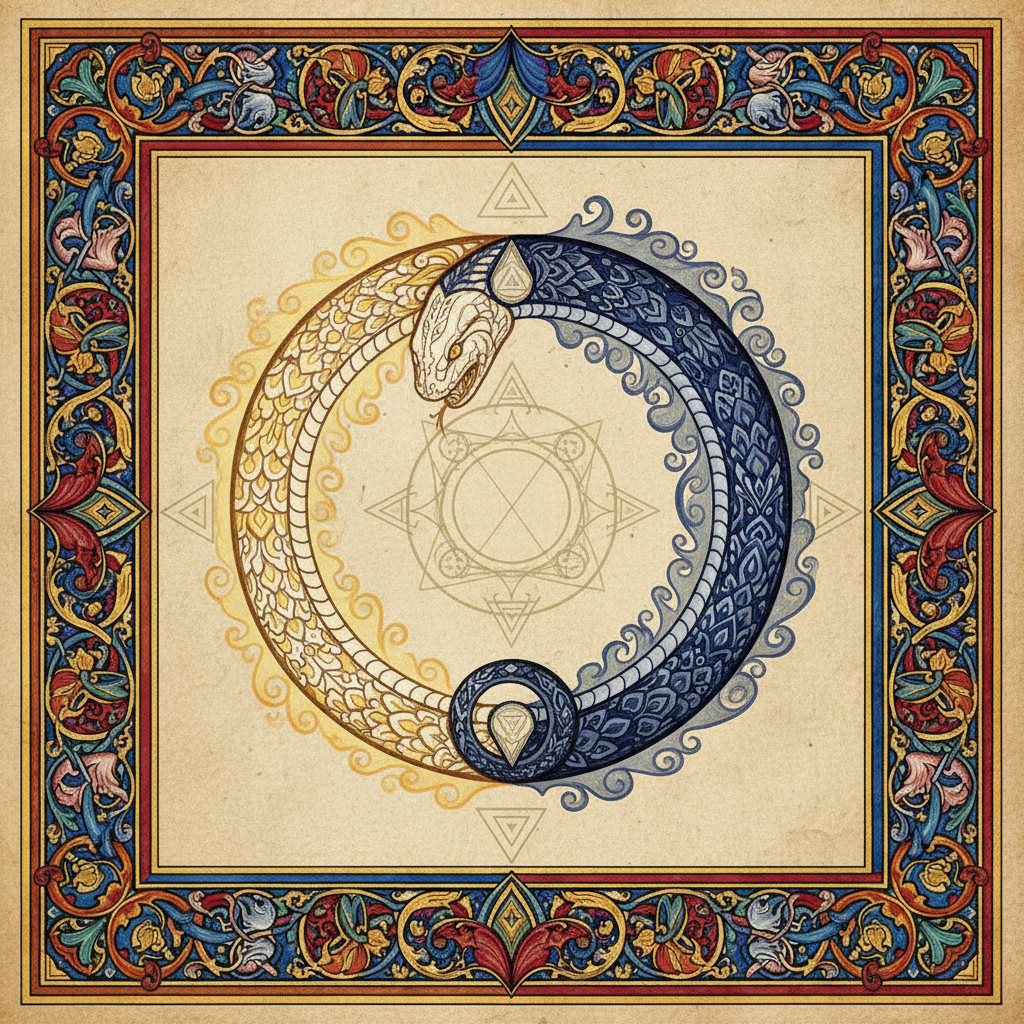 / Ouroboros
| Tradition | Form | Meaning |
|---|---|---|
| Biblical | Serpent in Eden | Satan / the tempter (Gen 3). Deception, the Fall of man |
| Biblical | Bronze serpent on pole | Moses raised a bronze serpent to heal the Israelites (Num 21:8-9). Jesus compared himself to this: “As Moses lifted up the serpent… so must the Son of Man be lifted up” (John 3:14) |
| Jewish | Nachash | The word “serpent” (nachash) in Hebrew gematria = 358 = same value as “Mashiach” (Messiah). The serpent and the Messiah share a numerical identity |
| Gnostic | The Liberator | In some Gnostic traditions, the serpent in Eden was the hero — bringing knowledge (gnosis) to humans imprisoned by a tyrannical demiurge |
| Esoteric | Ouroboros | Serpent eating its own tail = eternal return, cyclical time, unity of beginning and end. Appears in alchemy, Hermeticism, and Theosophy |
| Esoteric | Kundalini | Coiled serpent at the base of the spine; rising through chakras = spiritual awakening |
| Masonic | Not prominently featured | Some higher degrees reference the serpent as wisdom |
The dual serpent: In scripture, the serpent is BOTH the enemy (Satan in Eden) AND the healer (bronze serpent / Christ-type). This duality is unique to the Judeo-Christian tradition and confuses those who see only one reading.
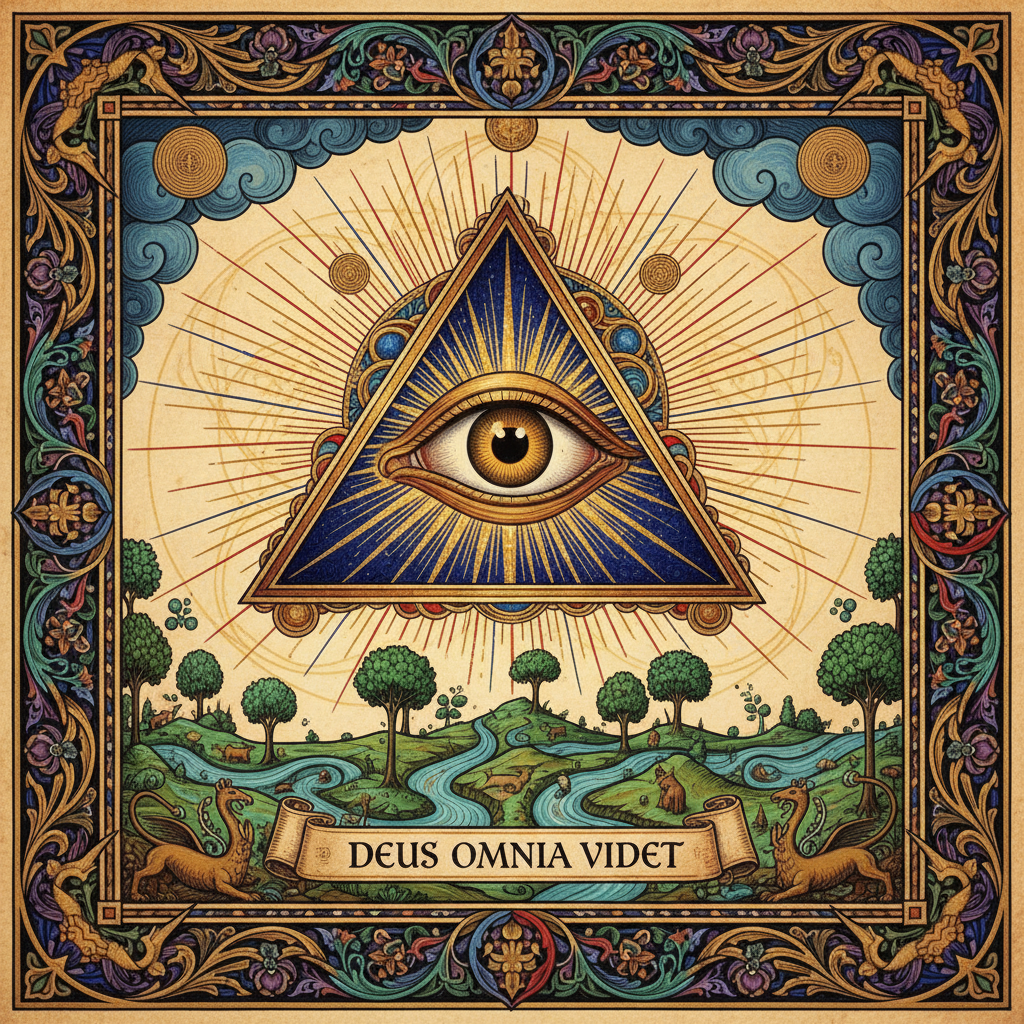 The All-Seeing Eye
 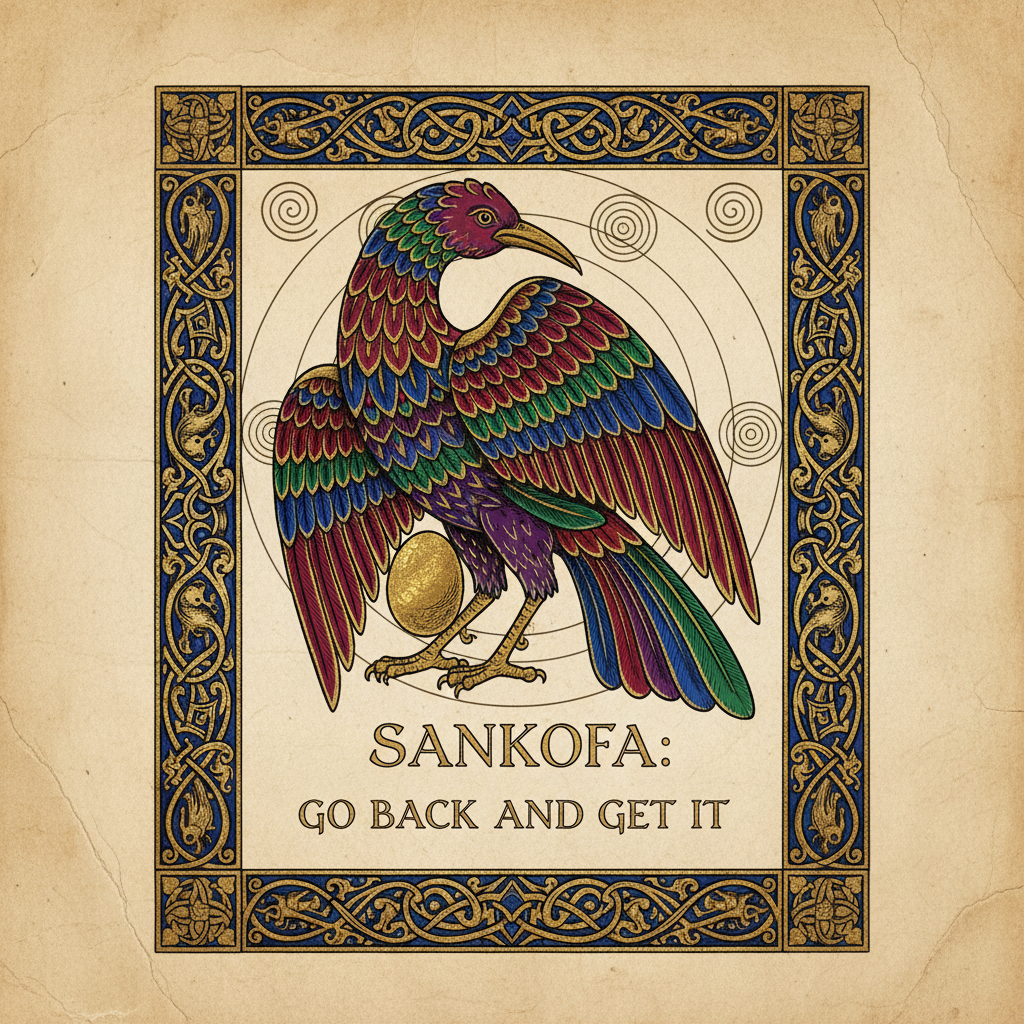 Adinkra
 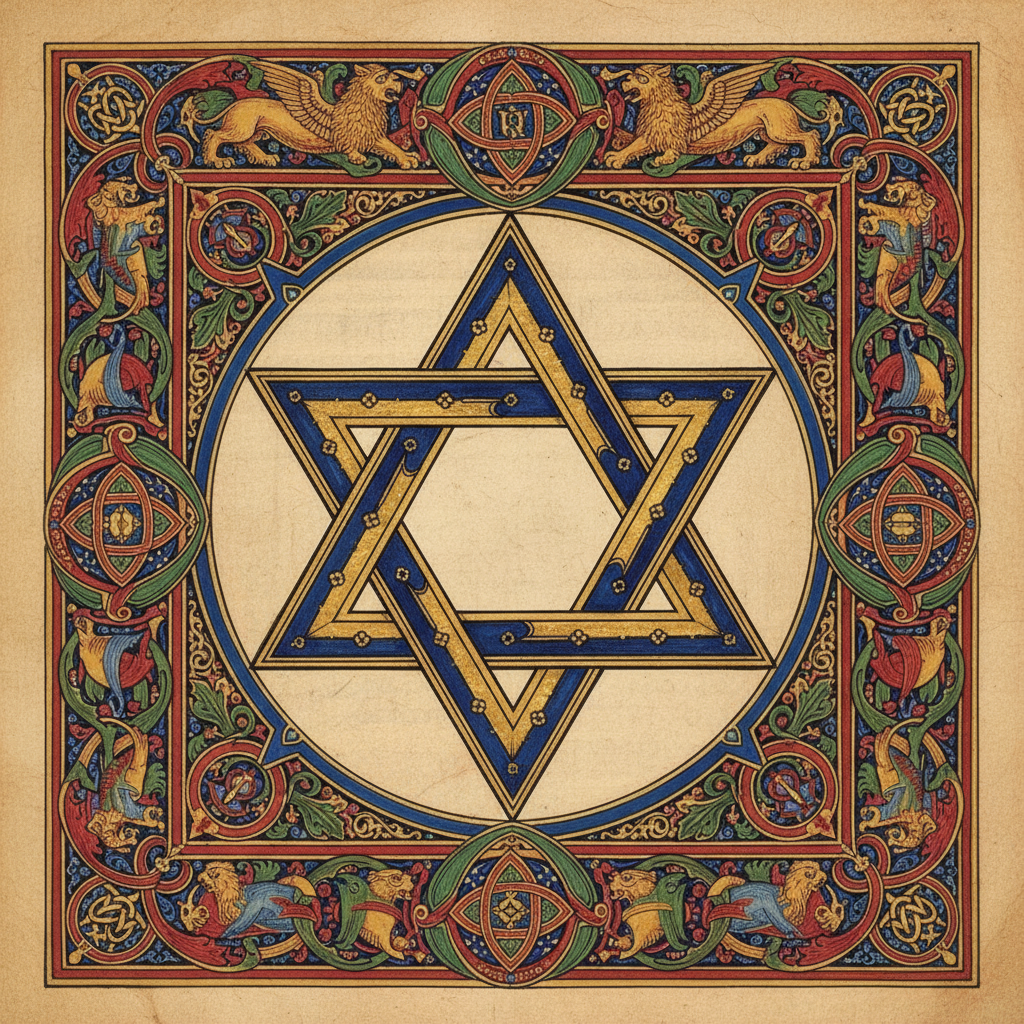 The Hexagram
 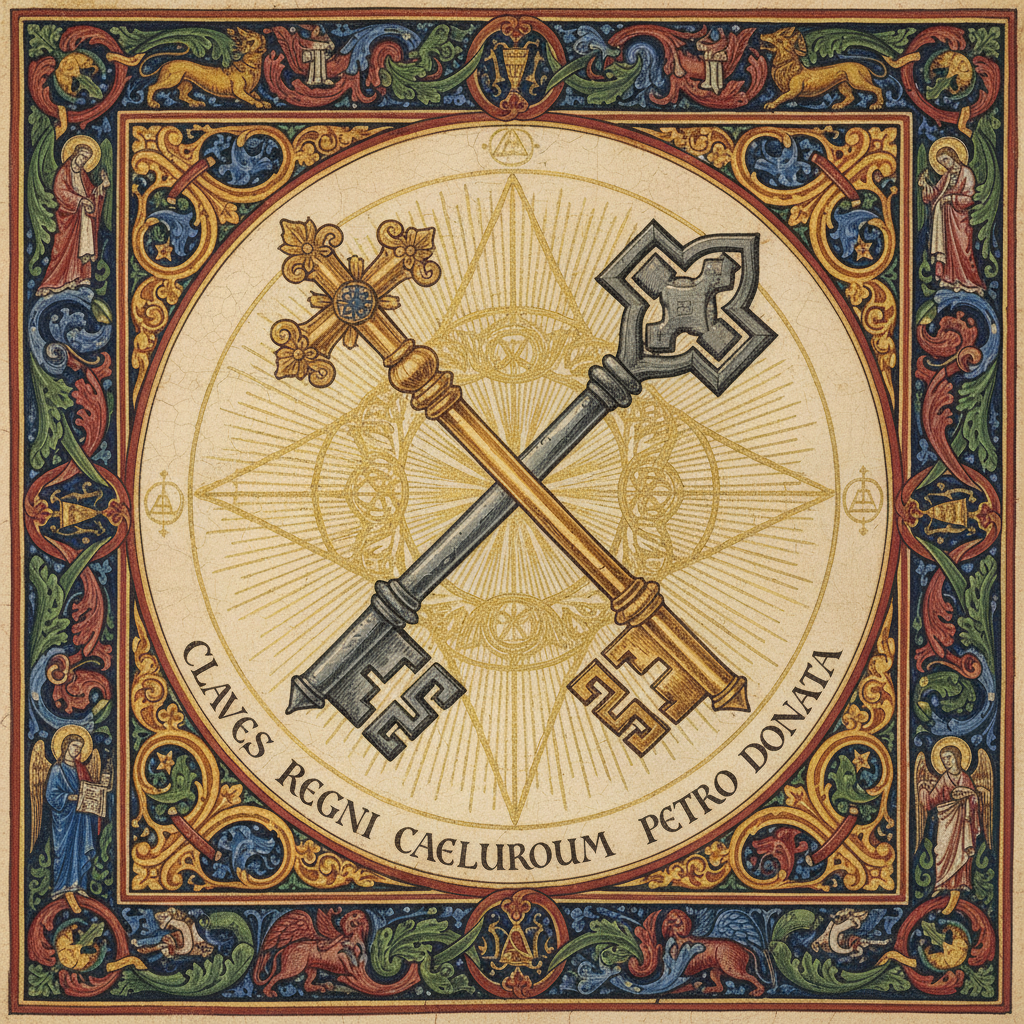 The Key
 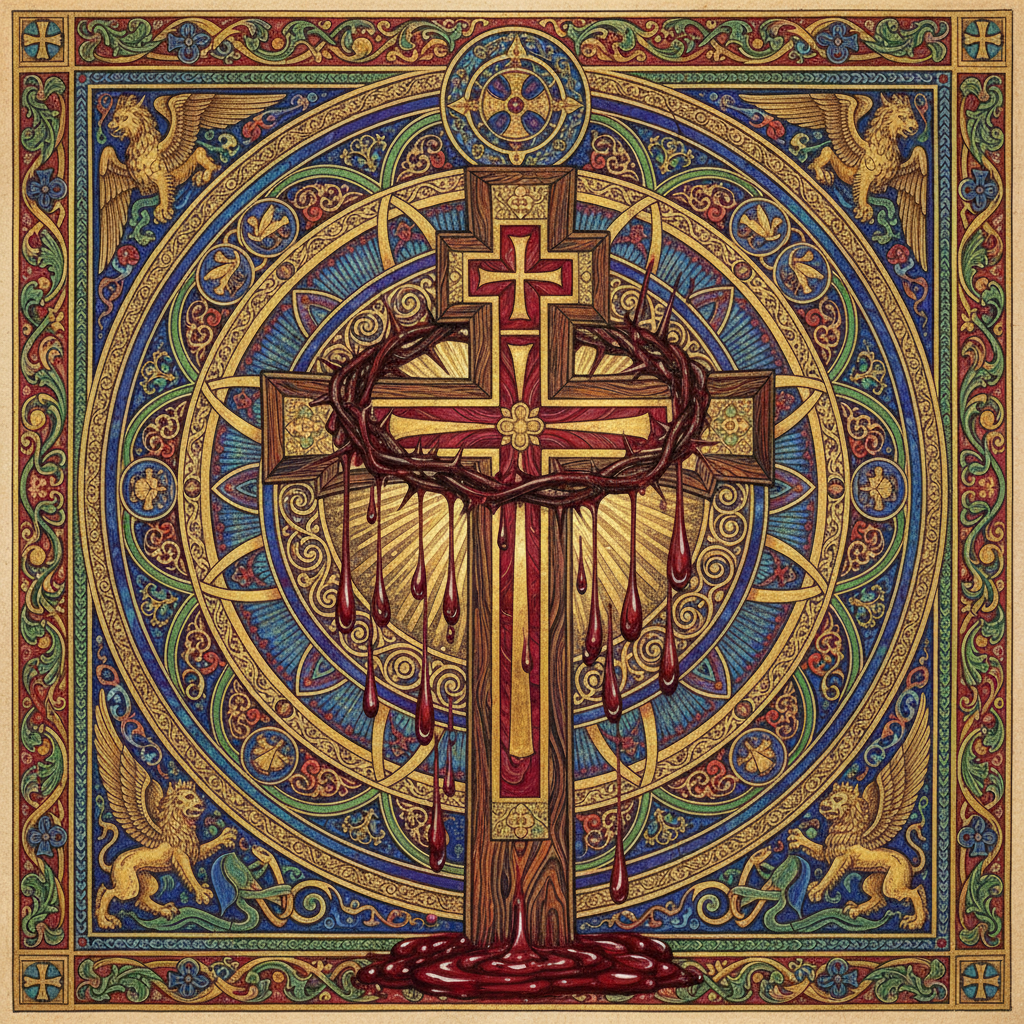 The Cross