Prominent in
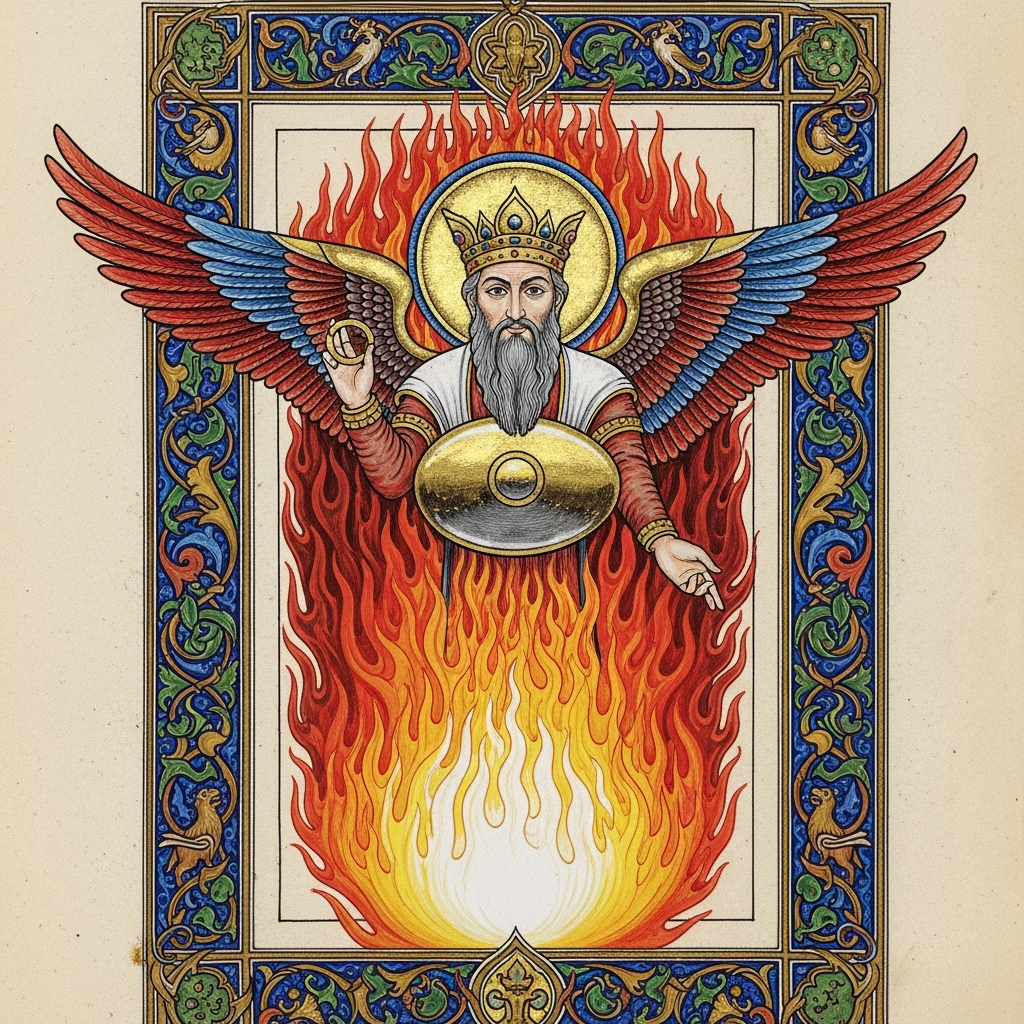
The most directly divine element in many traditions — fire as divine presence, as purification, as transformation that destroys the old form to release the next. Fire is the only element that requires consumption to exist.
| Tradition | Form | Meaning |
|---|---|---|
| Zoroastrian | Atar — the sacred fire (atash behram) | The three grades of Zoroastrian fire temple are the Atash Behram (highest), Atash Adaran, and Atash Dādgāh. The Iranshah atash behram at Udvada, Gujarat, has burned continuously since the 8th century CE. Fire is not worshipped as God but as the visible form of Ahura Mazda’s light (Spenta Mainyu) |
| Hebrew / Jewish | Burning bush; pillar of fire; eternal lamp | God appeared to Moses in a burning bush that was not consumed (Exodus 3:2). The pillar of fire led Israel through the desert by night (Exodus 13:21). The ner tamid (eternal light) burns before every Torah ark in every synagogue — descended from the menorah’s perpetual flame (Leviticus 24:2) |
| Christian | Pentecost tongues of fire; paschal candle; incense | At Pentecost, tongues of fire appeared above each disciple’s head (Acts 2:3) — the baptism of the Holy Spirit. The paschal candle lit at Easter Vigil represents Christ as the light of the world. Incense smoke rising = prayers ascending |
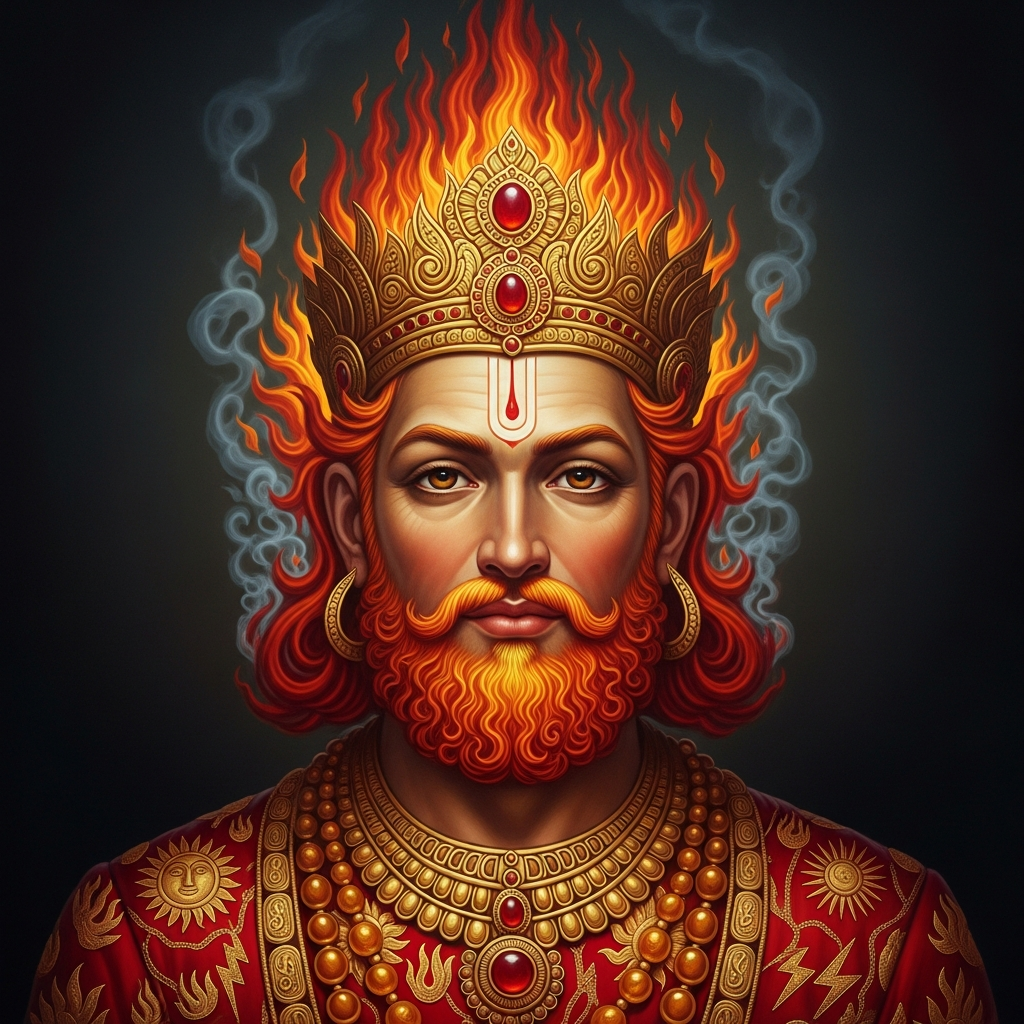
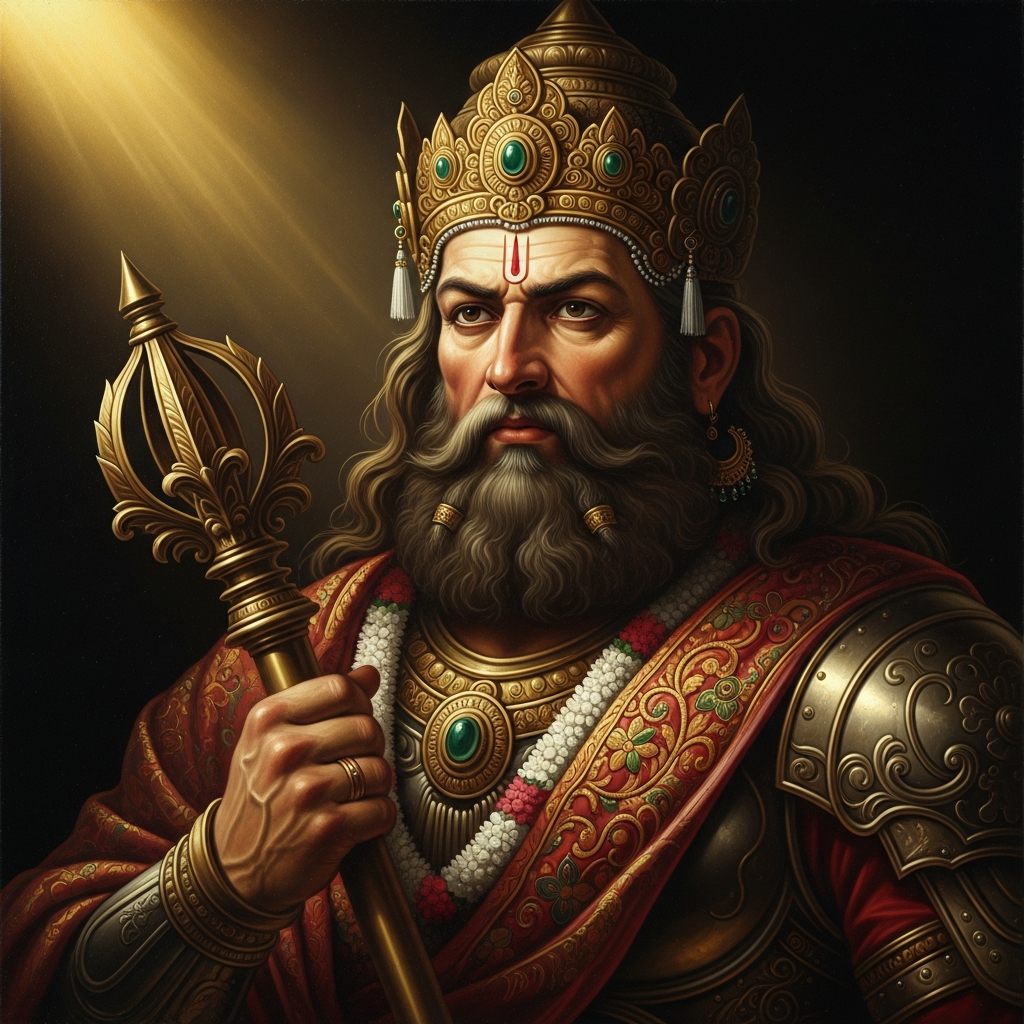
| Hindu | Agni — the fire god and mediator | Agni is the divine messenger who carries offerings from humans to the devas via the yajna (fire sacrifice). He has seven tongues (each with a name), is present in every home fire and sacrificial altar, and is second only to Indra in Vedic hymns. The Agnicayana (building of the fire altar) is one of the most elaborate Vedic rituals, lasting twelve days |
| Buddhist | The three fires; Nirvana as “blown out” | The Buddha’s “Fire Sermon” (Aditya-pariyaya Sutta) declares that everything is “on fire” with the three fires: greed (lobha), hatred (dosa), and delusion (moha). The goal is not to feed these fires but to extinguish them. Nirvana literally means “blown out” — the extinguishing of the fire of craving |
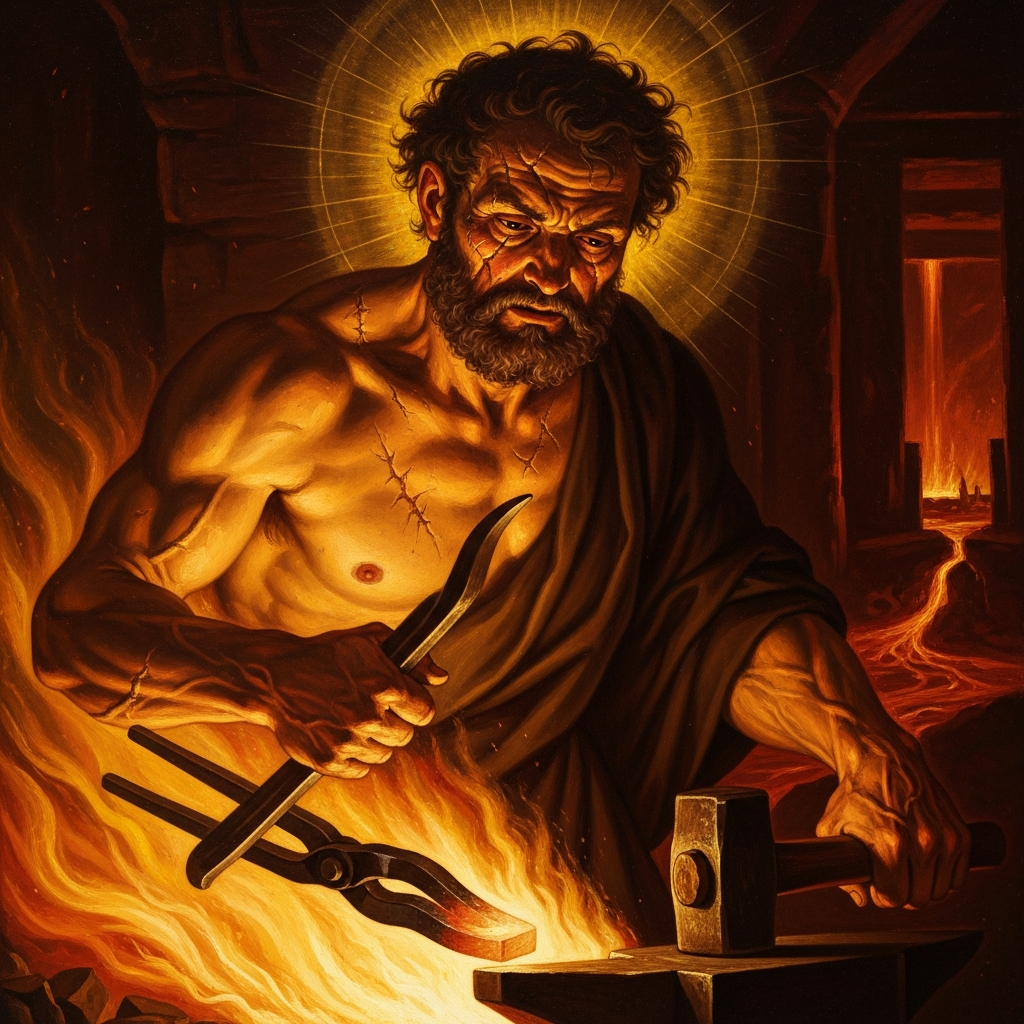
| Greek | Prometheus stealing fire; Hephaestus the forge | Prometheus stole fire from the gods and gave it to humanity — for which Zeus chained him to a rock where an eagle ate his liver daily. Fire = civilization, technology, the gift that separates humans from animals. Hephaestus (Vulcan) is the divine blacksmith: fire as creation, craft, transformation |
| Shinto | Kagutsuchi — the fire kami | Kagutsuchi’s birth killed his mother Izanami (she died of burns from delivering him). His father Izanagi, grief-stricken, cut him into eight pieces — each piece becoming a different kami. Fire is so powerful it destroys even divine mothers; its birth sets creation and death in motion |
Fire purifies, reveals, and transforms — but its core ambiguity is that it requires consumption. The bush burns but is not consumed: the miracle is that God’s presence does not destroy the vessel. The fire of Pentecost does not burn the disciples. The Zoroastrian fire does not consume the worshipper. The sacred fire of every tradition is fire that has been domesticated, bounded, made to burn without consuming what it touches. This bounded fire — controlled destruction — is the template for every rite of initiation, every alchemical transformation, every paschal candle.
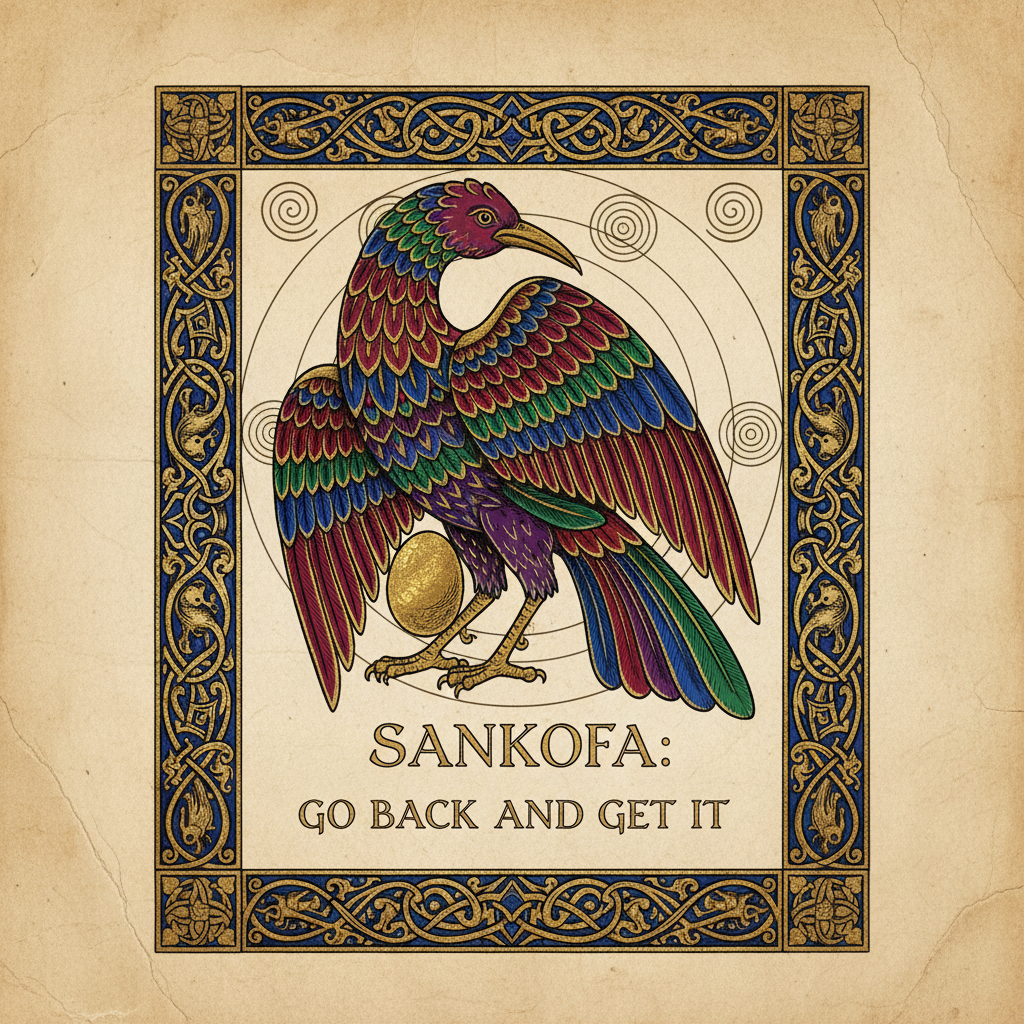 Adinkra
 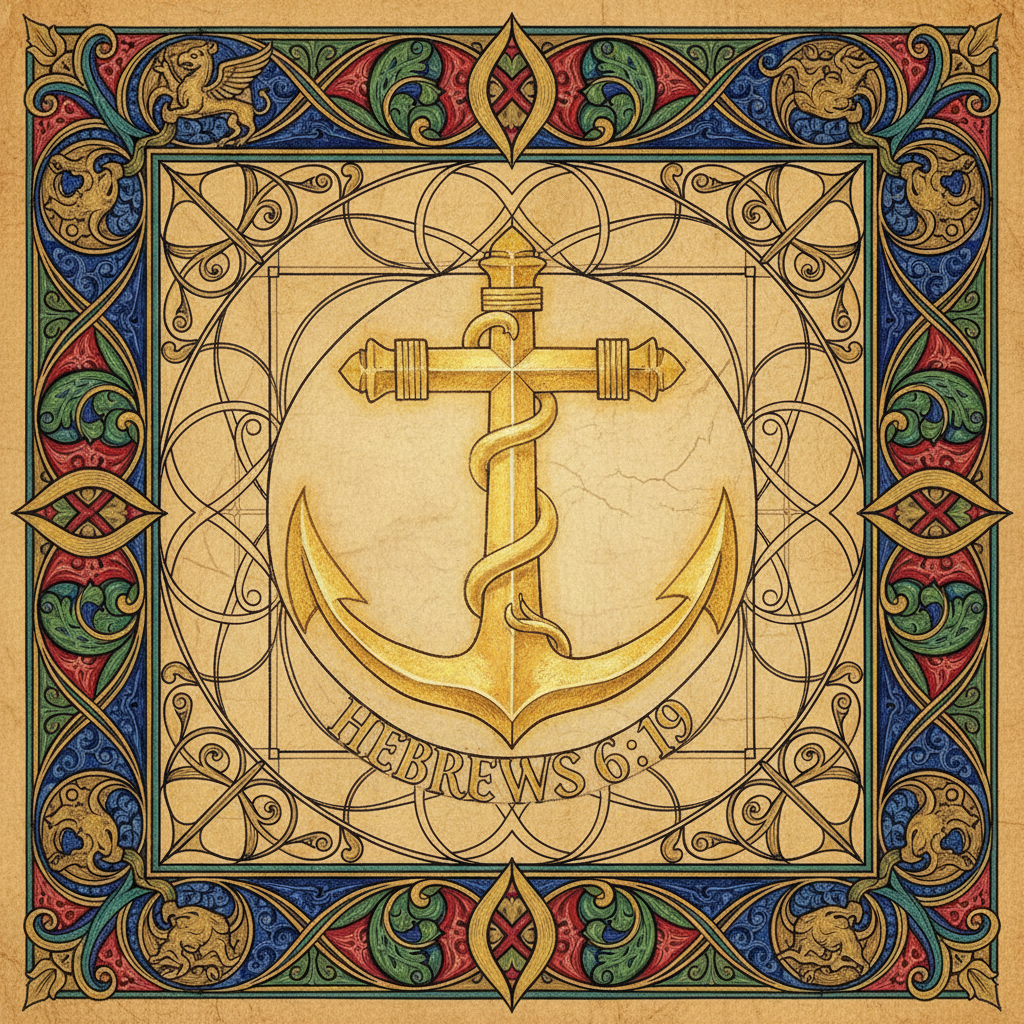 The Anchor
 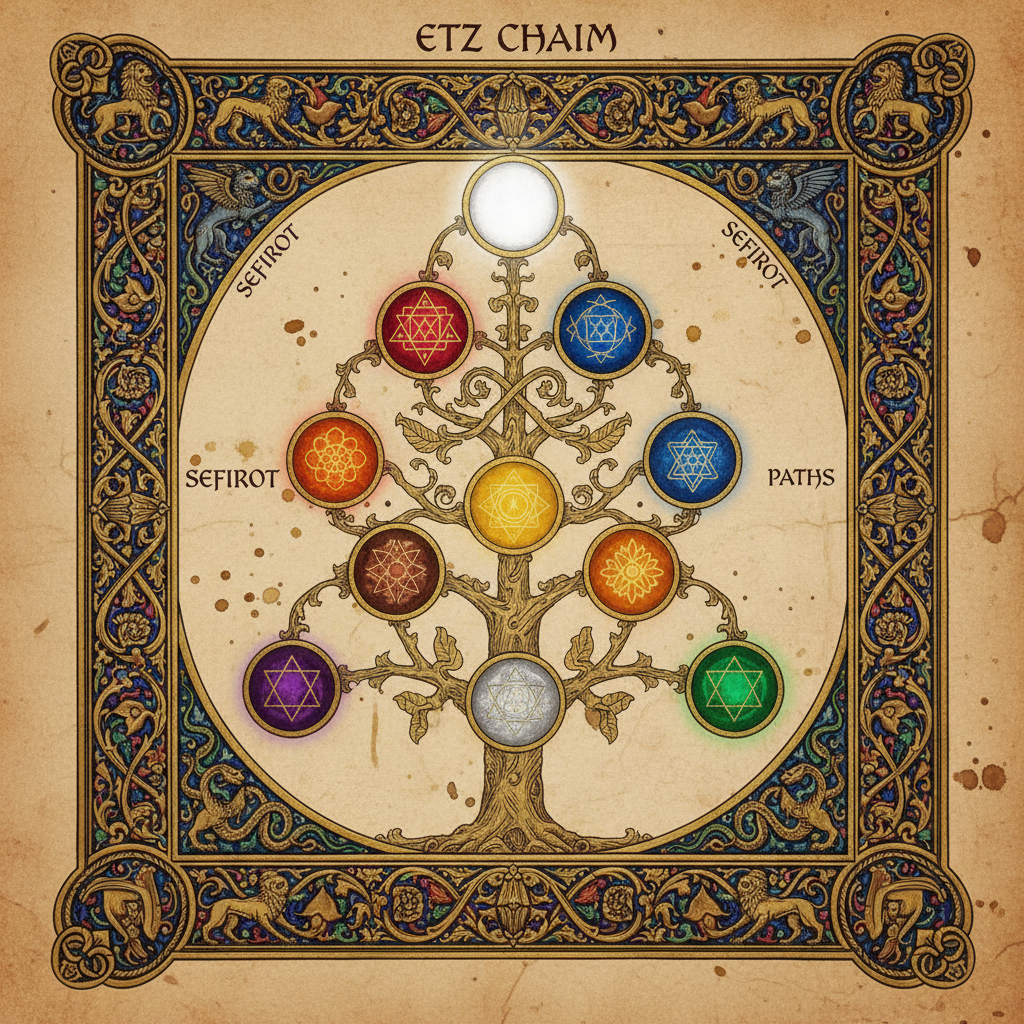 The Tree of Life
 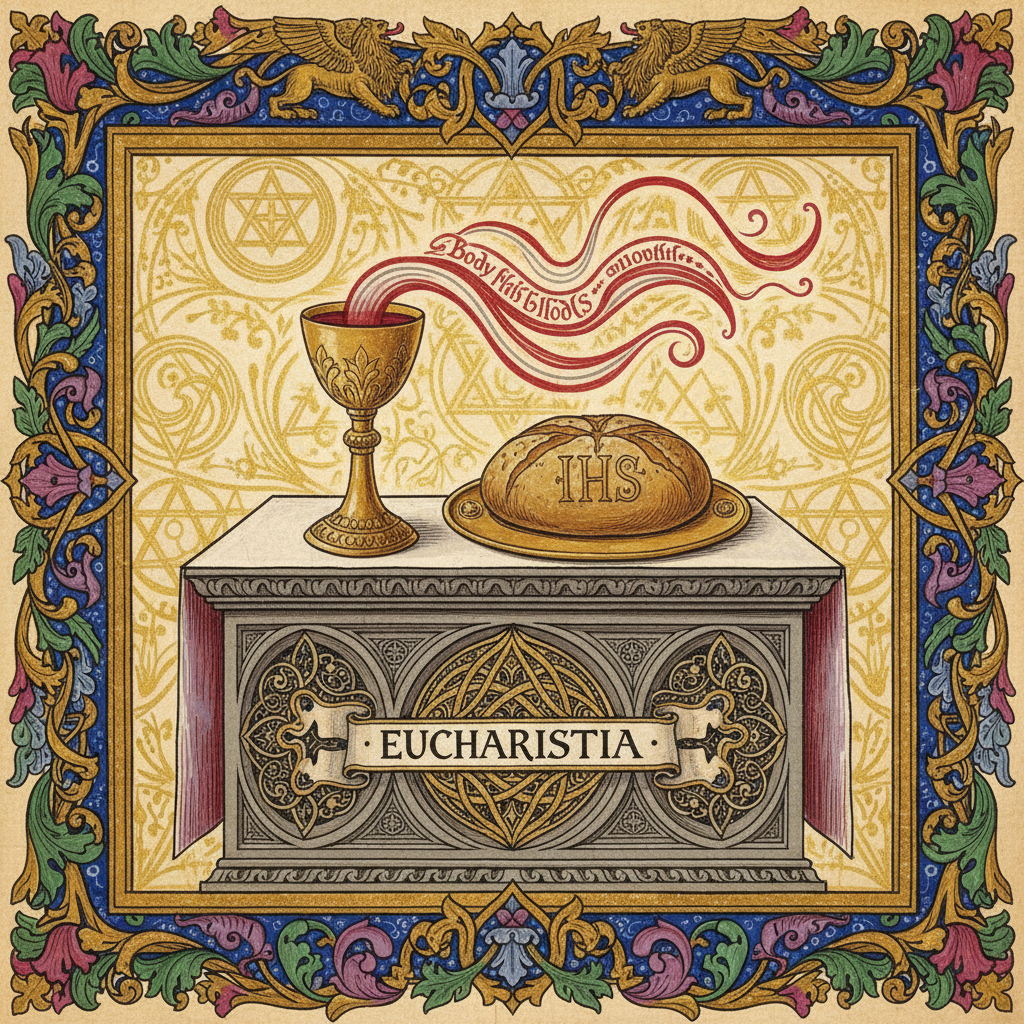 Bread & Wine
 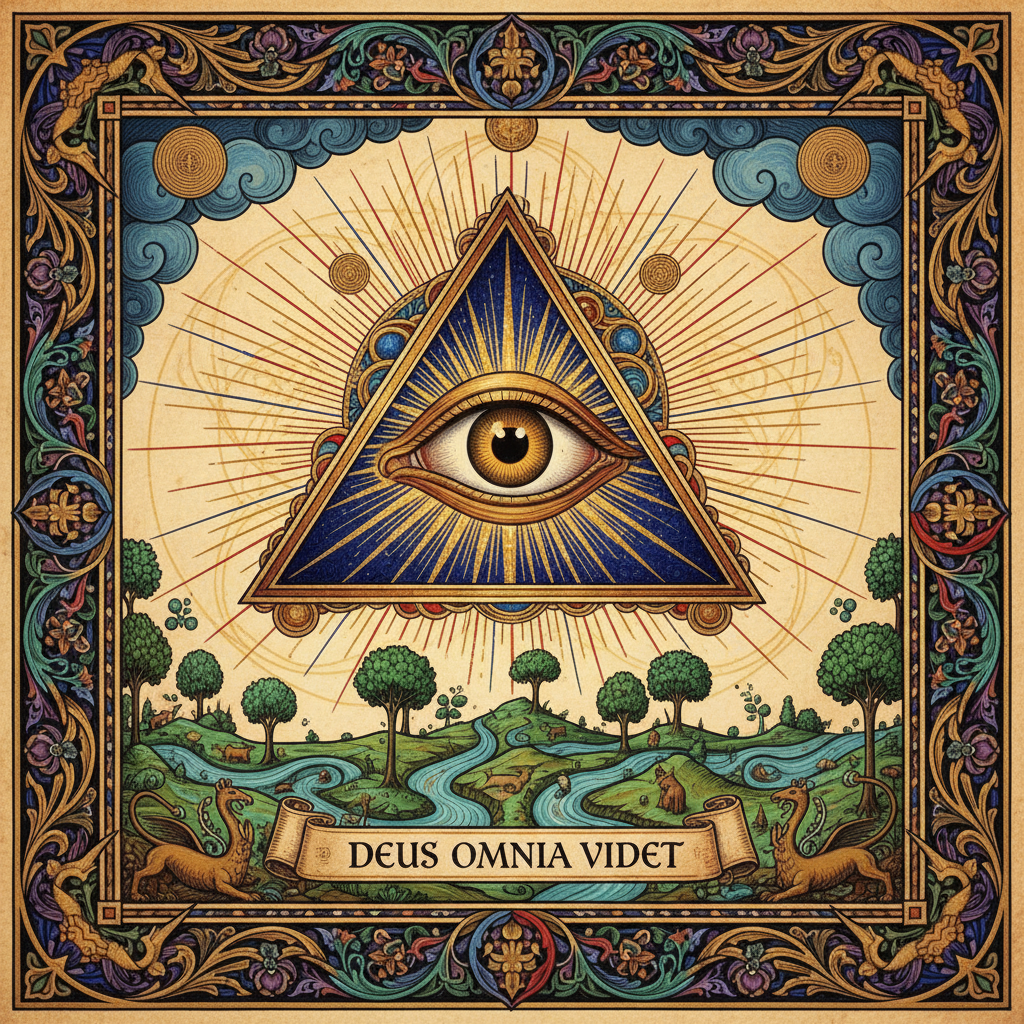 The All-Seeing Eye
 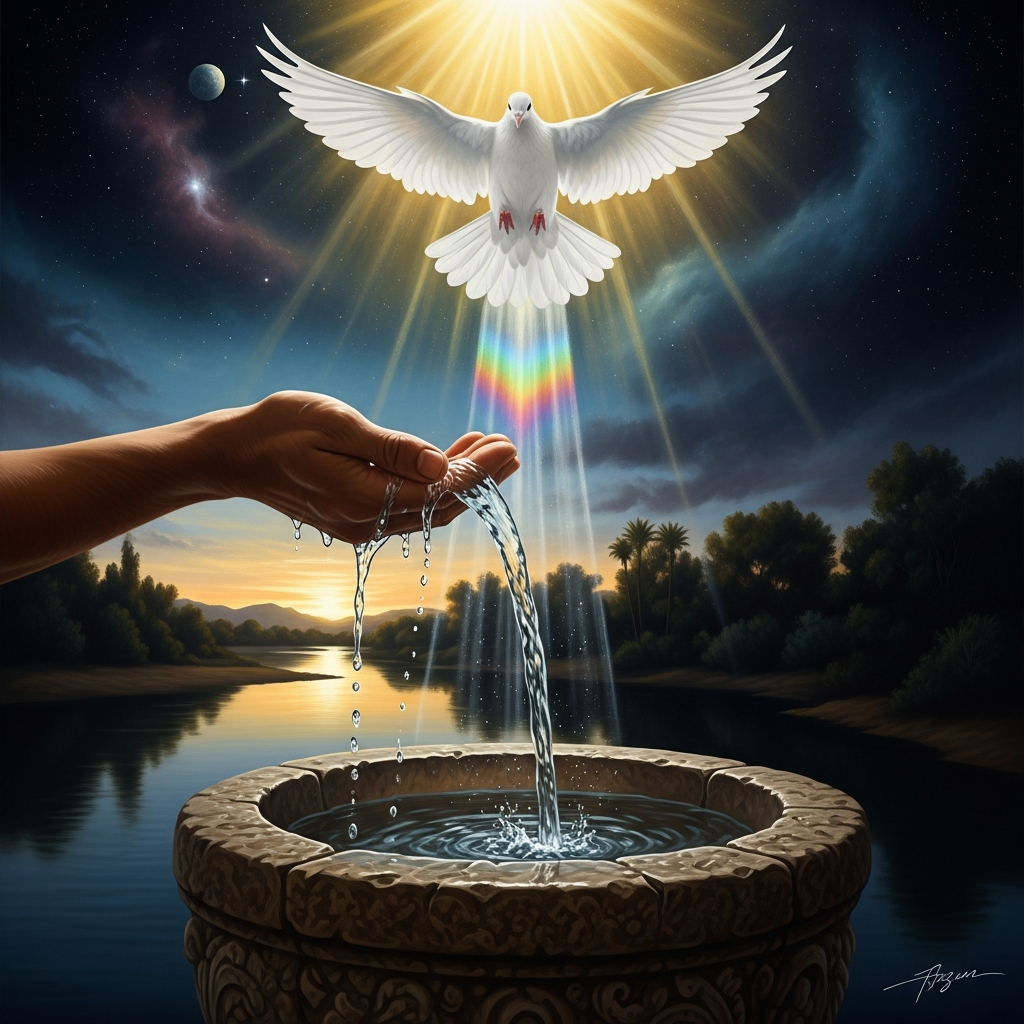 Water / Baptism
 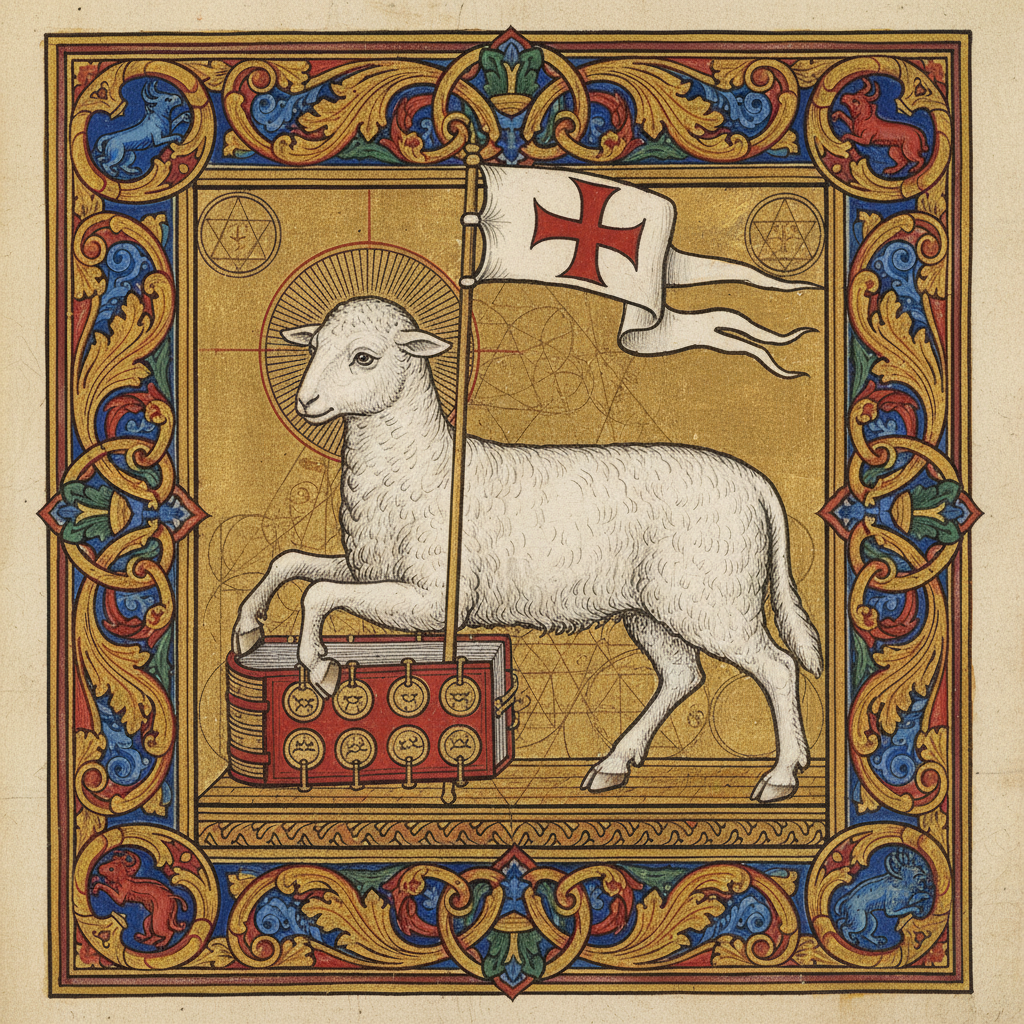 The Lamb