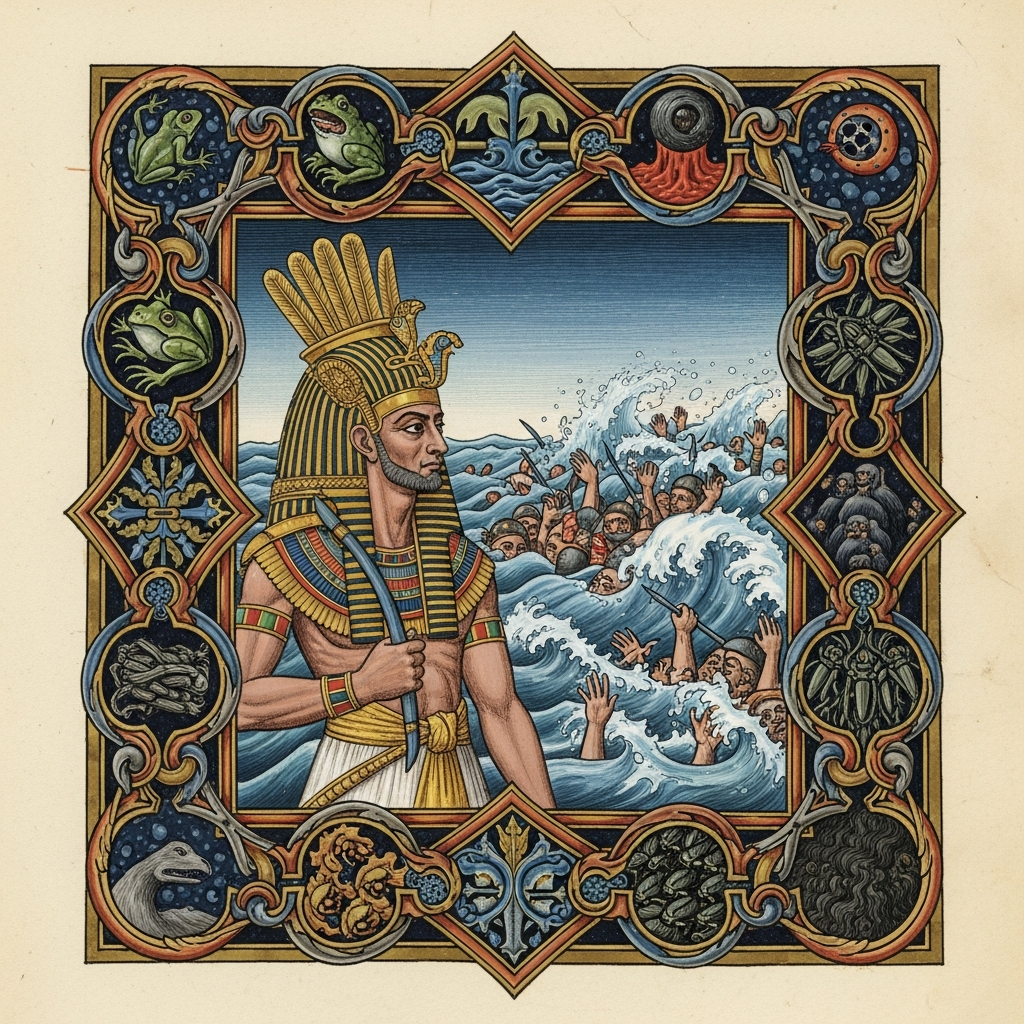
Combat Profile
Divine Incarnation
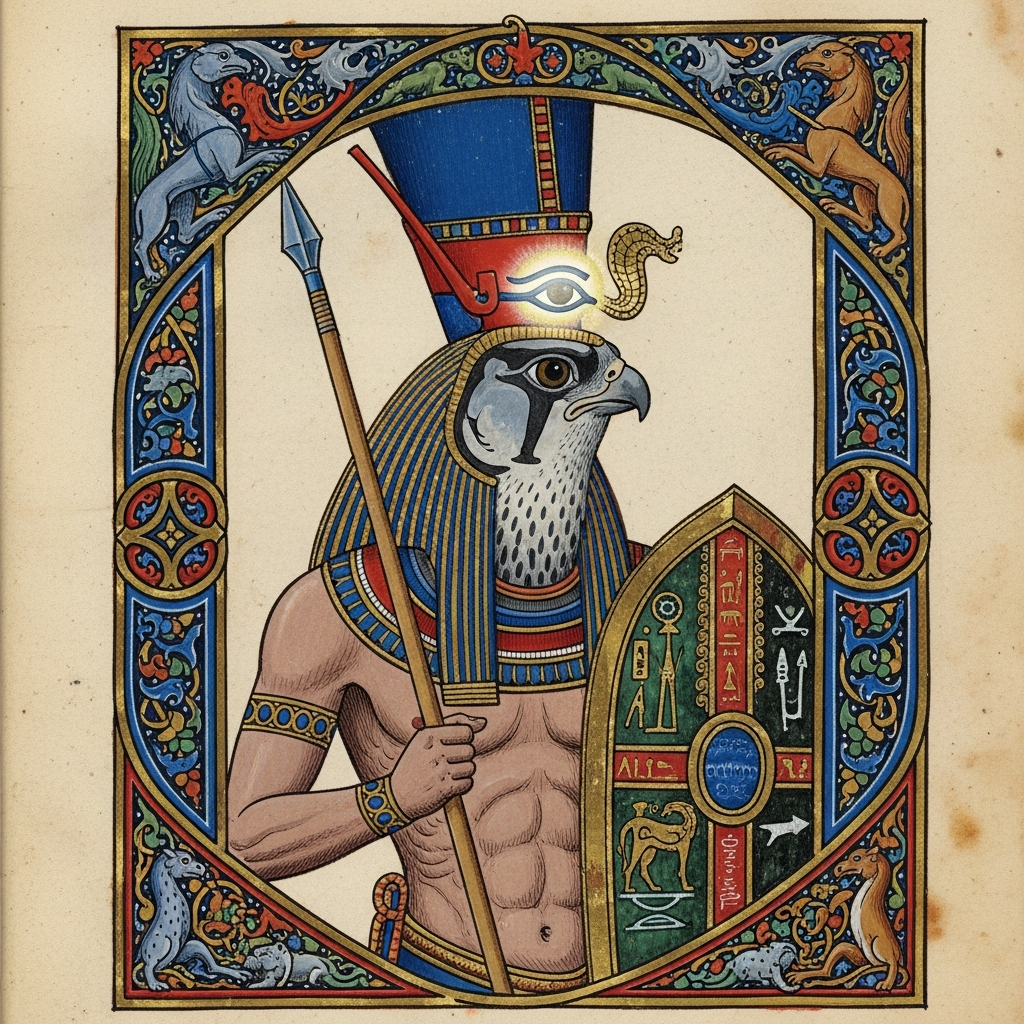
The Pharaoh channels Horus's celestial power to smite enemies with solar radiance and assert absolute dominion over the mortal realm.
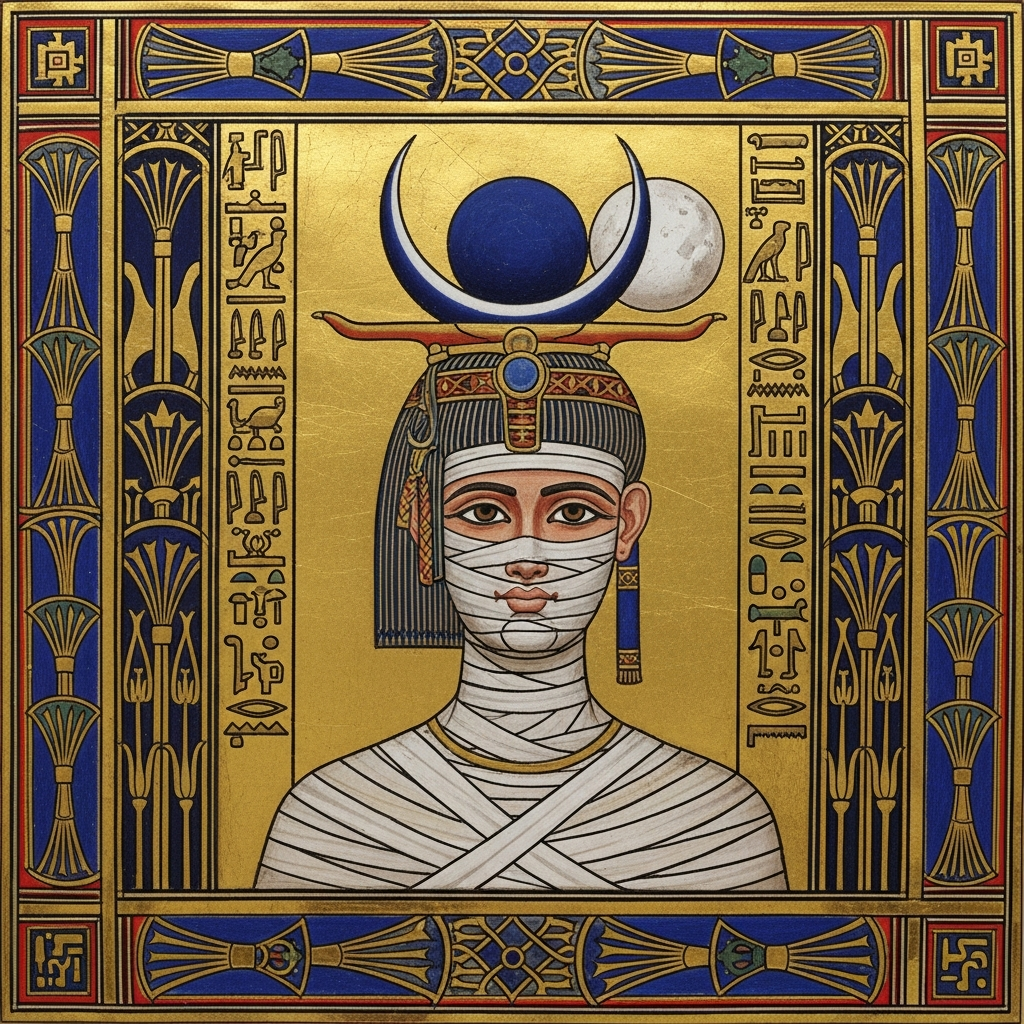
Ma'at's Balance
The Pharaoh's mere presence reinforces cosmic order, granting resistance to chaos and corruption while amplifying the power of allied divine forces.
The 10th Plague -- death of the firstborn; his own divine heir dies
“Who is the LORD, that I should obey his voice and let Israel go? I do not know the LORD, and moreover, I will not let Israel go.” — Exodus 5:2
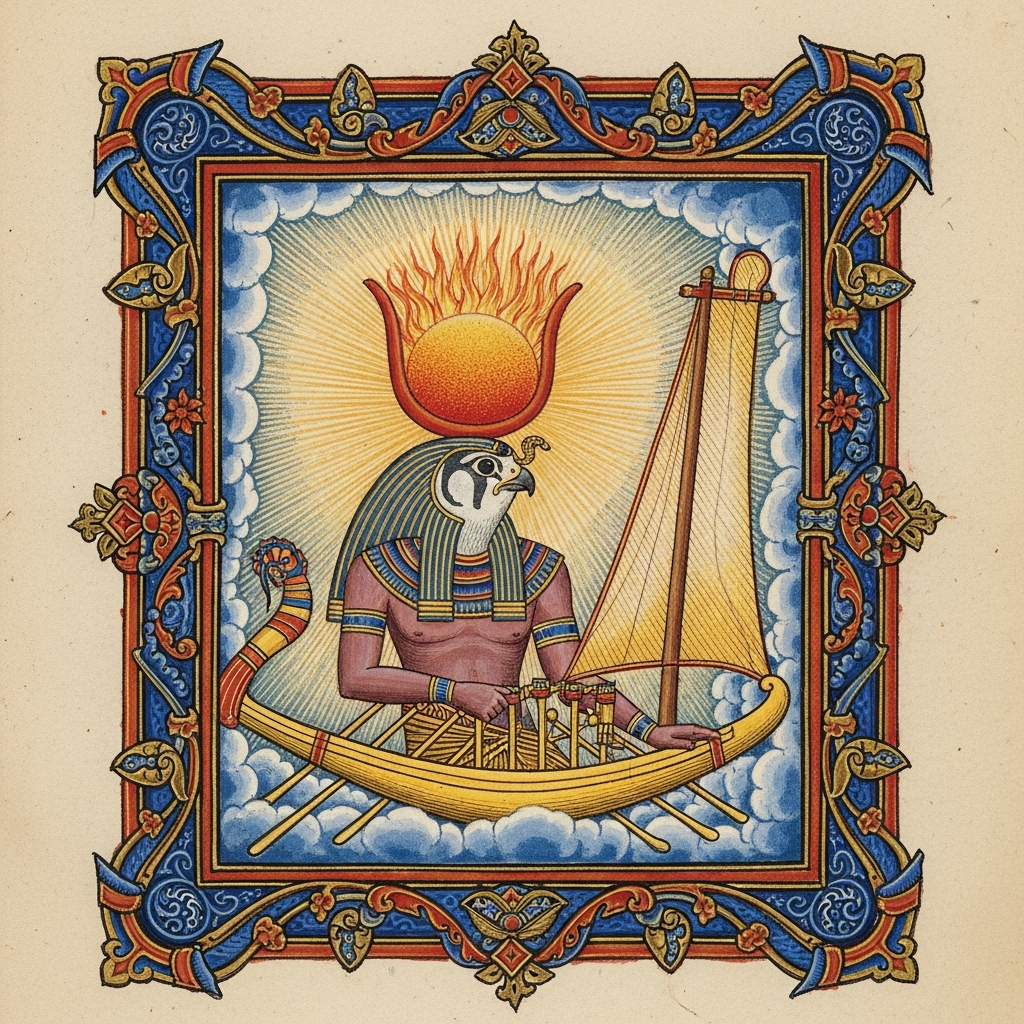
Pharaoh is not merely a king — he IS a god. In Egyptian theology, the living Pharaoh is the incarnation of Horus, and upon death he becomes Osiris. He is the mediator between the divine and human worlds, the guarantor of Ma’at (cosmic order), and the living proof that the gods care for Egypt. This is why the Exodus confrontation is not politics — it is theology. Moses does not negotiate with a monarch; he delivers YHWH’s challenge to a rival deity. When Pharaoh says “Who is the LORD?” (Exodus 5:2), he is not being dismissive. He is making a theological claim: I am a god, and I do not recognize your god’s authority. The 10th plague answers that claim with devastating finality. Pharaoh’s own firstborn — his divine heir, the next incarnation of Horus — dies. God versus god, and Pharaoh loses.
1 min read
YHWH via Moses (Exodus 7-12)
Exodus 5-14; Egyptian royal theology; Pyramid Texts