Combat Profile
Divine Retribution
Horus unleashes a devastating aerial strike that multiplies in power for each injustice against the rightful throne, targeting enemies who usurped or betrayed legitimate rule.
Falcon's Dominion
Horus commands the skies and all winged creatures; he gains enhanced vision and cannot be blinded, and his attacks deal additional damage from heights or aerial positions.
Lost his left eye fighting Set (the Eye of Horus)
“The Eye that was lost, that was torn out, that was healed — it became the symbol of wholeness itself.”
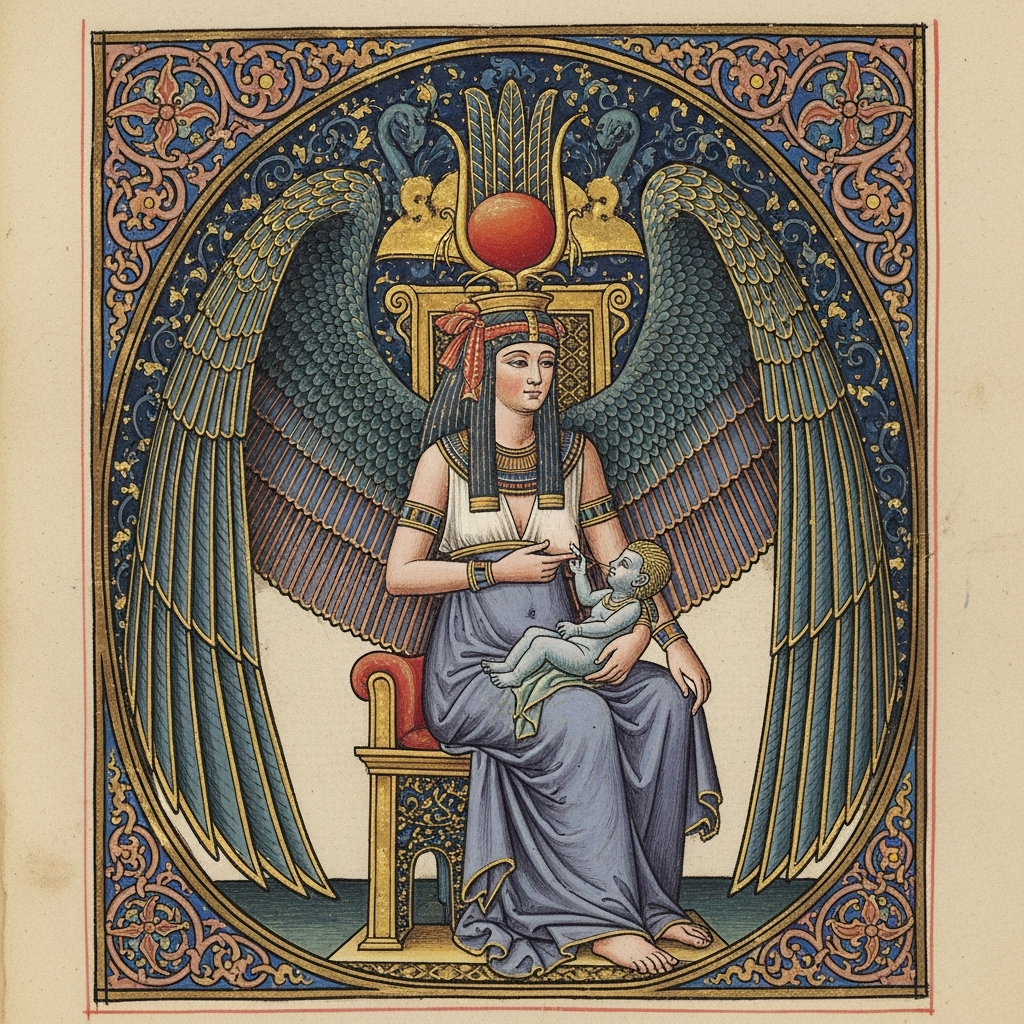
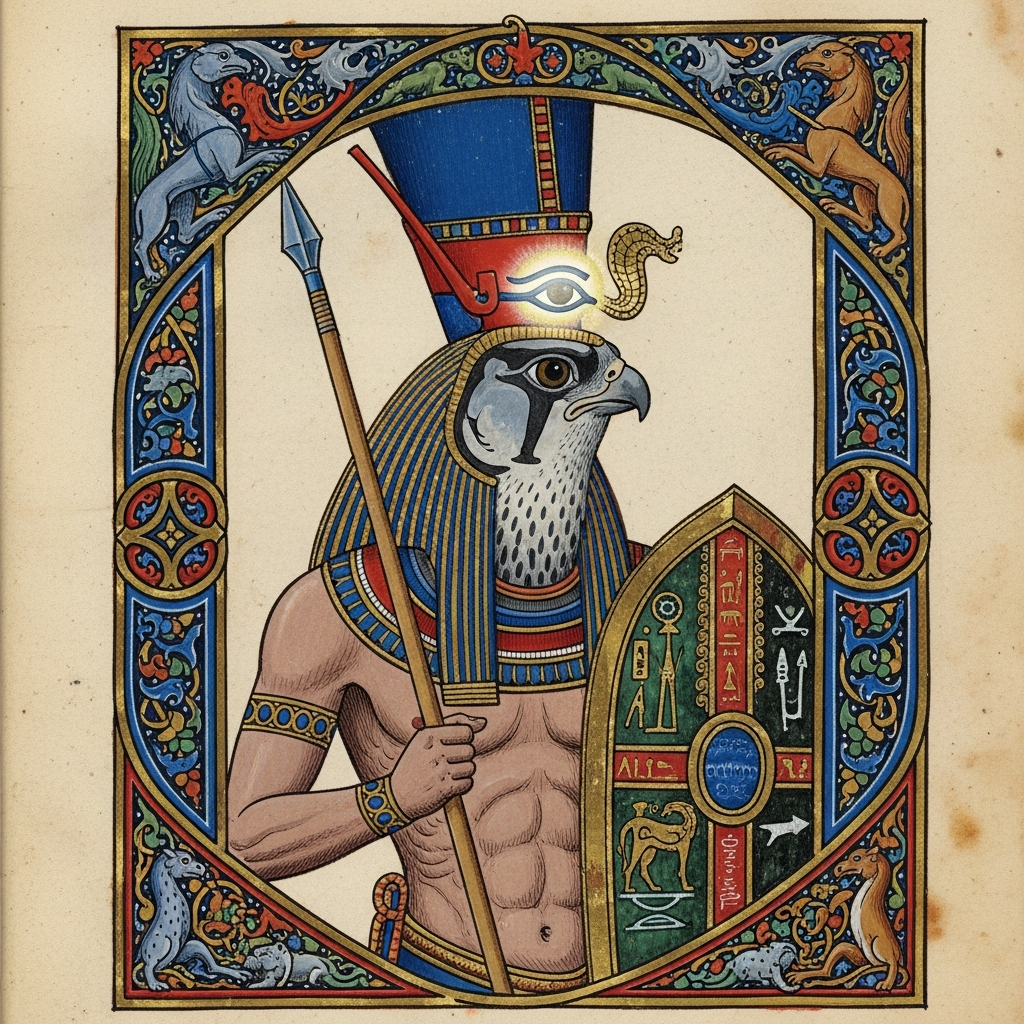
Horus is the falcon-headed god of the sky, son of Osiris and Isis, conceived after Osiris’s death and raised in secret to avenge his father. His battle with Set for the throne of Egypt is the central myth of Egyptian kingship — every living Pharaoh was considered the incarnation of Horus, and every dead Pharaoh became Osiris. The Eye of Horus (the Wedjat), lost in combat with Set and restored by Thoth, became the most ubiquitous protective symbol in Egypt, representing healing, wholeness, and restoration. The image of Isis holding the infant Horus — the divine mother and the sacred child who would grow to defeat evil — is the visual ancestor of the Madonna and Child, a connection that art historians have documented extensively.
1 min read
Set (his eternal adversary)
Pyramid Texts; Chester Beatty Papyrus I; Edfu Temple inscriptions