Combat Profile
Utterance of Creation
Ptah speaks reality into existence, fundamentally reshaping the battlefield or granting permanent blessings to allies.
Divine Architect
All structures and constructs gain divine reinforcement; Ptah's presence perfects the work of craftsmen and stabilizes reality itself.
“Ptah conceived in his heart, and spoke with his tongue, and so the gods came into being.” — Memphite Theology (Shabaka Stone)
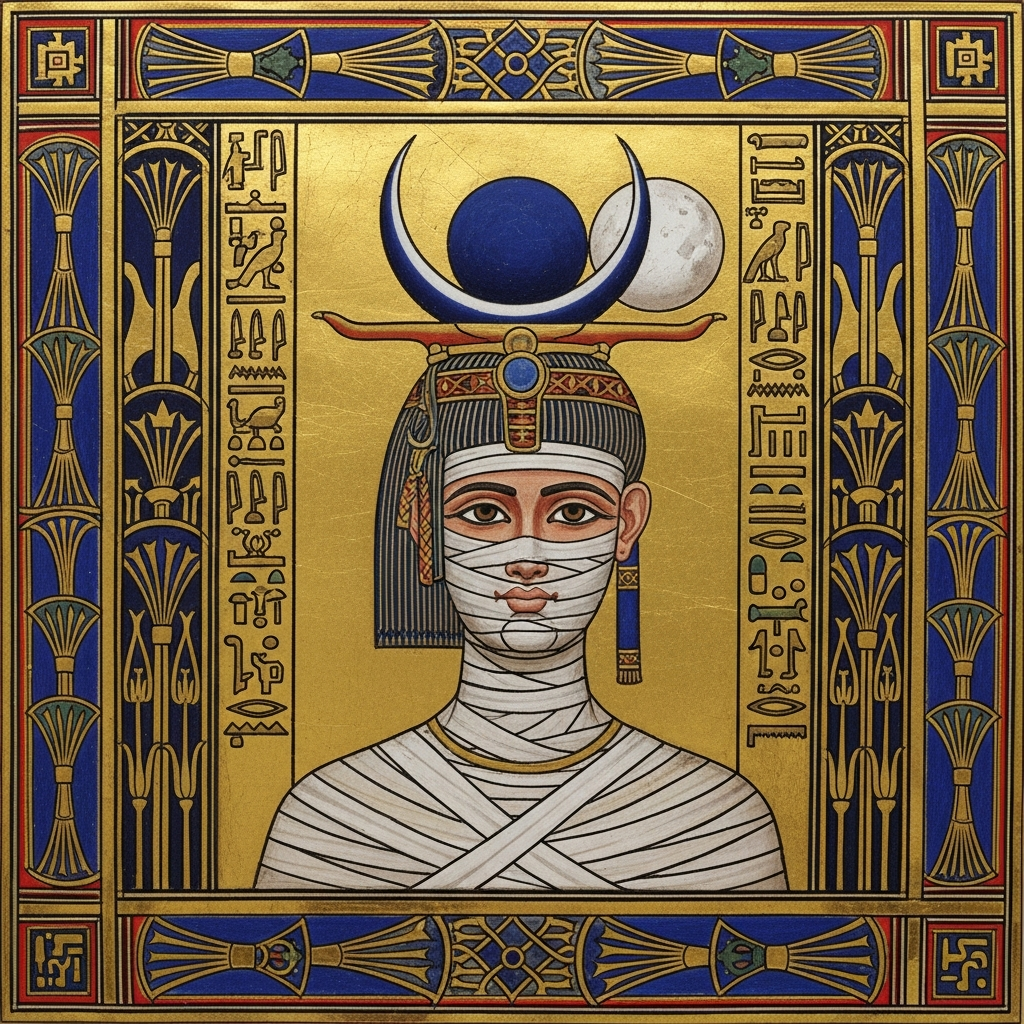
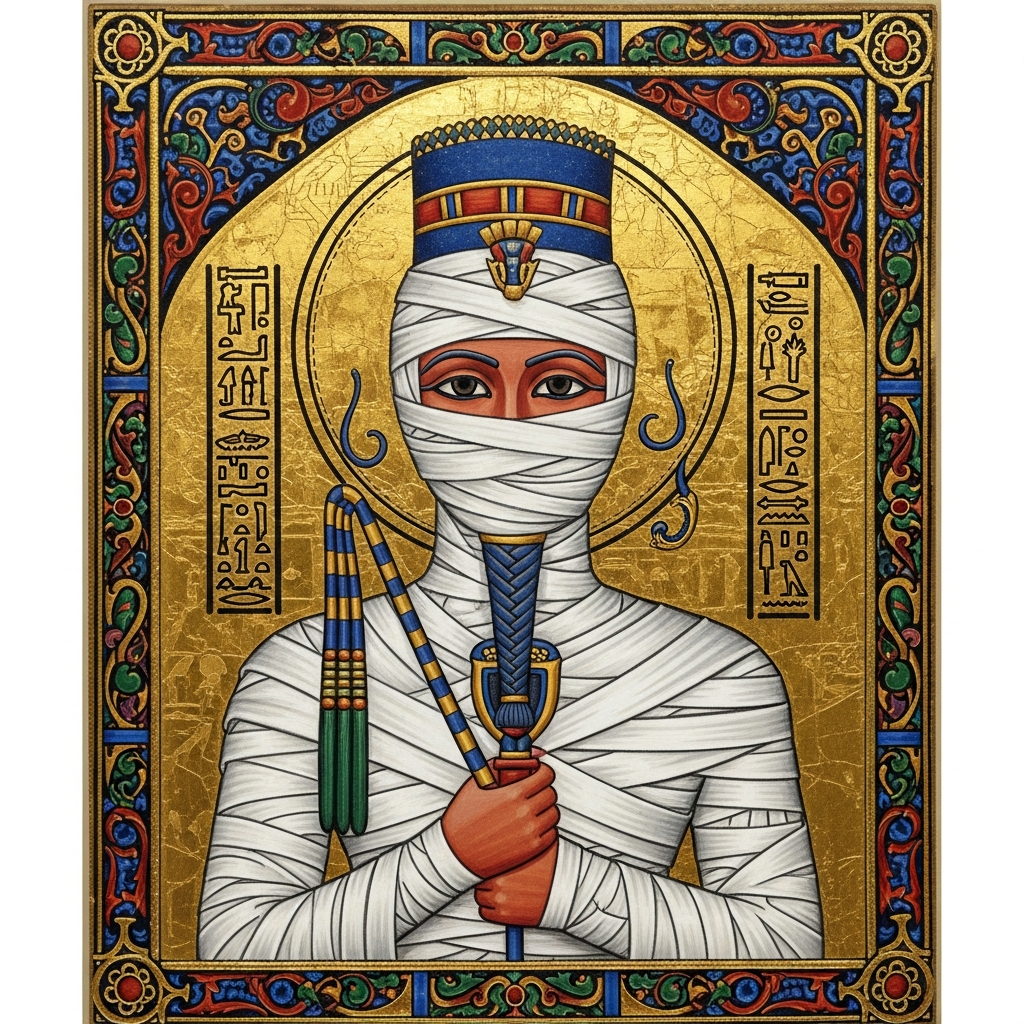
Ptah is depicted as a mummified man holding the was scepter, the djed pillar (stability), and the ankh (life). He is the patron god of Memphis (Egypt’s first capital), of craftsmen (the hemu netjer — “servants of the god” — who built the pyramids and tombs), and the husband of the lioness Sekhmet. But his theological importance vastly exceeds his cultic profile. The Memphite Theology, preserved on the Shabaka Stone, contains arguably the most philosophically sophisticated creation account from the ancient Near East: Ptah creates not by physical labor (like Khnum at his wheel) or by combat (like Marduk slaying Tiamat) but by thought and word. He conceives the world in his heart (the seat of intellect in Egyptian thought) and brings it forth by speech. Egyptologists from James Henry Breasted to John Wilson have noted the parallel to John 1:1 (“In the beginning was the Word”) and Genesis 1’s “And God said… and it was so.”
Cross-tradition parallels: John 1:1-3 (the Logos by whom all things were made — a possible Hellenistic-Egyptian confluence via Alexandria); Genesis 1’s creation by speech (“And God said…”); Hephaestus / Vulcan (Greek-Roman craftsman god — the Greeks explicitly identified Ptah with Hephaestus, and Memphis with Hephaestopolis); Brahma as creator-by-thought.
1 min read
The Memphite Theology / Shabaka Stone (8th century BCE, copying a much older text); Pyramid Texts; Coffin Texts; Greek identification with Hephaestus