The Story
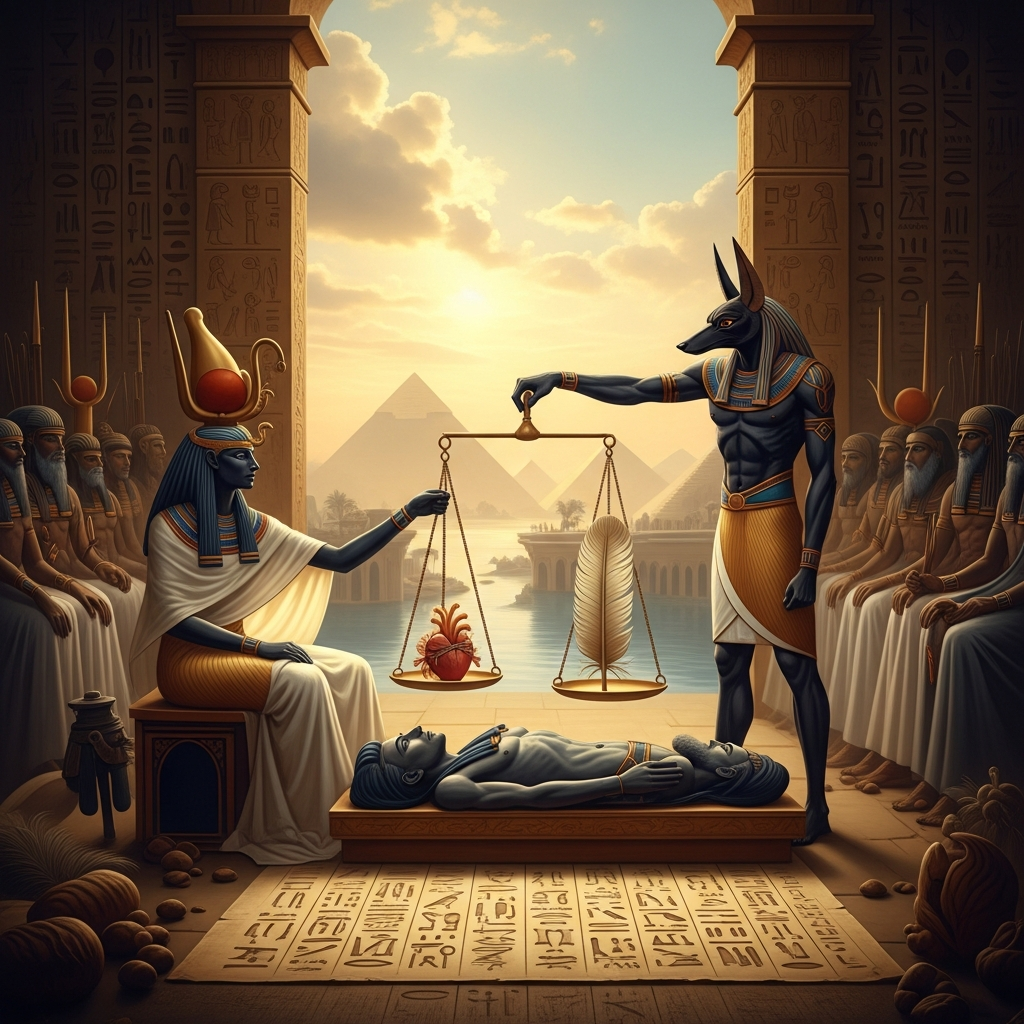
Egyptian religion outlasted Rome. From the unification of Upper and Lower Egypt around 3100 BCE to the closing of the temples of Philae in the 6th century CE (Pyramid Texts, Utterance 506), the same essential pantheon — Ra, Osiris, Isis, Horus, Thoth, Anubis — commanded worship for three thousand years. That is older than the gap between now and Tutankhamun. Christianity has been running for two-thirds of that time; Islam for under half. Egypt is the deep time of religion.
The narrative arc, with hedges where the record thins:
Predynastic Egypt (~5000-3100 BCE): Farming villages along the Nile worship local nome gods — falcon gods, cow goddesses, crocodile gods. The theology of ma’at (cosmic order) versus isfet (chaos) is already established (Pyramid Texts, Utterance 320). Burial practices begin to preserve the dead for an afterlife.
Old Kingdom & the Pyramids (~2686-2181 BCE): Egypt unifies under a living god — the pharaoh, incarnation of Horus and son of Ra (Pyramid Texts, Utterance 437). The Step Pyramid of Djoser at Saqqara (~2650 BCE) is the first monumental stone building in human history. Khufu’s Great Pyramid at Giza (~2560 BCE) follows. The Pyramid Texts of Unas (~2350 BCE) are carved into burial chambers — the oldest religious literature on earth. Religion is royal, cosmic, and obsessed with guiding the king through the underworld (Book of the Dead, Chapter 30A).
Middle Kingdom (~2055-1650 BCE): The afterlife democratizes. Spells once reserved for pharaohs spread to nobles, then commoners, via the Coffin Texts (Coffin Texts, Spell 80). Osiris becomes the god of resurrection accessible to anyone who lived in ma’at. The cult of Amun rises in Thebes.
New Kingdom (~1550-1069 BCE): The empire era — Hatshepsut, Thutmose III, Amenhotep III, Ramesses II. Karnak and Luxor are built. Around 1350 BCE, Pharaoh Akhenaten attempts something unprecedented: he abolishes the entire pantheon and installs the sun-disk Aten as sole god (Hymn to the Aten). His son Tutankhamun reverses the reform after his death; the priesthood of Amun erases Akhenaten from history. The Book of the Dead becomes mass-market funerary scripture — customizable spell-rolls with the buyer’s name inserted (Book of the Dead, Spell 125). The Exodus, if historical, occurs somewhere in this period.
Late Period (~664-332 BCE): Foreign conquest begins. Assyrians, then Persians. The priesthood preserves the religion through occupation. Animal mummification (cats, ibises, crocodiles) becomes a massive industry (Herodotus, Histories Book 2). Theological texts shift into demotic script.
Greek Conquest & Ptolemaic Egypt (332-30 BCE): Alexander enters Egypt and is crowned pharaoh. After his death, his general Ptolemy founds a Greek dynasty lasting three centuries, ending with Cleopatra VII. The Ptolemies syncretize: Serapis is invented as a hybrid god, the temple of Isis at Philae becomes a pan-Mediterranean pilgrimage site (Plutarch, Isis and Osiris), the Library of Alexandria becomes the world’s intellectual center.
Roman Egypt (30 BCE-395 CE): Egypt becomes Rome’s grain-basket and religious museum. Roman emperors are depicted on temple walls in pharaonic regalia. Isis worship spreads across the Empire. Hermes Trismegistus — a Greco-Egyptian fusion of Thoth and Hermes — becomes the patron of alchemy and esoteric philosophy (Plutarch, Isis and Osiris).
Christianization & the Coptic Church (~150-641 CE): Christianity reaches Alexandria early (tradition credits Mark the Evangelist around 60 CE). By the 2nd century, Egyptian Christianity produces world-class theologians: Clement, Origen. The Egyptian church develops its own language (Coptic, the last form of ancient Egyptian), its own theology (Miaphysite Christology), and its own monasticism. Anthony the Great founds desert monasticism around 270 CE — the template for all later Christian monastic orders. Theodosius I bans pagan worship in 391 CE. Temples close one by one. Philae, the last functioning temple of Isis, shuts down around 537 CE.
Arab Conquest (641 CE) onwards: Amr ibn al-As takes Egypt for the Caliphate. Coptic Christianity persists as a minority (roughly 10% of Egyptians today). Arabic replaces Coptic as the daily language. The pyramids stand silent under sand.
Modern Rediscovery (1798-present): Napoleon’s invasion brings scholars copying undecipherable hieroglyphs; the Rosetta Stone surfaces. Champollion cracks the script in 1822. Egyptomania electrifies Europe. Tutankhamun’s tomb, discovered in 1922, captivates the modern imagination. Today, mummies, pyramids, and pharaohs are the most globally recognized icons of any ancient religion — a theology resurrected as world heritage.
Pivotal Events
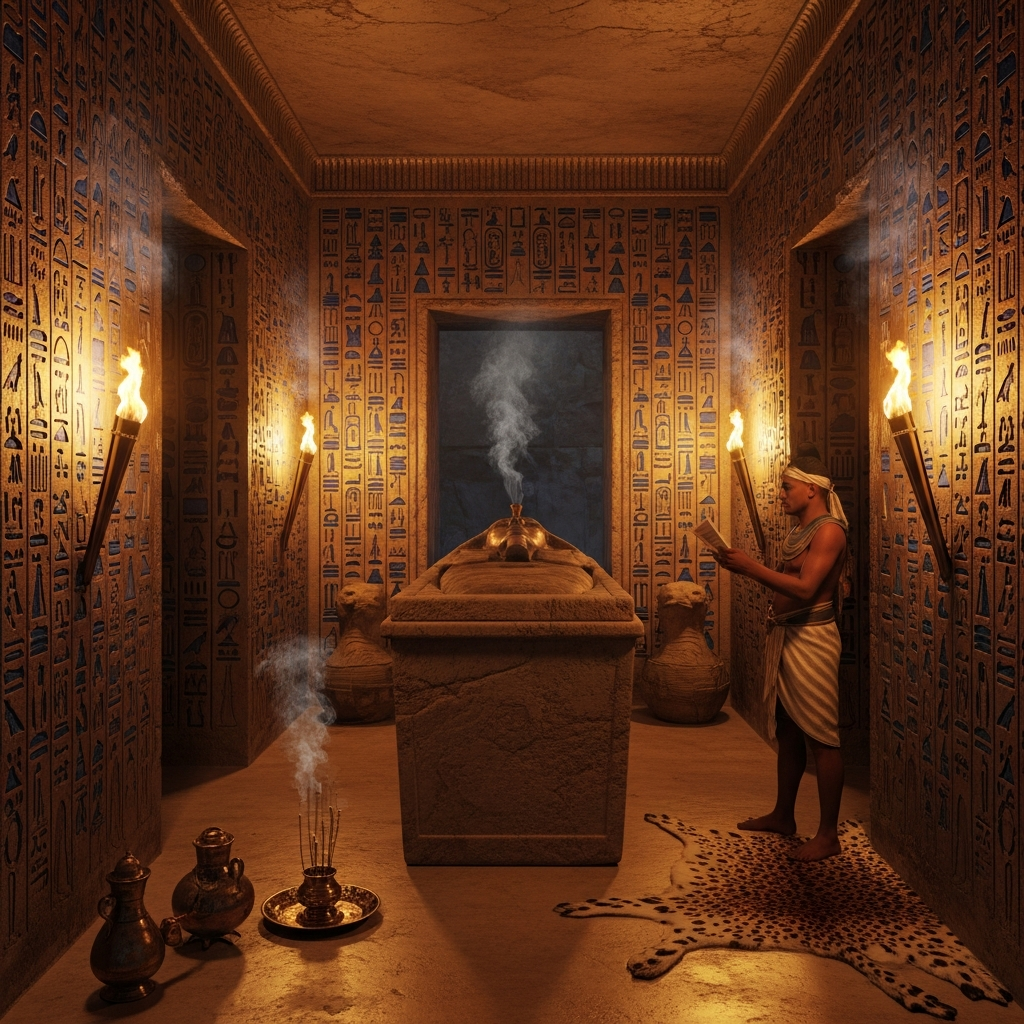
In the burial chamber of Pharaoh Unas, the last king of the Fifth Dynasty, the walls bristle with tightly carved hieroglyphs — 283 spells filled with blue pigment (Pyramid Texts, Unas), designed to guide the dead king through the underworld and onto Ra’s solar barque. These are the Pyramid Texts: the oldest religious literature on earth. Older than the Vedas, older than Genesis, older than Gilgamesh in surviving form. They predate Israel’s existence as a people. A theology already complete: ma’at as cosmic order, the soul’s journey, the weighing of the heart (Book of the Dead, Spell 125), Osiris’s resurrection, the boat of millions of years. Everything we associate with Egyptian religion is already carved on that stone in 2350 BCE, waiting in the dark for a king who could read it.
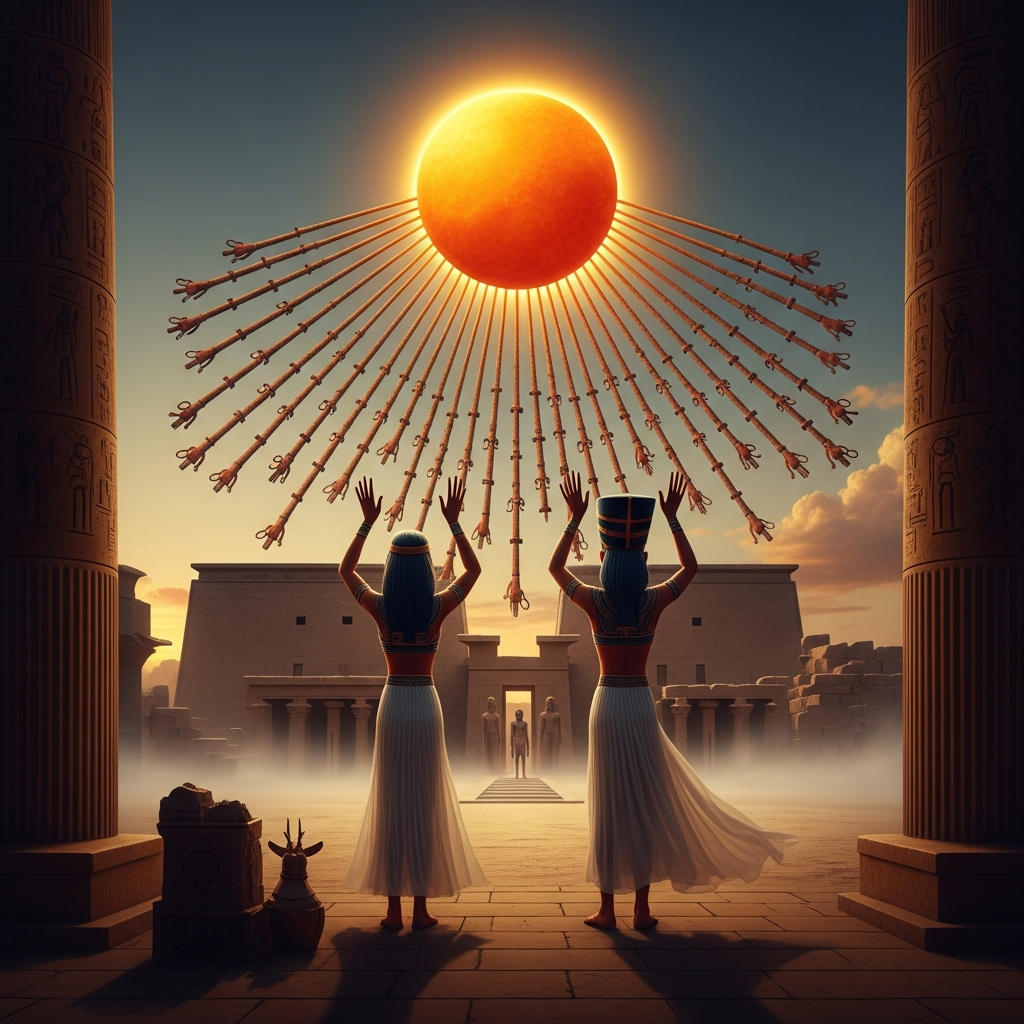
Around 1353 BCE, Pharaoh Amenhotep IV abolished an entire pantheon. He renamed himself Akhenaten (“Effective for the Aten”), moved the capital to a new desert city (Amarna), and declared the sun-disk Aten the only true god (Hymn to the Aten). Temples of Amun shut. Priesthoods were stripped. The names of other gods were chiseled off monuments across Egypt. For seventeen years, the most powerful state on earth practiced monotheism — centuries before the Hebrew prophets formalized their own. After Akhenaten’s death, his son Tutankhamun restored the old gods. The priesthood of Amun erased Akhenaten from history. Whether Akhenaten influenced later monotheisms — Mosaic, Christian, Islamic — is one of religion’s most argued questions. Sigmund Freud built an entire late-career book around it.
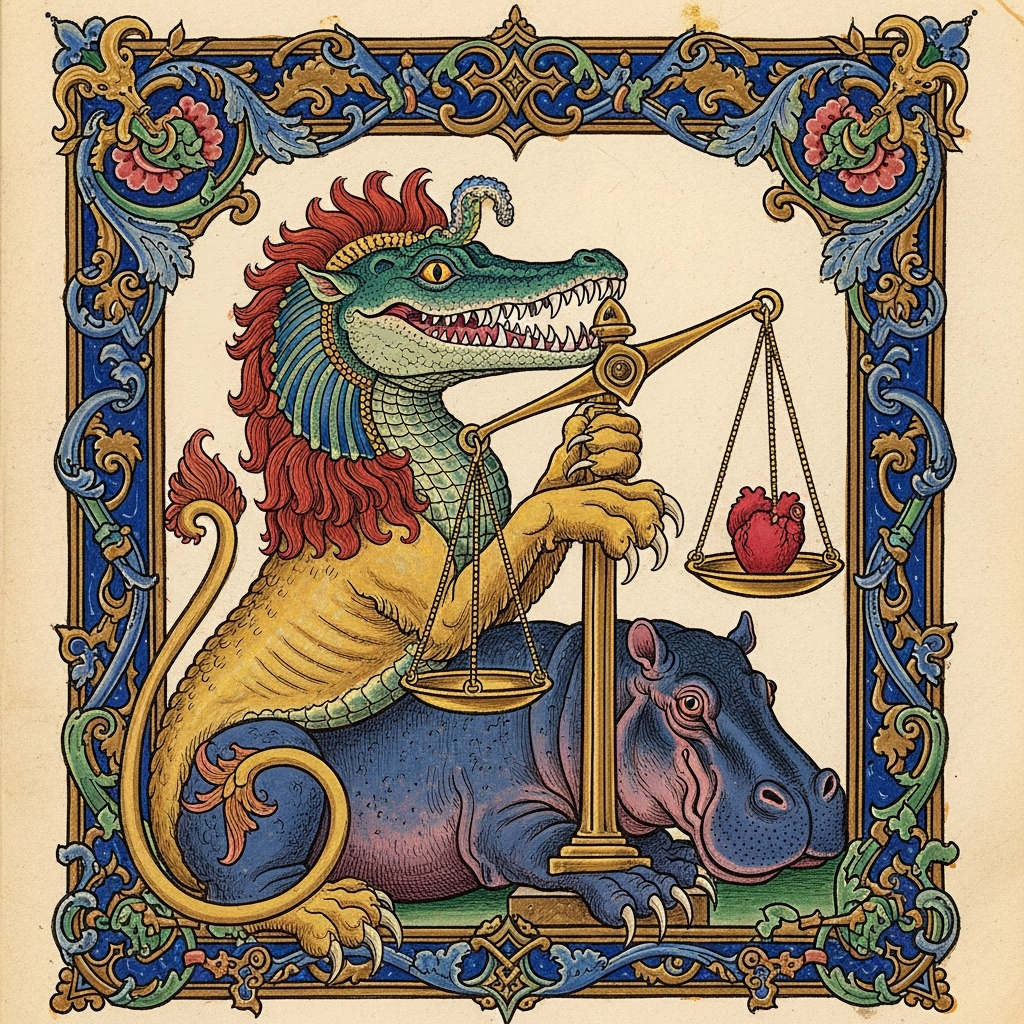
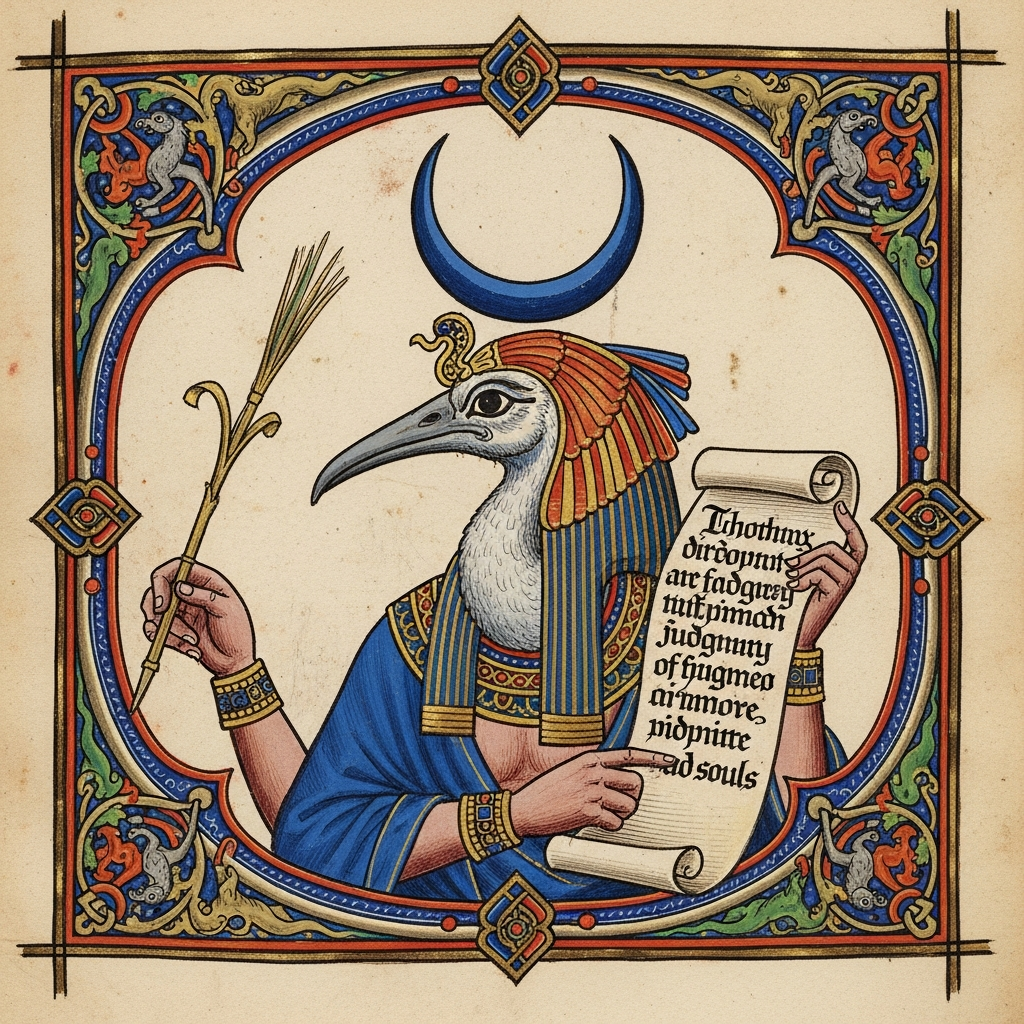
The royal Pyramid Texts of the Old Kingdom become the more democratic Coffin Texts in the Middle Kingdom, and by the New Kingdom, the Book of the Dead (Book of Coming Forth by Day) — a customizable burial scroll available to anyone with coin. Temple scribes worked production lines, leaving blanks for the buyer’s name and titles. The standard scroll guided the dead through the Hall of Two Truths: Anubis weighed the heart against Ma’at’s feather while Thoth recorded the verdict and Ammit crouched, waiting to devour the unworthy (Book of the Dead, Spell 125). This was the first religion to industrialize the afterlife — spells as consumer product, salvation by purchase order, eternal life off the shelf with the right text. The Book of the Dead is history’s first prosperity gospel.
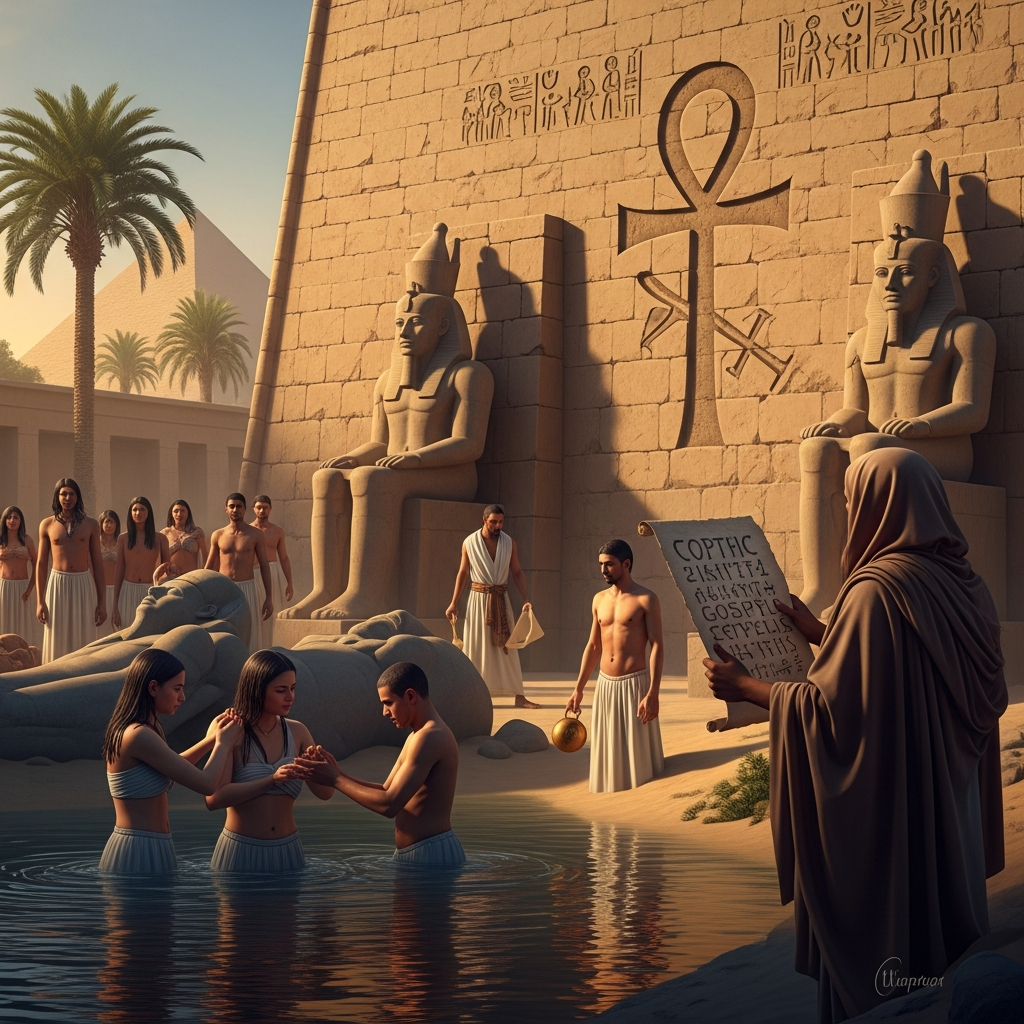
By the mid-2nd century, Christianity in Alexandria was producing world-class theologians — Clement, then Origen — and a distinctly Egyptian church emerged. The Coptic language (final form of ancient Egyptian, written in Greek letters with a few Demotic signs) became the liturgical tongue. Around 270 CE, Anthony the Great walked into the desert, became a hermit, and accidentally invented Christian monasticism (Life of Anthony) — the template for every Western monastic order that followed. By 391 CE, Theodosius I banned pagan worship. Temples converted to churches. The ankh became the Coptic cross. One of history’s quietest epochal shifts: the tradition that built the Pyramids and the Book of the Dead voluntarily exchanged Osiris for Christ over three centuries. The Coptic Church survives today as the direct heir of pharaonic Egypt’s theological last gasp.

For roughly 1,400 years — from Philae’s closing in the 6th century to a September afternoon in 1822 — no one on earth could read hieroglyphs. The pharaonic religion was sealed behind pure ornament. Then Jean-Francois Champollion, a 31-year-old French linguist, cracked it (Lettre a M. Dacier). Working from the Rosetta Stone (a trilingual decree found by Napoleon’s troops in 1799), he realized hieroglyphs were neither pure pictures nor pure sounds but hybrid: signs could represent sounds, meanings, or both depending on context. He reportedly sprinted through Paris to his brother’s office shouting “Je tiens l’affaire!” — “I’ve got it!” — before collapsing. With Champollion’s key, three thousand years of Egyptian religious literature became readable for the first time in over a millennium. Modern Egyptology is born in that moment. Every discipline that takes ancient theology seriously as primary source owes Champollion a debt.
Timeline
| Era | Date | Event | Source |
|---|
| Predynastic | ~5000-3100 BCE | Nile villages; local nome gods; ma’at vs isfet emerges | archaeology |
| Unification | ~3100 BCE | Narmer unifies Upper and Lower Egypt; pharaoh as Horus | Narmer Palette |
| Old Kingdom | ~2686-2181 BCE | Pyramid age; pharaoh-god theology codified | tomb inscriptions |
| Step Pyramid | ~2650 BCE | Djoser’s pyramid — first monumental stone building on earth | Saqqara |
| Great Pyramid | ~2560 BCE | Khufu completes the Great Pyramid at Giza | Herodotus; archaeology |
| Pyramid Texts | ~2350 BCE | Spells of Unas inscribed — oldest religious literature on earth | Pyramid of Unas |
| Middle Kingdom | ~2055-1650 BCE | Coffin Texts democratize the afterlife; Osiris cult expands | Coffin Texts |
| New Kingdom | ~1550-1069 BCE | Empire era; Karnak, Luxor, Valley of the Kings flourish | royal tombs |
| Akhenaten’s Reform | ~1353-1336 BCE | Monotheistic Aten cult; new capital at Amarna | Amarna letters |
| Tutankhamun | ~1332-1323 BCE | Restores the old gods; tomb discovered 1922 | KV62 |
| Book of the Dead | ~1550 BCE onward | Customizable funerary spell-scrolls become mass-market | Papyrus of Ani et al. |
| Late Period | ~664-332 BCE | Assyrian and Persian conquest; animal mummy industry booms | Herodotus |
| Greek Conquest | 332 BCE | Alexander crowned pharaoh; founds Alexandria | Arrian |
| Ptolemaic Era | 305-30 BCE | Greek dynasty; Serapis syncretism; Library of Alexandria | Ptolemaic decrees |
| Roman Annexation | 30 BCE | Cleopatra VII dies; Egypt becomes Roman province | Plutarch |
| Christianity Arrives | ~60 CE | Mark the Evangelist’s mission to Alexandria (tradition) | Eusebius |
| Coptic Christianity | ~150 CE | Egyptian church emerges; Clement and Origen teach | early fathers |
| Desert Monasticism | ~270 CE | Anthony the Great founds Christian monastic life | Life of Anthony |
| Pagan Ban | 391 CE | Theodosius I outlaws pagan worship | imperial edict |
| Philae Closes | ~537 CE | Justinian shuts down the last temple of Isis | Procopius |
| Arab Conquest | 641 CE | Amr ibn al-As takes Egypt for the Caliphate | Islamic chronicles |
| Rosetta Stone | 1799 | Napoleon’s troops find the trilingual stele | French campaign |
| Champollion | 1822 | Hieroglyphs deciphered; Egyptology born | Lettre a M. Dacier |
| Tutankhamun’s Tomb | 1922 | Howard Carter opens KV62; Egyptomania sweeps the world | Carter’s diaries |
| Present | 2026 | Coptic Church ~10M; ancient religion as global heritage | demographic data |
 RARE
RARE 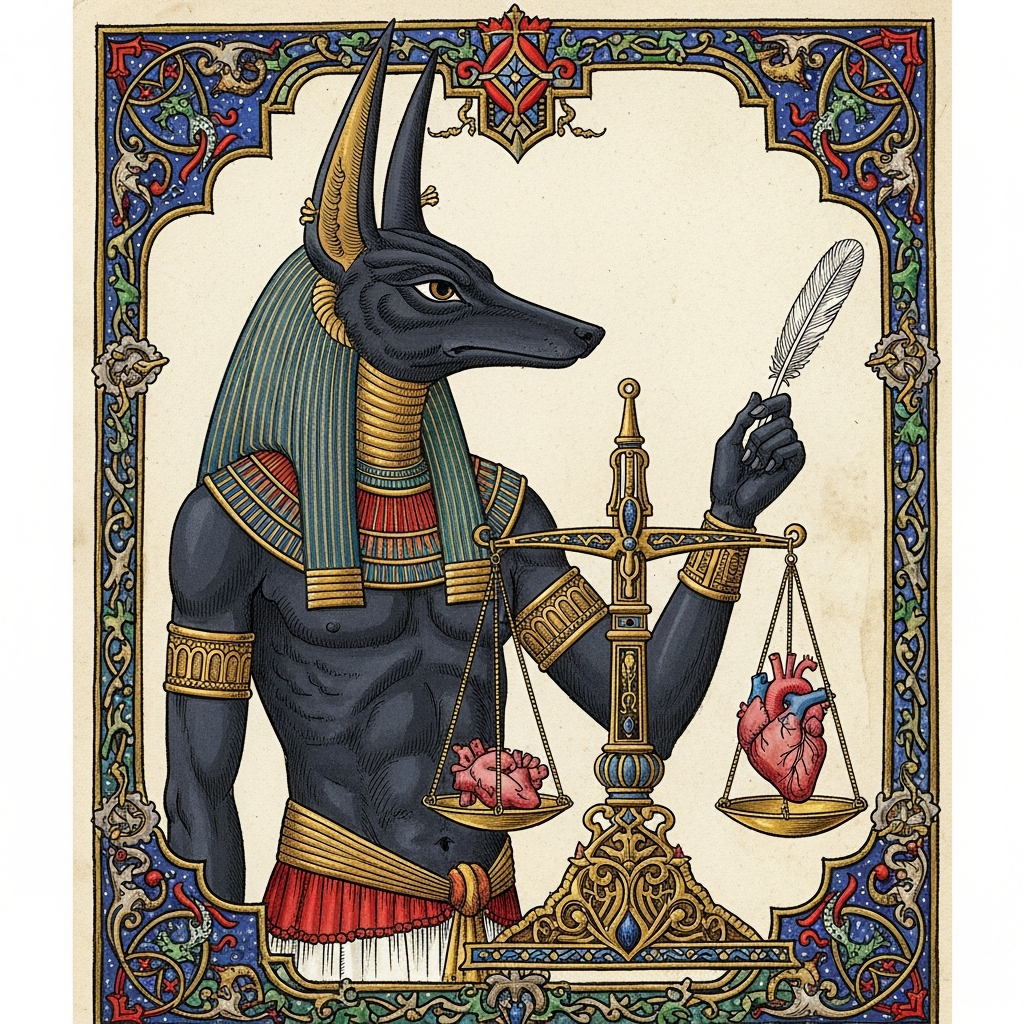 LEGENDARY
  LEGENDARY
 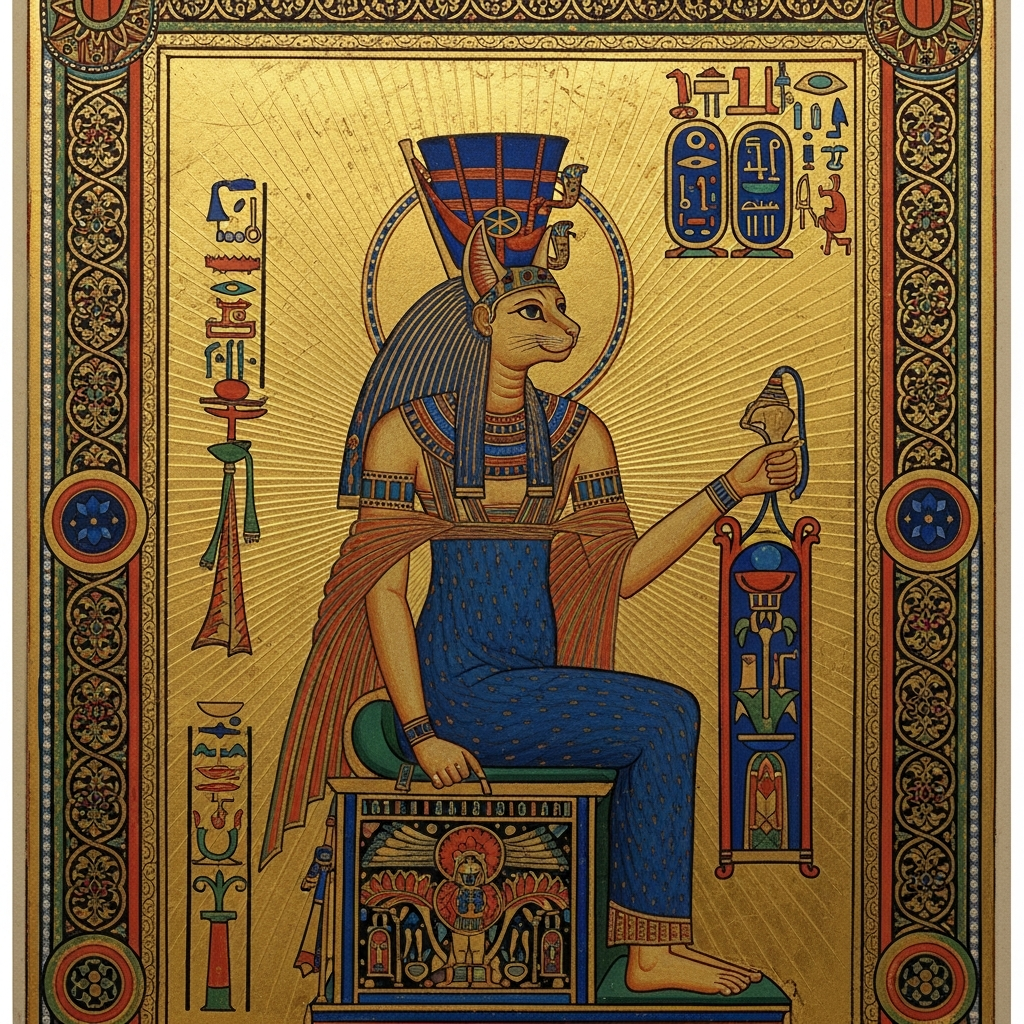 MYTHIC
 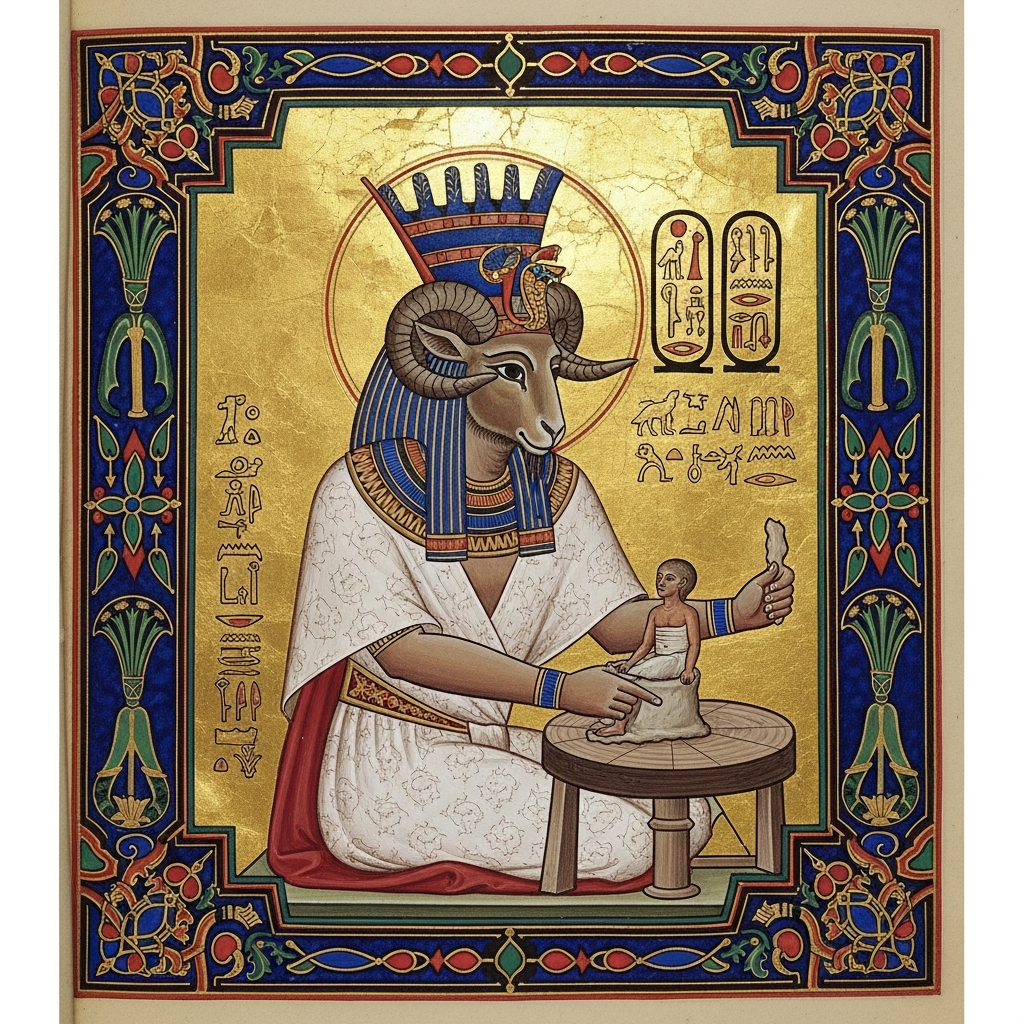 LEGENDARY
 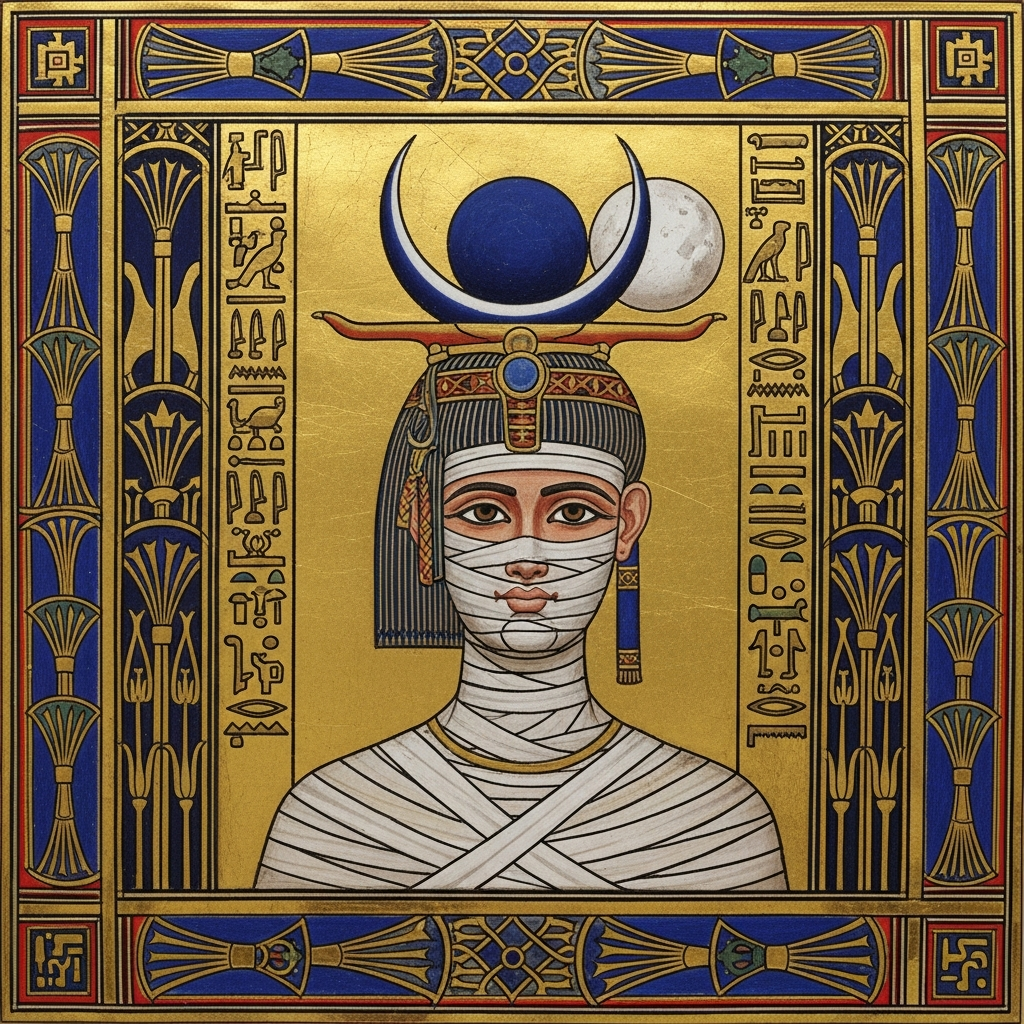 MYTHIC
 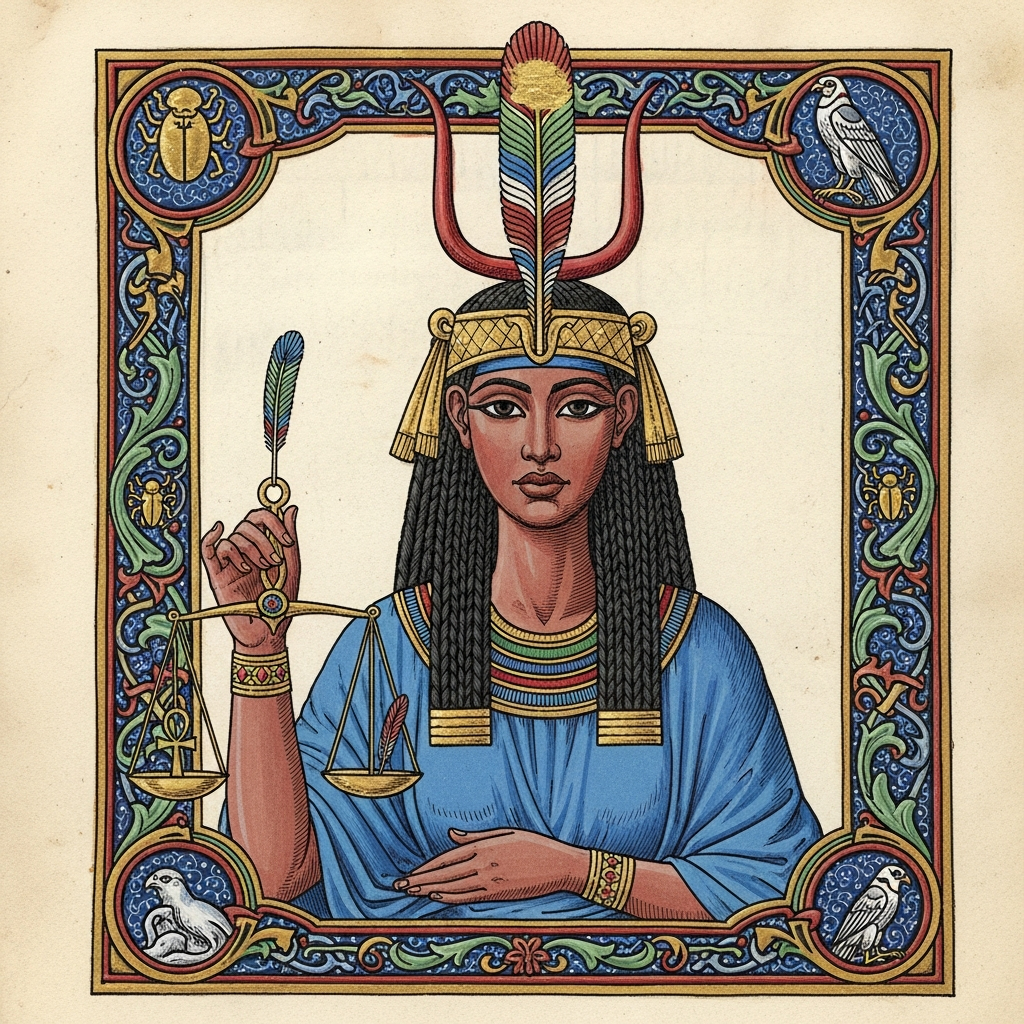 LEGENDARY
 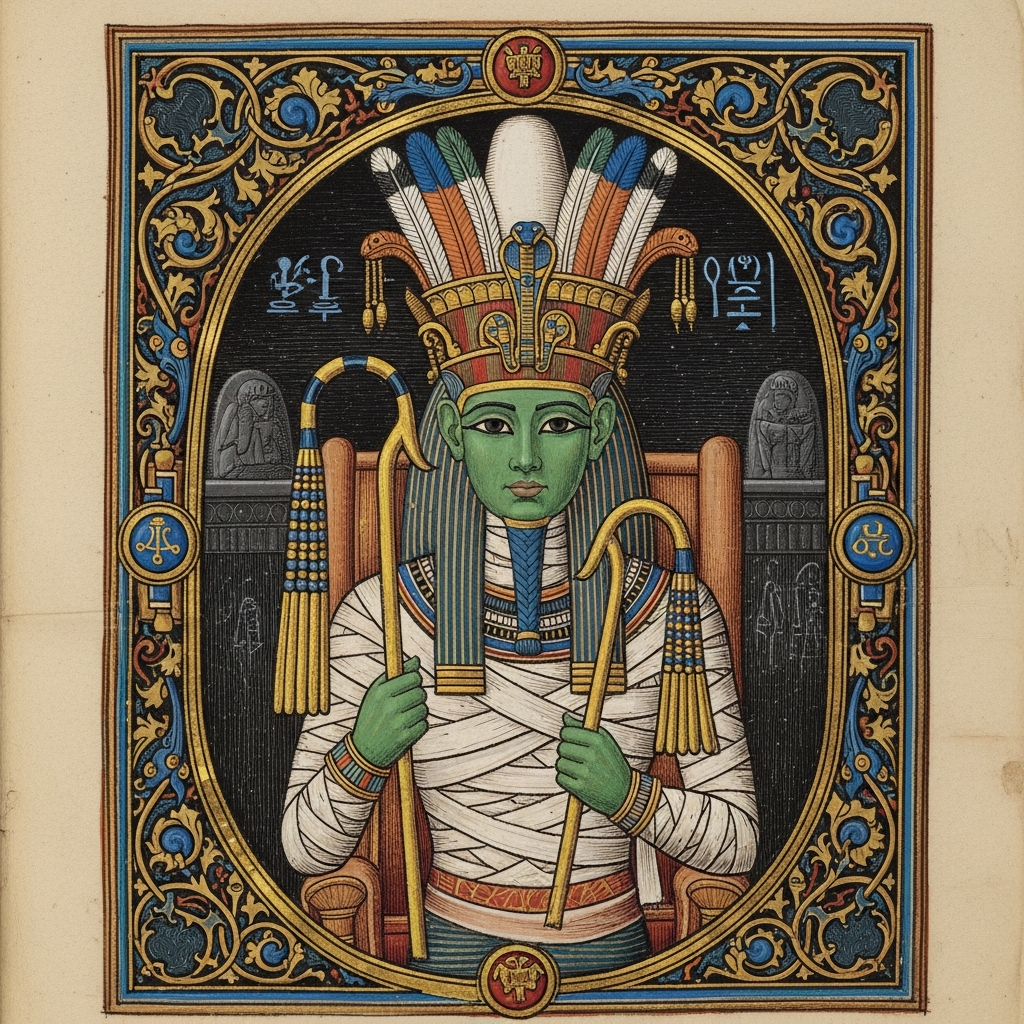 LEGENDARY
 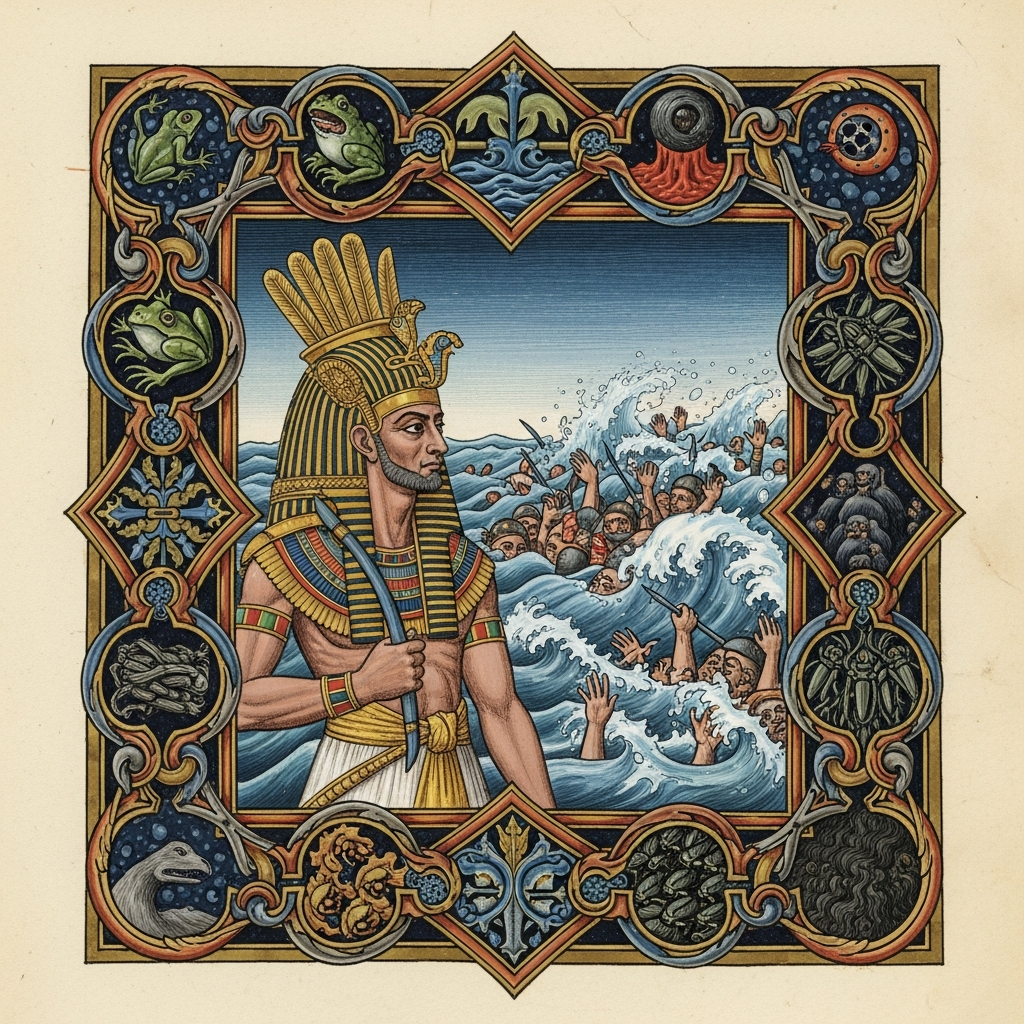 LEGENDARY
 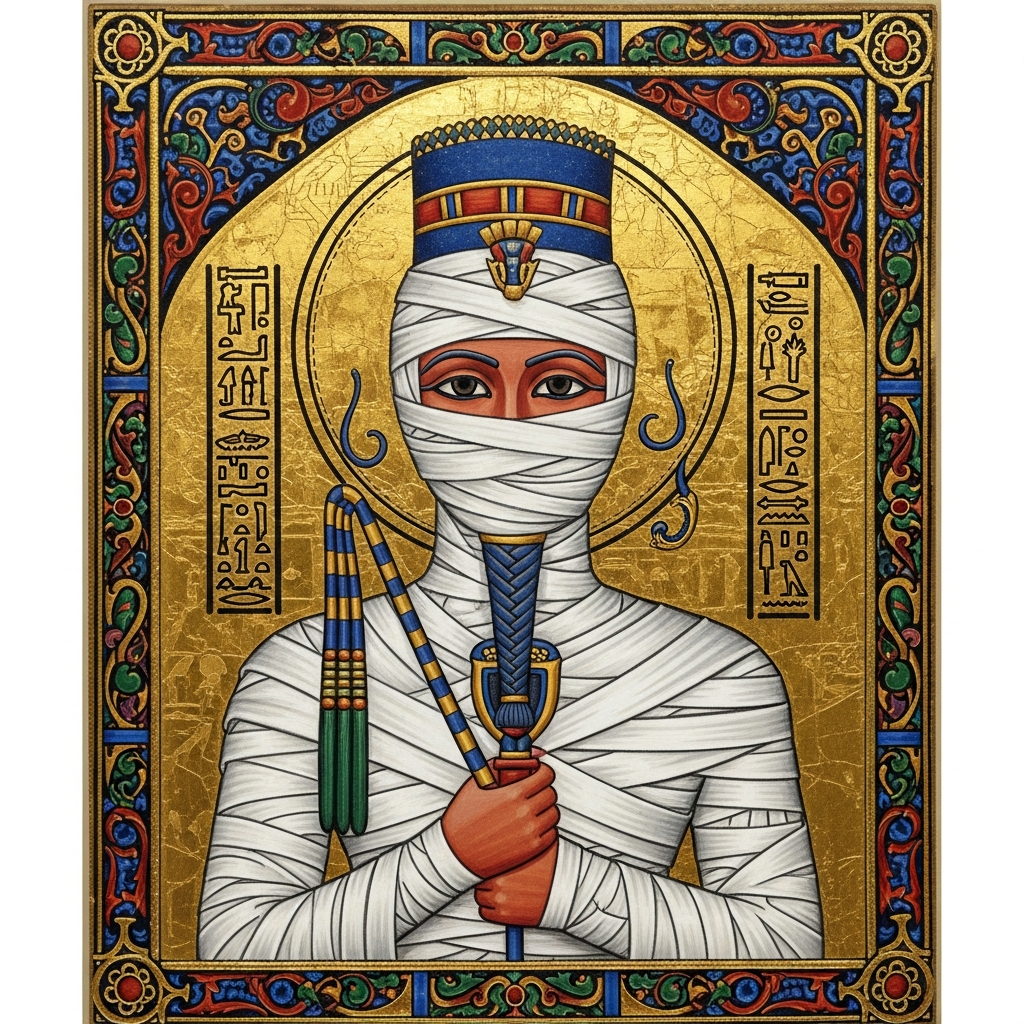 MYTHIC
 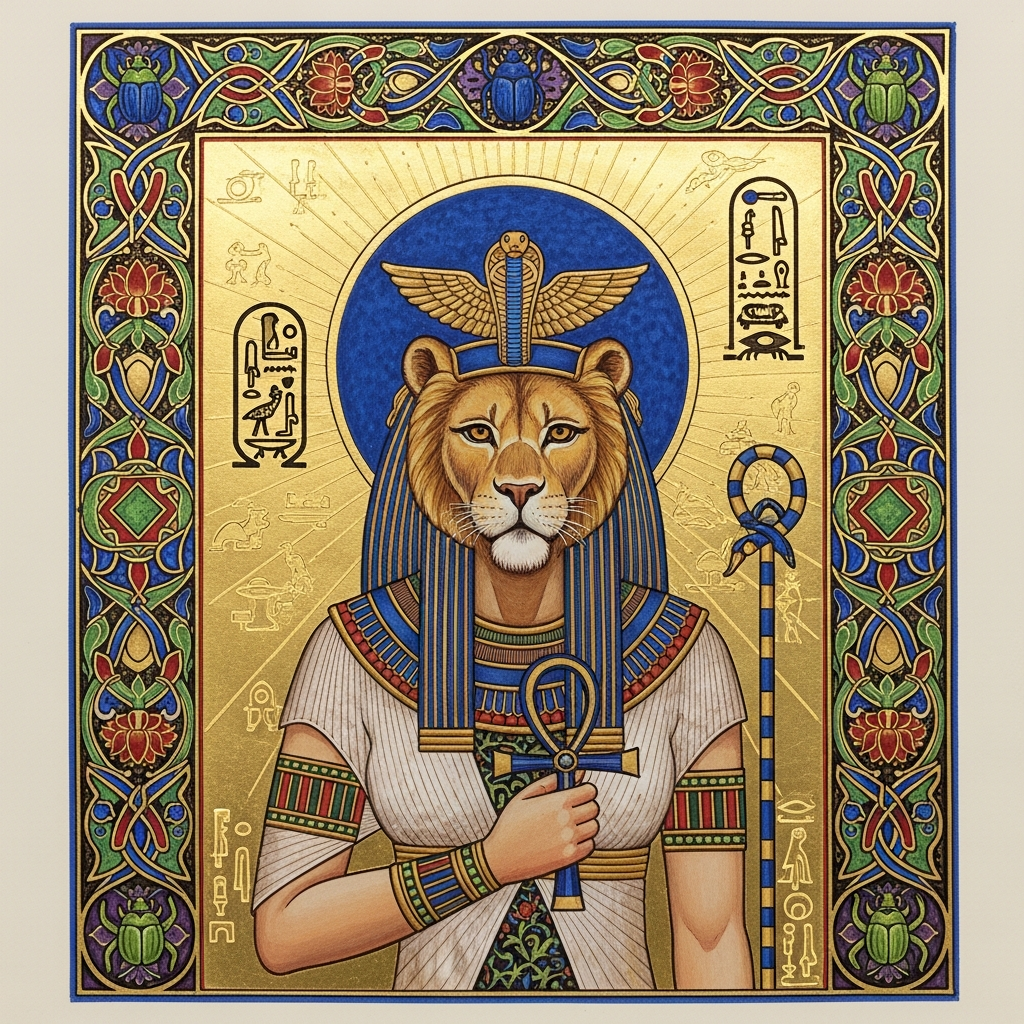 LEGENDARY
 LEGENDARY
  LEGENDARY
  LEGENDARY