Christianity’s Direct Competitors
The mystery cults were not quaint pagan survivals. They were Christianity’s direct competitors for the soul of the Roman Empire. Every feature modern people think is uniquely Christian — a sacred meal, baptism, death and resurrection of a god, personal salvation, a promised afterlife — was already on offer in the mystery religions, some of them centuries before Christ. Understanding these cults does not debunk Christianity; it explains WHY early Christianity looked the way it did. The early Church Fathers knew about these parallels and agonized over them. Justin Martyr accused the devil of planting counterfeit versions of Christ’s story in advance. Tertullian called Mithraism a “diabolic imitation.” The mystery cults did not copy Christianity. Christianity entered a marketplace of salvation religions and won. This section catalogs the competitors.
flowchart TB
    subgraph EASTERN["Eastern Origins"]
        E1["<b>CYBELE & ATTIS</b><br/>Phrygia (Turkey)<br/>Adopted 204 BC"]
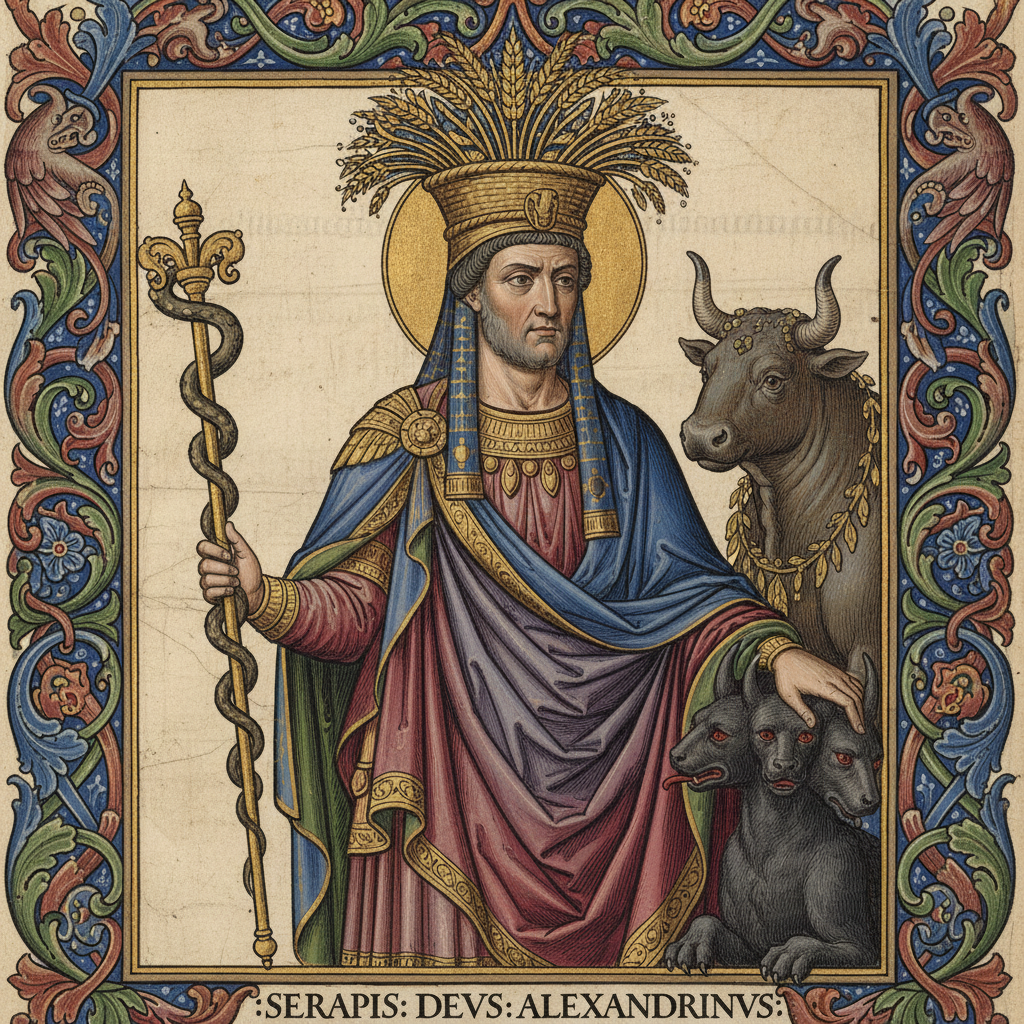
        E2["<b>ISIS & SERAPIS</b><br/>[Egyptian](Egyptian.md) / Ptolemaic<br/>Spread 1st c. BC"]
        E3["<b>MITHRAS</b><br/>Persia (via Rome)<br/>Peak 2nd-3rd c. AD"]
    end

    subgraph GREEK["[Greek](Greek.md) Origins"]
        G1["<b>DIONYSUS / BACCHUS</b><br/>Thrace / Greece<br/>Banned 186 BC"]
        G2["<b>ORPHEUS</b><br/>Orphic Mysteries<br/>6th c. BC onward"]
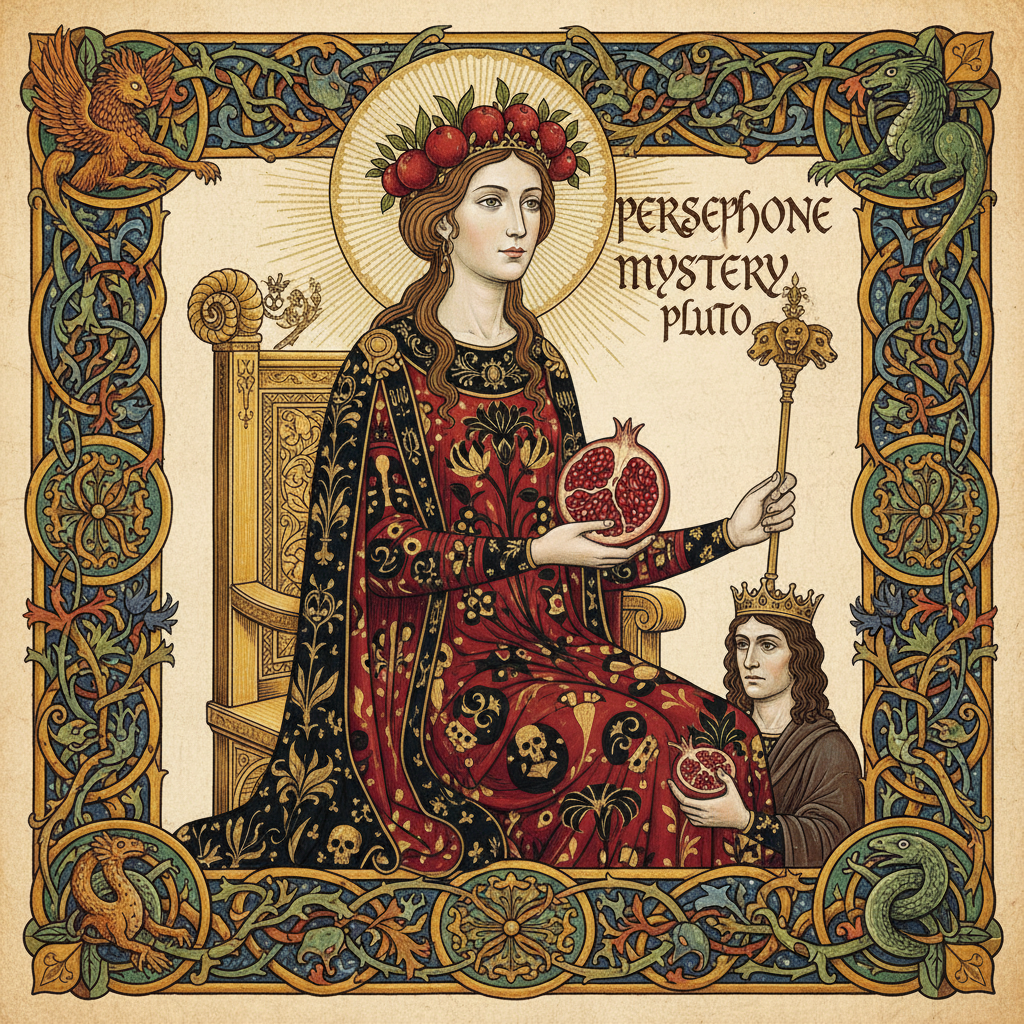
        G3["<b>PERSEPHONE</b><br/>Eleusinian Mysteries<br/>~1500 BC - 392 AD"]
    end

    subgraph ROMAN["Roman / Etruscan"]
        R1["<b>JANUS</b><br/>Etruscan/Roman<br/>God of Beginnings"]
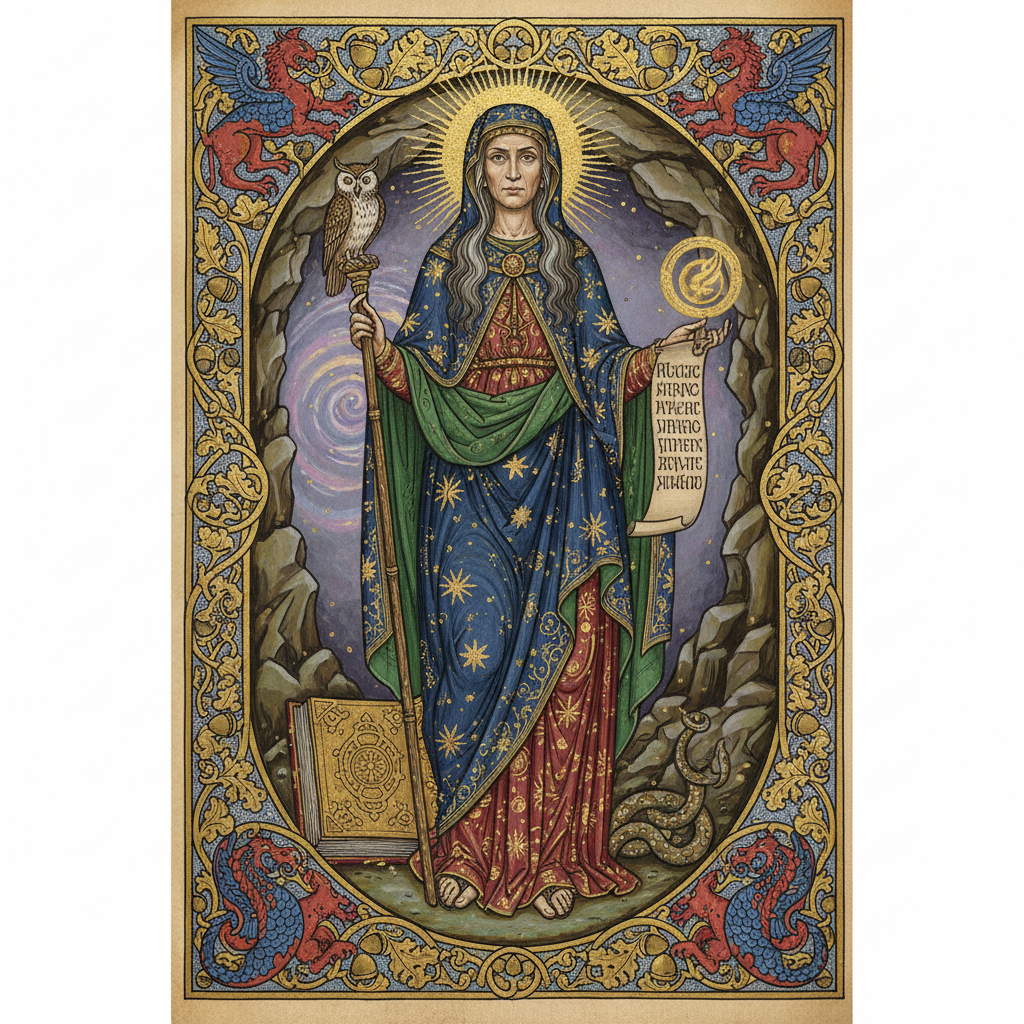
        R2["<b>THE SIBYL</b><br/>Cumae / Etruscan<br/>Prophetess"]
    end

    subgraph CHRISTIANITY["[Biblical](Biblical.md)"]
        C1["<b>CHRIST</b><br/>Judea<br/>1st c. AD"]
    end

    E1 --> |"Death/Resurrection<br/>Blood Baptism"| C1
    E2 --> |"Divine Mother<br/>Personal Salvation"| C1
    E3 --> |"Sacred Meal<br/>Dec 25, Underground Worship"| C1
    G1 --> |"Wine = God's Blood<br/>Ecstatic Union"| C1
    G2 --> |"Afterlife Passwords<br/>Descent to Underworld"| C1
    G3 --> |"Resurrection<br/>Blessed Afterlife"| C1

    style EASTERN fill:#6b3fa0,color:#fff
    style GREEK fill:#c9a227,color:#000
    style ROMAN fill:#8b4513,color:#fff
    style CHRISTIANITY fill:#1a5276,color:#fff
Centerpiece: Christianity’s Competitors
| Mystery Cult | Sacred Meal? | Death/Resurrection? | Baptism/Initiation? | Dec 25? | Why Christianity Won |
|---|
| Mithras | Yes (bread + water) | Implied (bull-slaying) | Yes (7 levels) | Yes | Excluded women; soldiers only |
| Cybele/Attis | Yes | Yes (March 22-25) | Yes (blood baptism) | No | Too extreme (castration) |
| Dionysus | Yes (wine = god’s blood) | Yes (dismembered, risen) | Yes (ecstatic) | No | Too chaotic; banned by Senate |
| Isis | Yes | Yes (Osiris) | Yes (elaborate) | No | Survived longest; Mary absorbed her |
| Eleusinian | Yes (kykeon drink) | Yes (Persephone) | Yes (secret) | No | Never proselytized; stayed local |
| Orphic | Yes (ritual) | Yes (Orpheus dismembered) | Yes (ascetic) | No | Too intellectual; elite only |
The pattern: Every major mystery cult offered a dying-and-rising god, a sacred meal, initiation rites, and a promise of afterlife. Christianity did not invent these elements. It combined them more effectively than anyone else — and then added something none of the others had: aggressive proselytization to all classes, both sexes, and all nations.
Art Generation
| # | Entity | Prompt |
|---|
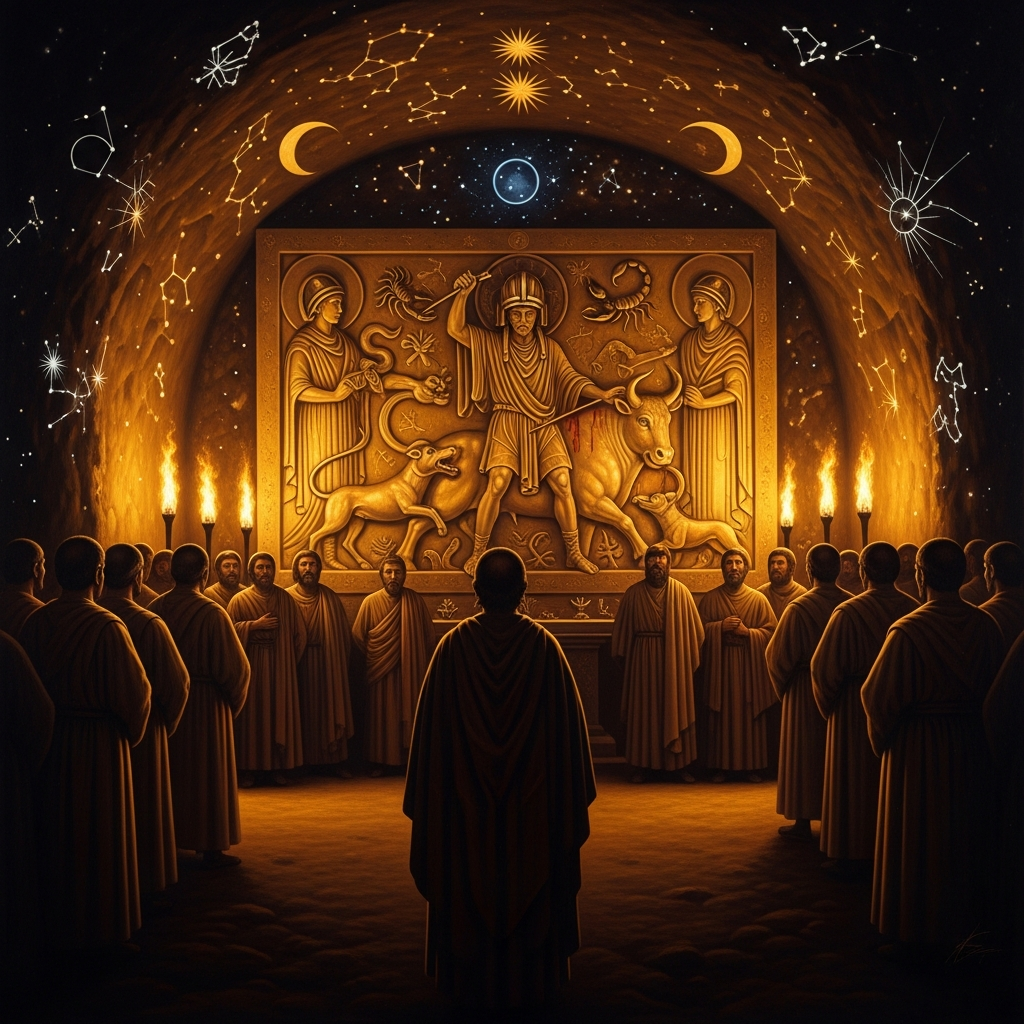
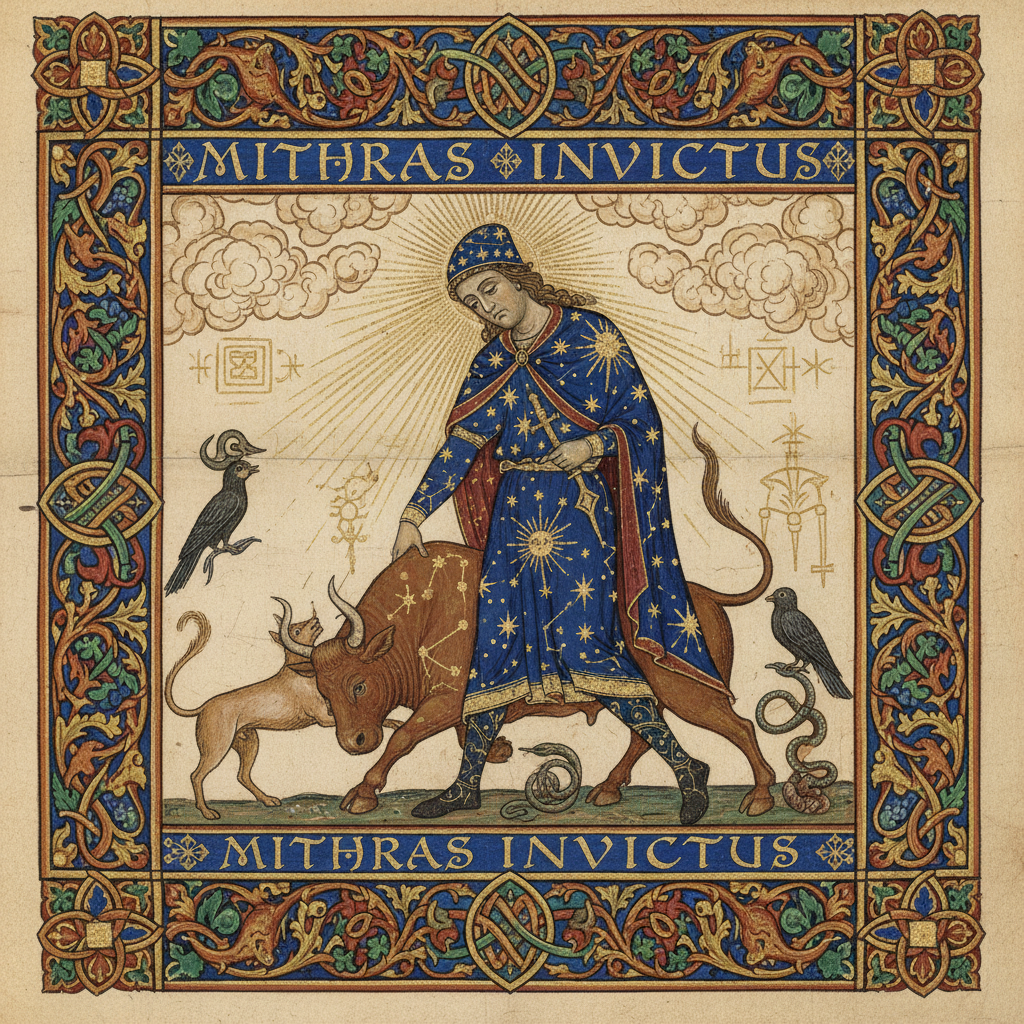
| 1 | Mithras | Mithras slaying the cosmic bull in an underground mithraeum, torch-bearers on either side, zodiac ceiling, blood becoming grain and grapevines, Persian cap, radiant solar halo, dramatic chiaroscuro lighting in the cave temple, ancient Roman mystery cult aesthetic |
| 2 | Cybele | Cybele the Magna Mater enthroned on a lion-drawn chariot, Phrygian crown of city walls, wild drums and cymbals around her, Galli priests in ecstatic frenzy below, mountainous Anatolian landscape, golden and blood-red palette, overwhelming divine feminine power |
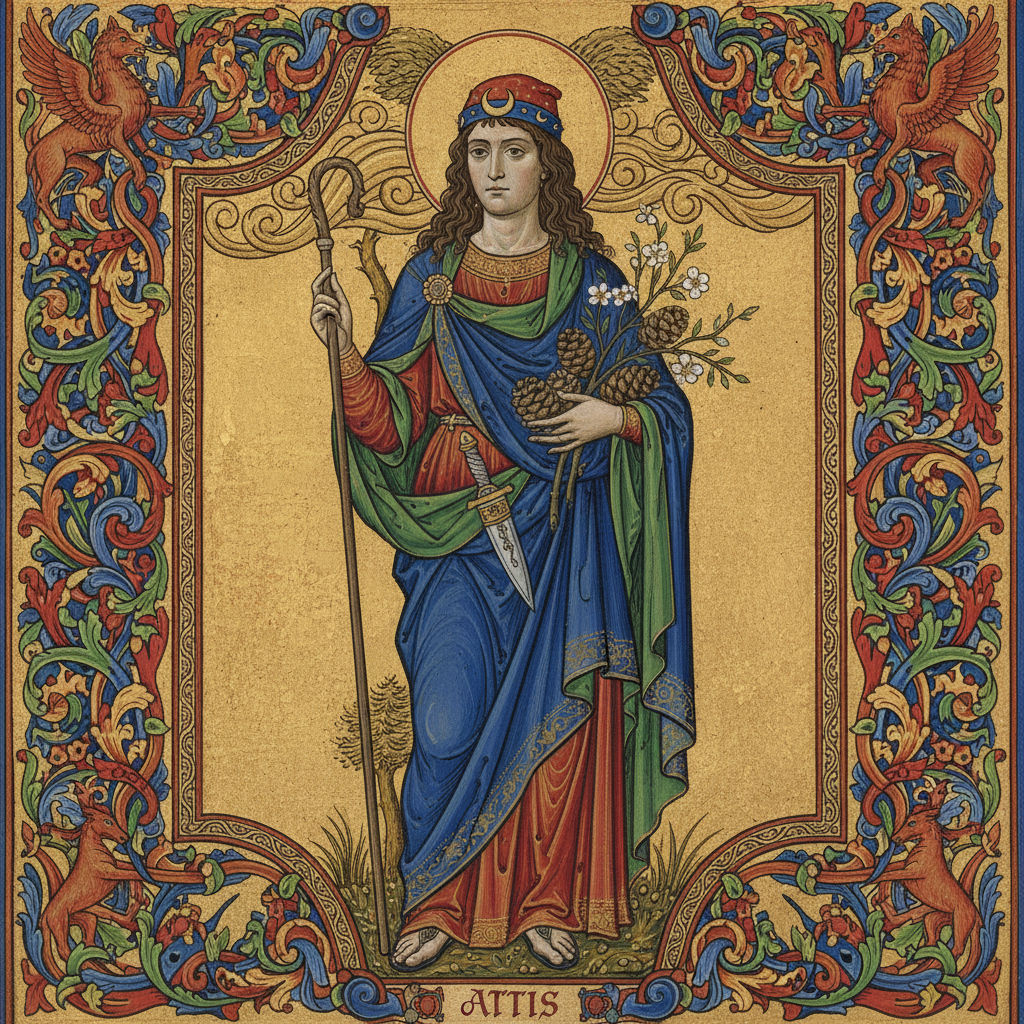
| 3 | Attis | Attis dying beneath a sacred pine tree, violets sprouting from his blood, Phrygian cap, youthful shepherd beauty frozen in death, the pine tree hung with ribbons and images, spring flowers emerging around the base, melancholy yet luminous, twilight palette |
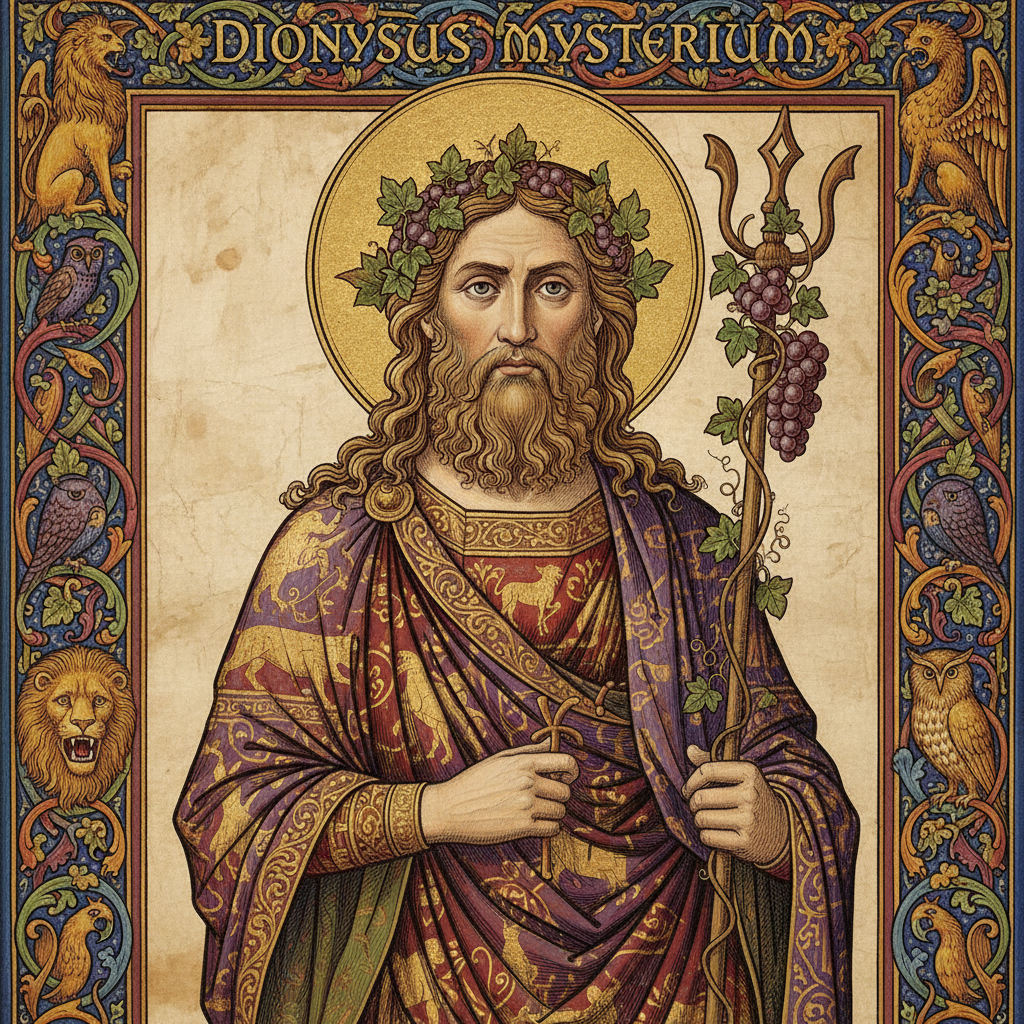
| 4 | Dionysus (Mystery) | Dionysus Zagreus in the mystery cult form: dismembered by Titans, reconstituting in divine light, wine-blood flowing, grapevines growing from torn flesh, ecstatic maenads, thyrsus staff, ivy crown, the moment between death and resurrection, dark purple and gold |
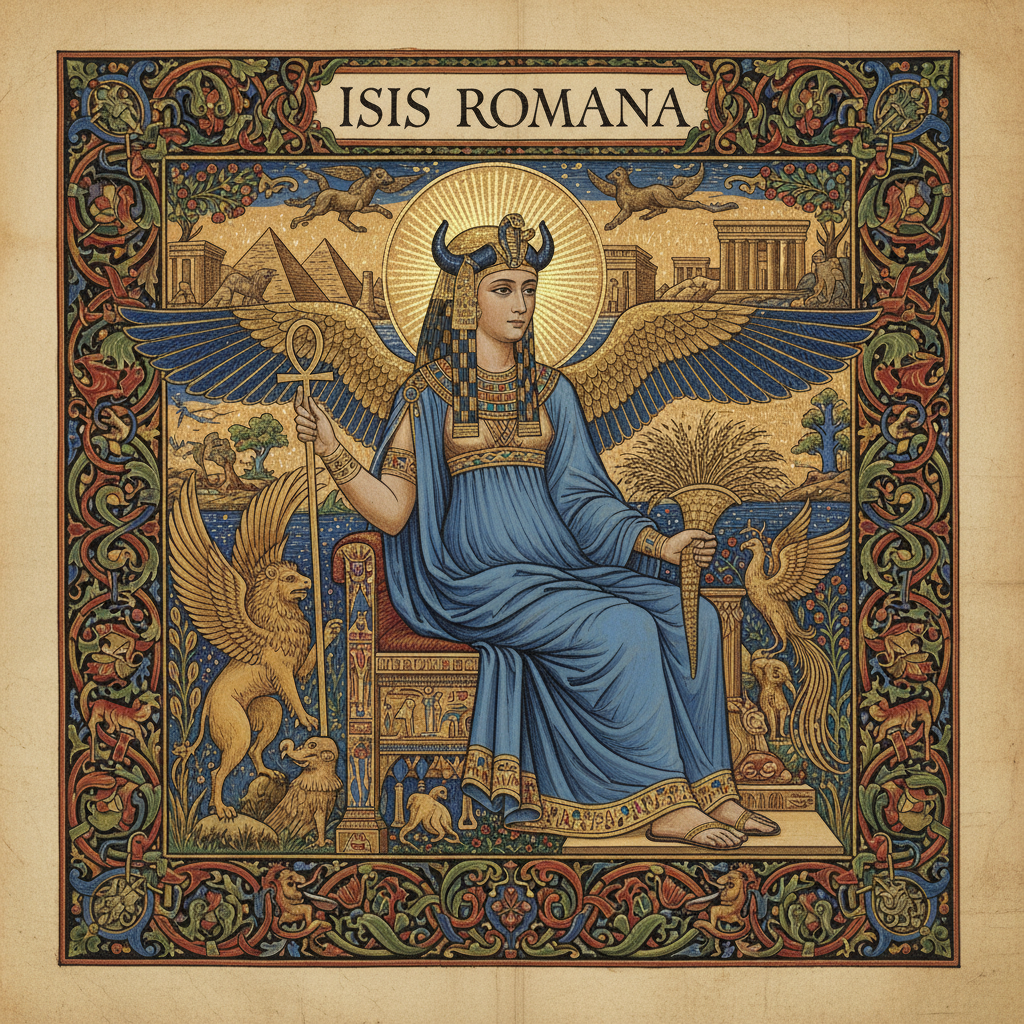
| 5 | Isis (Roman) | Isis as Roman universal goddess, enthroned in a grand Roman temple, nursing infant Horus, star crown (Stella Maris), sistrum in one hand, ankh in the other, multicultural worshippers from across the Empire, lapis lazuli blue and gold, moonlight through marble columns |
| 6 | Serapis | Serapis enthroned in the great Serapeum of Alexandria, bearded Zeus-like figure with grain-basket modius on head, three-headed Cerberus at his feet, massive temple interior with a shaft of light from above illuminating the colossal statue, Ptolemaic grandeur |
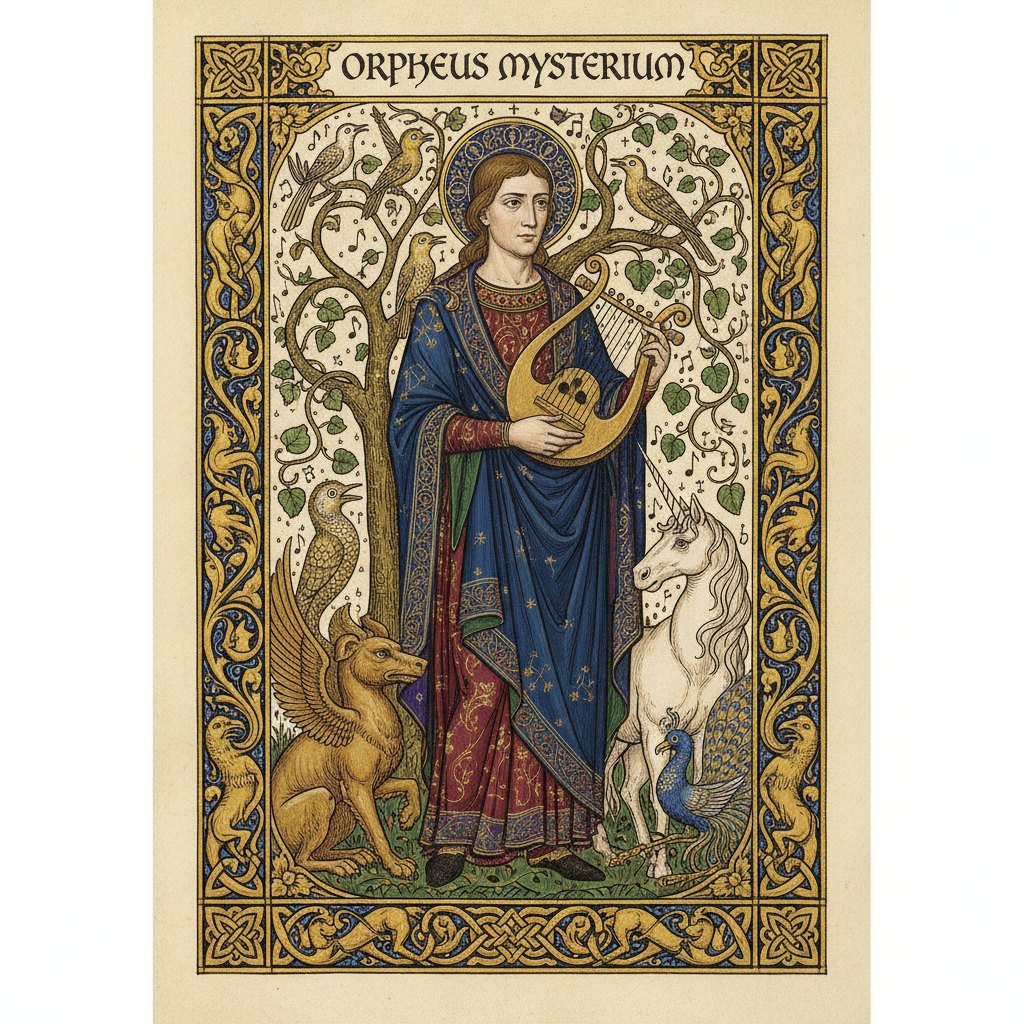
| 7 | Orpheus (Mystery) | Orpheus as mystery cult founder, seated among wild animals tamed by his lyre, gold tablets inscribed with afterlife passwords floating around him, the entrance to the underworld behind him, liminal space between living world and realm of the dead, ethereal green-gold light |
| 8 | Persephone (Mystery) | Persephone as Queen of the Eleusinian Mysteries, half in the light of the grain fields above and half in the shadow of the underworld below, pomegranate in hand, the great Telesterion of Eleusis behind her, initiates approaching with torches, split composition of life and death |
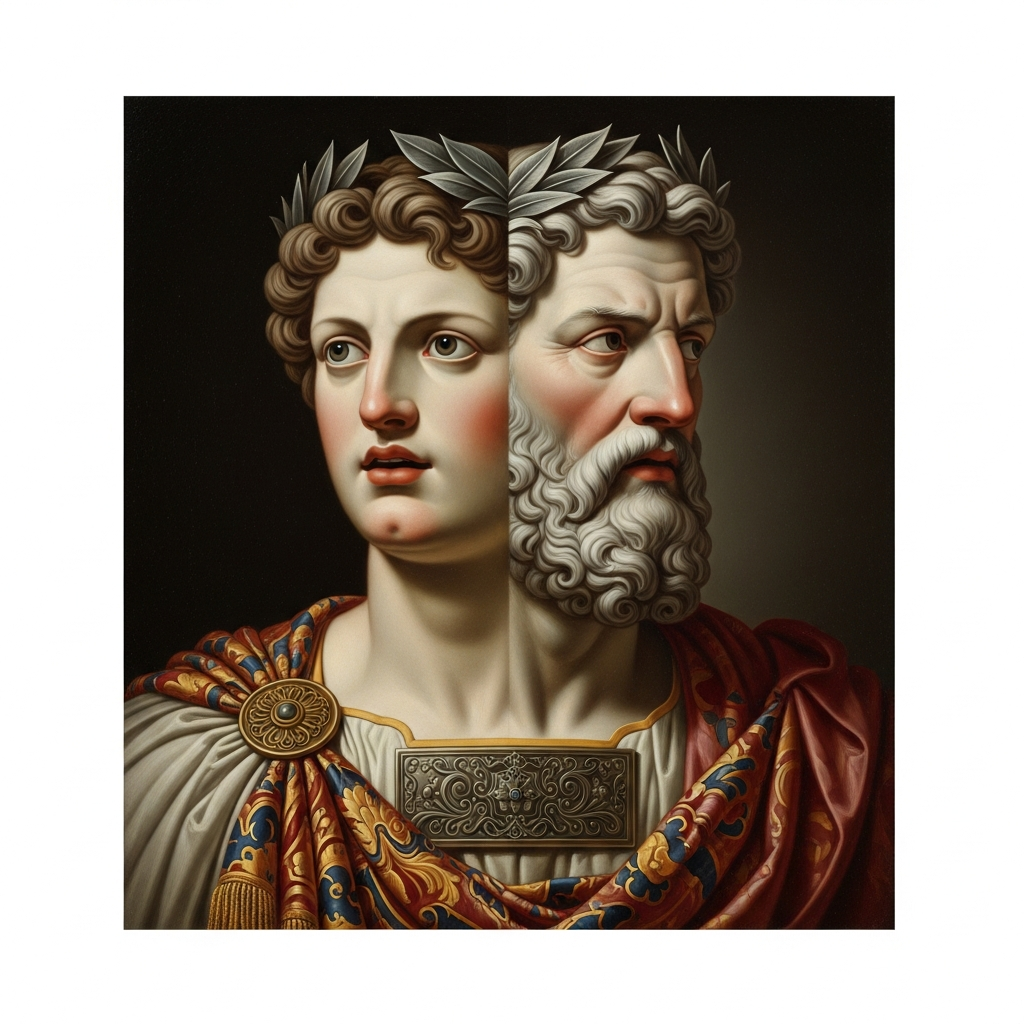
| 9 | Janus | Janus the two-faced god of Rome, one face ancient and bearded looking into the past, one face young looking into the future, standing in a great Roman gateway, the gates of his temple half-open, the boundary between war and peace, keys in hand, Roman bronze and marble aesthetic |
| 10 | The Sibyl of Cumae | The Sibyl of Cumae in her cave at Avernus, ancient and withered but radiating prophetic power, scrolls of the Sibylline Books scattered around her, the entrance to the underworld glowing behind her, oak leaves swirling in supernatural wind, Michelangelo-inspired muscular prophetess, dark cave with otherworldly amber light |
| # | Scene | Prompt |
|---|
| 1 | The Tauroctony | Mithras plunging the dagger into the cosmic bull in a torch-lit underground mithraeum, the dog and snake lapping the blood, the scorpion at the bull’s genitals, wheat sprouting from the tail, the raven messenger above, Sol and Luna watching from the corners, zodiac carved into the ceiling, the foundational act of Roman mystery religion |
| 2 | Dies Sanguinis | The Day of Blood in the cult of Cybele: Galli priests in ecstatic self-mutilation before the sacred pine tree of Attis, drums and cymbals, blood-soaked altar, the frenzied crowd in a Roman street procession, the Great Mother’s statue carried above, raw visceral ritual energy, dawn light breaking through incense smoke |
| 3 | The Bacchanalia | A Dionysiac mystery initiation in a torchlit grove: maenads tearing ivy-crowned, the sacred wine flowing, ecstatic dancers losing themselves in divine madness, the dismembered god reconstituting in the center of the ritual, Roman senators watching in horror from the edges, the moment before the Senate banned it all in 186 BC |
| 4 | Isis Initiates the Seeker | The initiation scene from Apuleius’s Golden Ass Book XI: the initiate Lucius approaching death’s boundary in the inner sanctum of the Isis temple, twelve robes of the zodiac, carried through the elements, divine light flooding the chamber at the climactic moment of rebirth, the goddess herself appearing radiant above |
| 5 | The Destruction of the Serapeum | Christian monks and soldiers smashing the great statue of Serapis in the Serapeum of Alexandria, 391 AD: the colossal god toppling, pagan priests fleeing, scrolls from the library annex burning, Bishop Theophilus directing the destruction, the collision of old world and new, twilight of the gods in a single terrible afternoon |
Sources & Further Reading
- Walter Burkert, Ancient Mystery Cults (Harvard University Press, 1987)
- Marvin Meyer (ed.), The Ancient Mysteries: A Sourcebook (University of Pennsylvania Press, 1987)
- Manfred Clauss, The Roman Cult of Mithras: The God and His Mysteries (Routledge, 2000)
- Apuleius, The Golden Ass (Metamorphoses), Book XI (2nd century AD)
- Franz Cumont, The Mysteries of Mithra (Dover, 1956 reprint)
- Jan N. Bremmer, Initiation into the Mysteries of the Ancient World (De Gruyter, 2014)
- Luther H. Martin, Hellenistic Religions: An Introduction (Oxford University Press, 1987)
- Jaime Alvar, Romanising Oriental Gods: Myth, Salvation, and Ethics in the Cults of Cybele, Isis, and Mithras (Brill, 2008)

 RARE
RARE 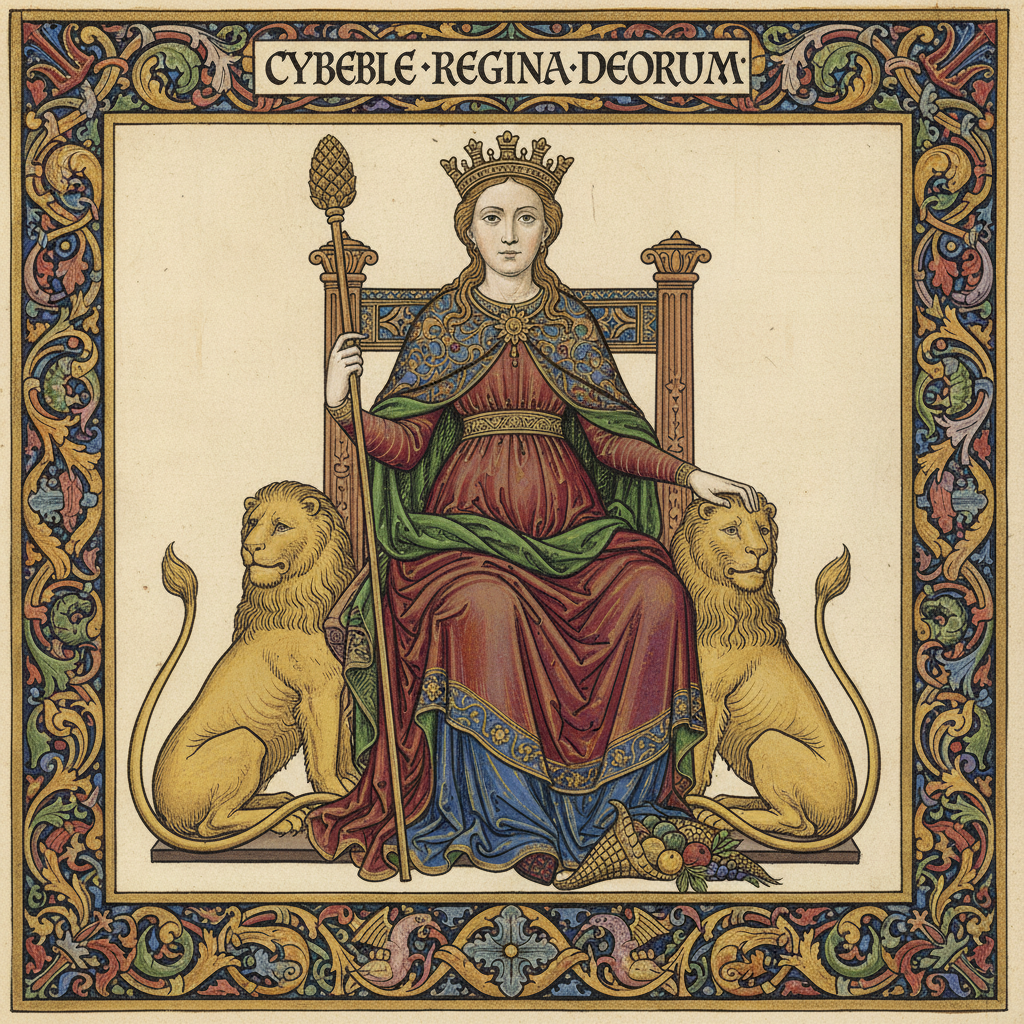 MYTHIC
  LEGENDARY
  LEGENDARY
  LEGENDARY
  LEGENDARY
  LEGENDARY