Combat Profile
Mountain's Ecstasy
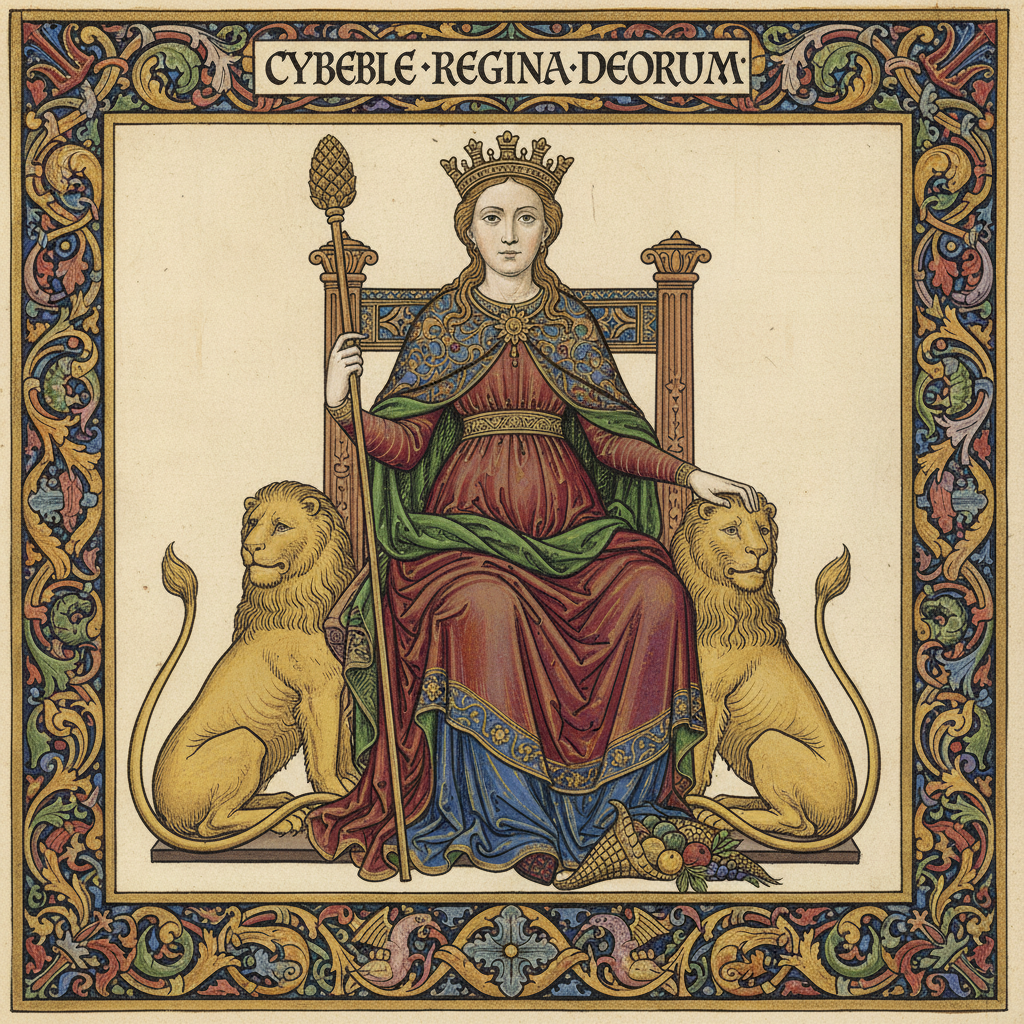
Cybele enters a state of divine frenzy, granting herself and allies temporary invulnerability while dealing escalating damage each turn until the effect ends.
Magna Mater
All earth-based abilities cost 20% less power, and Cybele's presence causes wild beasts to fight on her behalf.
Extremity of her rites repelled mainstream Romans
“The earth in all its breadth does not hold one who is equal to her.” — Homeric Hymn to the Mother of the Gods
Cybele came to Rome in 204 BC during the darkest hour of the Second Punic War. The Sibylline Books instructed the Senate to bring the sacred black stone of the Great Mother from Pessinus in Phrygia. Hannibal was at the gates; Rome needed divine intervention. The stone arrived. Hannibal retreated. Rome never forgot. But Cybele’s cult horrified conservative Romans even as it saved them. Her priests, the Galli, castrated themselves in ecstatic frenzy during the Dies Sanguinis (Day of Blood) on March 24, slashing their arms, whipping themselves bloody, and dancing wildly to drums and cymbals. They dressed in women’s clothing, wore perfume, and bleached their hair. Roman citizens were forbidden from becoming Galli until the imperial period.
The annual festival of Cybele and Attis (March 15-28) was one of the most dramatic in the Roman calendar: the pine tree carried in procession (representing Attis’s body), the Day of Blood, the Hilaria (Day of Joy — March 25, celebrating Attis’s resurrection), and the ritual bathing. The pine tree decorated with images and ribbons has prompted speculation about proto-Christmas tree connections.
Compare: Kali and Durga (the divine feminine in extreme form); Inanna/Ishtar (Mesopotamian Great Mother); the Virgin Mary (the domesticated version of the same archetype).
1 min read
Roman Senate (repeatedly tried to regulate her cult); Christianity (absorbed the Mother archetype into Mary)
Catullus 63; Ovid, *Fasti* IV; Lucretius, *De Rerum Natura* II.598-660