Combat Profile
Descent of Souls
Orpheus temporarily opens a passage to the underworld, allowing him to retrieve lost knowledge or restore a fallen ally to life once per conflict
Harmonic Resonance
All allies within earshot gain clarity and resolve; their spirits cannot be broken by fear or despair
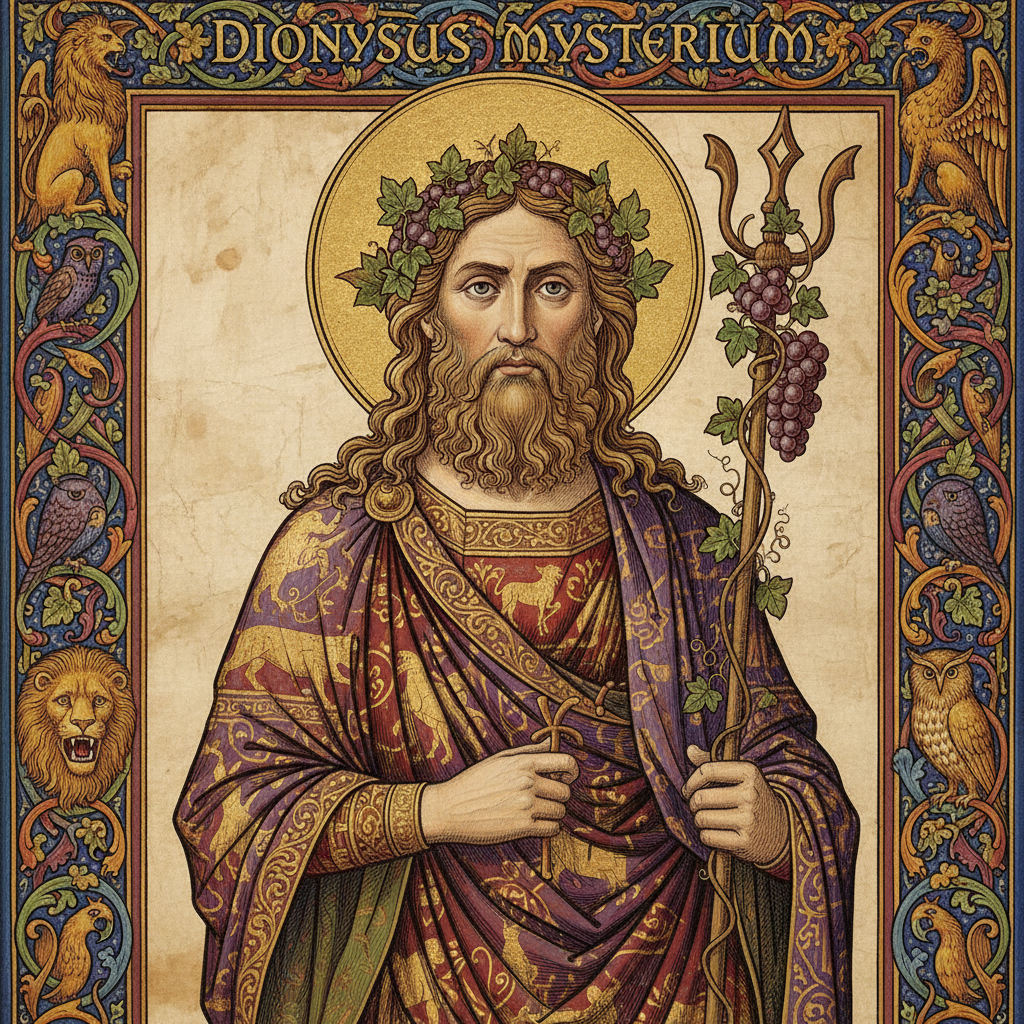
Torn apart by Maenads (Bacchic women) for refusing to worship Dionysus / for refusing women after Eurydice
“I am a child of Earth and Starry Heaven, but my race is of Heaven alone. I am parched with thirst and am dying: give me quickly the cold water flowing from the Lake of Memory.” — Orphic gold tablet (burial instruction for the afterlife)
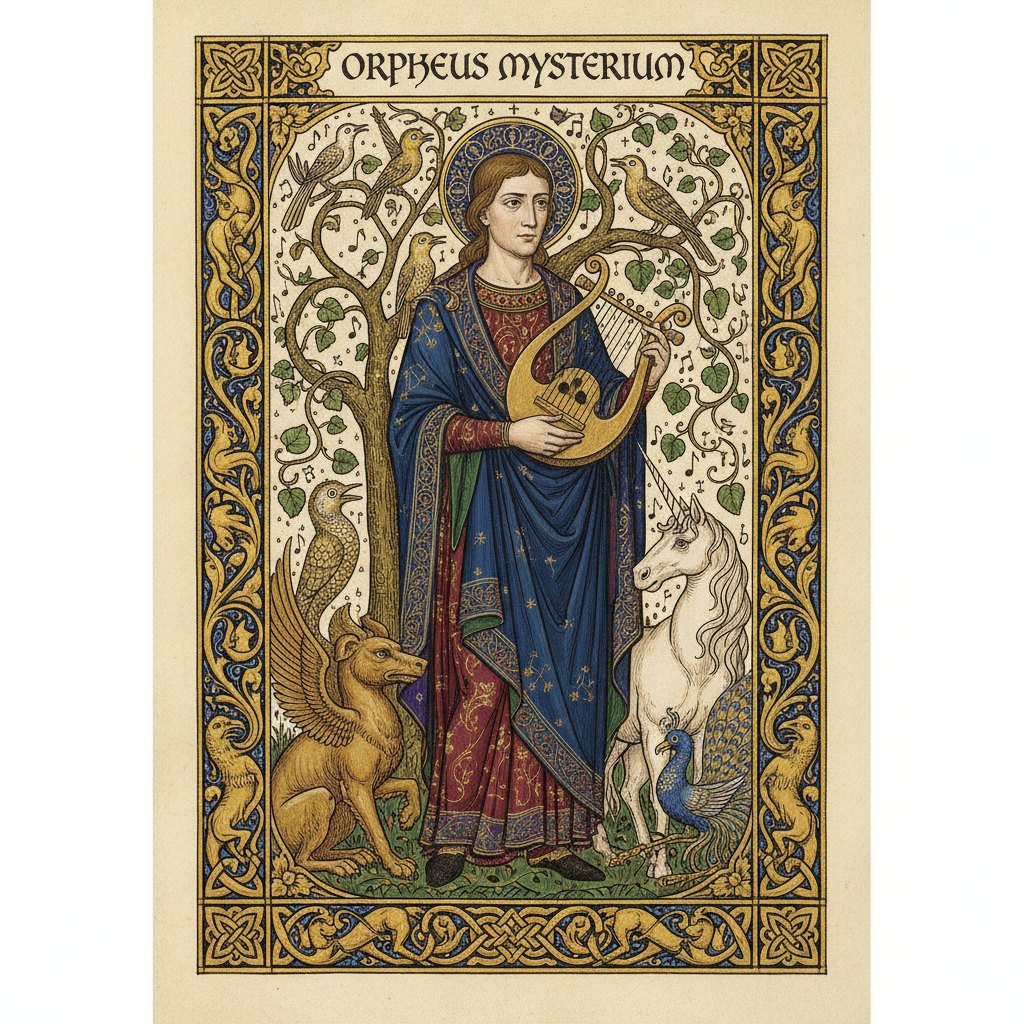
Orpheus descended to the underworld for love — to bring back his wife Eurydice. He charmed Hades and Persephone with his music, was granted her return on the condition he not look back, looked back, and lost her forever. But the mystery cult version of Orpheus is far more than a love story. The Orphic mysteries, dating to at least the 6th century BC, taught: the soul is divine and immortal; it is trapped in the body as punishment (the original sin of the Titans who devoured the infant Dionysus); through ascetic practice, vegetarianism, and ritual purity, the soul can escape the cycle of reincarnation; initiates were buried with gold tablets inscribed with passwords and instructions for navigating the underworld.
In early Christian art, Orpheus is sometimes literally indistinguishable from Christ — depicted as the Good Shepherd, taming wild animals with his music, descending to the underworld to rescue souls. The theological overlap is remarkable: both promise escape from death through divine knowledge; both descend to the realm of the dead; both are violently killed and achieve a kind of transcendence through death. The Orphic gold tablets, with their detailed afterlife instructions and passwords, parallel the Egyptian Book of the Dead and anticipate the Gnostic vision of a soul navigating hostile archons to reach the divine realm.
Compare: The Buddha (renunciation of worldly attachment as the path to liberation); Christ (the Harrowing of Hell — descent to the underworld to free souls); the Gnostic Redeemer (secret knowledge as salvation).
1 min read
The Maenads; death itself (he descended to Hades and returned, then was destroyed anyway)
Orphic Hymns; Orphic Gold Tablets; Plato, *Republic* II.364e; Virgil, *Georgics* IV; Walter Burkert, *Ancient Mystery Cults*