The Story
Mesopotamian religion is the oldest mythology we can read. Older than the Vedas, the Hebrew Bible, Homer. Born in the silt-rich marshes between the Tigris and Euphrates, it fades — more or less — in the centuries around Christ’s birth. The temples crumble; the scribal schools close. But the mythology doesn’t die. It seeps sideways — into Israel, Greece, Rome, and down to everything that follows. To read Genesis is to read a Hebrew rewrite of stories first told in Sumerian (Kramer, Sumerian Mythology).
The narrative arc, with appropriate hedges:
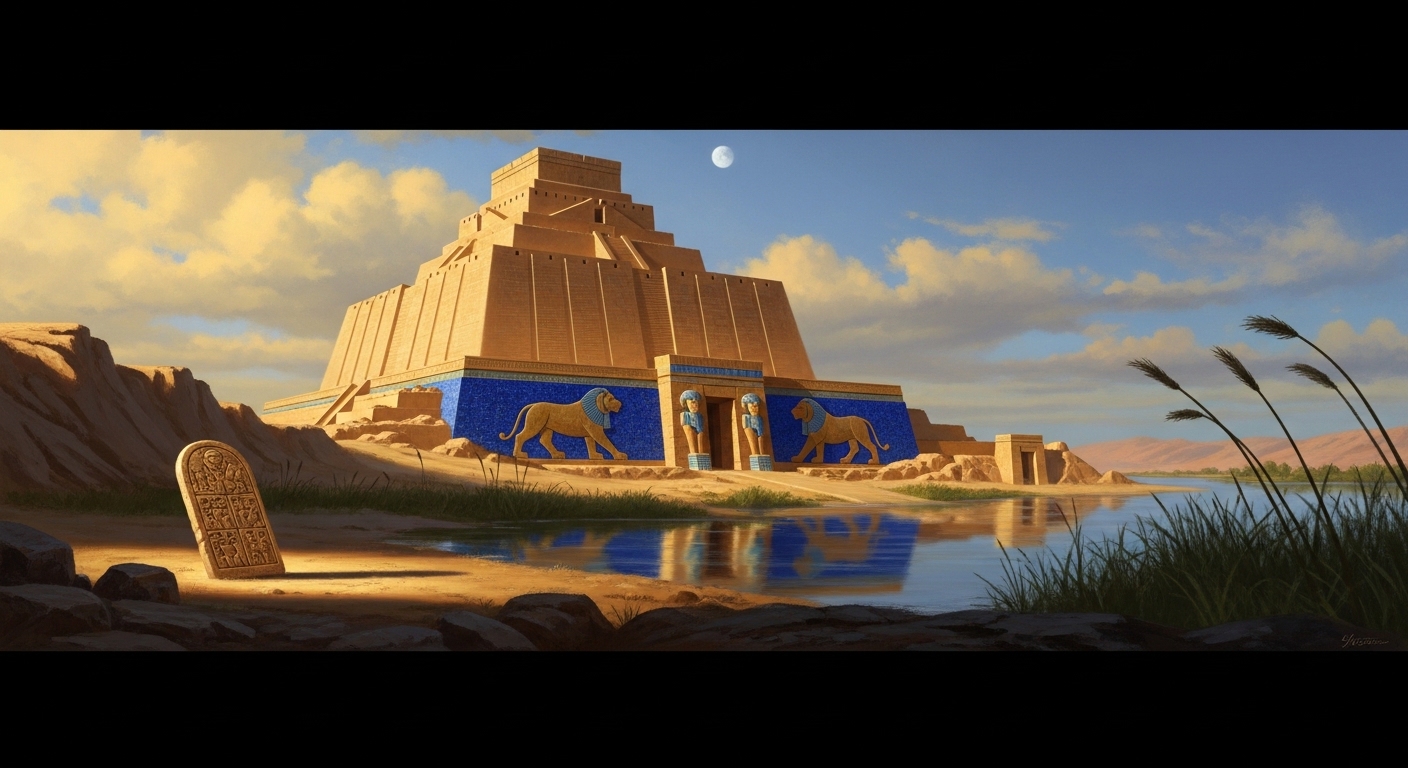
Sumerian City-States (~3500-2300 BCE): Civilization, in the technical sense, begins here. The first cities — Uruk, Ur, Eridu, Lagash, Nippur — rise from the alluvial plain. Each is built around a temple: Uruk for Inanna, Ur for the moon-god Nanna, Nippur for Enlil. Around 3200 BCE the Sumerians invent cuneiform writing — the first human script — pressing wedge-marks into wet clay with a cut reed (ETCSL). It starts as temple bookkeeping (grain counts) and becomes the medium of the world’s oldest literature. Gilgamesh of Uruk, hero-king real or mythic, is remembered around 2700 BCE (Sumerian King List).
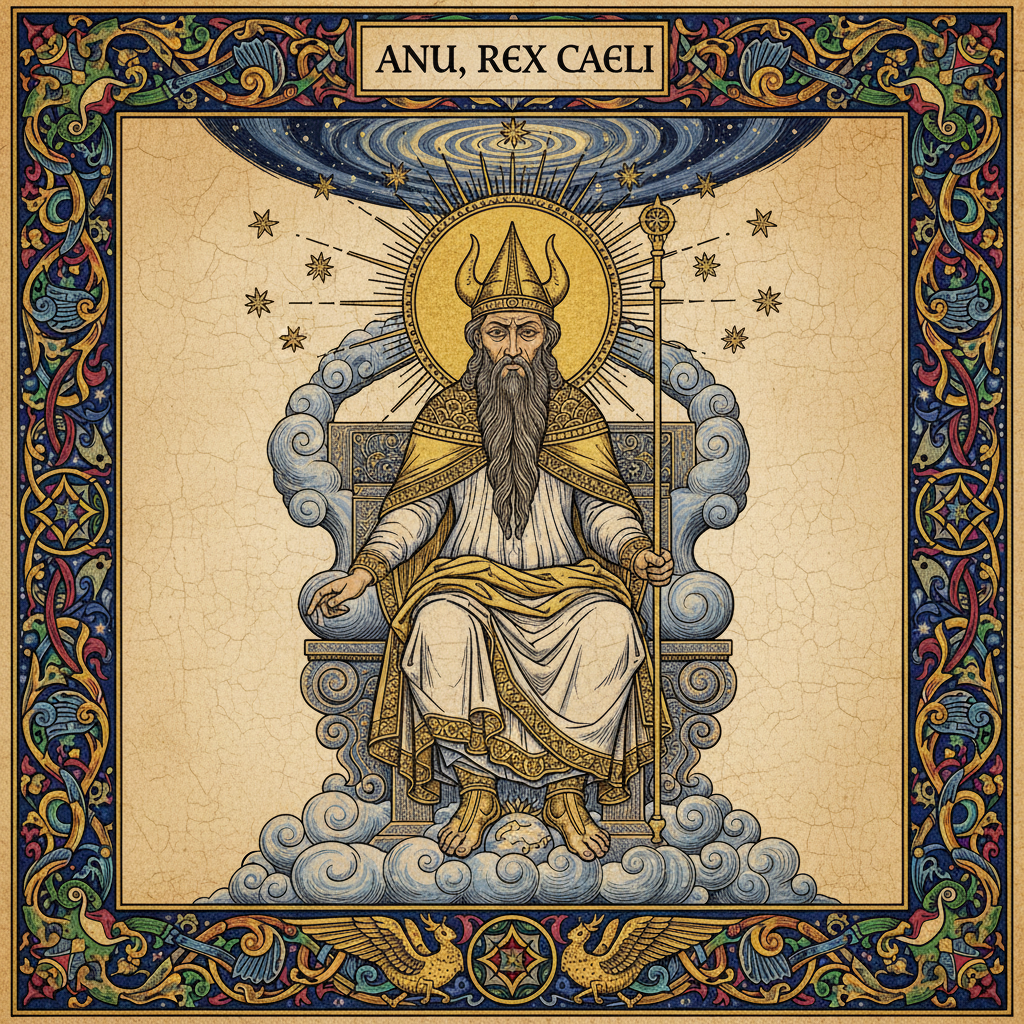
Akkadian Empire (~2334-2154 BCE): Sargon of Akkad conquers the Sumerian cities, forging the world’s first multi-ethnic empire. Akkadian (a Semitic language, ancestor to Hebrew and Arabic) becomes the lingua franca; Sumerian survives as temple Latin. The pantheon is renamed — Inanna becomes Ishtar, Enki becomes Ea, An becomes Anu — but the gods themselves remain.
Old Babylonian Period (~2000-1595 BCE): After drought and Amorite invasion collapse the Sumerian revival (Ur III), Babylon rises under Hammurabi (~1792-1750 BCE). His Code — 282 laws engraved on black diorite, presented as given by the sun-god Shamash (Code of Hammurabi) — is the oldest substantially preserved law code in history and a clear ancestor of Exodus and Deuteronomy’s legal sections. Around this period, the Epic of Gilgamesh crystallizes in writing in something near its standard form (Epic of Gilgamesh I-XII).
Assyrian Empire (~911-609 BCE): The Assyrians, militarized beyond anything the ancient world had known, build the largest empire yet. Ashurbanipal of Nineveh (~668-627 BCE) assembles the world’s first great library — and from those dug-up tablets we recover the Epic of Gilgamesh, the Enuma Elish (Library of Ashurbanipal), and most of what we know of Mesopotamian religion. The northern Israelite kingdom falls to Assyria in 722 BCE.
Neo-Babylonian Empire (626-539 BCE): Assyria collapses; Babylon rises. Nebuchadnezzar II sacks Jerusalem (586 BCE), burns the First Temple, and exiles Judah’s elite to Babylon — where they encounter Babylonian creation myths, flood narratives, and celestial theology. The Hebrew Bible’s final shape emerges from this collision.
Persian Conquest (539 BCE): Cyrus the Great takes Babylon without a fight. Temples stay functional, but power shifts to Persia, then to Greece (Alexander, 331 BCE), then to the Hellenistic Seleucids. The native priesthoods fade from patronage.
The Long Fade (~300 BCE - 100 CE): The last datable cuneiform tablet — an astronomical text from a Babylon temple — dates to 75 CE. By 100 BCE the religion as a living cult is gone. Temples crumble; language dies. For seventeen centuries, no one alive reads a single line of Mesopotamian myth.
Rediscovery (1840s onward): British, French, and German archaeologists dig up Nineveh, Babylon, Nimrud, Ur. In the 1850s Henry Rawlinson, Edward Hincks, and Jules Oppert decipher cuneiform from the trilingual Behistun inscription. In 1872 George Smith reads the Babylonian flood story aloud in London. The Victorian world learns Genesis 6-9 has a Bronze Age twin.
The hedge: the civilization died. The mythology lived on — through Hebrew texts (Genesis, Job, Daniel), Greek and Roman borrowing (Berossus’s Babyloniaca, circa 280 BCE), and finally the spade. What we read today is reconstructed, but the texts are real, the parallels unmistakable, and the downstream influence on every Mediterranean monotheism is vast.
Pivotal Events
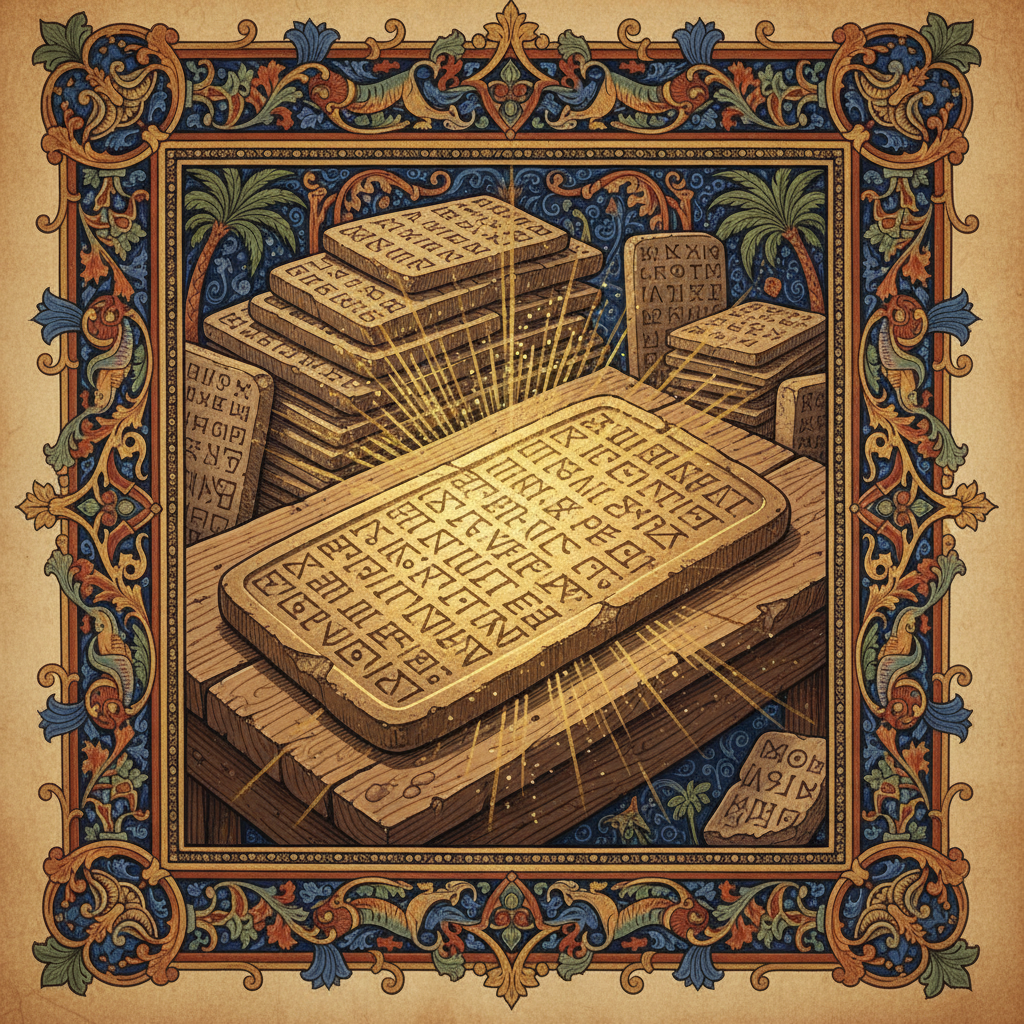
An unnamed scribe in Uruk presses a cut reed into wet clay — around 3200 BCE. Wedge-marks. The world’s first writing. The earliest tablets are ledgers: sheep counts, barley measures. But the technology spreads. Within centuries, cuneiform carries hymns, prayers, royal records, omens, math, love poems, epic verse. Mythology moves from the heads of priests to the durability of clay. Empires fall; inscribed words survive. Without cuneiform: no Gilgamesh, no Enuma Elish, no Code of Hammurabi, no Hebrew Bible as we know it. The history of recorded thought begins here.
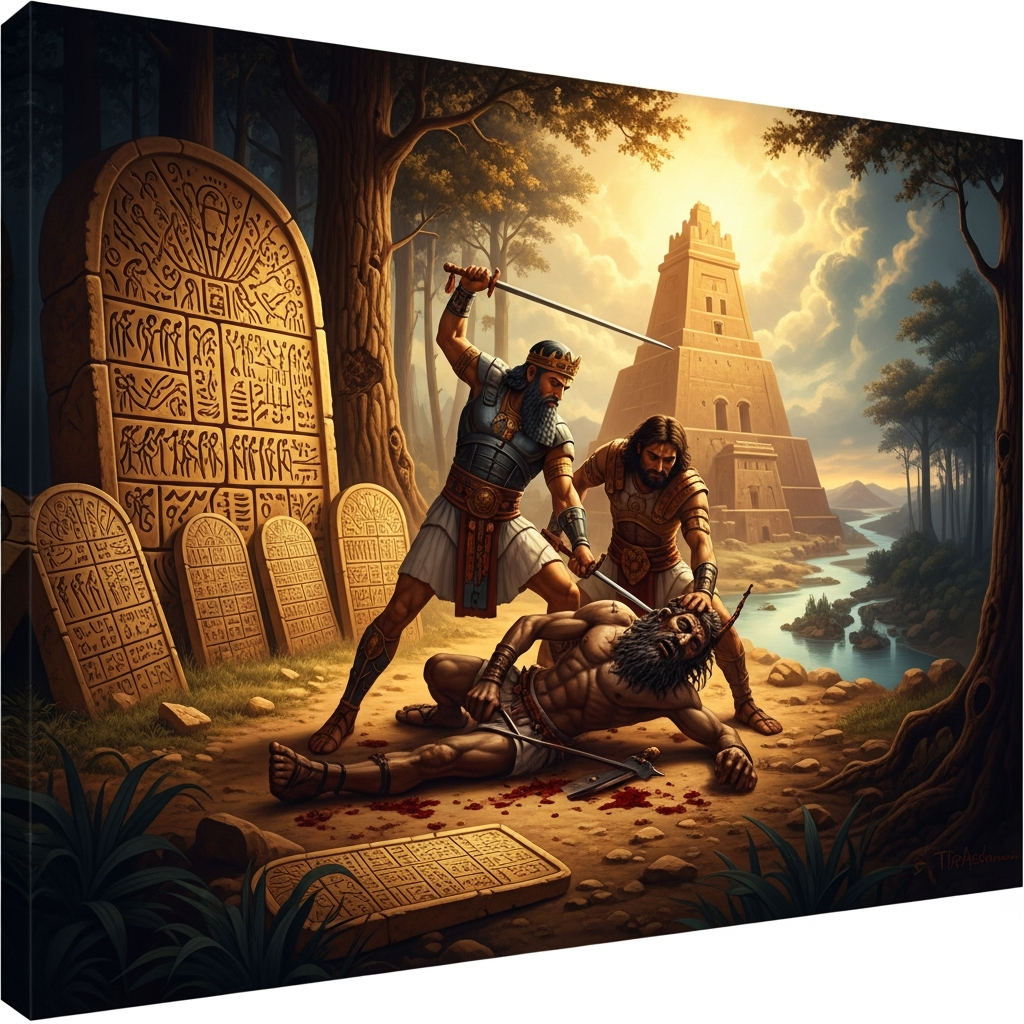
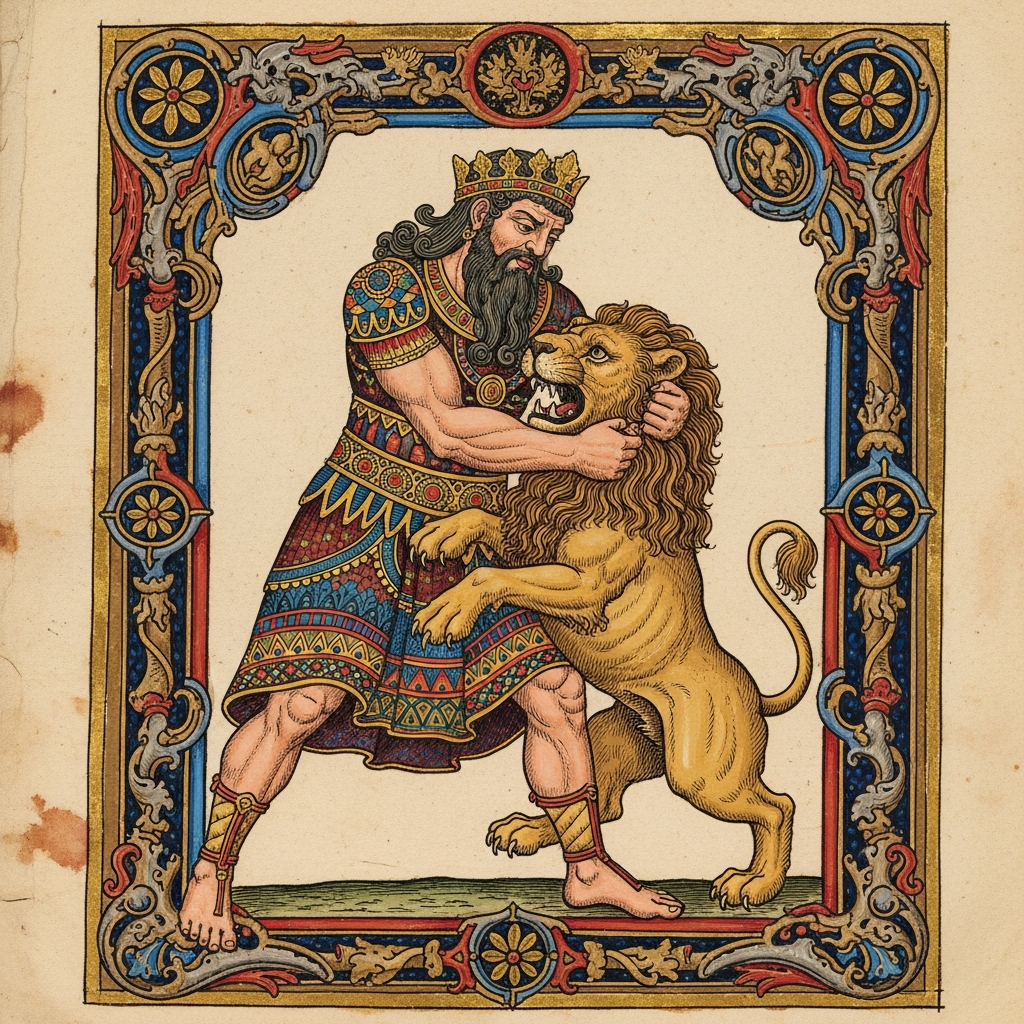
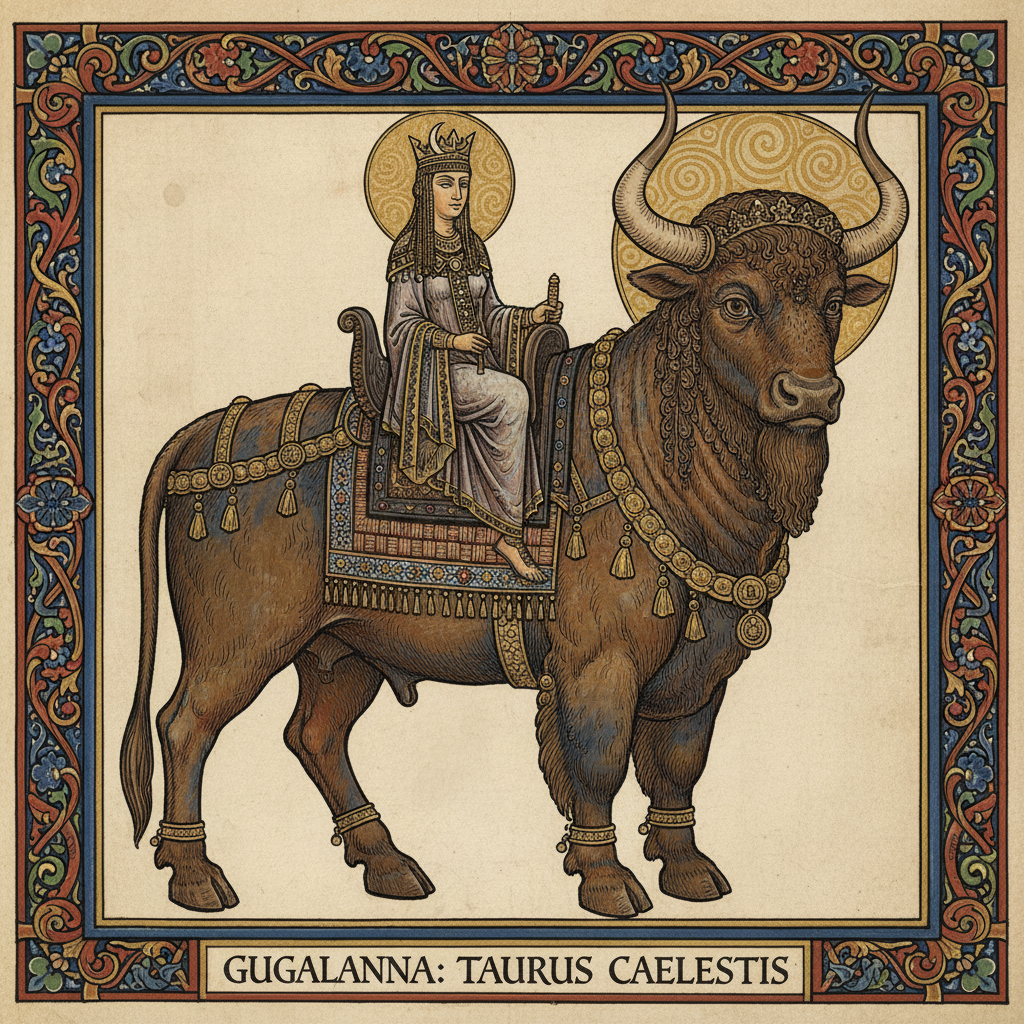
A king named Gilgamesh ruled Uruk around 2700 BCE — attested in the Sumerian King List and inscriptions. The myths accrued over the next thousand years: Sumerian poems by ~2100 BCE, the Old Babylonian Epic by ~1800 BCE, the standard Akkadian version fixed by the scribe Sin-leqi-unninni around 1300-1200 BCE. A two-thirds-divine king befriends the wild man Enkidu, slays Humbaba (Epic of Gilgamesh III-V), defeats the Bull of Heaven, watches Enkidu die, and quests for immortality — only to learn it cannot be his. This is the first epic in world literature. The questions it asks — mortality, friendship, the weight of kingship, what we leave behind — remain unimproved in four thousand years (Epic of Gilgamesh I-XII). Tablet XI is the text that ancestors Genesis 6-9’s flood account (Epic of Gilgamesh XI).
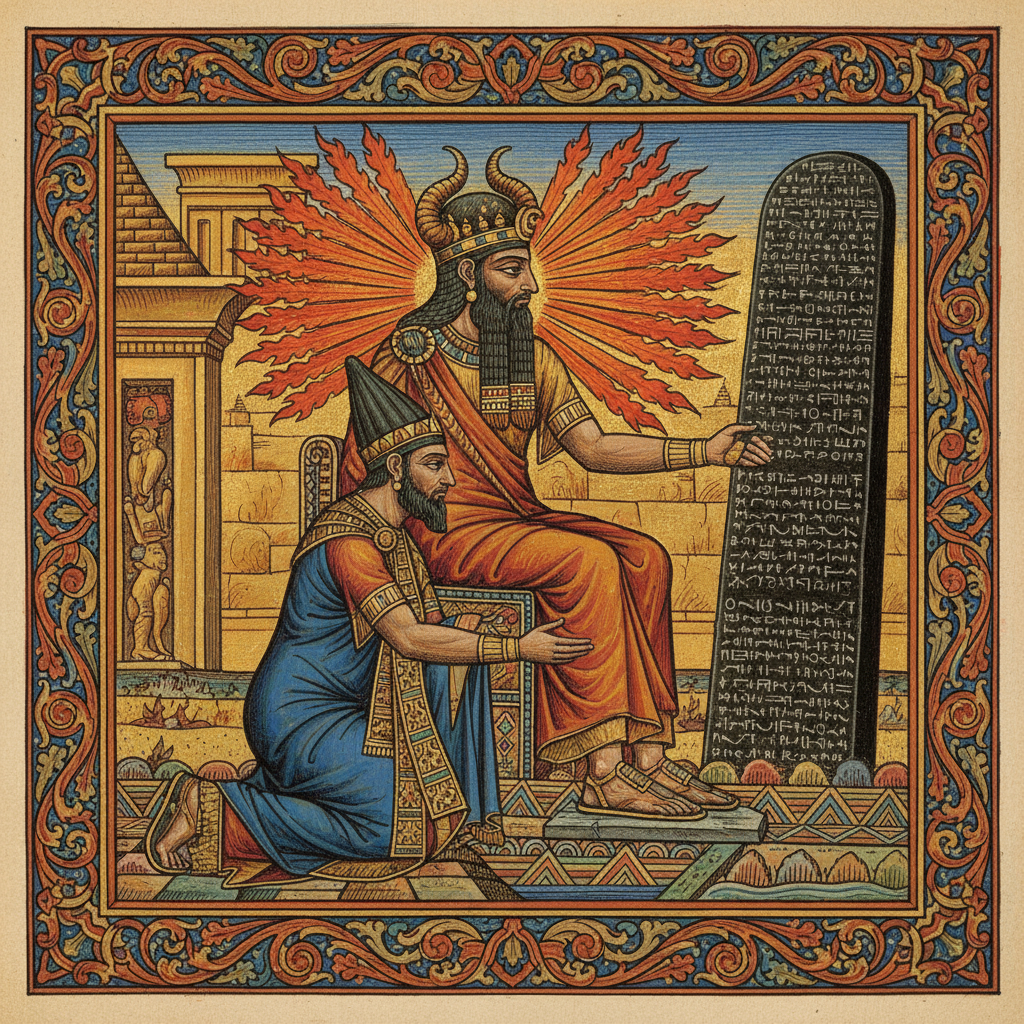
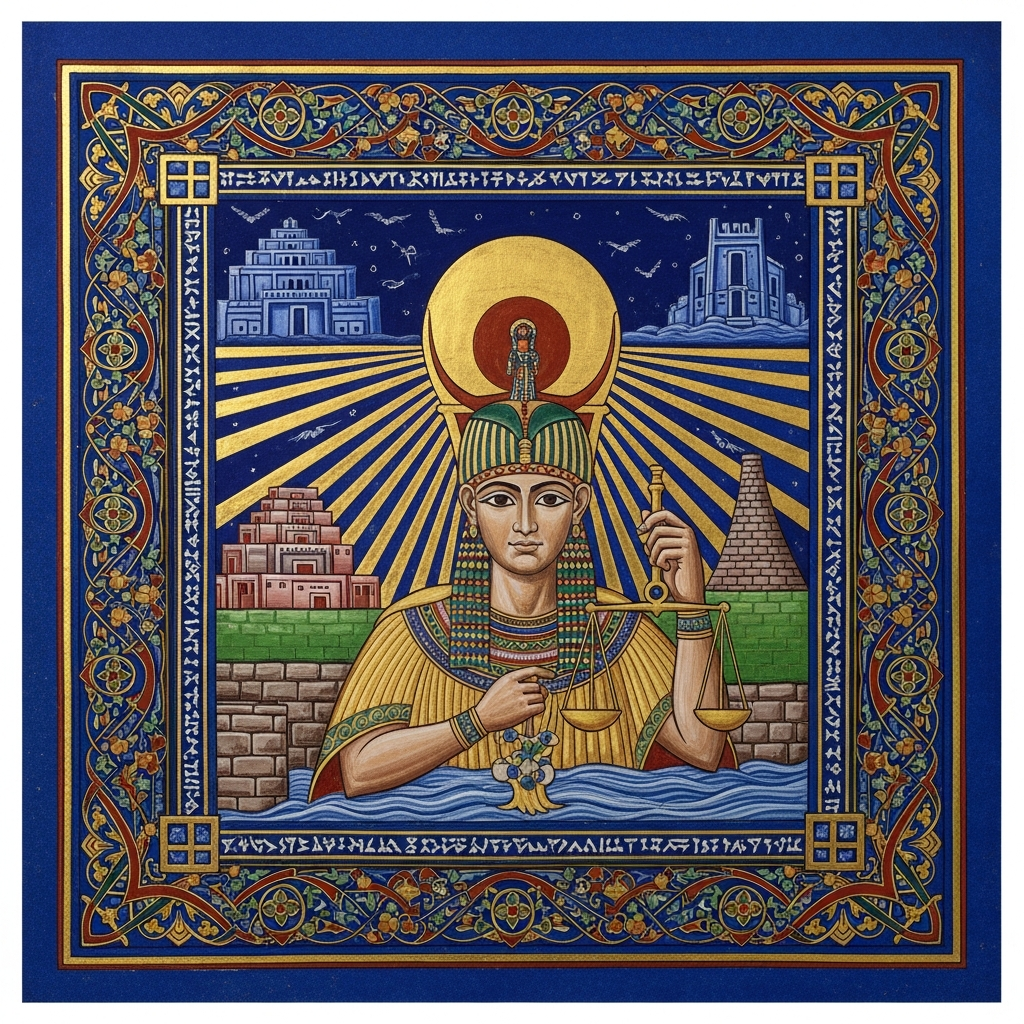
In the relief atop the Hammurabi stele, the king stands before the seated sun-god Shamash, who hands him the rod and ring of justice (Code of Hammurabi). The 282 laws below are framed as divinely given — not invented but received from the god of justice and the sun. The parallel to Moses on Sinai (roughly 500 years later, by traditional dating) is structural and unmistakable: a sole human lawgiver receives a binding legal code from the deity who governs right order. The Code’s “an eye for an eye, a tooth for a tooth” (Code of Hammurabi §196) appears nearly verbatim in Exodus 21:24 and Leviticus 24:20. This moment fuses divine authority with codified law — a fusion the Hebrew tradition will inherit and reshape (Code of Hammurabi, Exodus 20).
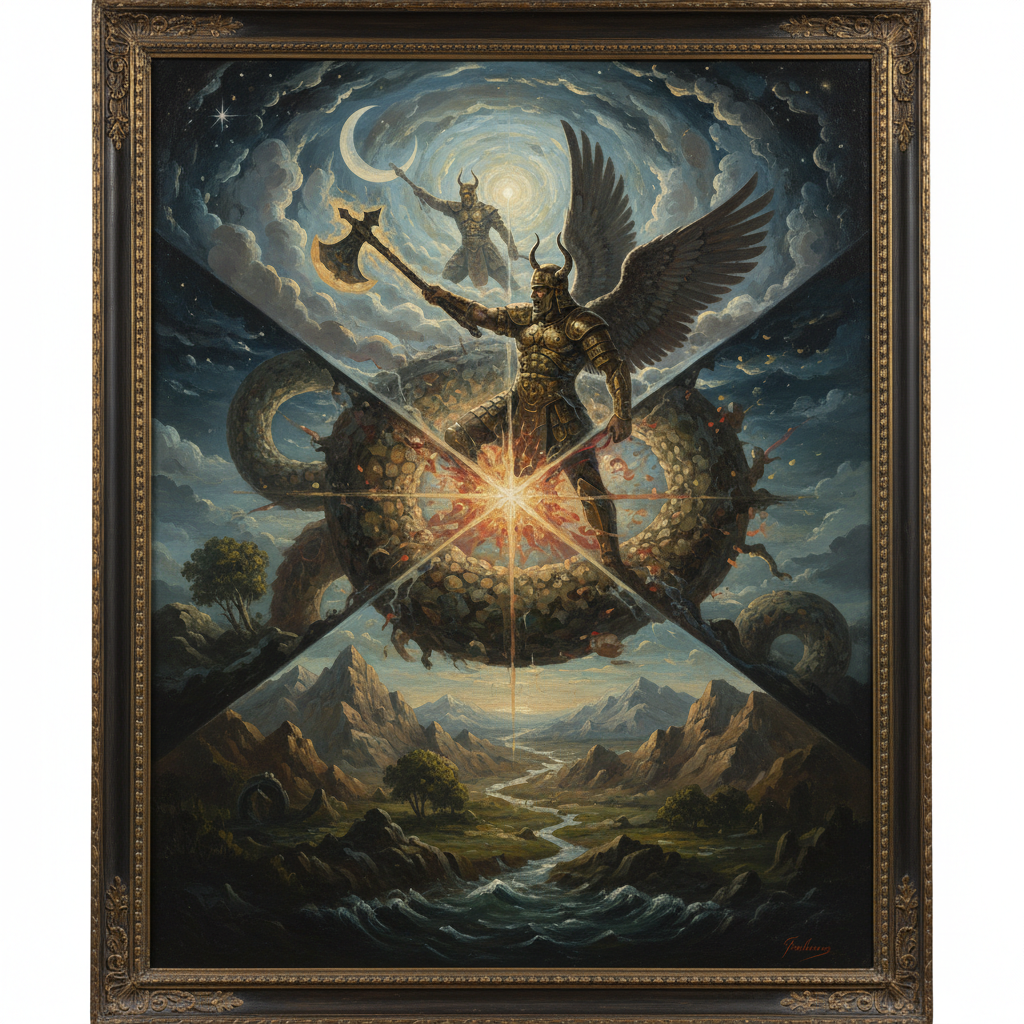
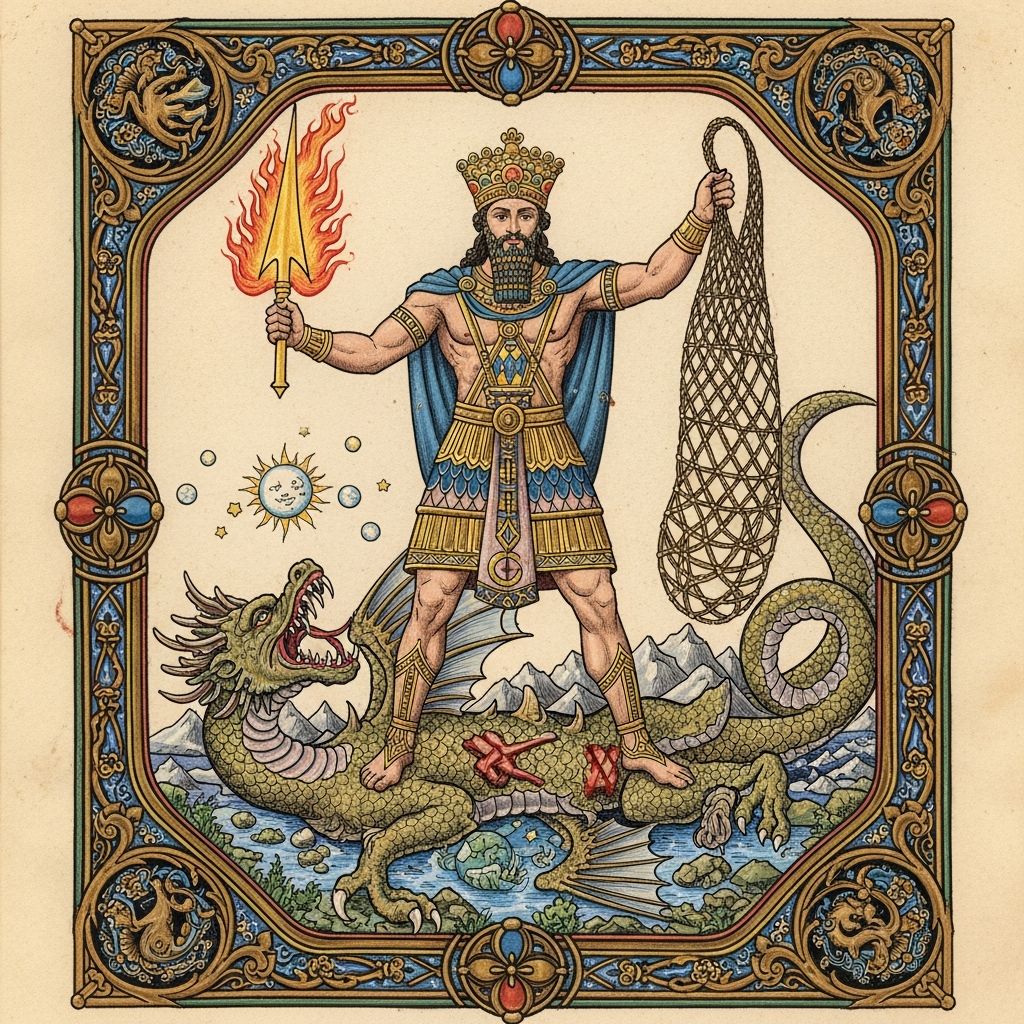
Every spring in Babylon, priests recite the Enuma Elish over eleven days during the Akitu New Year festival. The king’s authority is annually re-ratified by the cosmic story: Marduk slays Tiamat, the salt-sea chaos-mother, splits her corpse into heaven and earth, is crowned king of the gods. This is not entertainment. It is ritual reactivation of cosmos over chaos — a yearly rebooting of the order holding the world together. When Hebrew exiles in Babylon (~586-538 BCE) hear tehom (the deep) from priestly lips, they hear Tiamat — the same word, the same sea-chaos, stripped of myth in Genesis 1:2 (Enuma Elish IV; Descent of Inanna) to a passive surface over which God’s spirit moves. The Akitu festival embedded “God orders chaos at creation” into religious practice for centuries before the Bible took form (Enuma Elish).
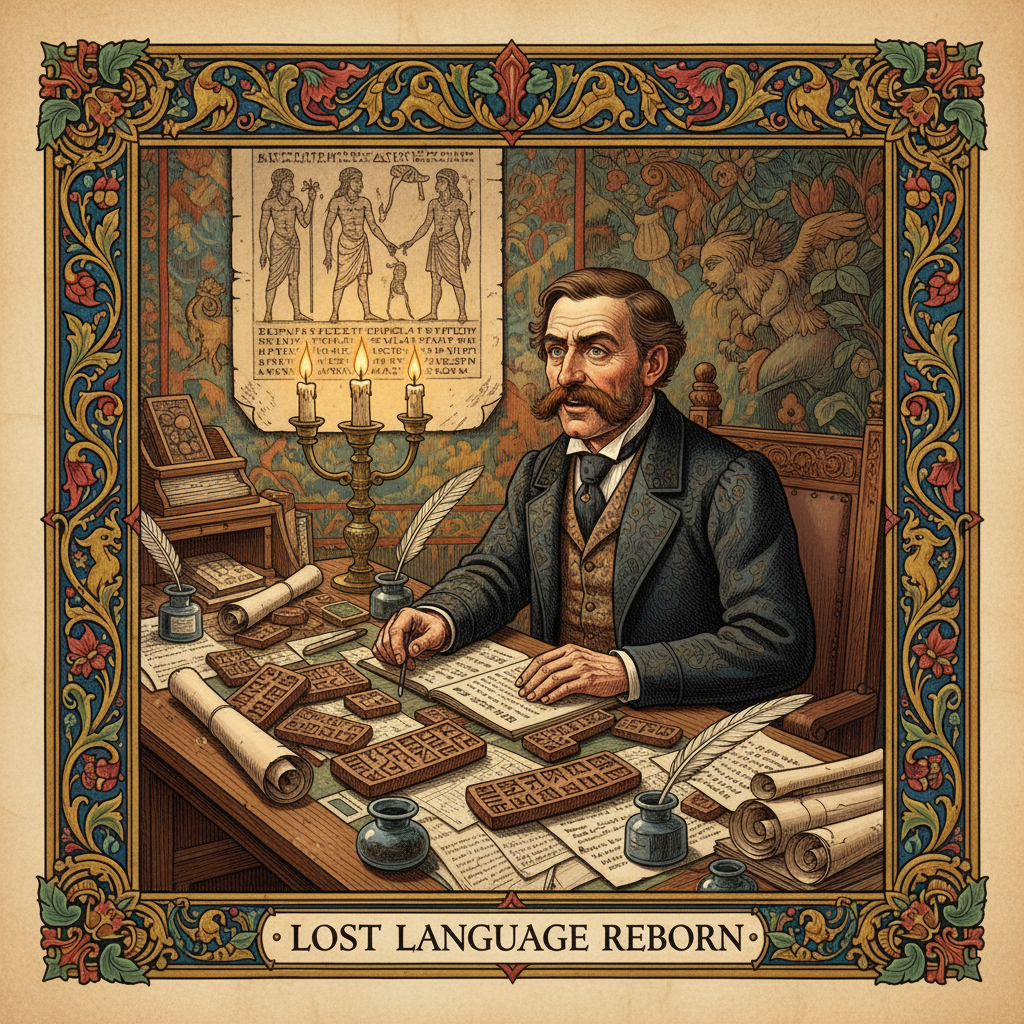
For seventeen centuries cuneiform was unreadable. Script vanishes; languages die; thousands of tablets lie buried across Iraq with no one alive to read hymn from tax ledger. The breakthrough came in the 1840s-1850s through Henry Rawlinson (who copied, at risk, the trilingual Behistun inscription from a cliff face in Persia), Edward Hincks (who cracked the script’s structure), and Jules Oppert (who proved Akkadian was Semitic). In 1857 the Royal Asiatic Society administered a test: four scholars independently translated a sealed Akkadian text. Their translations matched. Mesopotamian literature was officially readable again. Fifteen years later, George Smith published the Babylonian flood story (1872). Biblical studies changed forever — the Hebrew Bible was no longer the oldest text in the world.
Timeline
| Era | Date | Event | Source |
|---|
| Ubaid Period | ~5500-4000 BCE | Earliest temples and irrigation in southern Mesopotamia | archaeology |
| Uruk Period | ~4000-3100 BCE | First true cities; Uruk dominant | archaeology |
| Cuneiform Invented | ~3200 BCE | First writing system, Uruk temple bookkeeping | proto-cuneiform tablets |
| Early Dynastic | ~2900-2334 BCE | Sumerian city-state era; Gilgamesh of Uruk (~2700 BCE) | Sumerian King List |
| Akkadian Empire | ~2334-2154 BCE | Sargon of Akkad unifies Mesopotamia | Akkadian inscriptions |
| Ur III (Sumerian Revival) | ~2112-2004 BCE | Last great Sumerian dynasty; ziggurat of Ur | Ur III tablets |
| Old Babylonian | ~2000-1595 BCE | Hammurabi (~1792-1750 BCE); Code; Old Babylonian Gilgamesh | Code stele; Mari archives |
| Code of Hammurabi | ~1754 BCE | 282 laws received from Shamash | diorite stele, Louvre |
| Hittite Sack of Babylon | 1595 BCE | Babylon falls to Hittite raid; Kassite era begins | Hittite annals |
| Standard Gilgamesh | ~1300-1200 BCE | Sin-leqi-unninni redacts the standard 12-tablet epic | Nineveh tablets |
| Middle Assyrian Period | ~1365-1056 BCE | Rise of Assyrian power | Assyrian annals |
| Neo-Assyrian Empire | 911-609 BCE | Largest empire to date; Nineveh capital | royal inscriptions |
| Fall of Israel | 722 BCE | Sargon II destroys the northern Israelite kingdom | 2 Kings 17; Assyrian records |
| Library of Ashurbanipal | ~650 BCE | First systematic library; preserves Gilgamesh, Enuma Elish | British Museum tablets |
| Fall of Nineveh | 612 BCE | Babylonians and Medes destroy Assyrian capital | Babylonian Chronicle |
| Neo-Babylonian Empire | 626-539 BCE | Nebuchadnezzar II’s reign 605-562 BCE | Babylonian Chronicle |
| Destruction of Jerusalem | 586 BCE | First Temple burned; Judeans exiled to Babylon | 2 Kings 25; Jeremiah |
| Persian Conquest | 539 BCE | Cyrus takes Babylon; releases the Jewish exiles | Cyrus Cylinder; Ezra 1 |
| Hellenistic Period | 331-141 BCE | Alexander conquers; Seleucid rule follows | Greek sources |
| Berossus | ~280 BCE | Babylonian priest writes Babyloniaca in Greek | fragments via Josephus |
| Last Cuneiform Tablet | 75 CE | Astronomical almanac, Babylon temple | British Museum |
| Religion Effectively Extinct | ~100-200 CE | Native cult fades; temples abandoned | absence of evidence |
| Cuneiform Forgotten | ~200-1800 CE | No living reader for ~17 centuries | (silence) |
| Decipherment Begins | 1802-1857 | Grotefend, Rawlinson, Hincks, Oppert crack the script | Royal Asiatic Society |
| Smith Reads the Flood | 1872 | Babylonian flood tablet identified at British Museum | The Chaldean Account of Genesis |
| Modern Iraq | 1920-Present | Excavations continue; tablets still being translated | CDLI, ORACC |
A Note on Enheduanna: The World’s First Known Author
Enheduanna, daughter of Sargon of Akkad and high priestess of the moon god Nanna at Ur, stands as a unique figure in world history. Around 2285 BCE, approximately 4,300 years ago, she signed her name to her own poems — the first known instance of an author claiming authorship by name. This was roughly 1,500 years before Homer, 1,000 years before the earliest biblical texts, and over 1,000 years before Confucius.
What makes her extraordinary is not merely that she wrote, but that she theologized. Her temple hymns systematically reorganized Mesopotamian religion, elevating the goddess Inanna from a regional deity to the supreme divine feminine. Her Exaltation of Inanna is the first text in recorded history where a named individual says “I” and describes personal suffering (“My beautiful mouth knows only confusion. Even my sex is dust”), personal exile, and passionate devotion to a god. She invented the form of personal devotional poetry that later biblical women would inherit: Miriam singing at the Red Sea, Deborah composing her victory song, Hannah praying at the temple, Mary singing the Magnificat.
Enheduanna is evidence of a principle both liberating and troubling: in the ancient world, women’s voices existed in the sanctuary before they existed in the public sphere. The high priestess could theologize, compose, and sign her name when ordinary women could not. But she could. And 4,300 years later, we still read her words.
Sources & Further Reading
Primary Texts & Reference Corpora:
- ETCSL (Electronic Text Corpus of Sumerian Literature): The primary digital repository of Sumerian and Akkadian texts in translation
- Sumerian King List: Cuneiform chronology and historical attestation of early Mesopotamian rulers
- Code of Hammurabi (Louvre stele, 18th century BCE)
- Epic of Gilgamesh (Standard Babylonian version, 12 tablets, 2nd-1st millennium BCE)
- Enuma Elish (Babylonian creation epic, recitation at Akitu New Year festival)
- Atrahasis (Old Babylonian flood epic)
- Descent of Inanna / Inanna’s Descent to the Underworld (Sumerian myth)
- Eridu Genesis (Sumerian creation and flood narrative)
- Adapa myth (Kassite period)
- Legend of Etana (Old Babylonian and Standard versions)
- Nergal and Ereshkigal (Underworld narrative)
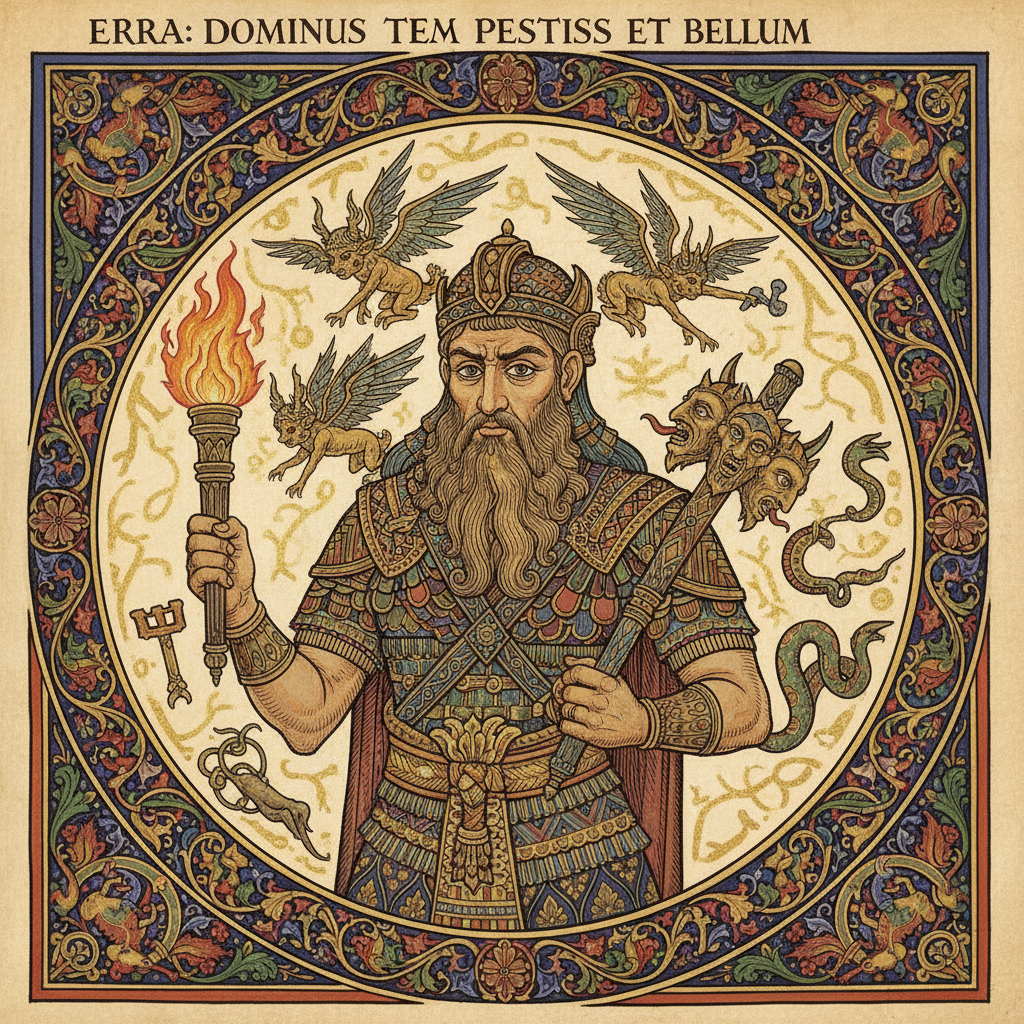
- Erra Epic (Babylonian, describes plague and destruction)
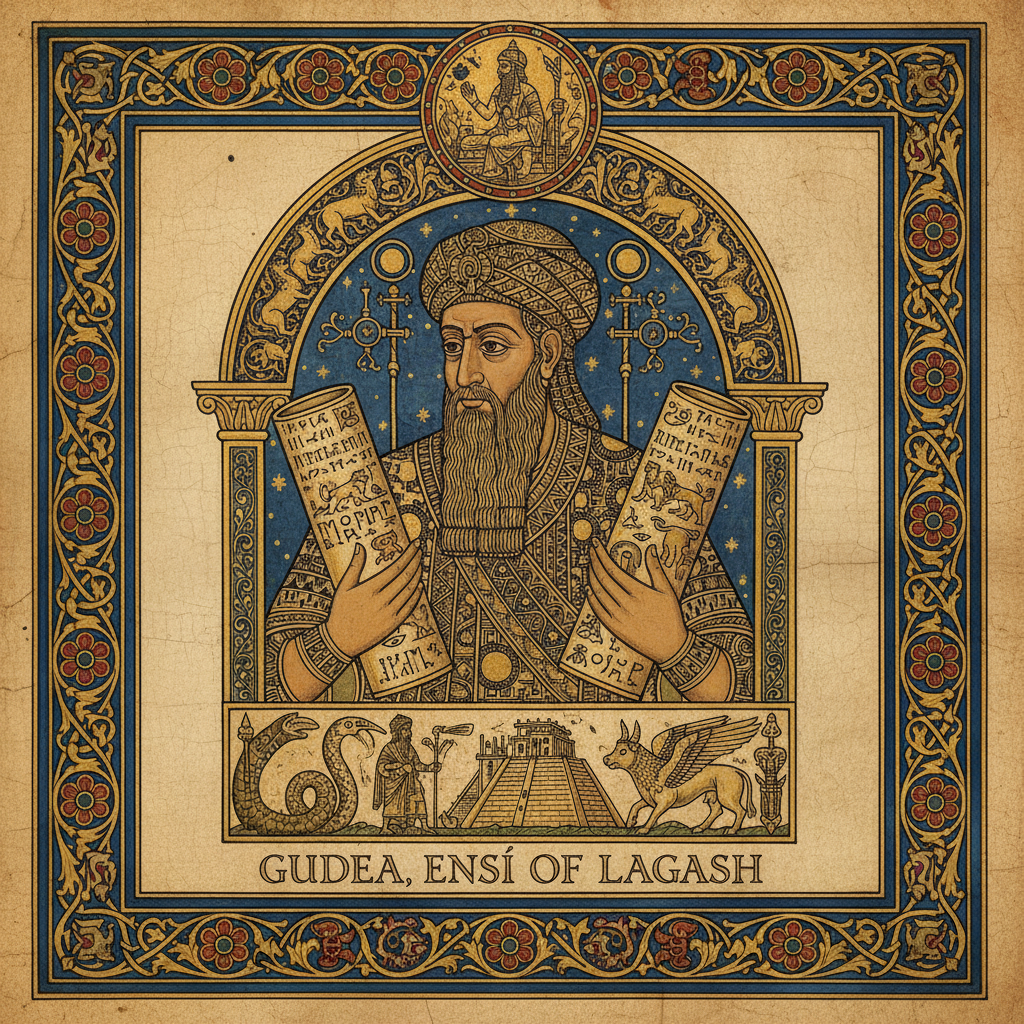
- Gudea Cylinders A and B (Lagash, ca. 2144-2124 BCE)
- Instructions of Shuruppak (Wisdom text, ca. 2600 BCE)
- Lugal-e (Ninurta epic, demon-slaying narrative)
- The Exaltation of Inanna (Personal devotional poetry of Enheduanna)
- Temple Hymns (attributed to Enheduanna)
- Ur III administrative texts and Shulgi Hymns
Modern Scholarship:
- Samuel Noah Kramer, Sumerian Mythology (1944) and The Sumerians (1963) — Foundational works establishing Mesopotamian literary traditions as world’s oldest
- Stephanie Dalley, Myths from Mesopotamia (Oxford University Press, 1989) — The most comprehensive single-volume source for Mesopotamian epics in modern English translation
- Thorkild Jacobsen, The Treasures of Darkness (Yale University Press, 1976) — Essential theological and philosophical analysis of Mesopotamian religion
- Benjamin Foster, Before the Muses (CDL Press, 3rd ed. 2005) — Authoritative source for Sumerian and Babylonian literature with extensive scholarly apparatus
- Andrew George, The Babylonian Gilgamesh Epic (Oxford University Press, 2003) — Definitive critical edition and translation
- Betty De Shong Meador, Inanna, Lady of Largest Heart: Poems of the Sumerian High Priestess Enheduanna — The definitive scholarly work on Enheduanna’s life, poetry, and theological innovations
- Dietz Otto Edzard, Gudea and His Dynasty — The standard reference for the Gudea cylinders and Third Dynasty of Ur
- Marc Van De Mieroop, A History of the Ancient Near East ca. 3000-323 BCE (3rd ed., 2015) — Essential for historical context and chronology
- Luigi Cagni, The Poem of Erra (Malibu: Undena Publications, 1977) — Specialist monograph on the Erra epic with textual commentary
| Mesopotamian | Biblical Parallel | Connection |
|---|
| Tiamat | Leviathan / “the deep” (tehom) | Same linguistic root; chaos-sea-monster defeated by the creator god |
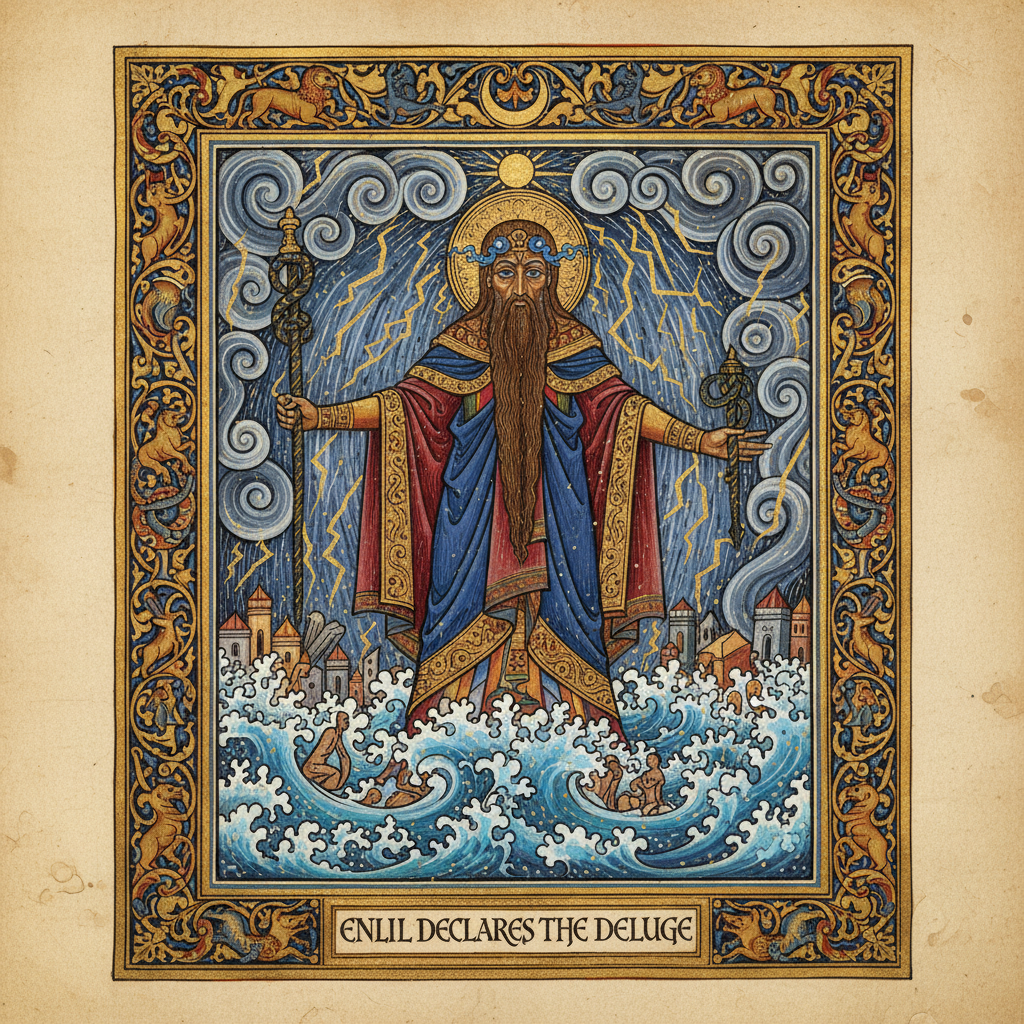
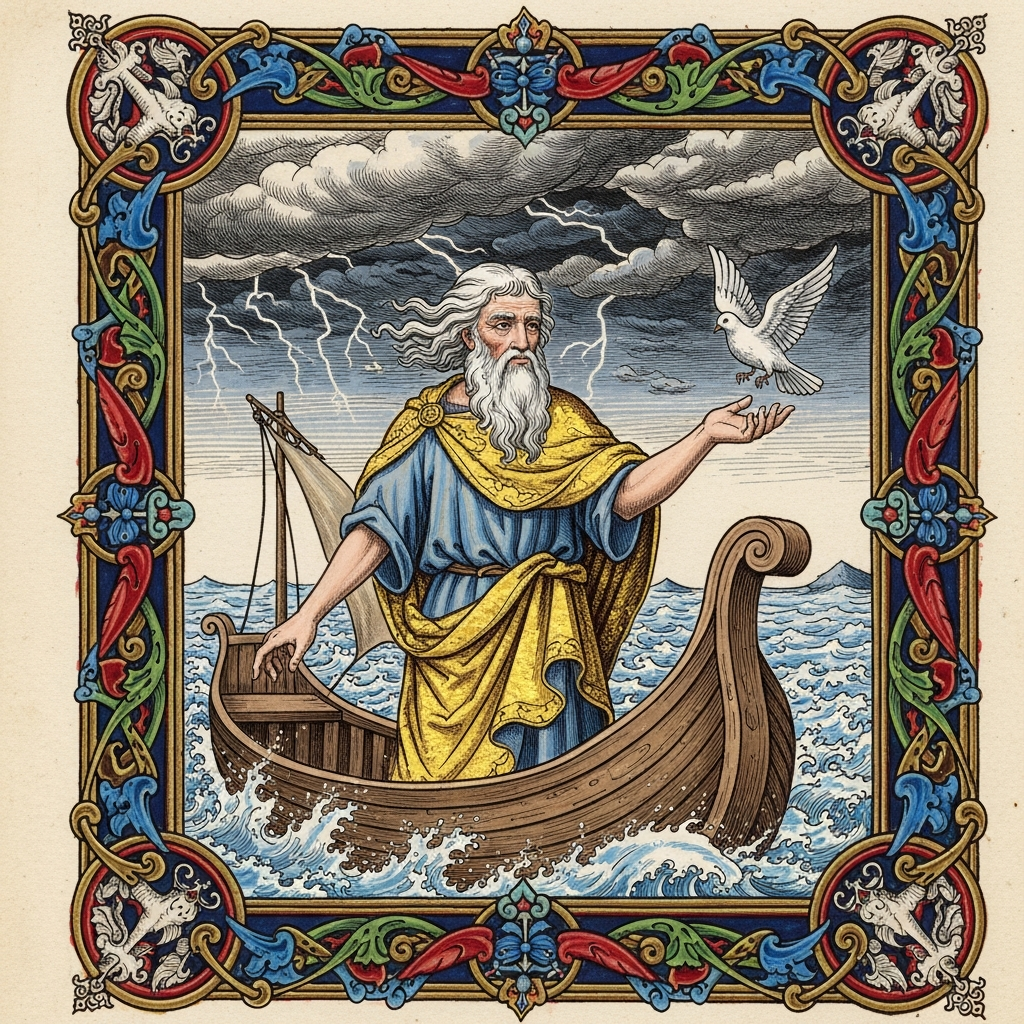
| Enlil sends the Flood | YHWH sends the Flood | Nearly identical narrative structure; both angry at humanity |
| Utnapishtim | Noah | Warned by a god, builds a boat, loads animals, sends birds, offers sacrifice after |
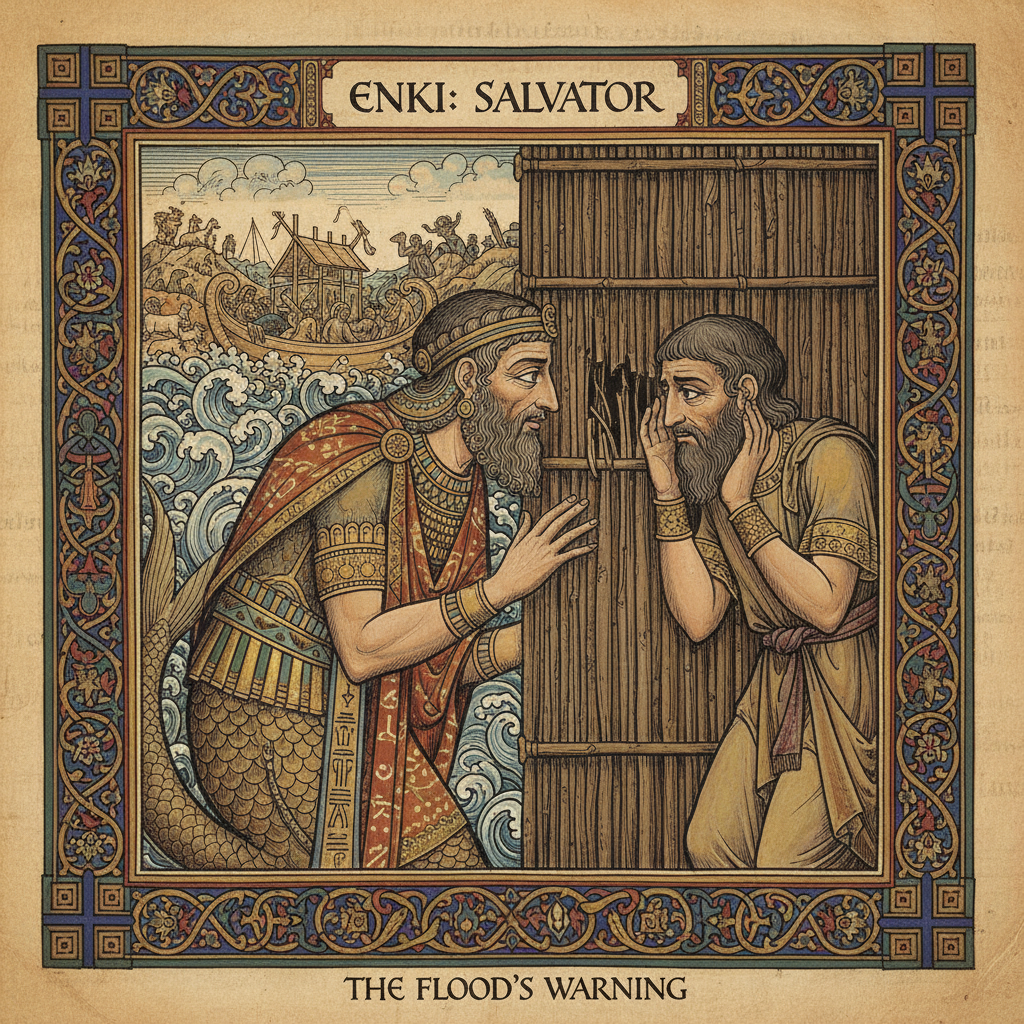
| Enki warns Utnapishtim | God warns Noah | Wisdom deity circumvents the destruction to save one righteous family |
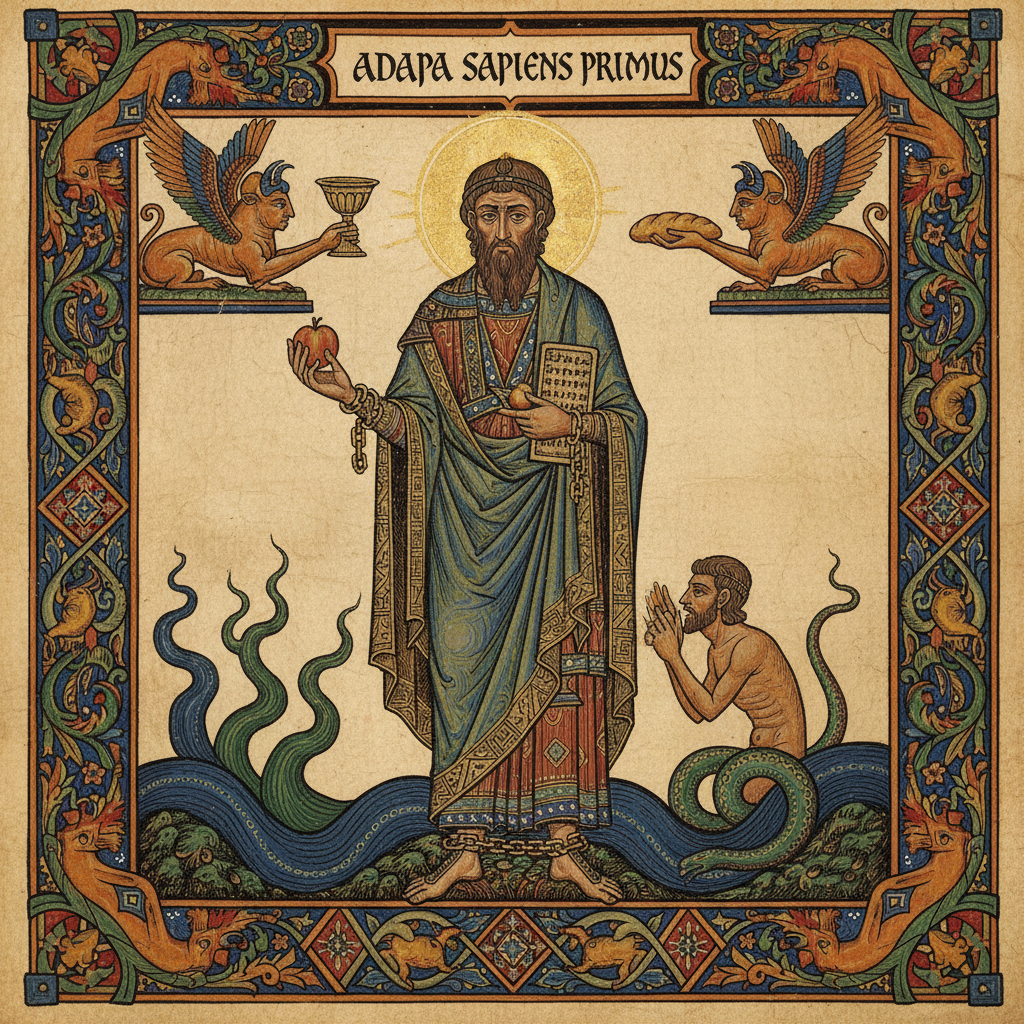
| Adapa refuses immortality | Adam loses immortality | Both tricked/deceived out of eternal life through the interplay of knowledge and obedience |
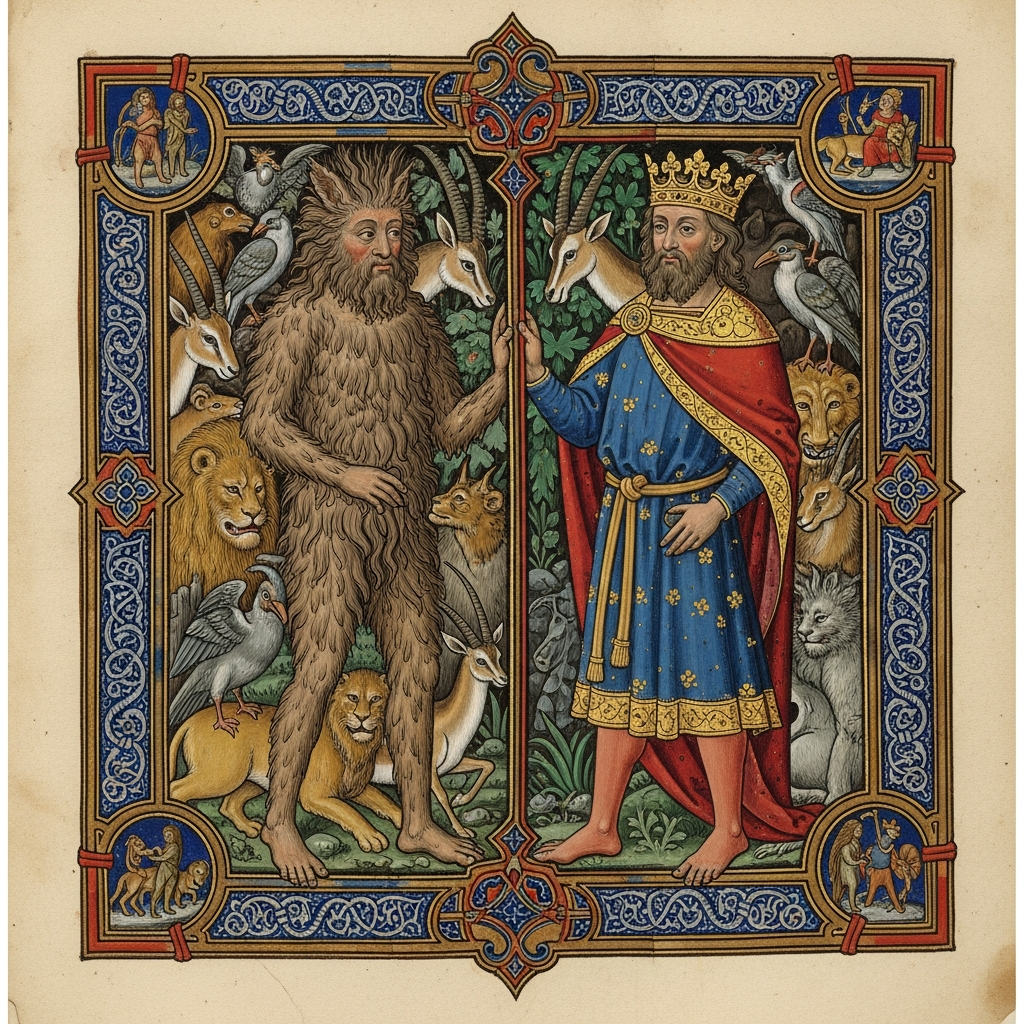
| Enkidu created from clay | Adam created from dust | Natural/wild man shaped by divine hands, loses innocence through a woman and knowledge |
| Ishtar’s descent and return | Christ’s descent to hell and resurrection | Death, three days, underworld, return to life |
| Humbaba guards Cedar Forest | Cherubim guard Eden | Divinely appointed guardian at the entrance to a sacred/paradisiacal space |
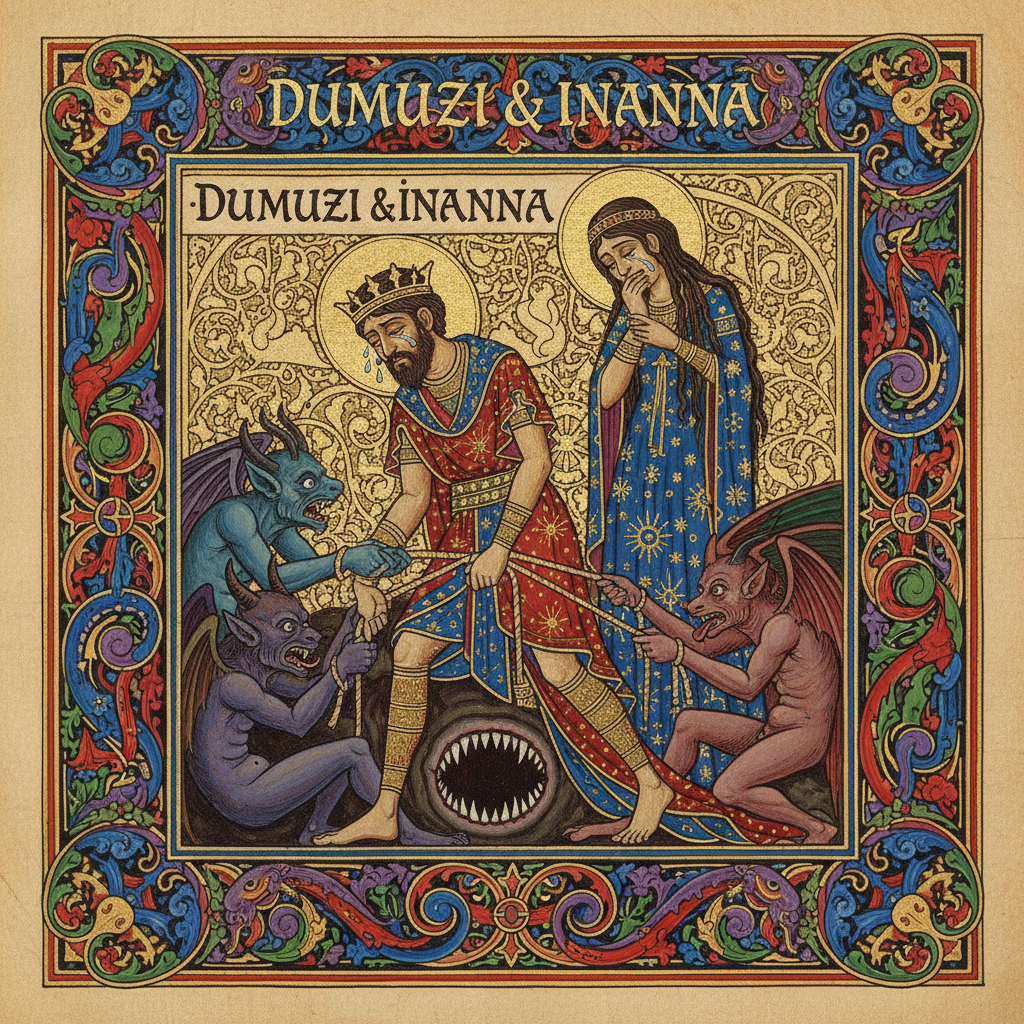
| Dumuzi/Tammuz | Ezekiel 8:14 | Women weeping for Tammuz at the Temple — the dying god cult reaching Jerusalem |
| Gilgamesh (2/3 divine) | Nephilim (angel/human hybrid) | Demigod heroes of the ancient world: mighty, famous, and doomed |
| Seven Udug | Seven demons of Mary Magdalene | Groups of seven evil spirits as a recurring motif |
| Marduk splits Tiamat | God divides the waters (Gen 1:6-7) | Creation through splitting primordial waters into heaven and earth |
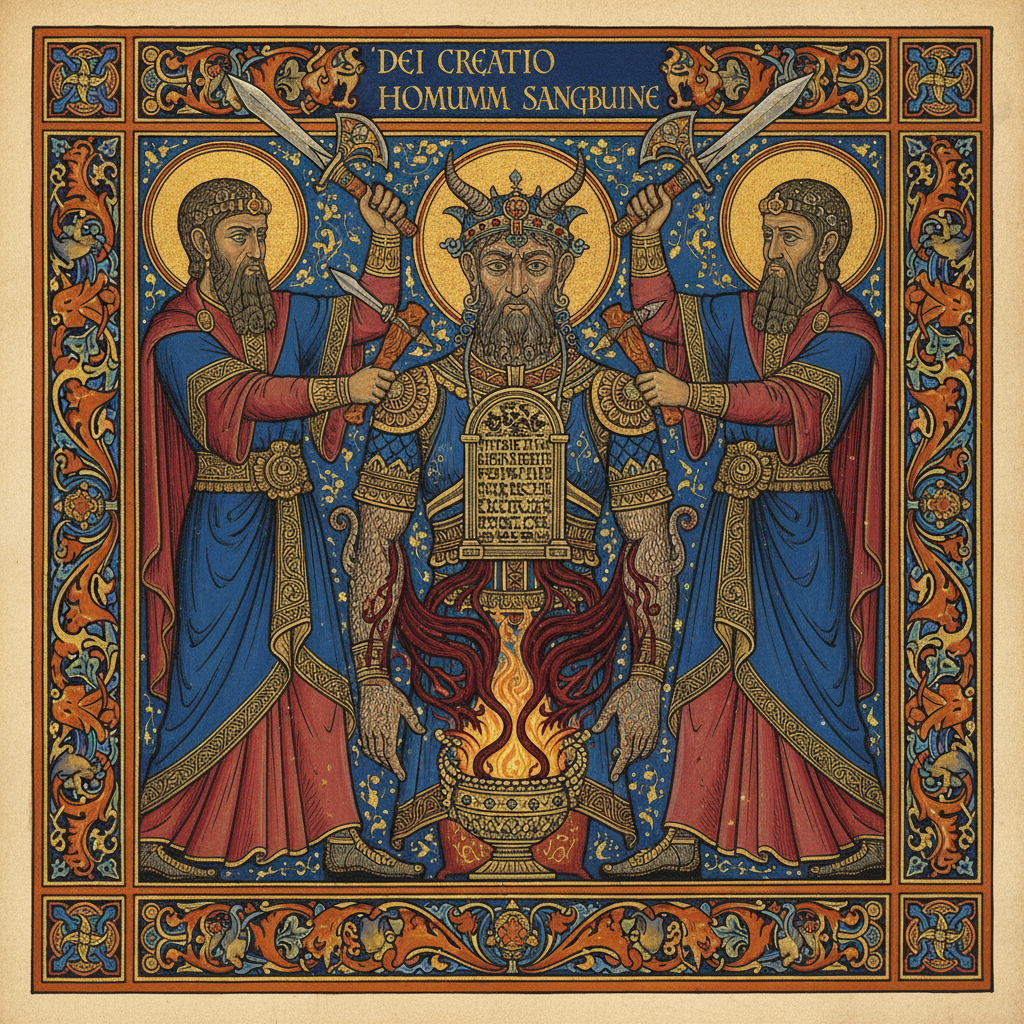
| Kingu’s blood creates humanity | God breathes life into Adam | Humanity made from divine substance (blood / breath) |
| Ereshkigal’s underworld | Sheol | Grey, silent, inescapable realm of the dead — not punishment, just finality |
| Nergal (plague/death god) | Angel of Death | Destroyer figure: plague, mass death, divine wrath given a face |
| Ishtar / “Queen of Heaven” | Jeremiah 7:18 condemnation | Israelite women worshipping the Queen of Heaven — Ishtar by title |
| The Galla drag souls below | Harrowing of Hell / inescapability of Sheol | Relentless underworld agents from whom none escape |
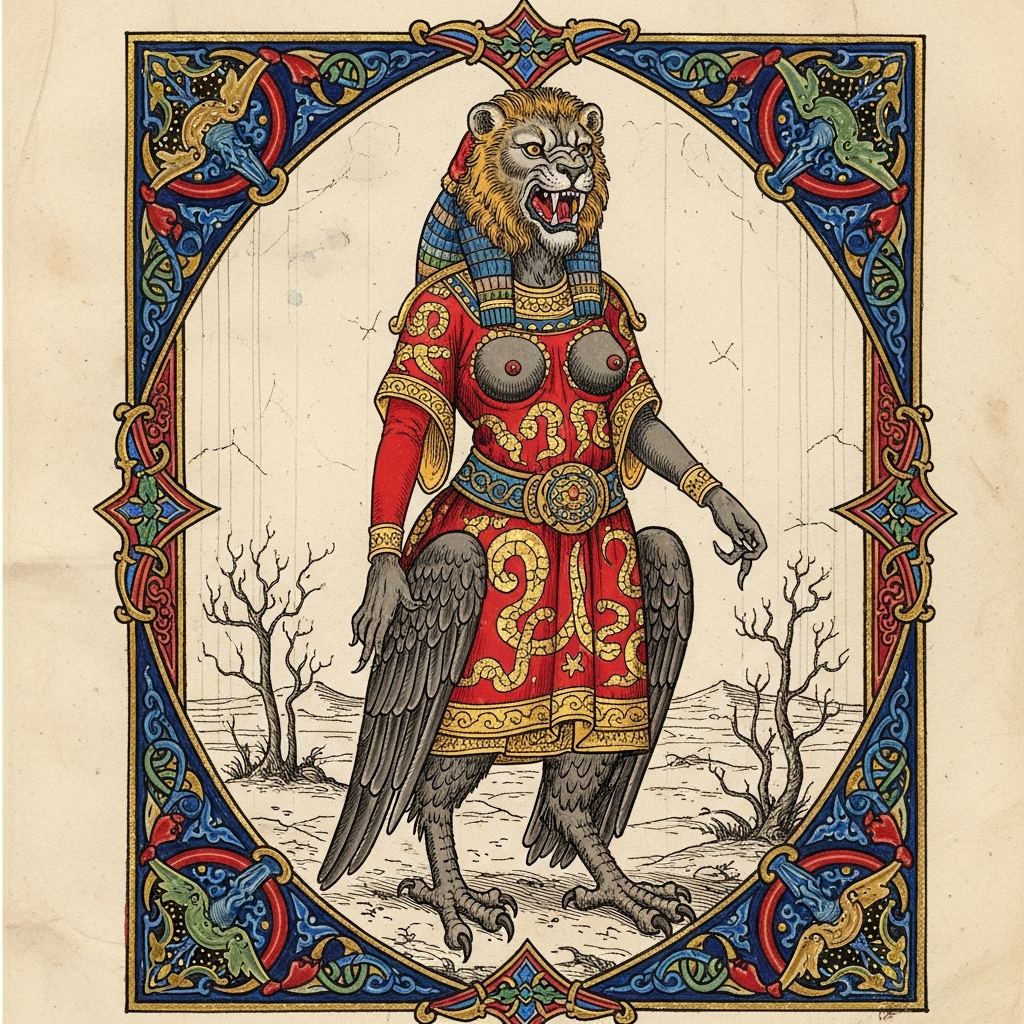
| Lamashtu | Lilith | Female demon preying on infants and pregnant women; night terror figure |
| Serpent steals Gilgamesh’s plant | Serpent in Eden | Serpent robs humanity of immortality in both traditions |
| Enheduanna’s hymns | Miriam, Deborah, Hannah, Mary | First named author in history; invented the tradition of personal devotional poetry that biblical women continue |
| Instructions of Shuruppak | Proverbs, Ecclesiastes, Ten Commandments | Oldest wisdom text (~2600 BCE) — same genre, structure, and specific ethical commands 1,500 years before Proverbs |
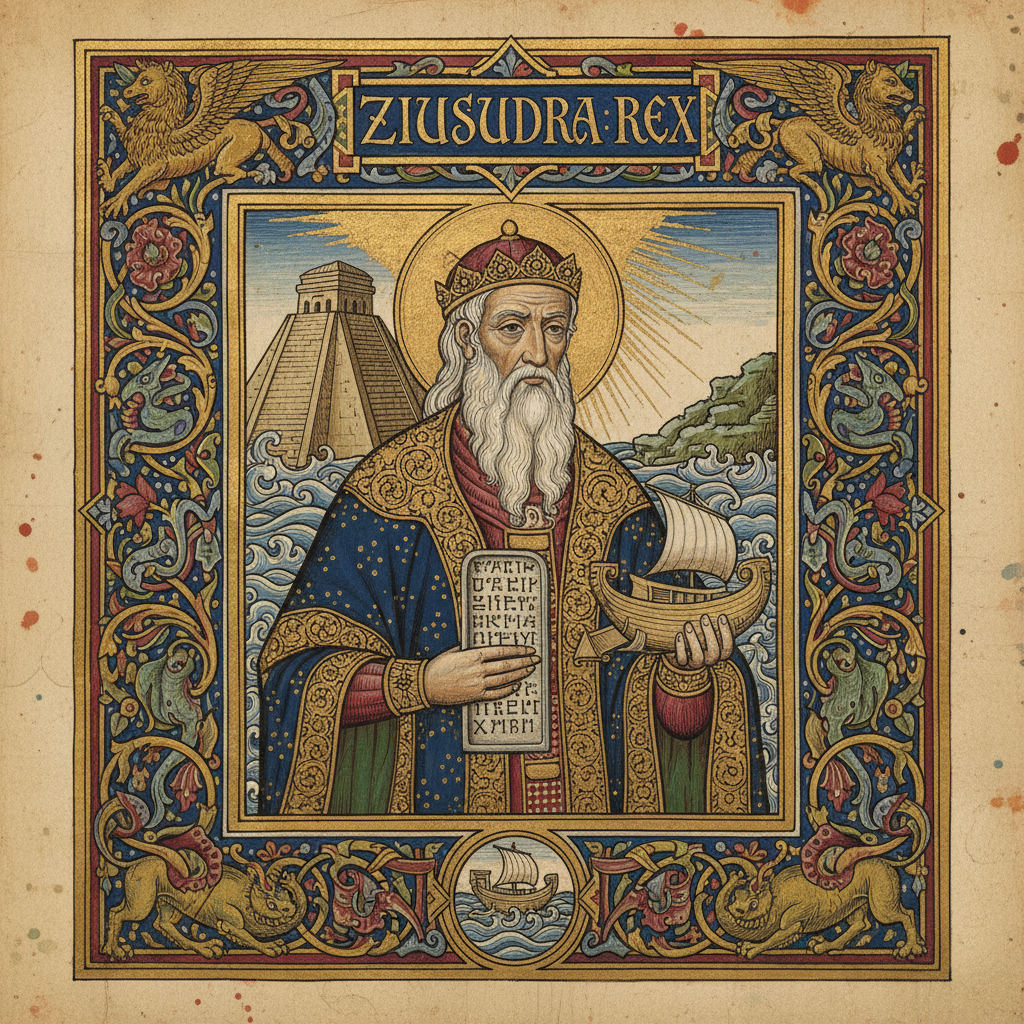
| Ziusudra | Noah (earliest form) | First link in the flood survivor chain: Ziusudra → Atrahasis → Utnapishtim → Noah |
| Atrahasis (flood motivation) | Genesis 6:5 (moral wickedness) | Atrahasis: gods sent the Flood because of noise. Genesis: God sent the Flood because of sin. Same story, radically different theology |
| Shulgi’s self-deification | Anti-kingship theology (1 Sam 15, Acts 12) | Living king as god was the Mesopotamian norm; the Bible was written to reject it |
| Erra destroys Babylon | Angel of Death / Job’s theodicy | Destruction without divine authorization; the theological problem of unjust suffering |
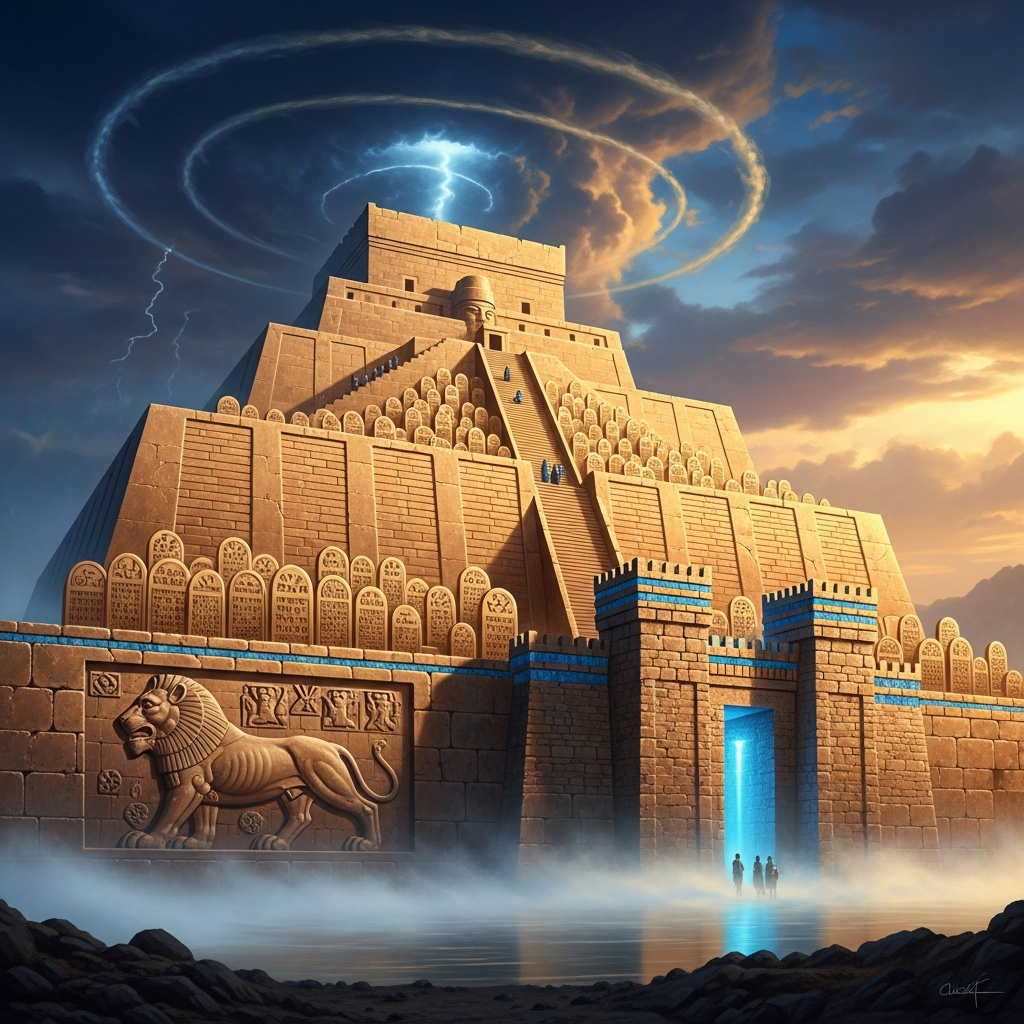
| Etana’s flight to heaven | Tower of Babel (Gen 11:1-9), Icarus | The oldest “failed flight to heaven” — mortal ambition punished by the gods |
| Gudea Cylinders | Solomon’s Temple, Moses’ Tabernacle | God as architect, king as builder — divinely dictated temple construction 1,000 years before Solomon |
 LEGENDARY
  MYTHIC
  LEGENDARY
  RARE
RARE 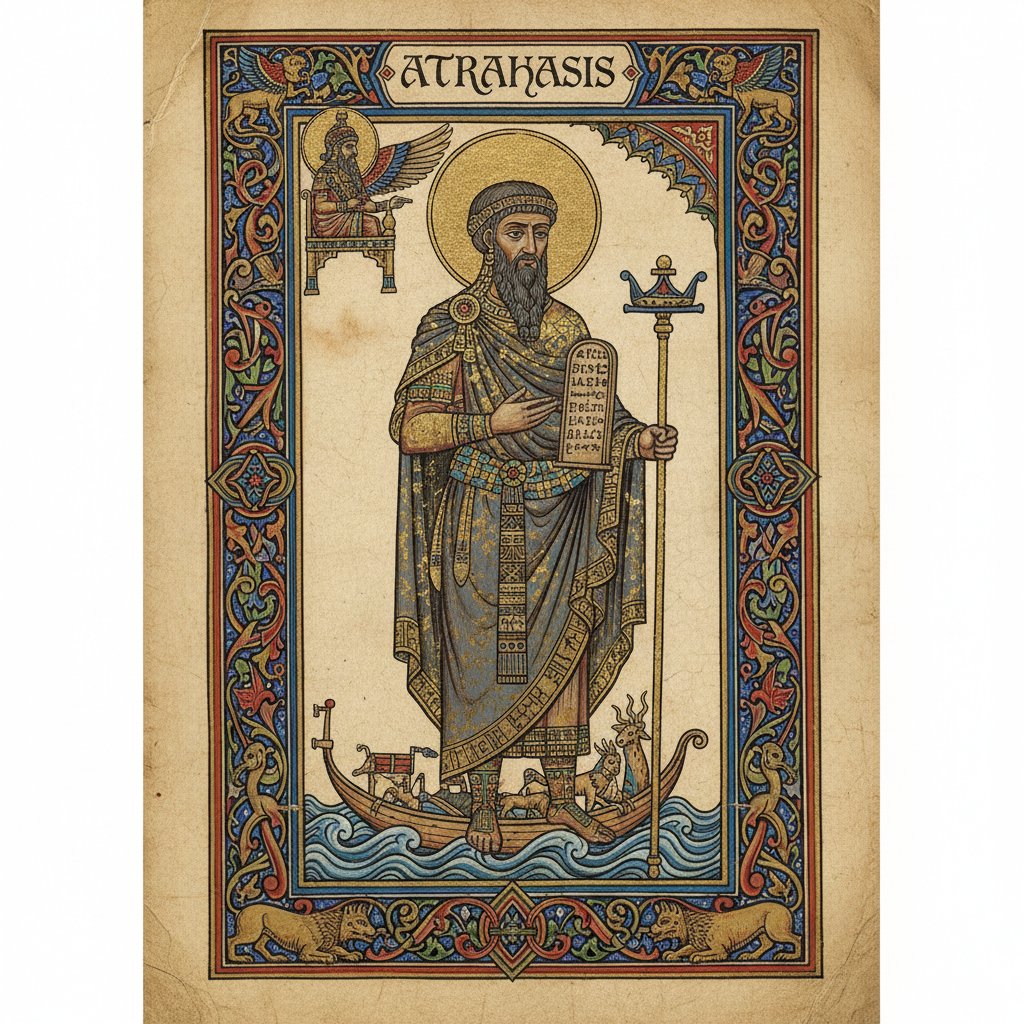 LEGENDARY
  RARE
RARE 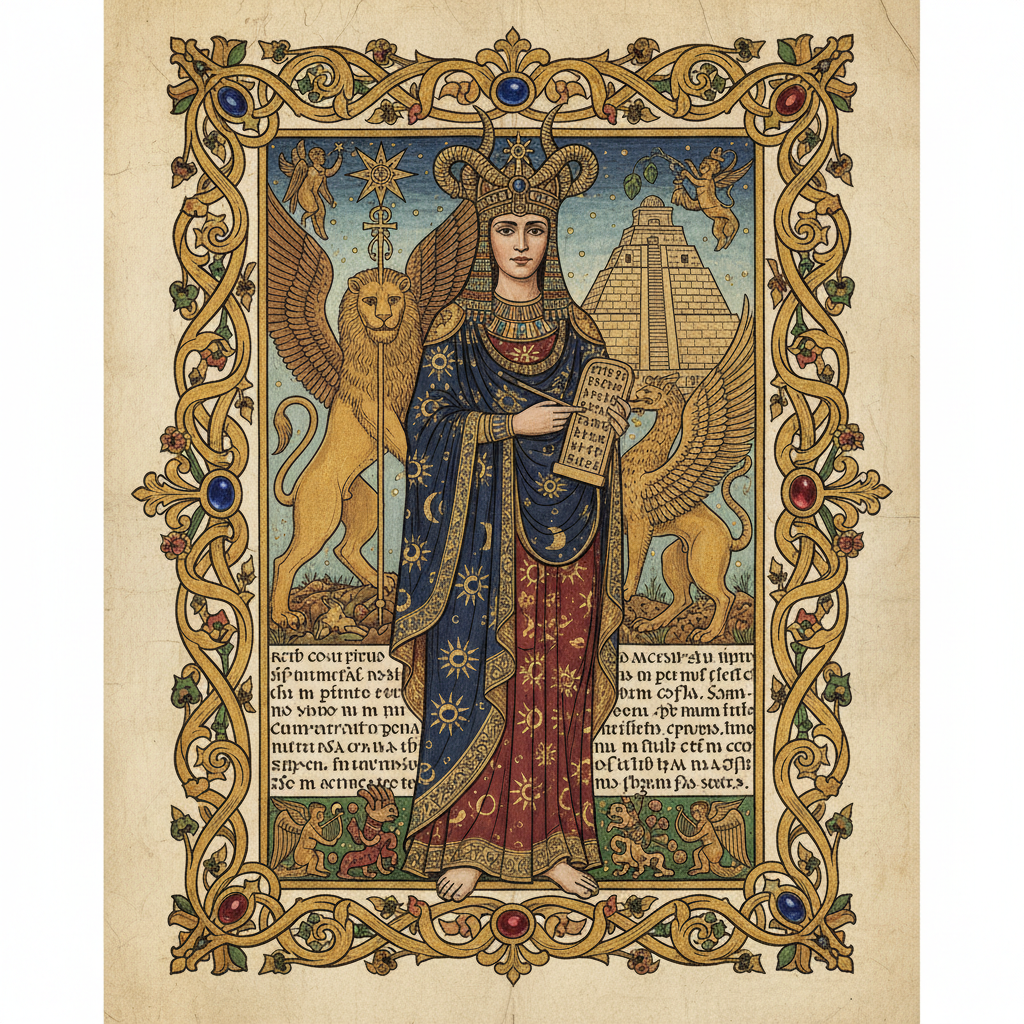 LEGENDARY
  MYTHIC
  RARE
RARE 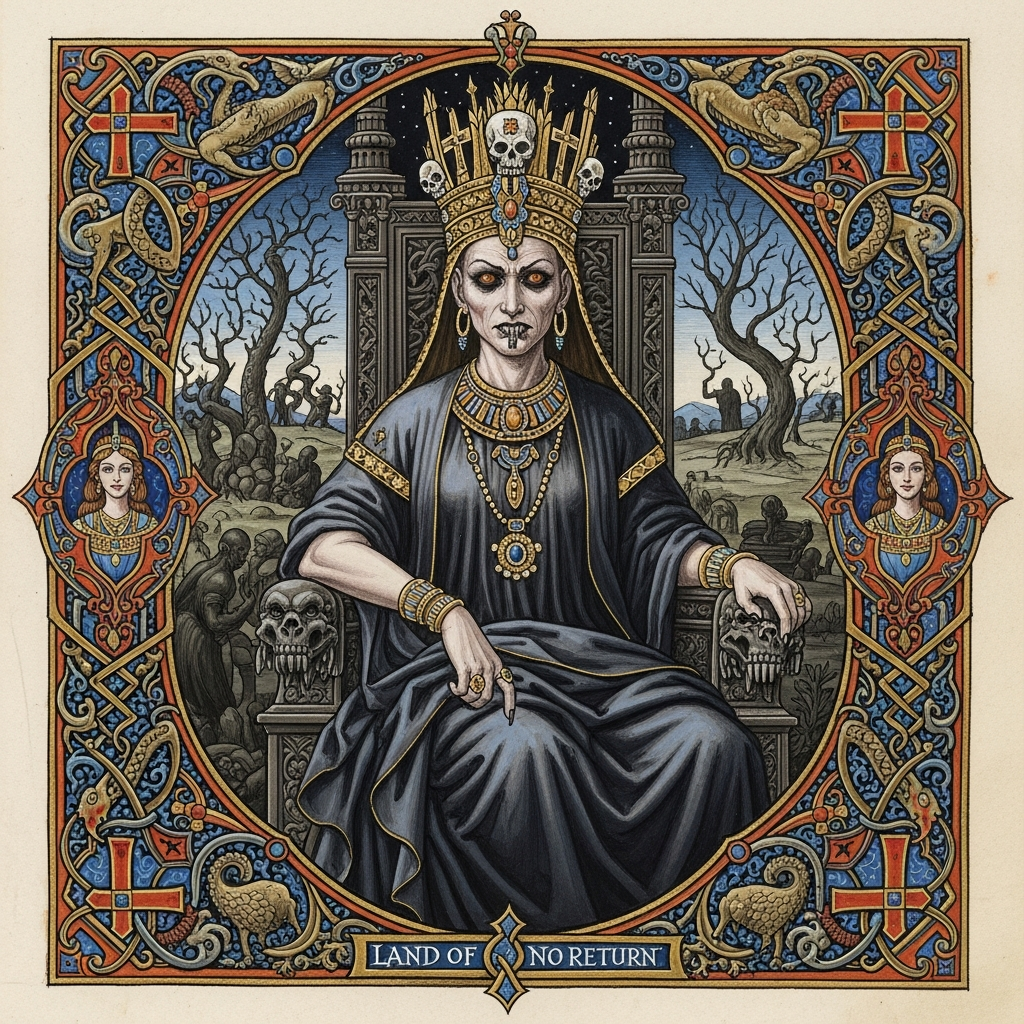 LEGENDARY
  RARE
RARE 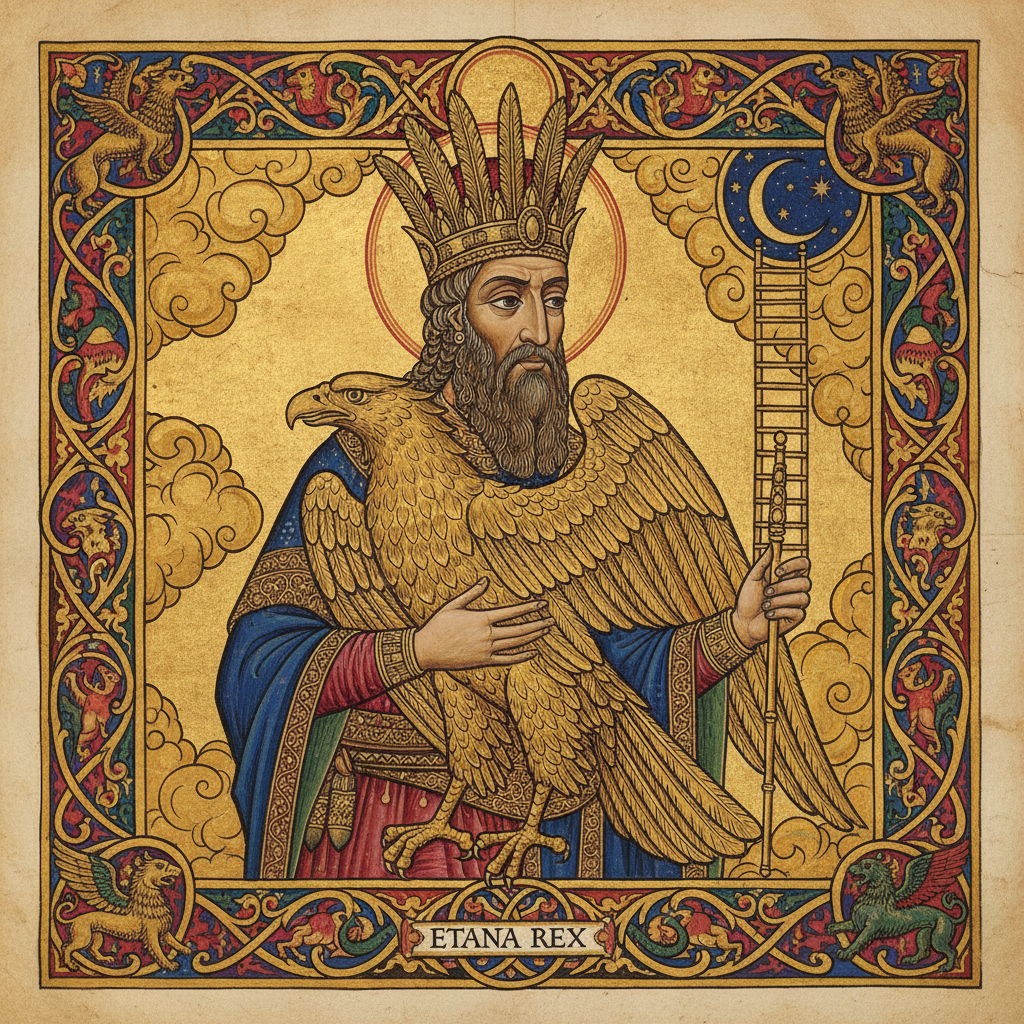 RARE
RARE 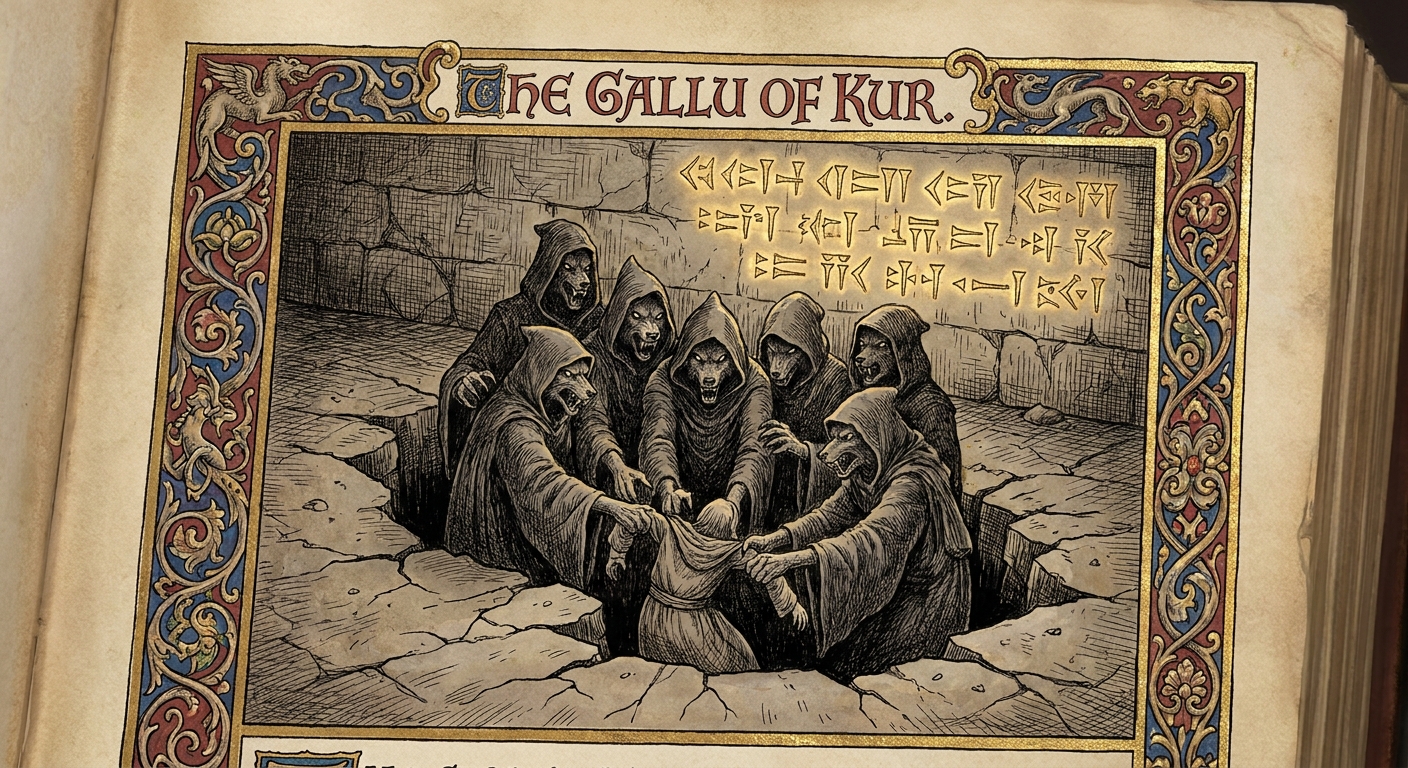 RARE
RARE  LEGENDARY
  LEGENDARY
  RARE
RARE 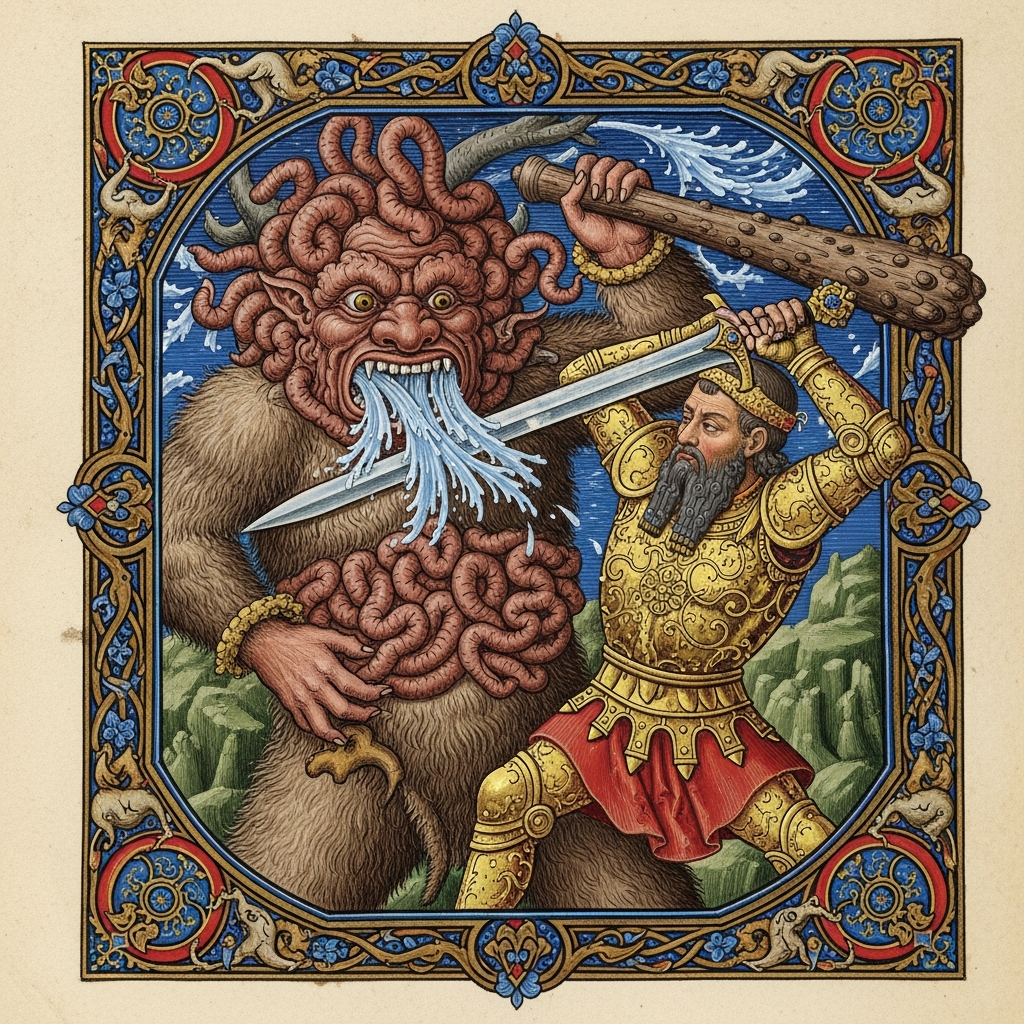 RARE
RARE  MYTHIC
  LEGENDARY
  LEGENDARY
  LEGENDARY
 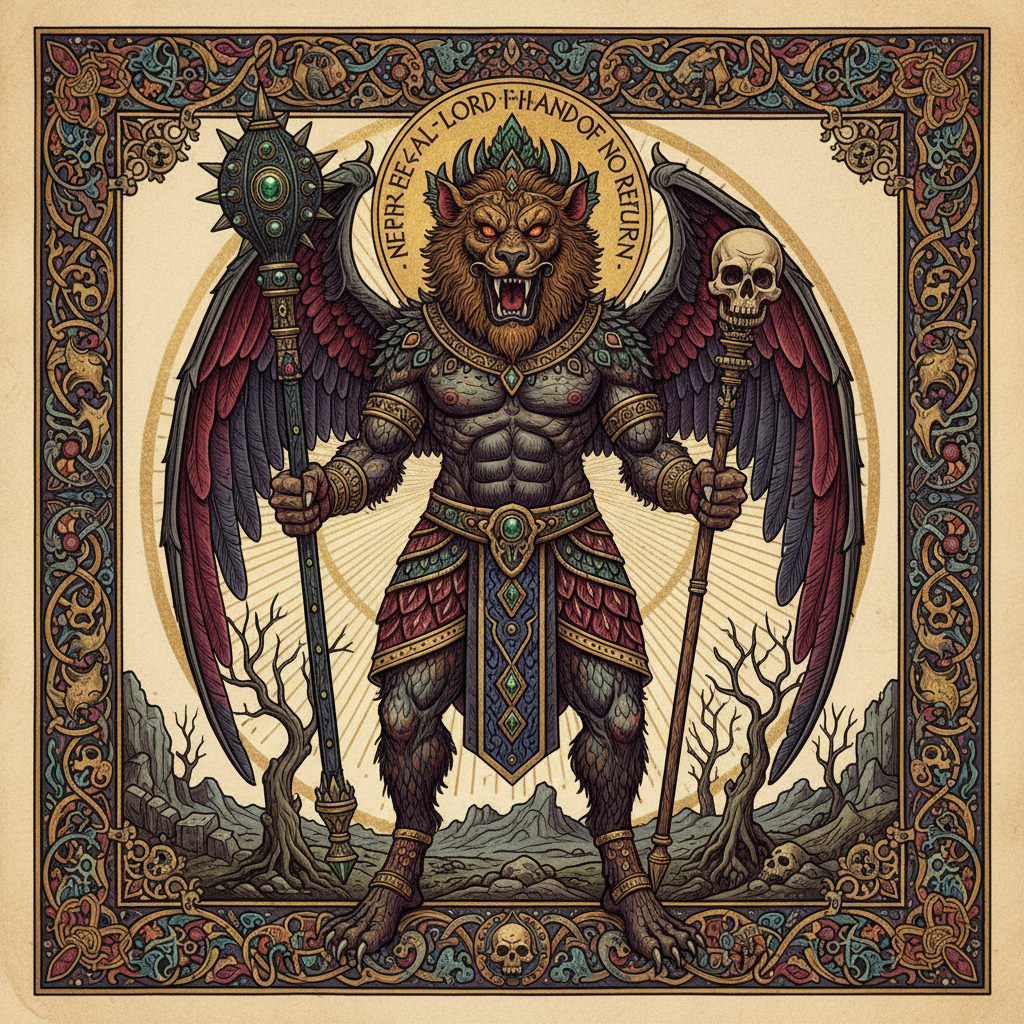 LEGENDARY
 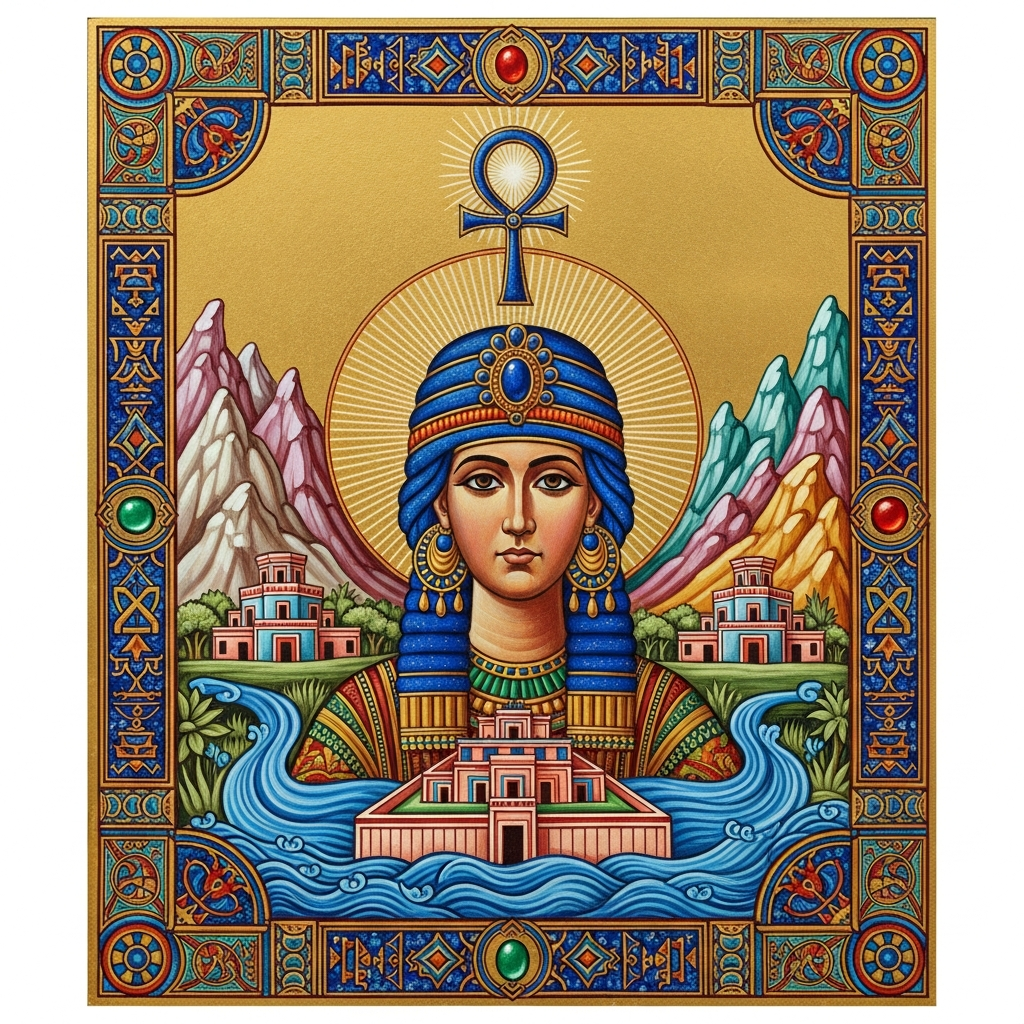 MYTHIC
 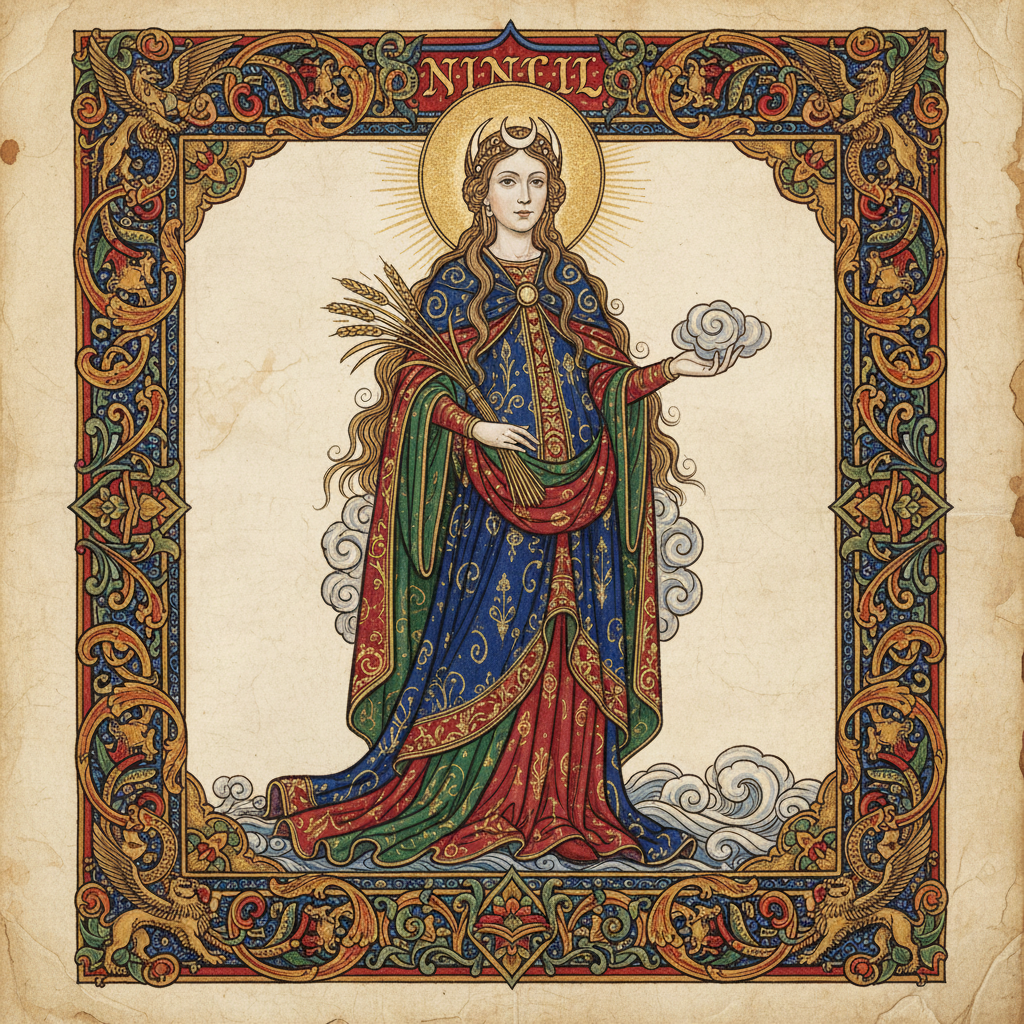 LEGENDARY
 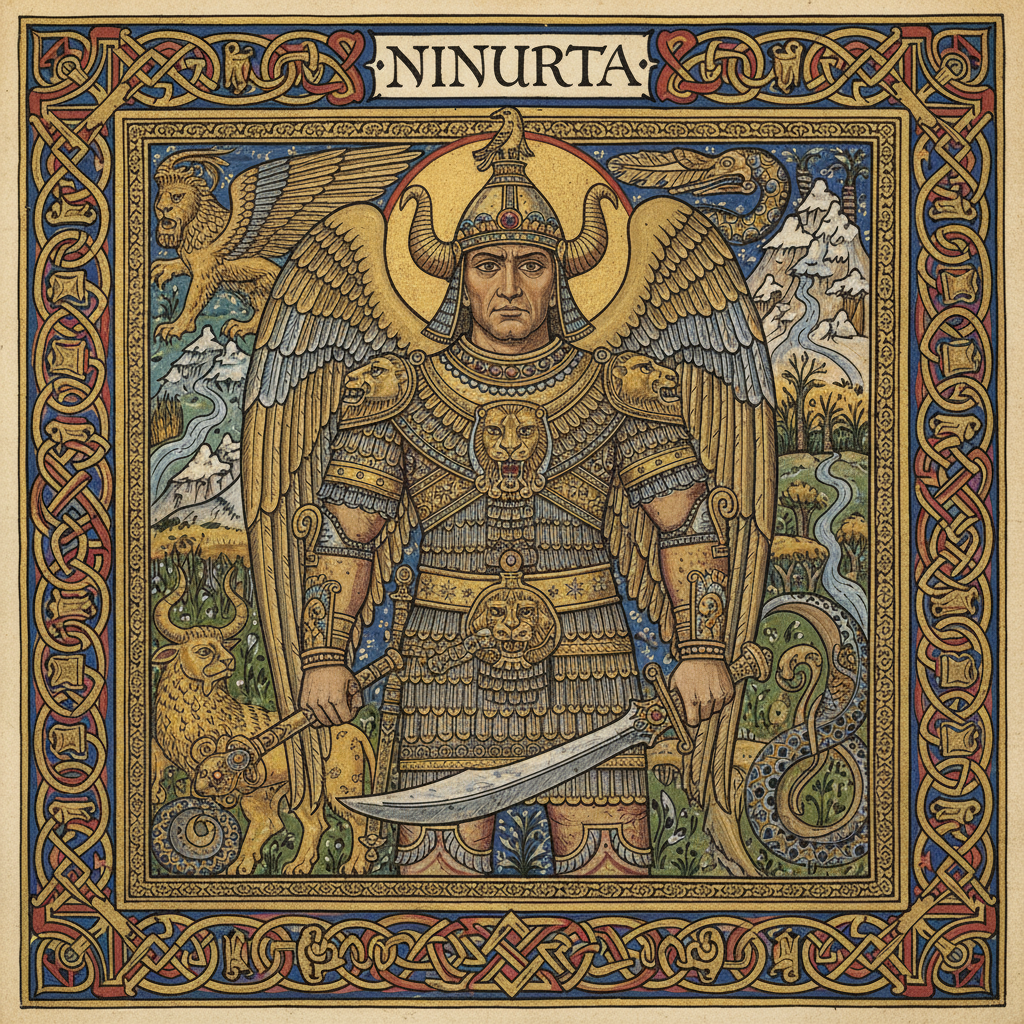 LEGENDARY
 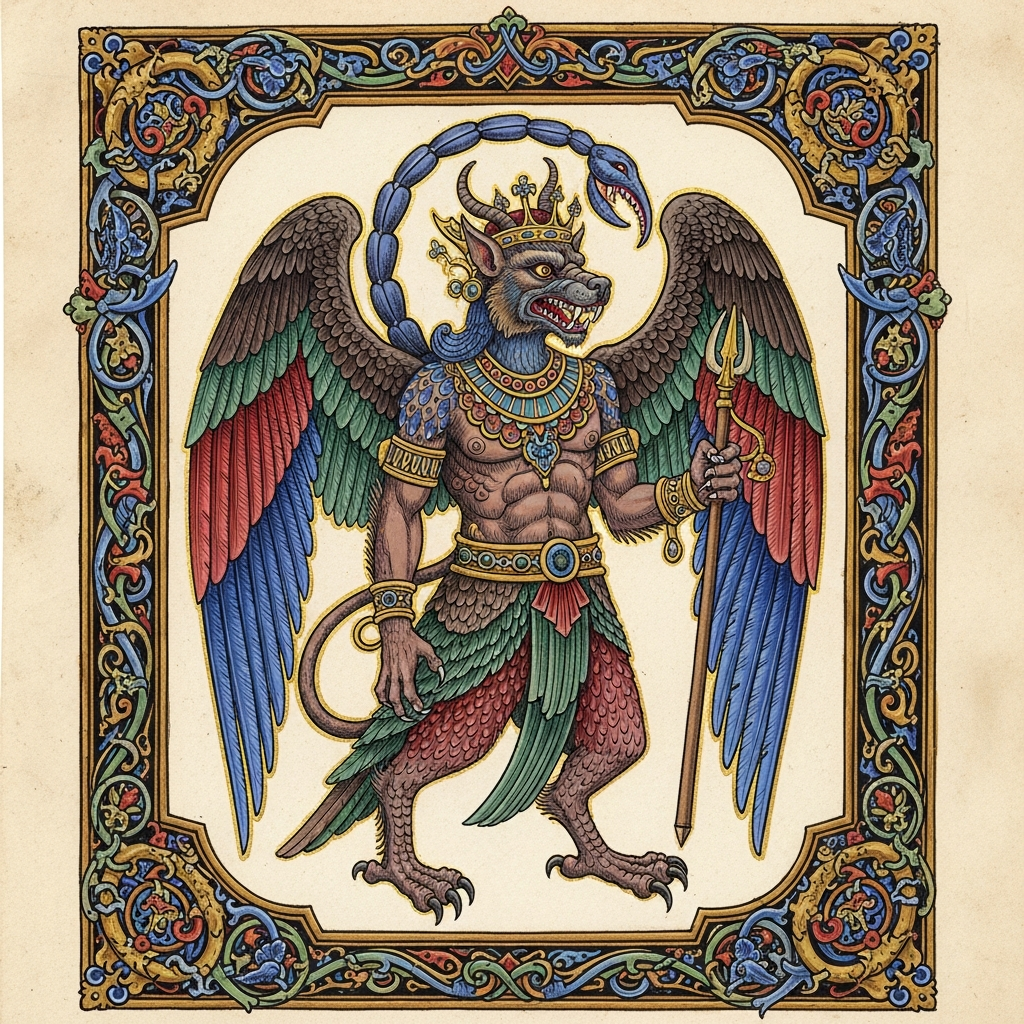 RARE
RARE 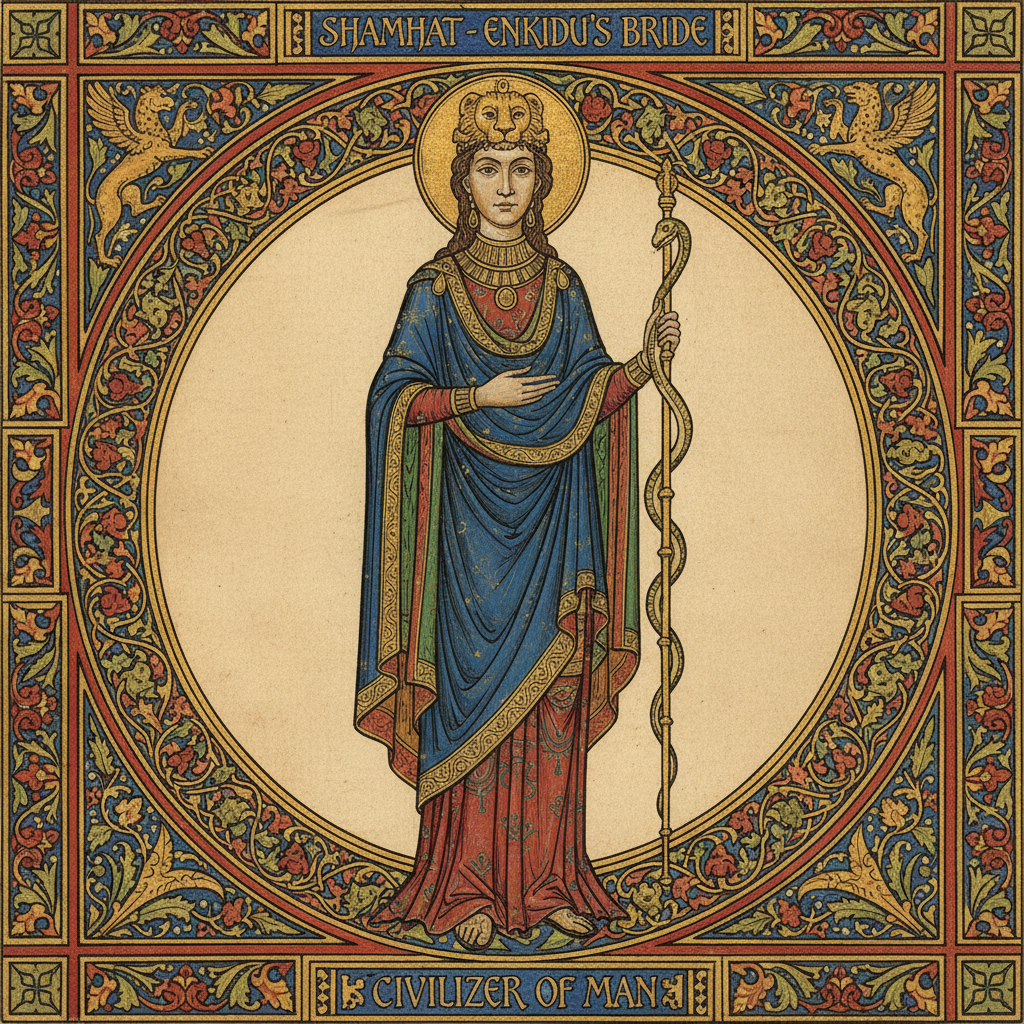 RARE
RARE 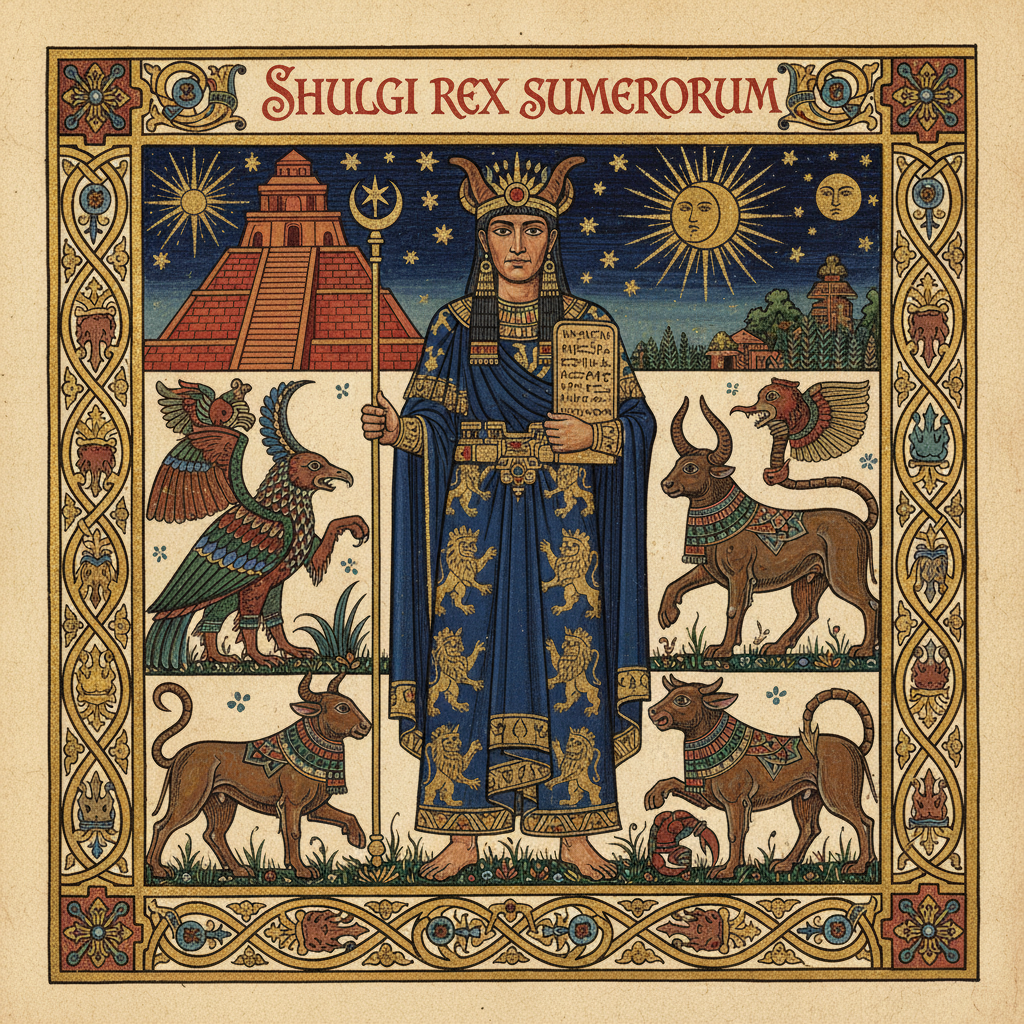 LEGENDARY
 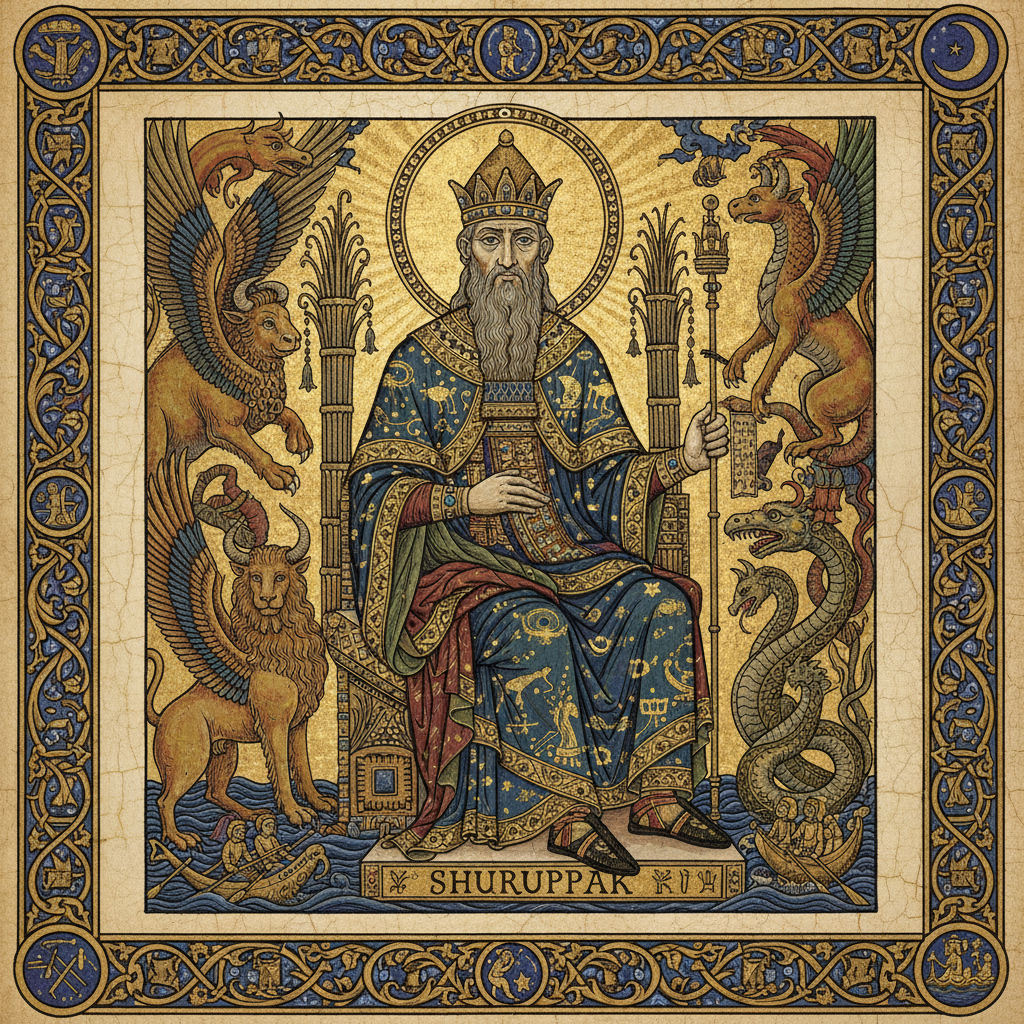 RARE
RARE  RARE
RARE  MYTHIC
  RARE
RARE 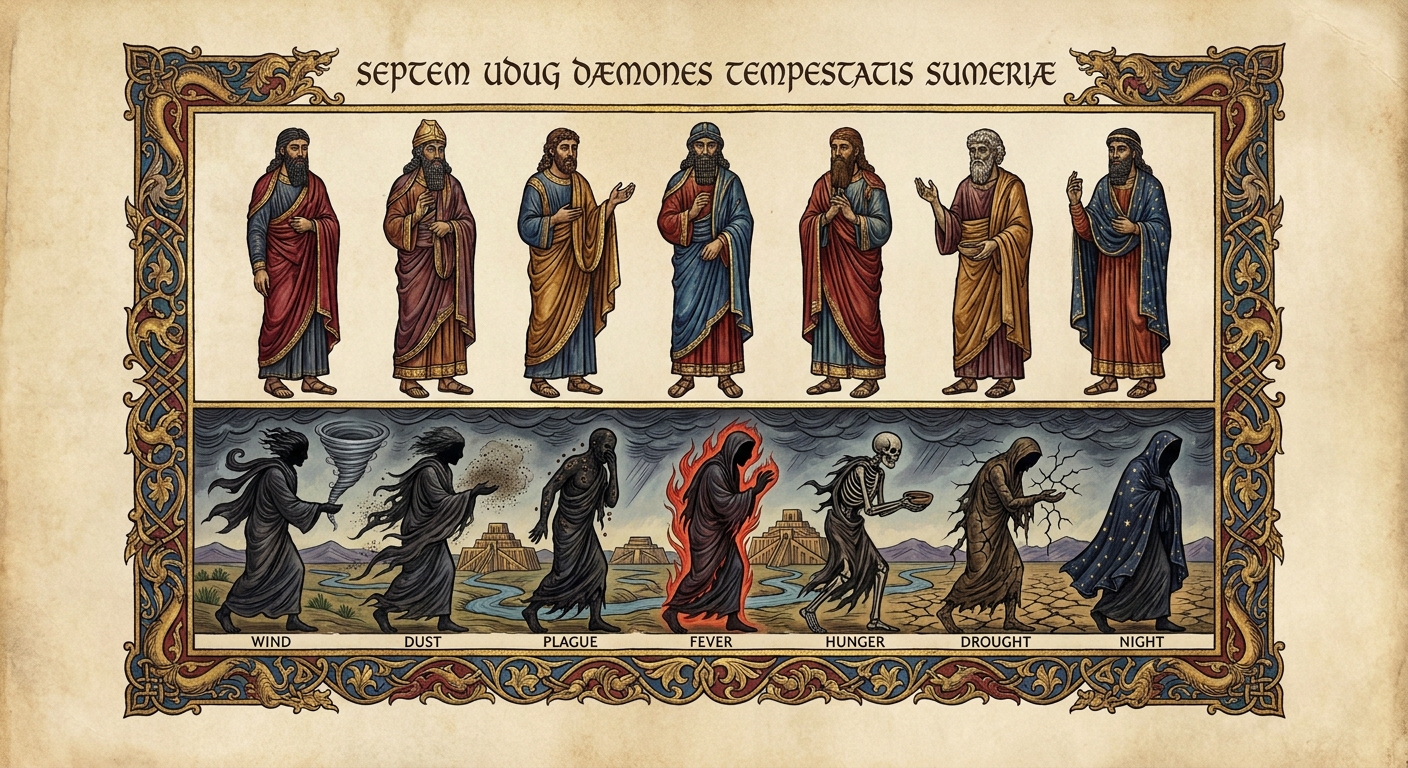 RARE
RARE 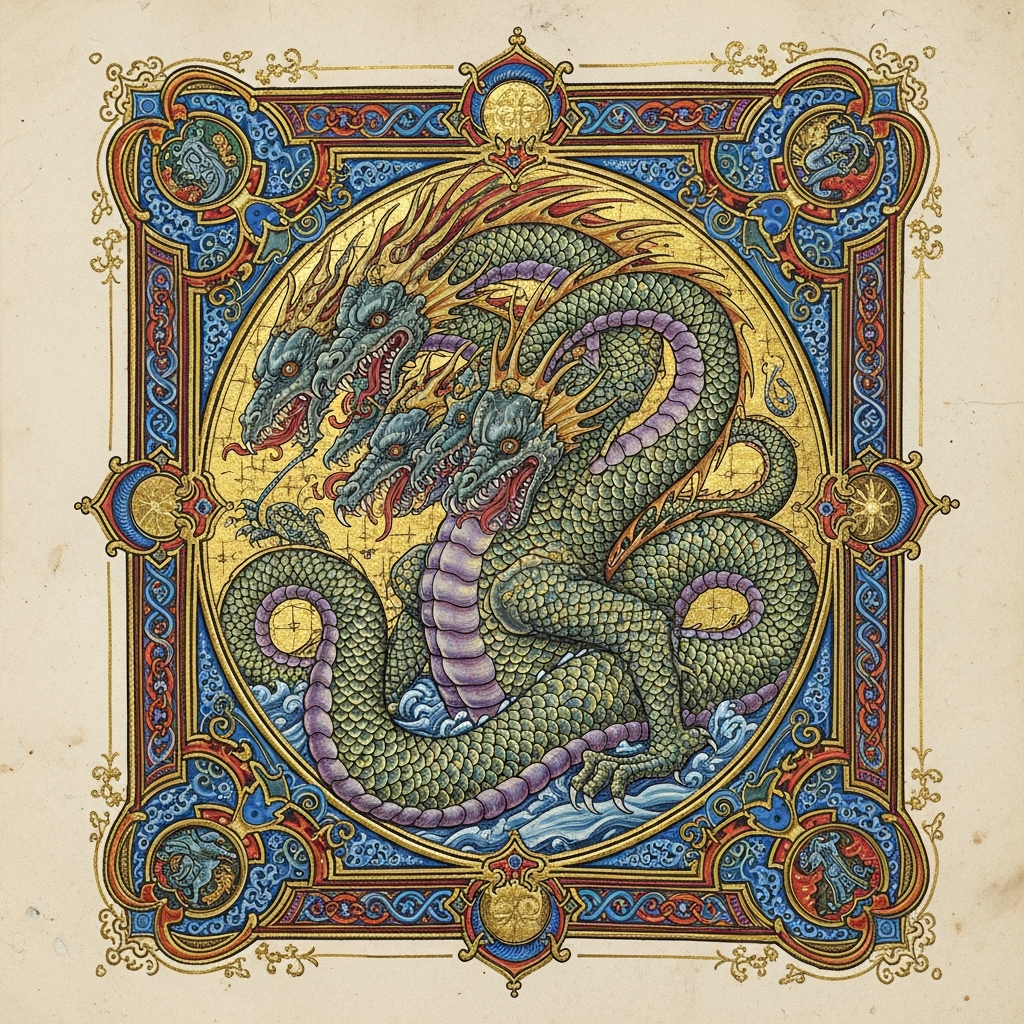 MYTHIC
  LEGENDARY
  RARE
RARE