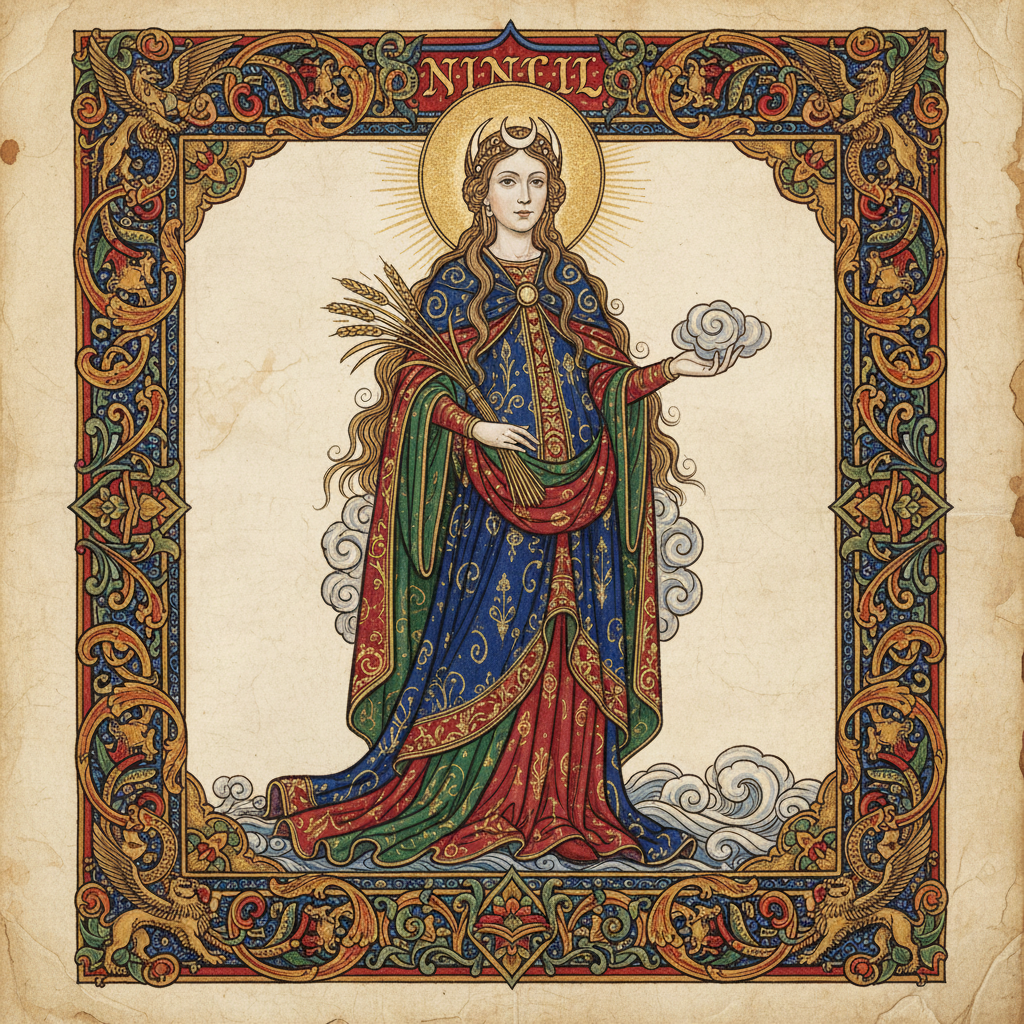
Combat Profile
Descent of Queens
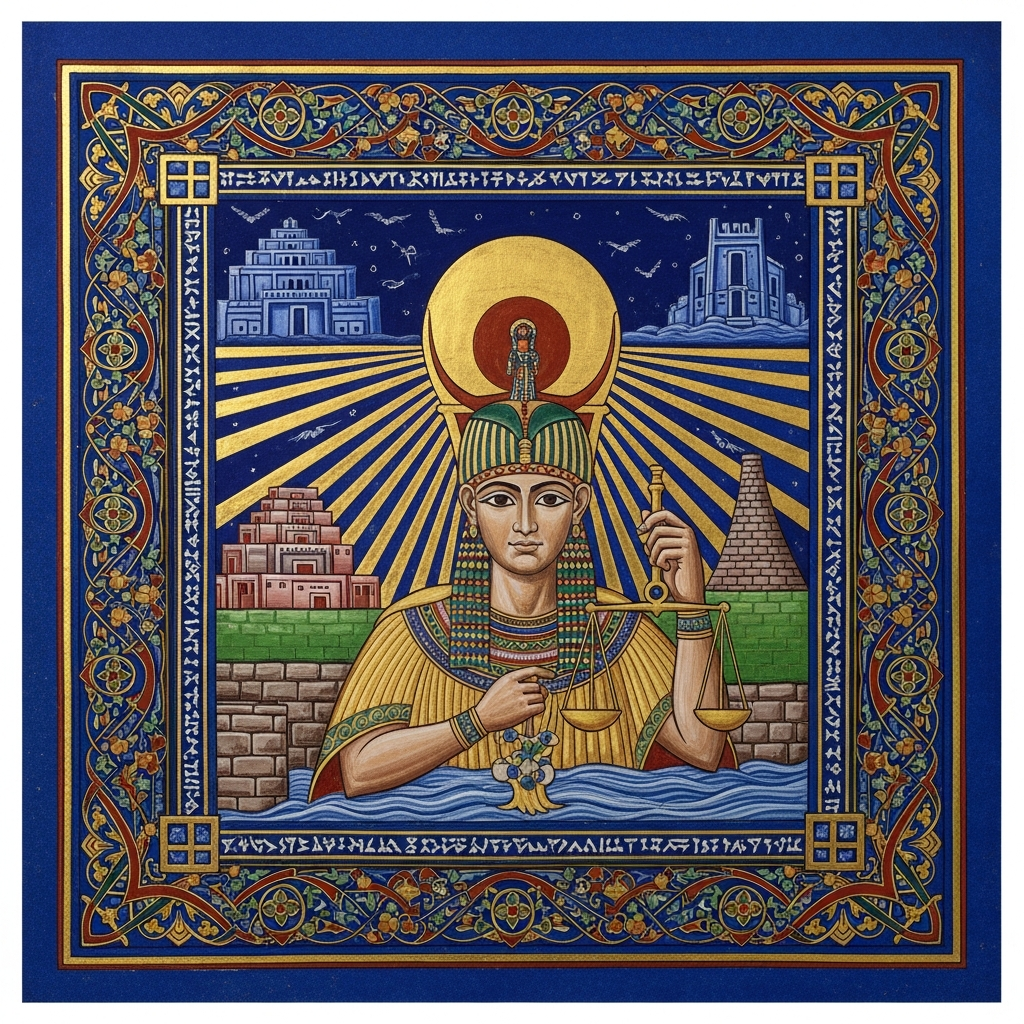
Ninlil descends into the underworld to stand beside her bound husband Enlil, granting allies protection from death and underworld curses for one cycle.
Winds of Fertility
Ninlil's presence brings grain abundance and maternal blessing, increasing ally resilience and healing received by 15%.
“Enlil, lord of wind and command, saw Ninlil bathing in the river and took her by force. When the gods discovered his crime, they exiled him to the underworld. But Ninlil followed him into darkness, and in the depths, she became queen.”
Ninlil’s story is the most uncomfortable in the Mesopotamian pantheon because it normalizes sexual violence within divine marriage. Enlil assaults her; the gods punish him with exile; she follows him anyway. Later theology would transform this into a love story (“she followed him willingly because she loved him”), but the original text preserves the violence. What’s remarkable is that Ninlil does not flee or rebel — she descends into the underworld and becomes its queen. Her loyalty is absolute, even after violation. The biblical parallel is the complex portrait of women in the Old Testament who are violated, married to their violators, or otherwise trapped in situations of no agency: Bathsheba (taken by David), Dinah (raped by Shechem, then married to him in some versions), the concubine in Judges 19 (gang-raped and dismembered). The Mesopotamian and biblical traditions both encode the historical reality that women’s loyalty was expected even after violation. Ninlil’s story is tragedy masquerading as divine order.
1 min read
Enlil and Ninlil (ETCSL); Sumerian mythology