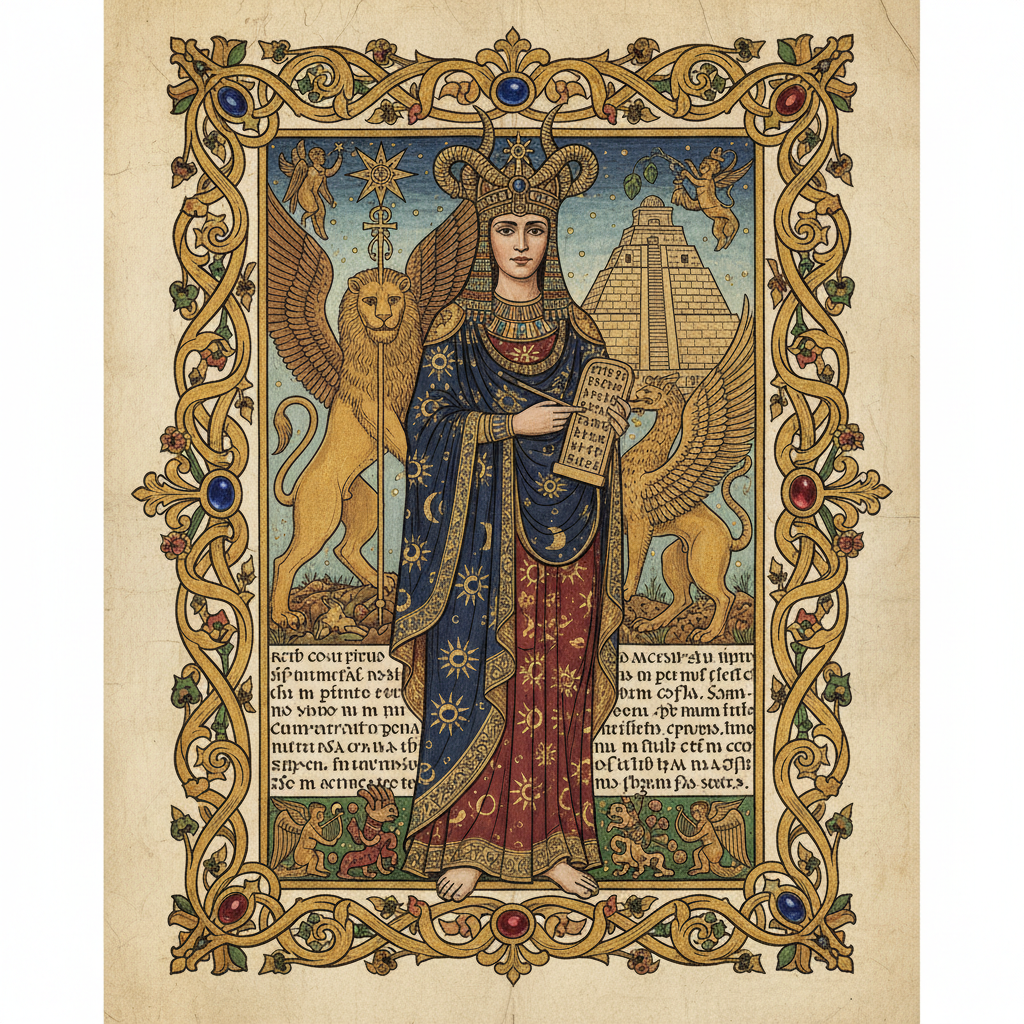
Combat Profile
Divine Utterance
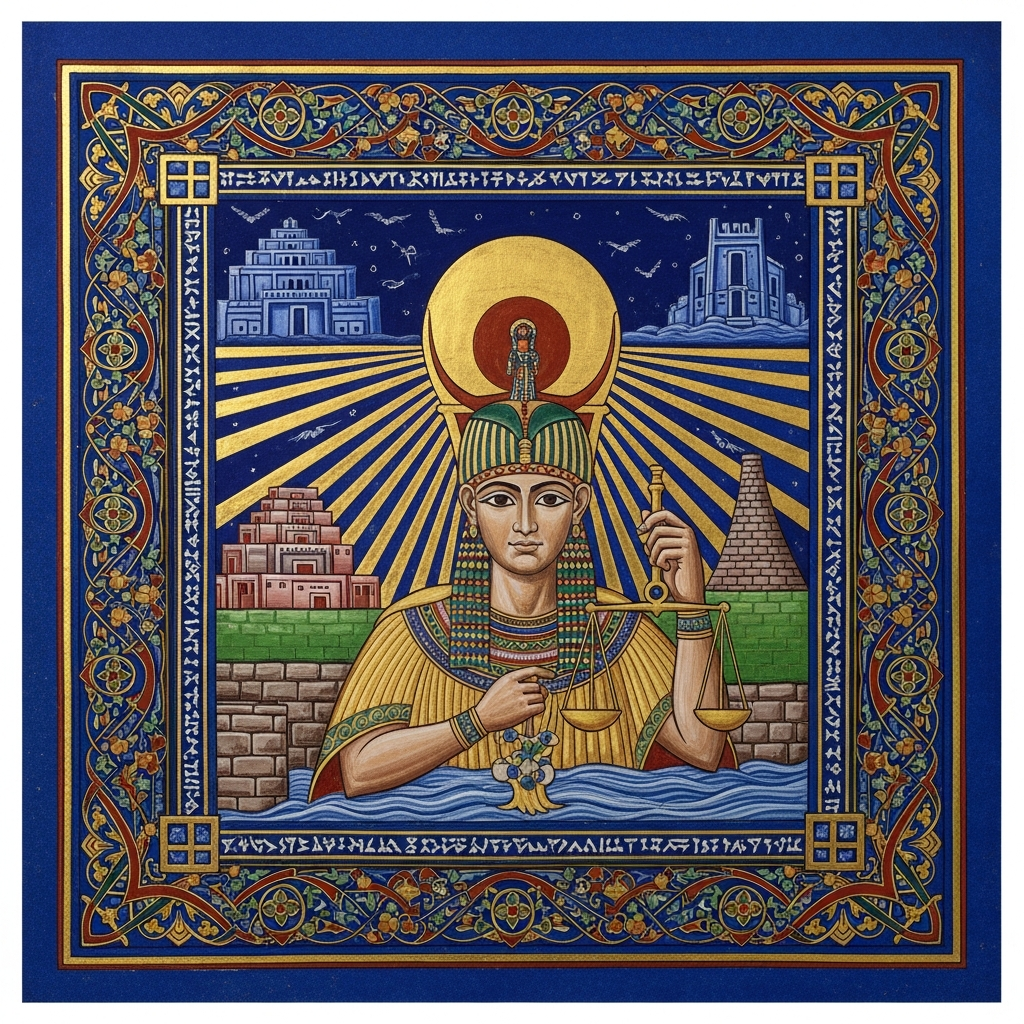
her consecrated words reshape divine will itself, binding gods and mortals through unbreakable liturgical truth
Illuminated Scribe
all knowledge of theology, ritual, and celestial order flows through her; she cannot be deceived in matters of divine law
“I am Enheduanna, high priestess of the moon god. I am the one who carried the ritual basket, who chanted your praise. Now I have been cast out to the place of lepers. Day comes and the brightness is hidden around me. Shadows cover the light, drape it in sandstorms. My beautiful mouth knows only confusion. Even my sex is dust.” — The Exaltation of Inanna
The first author in human history was a woman. Enheduanna, daughter of Sargon of Akkad, high priestess of the moon god Nanna at Ur, wrote her name into her own poems around 2285 BCE (The Exaltation of Inanna) — roughly 1,500 years before Homer, 1,000 years before the earliest biblical authors. She is not a mythological figure but a real, historical woman whose works survive on cuneiform tablets. Her Exaltation of Inanna is the first text in human history where a named individual says “I” — “I am Enheduanna” — and describes personal suffering, political exile, and passionate devotion to a deity. She did not merely record hymns; she theologized: her temple hymns systematically organized the religious landscape of Sumer, and her elevation of Inanna from a local goddess to the supreme divine feminine arguably created the template for every “Queen of Heaven” figure that followed (The Exaltation of Inanna; Temple Hymns). The biblical parallel runs through every woman who spoke with divine authority: Miriam singing at the Red Sea (Exodus 15:20-21), Deborah composing her victory song (Judges 5), Hannah praying at the temple (1 Samuel 2:1-10), and Mary proclaiming the Magnificat (Luke 1:46-55). All of them stand in a literary tradition that Enheduanna invented. When scholars debate whether women had a voice in the ancient world, the answer is: a woman had the first voice (The Exaltation of Inanna).
1 min read
The Exaltation of Inanna; Temple Hymns; Betty De Shong Meador, *Inanna, Lady of Largest Heart*