Combat Profile
Shaping of Flesh
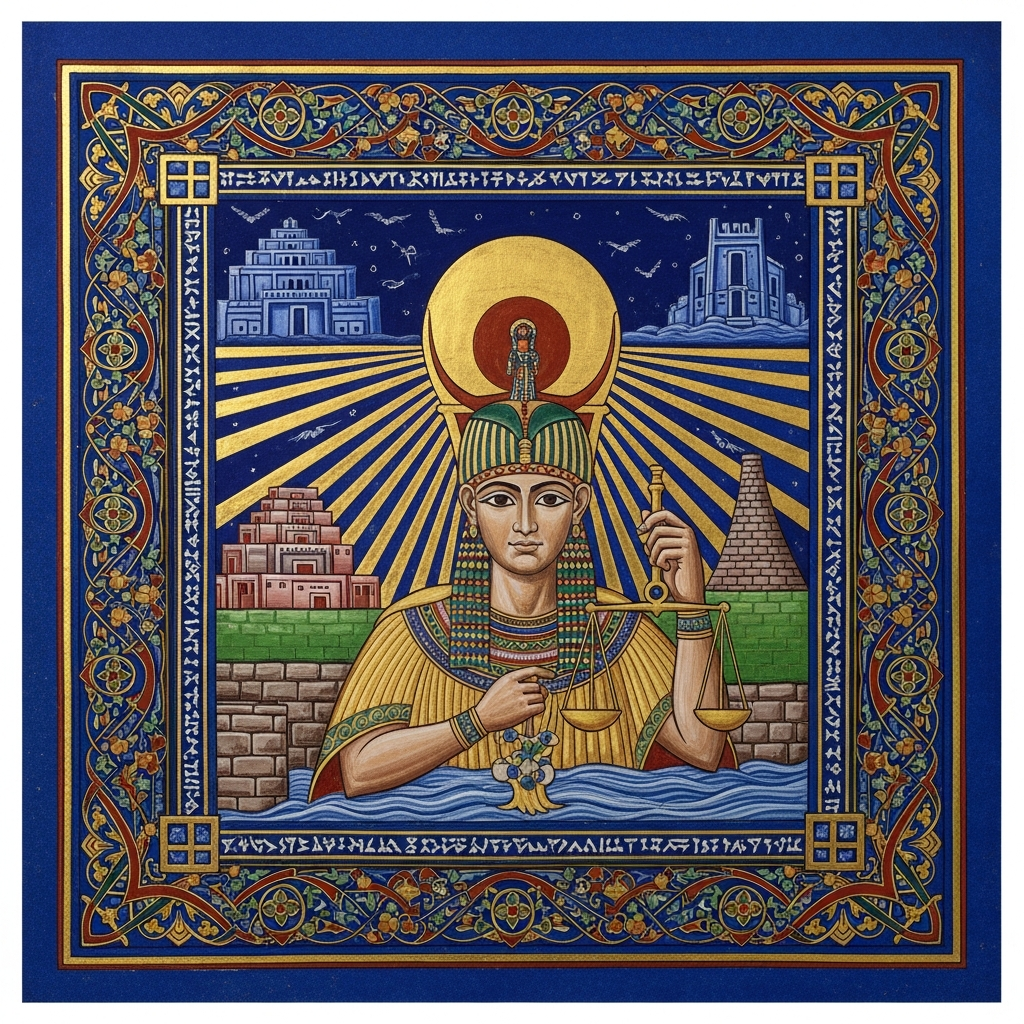
Ninhursag mends mortal bodies and shapes new life, instantly healing grievous wounds or restoring the dying to wholeness
Mother's Blessing
All allies in Ninhursag's presence gain enhanced fertility, regeneration, and protection from disease and decay
“She mixed the clay; she pinched off fourteen pieces. Seven became men; seven became women.” — Atrahasis I
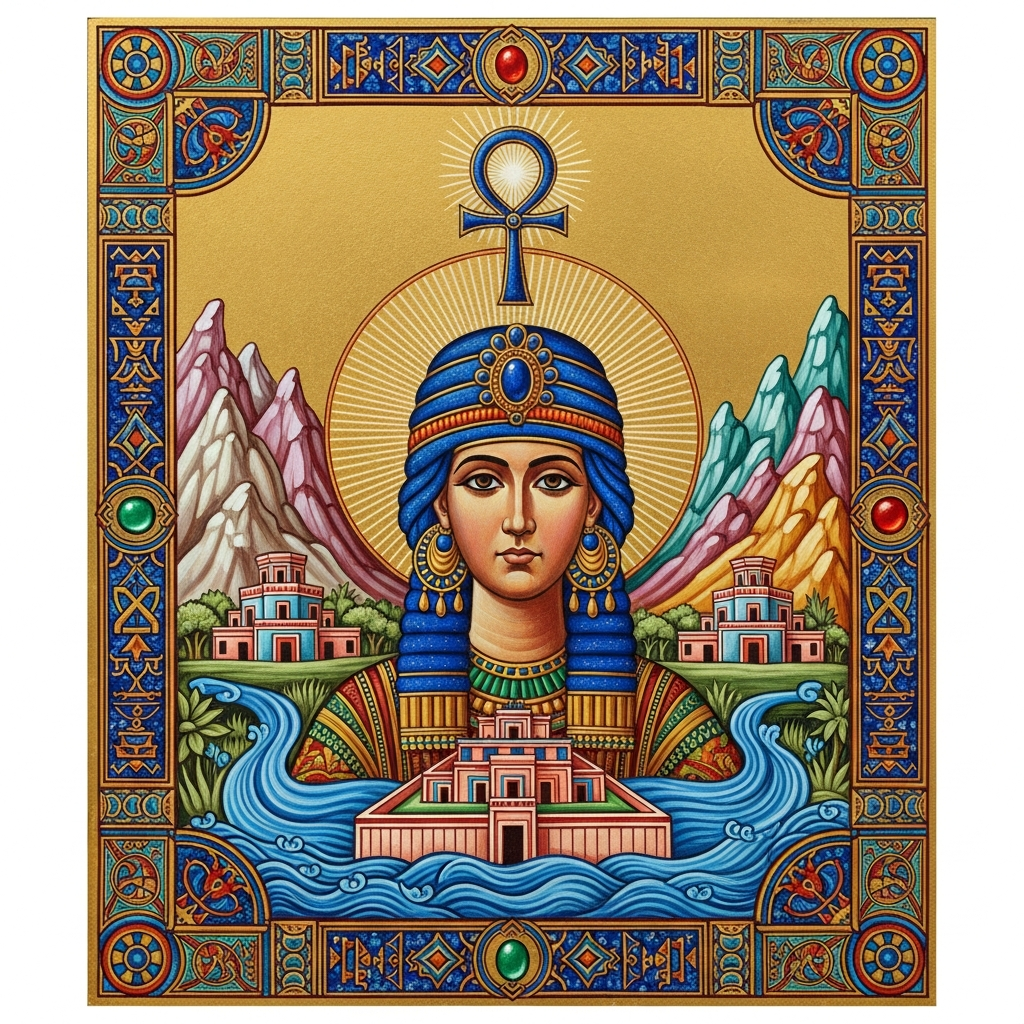
Ninhursag (also called Ninmah, Nintu, Damkina, Mami) is the great mother goddess of Sumer — the divine womb that produces gods and humans alike. In the Atrahasis creation account, she works alongside Enki to fashion humanity from clay mixed with the blood of the slain god We-ila, bringing the etemmu (ghost / breath / spirit) into the human form (Atrahasis I.225). She is the patron of midwives. The myth Enki and Ninhursag is among the strangest in Sumerian literature: angered by Enki’s incestuous indulgences, she causes him to fall ill in eight body parts, and only relents when persuaded to heal him by birthing eight new deities — one for each afflicted organ. The goddess of the rib, Ninti (“Lady of the Rib” / “Lady of Life,” wordplay in Sumerian) has been argued by Samuel Noah Kramer and others to be the linguistic ancestor of Eve being formed from Adam’s rib (Genesis 2:21-22).
Cross-tradition parallels: Eve as the “mother of all living” (Genesis 3:20); Khnum (Egyptian potter-god who shapes bodies on the wheel); Gaia (Greek primordial earth-mother); Aditi (Vedic mother of the gods).
1 min read
*Enki and Ninhursag* (Sumerian myth); *Atrahasis* I; the *Eridu Genesis*; temple inscriptions at Kesh and Adab