Combat Profile
Divine Deliverance
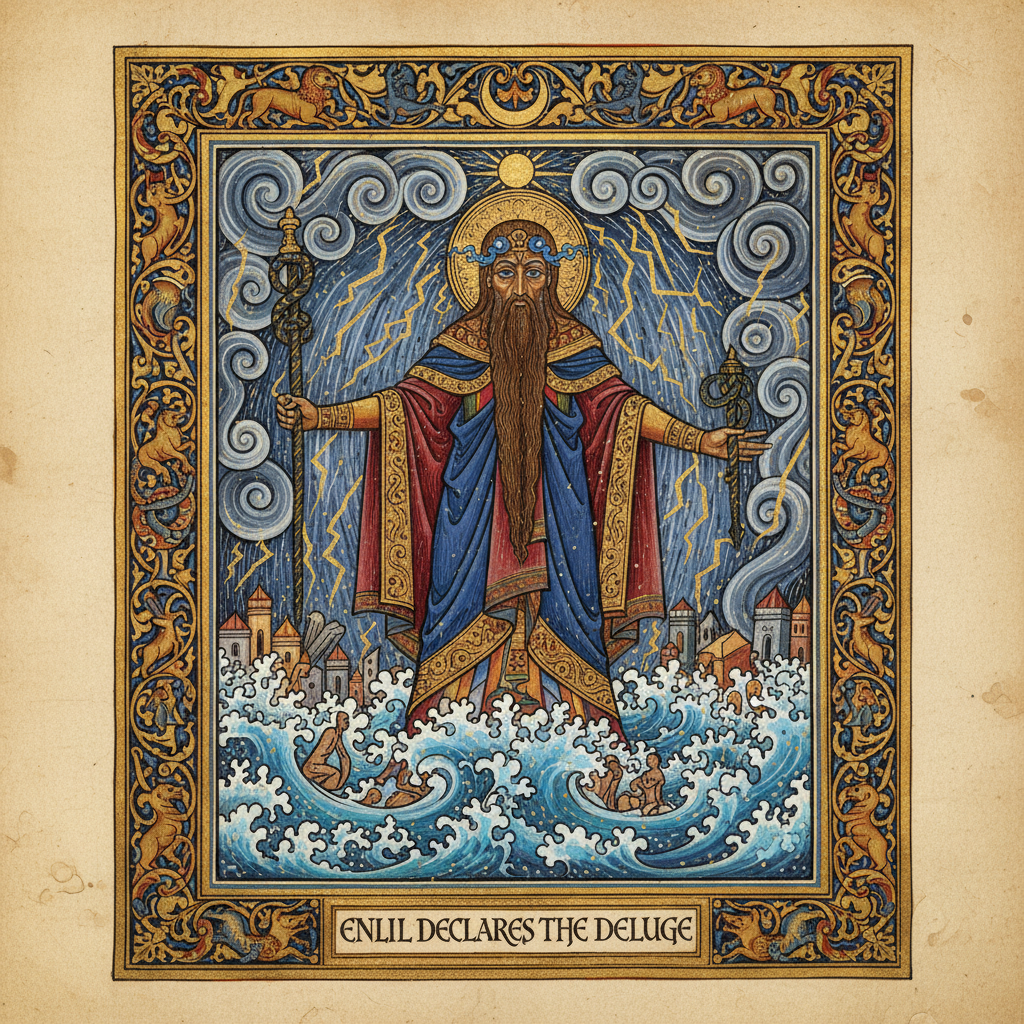
Ziusudra commands the great flood to spare the faithful while cleansing the unworthy, granting his followers salvation and immortal life.
Chosen of Enki
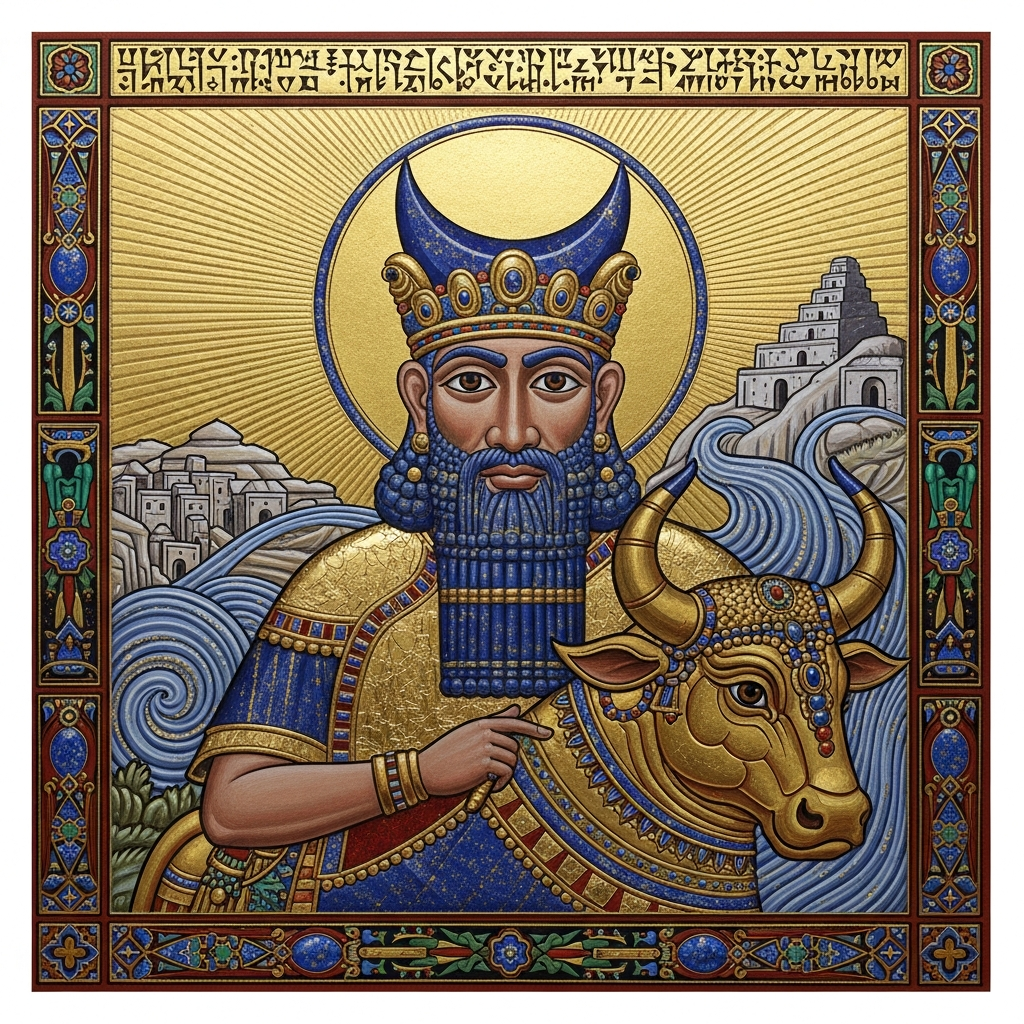
Ziusudra's absolute obedience to divine will grants him immunity to divine punishment and the blessings of the gods who favor righteous kings.
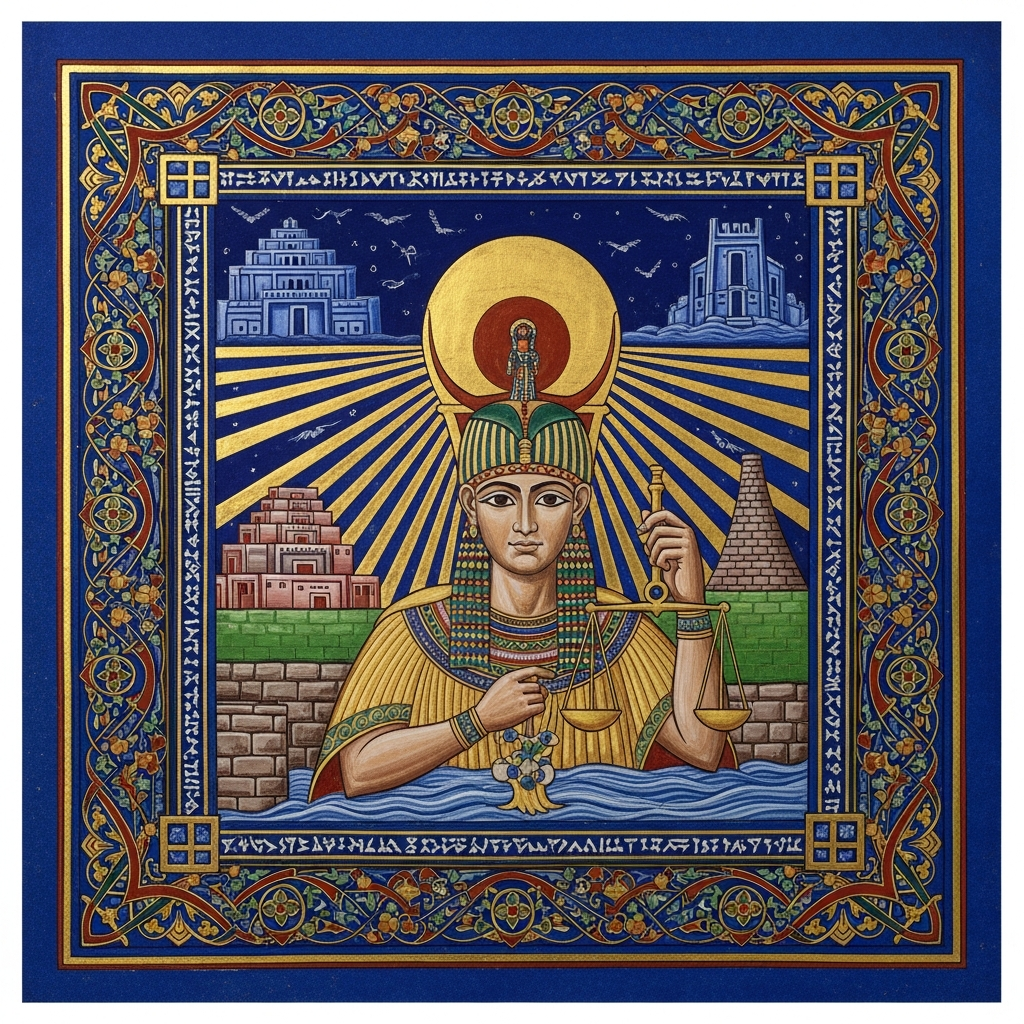
“Ziusudra, being king, stepped up before Utu, bowing low. He sacrificed oxen, offered sheep in abundance.”
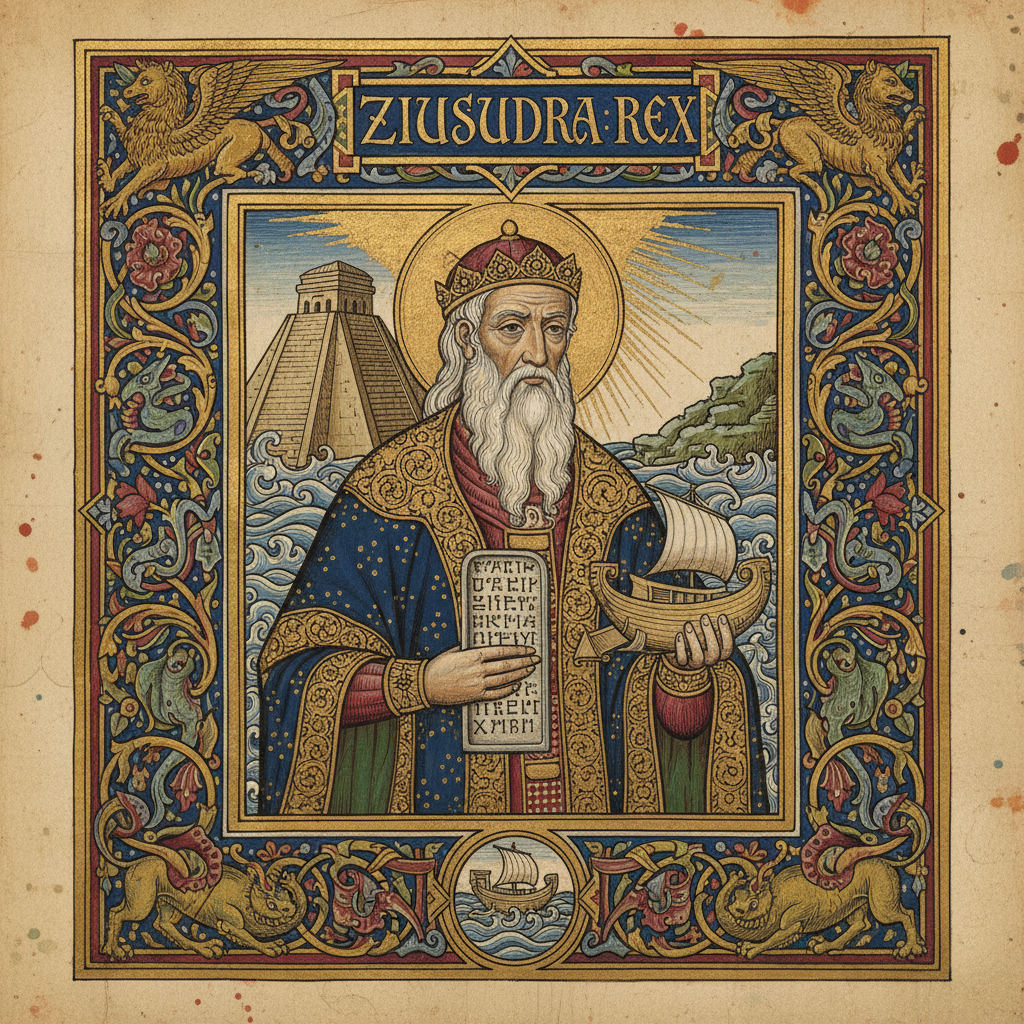
Ziusudra is the original — the first link in a chain of flood survivors that stretches across three millennia of Near Eastern literature: Ziusudra (Sumerian) → Atrahasis (Old Babylonian) → Utnapishtim (Standard Babylonian) → Noah (Hebrew Bible). Each version retells the same core narrative but filters it through a different theological lens (Eridu Genesis; Atrahasis; Epic of Gilgamesh XI; Genesis 6-9). Ziusudra’s version, preserved fragmentarily in the Eridu Genesis, is the most ancient: Enki warns him through a wall (Eridu Genesis; Epic of Gilgamesh XI), he builds a boat, the flood comes, and afterward he prostrates before the sun god Utu and is granted eternal life (Eridu Genesis). What makes Ziusudra’s version theologically significant is its simplicity: there is no extended theological justification, no covenant afterward, no rainbow — just a righteous man, a warning, and survival. The Sumerian text represents the flood story in its purest mythological form (Eridu Genesis), before Babylonian scribes elaborated the narrative and before the Genesis authors transformed it into a monotheistic covenant story (Genesis 6-9). Ziusudra is what Noah looks like before theology got hold of him.
1 min read
Sumerian Flood Story (Eridu Genesis, ~1600 BCE tablet, story likely ~2100 BCE); ETCSL; Stephanie Dalley, *Myths from Mesopotamia*