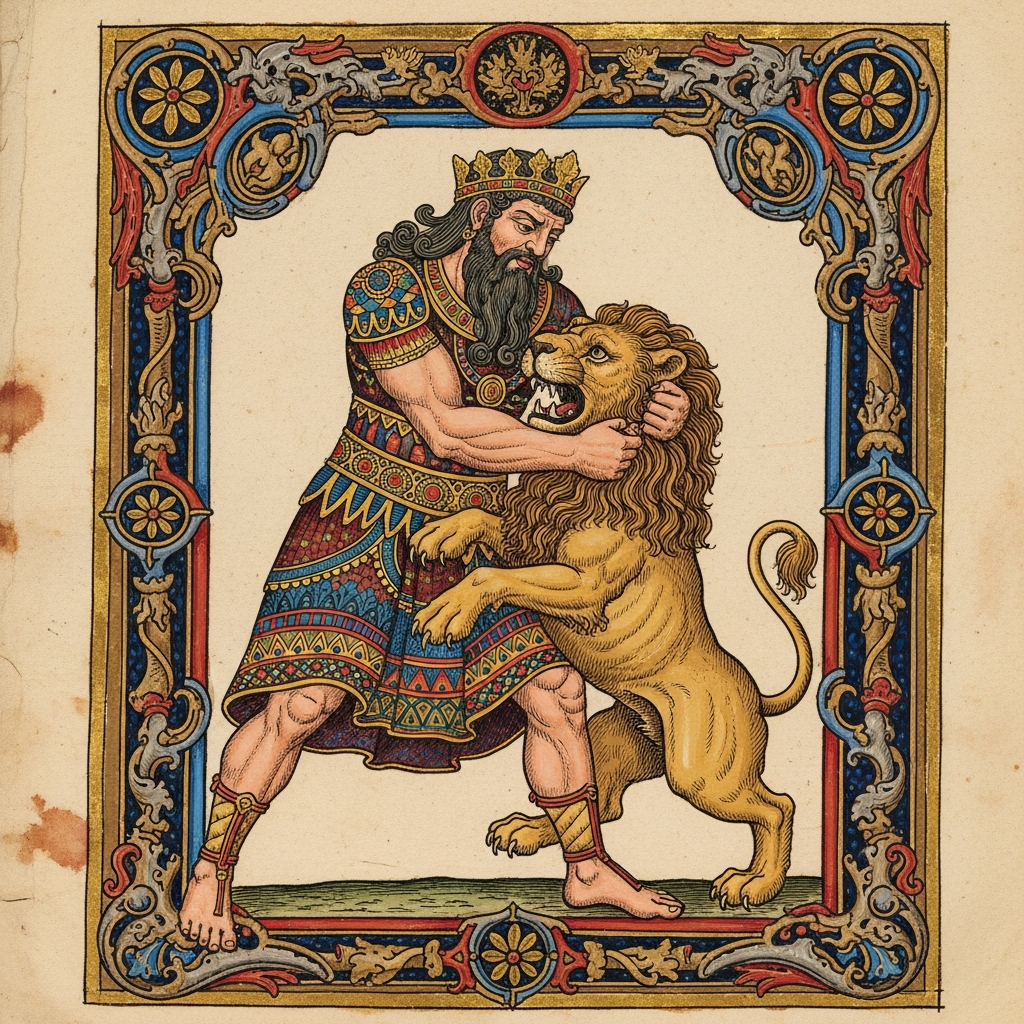
Combat Profile
Cedars of Lebanon
Gilgamesh channels his divine heritage to unleash a devastating assault that grows stronger with each victory, embodying his legendary prowess in battle.
Mortal's Burden
Though blessed with demigod strength, Gilgamesh cannot escape his human half; he gains increased determination after each fallen ally but suffers gradual resolve loss when facing his inevitable mortality.
“Gilgamesh, where are you hurrying to? You will never find the life you are looking for. When the gods created man, they allotted to him death, but life they retained in their own keeping.” — The tavern-keeper Siduri (Gilgamesh X)
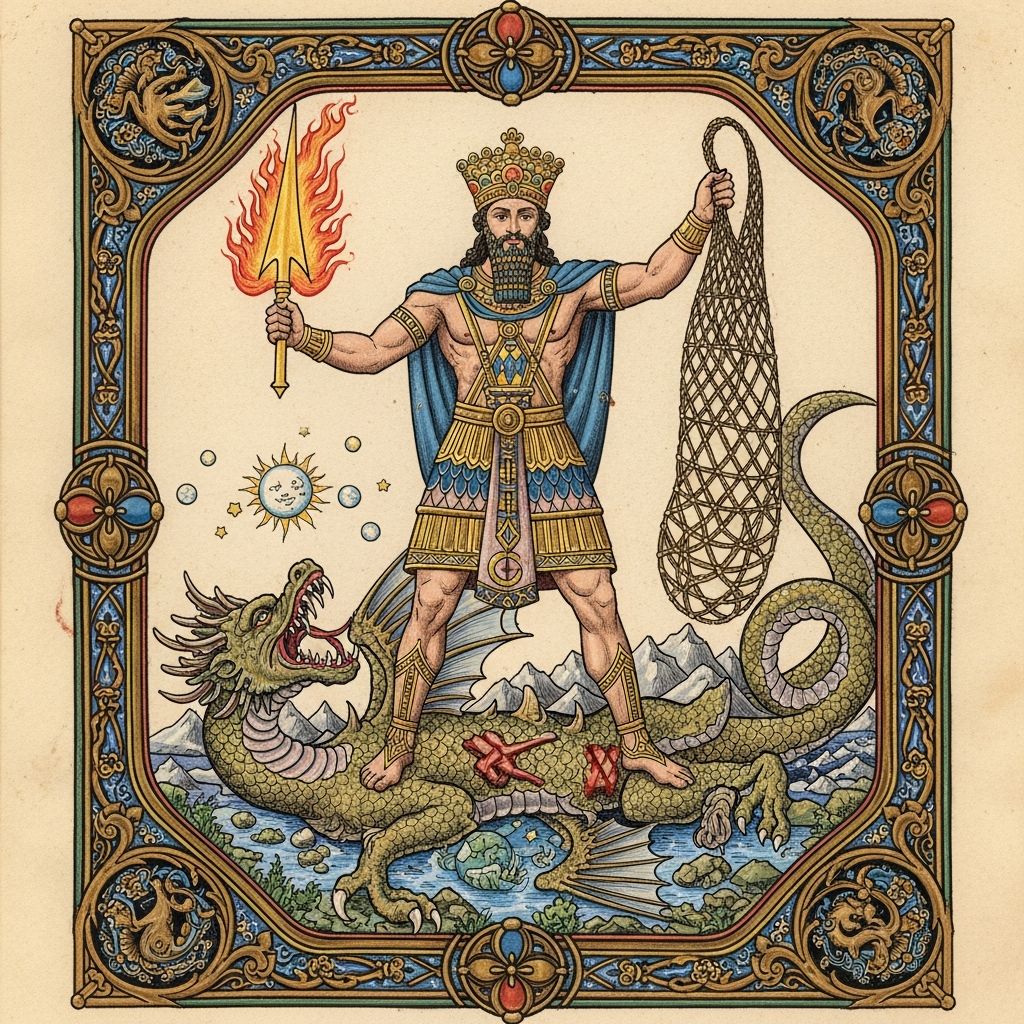
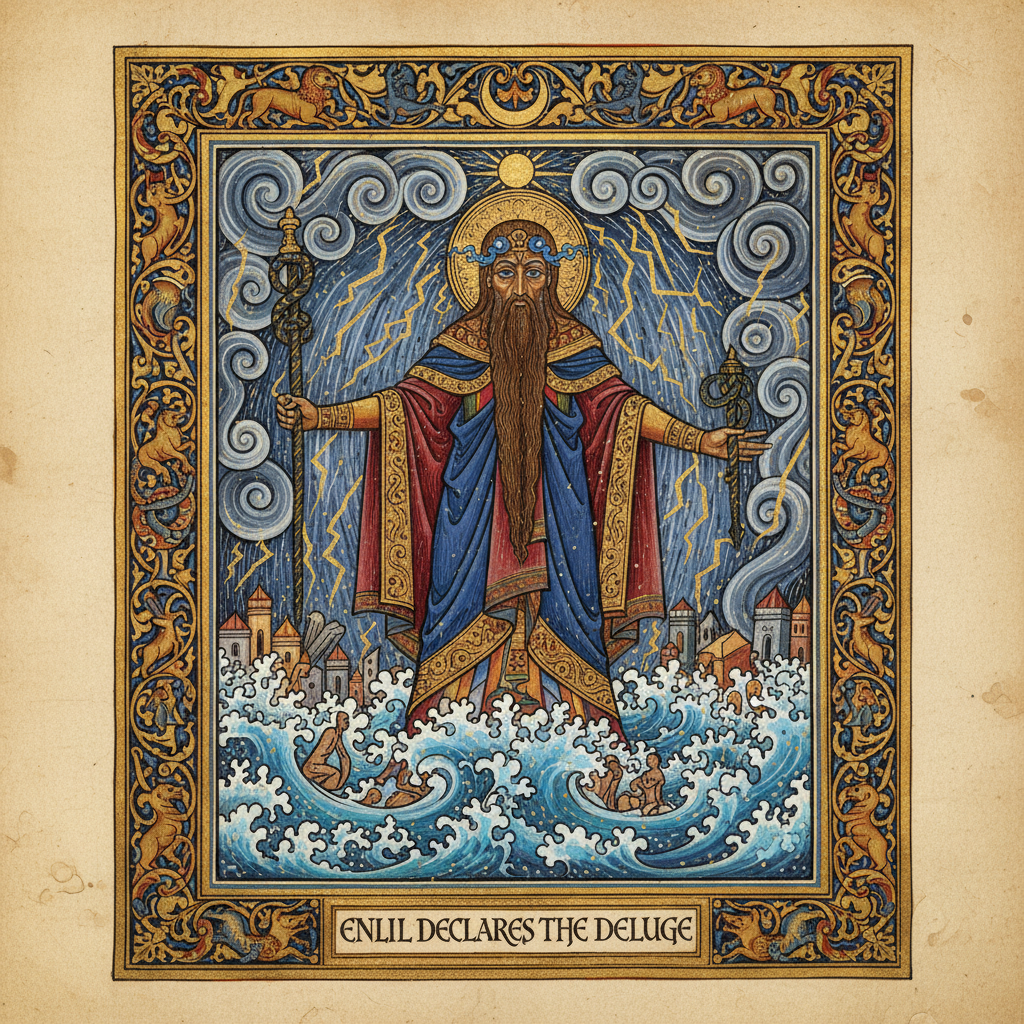
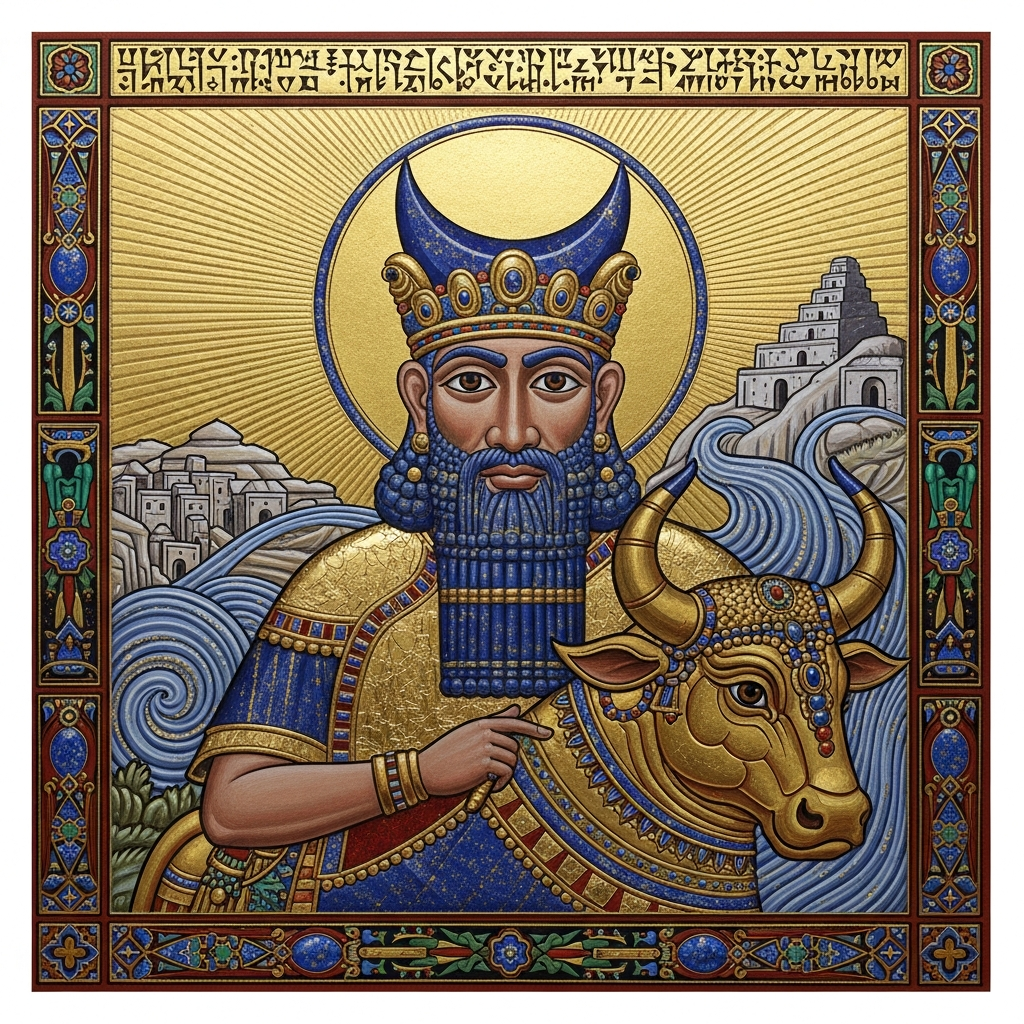
Gilgamesh is the oldest hero in world literature and the original template for the demigod-king who rages against mortality (Epic of Gilgamesh I). Two-thirds divine (his mother is the goddess Ninsun) and one-third human (Epic of Gilgamesh I), he is the strongest, most beautiful, and most restless being alive — a profile that maps directly onto the Nephilim of Genesis 6:4 (“the mighty men of old, men of renown”). The entire arc of his epic prefigures biblical themes: he builds a great city (Babel?), loses his companion Enkidu to death (Abel?), crosses the waters of death to find the flood survivor Utnapishtim (Noah), and is ultimately told that immortality belongs to the gods alone (Eden’s forbidden tree) (Epic of Gilgamesh X). A serpent steals the plant of rejuvenation from him (Epic of Gilgamesh XI) — the same motif as the serpent in Eden who robs humanity of eternal life. Gilgamesh’s failure to achieve immortality is Genesis 3 told from the hero’s perspective (Epic of Gilgamesh XI; Genesis 3).
1 min read
Epic of Gilgamesh (Standard Babylonian version, 12 tablets)