Combat Profile
Counsel of Mortality
grants allies clarity and acceptance of fate, removing fear-based debuffs and revealing hidden truths about their destiny
Tavern of Refuge
creates a sanctuary where all who enter find wisdom, comfort, and reprieve from suffering, radiating peace to nearby allies
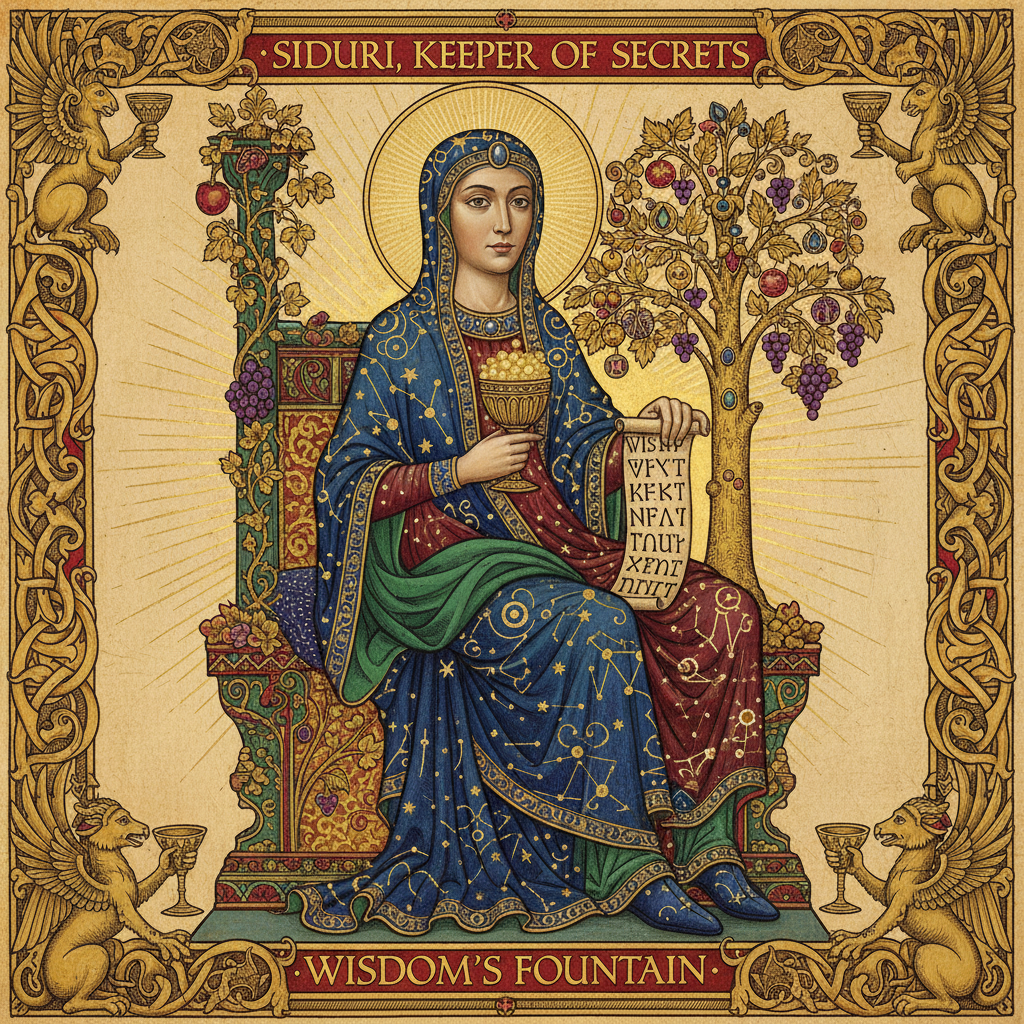
“Gilgamesh, where are you hurrying to? You will never find the life you are looking for. When the gods created man, they allotted to him death, but life they retained in their own keeping. Fill your belly with good food day and night, night and day dance and be merry, feast and rejoice. Let your clothes be fresh, bathe yourself in water, cherish the little child that holds your hand, and make your spouse happy in your embrace, for this is the lot of mankind.”
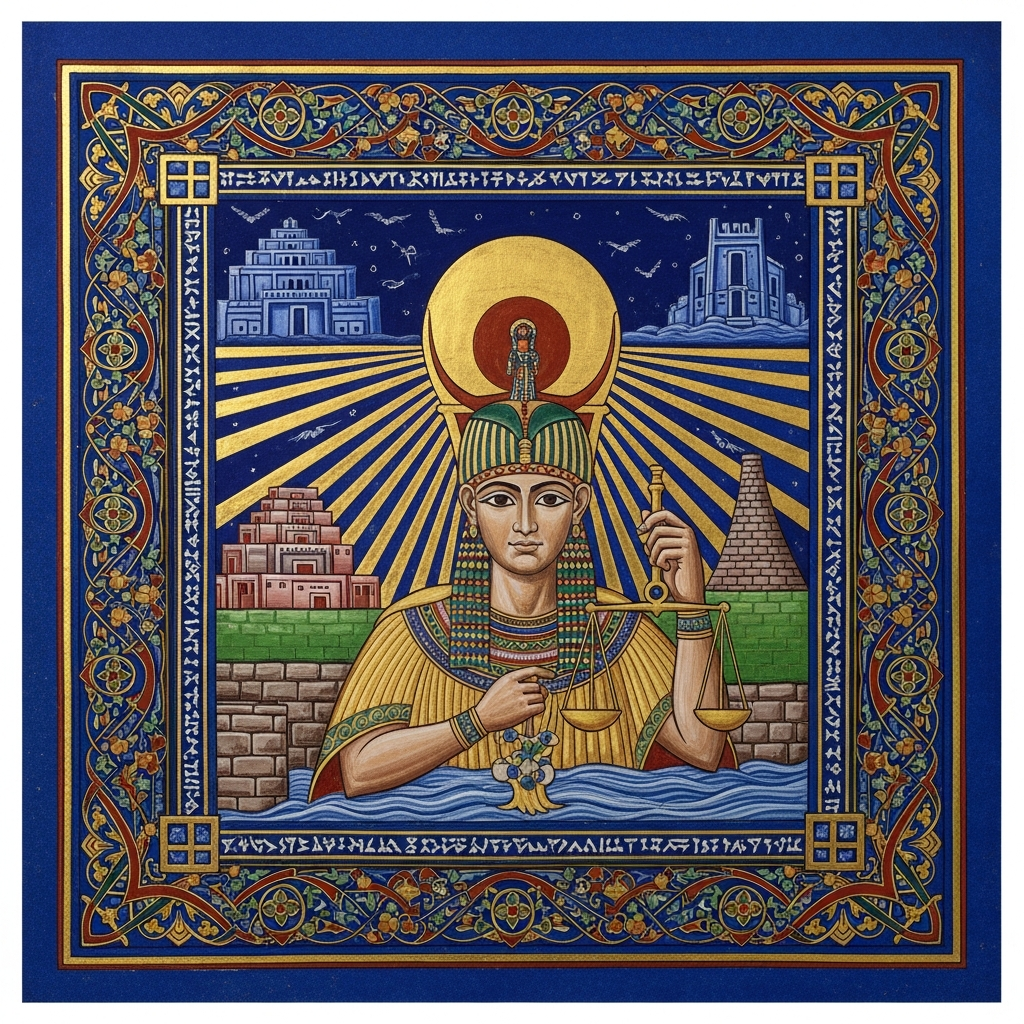
Siduri is not a warrior, king, or warrior-king: she is a barmaid, and her wisdom is not theoretical but practical. When the grief-mad Gilgamesh arrives at her tavern, he demands passage to find Utnapishtim and achieve immortality. She does not mock him or condemn him — she educates him in reality. Immortality belongs to the gods. Death belongs to humans. This is not injustice; it is the nature of creation. Therefore, the only rational response is to enjoy the time you have: eat, dance, love, celebrate. Her counsel is radically subversive of heroic culture: the greatest wisdom is not to quest for immortal glory but to be satisfied with simple, mortal pleasures. The biblical parallel is Ecclesiastes, which arrives at nearly identical conclusions through nearly identical logic: all human achievement is vanity, all human striving is chasing wind, therefore eat, drink, and enjoy the work of your hands (Ecclesiastes 2:24, 9:9). Both Siduri and Ecclesiastes preach acceptance of mortality as liberation rather than defeat.
1 min read
Epic of Gilgamesh X; Stephanie Dalley, *Myths from Mesopotamia*