Combat Profile
Theft of Destinies
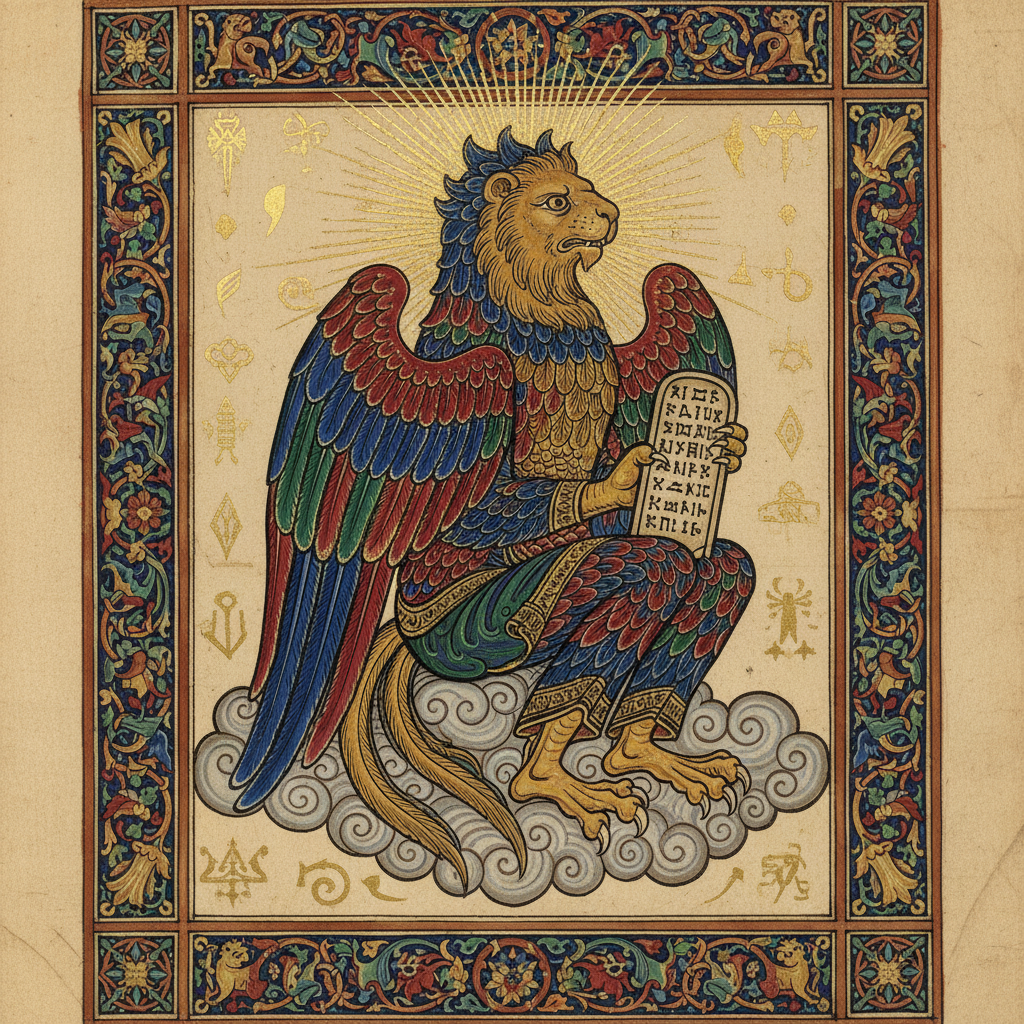
Anzu steals the Tablet of Destinies itself, fundamentally rewriting fate and the cosmic order until a hero reclaims it.
Primordial Chaos
As a creature born of storm and rebellion, Anzu's very presence destabilizes divine law and empowers the weak against the established hierarchy.
“Anzu, the lion-headed eagle, seized the Tablet of Destinies and flew to his mountain lair. Without the Tablet, the gods could not make law or decree. Ninurta pursued him across sky and mountain.”
Anzu is the cosmic thief — a creature of such power that when he steals the Tablet of Destinies (the artifact governing fate itself), the entire divine order collapses. The gods cannot rule, cannot decide, cannot enforce law. Only Ninurta, the warrior-god, can pursue him into the mountains and recover what was stolen. The Anzu myth encodes a fundamental principle: order depends on a hierarchy of power backed by force. When someone steals the tools of governance, only violence can restore them. The biblical parallel is the serpent who steals immortality from Gilgamesh (Gilgamesh XI), and more broadly, every agent of theft and chaos in Scripture: the serpent in Eden, Satan’s rebellion, the demons who steal souls. Anzu represents the moment when chaos nearly triumphs — when the legal structure of the cosmos itself hangs by a thread.
1 min read
Anzu myth (Old Babylonian versions); Sumerian texts on the Tablet of Destinies