The Story

Zoroastrianism is the most influential dead religion of antiquity. It is not literally dead — roughly 120,000 adherents survive worldwide, mostly Parsis in India and a smaller community of Iranis — but it has long since lost the empires and the population centers it once held. What it has not lost is its theological footprint. Eschatology, cosmic dualism, named angels and archdemons, the bodily resurrection of the dead, the final judgment, the coming savior, the heaven/hell binary — these are the load-bearing girders of Judaism, Christianity, and Islam, and every one of them was Zoroastrian first (Boyce, A History of Zoroastrianism 1975-91).
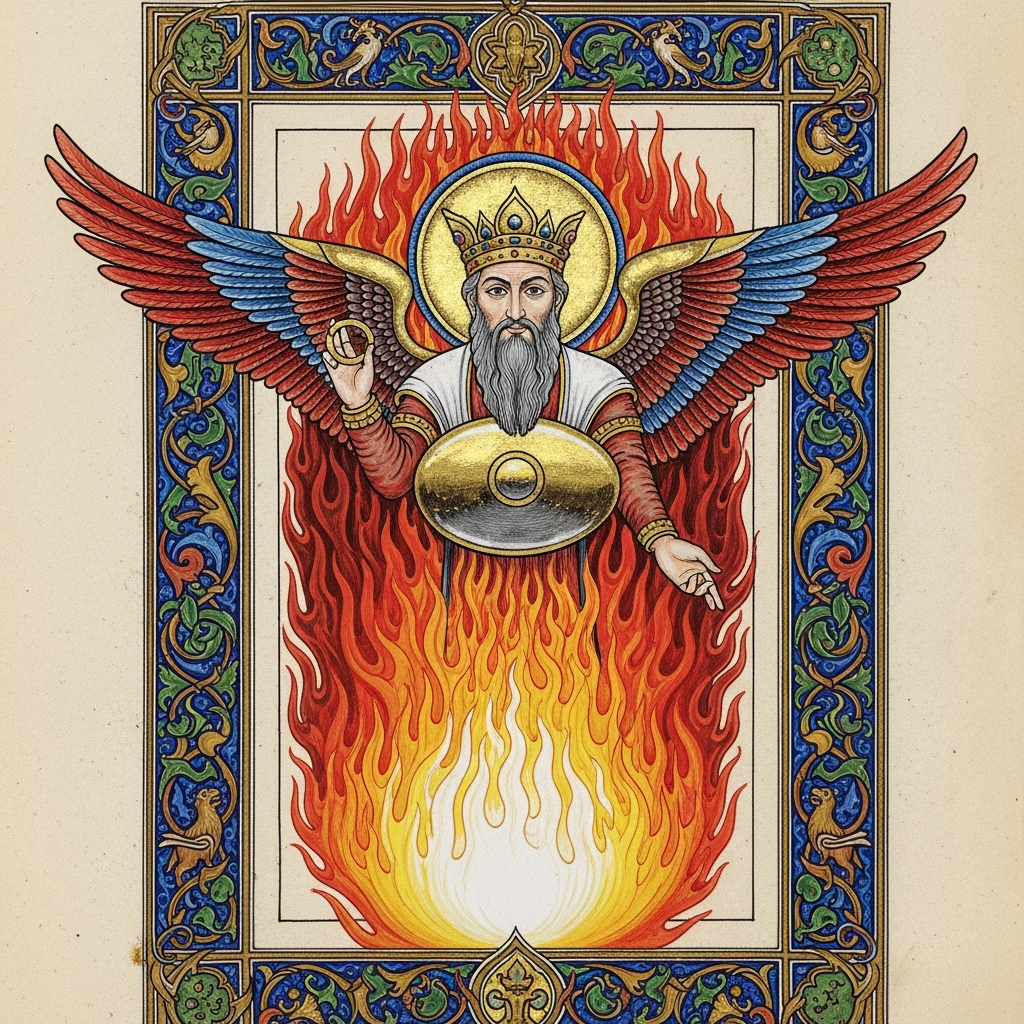
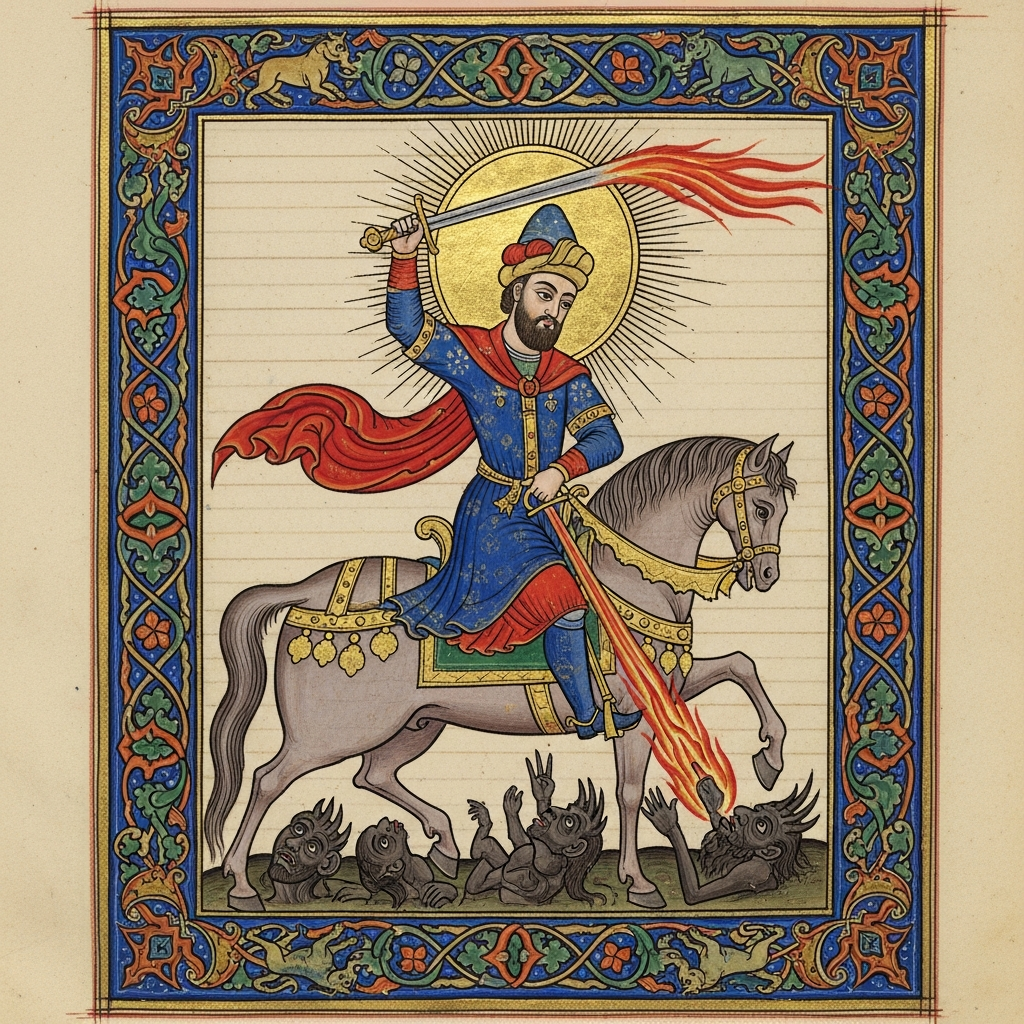
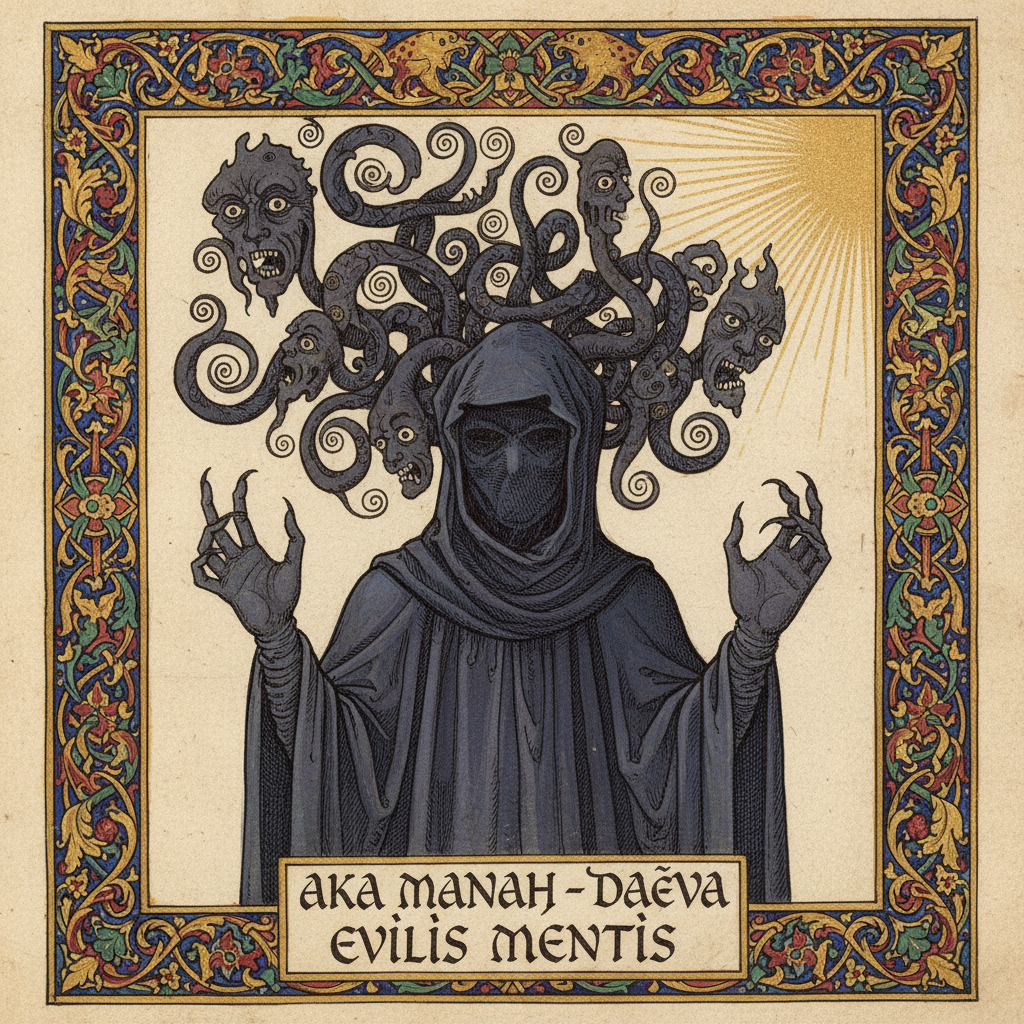
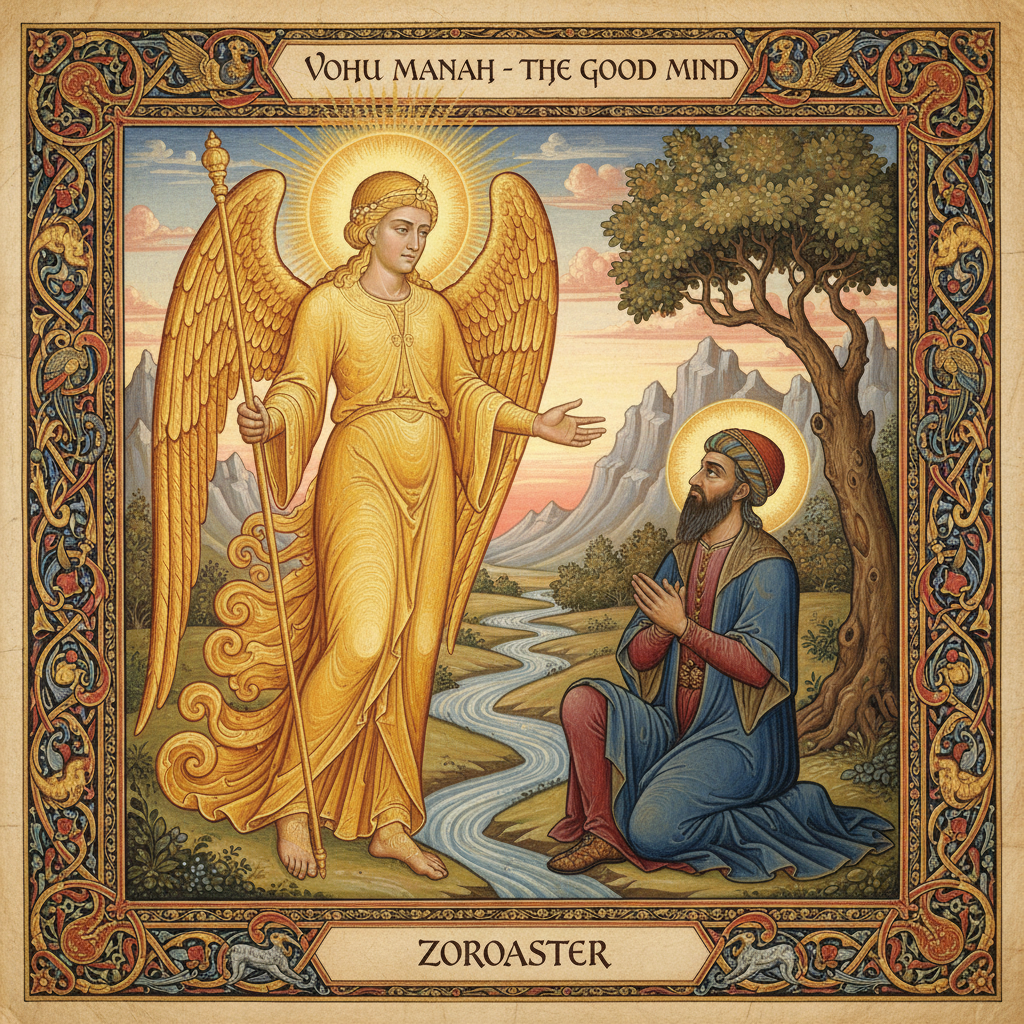
Zarathustra and the Gathas (~1500-1000 BCE, contested): A priest named Zarathustra walked out of the Central Asian steppe into world history. The dating is contested — Iranian tradition places him at 6000 BCE, Western scholarship clusters around 1500-1000 BCE, a few skeptics argue 7th century (Gathas, Yasna 28-34, 43-46, 47-50, 51, 53). The tradition itself does not depend on settling it. What matters: Zarathustra heard a voice. He rejected the polytheism of his Indo-Iranian world and proclaimed one uncreated Wise Lord — Ahura Mazda — locked in cosmic battle with an uncreated Destructive Spirit, Angra Mainyu. His seventeen surviving Gathas (hymns) are the oldest surviving texts in any Indo-European language. Vedic Sanskrit is roughly contemporary. The innovation is staggering: ethical monotheism did not begin in Israel or Arabia. It began here, on a steppe, in a Persian dialect.
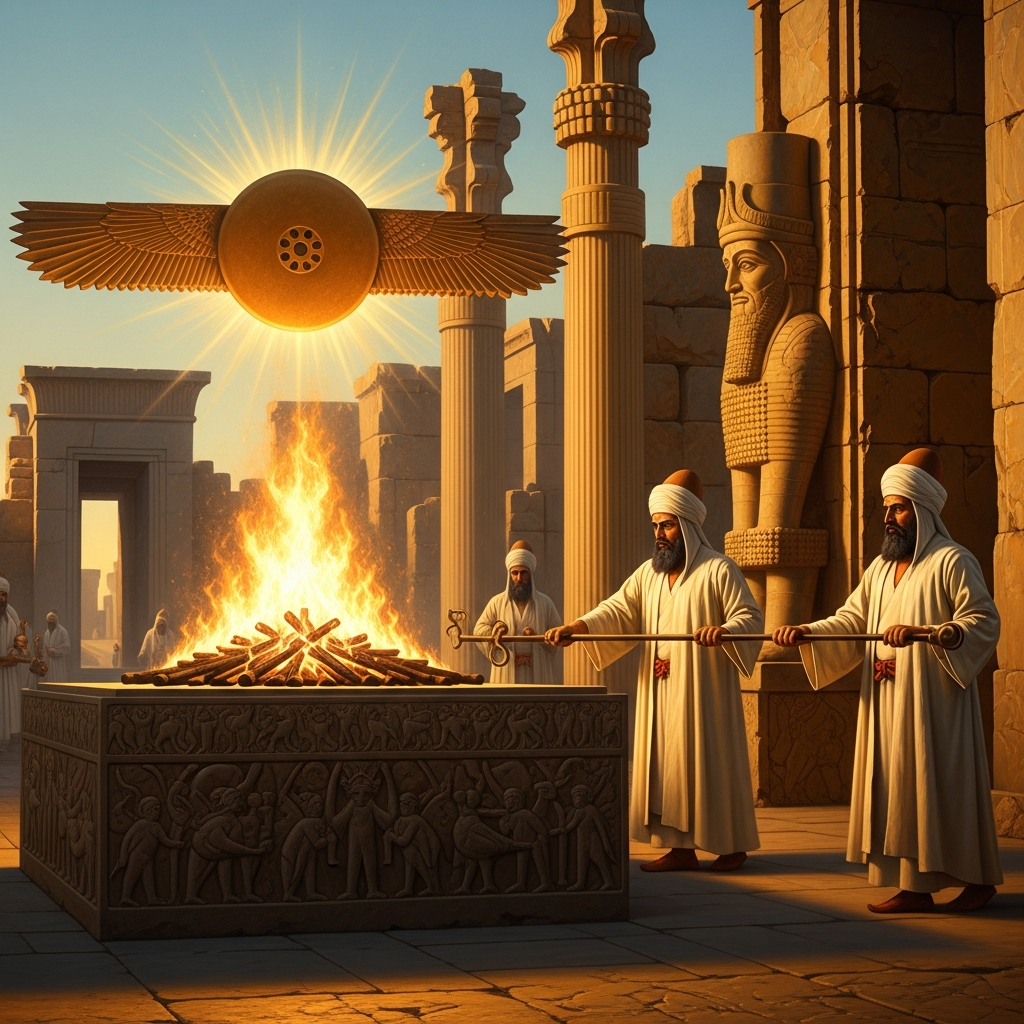
The Achaemenid Empire (~550-330 BCE): Cyrus the Great founded the Persian Empire in 550 BCE (Cyrus Cylinder, 538 BCE). He made Zoroastrianism the religion of the crown. Darius I carved the Behistun Inscription into a cliff-face — trilingual, 15 meters high, crediting Ahura Mazda for every victory (Behistun Inscription, ~520 BCE). At its apex the empire ruled from Greece to the Indus and governed roughly 40% of the human race — the largest share-of-humanity any empire has ever claimed. In 538 BCE, Cyrus freed the Jews from Babylonian exile (Ezra 1:1-4; 2 Chronicles 36:22-23). Isaiah 45:1 calls him mashiach — “anointed one” — the only non-Jewish messiah in the entire Hebrew Bible. The exiled Jews returned to Jerusalem and brought Persian theological vocabulary with them. By the time the Hebrew Bible reached its final form, Satan, Gabriel, Michael, Asmodeus, the resurrection of the dead, and judgment after death had all entered Jewish thought. None of these exist in the older layers of the text. All of them appear after the exile. The source is clear.
Alexander Burns Persepolis (330 BCE): Alexander of Macedon defeated Darius III, marched into the ceremonial capital, and burned it — deliberately, by accident after drunkenness, or at the urging of a Greek courtesan, depending on the source. The royal archives went up with it. According to Zoroastrian tradition, the original Avesta burned in that fire: twenty-one nasks inscribed in gold ink on twelve thousand prepared ox-hides. What survives is a quarter of what was lost. The single greatest library of the ancient world vanished in one night. Persians do not call him “the Great.” He is Gujastak Aleksandar — the Accursed Alexander, second only to Angra Mainyu in the catalog of evil.
The Sassanid Compilation (~3rd-7th c. CE): After five centuries of Hellenistic and Parthian rule, the Sassanid dynasty (224-651 CE) restored Zoroastrianism as state religion. The high priests Tansar and Kartir spent four centuries reconstructing the lost Avesta from oral tradition and fragments (Denkard). The result: the Zend Avesta — Avestan liturgy paired with its Middle Persian (Pahlavi) commentary (Yasna, Visperad, Vendidad, Yashts). The Bundahishn and Denkard crystallized eschatology and doctrine in writing for the first time since Persepolis burned. This is the Zoroastrianism that survives today — a recovered fragment of a much larger original. Most of what modern scholars know about the religion comes from this Sassanid recovery.
The Arab Conquest (651 CE): In 642 CE, Caliph Umar’s armies defeated the last Sassanid emperor, Yazdegerd III, at Nahavand. Zoroastrianism collapsed as a state religion. Persians converted to Islam — some by conviction, many under the jizya head tax on non-Muslims and exclusion from office (al-Tabari). Conversion was the path of least resistance. Fire temples burned or became mosques.
The Parsi Migration (~8th-10th c. CE): A remnant refused. They fled by sea from Hormuz and landed at Sanjan on the Gujarat coast around 936 CE (Qissa-i Sanjan, 1599). The local raja, Jadi Rana, handed them a glass of milk filled to the brim — meaning: this land is full. Their priest dissolved a pinch of sugar without spilling a drop — meaning: we will sweeten your land without displacing it. The raja granted asylum on one condition: do not proselytize. They accepted. They became the Parsis (“Persians”). Mumbai became their capital from the 17th century forward. The Tatas, Godrejs, Wadias built modern India. Eleven centuries later, the last mainstream Zoroastrian community on earth still thrives — barely.
Today: Roughly 120,000 Zoroastrians worldwide; perhaps 60,000 Parsis in India. Low birth rates and strict endogamy mean the living community may not survive another two centuries. But its theological children — Judaism, Christianity, Islam, roughly four billion adherents — remain. None of them know where the bones came from. All of them inherited the skeleton.
Pivotal Events
Zarathustra walked into a river at dawn to fetch water for a ritual. He emerged with a vision — or so the tradition says. The date matters less than the content. One supreme uncreated God opposed by one uncreated Destructive Spirit (Yasna 30:3). The cosmos as battleground. Each human soul choosing a side. The seventeen surviving Gathas (his hymns) are the oldest religious poetry in any Indo-European language, composed in an Avestan dialect contemporary with the Vedas. But unlike the Vedic texts, these hymns announce something new: ethical monotheism. Not one god among many. Not a tribal deity. One wholly good Creator, eternally opposed by one wholly evil Anti-Creator. Every monotheism that follows — Judaism, Christianity, Islam — inherits something from this riverbank.
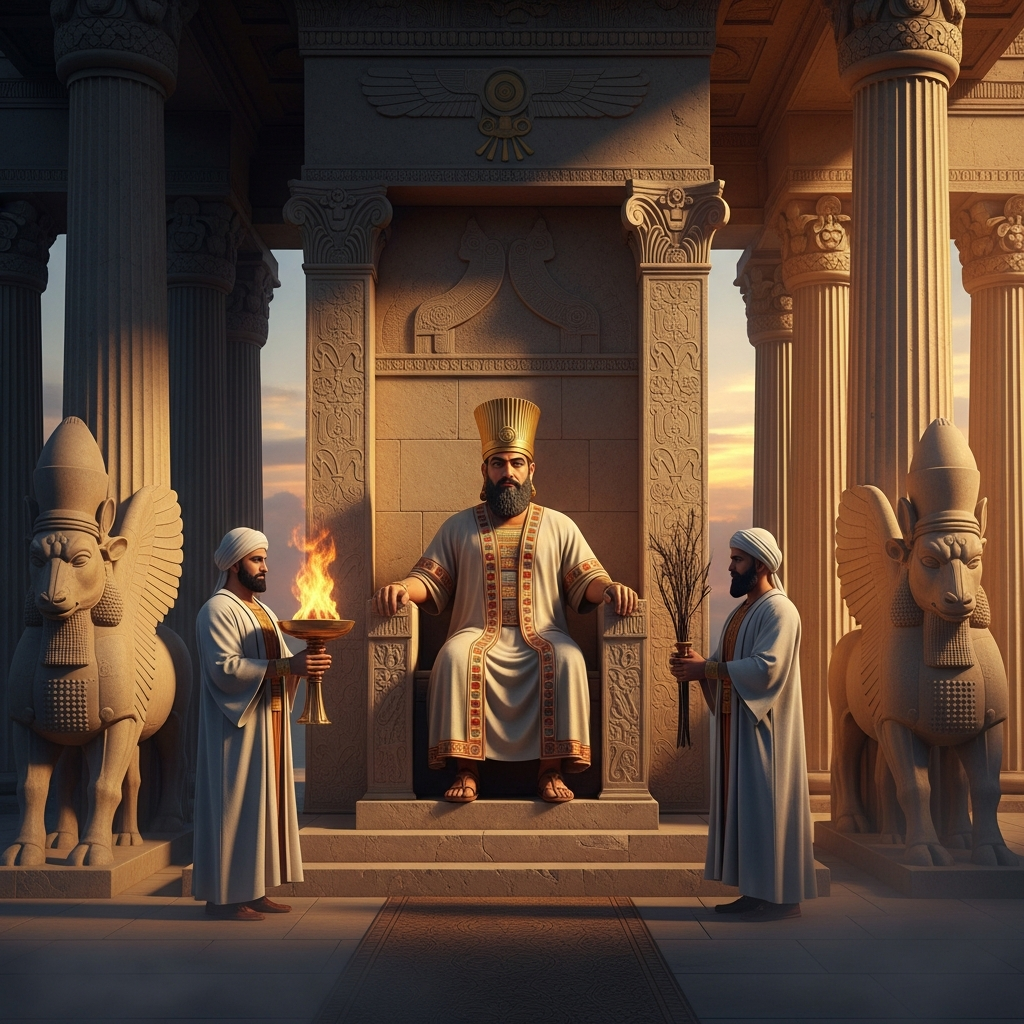
Cyrus the Great founded the Persian Empire under Ahura Mazda’s banner (Cyrus Cylinder, 538 BCE). Cambyses and Darius cut royal inscriptions thanking the Wise Lord by name. The Behistun Inscription — a 15-meter cliff-face in three languages, still legible — credits Ahura Mazda for every victory (Behistun Inscription, ~520 BCE). The Magi (Zoroastrian priests) served as imperial advisors, astronomers, ritualists. The word magic is their inheritance. At its apex the empire ruled from Greece to the Indus, governing roughly 40% of humanity. For two centuries, Zoroastrianism was the religion of the largest empire on earth — and the empire that, in 538 BCE, freed the Jews from Babylonian exile (Ezra 1:1-4) and sowed Persian theology into Second Temple Judaism.
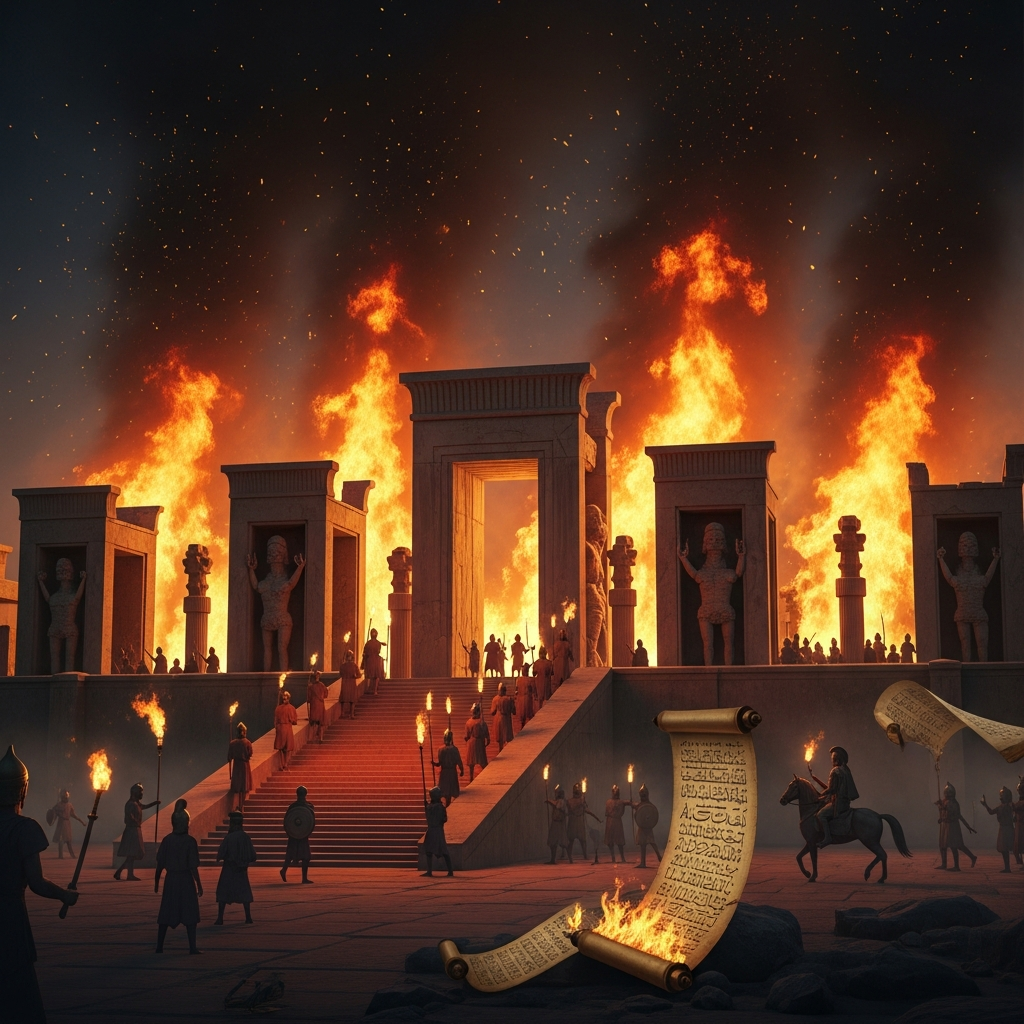
In 330 BCE, Alexander burned Persepolis — deliberately, by accident, or at the urging of a Greek courtesan, depending on the source (Plutarch, Alexander 38). The royal archives went up with it. By Zoroastrian account, the original Avesta burned: twenty-one nasks in gold ink on twelve thousand prepared ox-hides. What survives is a quarter of what was lost. The single greatest library of the ancient world vanished in one night. Persians call him not “the Great” but Gujastak Aleksandar — the Accursed Alexander. In the Persian imagination, only Angra Mainyu outranks him in evil.

After five centuries under Greek and Parthian rule, the Sassanid dynasty (224-651 CE) restored Zoroastrianism as state religion. Tansar and his successor Kartir spent four centuries reconstructing the lost Avesta from oral tradition and fragments (Denkard). The result: the Zend Avesta — Avestan liturgy (Yasna, Visperad, Vendidad, Yashts) paired with its Middle Persian (Pahlavi) commentary. The Bundahishn, Denkard, and Arda Viraf Namag crystallized cosmogony, doctrine, and the soul’s post-mortem journey for the first time since Persepolis burned. Modern scholarship knows Zoroastrianism almost entirely through this Sassanid recovery — a reconstruction of a reconstruction.
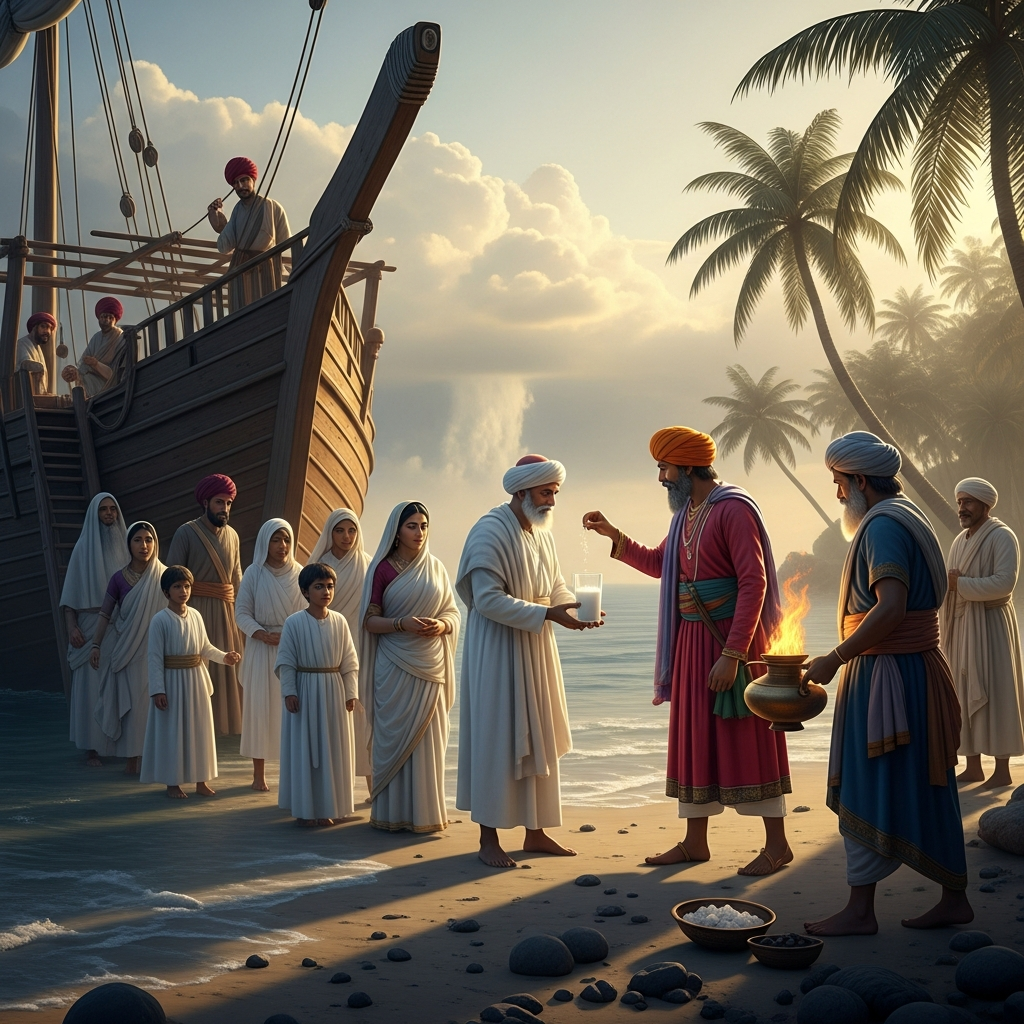
After the Arab conquest in 651 CE, most Iranians converted to Islam under the jizya tax, legal disability, and exclusion from office. A remnant refused. According to the Qissa-i Sanjan (recorded 1599, preserving older memory), they fled by ship from Hormuz and landed at Sanjan on the Gujarat coast around 936 CE (Qissa-i Sanjan 1599). The local raja, Jadi Rana, handed them a glass of milk filled to the brim — this land is full. Their priest dissolved a pinch of sugar without spilling a drop — we will sweeten it without displacing it. The raja granted asylum on one condition: no proselytizing. They accepted. They became the Parsis. Mumbai became their capital from the 17th century forward. The Tatas, Godrejs, Wadias rose to prominence under British rule. Eleven centuries later, the Parsis remain the only living mainstream Zoroastrian community on earth — the last custodians of an ancient fire.
Timeline
| Era | Date | Event | Source |
|---|
| Pre-Zoroastrian | ~2000-1500 BCE | Indo-Iranian polytheism on the Central Asian steppe; shared roots with Vedic religion | comparative philology |
| Zarathustra | ~1500-1000 BCE (contested) | Zarathustra’s vision; composition of the Gathas | Yasna 28-34, 43-51, 53 |
| Early Spread | ~1000-600 BCE | Religion spreads across the Iranian plateau | Avestan geography |
| Median Magi | ~700-550 BCE | Magi priestly caste established under the Medes | Herodotus 1.101 |
| Achaemenid Empire | 550 BCE | Cyrus the Great founds the Persian Empire | Cyrus Cylinder |
| Edict of Liberation | 538 BCE | Cyrus frees the Jews from Babylonian exile | Ezra 1; Isaiah 45 |
| Behistun Inscription | ~520 BCE | Darius credits Ahura Mazda for his victories | Behistun rock face |
| Achaemenid Apex | ~500 BCE | Empire spans from Aegean to Indus, ~40% of world population | Herodotus |
| Greek Wars | 490-479 BCE | Persian invasions of Greece repelled at Marathon, Salamis, Plataea | Herodotus |
| Alexander Burns Persepolis | 330 BCE | Original Avesta destroyed | Plutarch, Alexander 38 |
| Hellenistic Persia | 330-247 BCE | Seleucid rule; Zoroastrianism survives without state patronage | Greek sources |
| Parthian Era | 247 BCE - 224 CE | Arsacid dynasty; Zoroastrianism continues as folk religion | Parthian inscriptions |
| Sassanid Restoration | 224 CE | Ardashir I founds the Sassanid Empire; Zoroastrianism re-established as state religion | Kartir inscriptions |
| Avesta Compilation Begins | ~3rd c. CE | High priest Tansar begins reconstruction of the Avesta | Denkard |
| Mani’s Heresy | ~240-276 CE | Manichaeism arises as a Zoroastrian-Christian-Buddhist syncretism | Manichaean texts |
| Avesta Standardized | ~6th c. CE | Pahlavi commentary (Zand) compiled; Bundahishn and Denkard composed | Pahlavi corpus |
| Battle of Nahavand | 642 CE | Sassanid army defeated by the Arab Caliphate | al-Tabari |
| Yazdegerd III Killed | 651 CE | Last Sassanid emperor murdered; empire collapses | al-Tabari |
| Parsi Migration | ~8th-10th c. CE | Faithful flee Persia for India; land at Sanjan ~936 CE | Qissa-i Sanjan (1599) |
| Iranian Conversion | 8th-11th c. CE | Most Persians convert to Islam under jizya pressure | Islamic sources |
| Bombay Parsis Rise | 17th-19th c. CE | Parsis become commercial leaders under British rule | colonial records |
| Tata Group Founded | 1868 CE | Jamsetji Tata founds the dynasty that builds modern Indian industry | corporate history |
| Iranian Revolution | 1979 CE | Islamic Republic; remaining Iranian Zoroastrians face new pressures | contemporary news |
| Present | 2026 CE | ~120,000 Zoroastrians worldwide; mostly Parsis in India | demographic studies |

 LEGENDARY
  LEGENDARY
 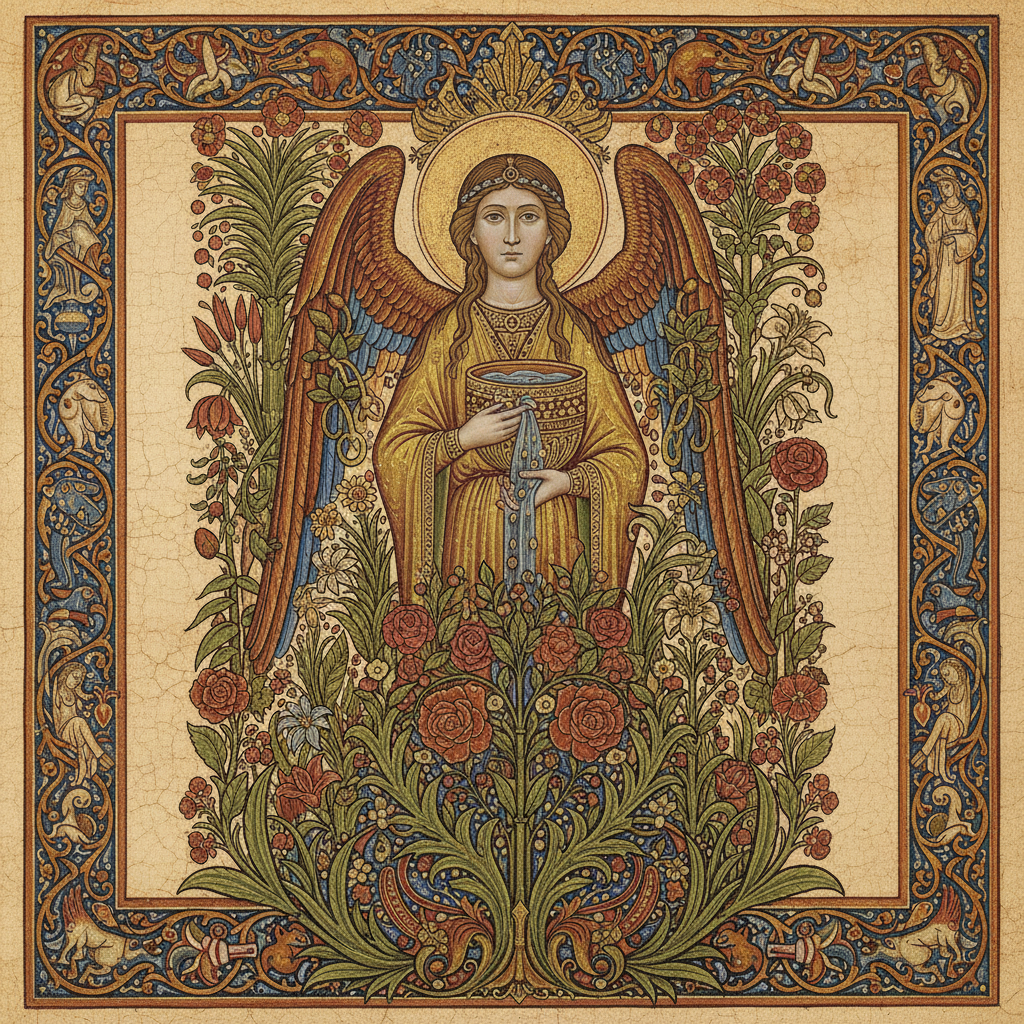 LEGENDARY
 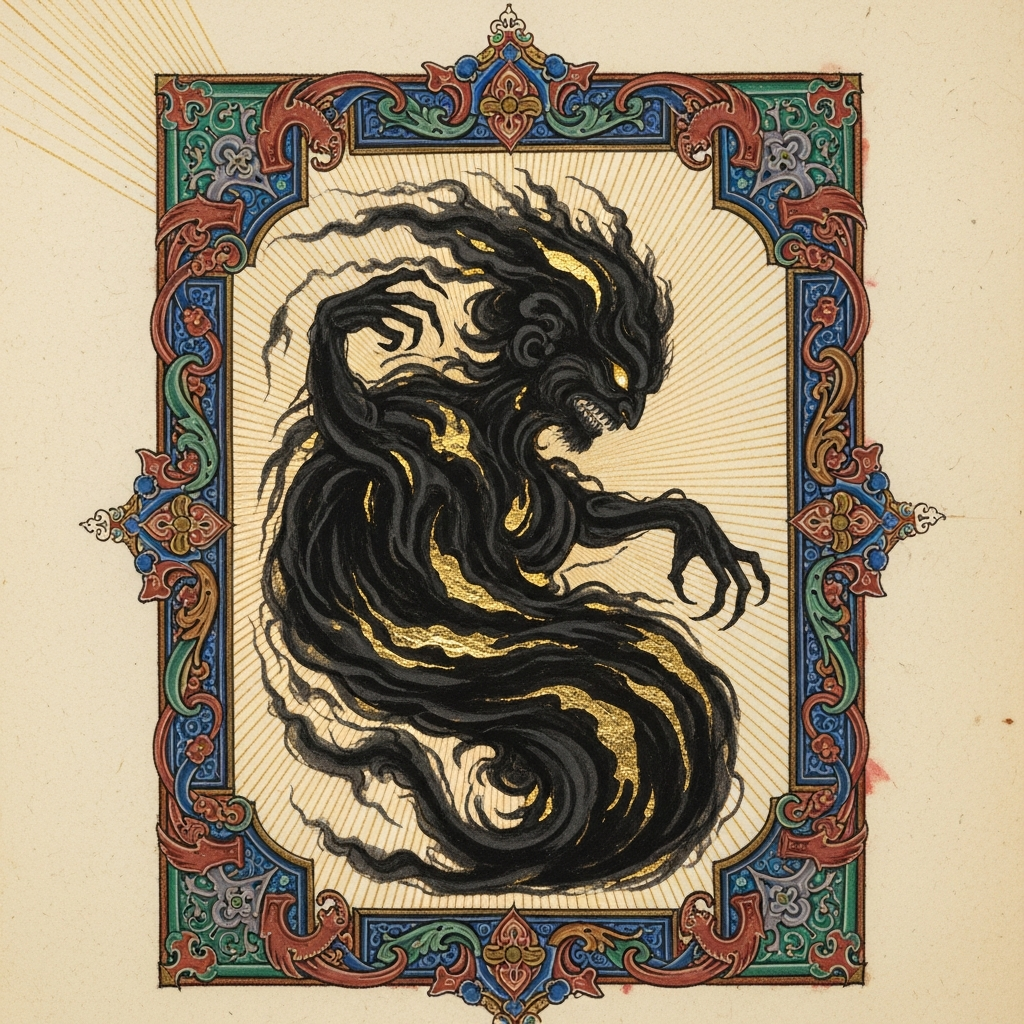 MYTHIC
 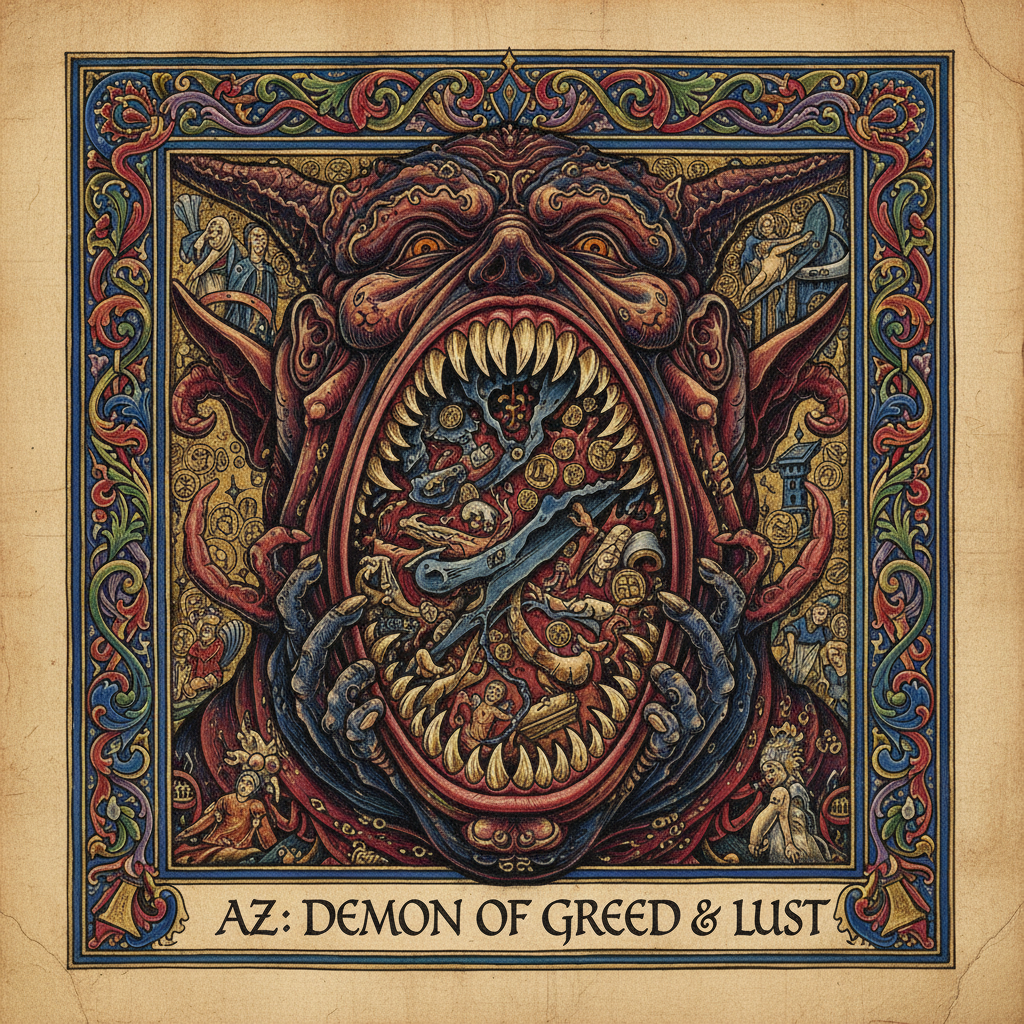 LEGENDARY
 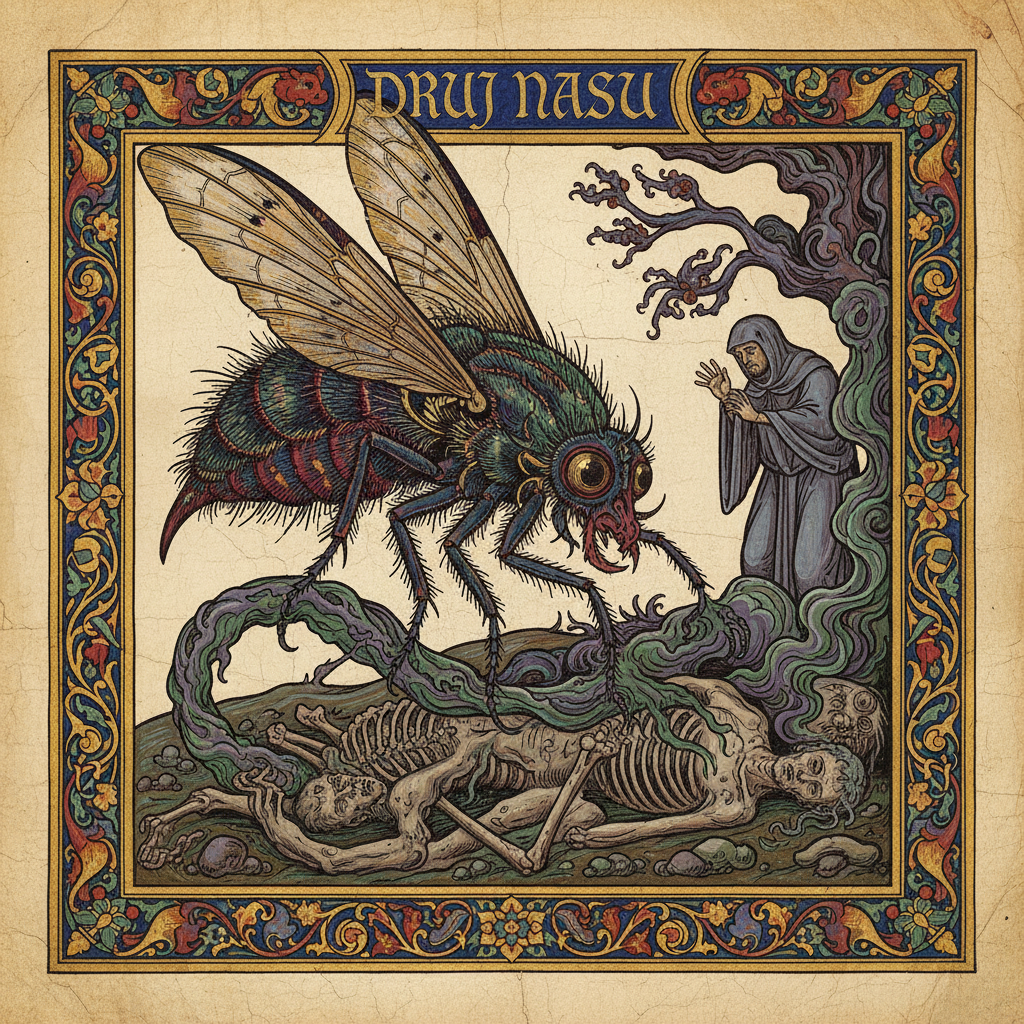 LEGENDARY
 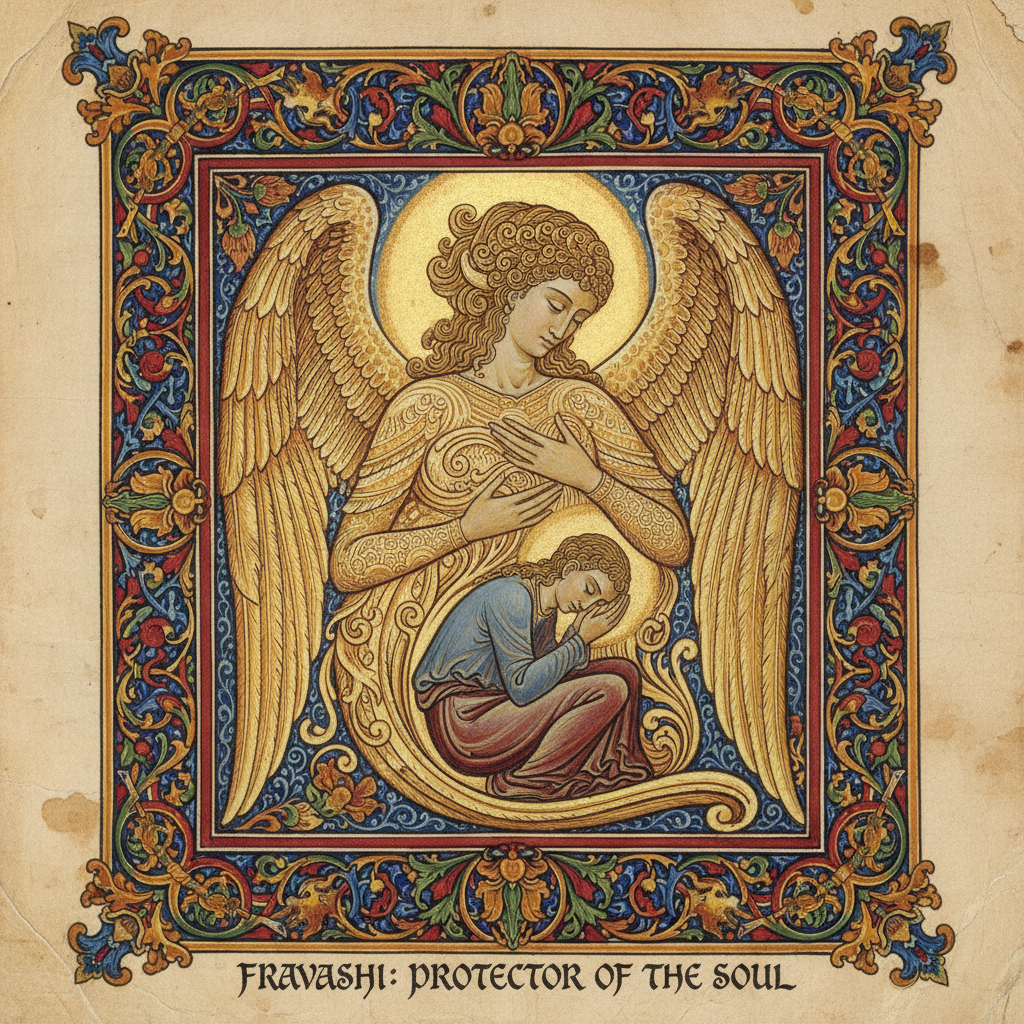 LEGENDARY
 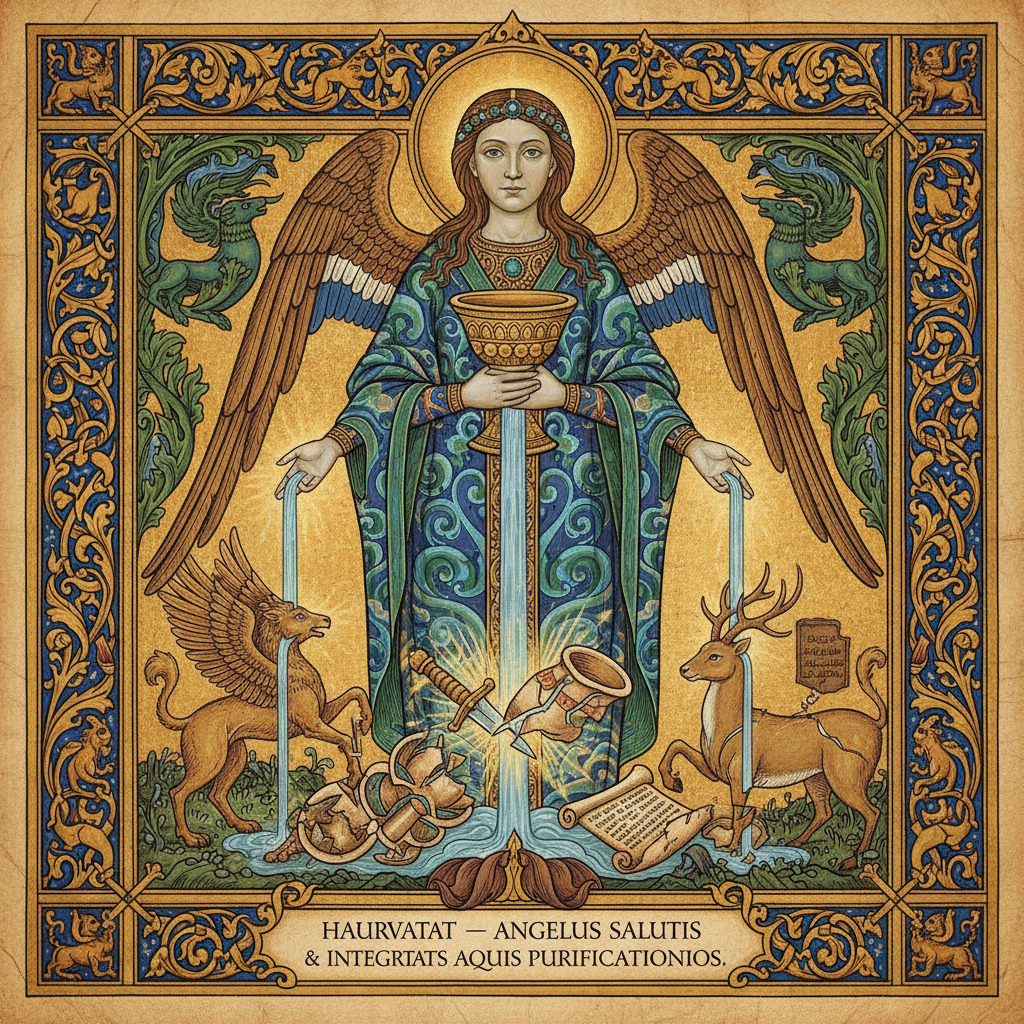 LEGENDARY
 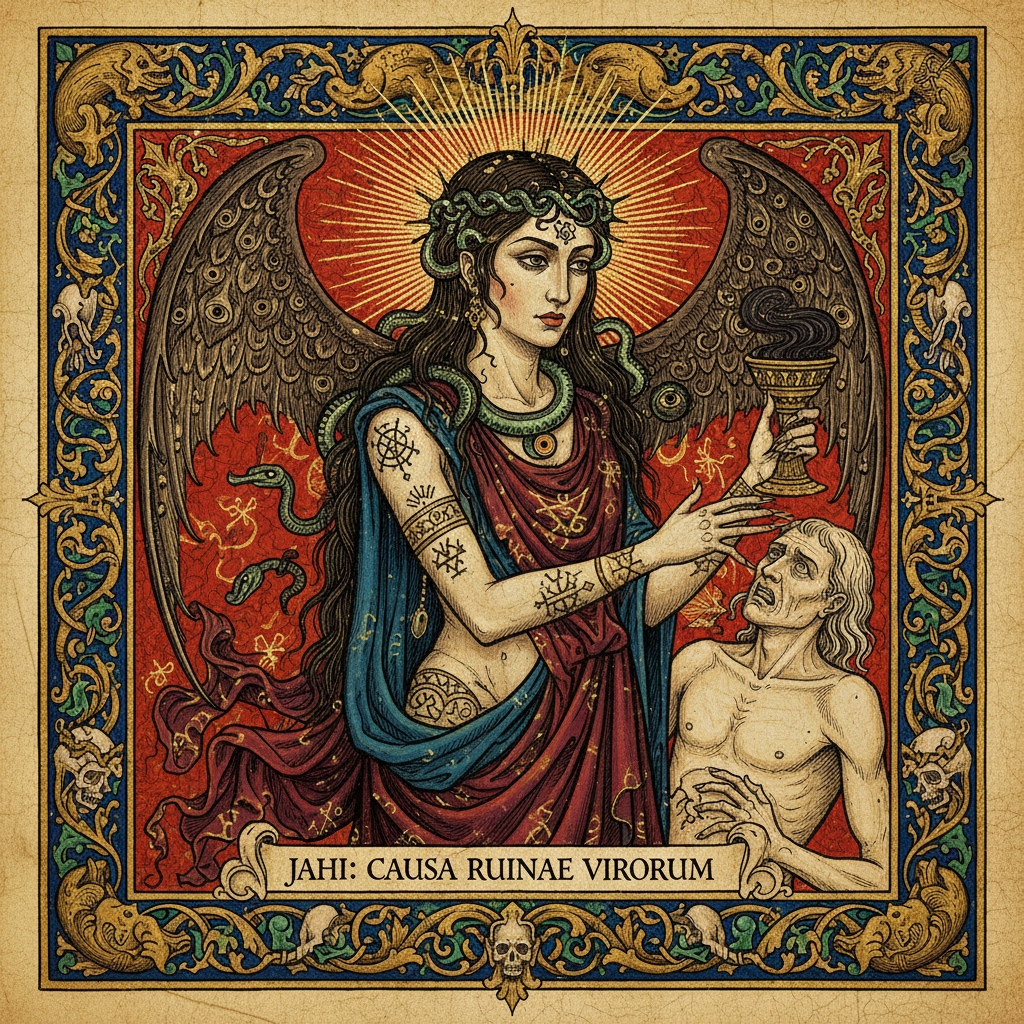 LEGENDARY
 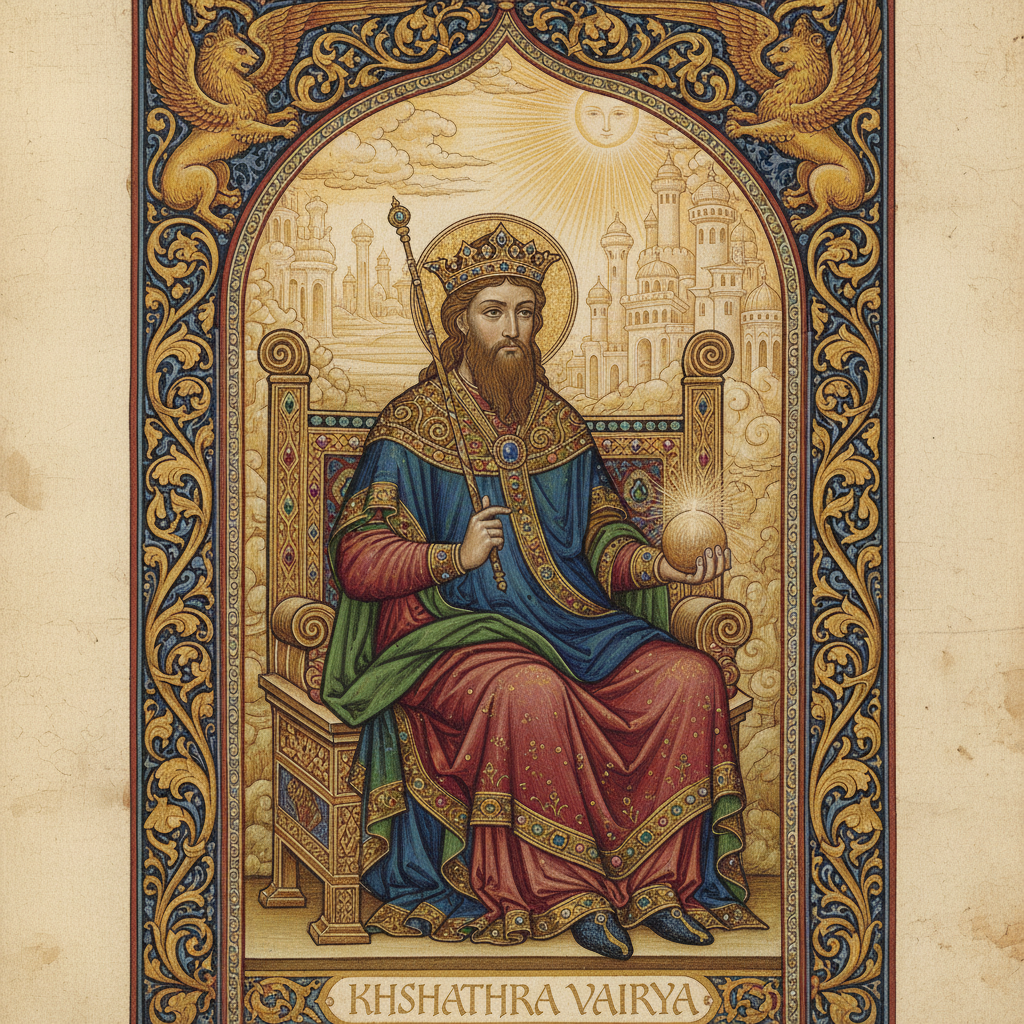 MYTHIC
  MYTHIC
  MYTHIC
  MYTHIC
  MYTHIC
  MYTHIC